The Loribaft rug traces its origins to the nomadic tribes of the Middle East, particularly the Luri people who have long been celebrated for their expressive weaving traditions. These rugs are deeply connected to the landscapes and cultural stories of their makers, often reflecting the natural environment through simplified, geometric, and tribal designs.
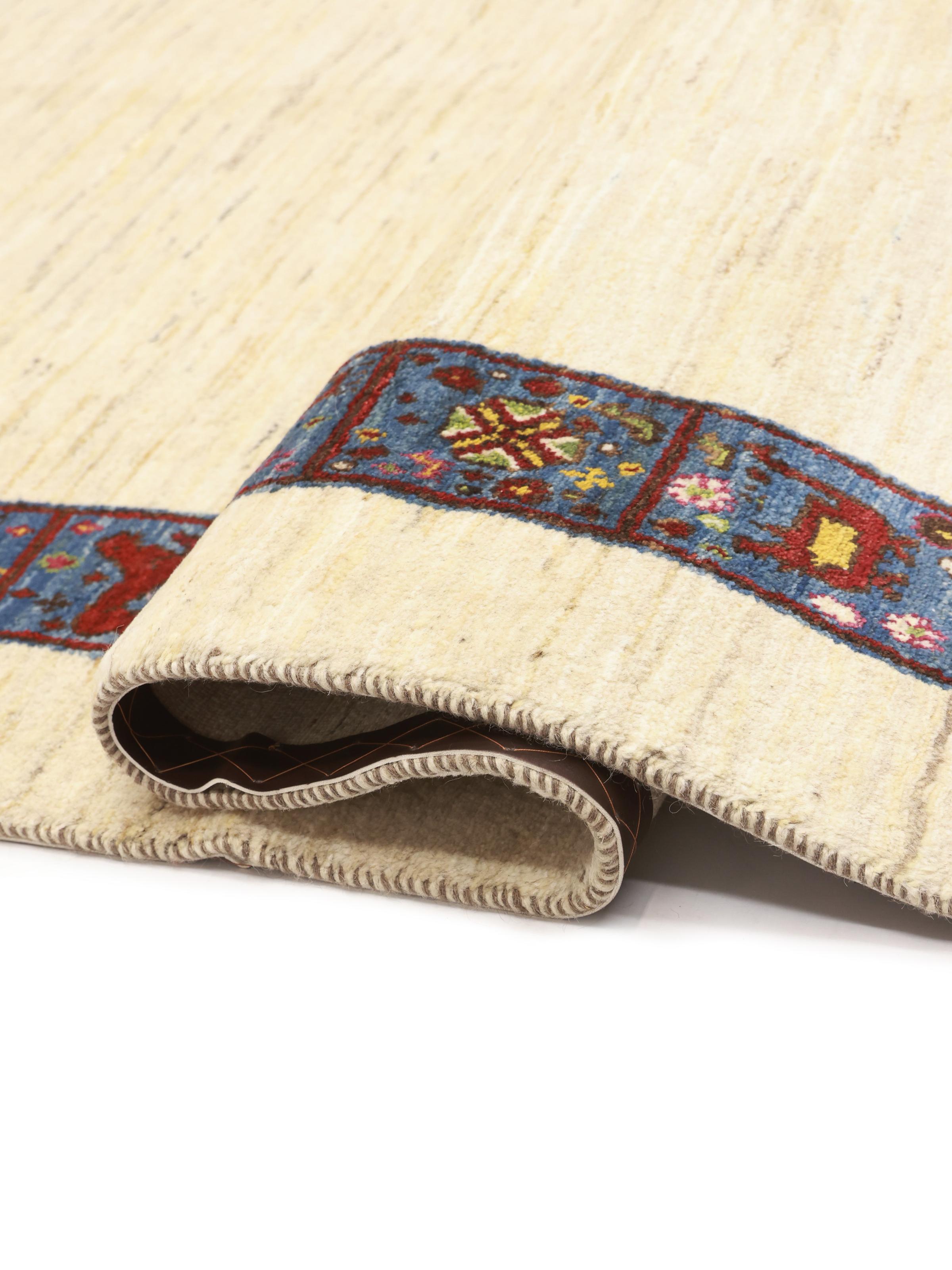
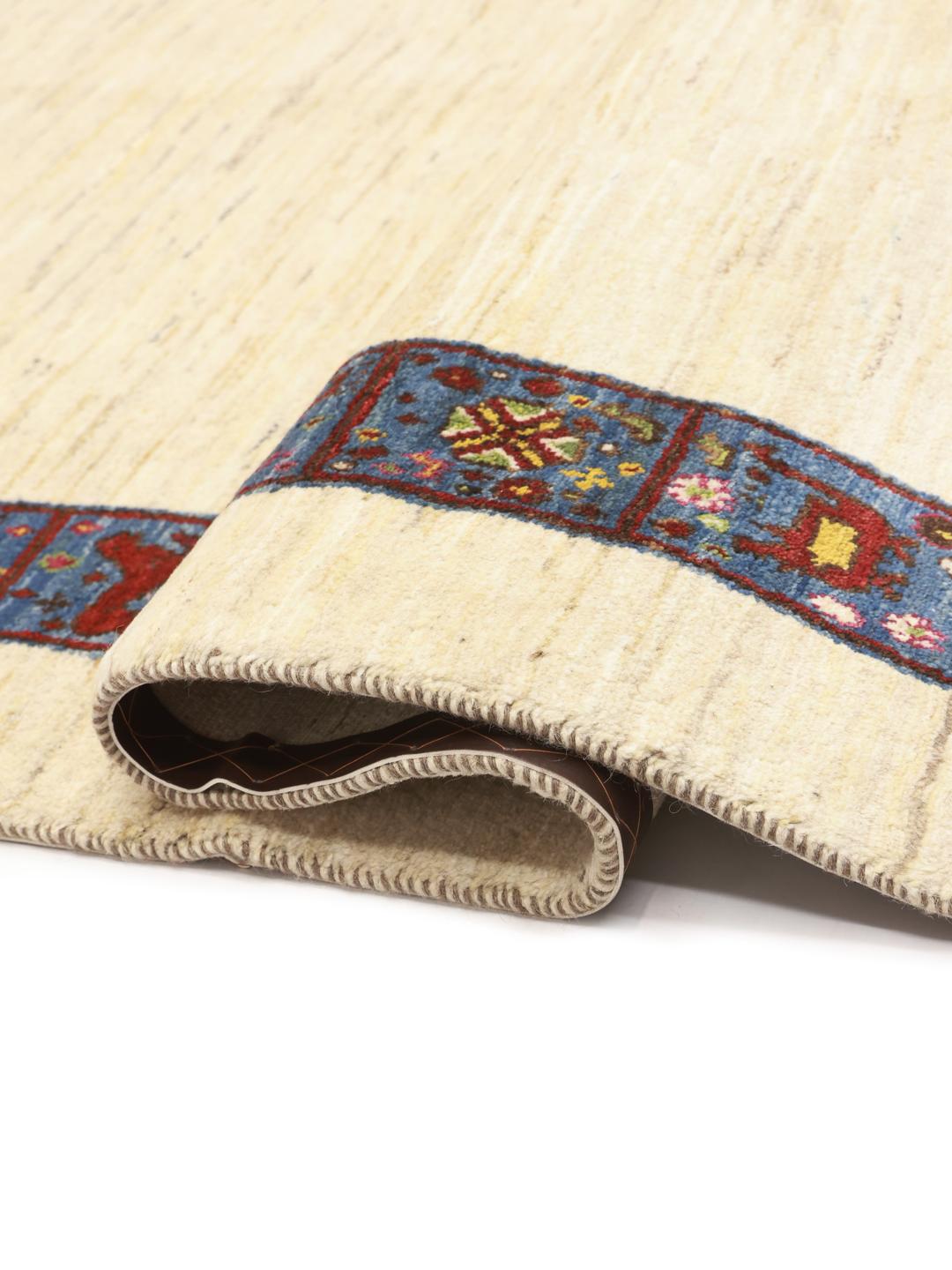
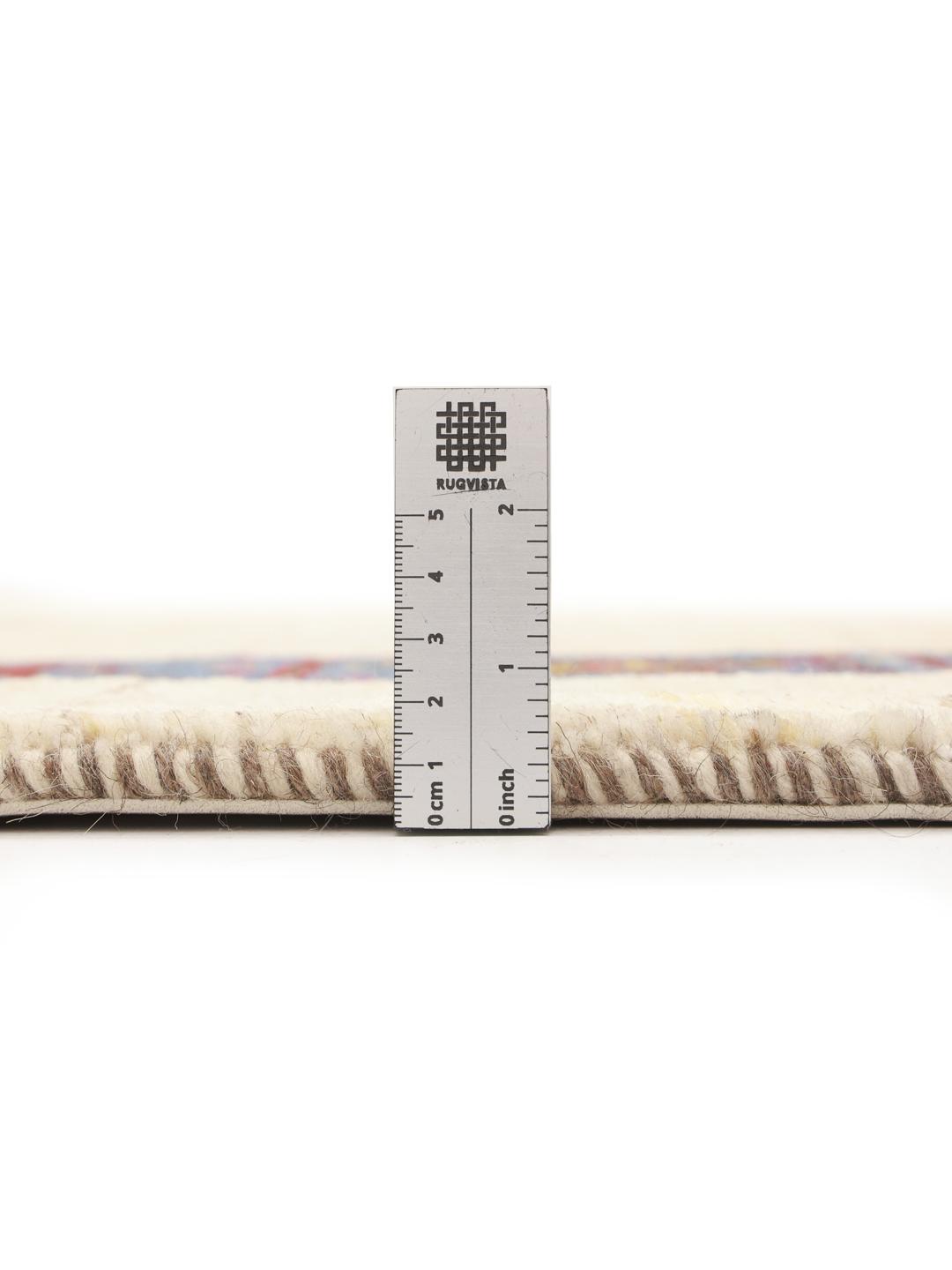
In the world of rug craft, the term Loribaft refers to a style that evolved from traditional tribal weaving, often characterized by a thicker, softer pile that feels more substantial than many other regional varieties. This construction choice provides a luxurious, cushioned feel that makes these rugs highly sought after for modern living spaces.
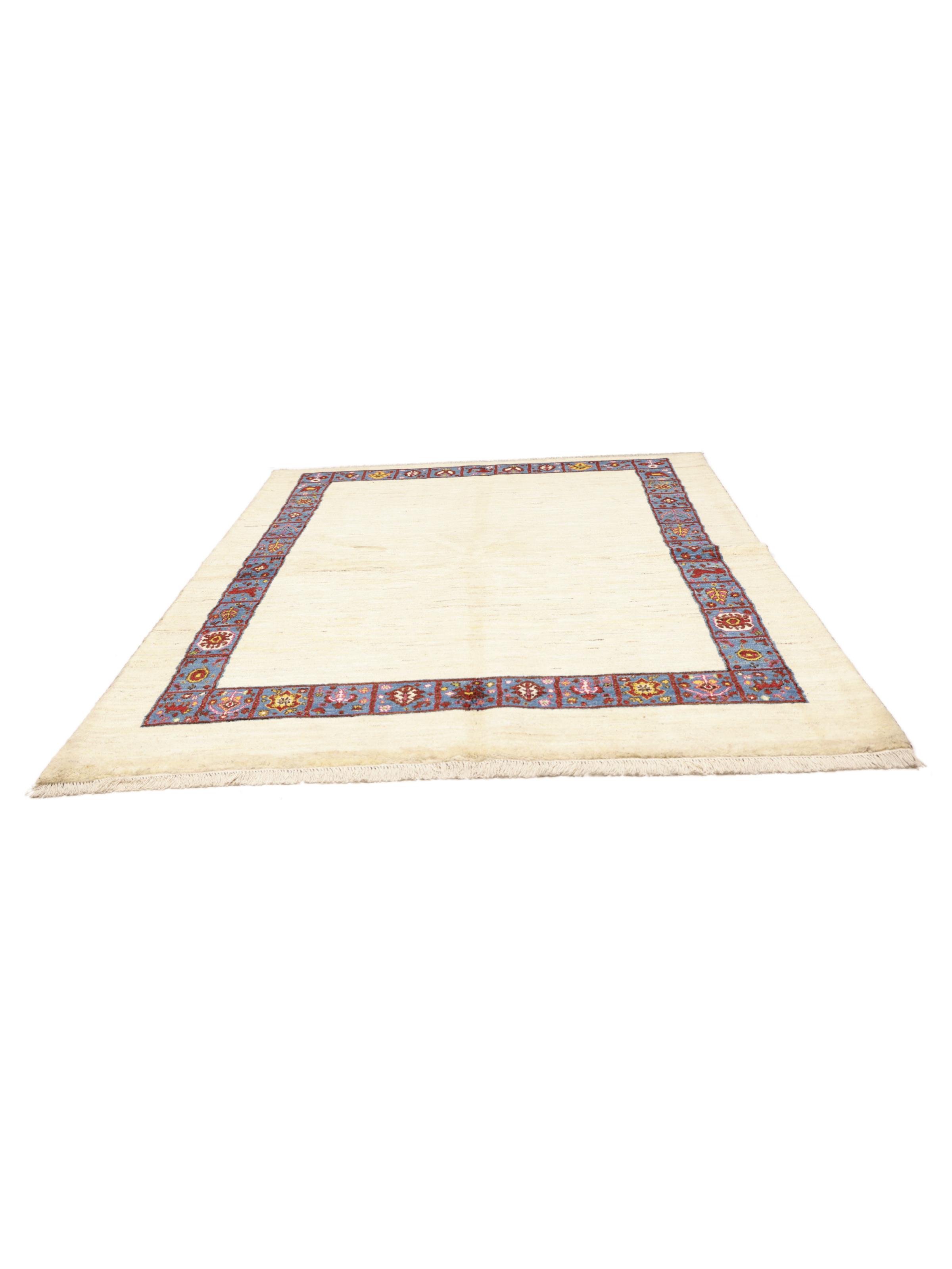
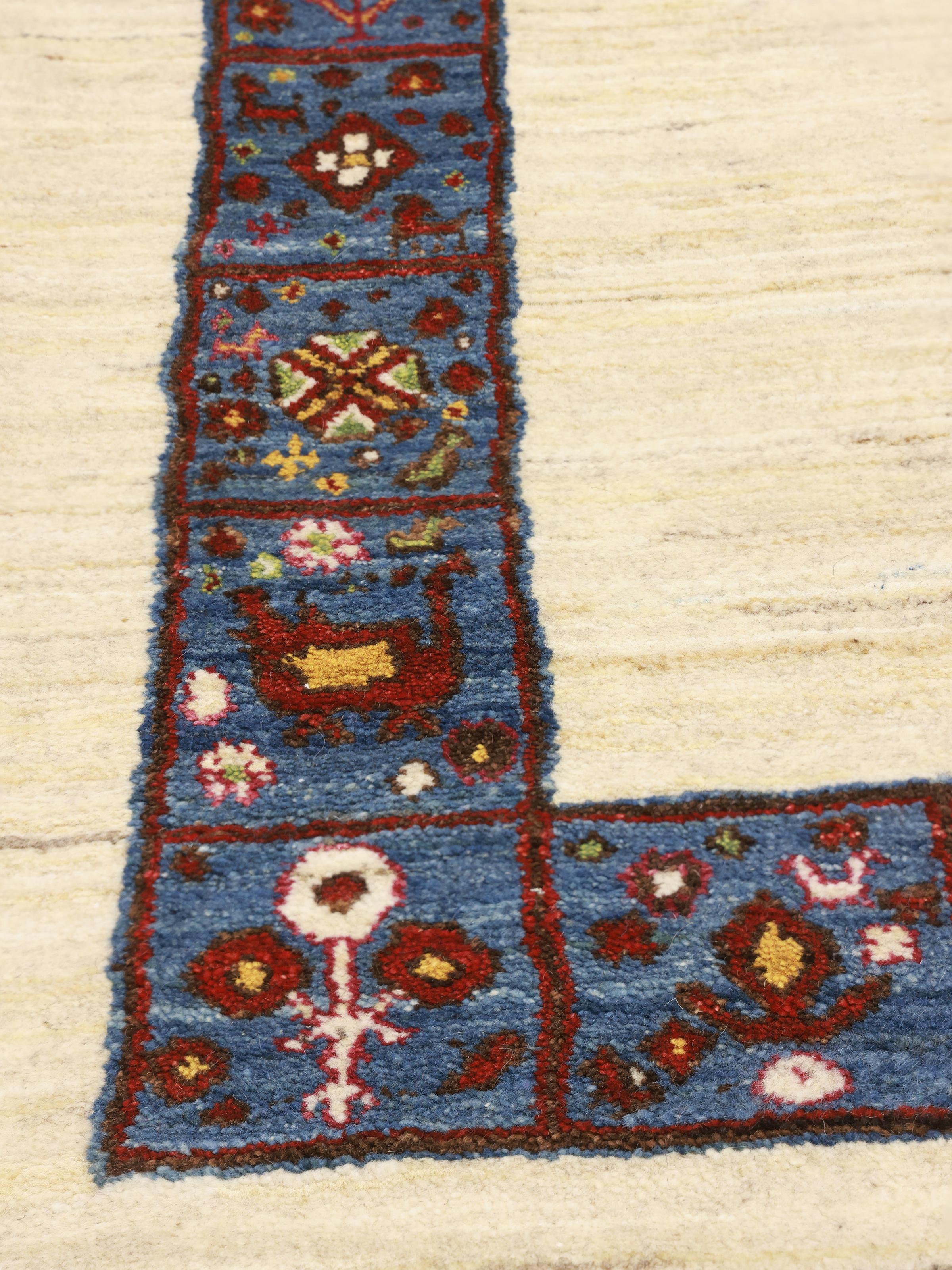
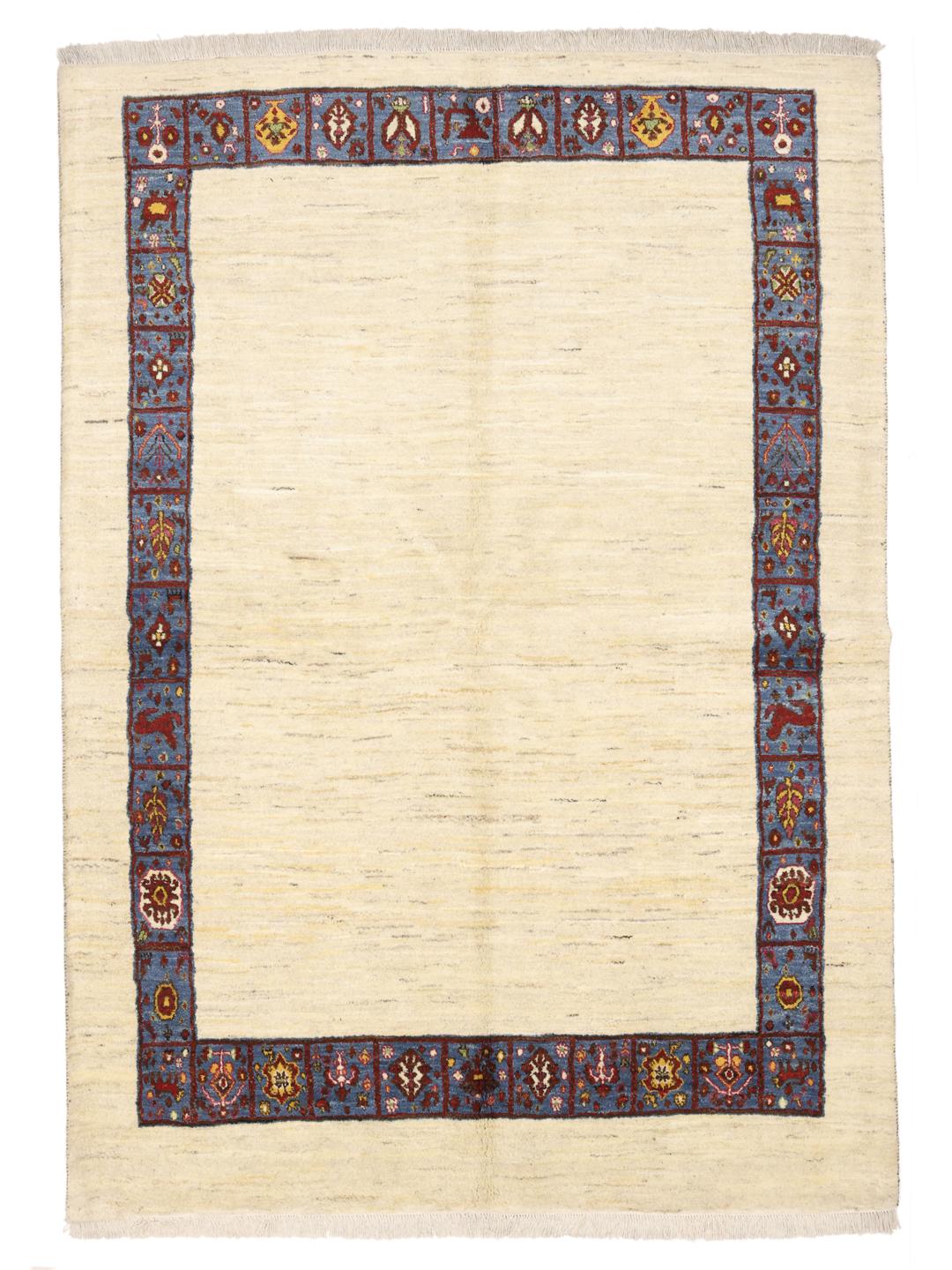
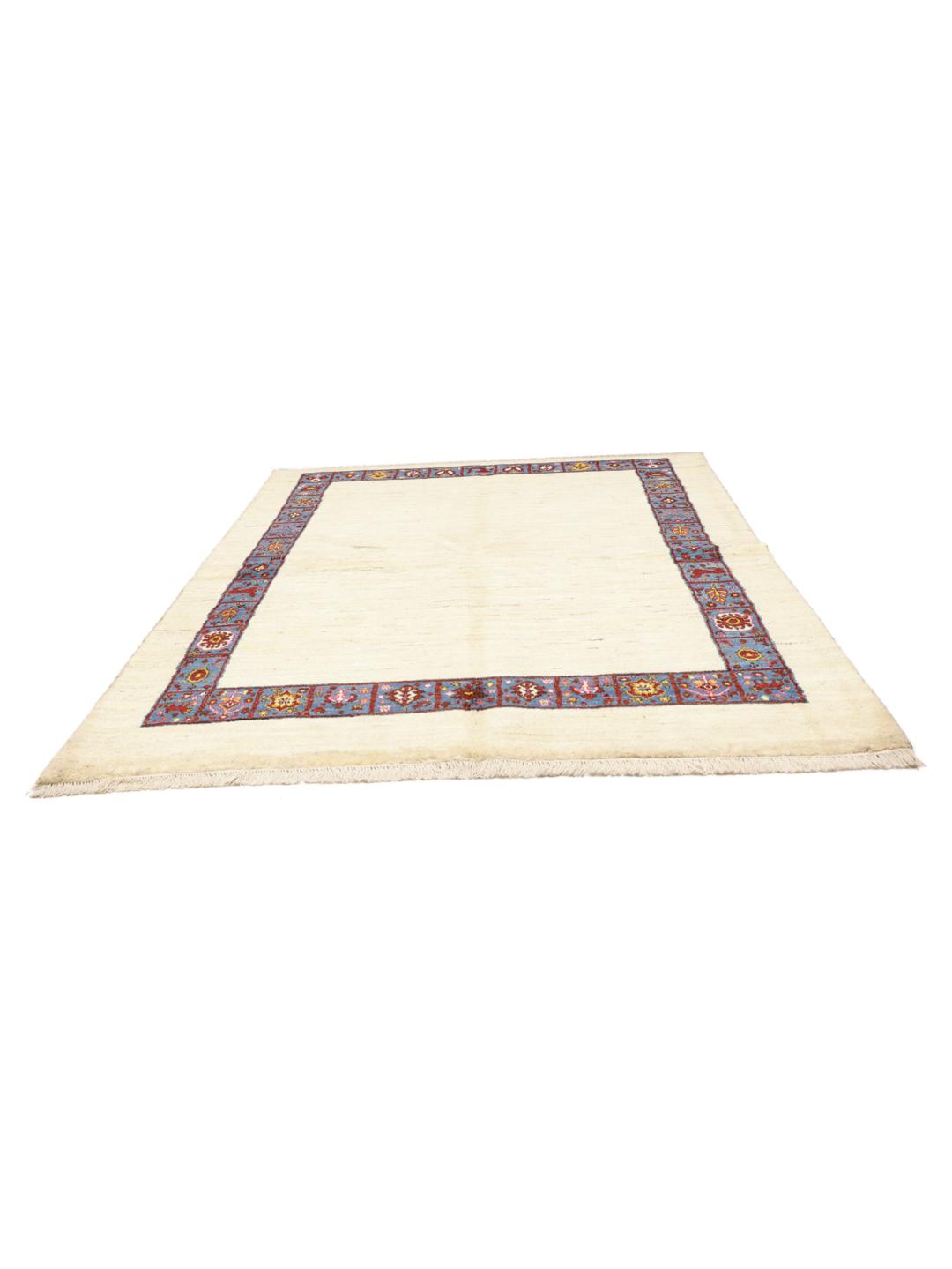
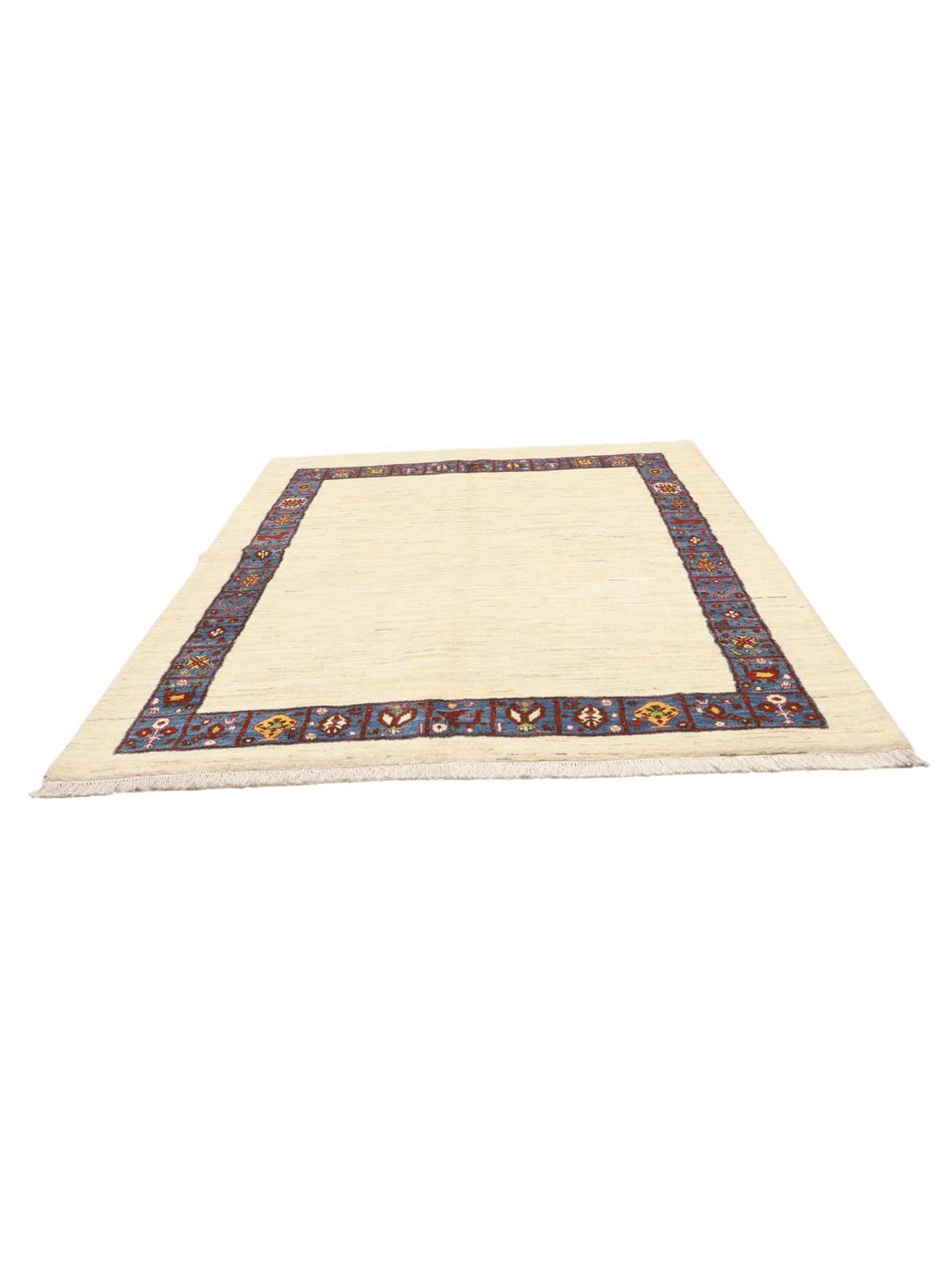
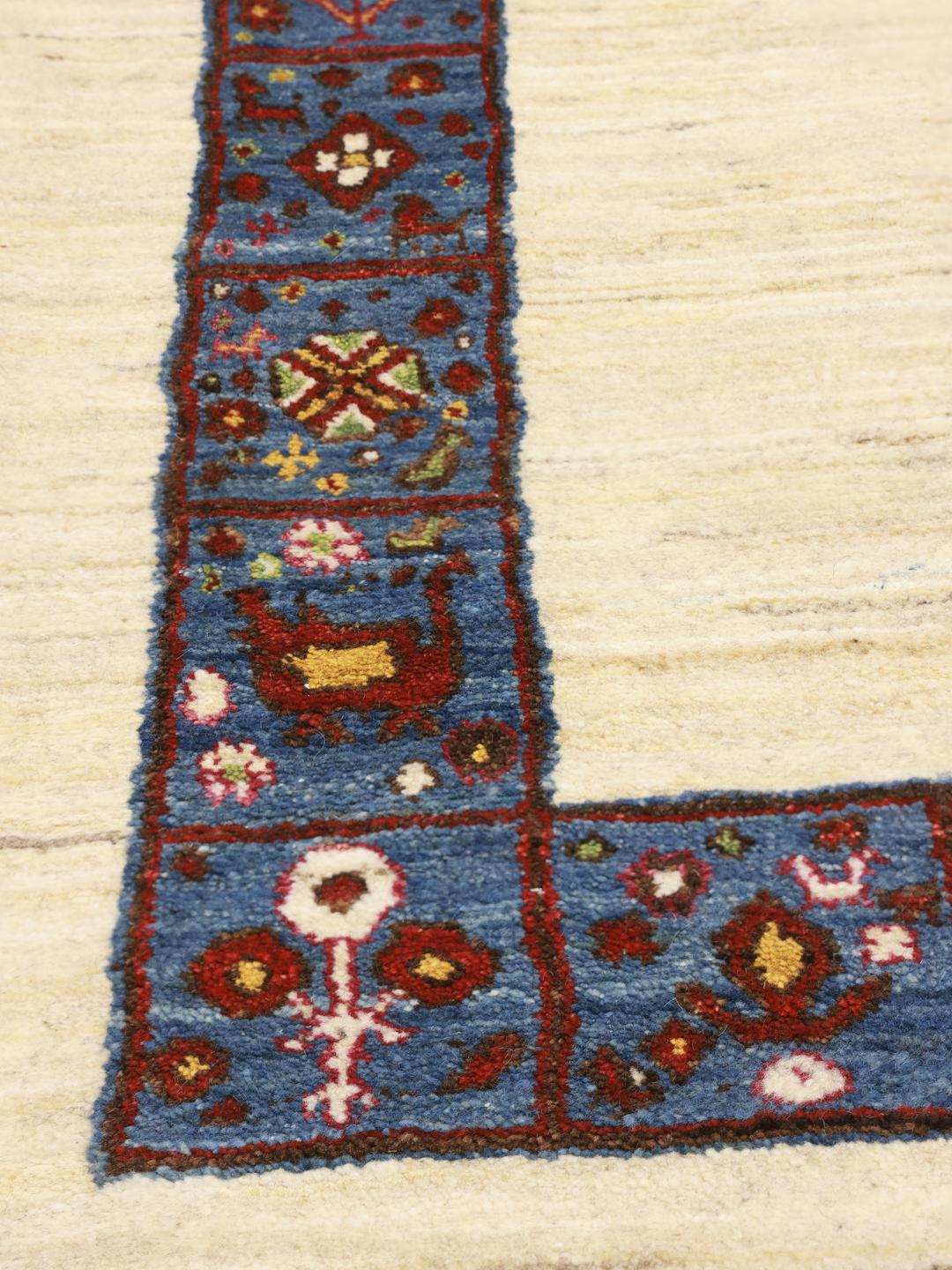
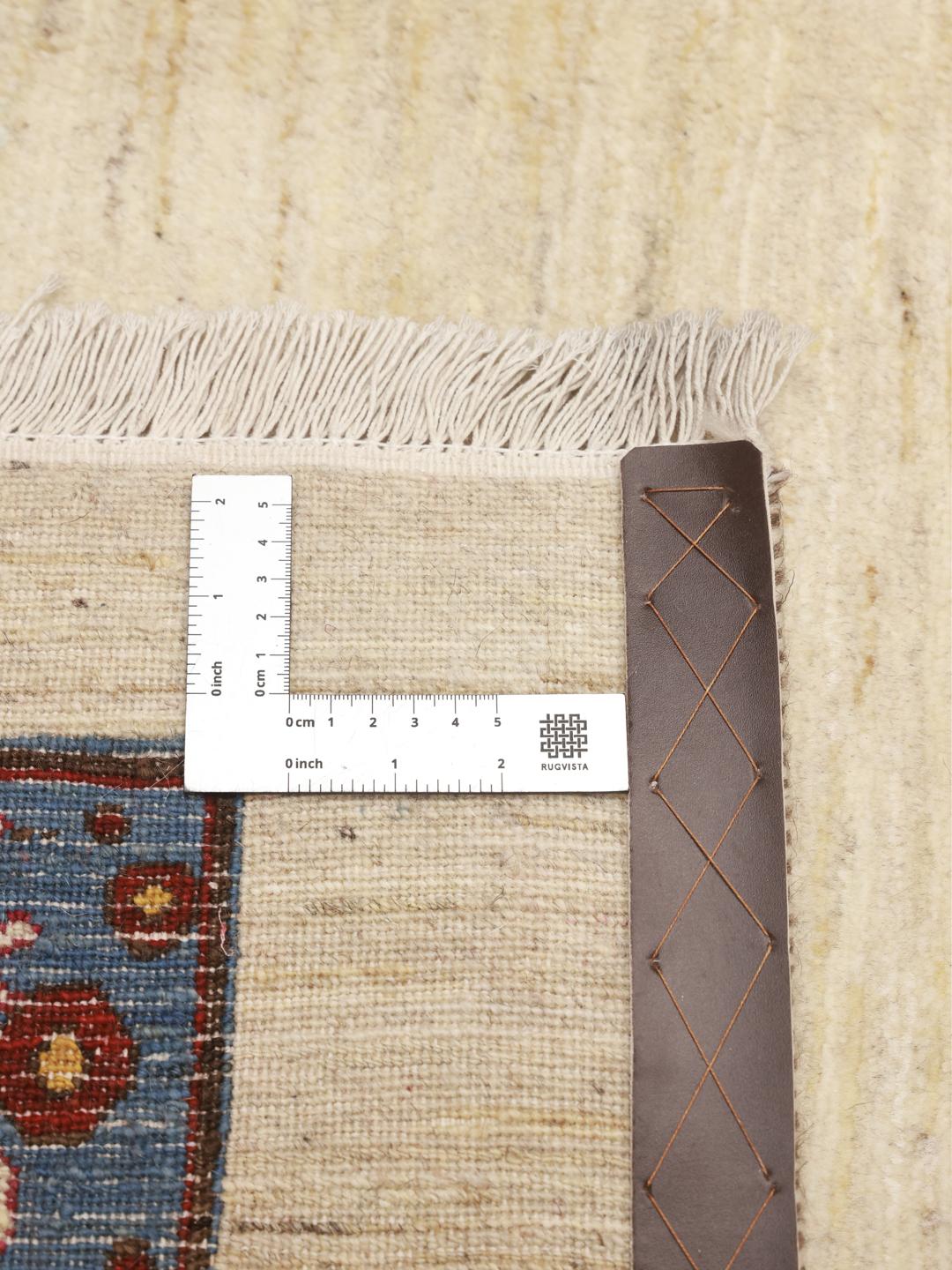
Visually, these rugs are known for their open fields and highly decorative, detailed borders. The motifs found within the borders are often abstracted versions of flowers, animals, or tribal symbols, each carrying its own local significance. The use of a light-coloured field, as seen here, is a classic approach that allows the intricate border work to truly stand out.
Owning a Loribaft rug is an opportunity to connect with a long-standing tradition of nomadic artistry. Collectors value these pieces not only for their durability and physical comfort but also for the authentic, non-industrial character they bring to a home. They represent a bridge between ancient craft techniques and contemporary interior design needs.