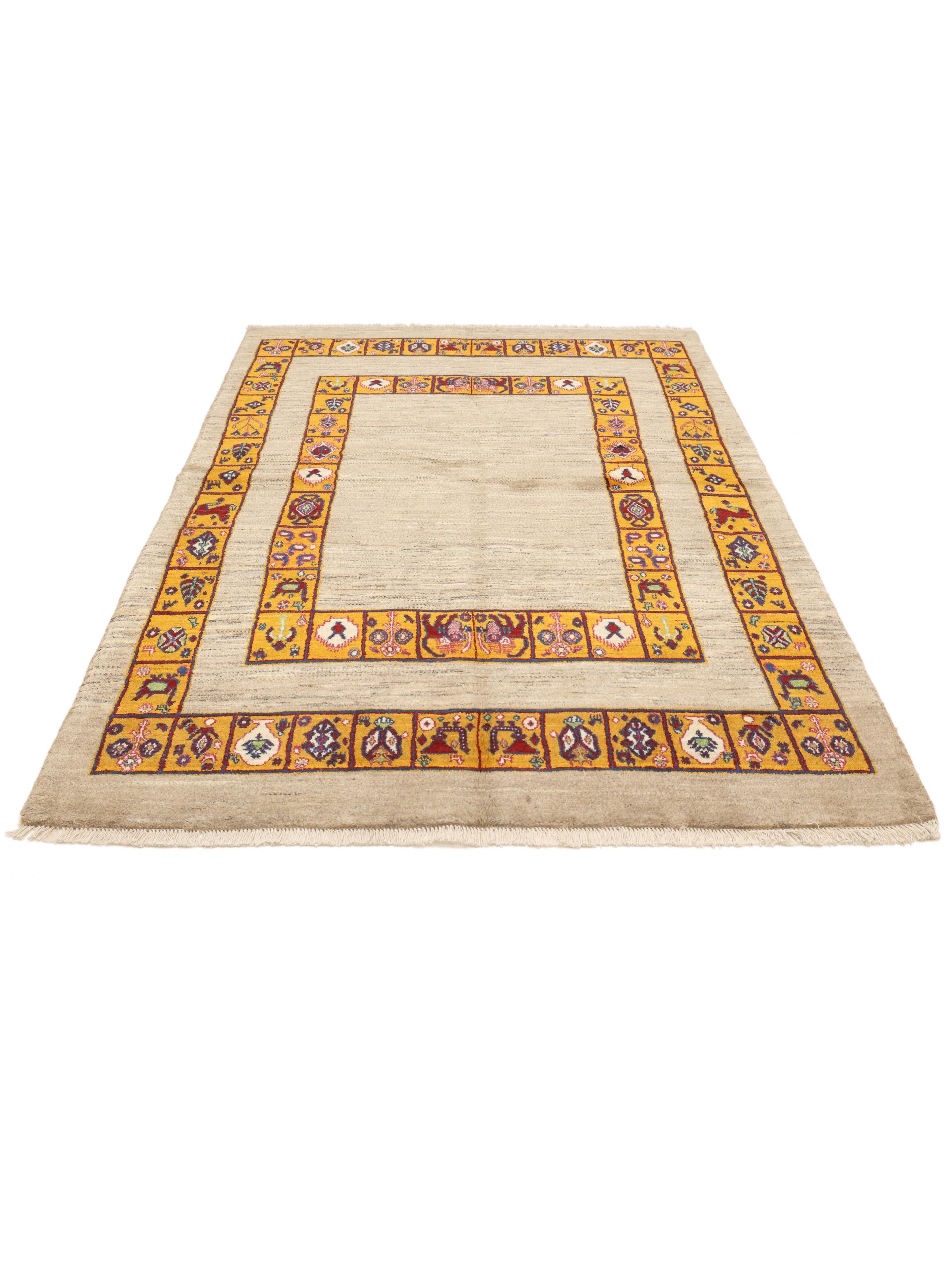
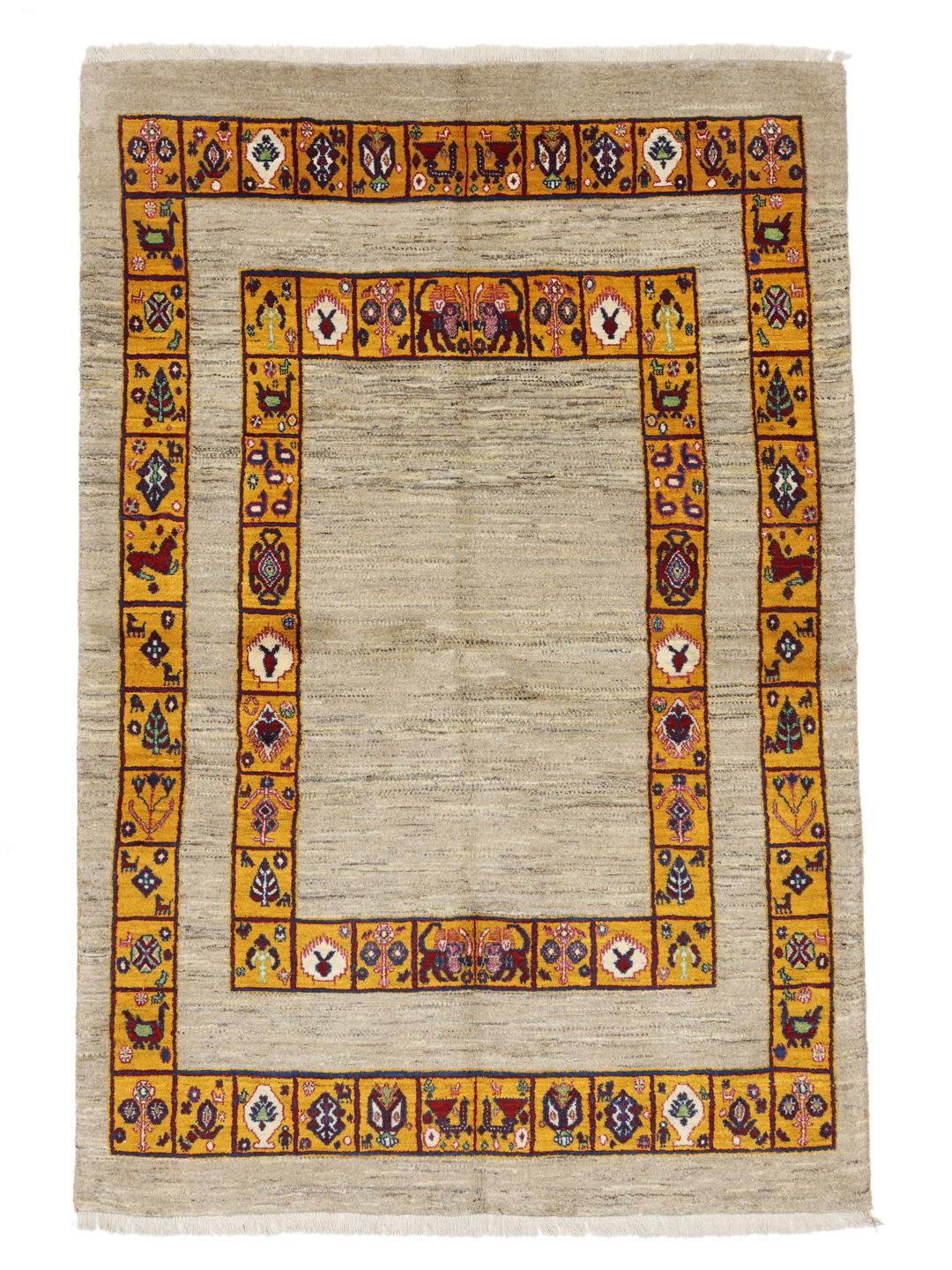
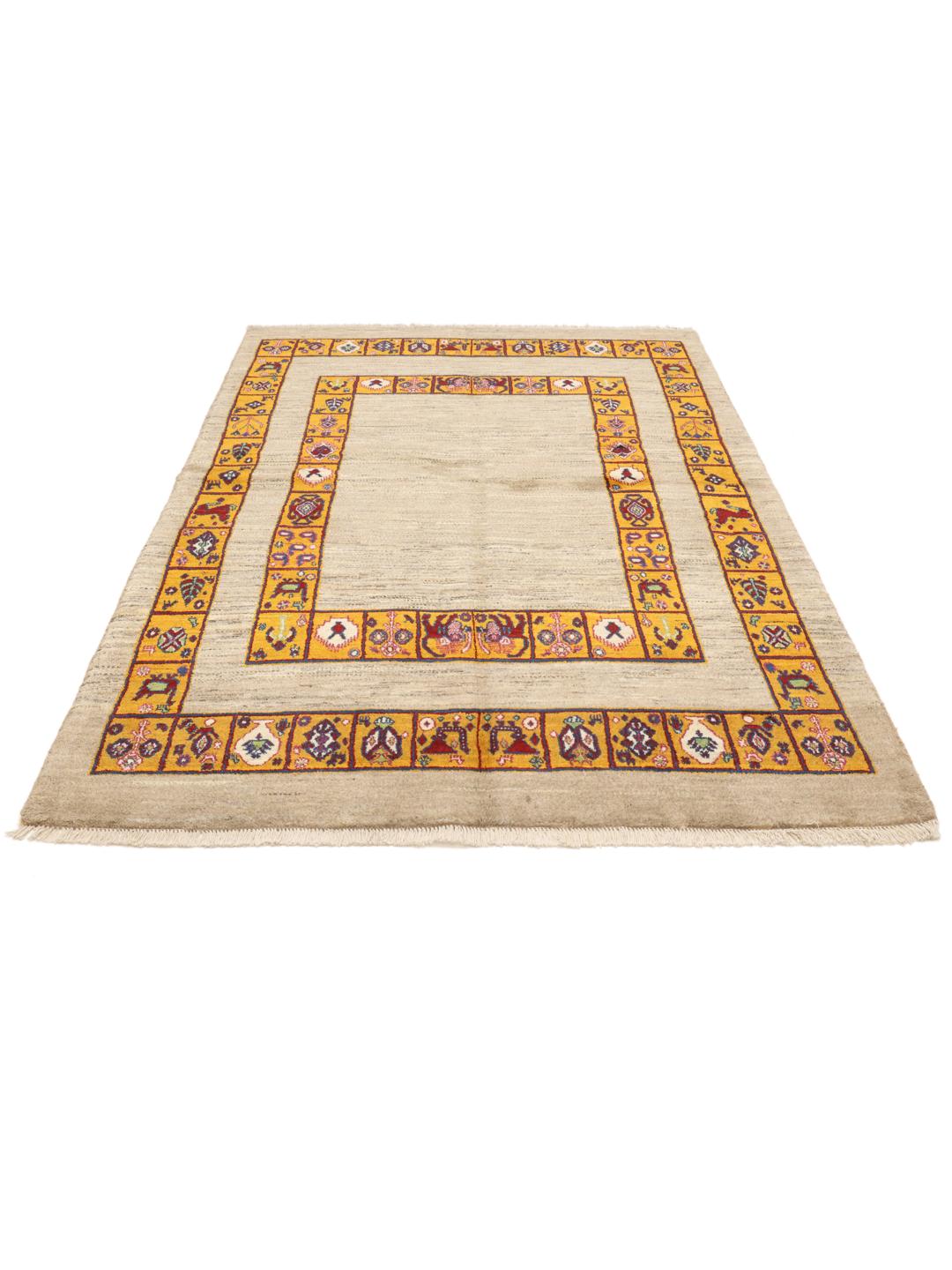
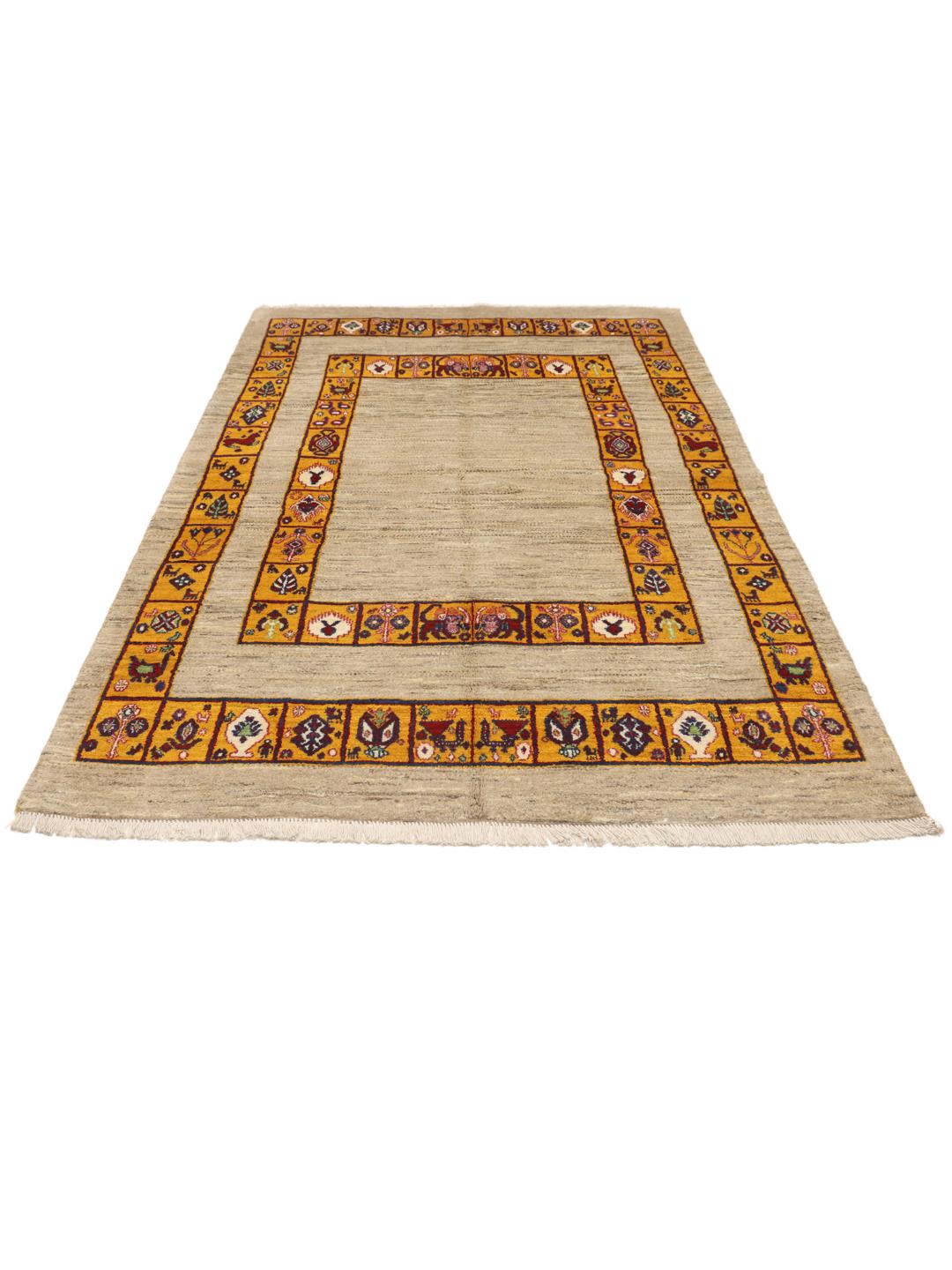
The Loribaft rug originates from the nomadic tribes of the Middle East, specifically the Luri people, who have a long-standing tradition of weaving rugs for both utility and artistic expression. These rugs are deeply connected to the landscapes and cultural heritage of the region, evolving from functional floor coverings used in nomadic tents into celebrated pieces of decorative art.
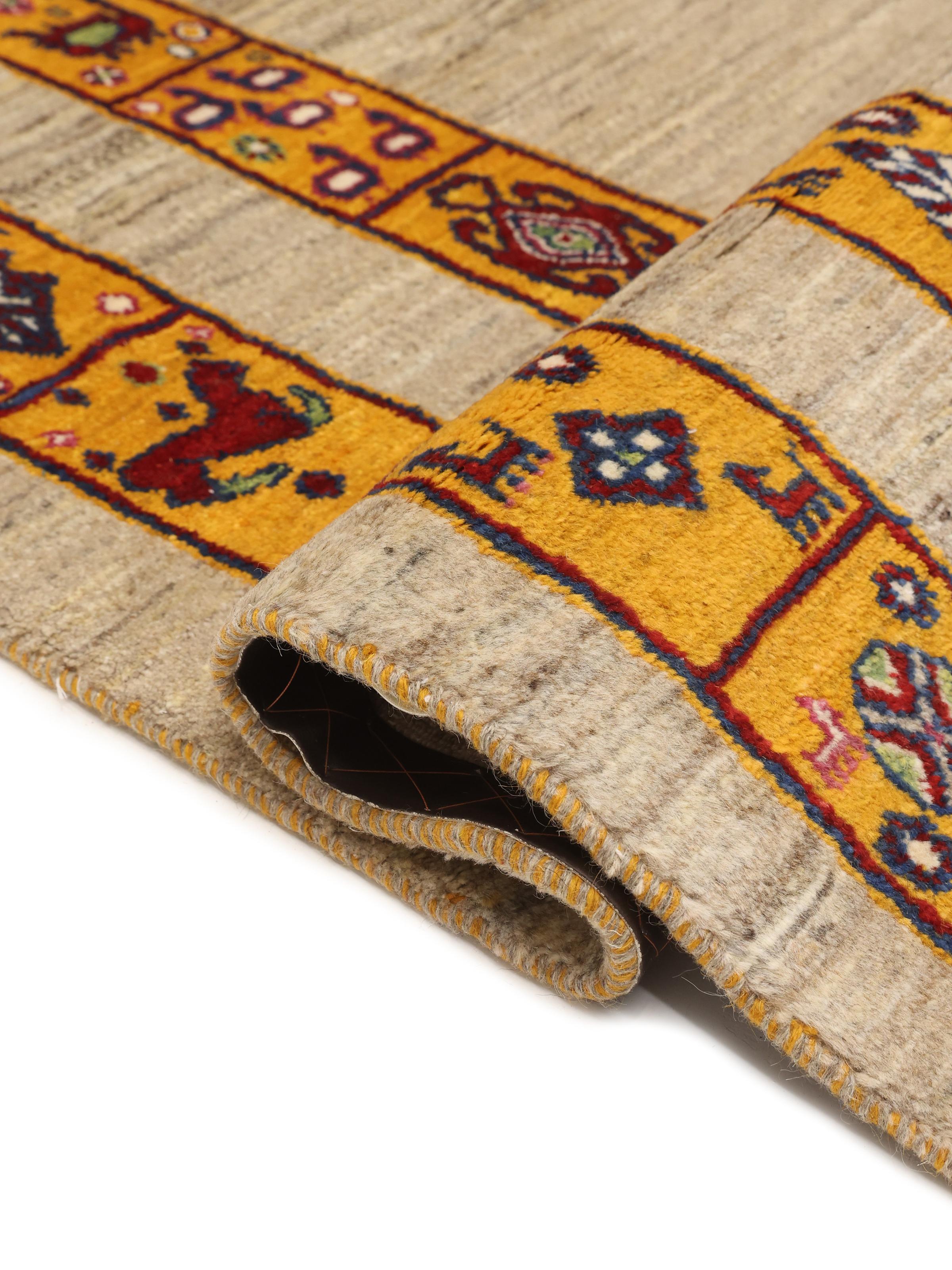
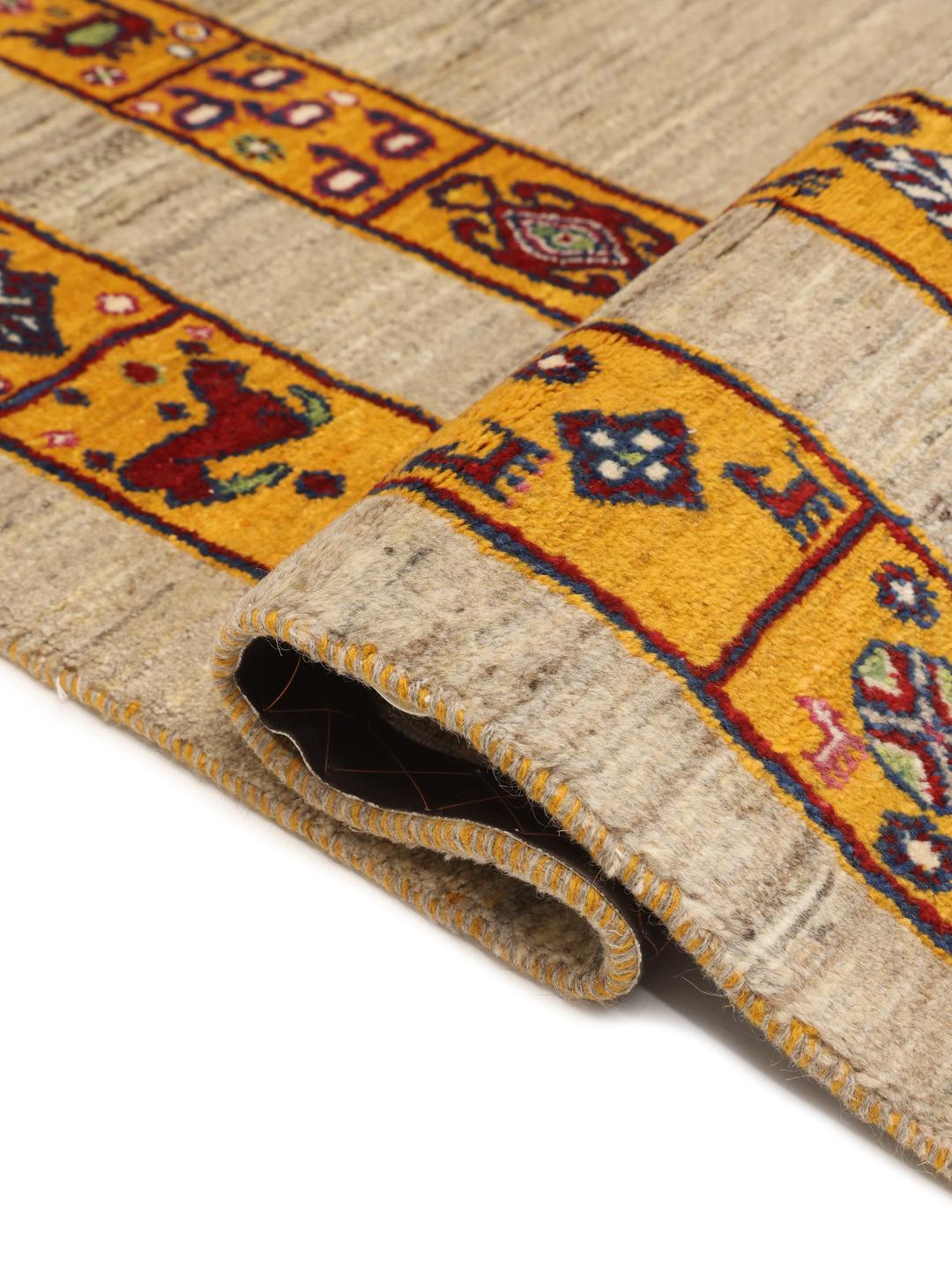
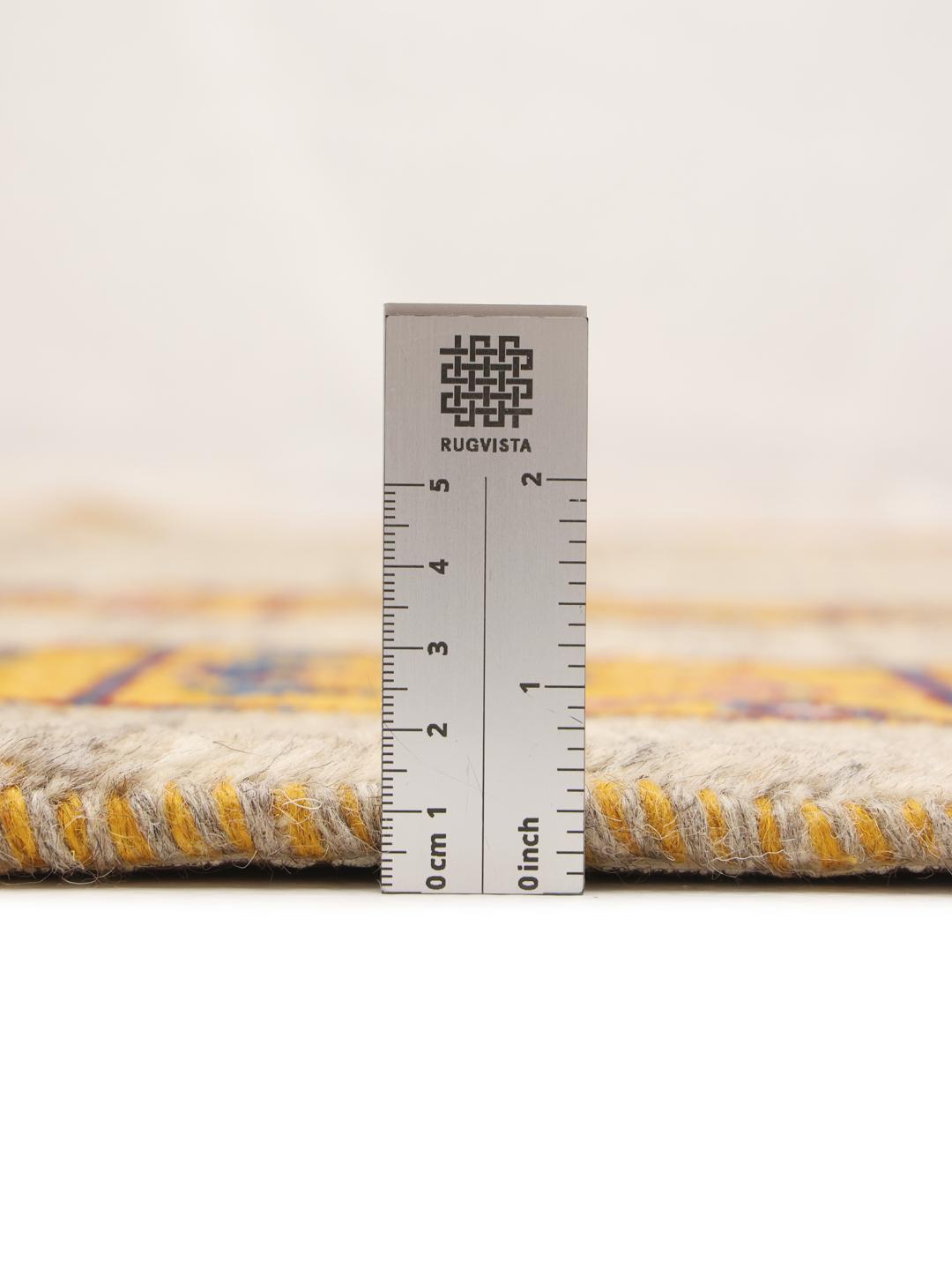
The term 'baft' refers to the weaving technique, while 'Lori' identifies the tribal origin. These rugs are known for their thicker, more substantial pile, which provides warmth and comfort in the rugged mountain environments where they are traditionally created. This construction style emphasises the natural qualities of the wool, resulting in a soft yet incredibly resilient texture that stands the test of time.
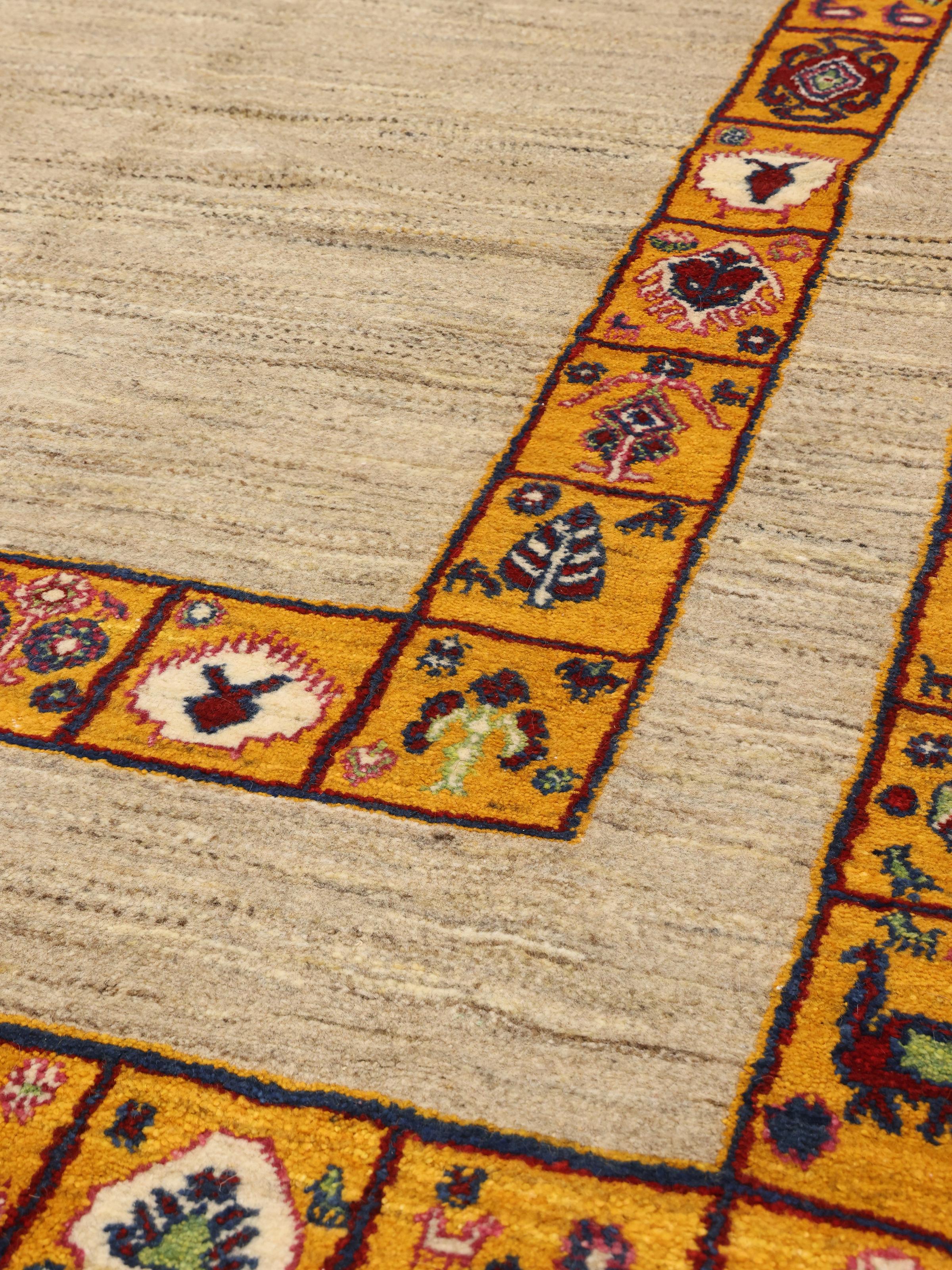
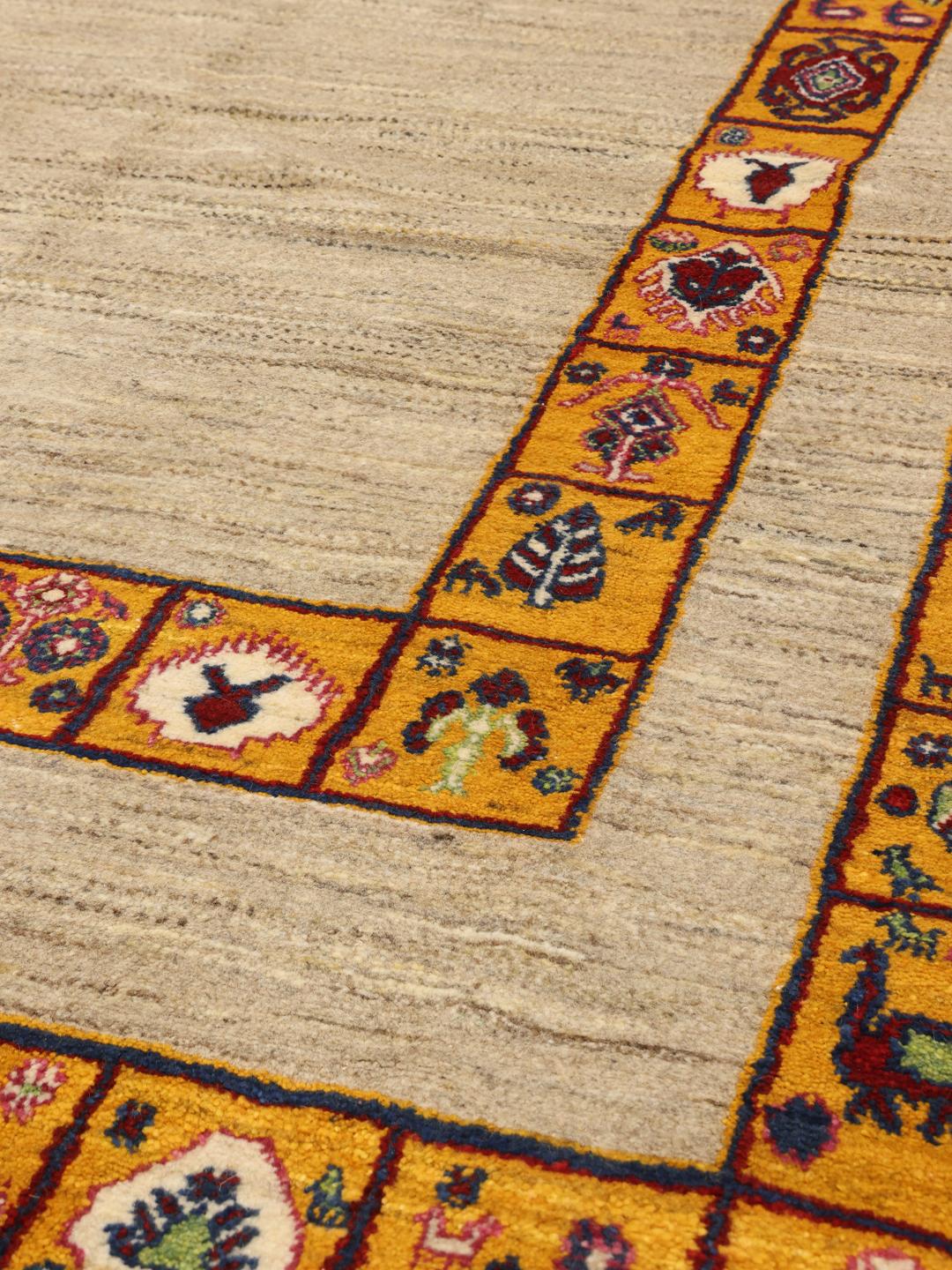
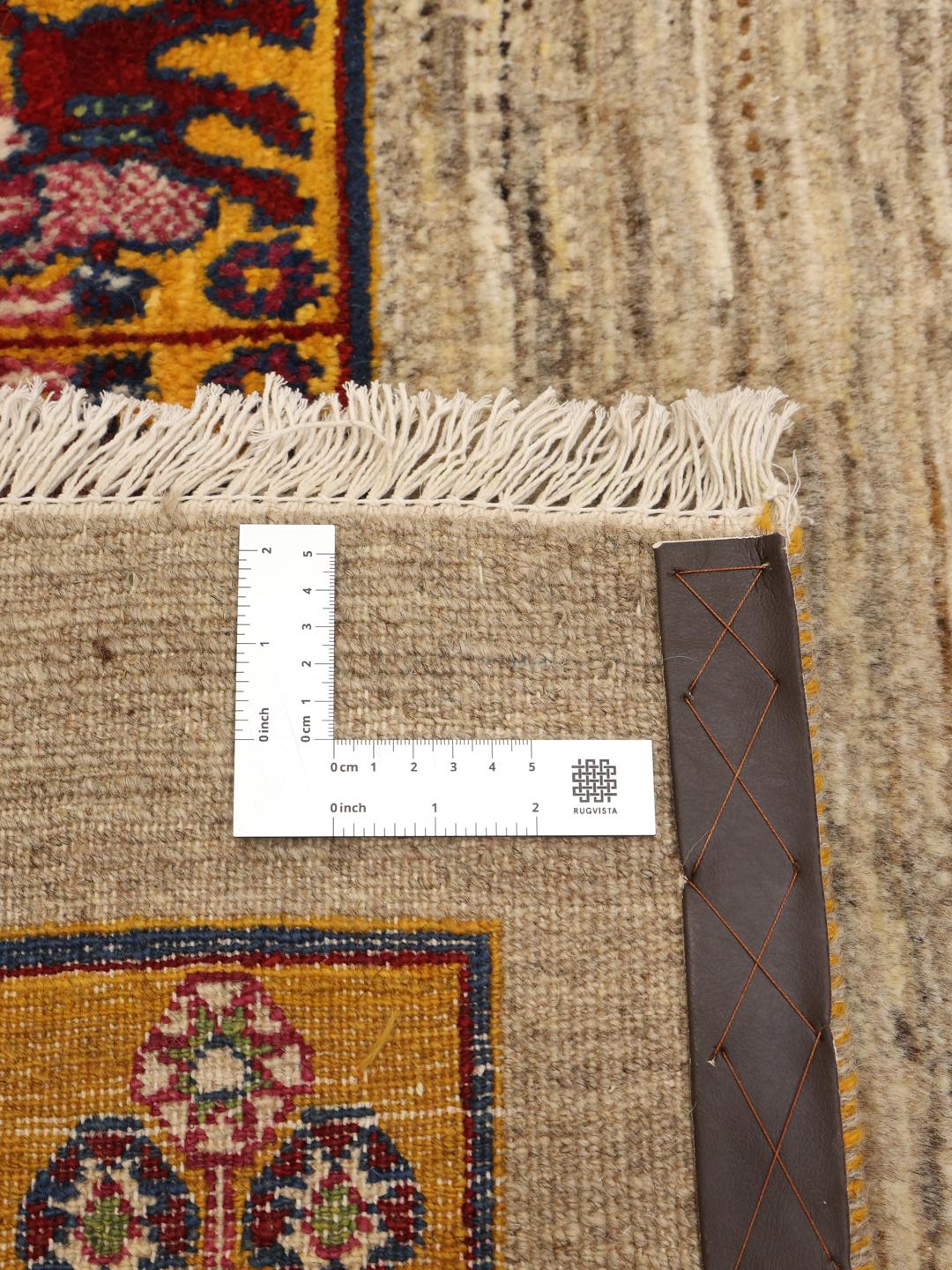
Visually, these rugs often feature a simplified, minimalist field that highlights the quality of the wool, contrasted by borders rich in tribal symbolism. You will often find stylised depictions of animals, plants, and geometric motifs that carry deep cultural significance, representing the weaver's connection to nature and their daily life. The use of natural dyes, which develop a beautiful patina as the rug ages, is a key characteristic that sets these pieces apart.
Collectors value these rugs for their raw, authentic spirit and the high level of individual expression they represent. Unlike mass-produced items, each Loribaft is a reflection of the weaver's personal vision and the specific environment in which it was made. By choosing this rug, you are preserving a centuries-old craft tradition and bringing a piece of genuine tribal history into your home.