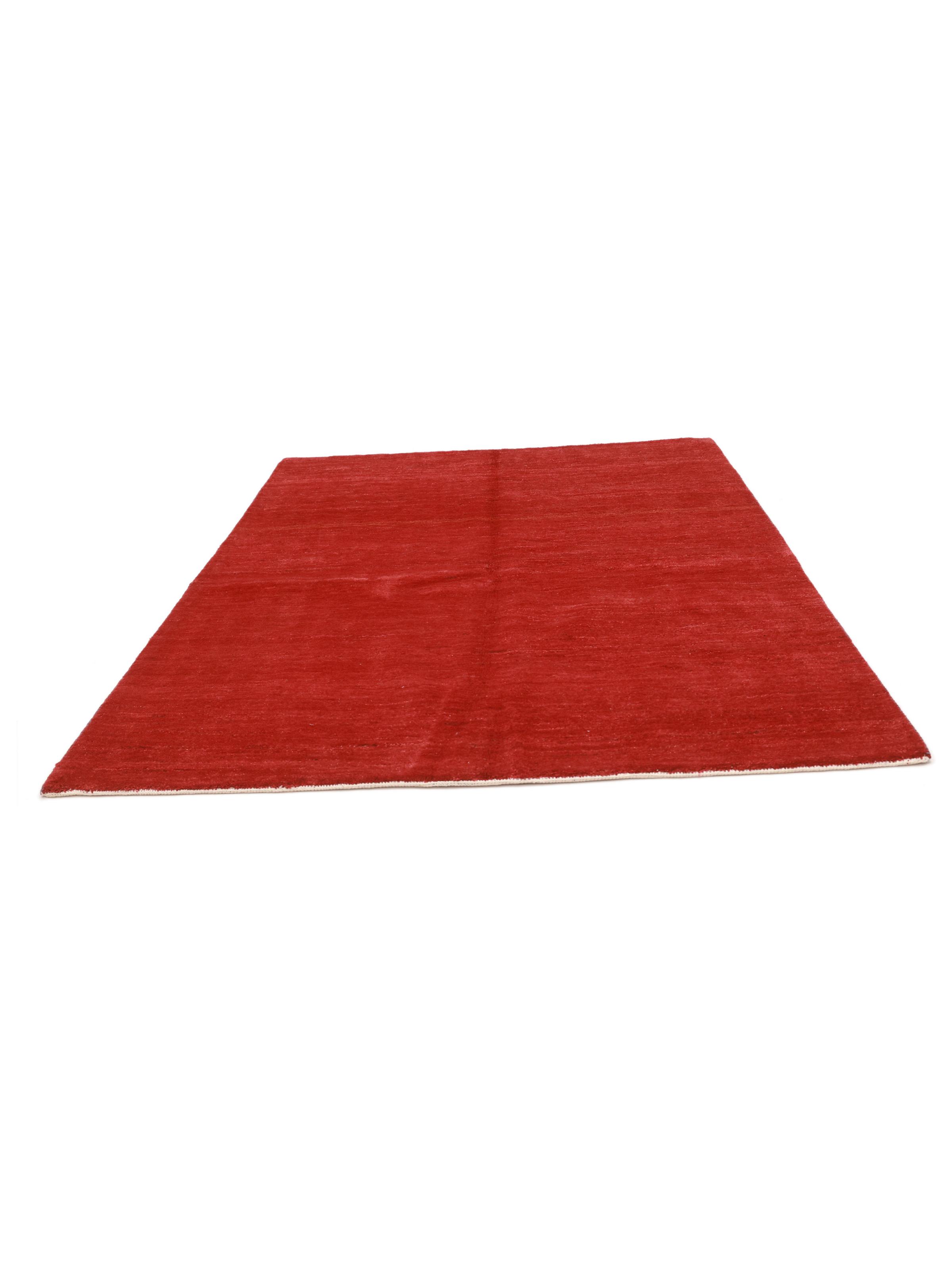
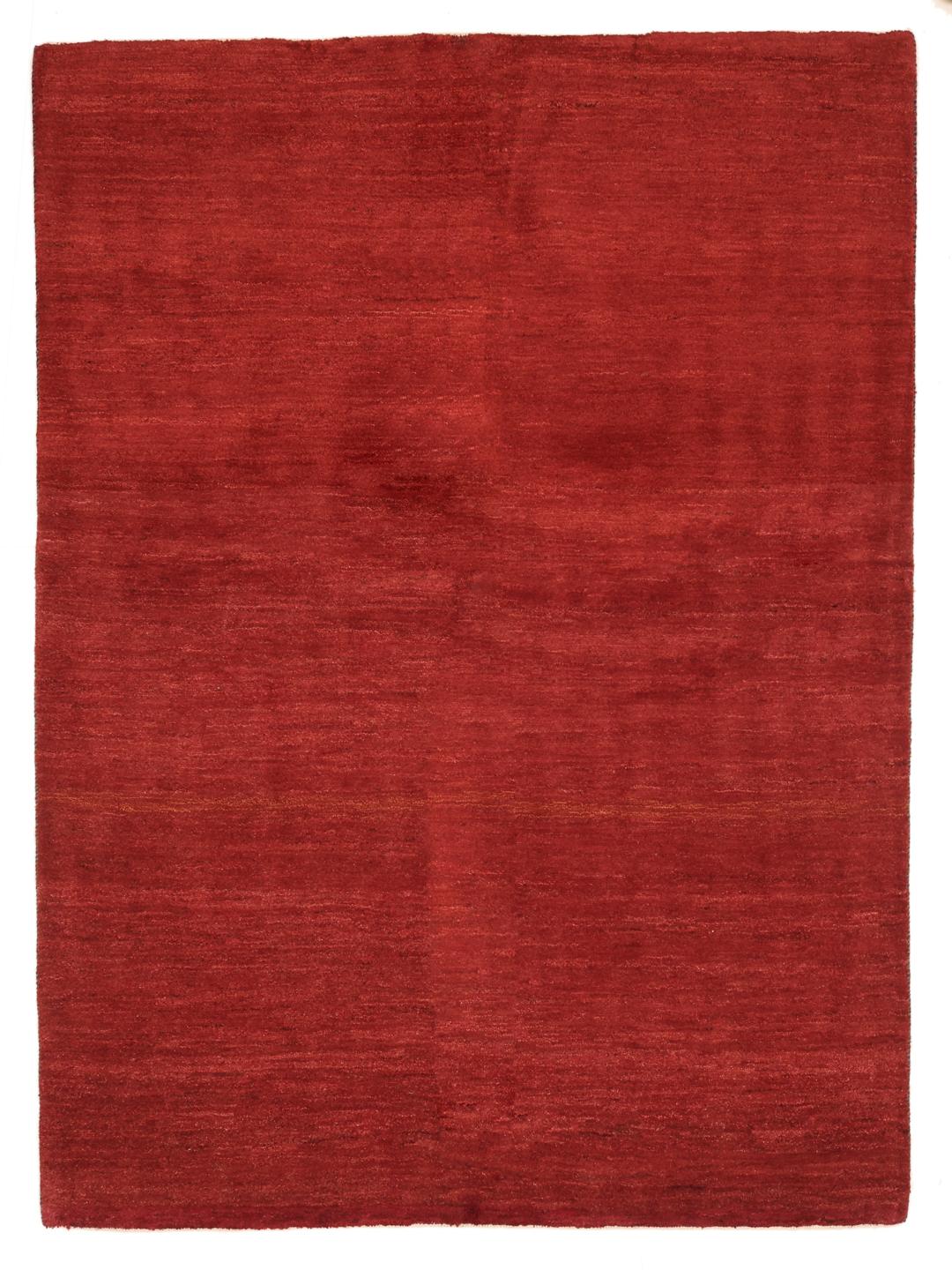
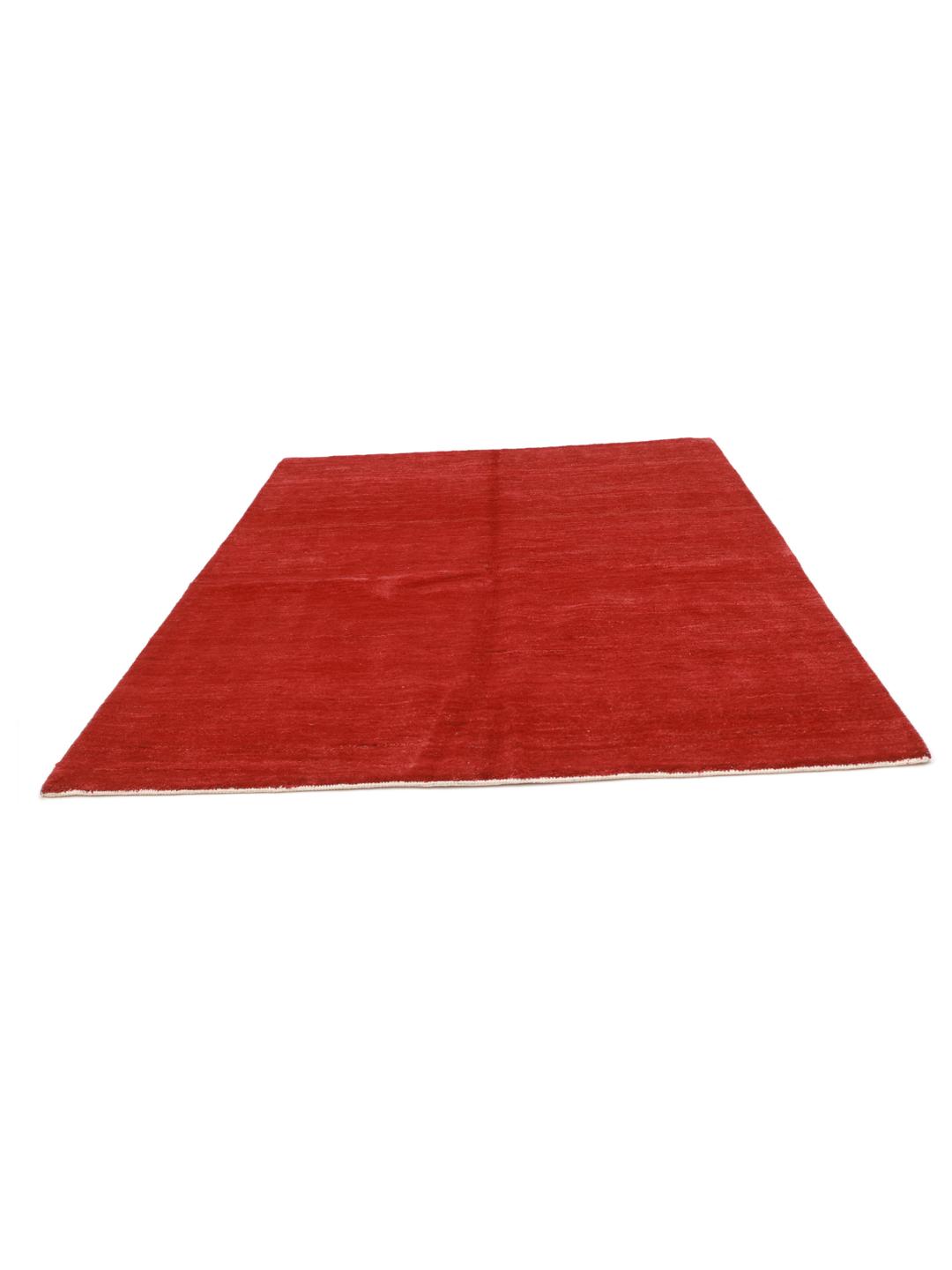
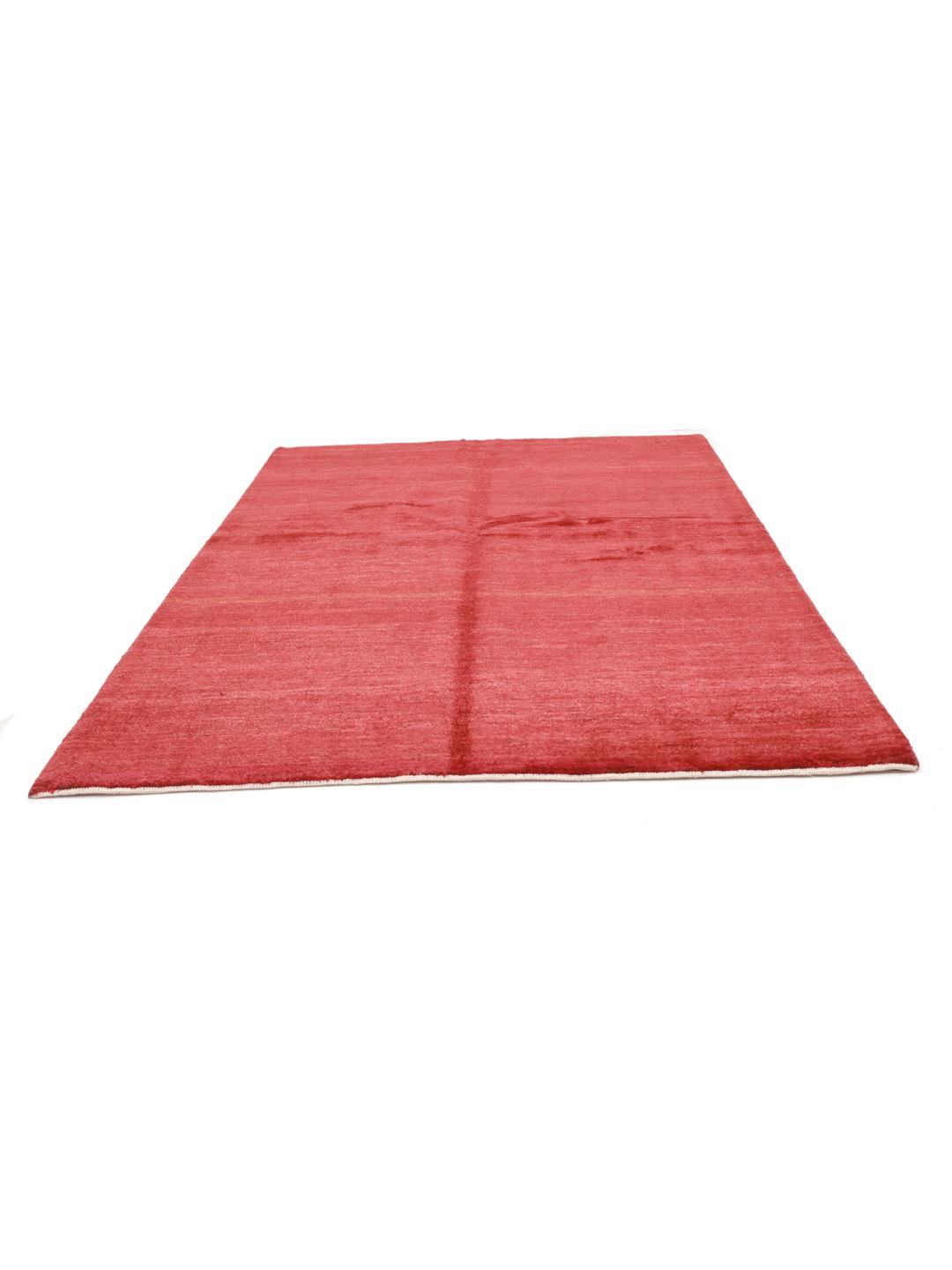
The Loribaft tradition finds its roots in the nomadic cultures of the Middle East, specifically among the Luri and Qashqai tribes. These rugs are renowned for their simplified, often minimalist aesthetic, which stands in contrast to the more complex, formal patterns found in many other regional styles. They represent a cultural evolution where traditional weaving techniques are applied to modern, open designs.
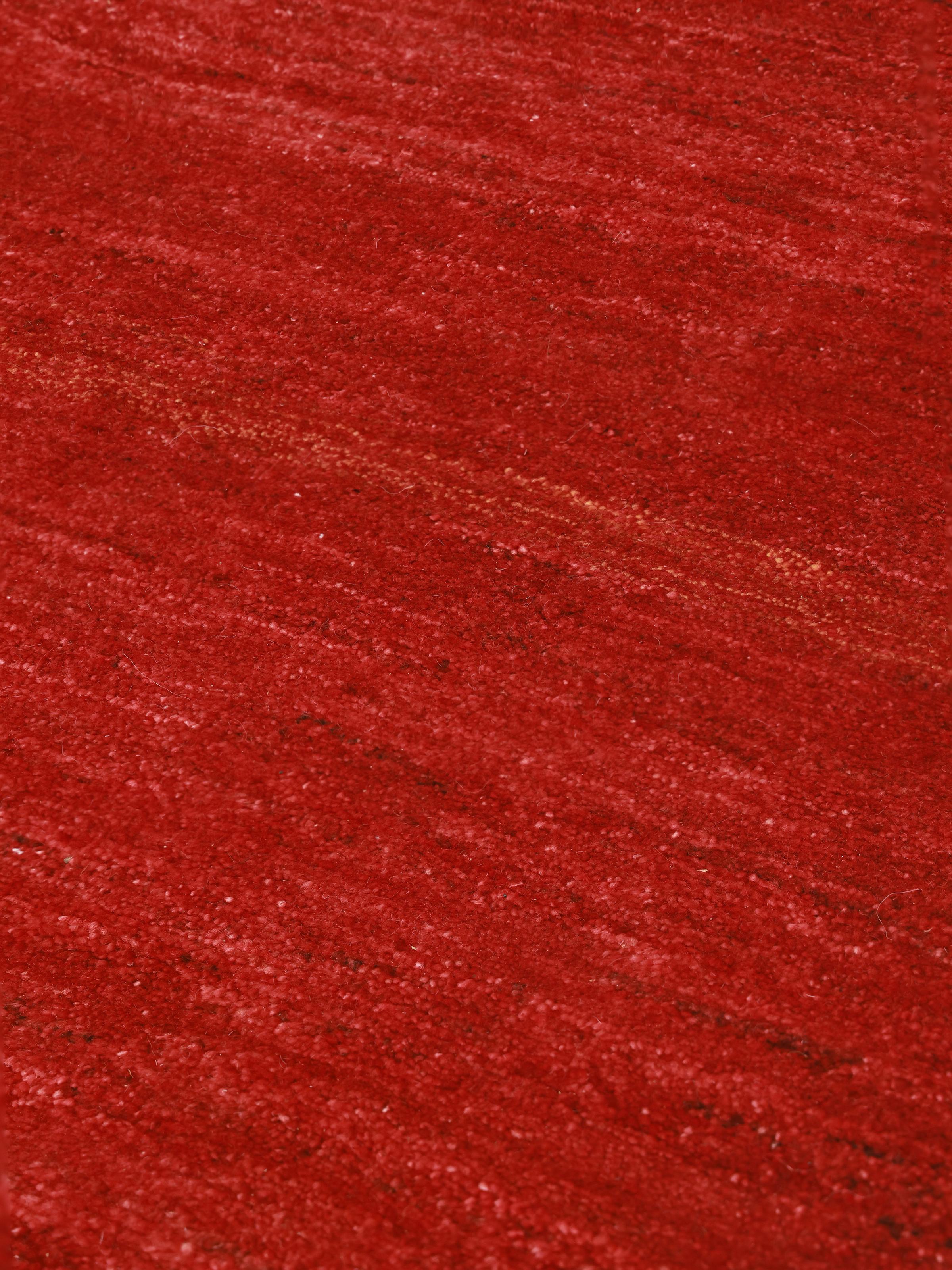
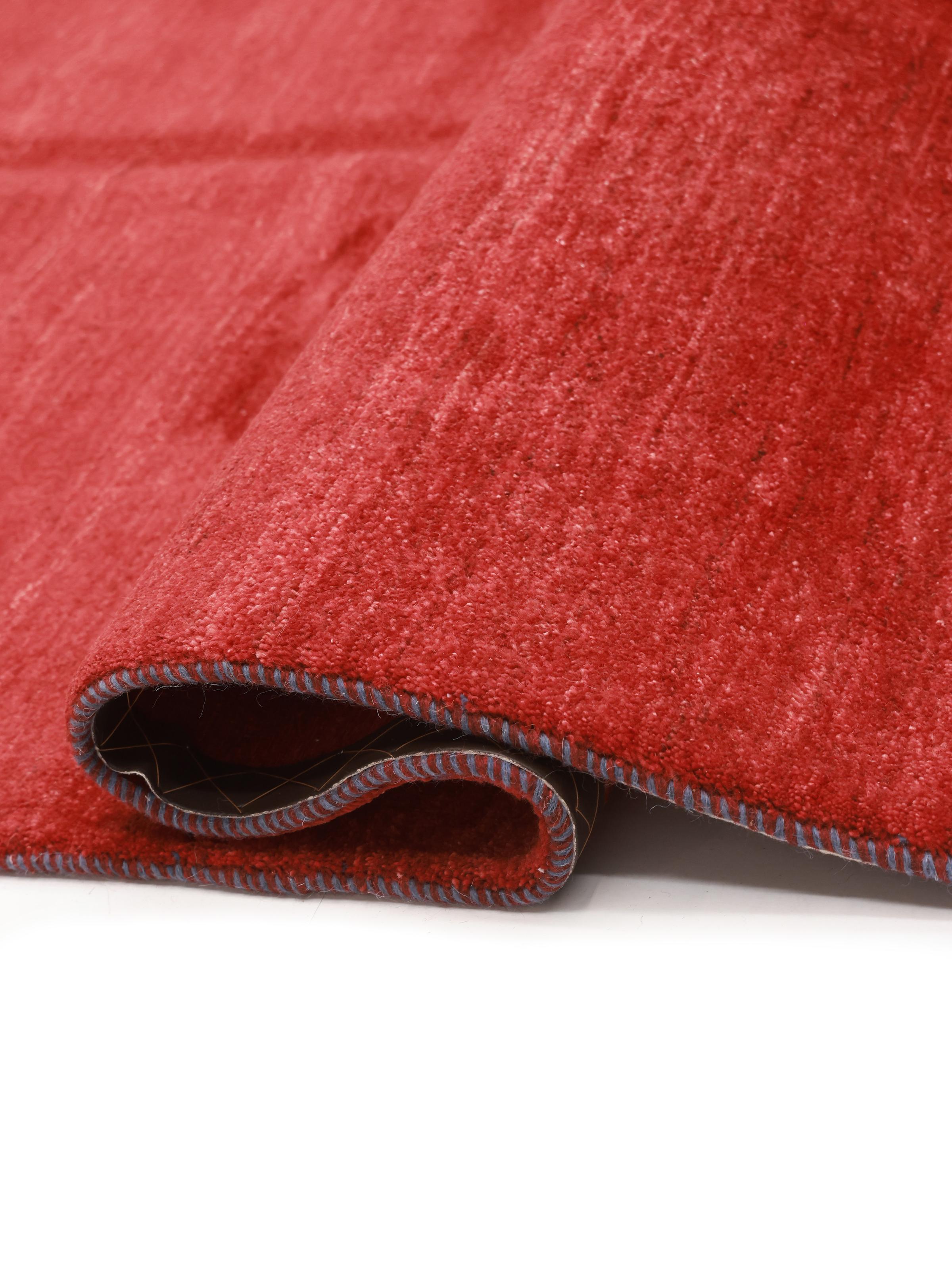
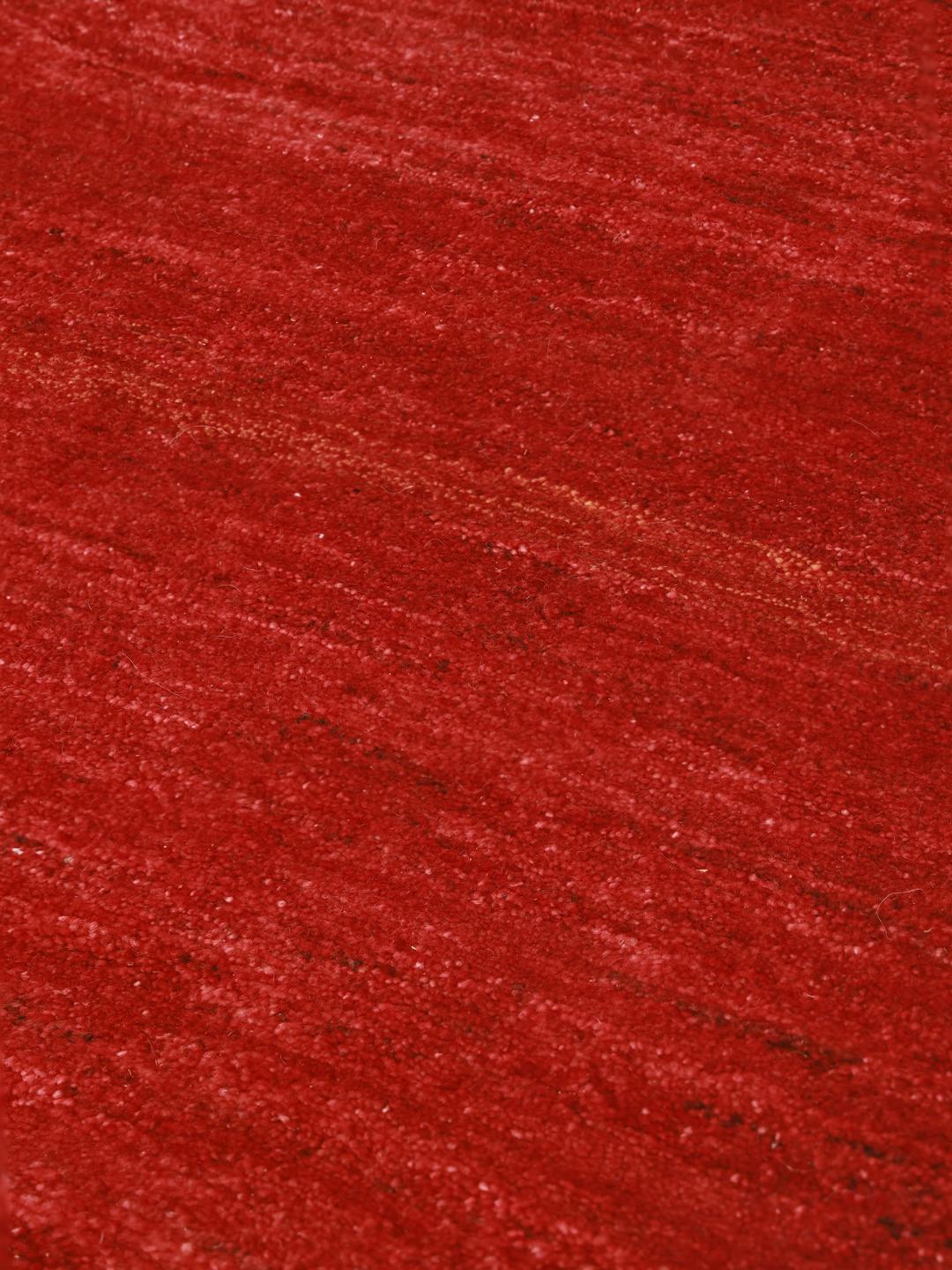
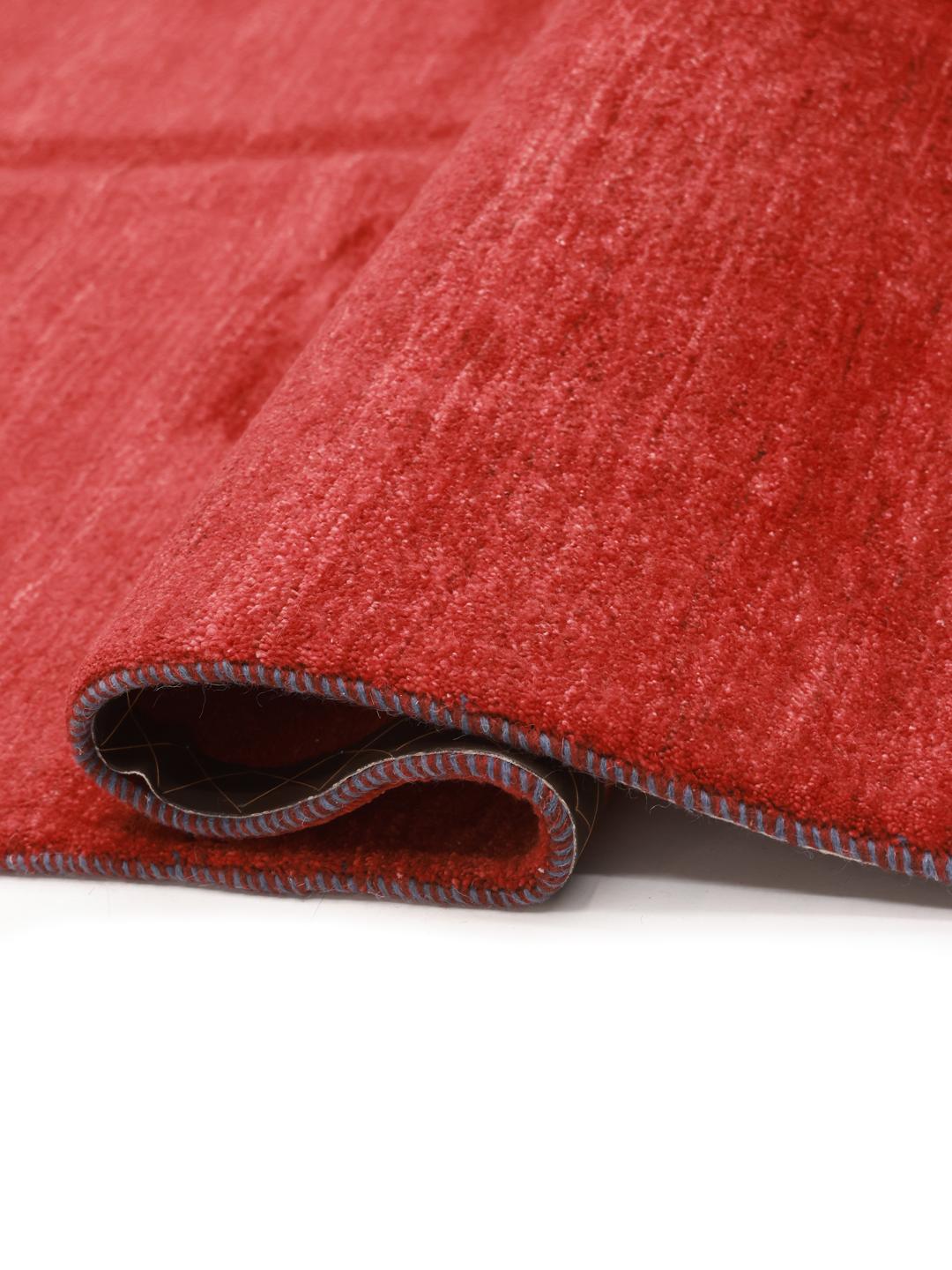
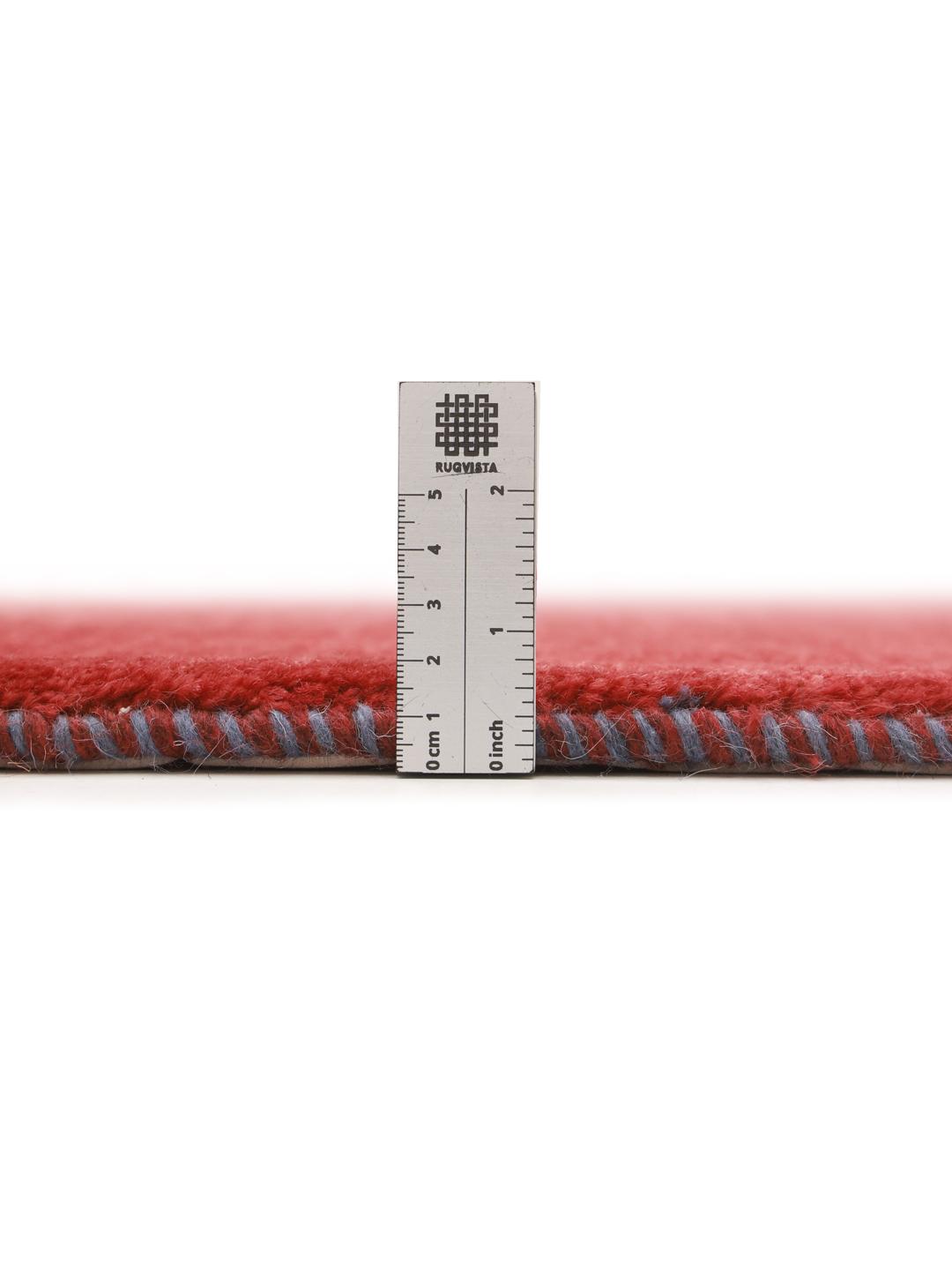
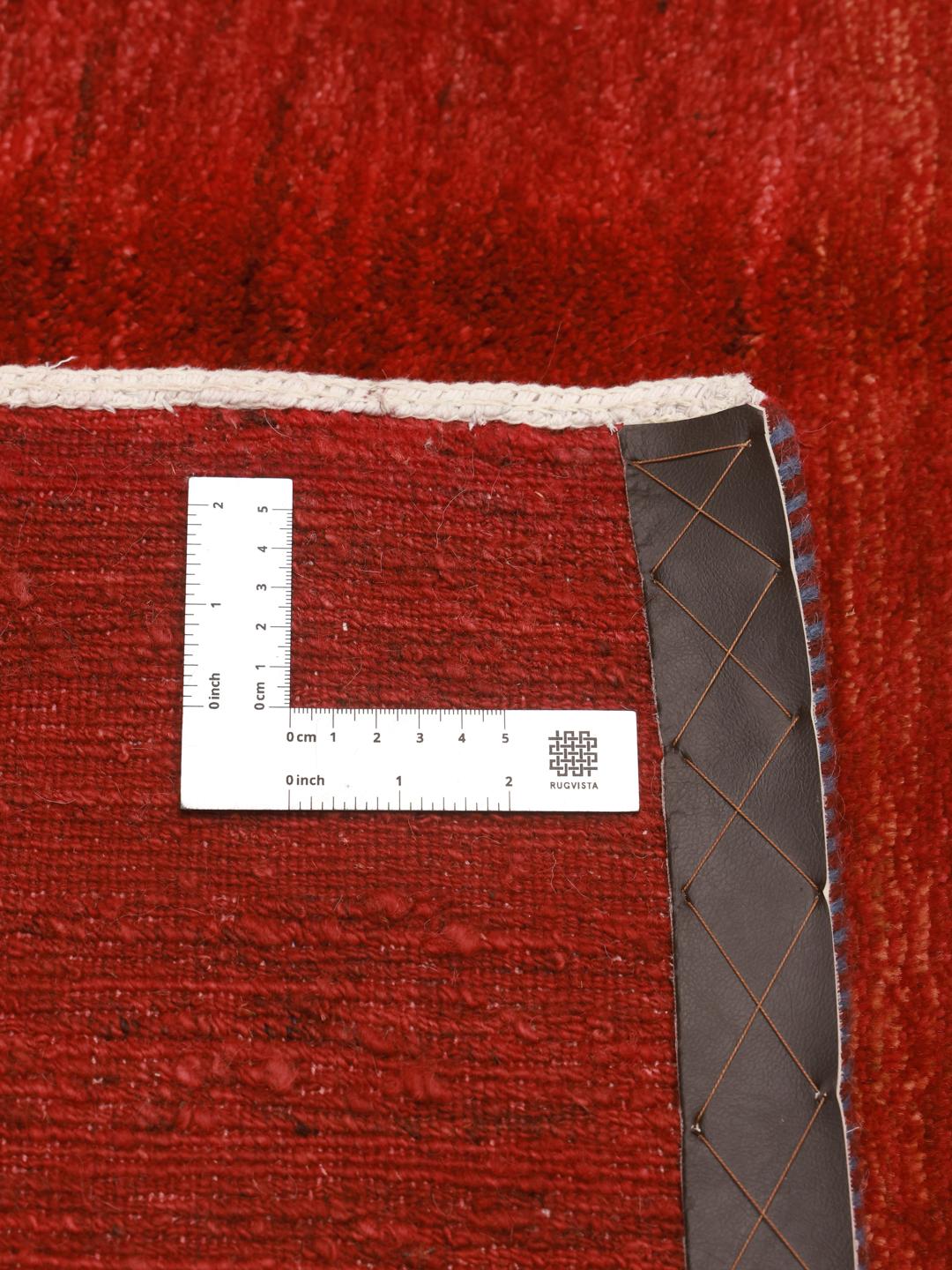
The term 'Loribaft' refers to the specific style of weaving that emphasises a thick, plush pile and a soft, supple handle. Unlike rugs with rigid, geometric precision, these pieces are celebrated for their organic feel and the slight irregularities that arise from the human touch, signalling an authentic connection to the weaver's intent.
Visually, these rugs are defined by their deep, monochromatic or subtly variegated fields. While they may appear simple, the beauty lies in the quality of the wool and the depth of the natural dyes. They eschew complex medallions and borders in favour of an expansive, meditative field that highlights the raw, luxurious quality of the wool pile.
Collectors value Loribaft rugs for their ability to bridge the gap between ancient craft and contemporary living. Owning one is an investment in heritage, as these pieces carry the legacy of nomadic traditions while providing a functional, durable, and deeply beautiful foundation for the modern home.