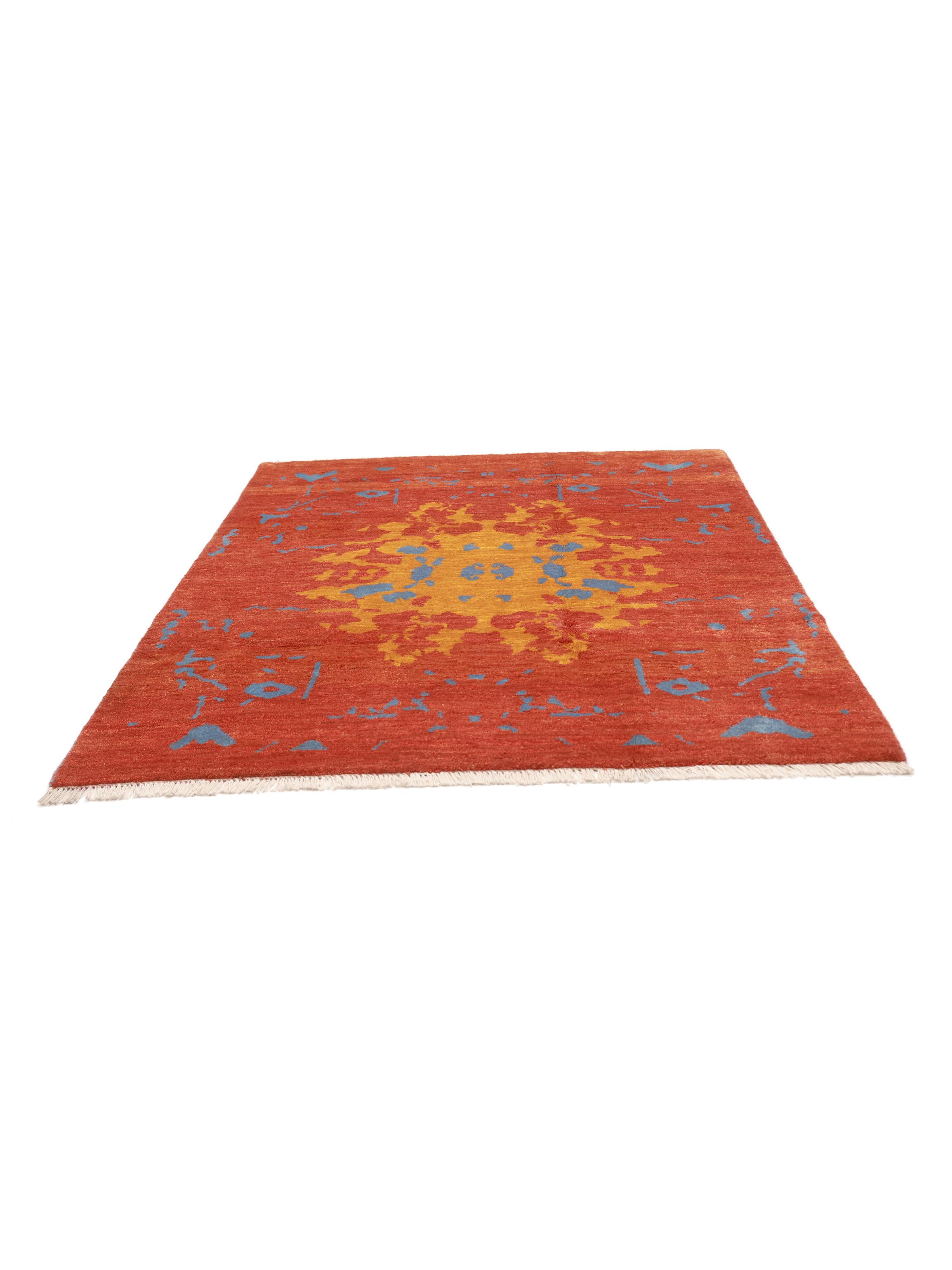
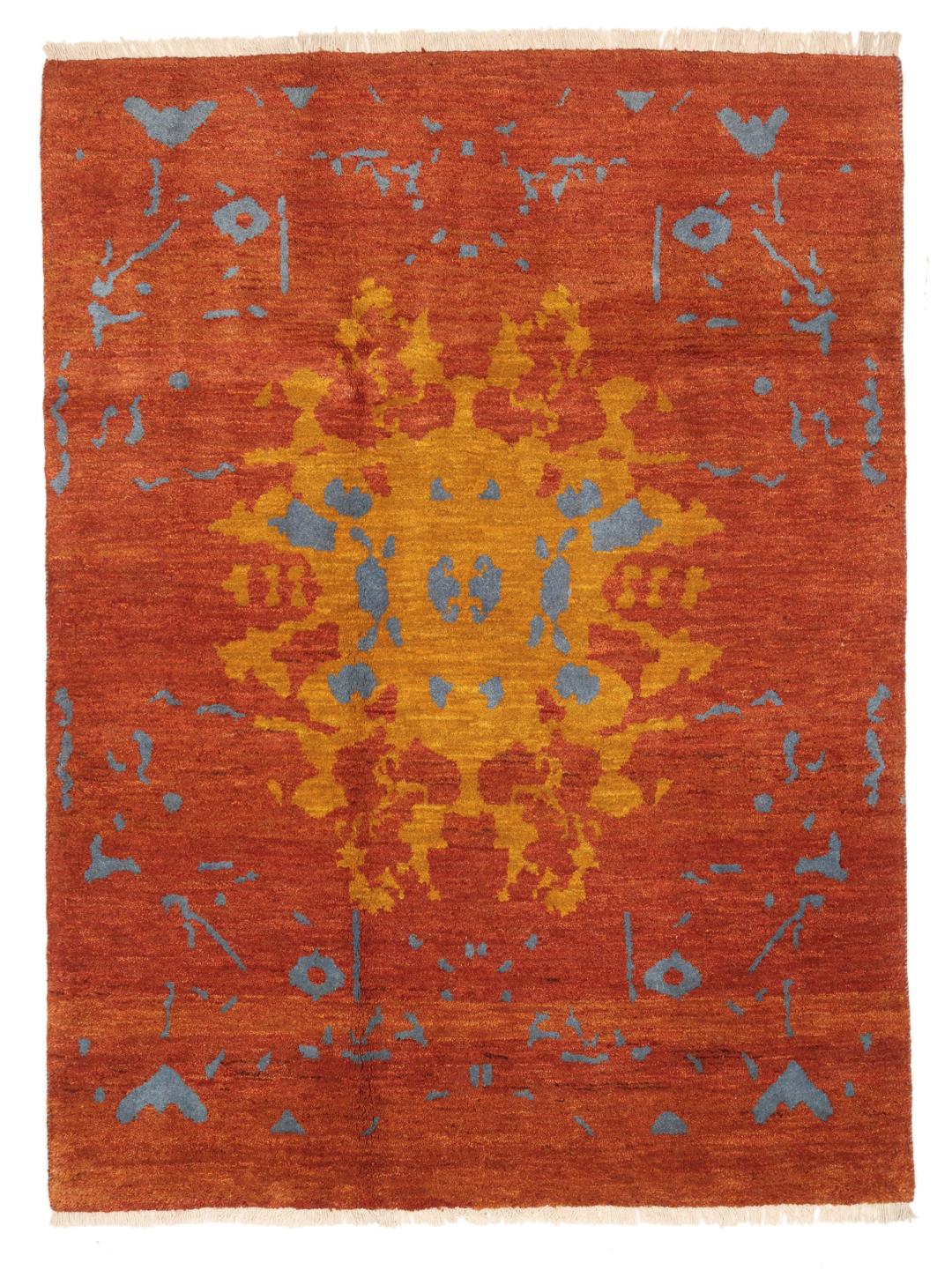
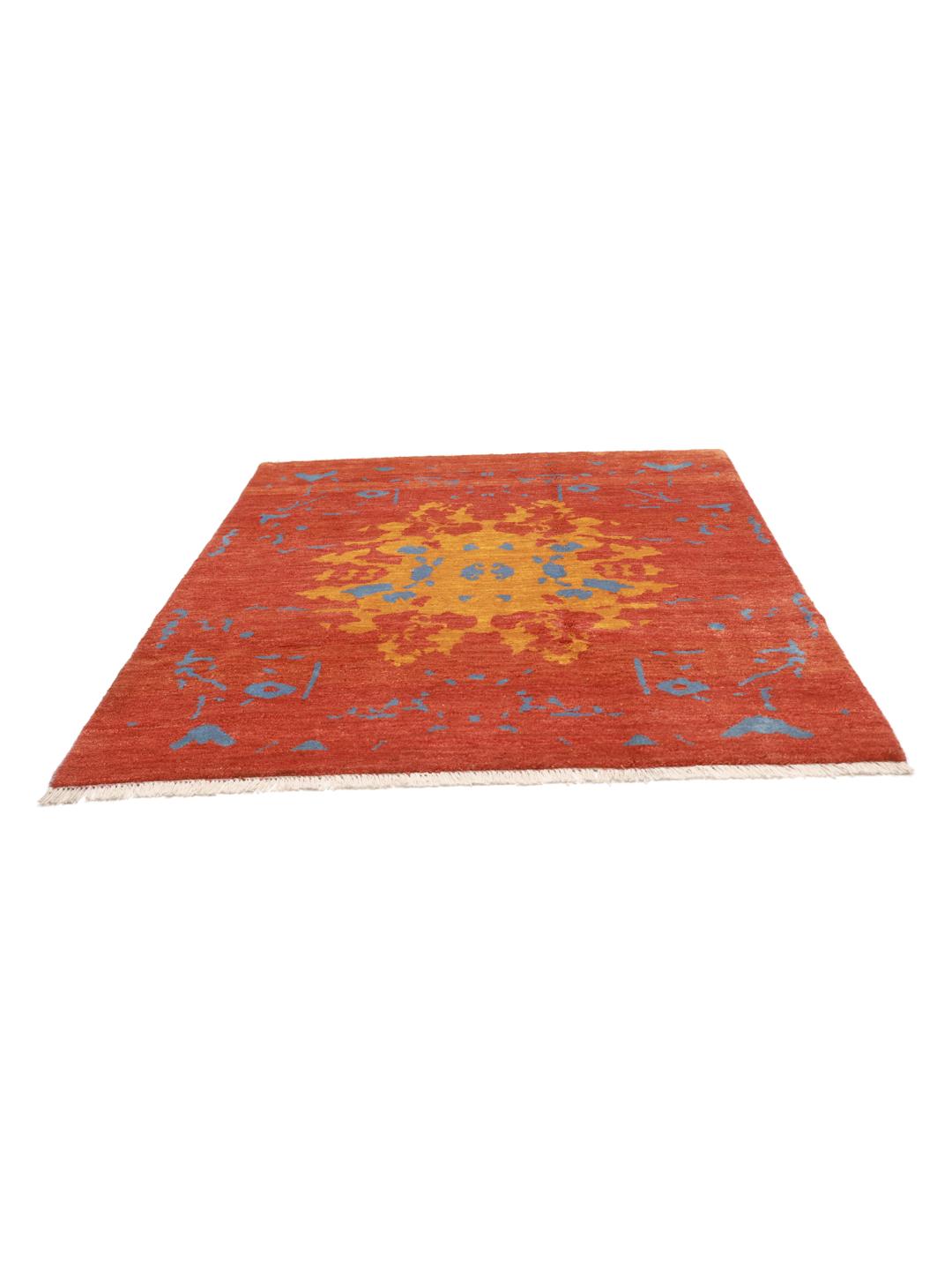
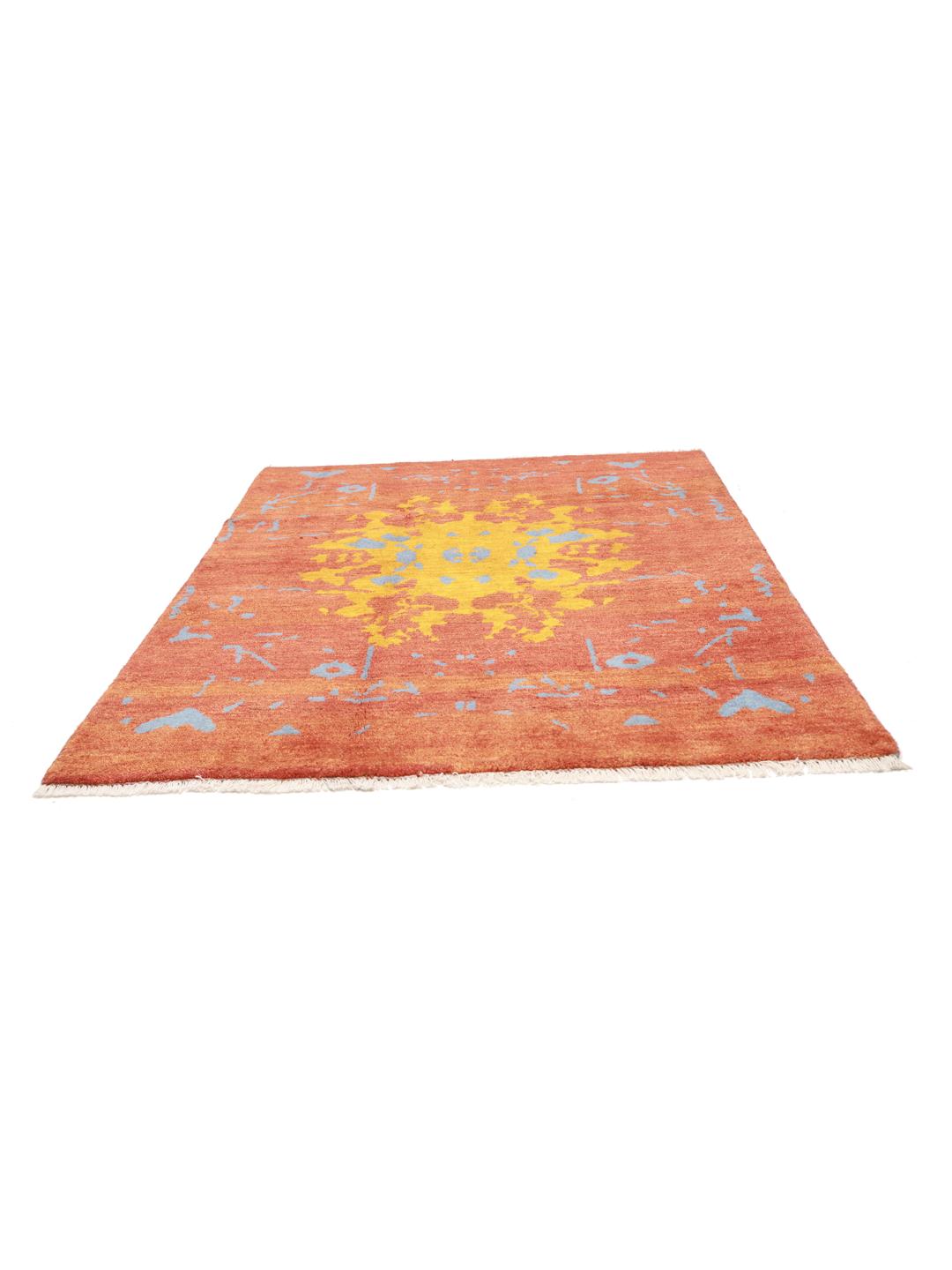
Loribaft rugs originate from the tribal weaving traditions of the Middle East, specifically associated with the nomadic tribes of the Zagros Mountains. These rugs are a celebration of spontaneity and creativity, often woven from memory without the use of a formal cartoon or pattern template.
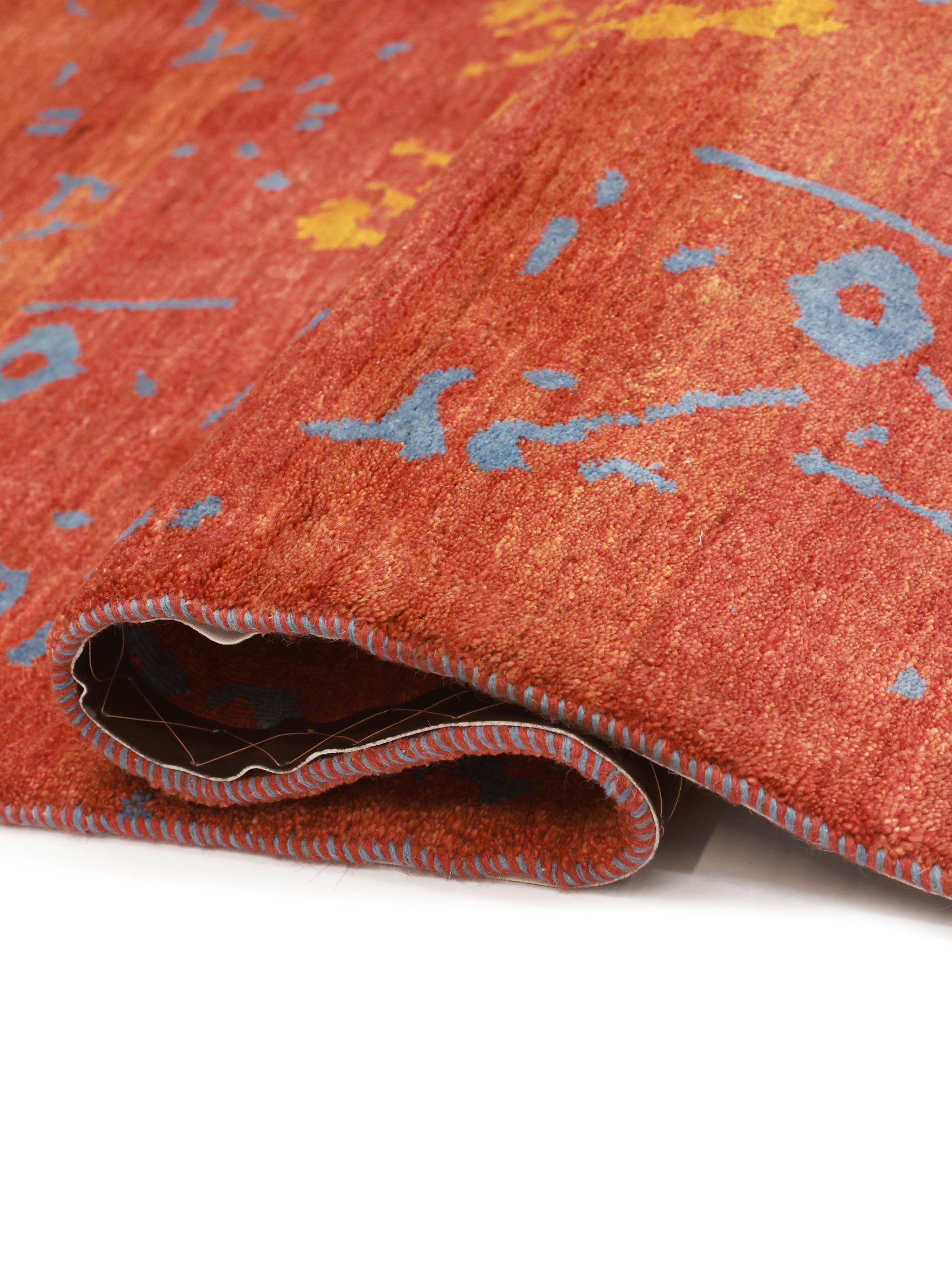
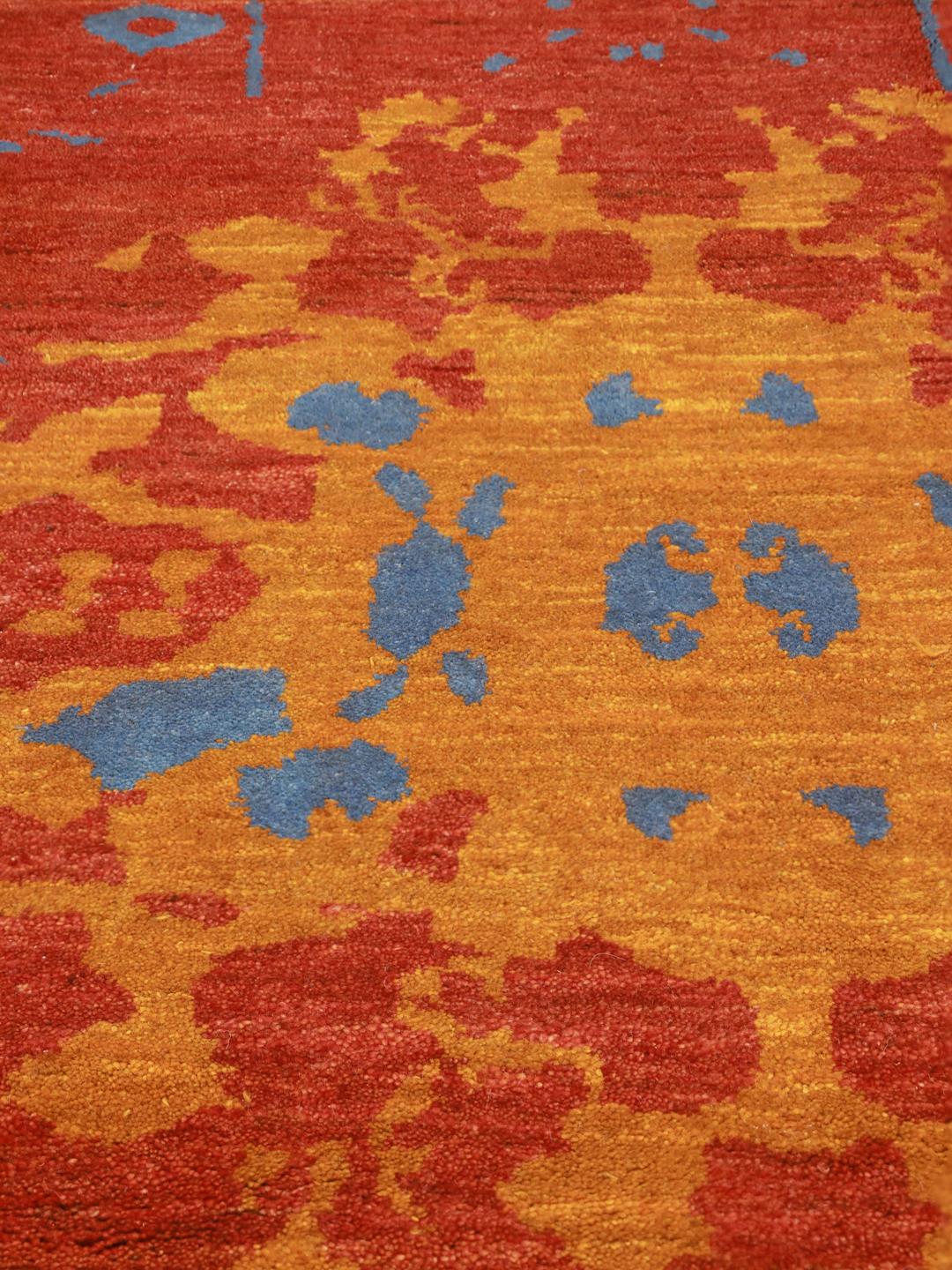
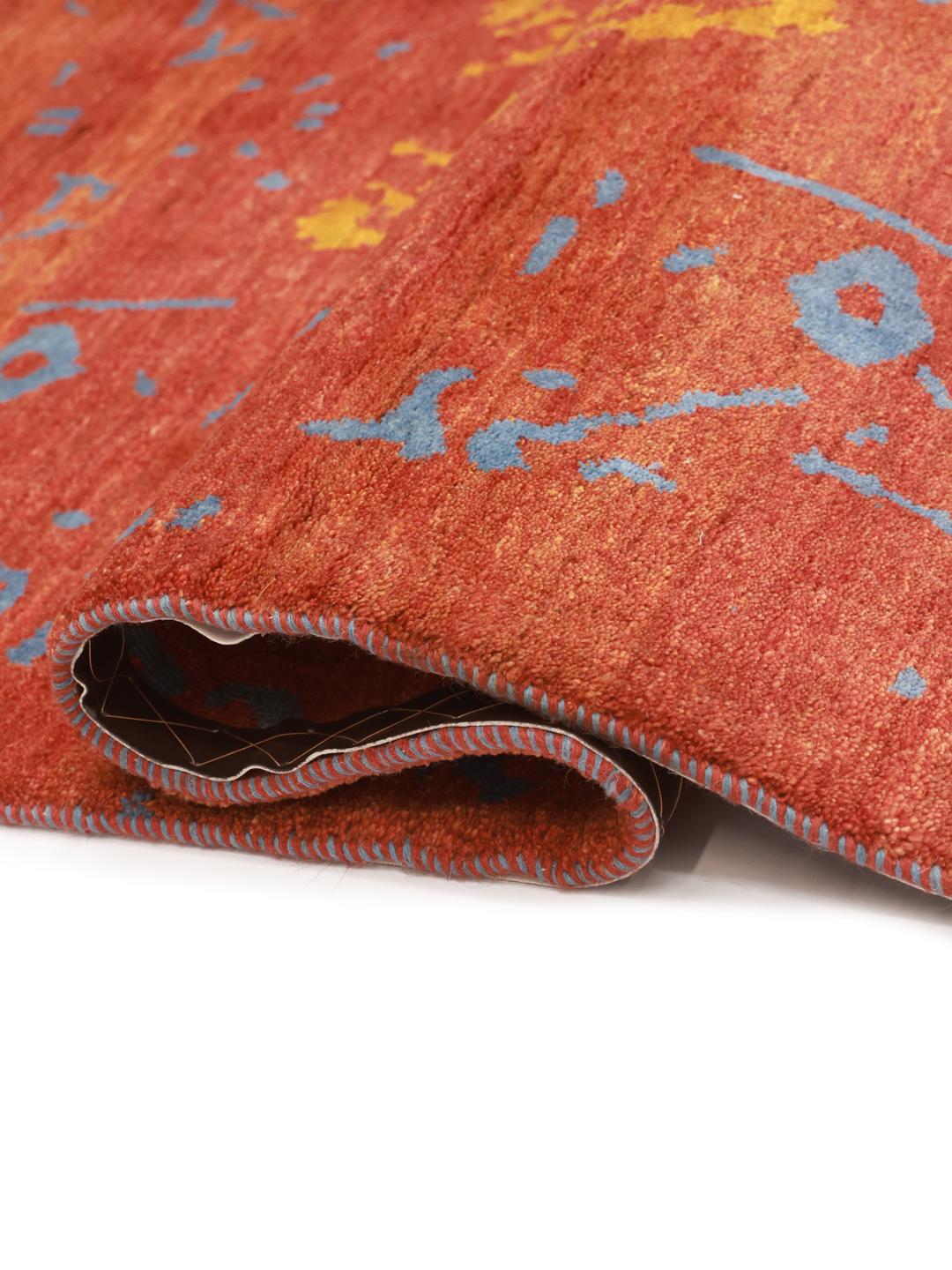
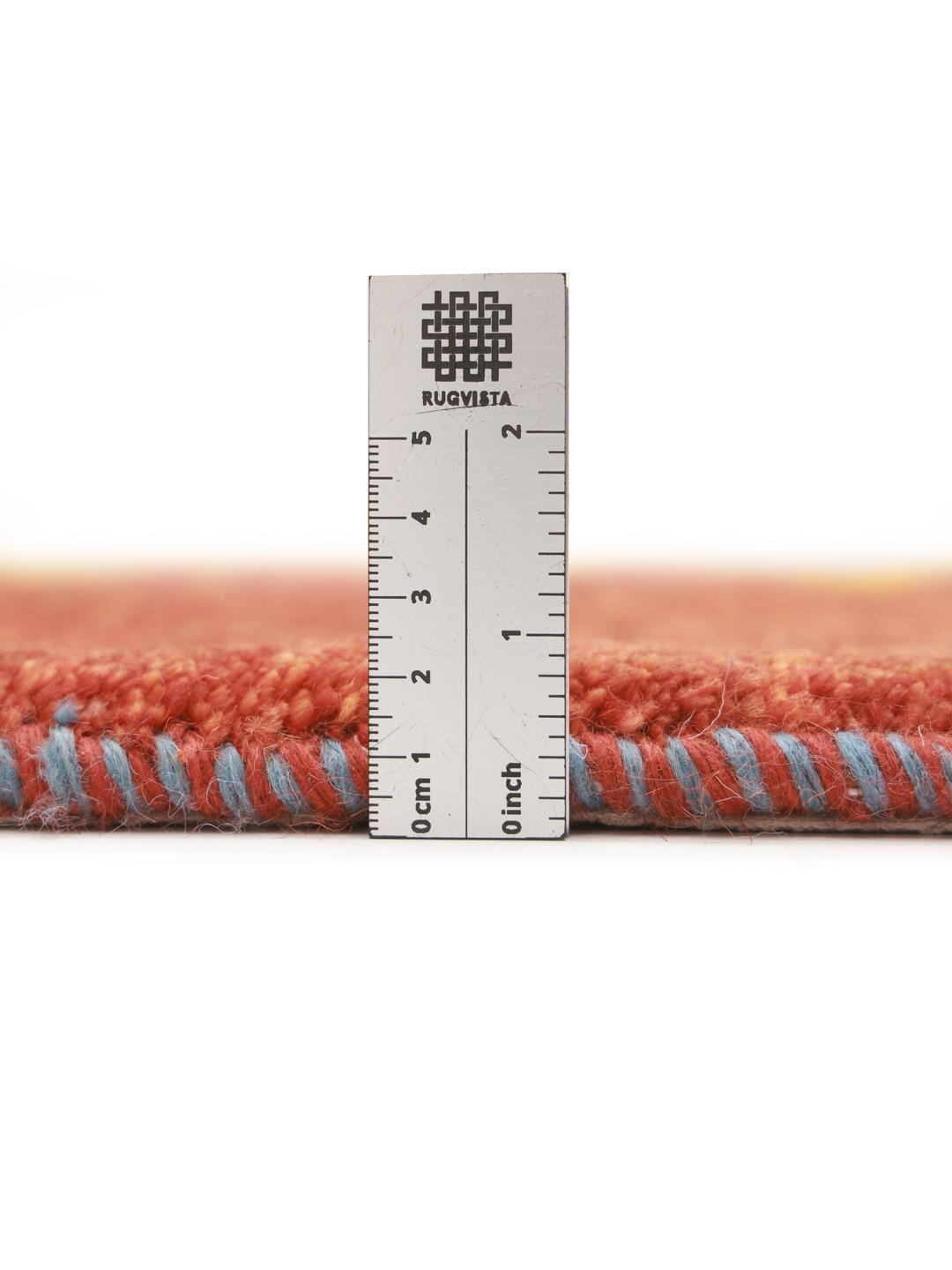
The term 'Loribaft' refers to the 'Lori' people and their specific style of weaving, which is characterised by a thicker, softer pile compared to more formal urban rugs. This style evolved to provide warmth and comfort for nomadic families, and the term 'Kashkooli' often refers to a specific, finer grade of these tribal rugs, known for their slightly more refined aesthetic.
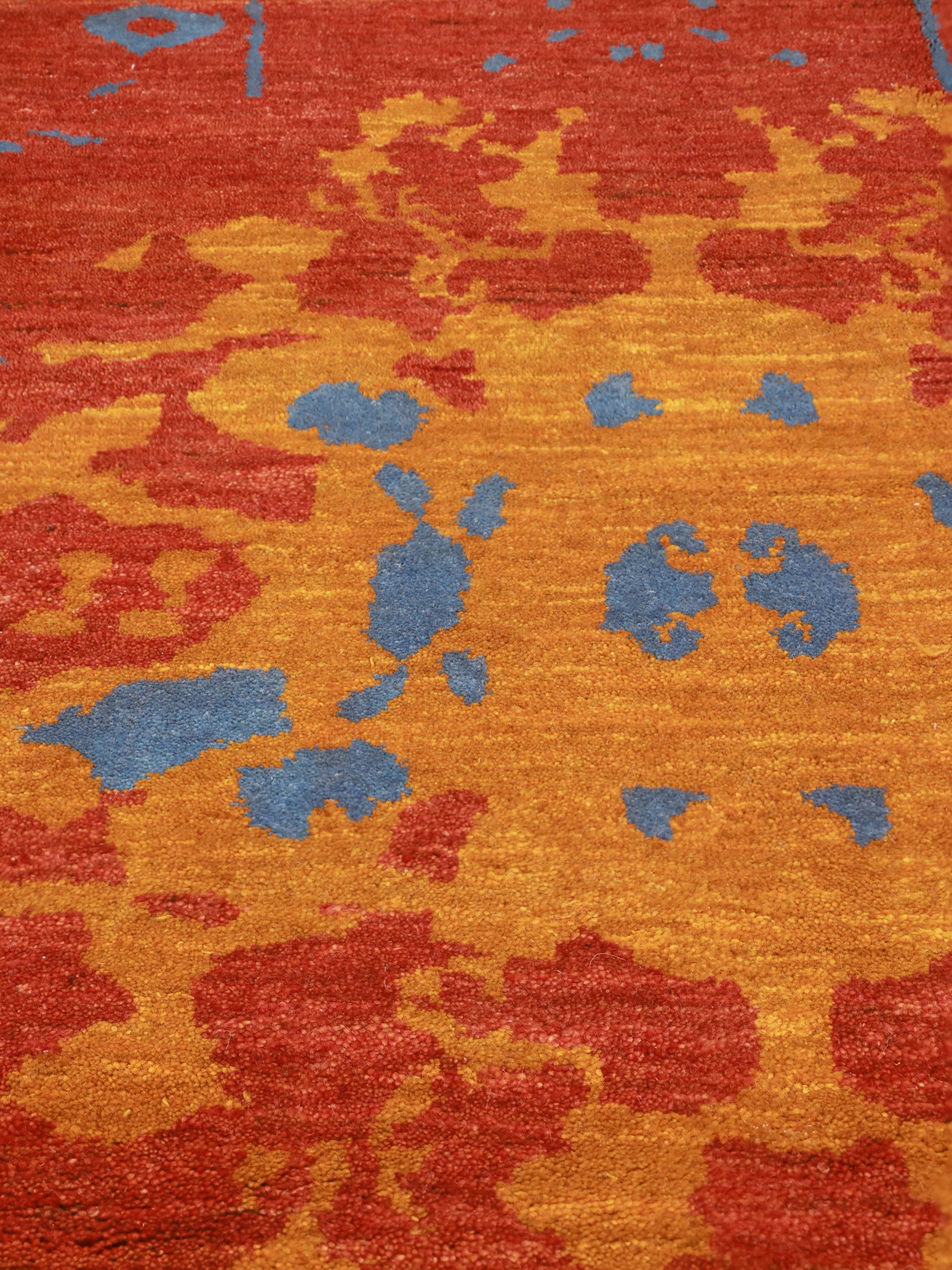
Visually, these rugs are defined by their bold, often abstract or simplified geometric motifs, which are frequently inspired by the surrounding landscape and tribal life. The colours are typically derived from natural dyes, resulting in a rich, variegated appearance known as abrash, where the tone shifts subtly across the field of the rug.
Collectors value these rugs for their raw, authentic spirit and the immense skill required to produce such complex designs freehand. Owning a Loribaft is an investment in cultural heritage, representing a direct connection to ancient weaving practices that prioritise human expression and lasting quality over mass production.