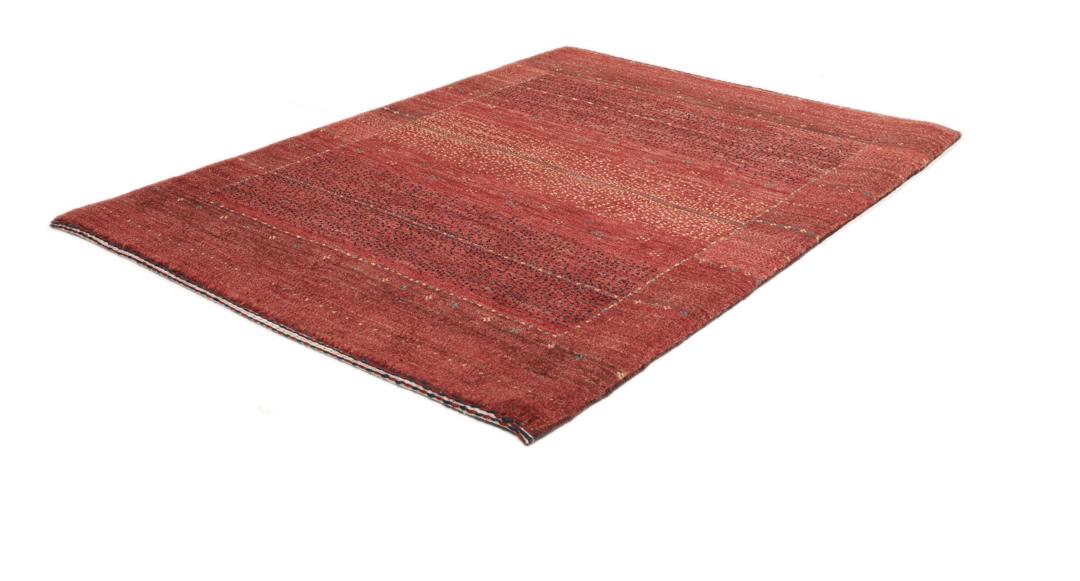
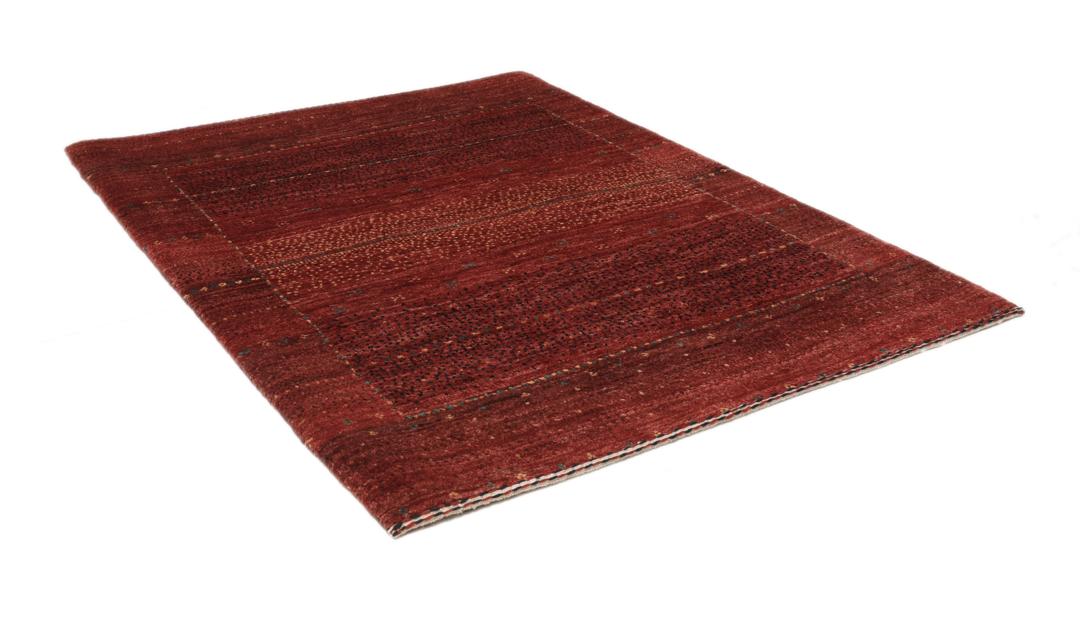
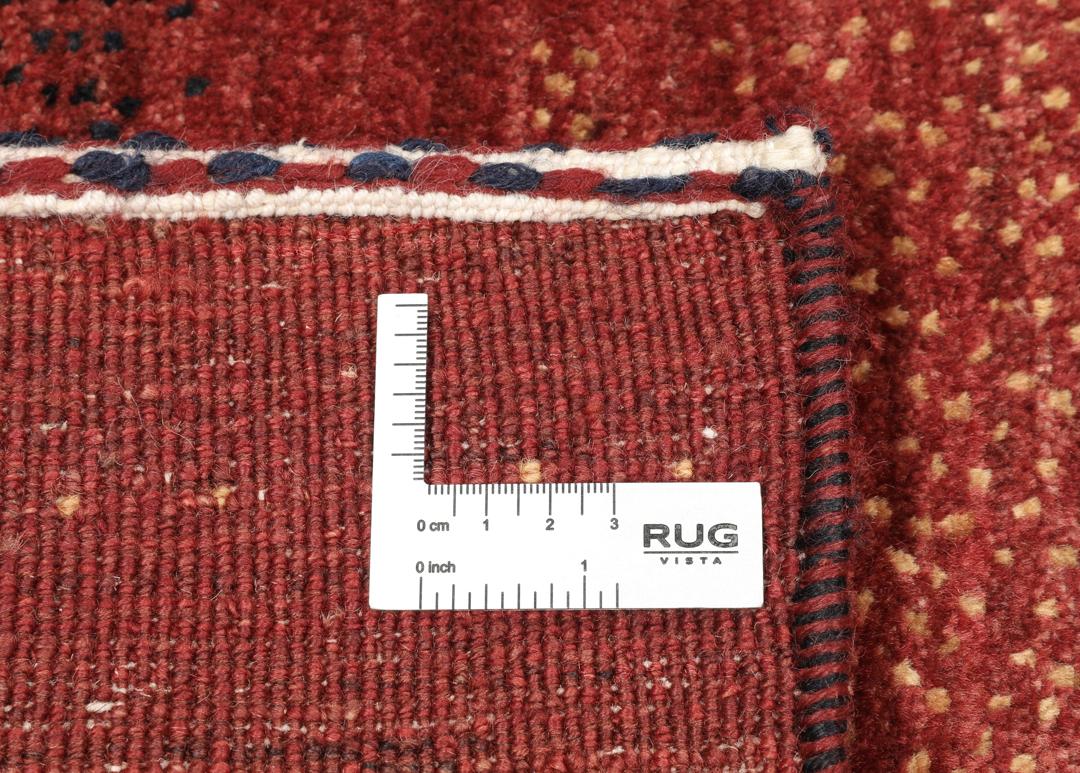
The Loribaft rug tradition finds its roots in the nomadic cultures of the Middle East, where weaving has long been a way of life. Originally, these rugs were created by tribal weavers who drew inspiration from their surroundings, incorporating simple, geometric motifs that reflect the natural world and their unique cultural identity.
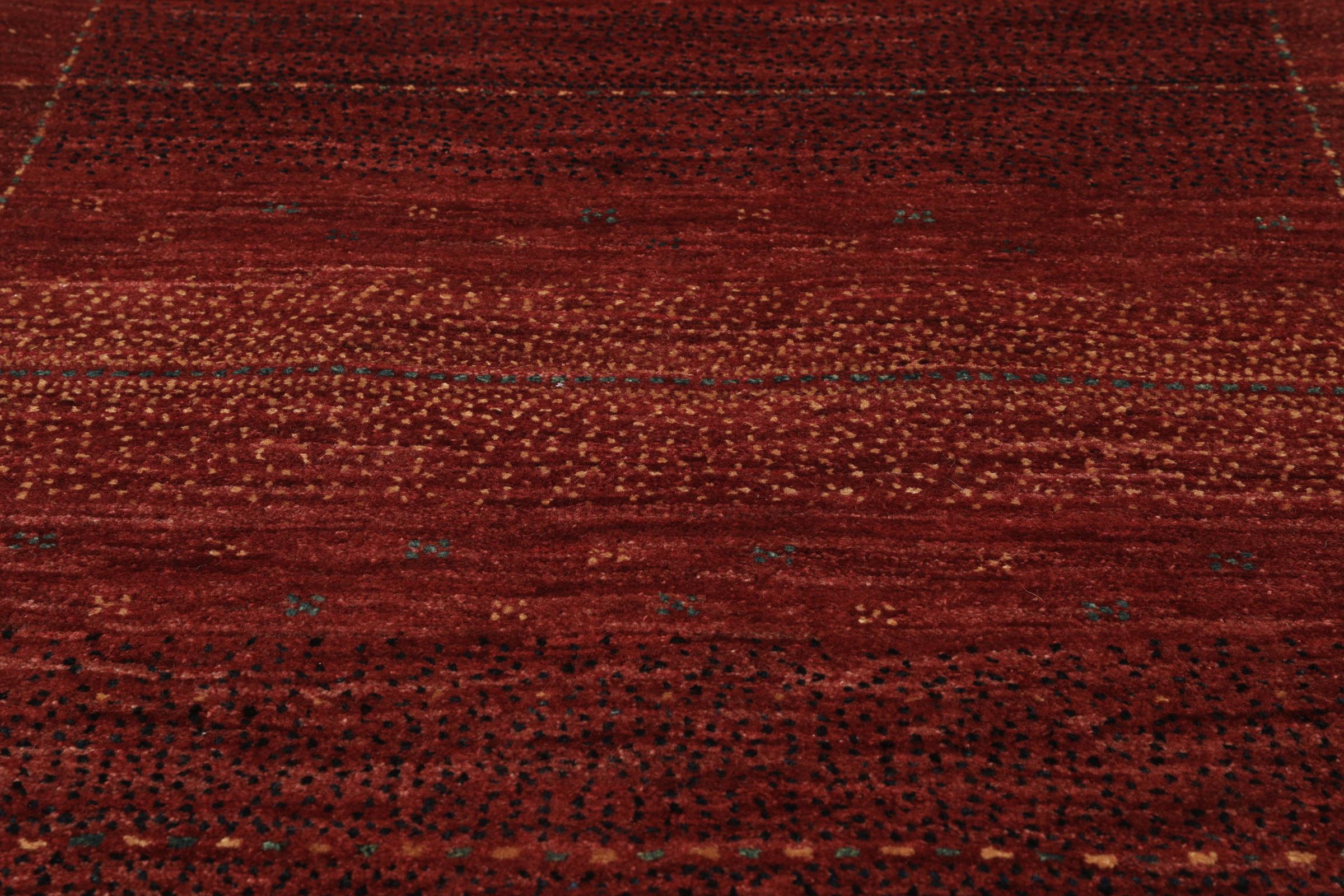
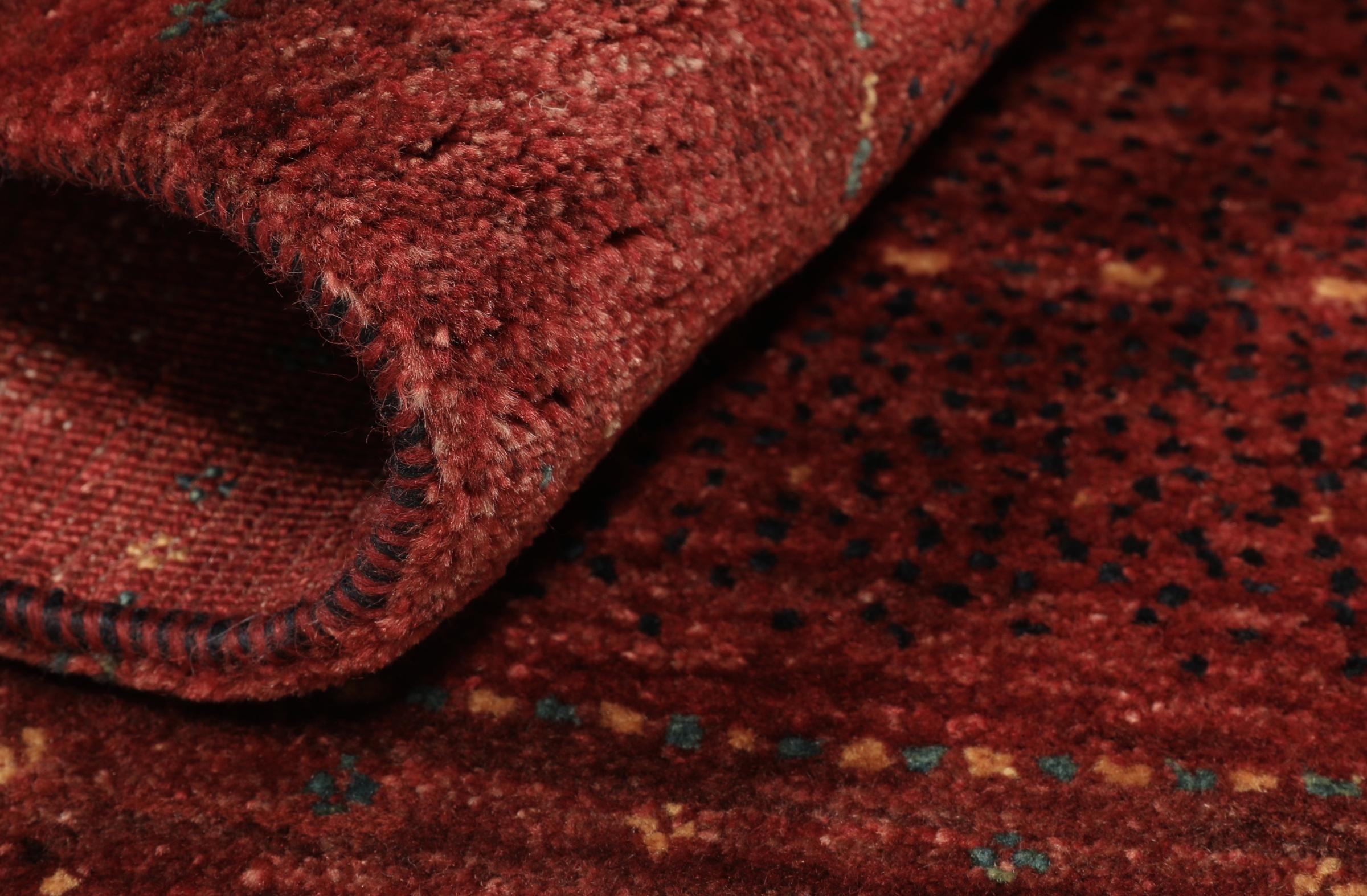
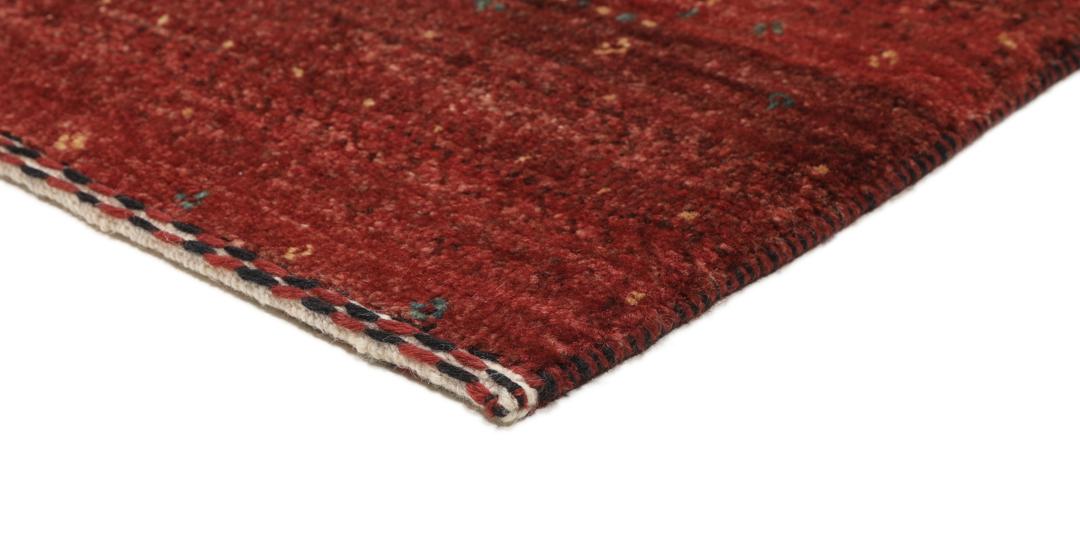
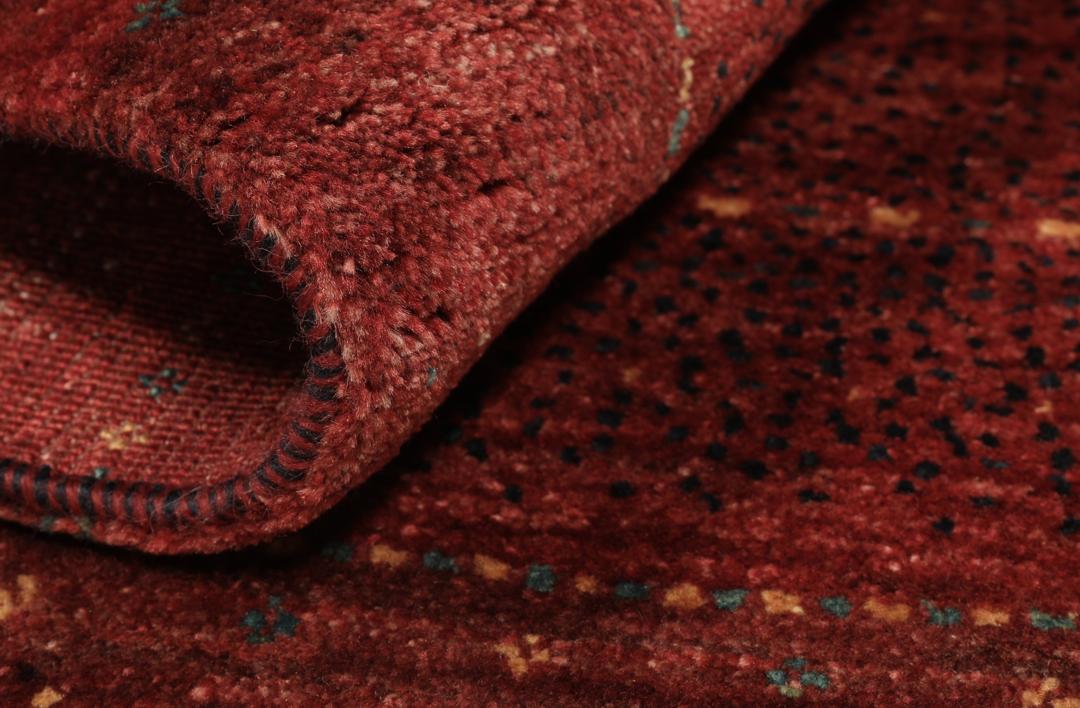
The term 'Loribaft' refers to a specific style of weaving that emphasises a thicker, softer pile compared to many other regional types. This technique is designed to create a rug that is both practical for nomadic life and exceptionally comfortable, using wool that is hand-spun to maintain its natural oils and strength.
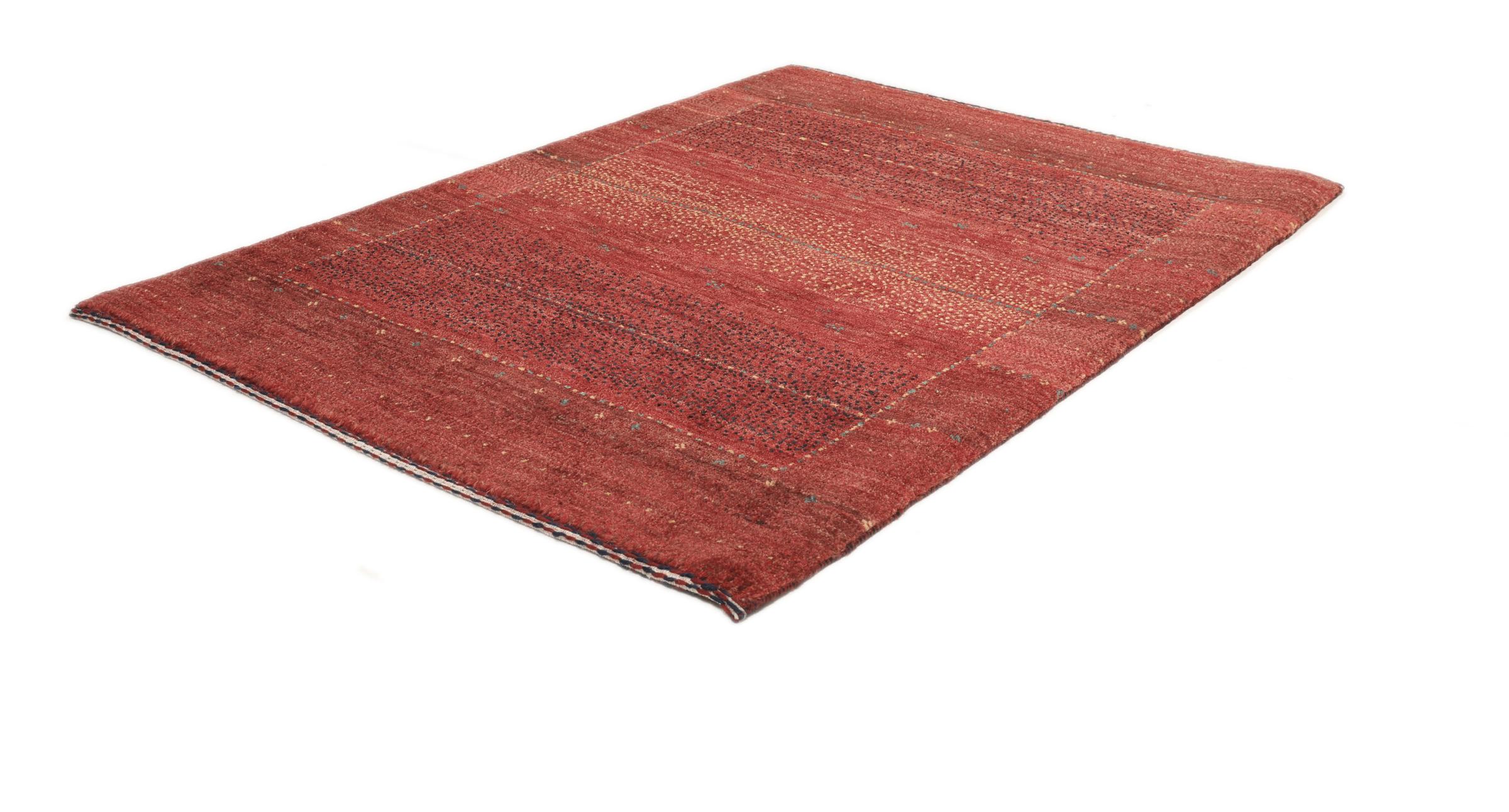
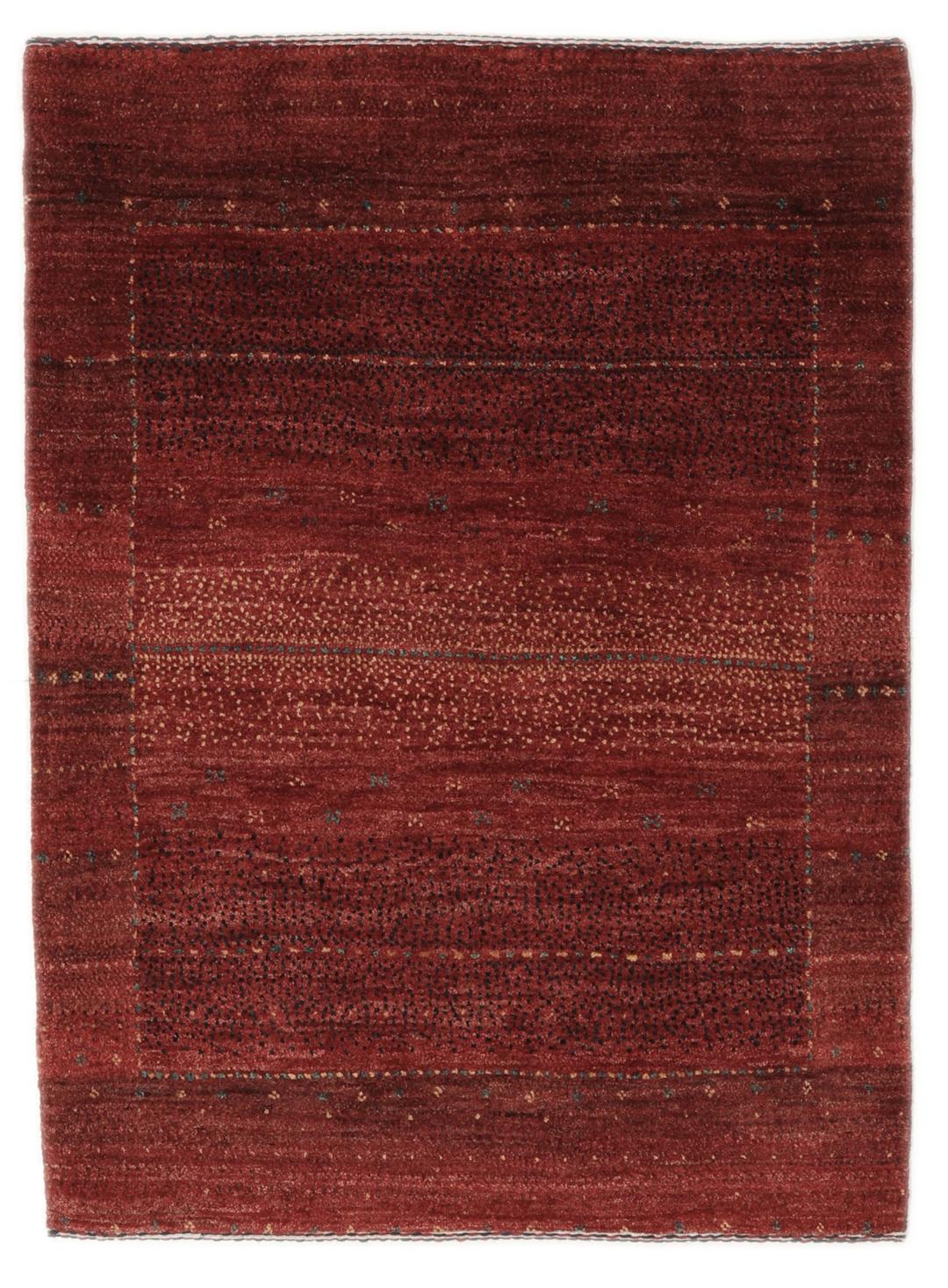
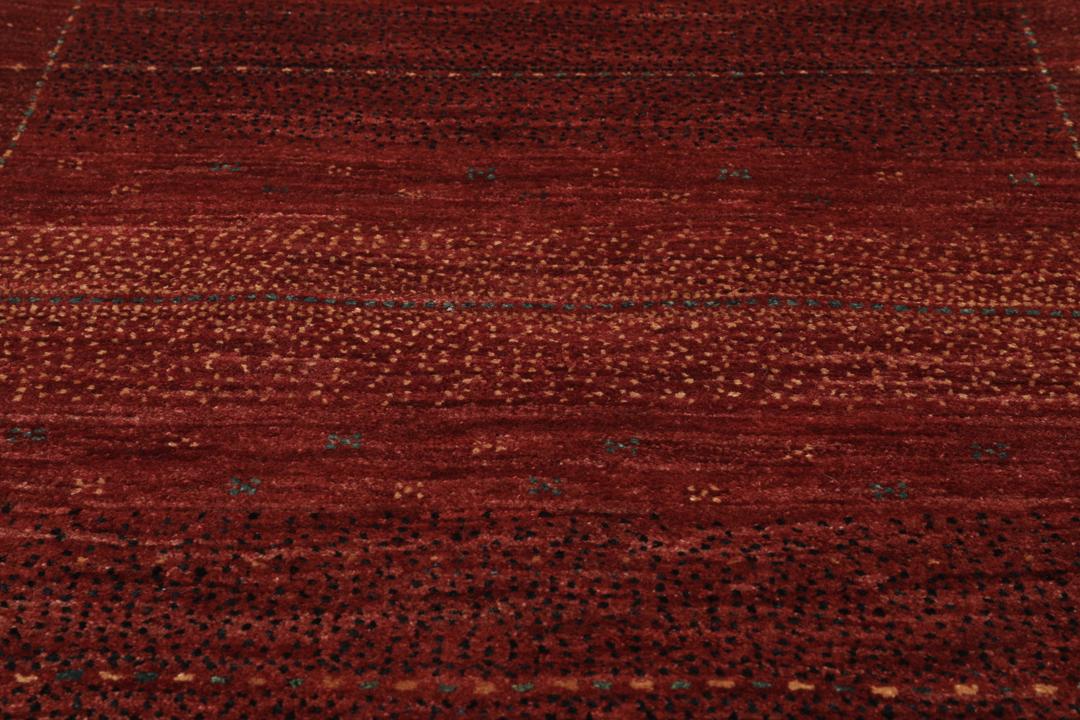
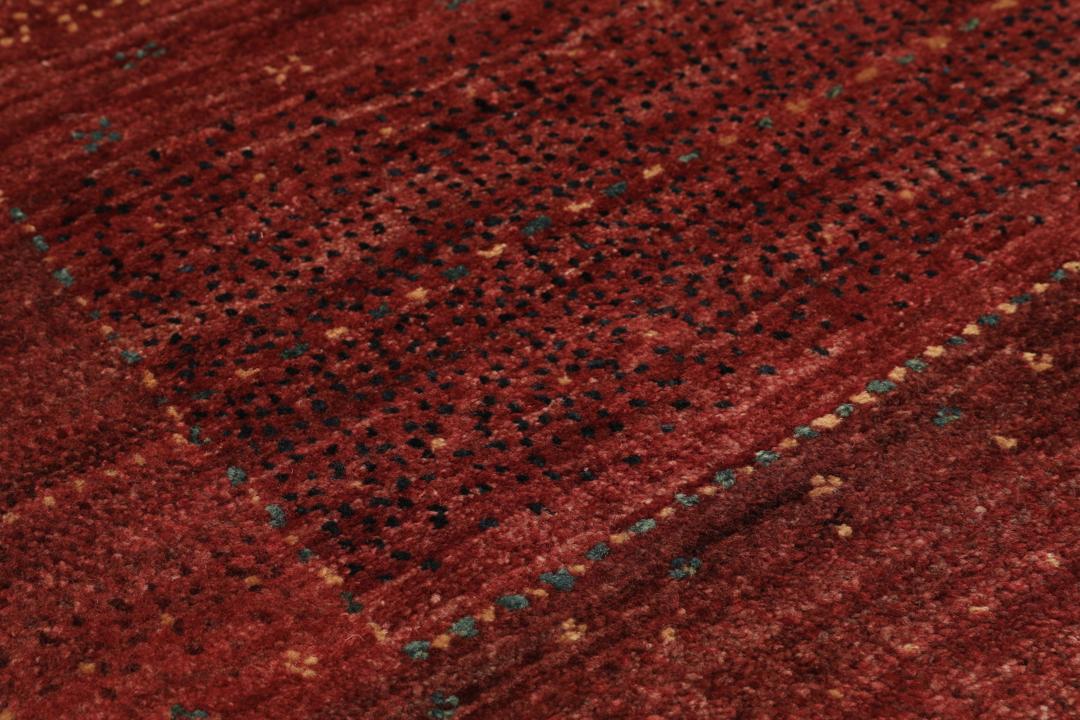
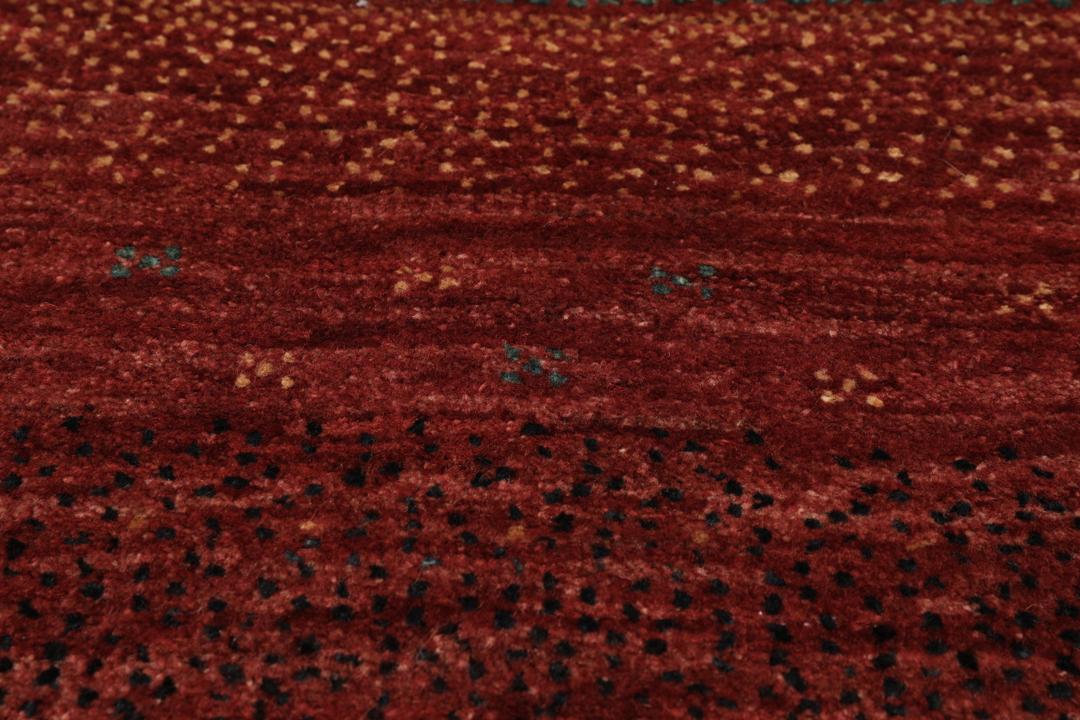
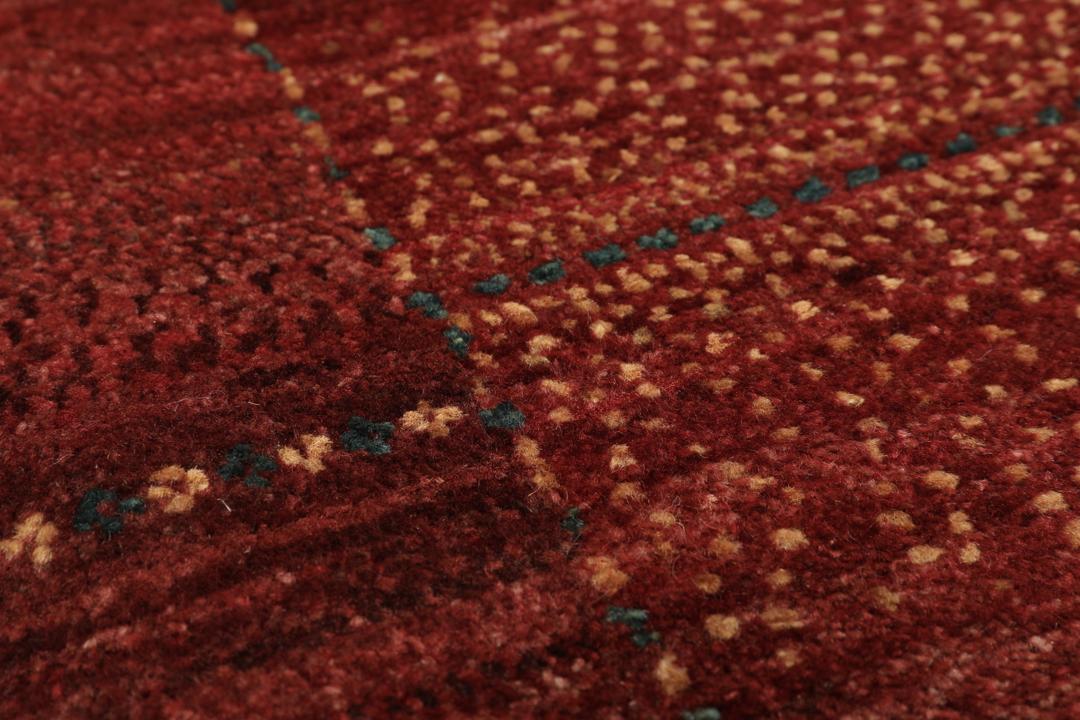
Visually, these pieces are known for their deep, saturated colours, often achieved through traditional dyeing methods that produce rich, earthy tones. The designs typically feature a field of solid colour or subtle, abstract patterns that allow the quality of the wool and the depth of the dye to take centre stage, often framed by simple, elegant borders.
Today, owning a Loribaft rug is an opportunity to connect with a long-standing heritage of craftsmanship. These rugs are highly valued by collectors not only for their aesthetic beauty but for the human story embedded in every knot, representing a bridge between ancient traditions and the modern home.