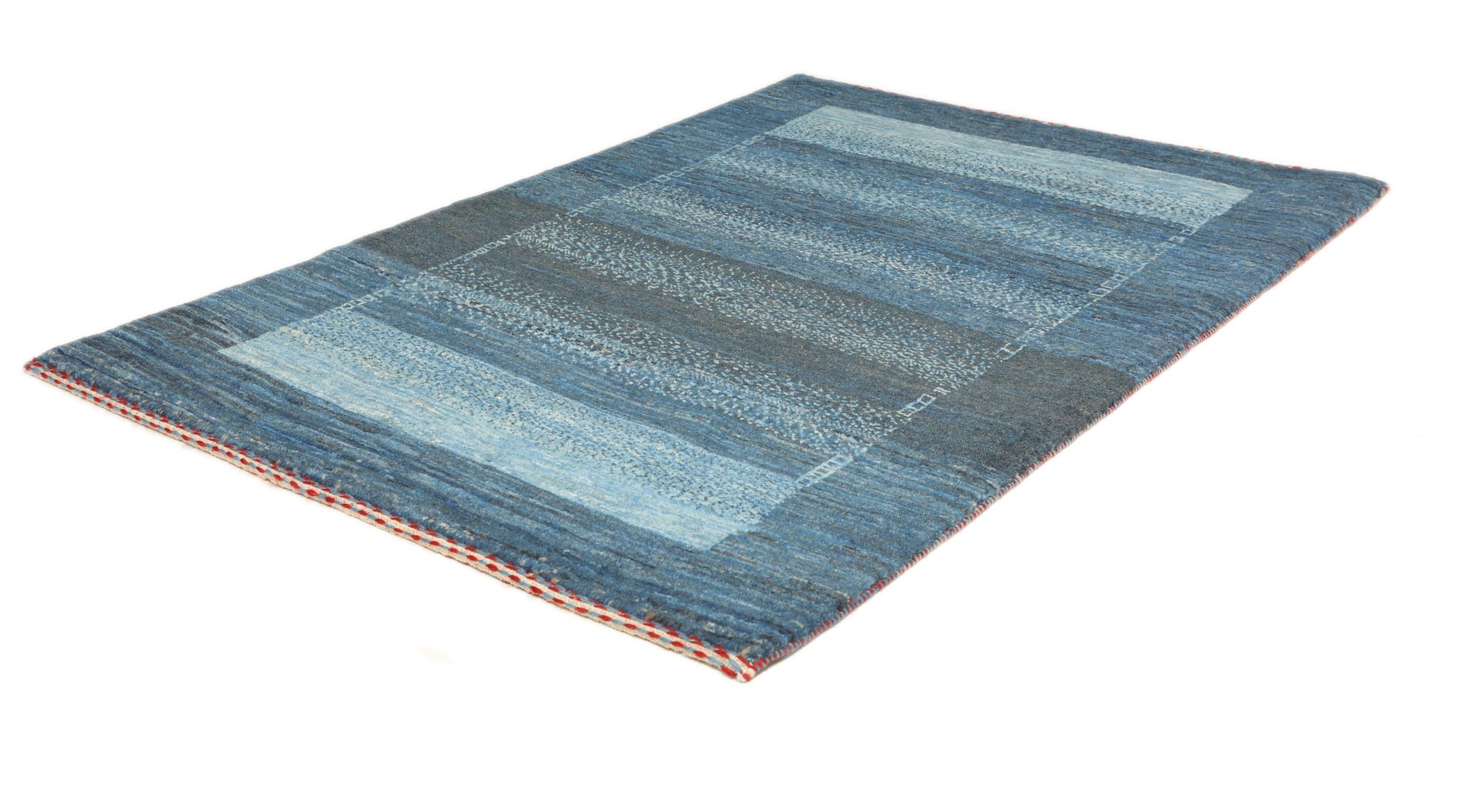
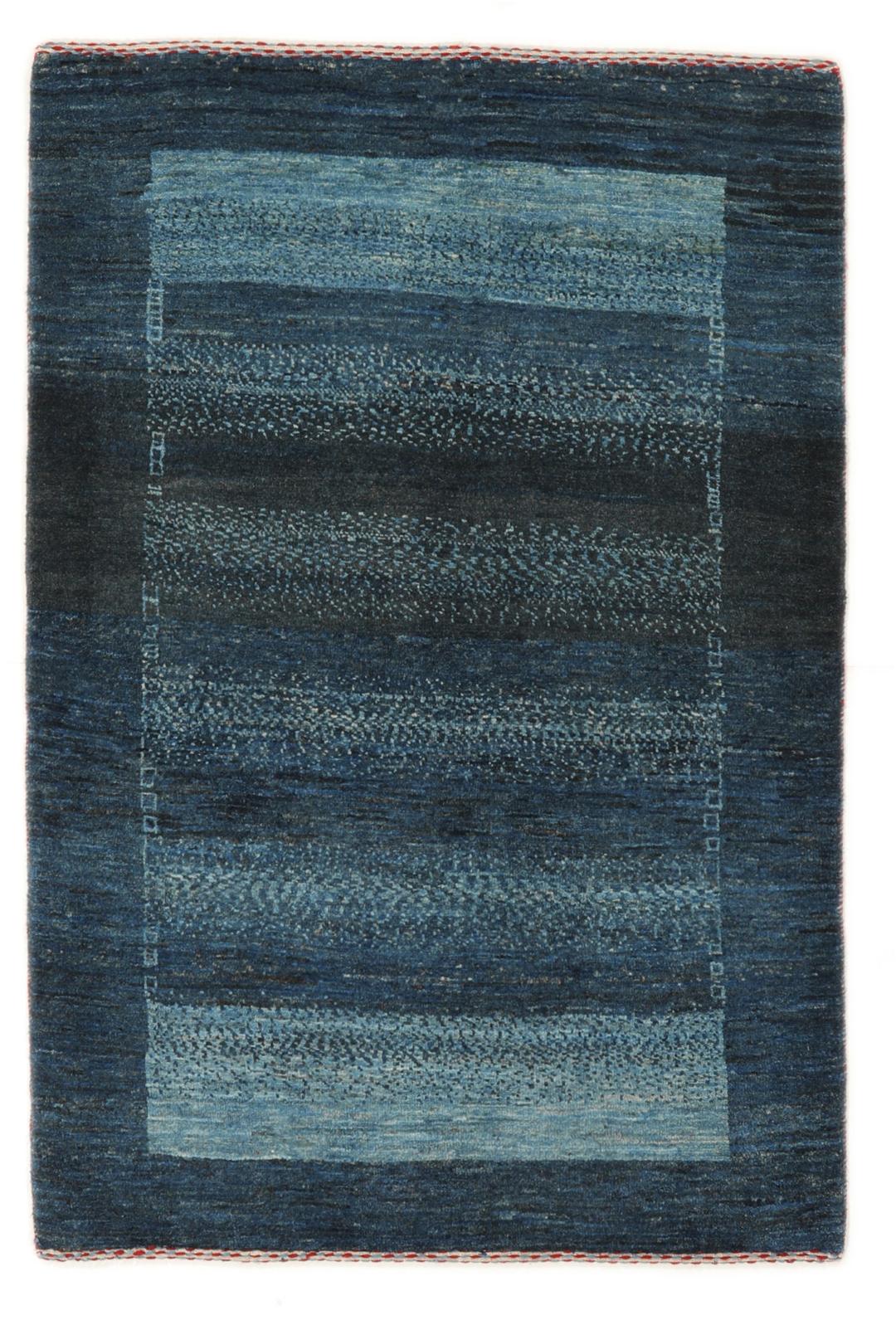
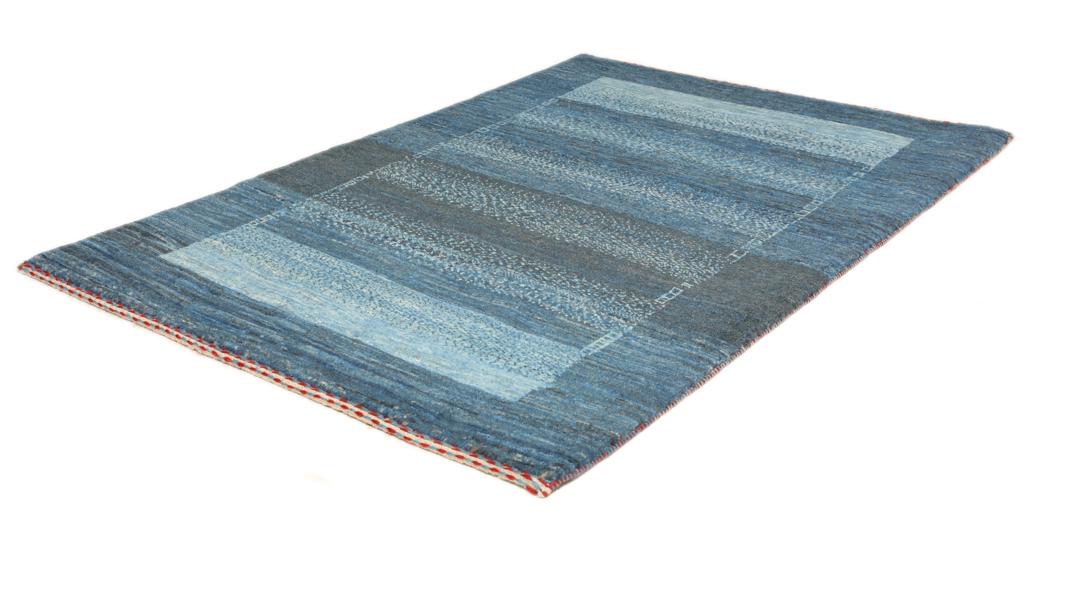
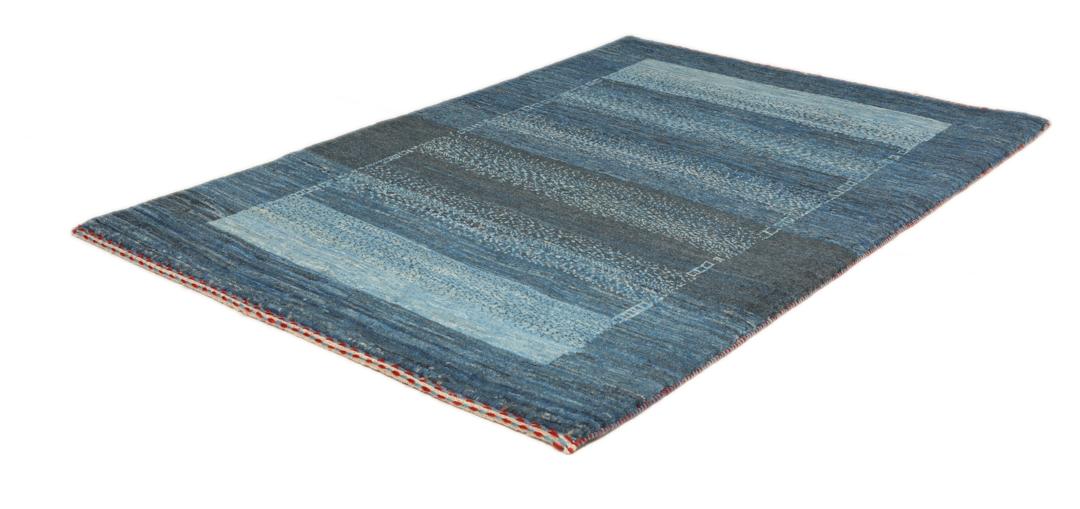
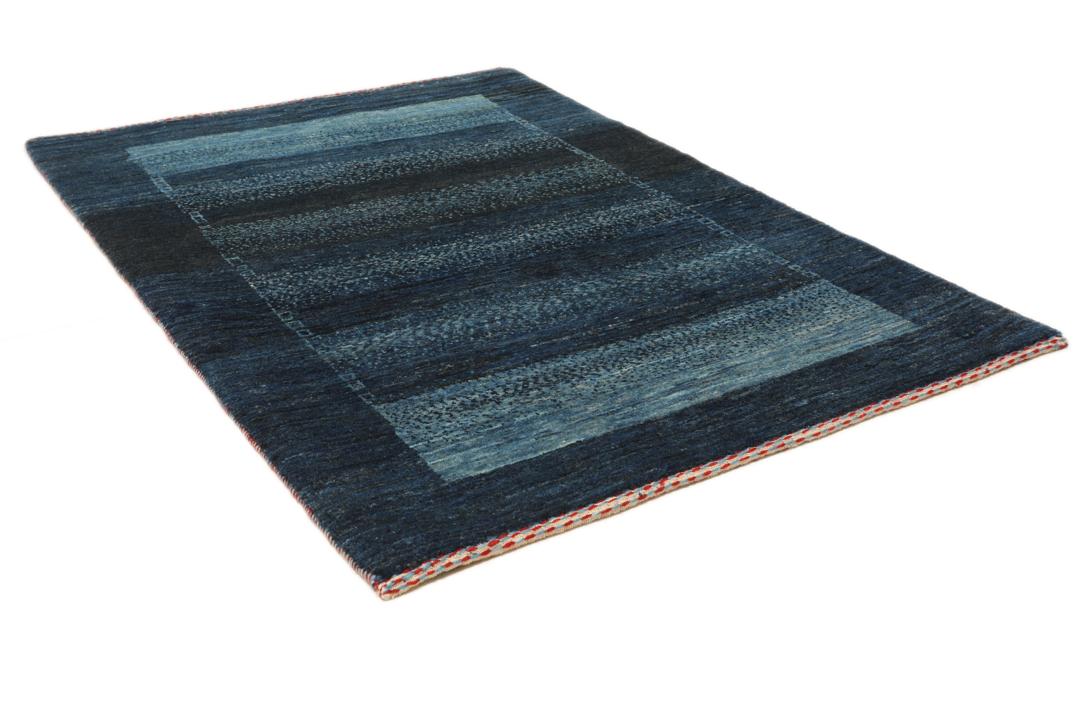
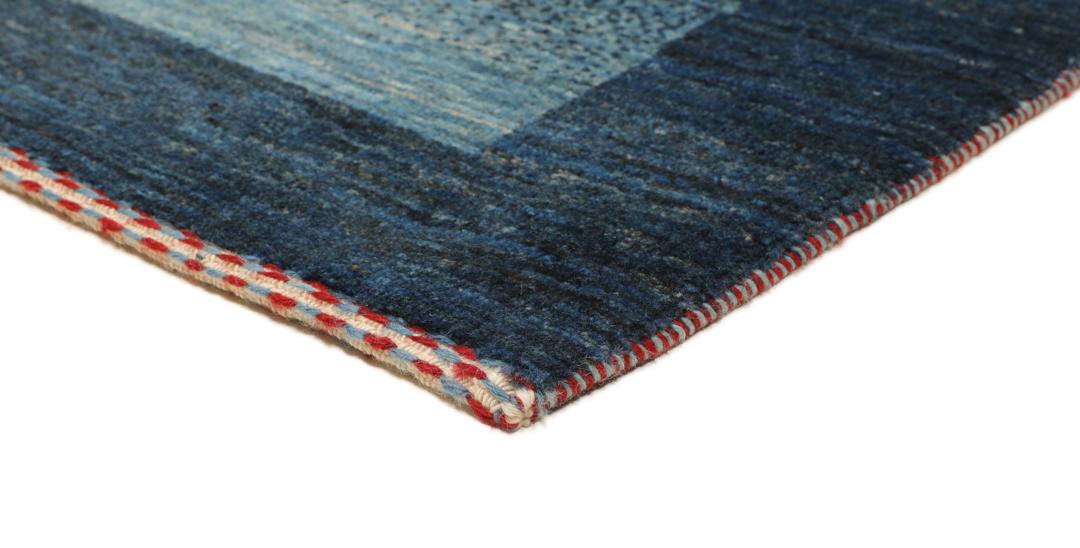
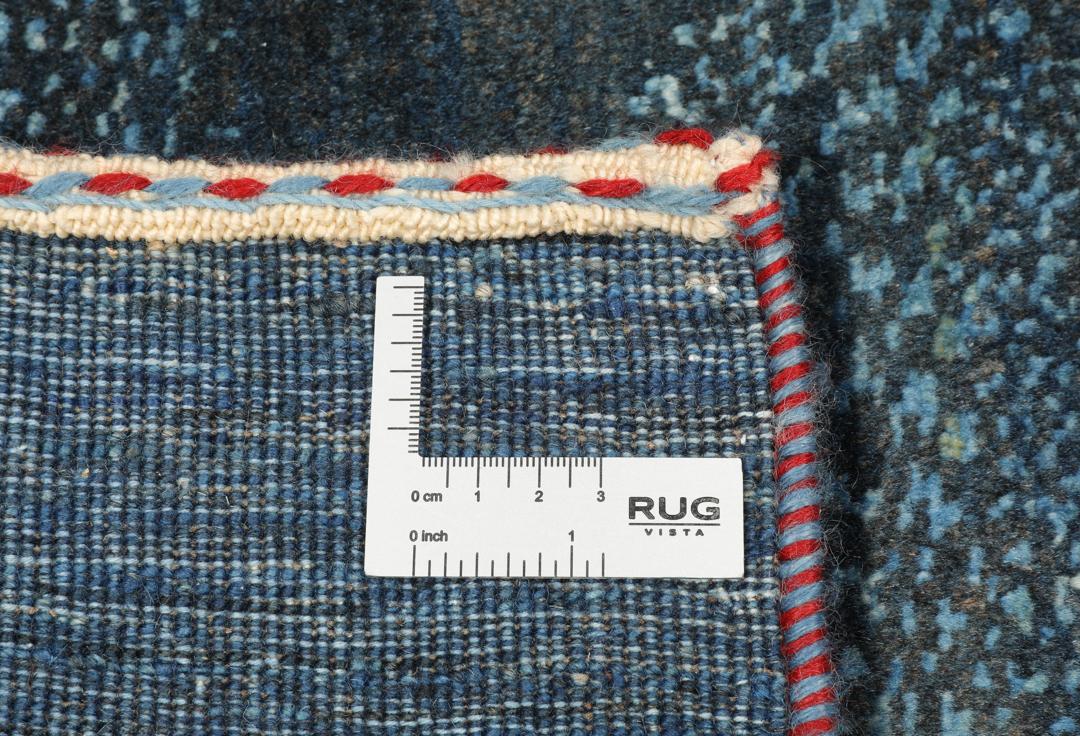
The Loribaft and Kashkooli traditions represent the pinnacle of nomadic weaving from the Middle Eastern highlands. Historically, these rugs were crafted by tribal weavers who drew inspiration from their surrounding landscapes, translating the mountains and sky into abstract, simplified geometric forms that possess a timeless appeal.
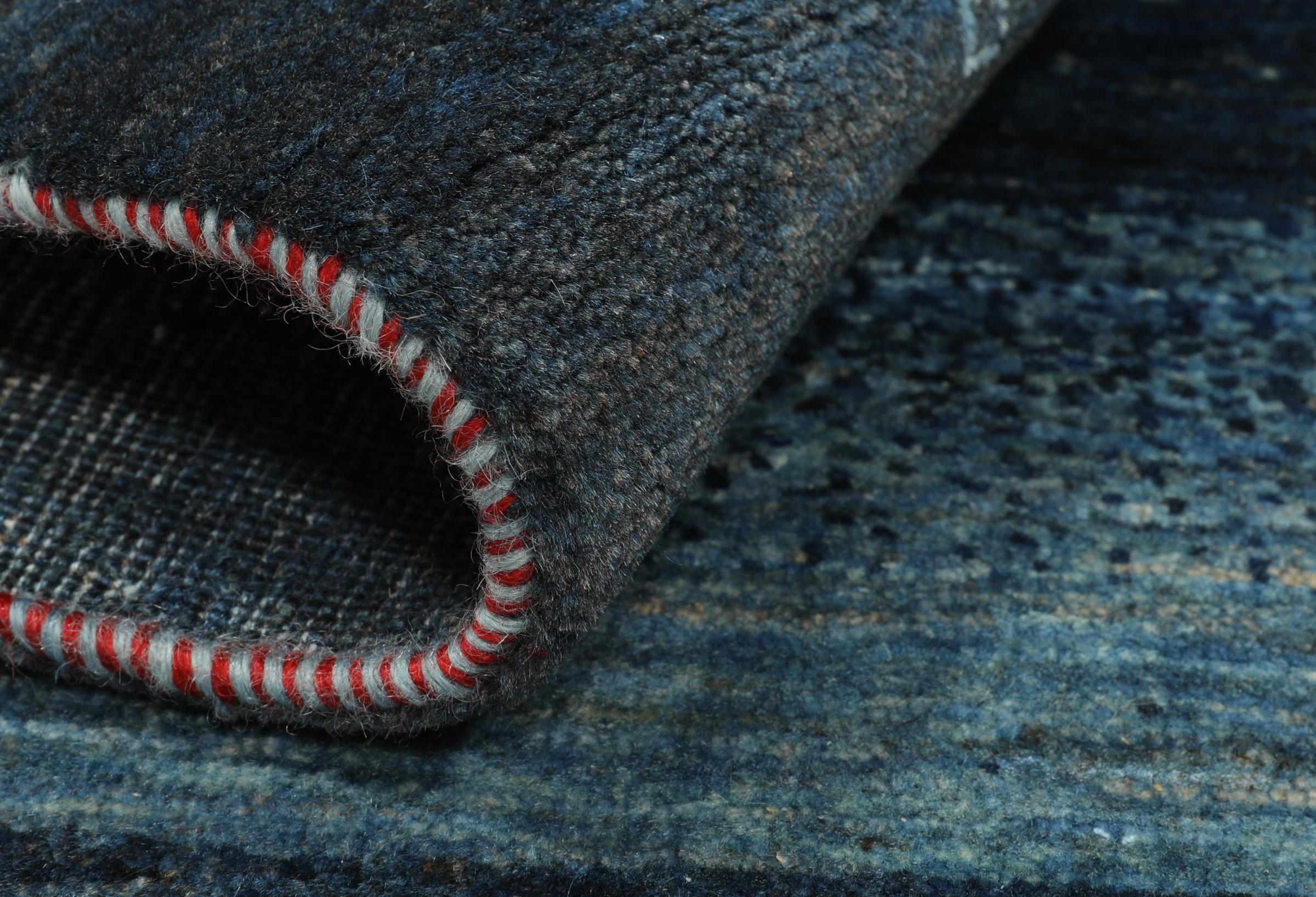
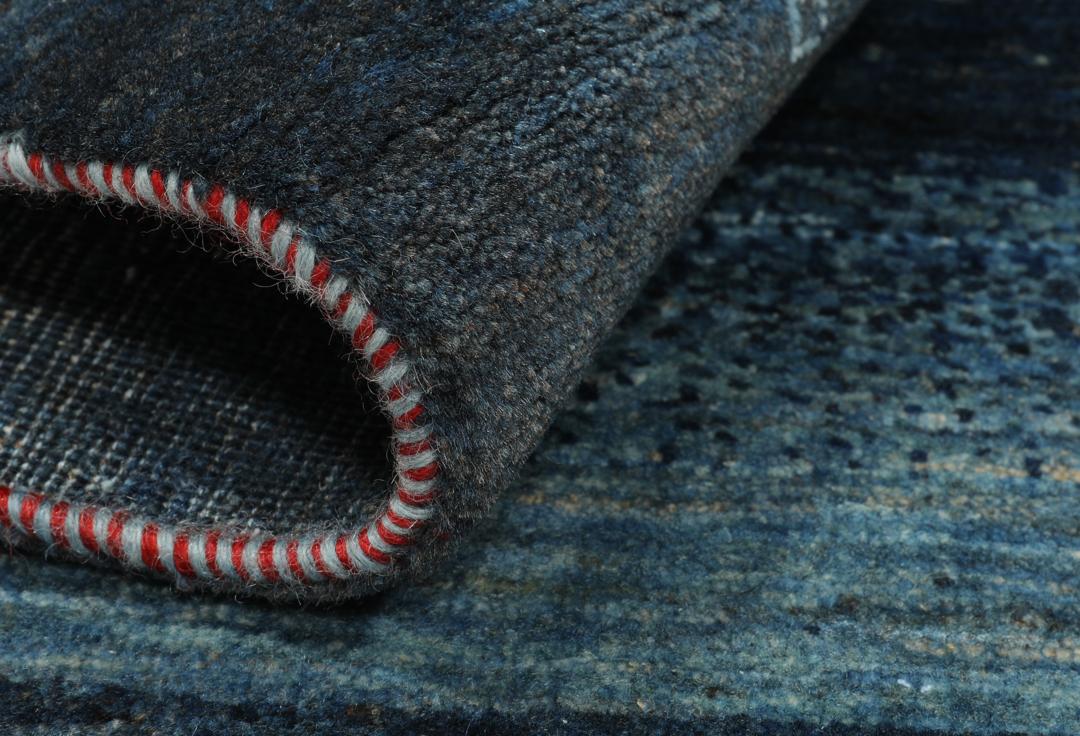
The term Loribaft refers to the thicker, more plush style of weave that prioritises softness and comfort. While traditional tribal rugs were often smaller and designed for portable use in tents, the Loribaft style evolved to meet a demand for greater comfort, utilising a higher pile and more resilient Wool to create a surface that is exceptionally inviting.
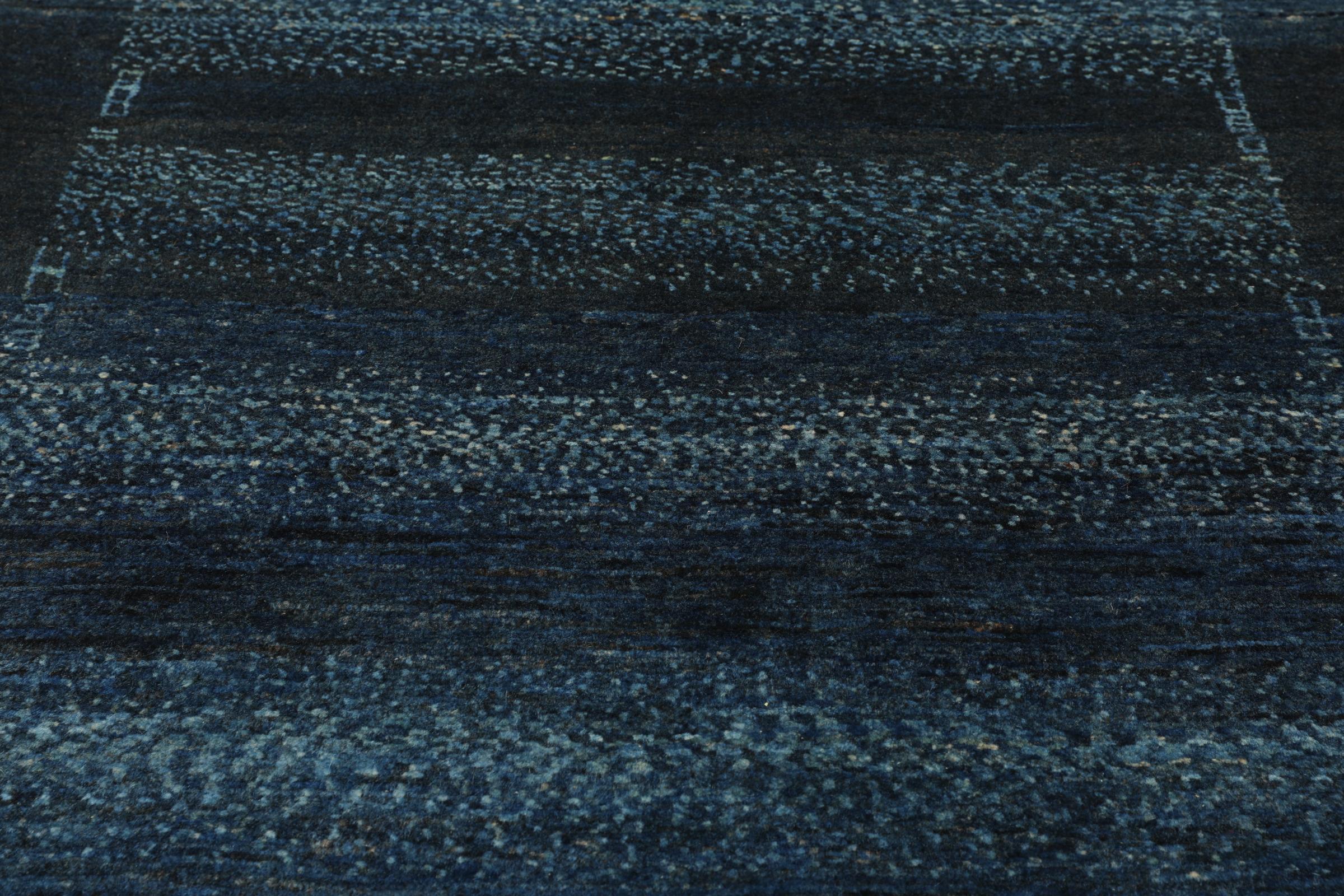
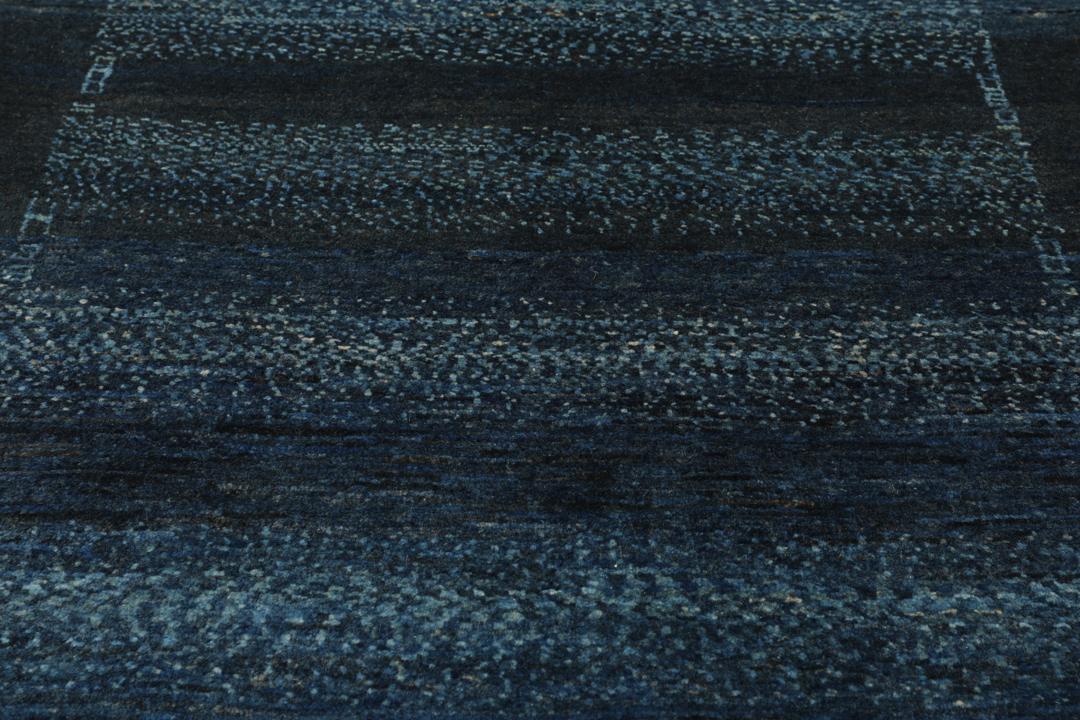
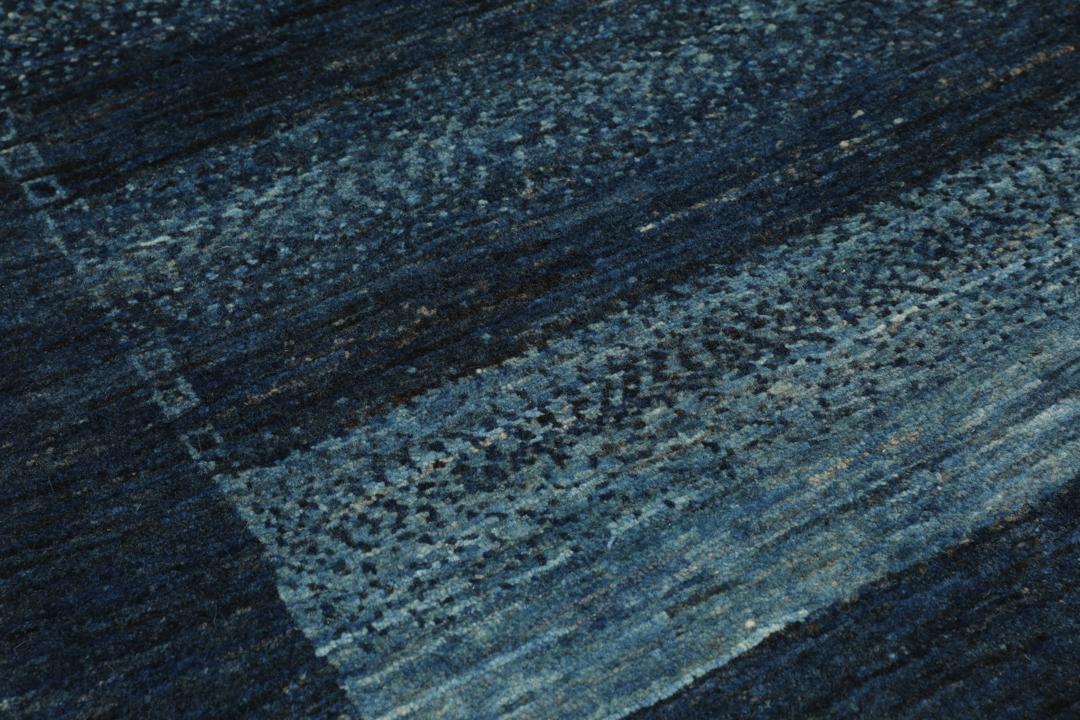
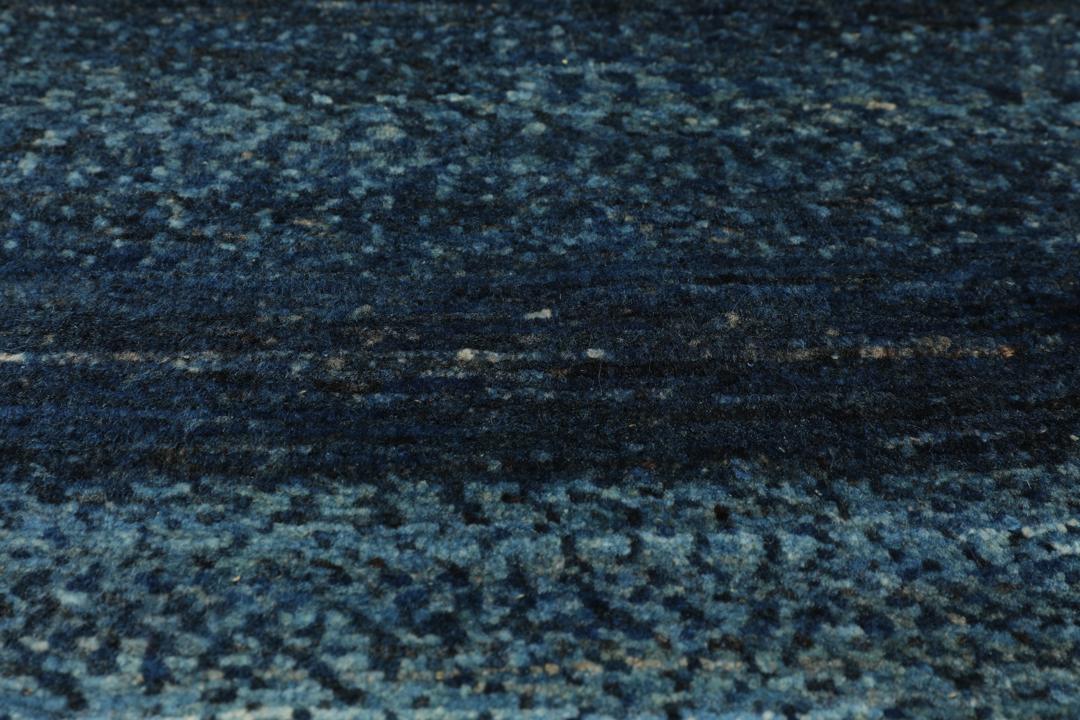
Visually, these rugs are defined by their open fields and restrained use of pattern. Unlike more complex city-made rugs, the Loribaft relies on the natural beauty of hand-spun Wool and the depth of natural dyes. The shifting, tonal appearance seen in this piece is a classic characteristic of the tradition, where the weaver's mood and the subtle variances in dye batches create a living, breathing design.
Owning a piece from this tradition is an act of supporting a craft that has survived for centuries against the backdrop of modernisation. These rugs are highly valued by collectors for their authenticity and the palpable human element present in every fibre. By bringing this rug into your home, you are connecting with a lineage of makers who have defined the standard for hand-knotted floor coverings.