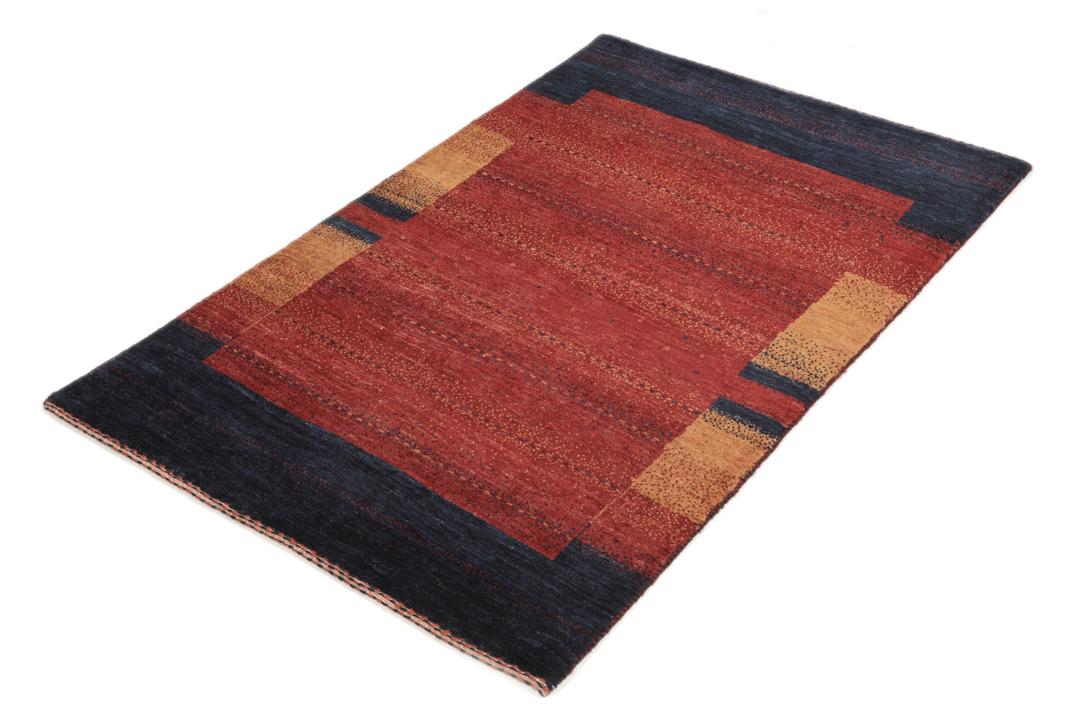
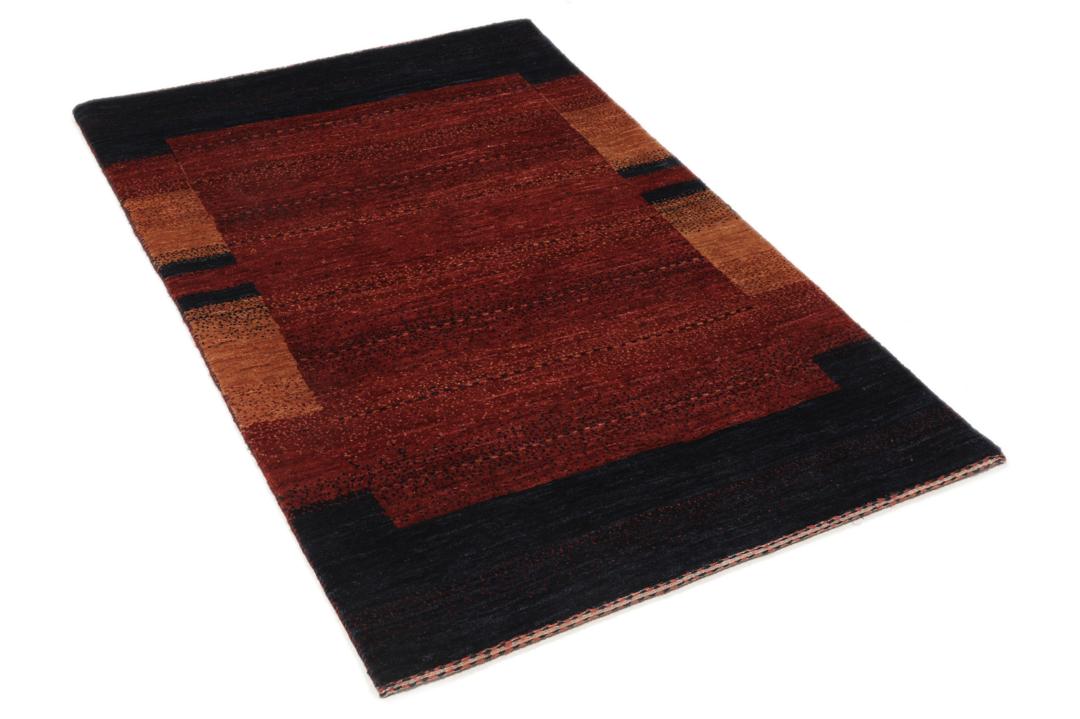
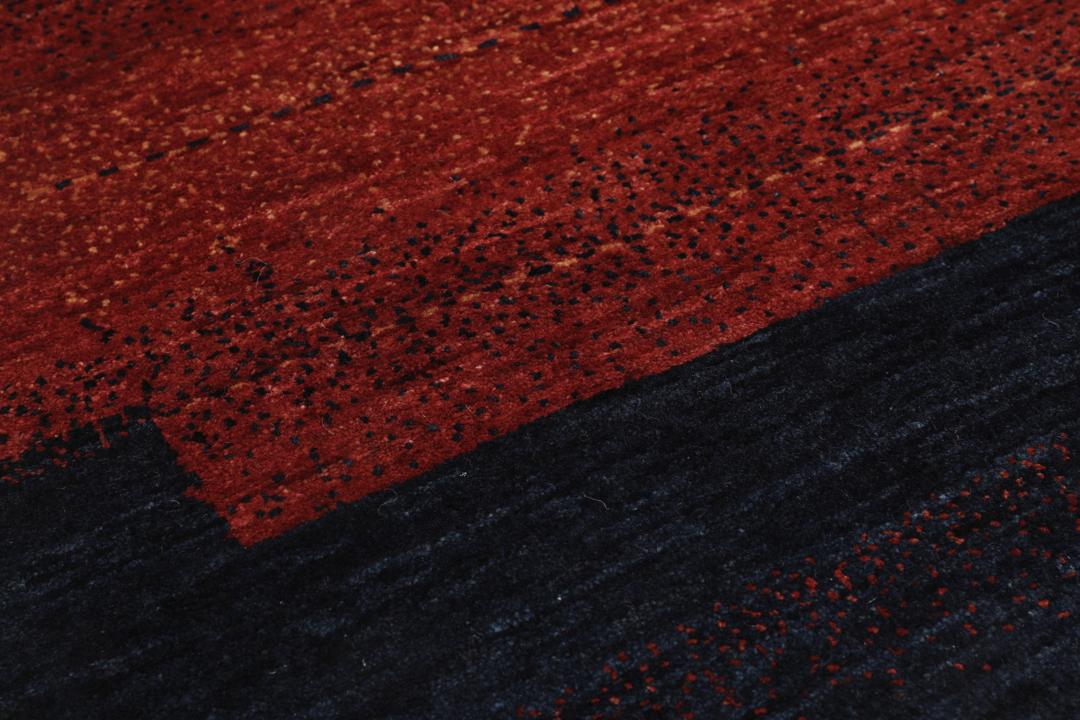
The Loribaft rug tradition finds its roots in the mountainous regions of the Middle East, where nomadic tribes developed a unique style of weaving that prioritizes simplicity and high-quality materials. These rugs are celebrated for their thick, soft pile and their ability to blend ancient tribal techniques with a more modern, minimalist visual language.
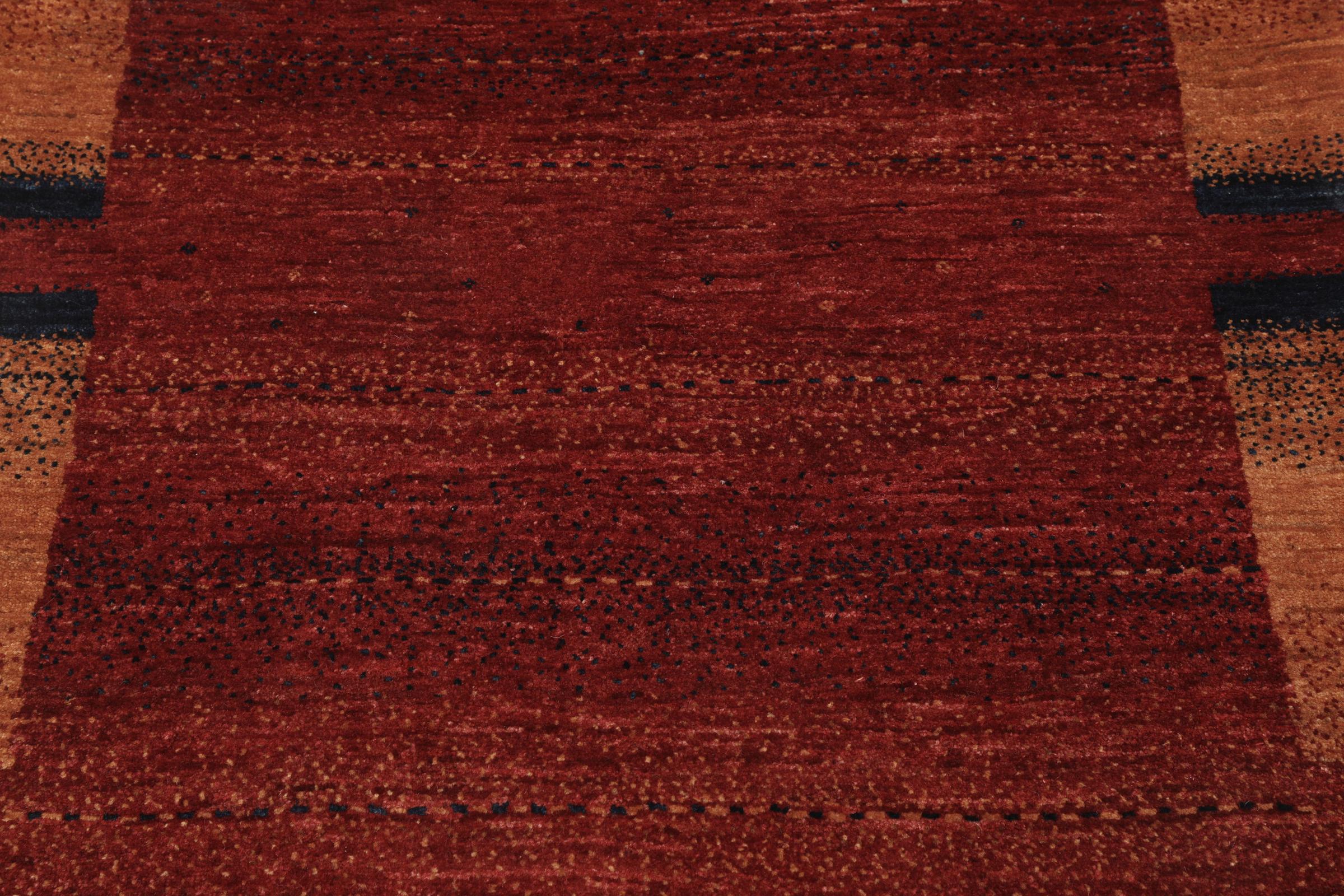
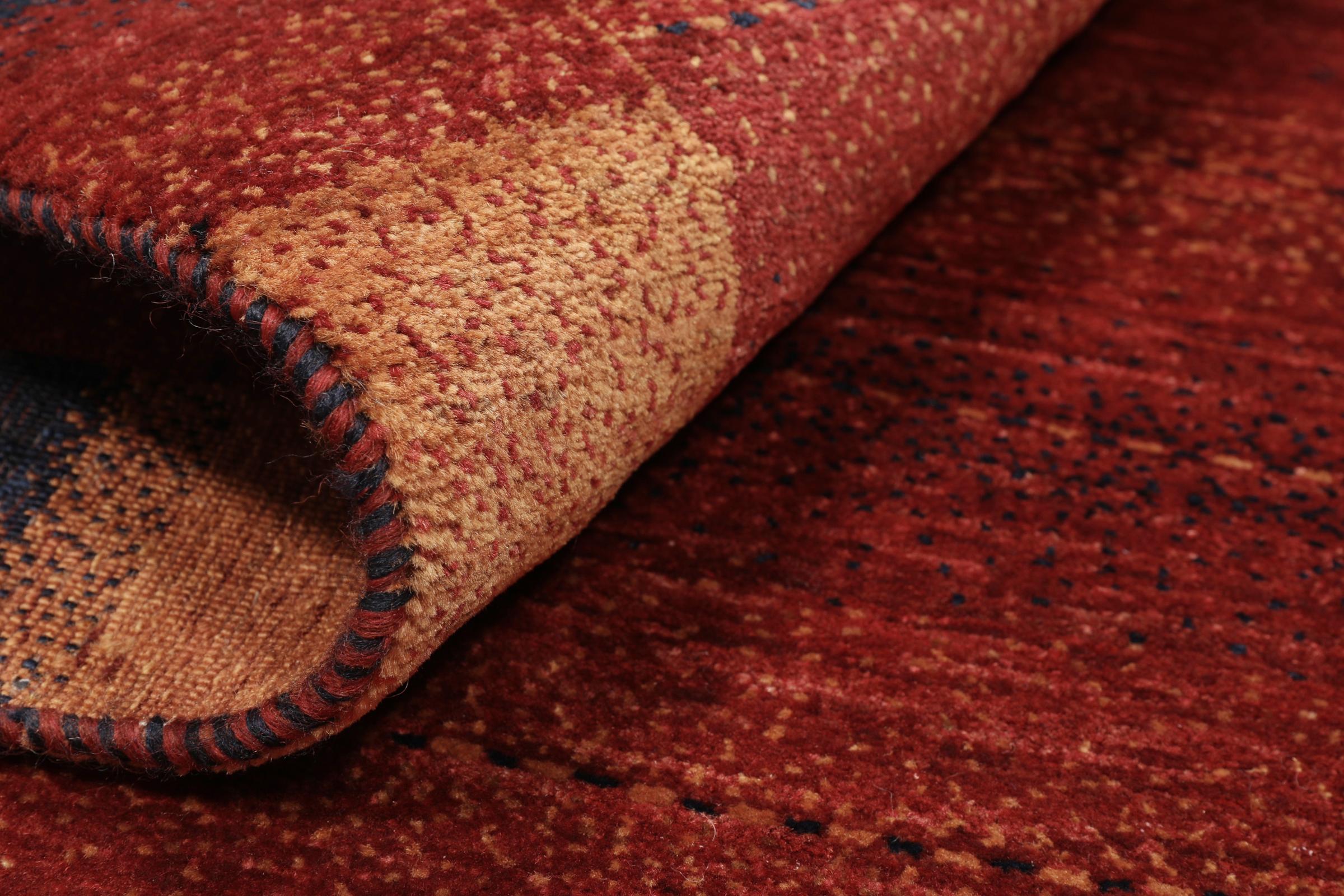
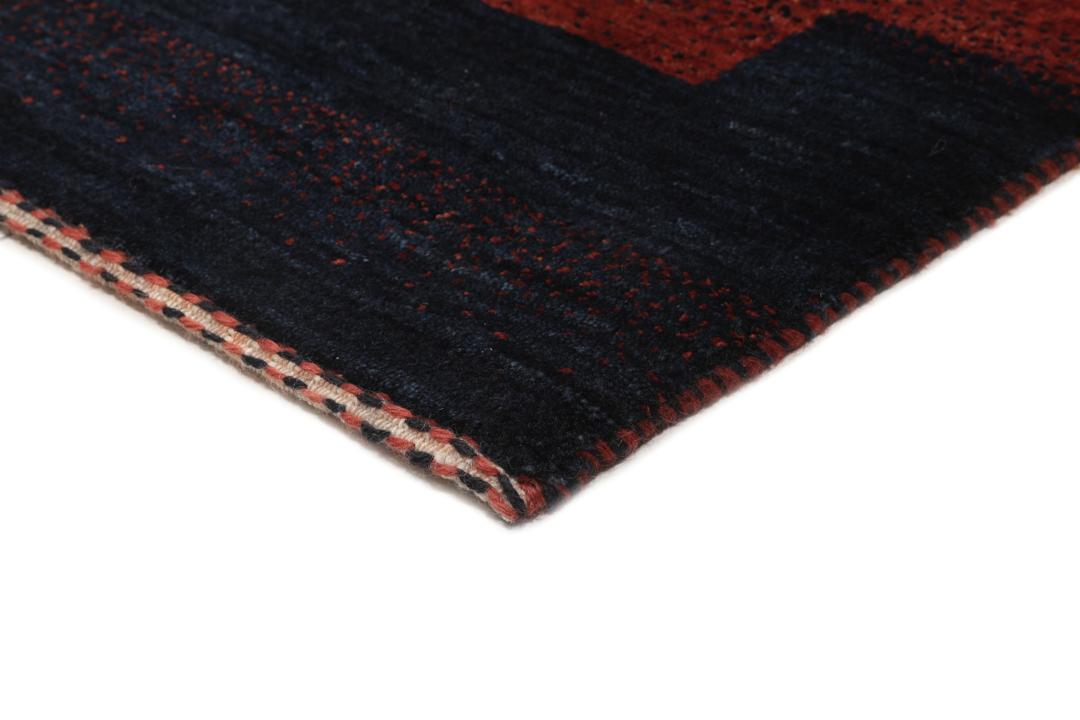
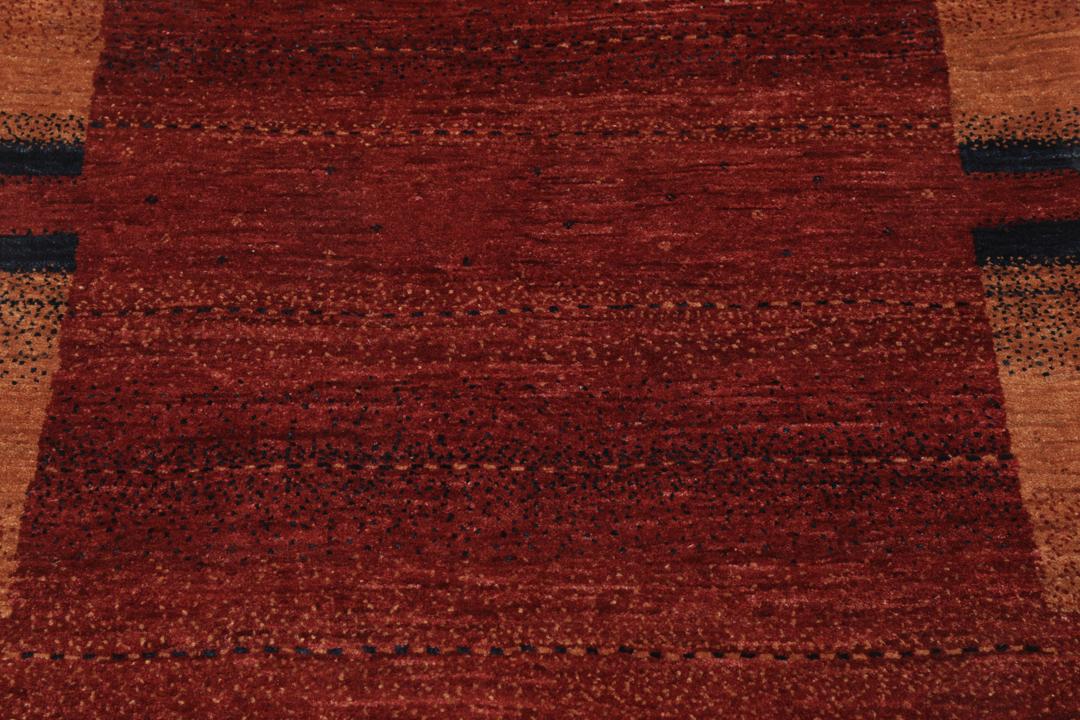
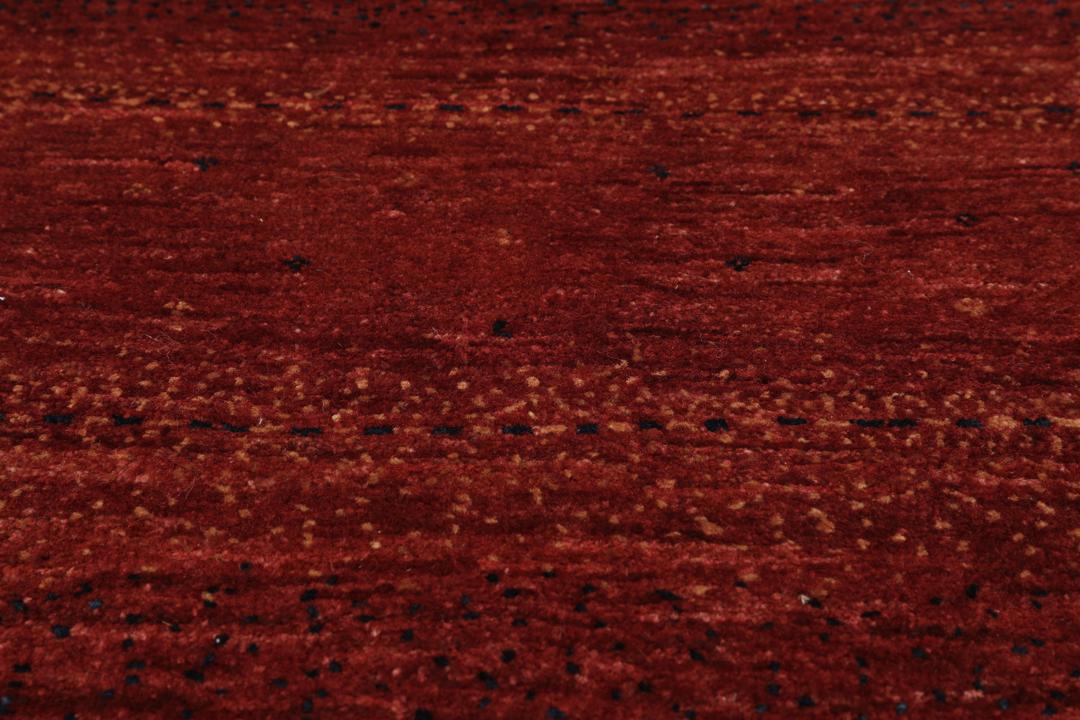
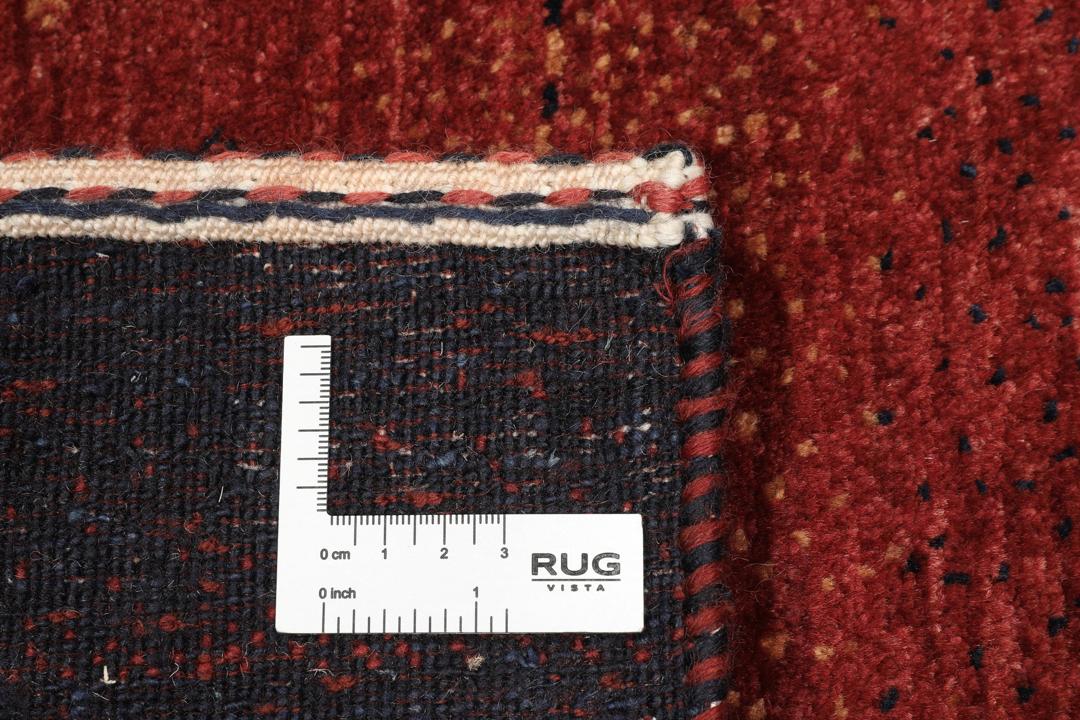
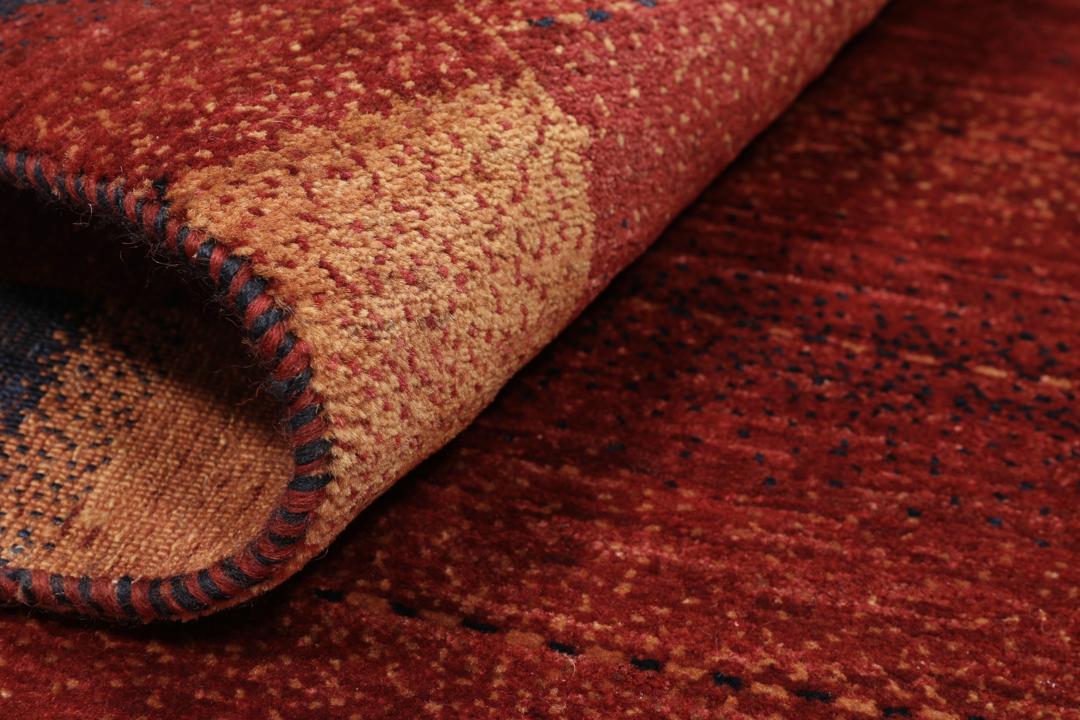
The term 'Loribaft' refers to a specific style of weaving that emphasizes a dense, soft pile, often achieved through the use of high-grade, hand-spun wool. This construction method is highly valued because it results in a rug that is both exceptionally durable and remarkably plush, offering a tactile experience that machine-made alternatives simply cannot match.
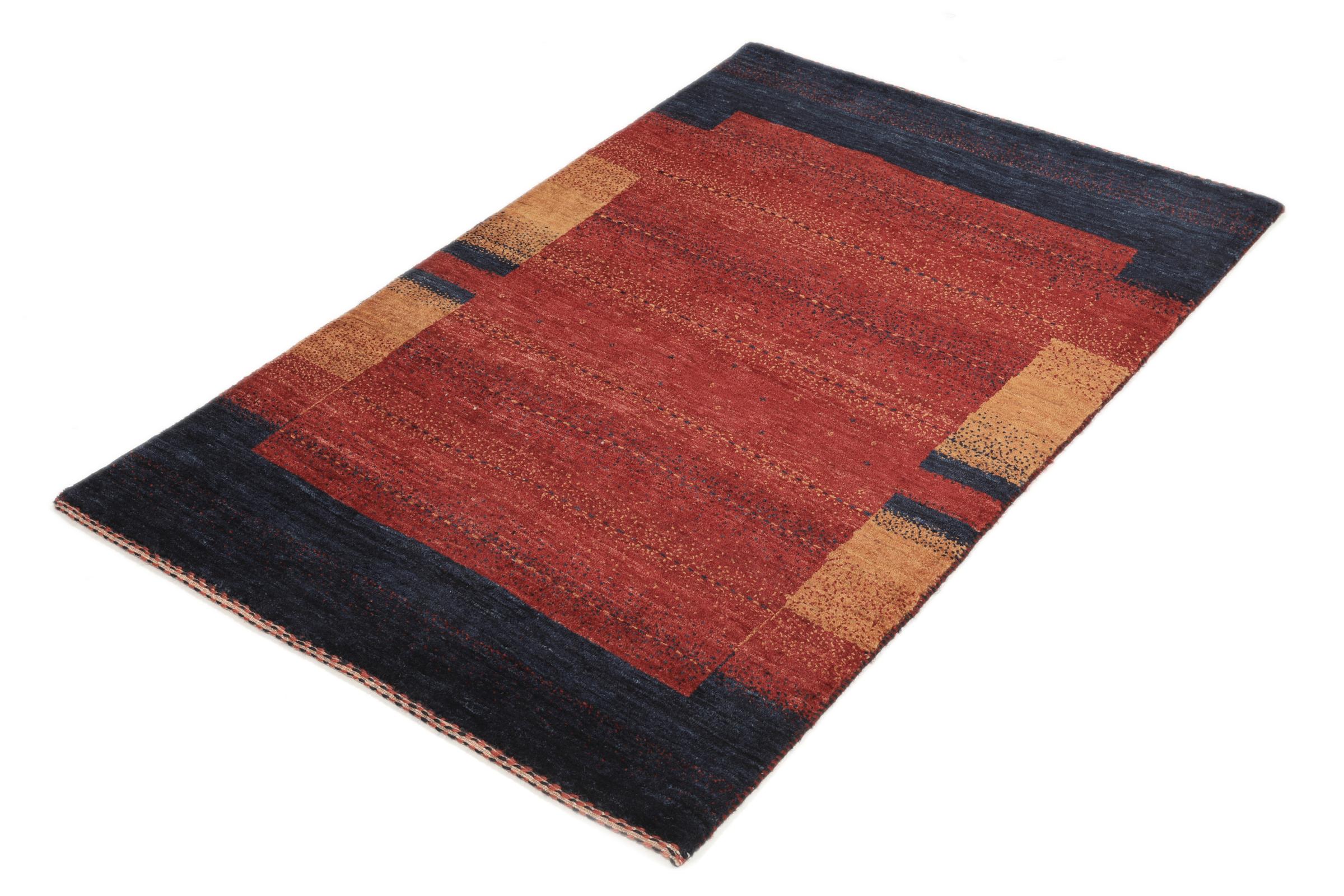
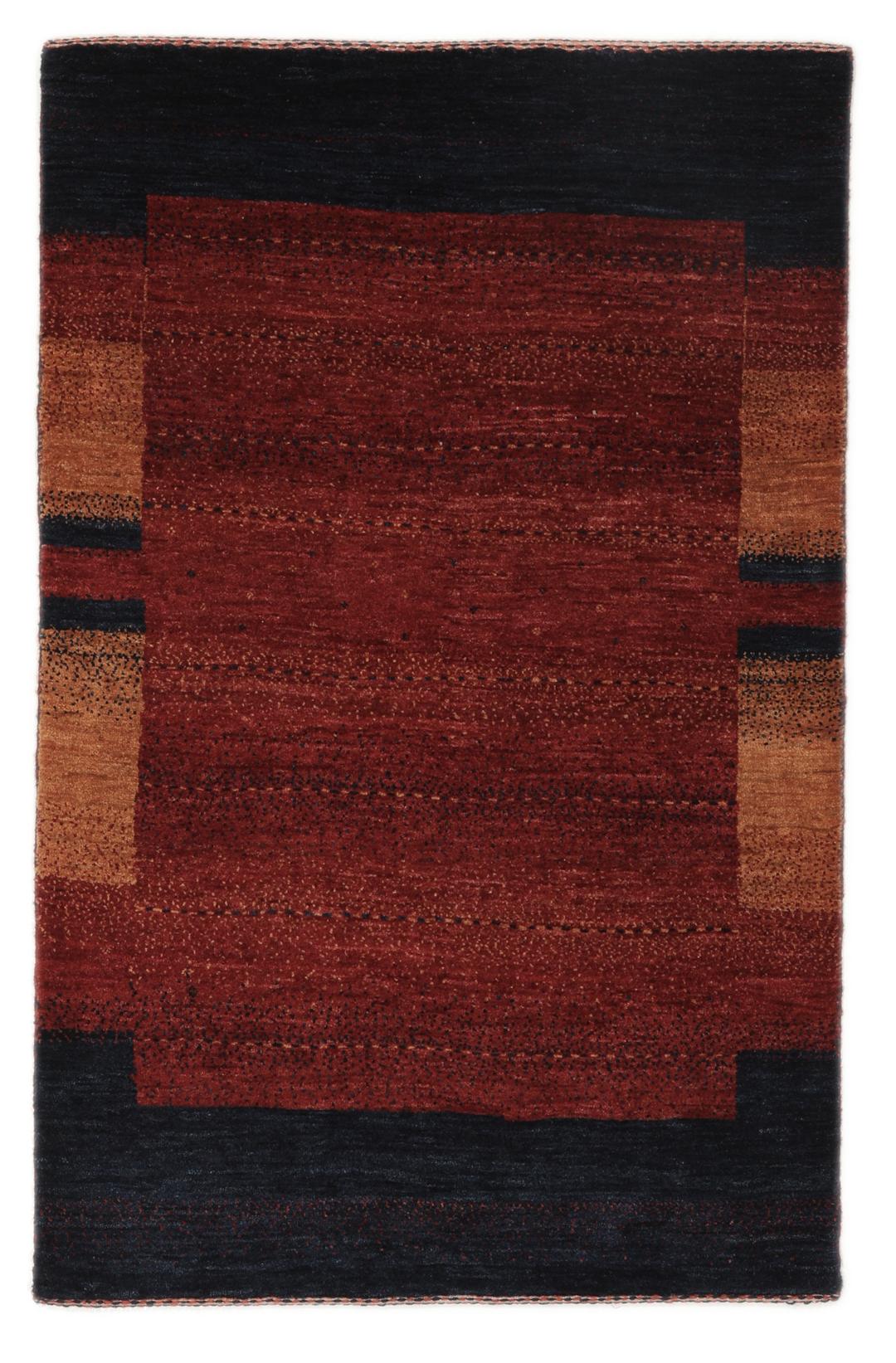
Visually, these rugs are known for their focus on large, open fields and bold, often abstract or geometric motifs. Unlike more intricate floral designs found in other Middle Eastern traditions, the Loribaft style relies on the interplay of deep, natural dyes and subtle shifts in colour to create visual interest, making them a perfect fit for contemporary homes.
Owning a piece from this tradition is an investment in cultural history and artisanal skill. These rugs are highly sought after by collectors and interior enthusiasts alike because they represent a living craft, bridging the gap between historical nomadic utility and modern aesthetic appreciation.