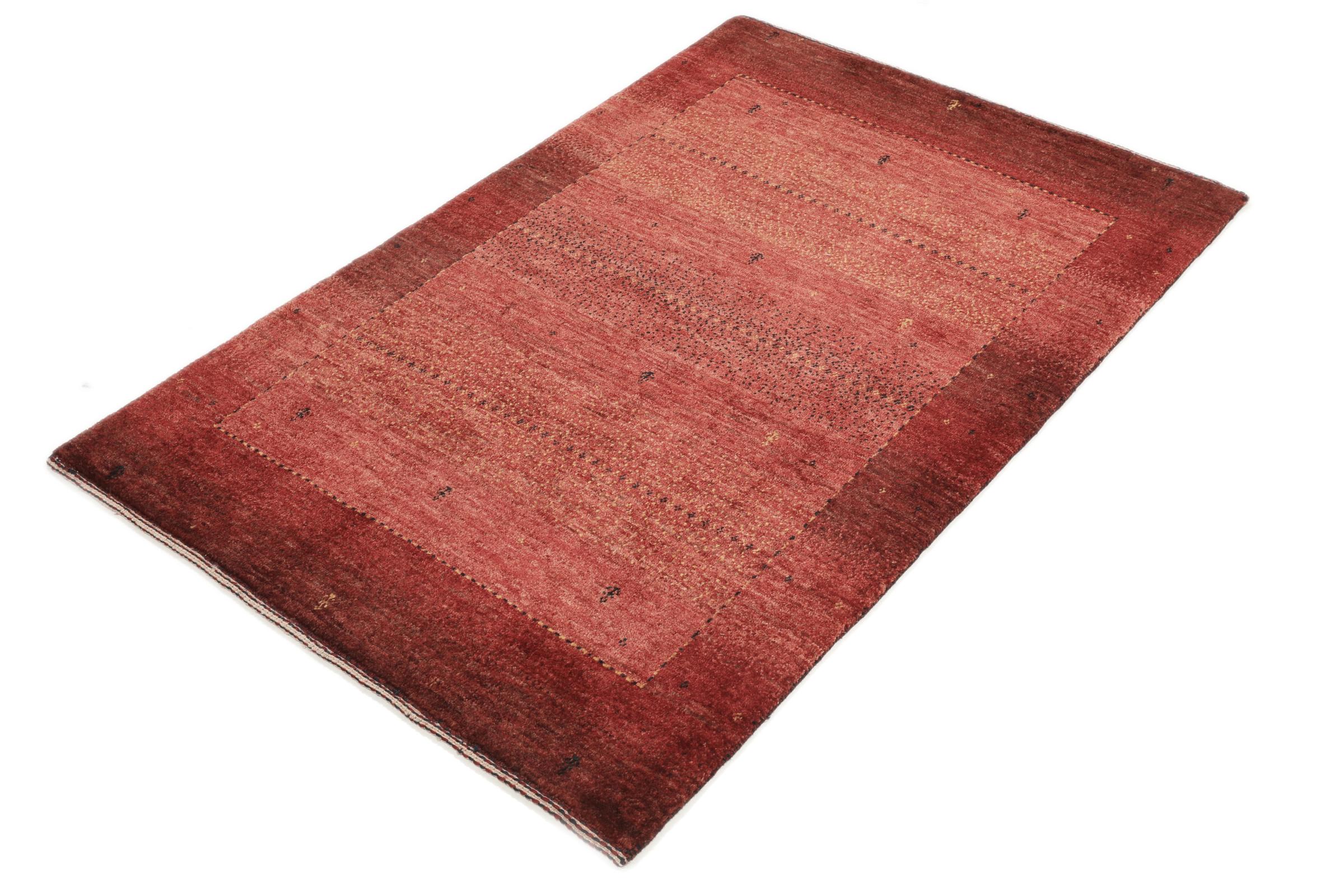
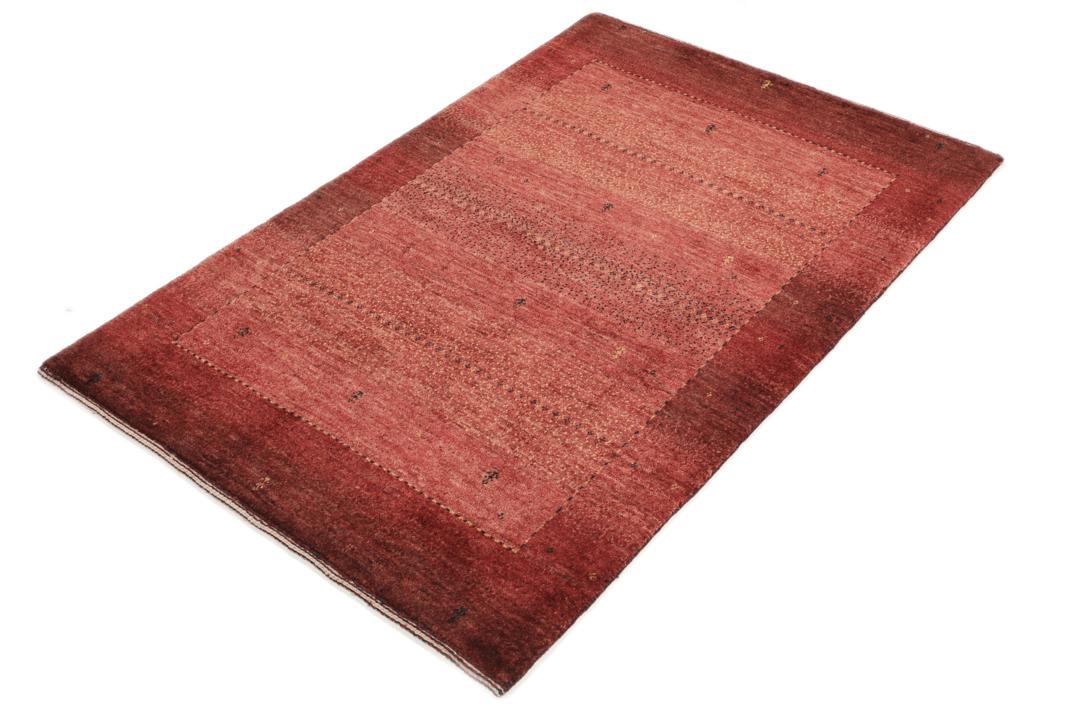
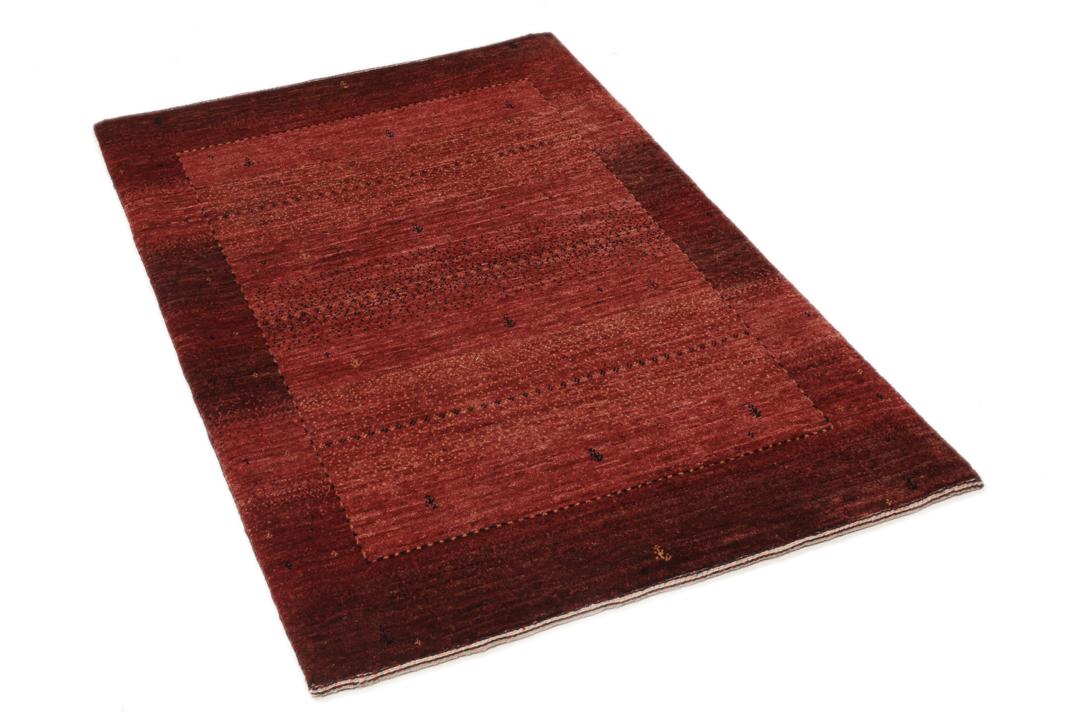
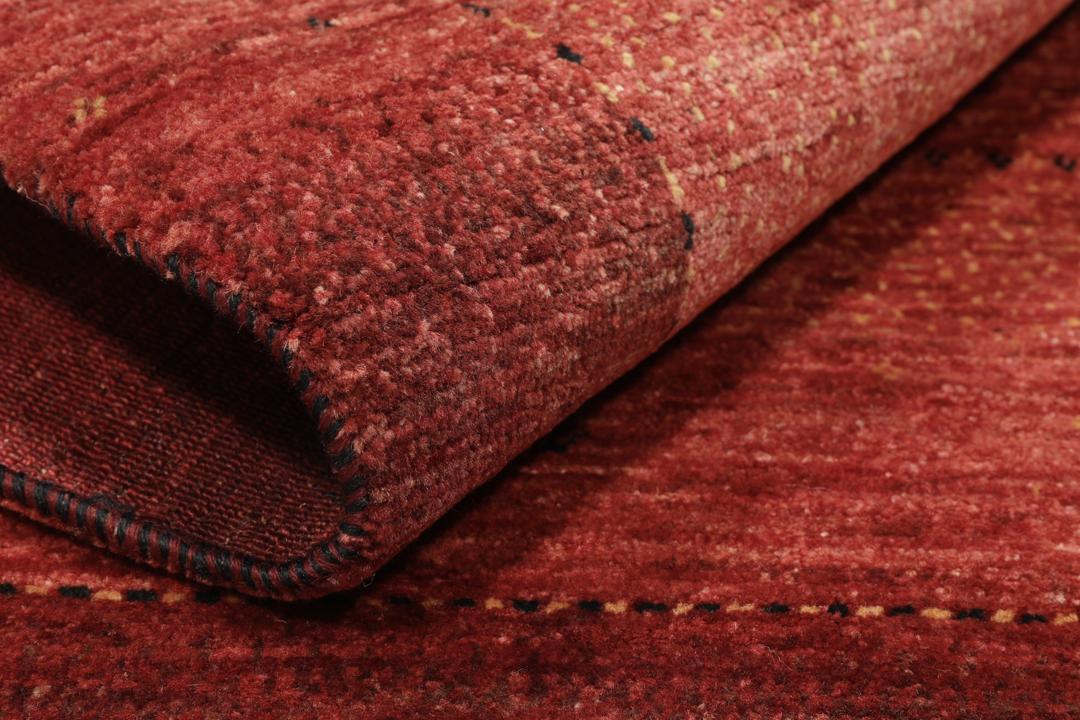
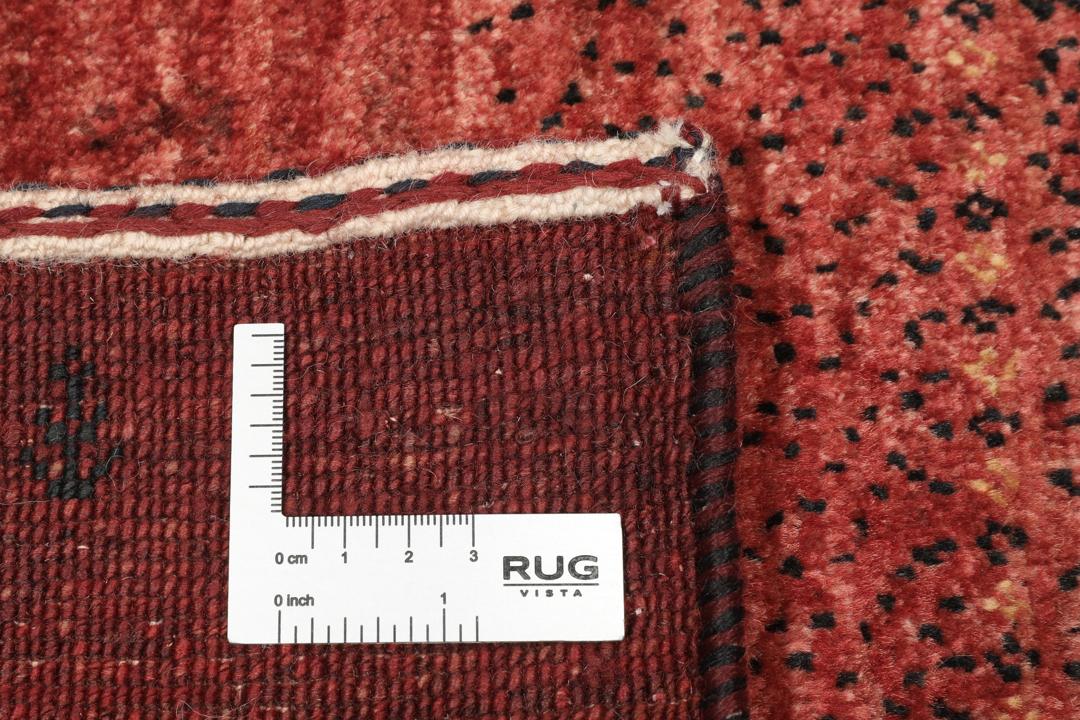
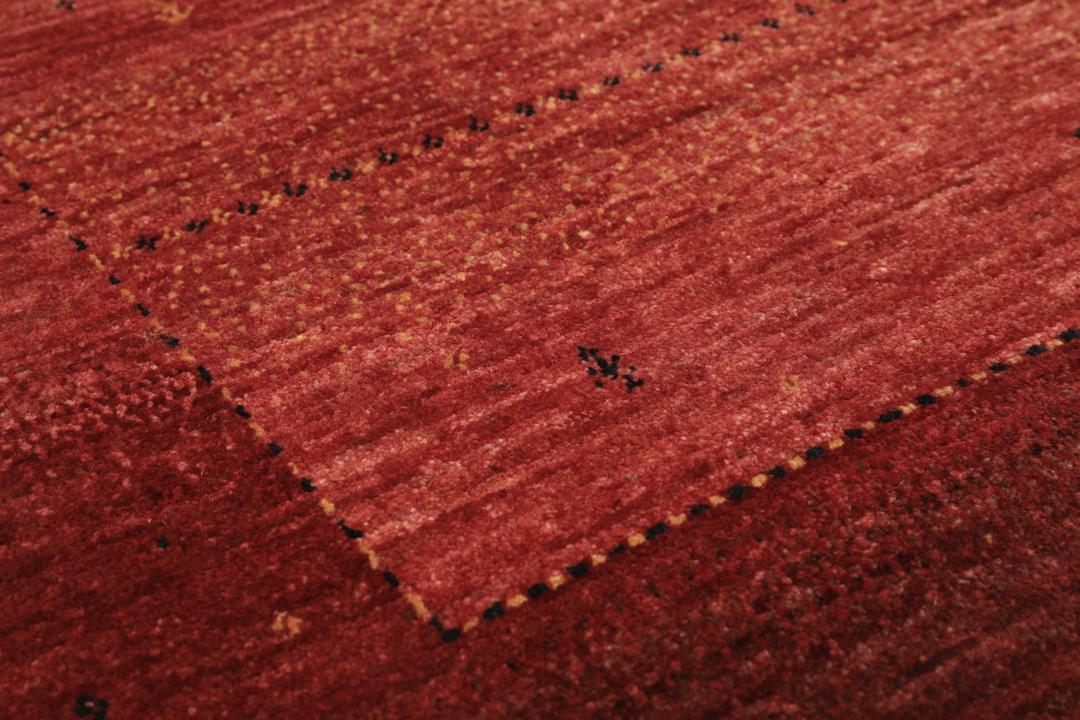
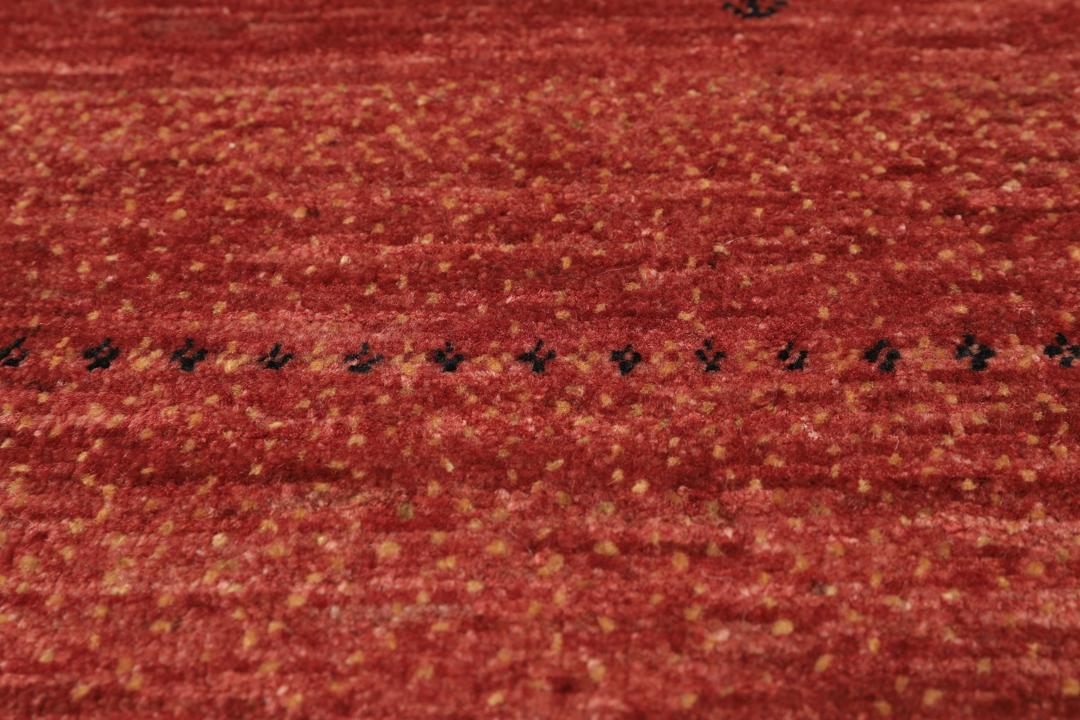
The Loribaft rug tradition is deeply rooted in the nomadic cultures of the Middle East, specifically associated with the Luri and Qashqai tribes. These rugs were historically crafted for personal use, designed to provide warmth and protection in harsh environments, and were often woven on portable horizontal looms that could be easily transported during seasonal migrations.
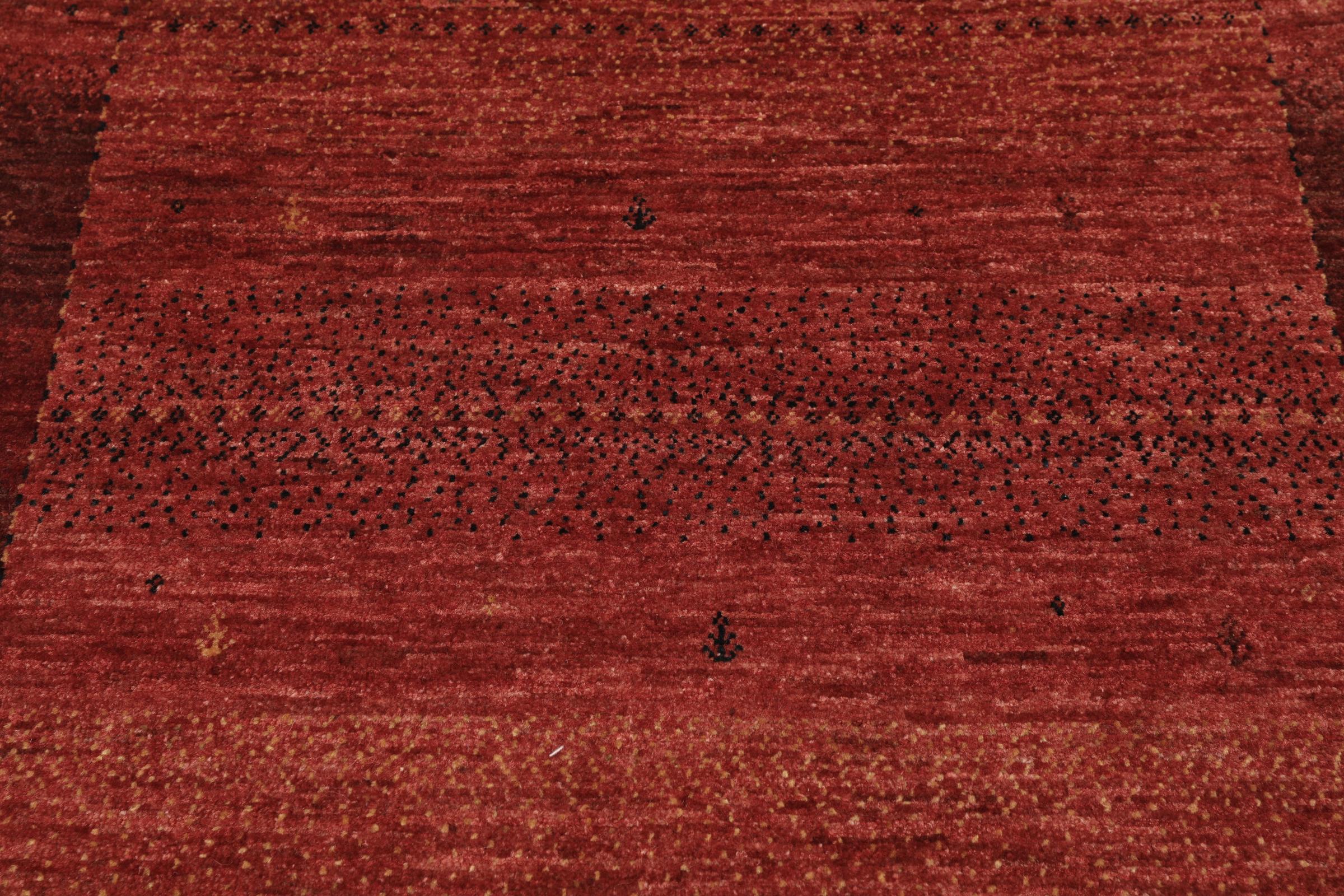
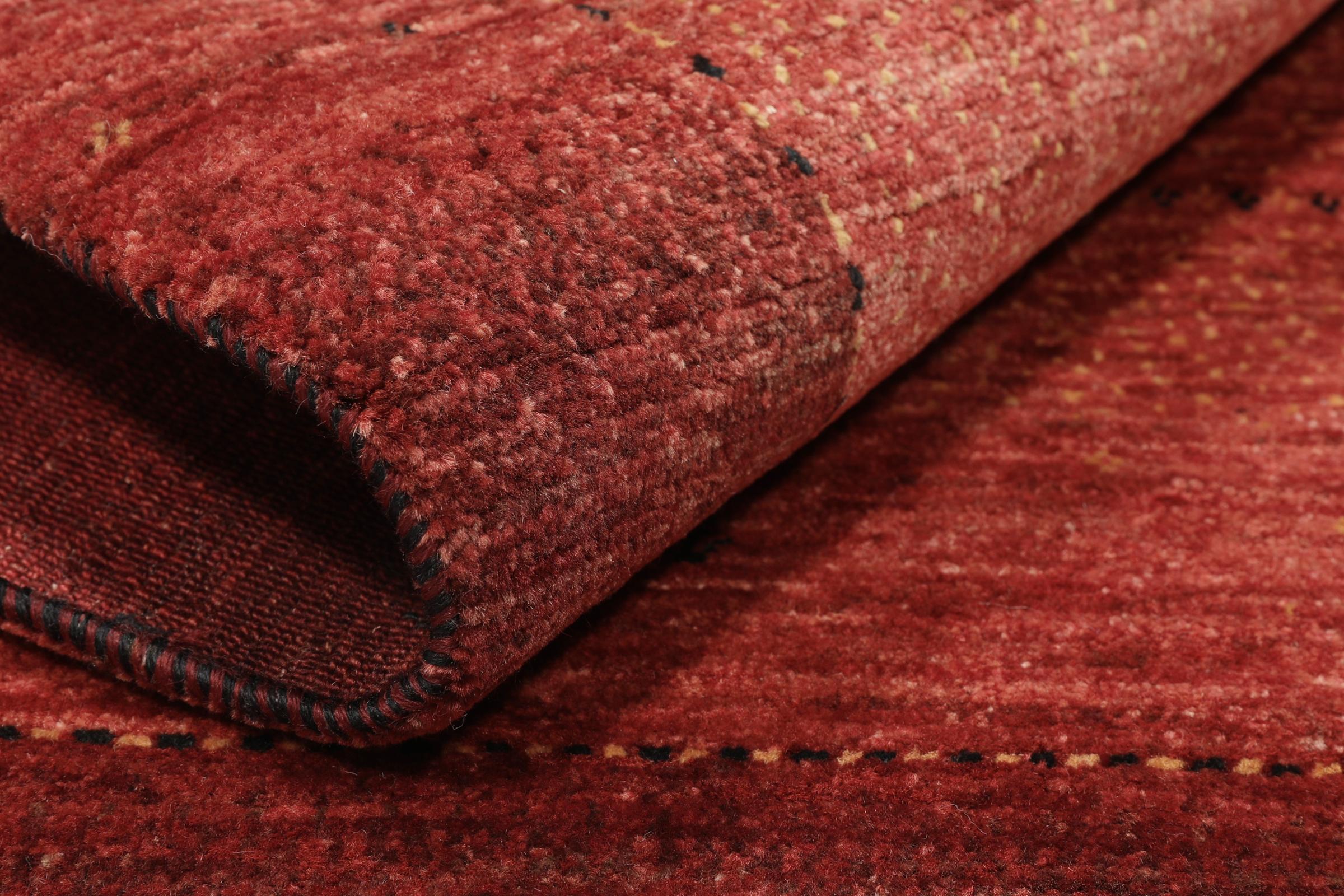
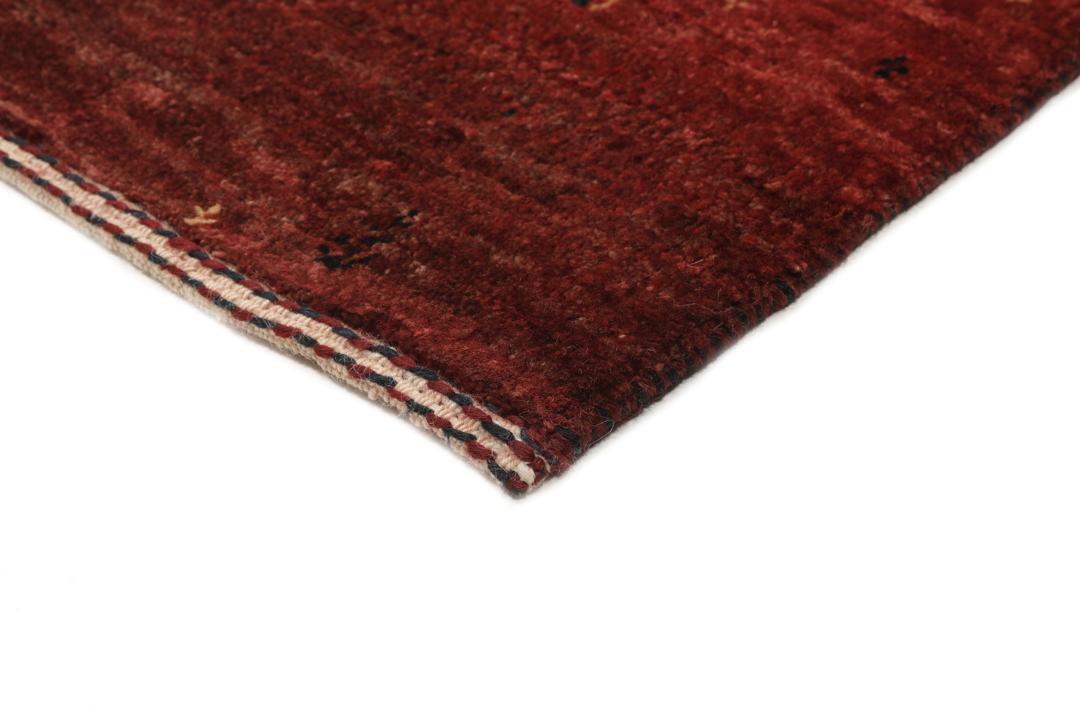
The term 'Loribaft' refers to a specific type of weaving style that emphasises a thicker, softer pile and a more relaxed, spontaneous approach to design compared to formal city-made rugs. This style is often characterised by a focus on the quality of the Wool, which is typically hand-spun and dyed using natural pigments to produce those signature deep, earthy tones.
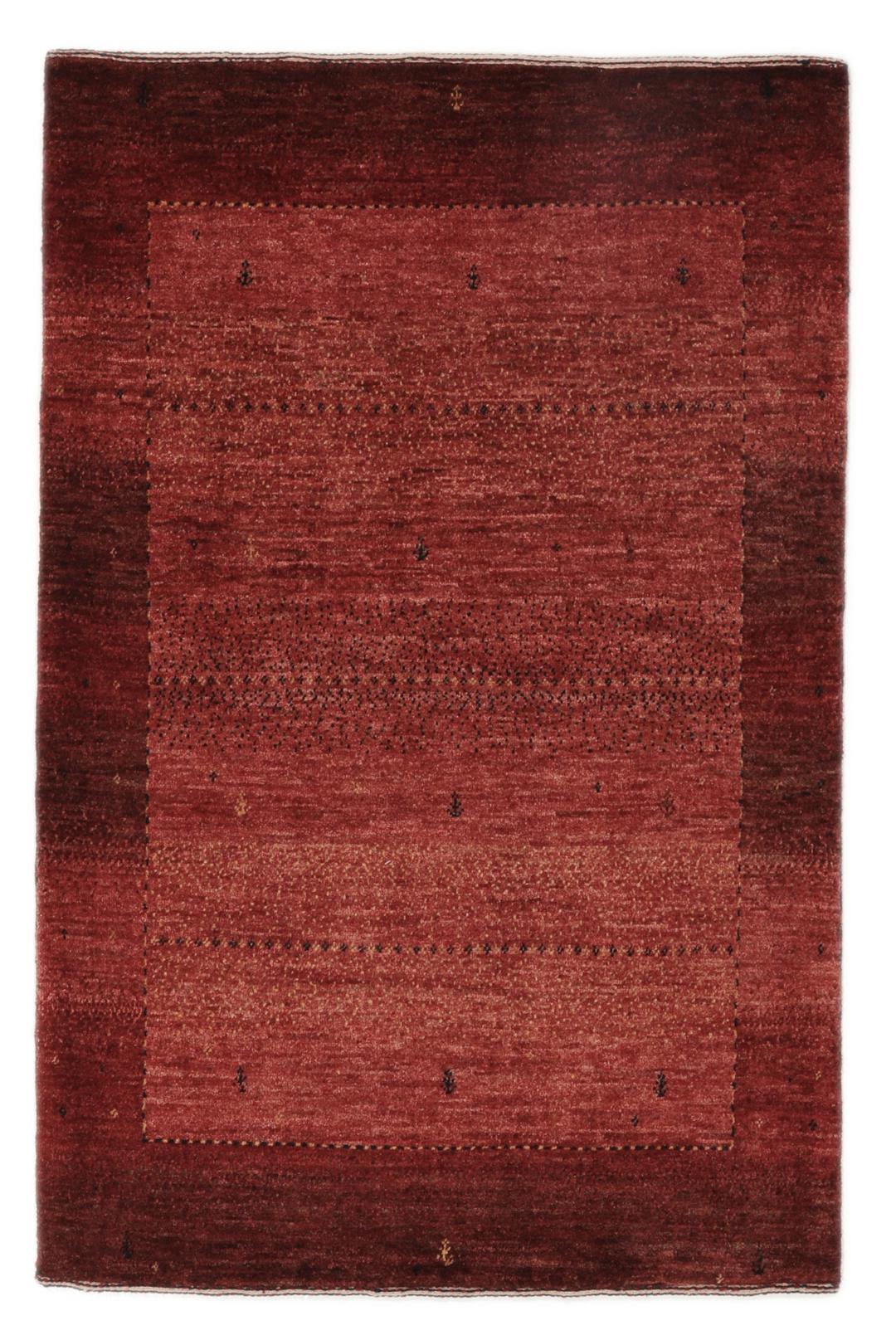
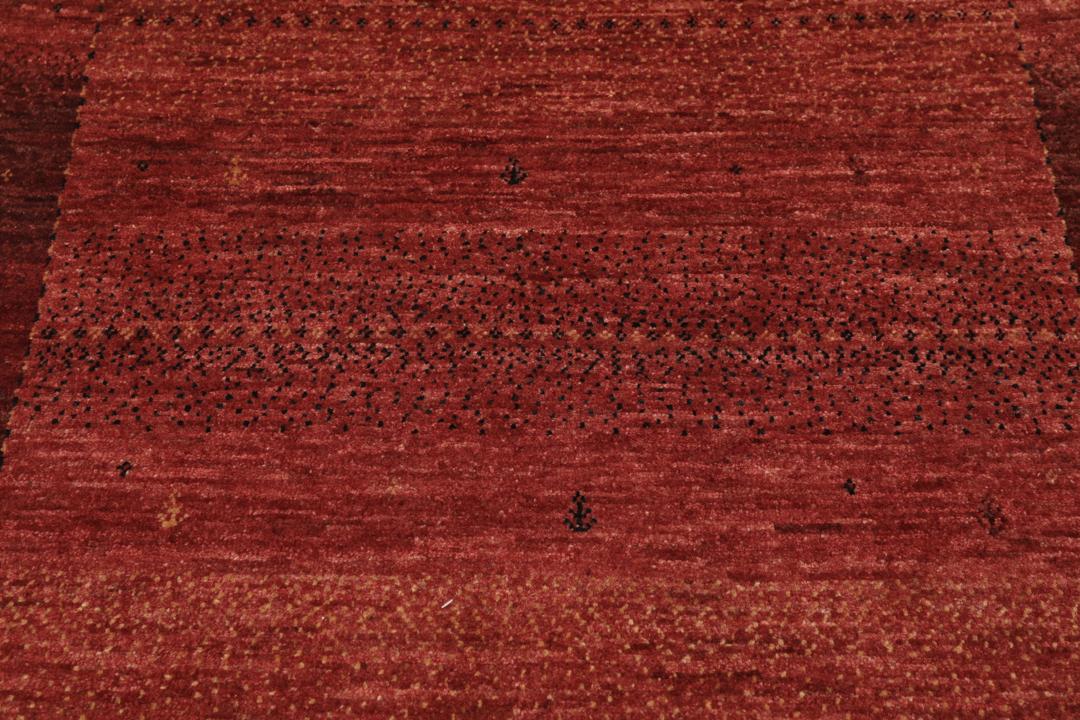
Visually, Loribaft rugs are known for their minimalist approach, often featuring expansive fields of colour punctuated by small, symbolic motifs. These designs are not pre-planned on paper but emerge organically as the weaver works, drawing on tribal heritage and personal storytelling to create a surface that is both simple and deeply expressive.
Today, these rugs are highly valued by collectors for their authenticity and the human story behind every knot. Owning a Loribaft piece is more than just acquiring a floor covering; it is an investment in a cultural legacy that prioritises skill, tradition, and the enduring beauty of nomadic artistry.