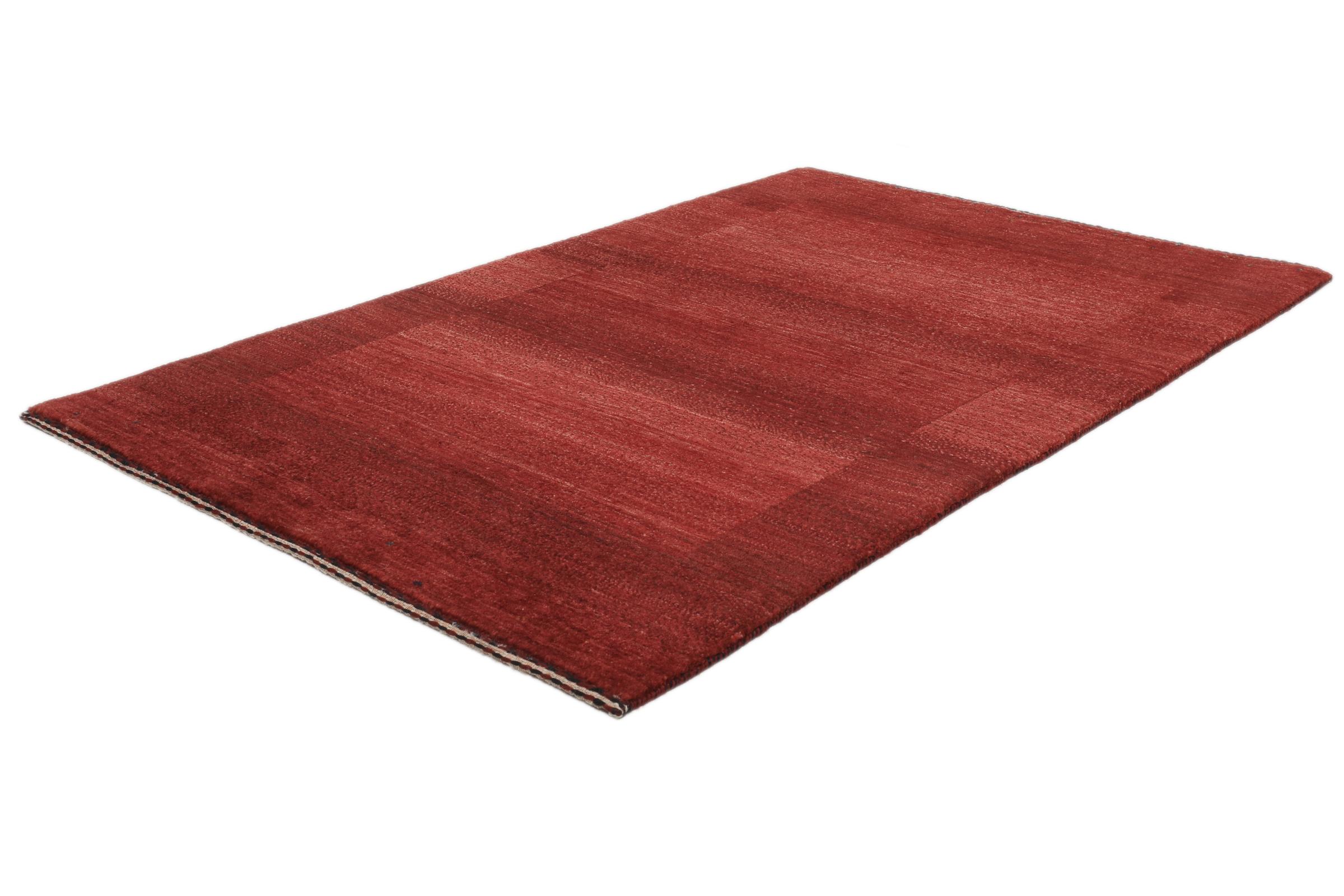
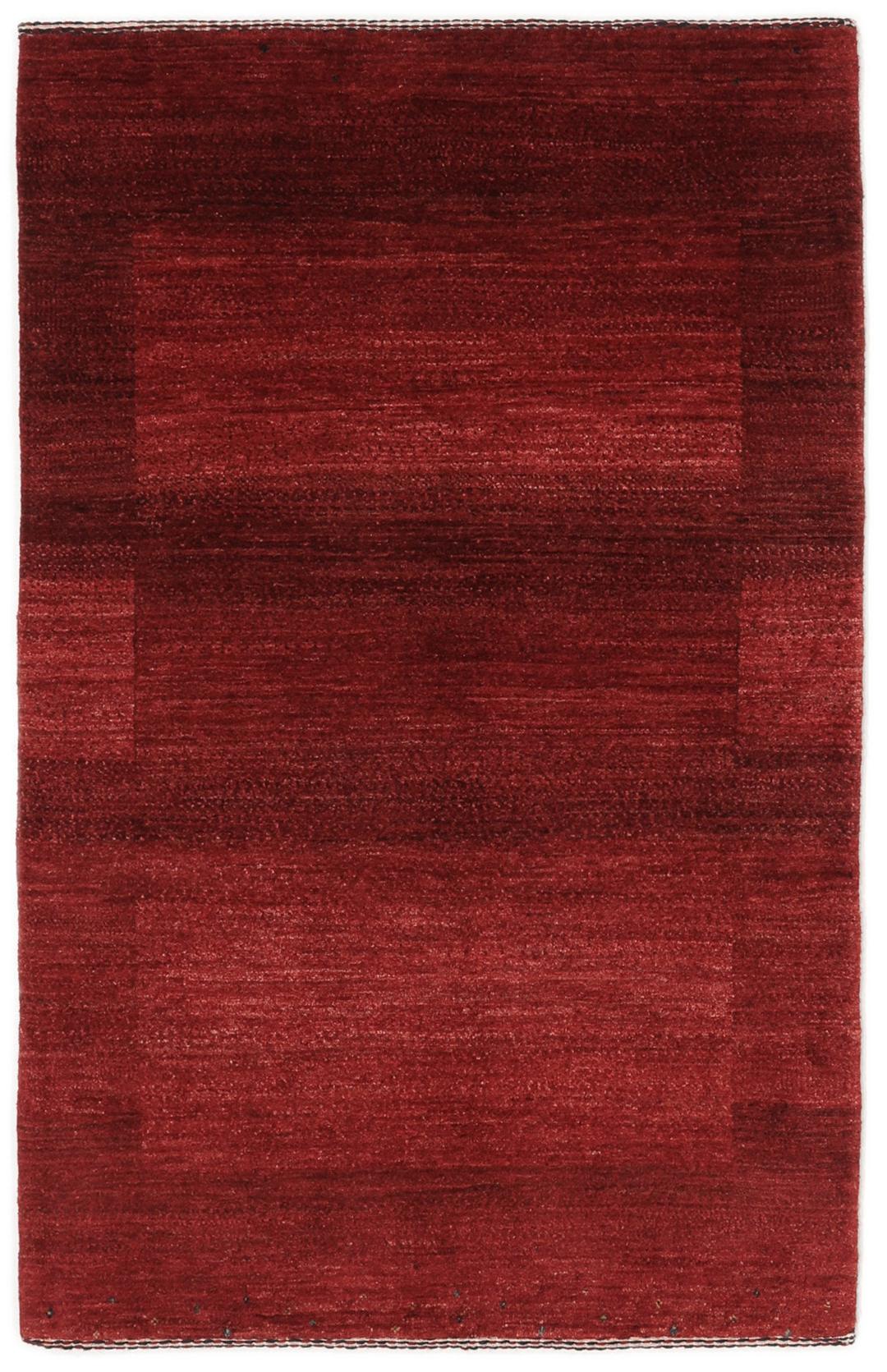
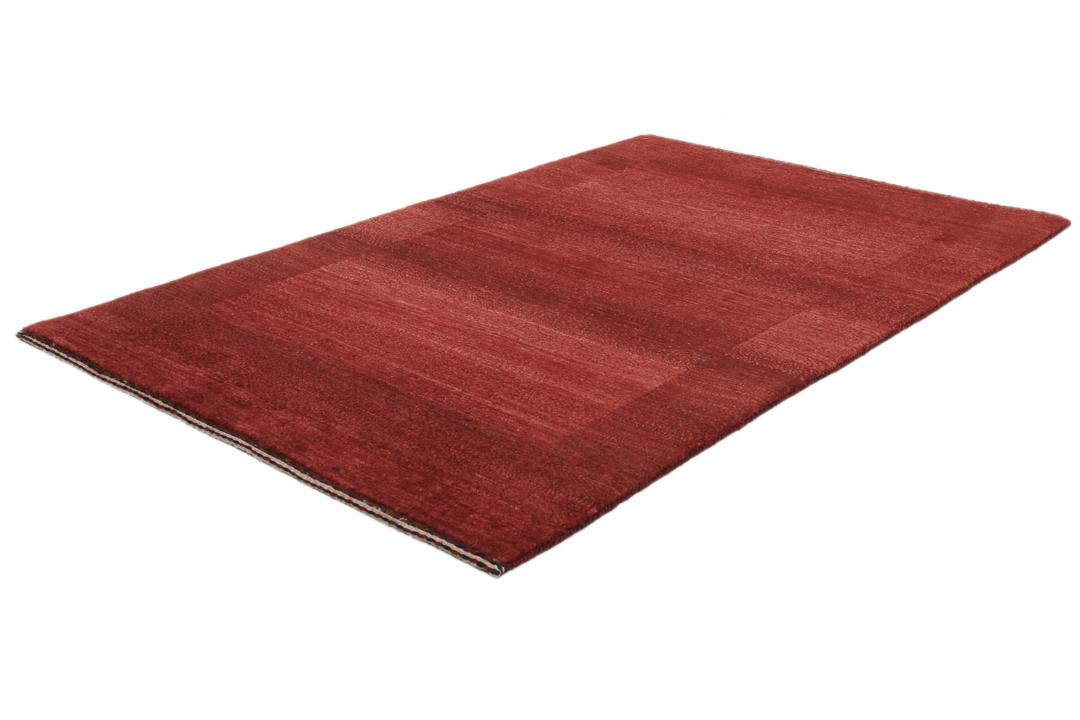
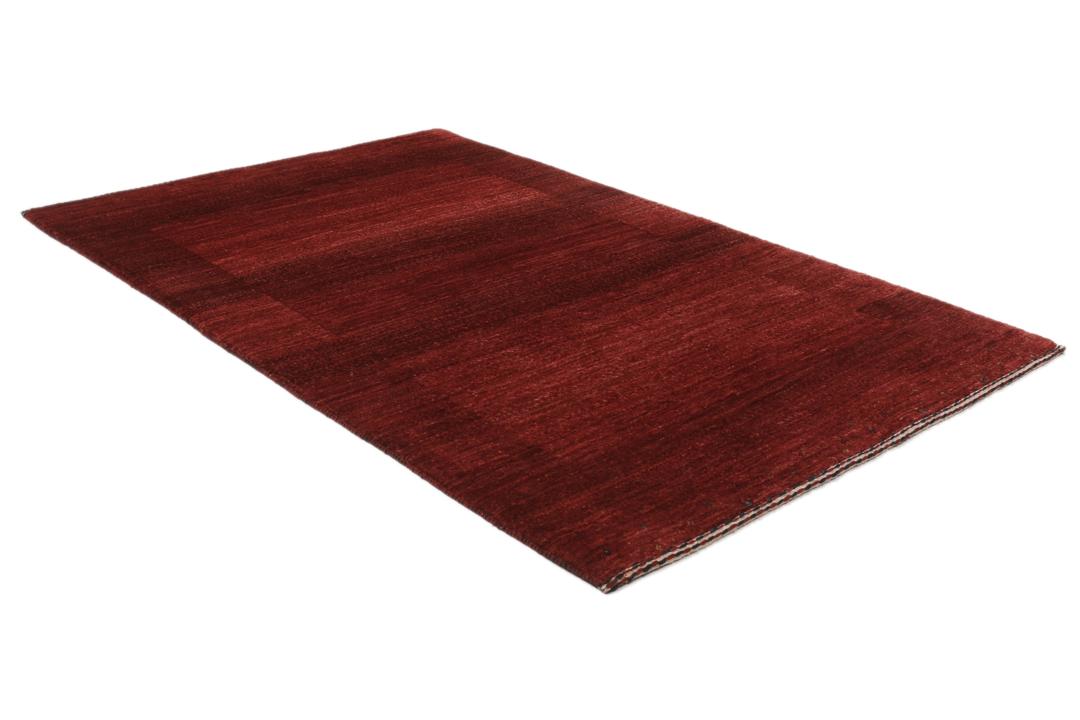
Loribaft rugs originate from the nomadic tribes of the Middle East, specifically the Luri people. These rugs were historically created as functional items for nomadic life, designed to provide insulation against the cold and comfort on hard tent floors, reflecting a deep connection between the weavers and their environment.
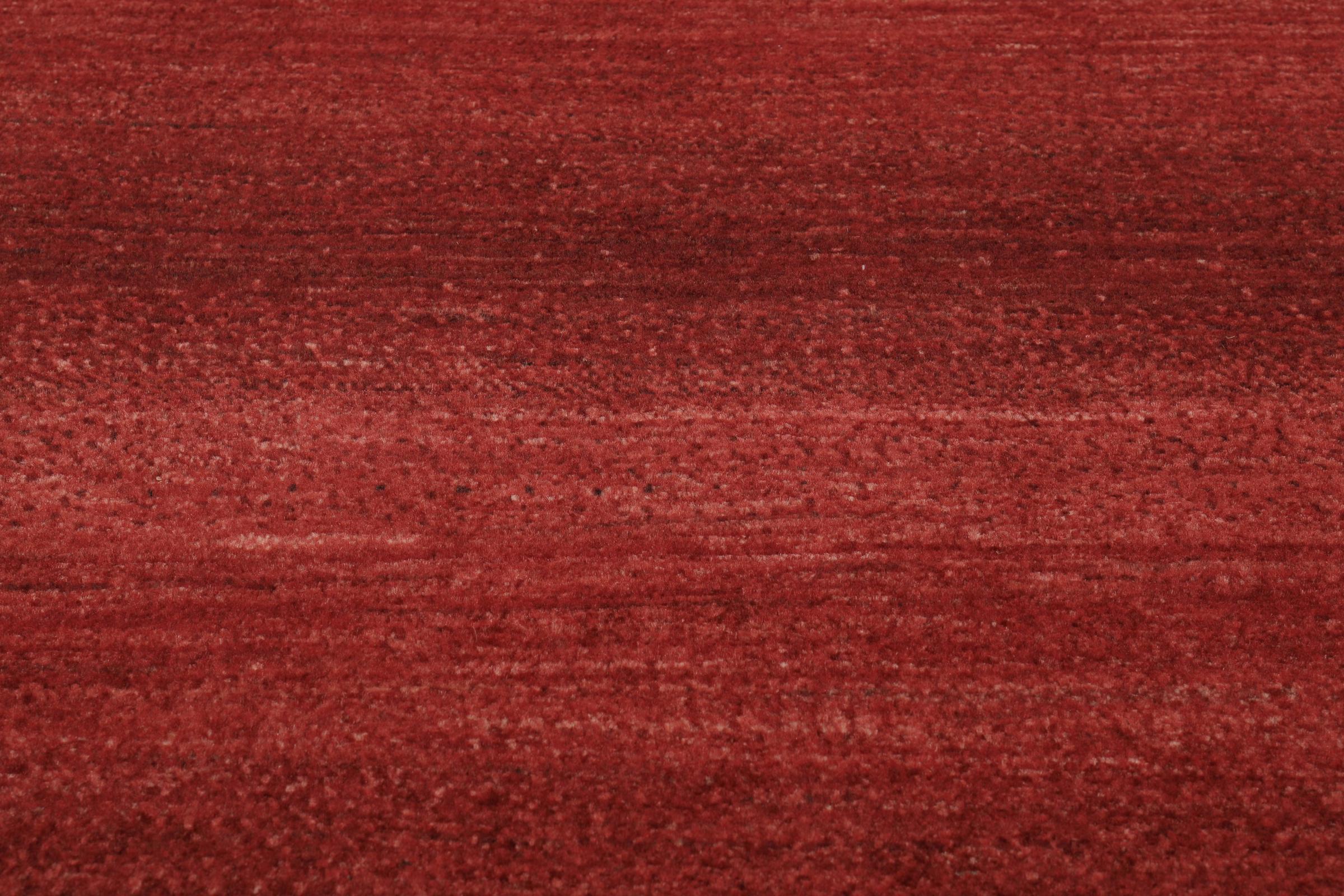
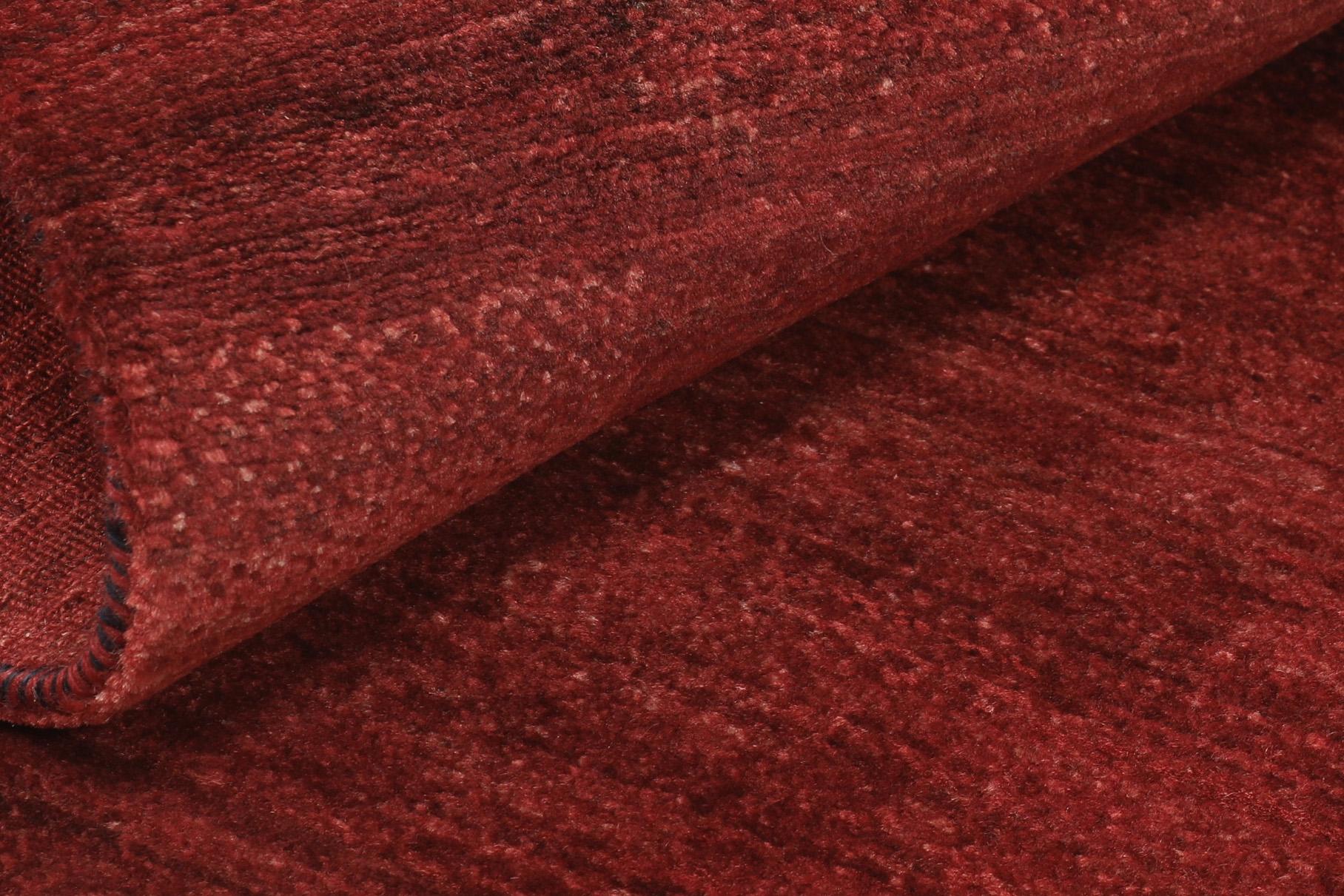
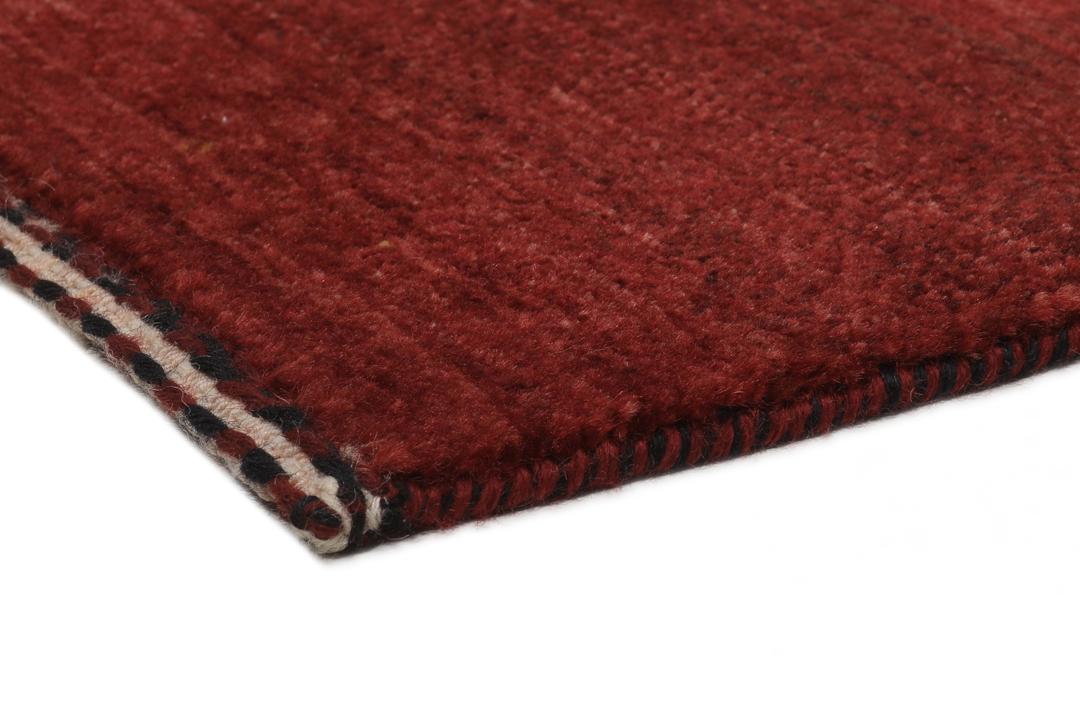
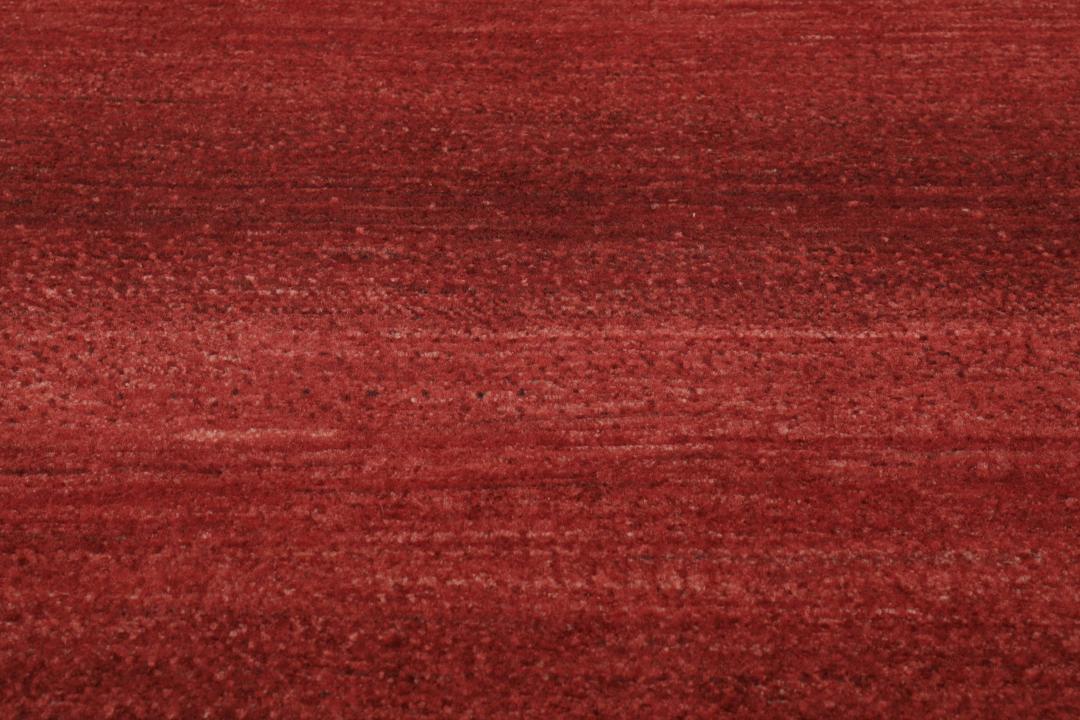
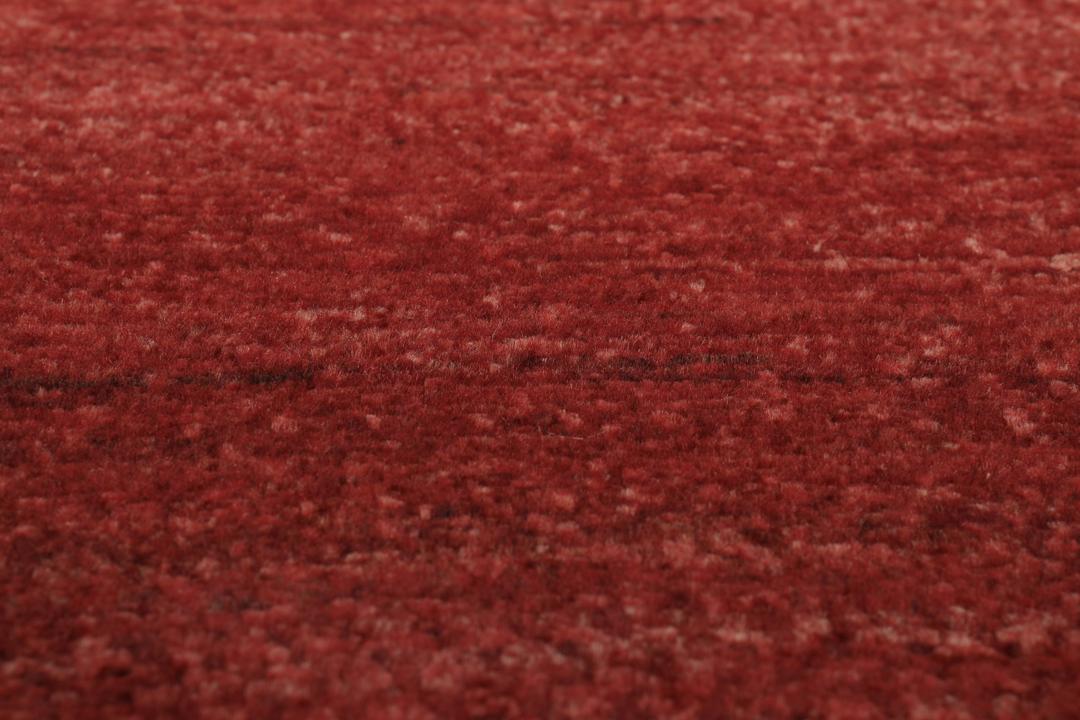
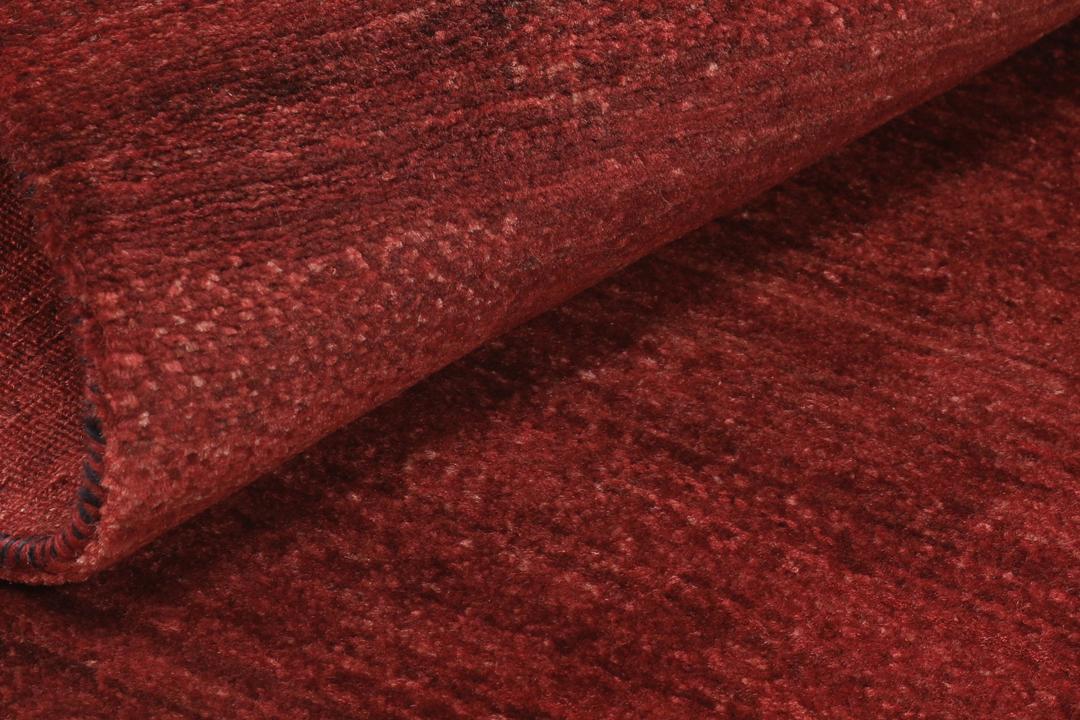
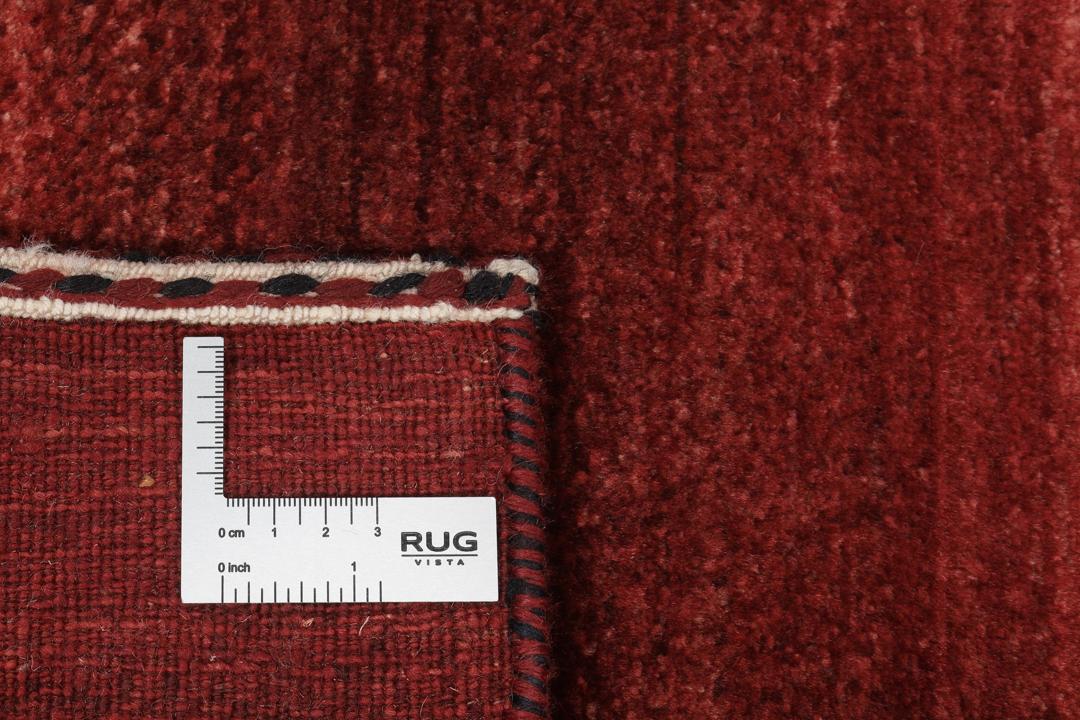
The term 'Baft' refers to the knotting technique, and these rugs are celebrated for their thick, plush piles and simplified, bold designs. Unlike more formal urban rugs, the Loribaft style embraces a more spontaneous and expressive approach, often featuring expansive fields of rich, saturated colour that highlight the quality of the hand-spun wool.
Visually, these rugs are often defined by their minimalist aesthetic, focusing on the vibrancy of natural dyes and the depth of the wool. The absence of complex, crowded patterns allows the raw beauty of the materials and the slight, charming irregularities of the hand-made process to take centre stage, making each piece a unique expression of its weaver.
Today, these rugs are highly valued by collectors for their authenticity and the preservation of ancient weaving traditions. By bringing a Loribaft rug into your home, you are not just acquiring a floor covering, but a piece of cultural history that represents generations of skill, nomadic resilience, and a commitment to enduring quality.