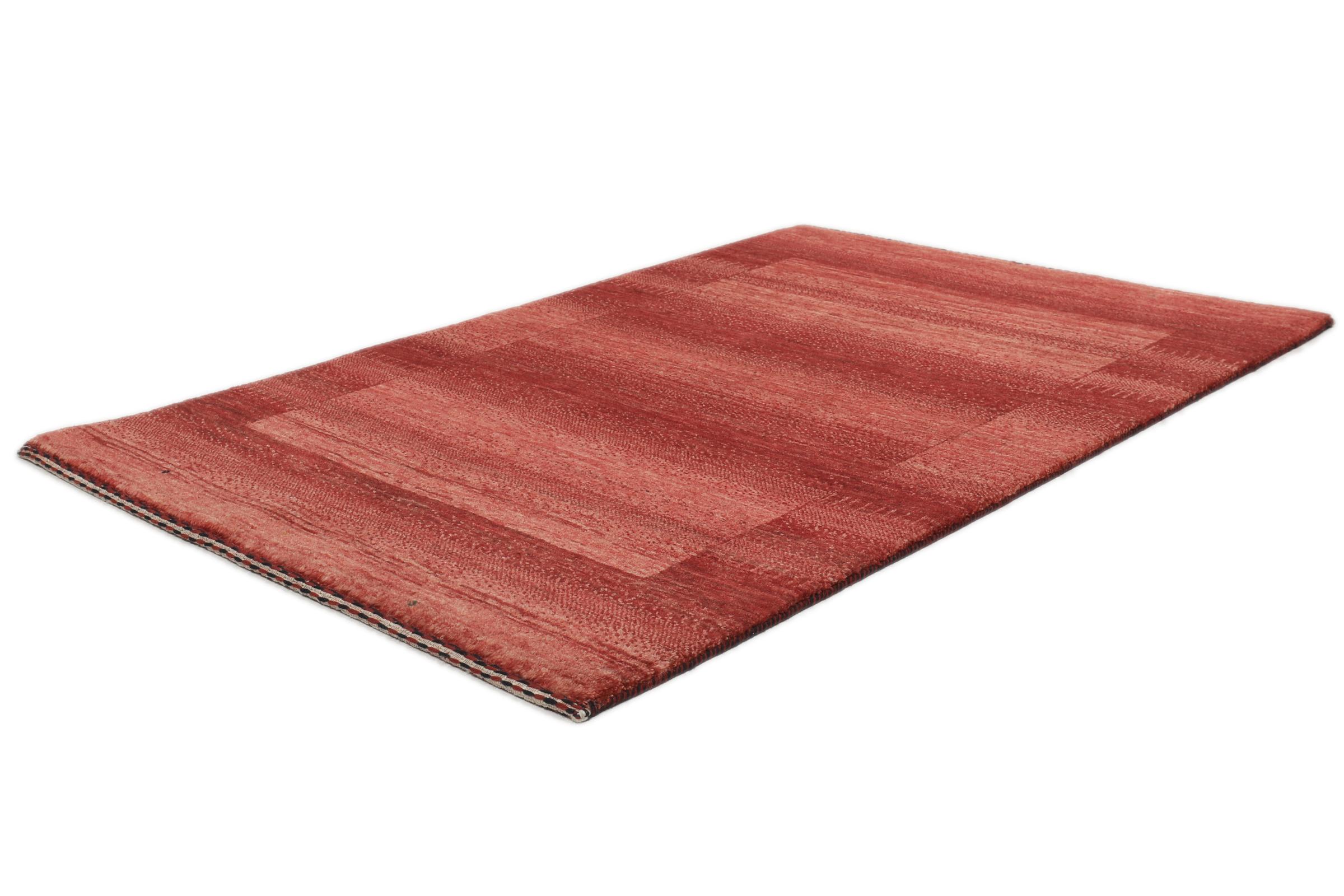
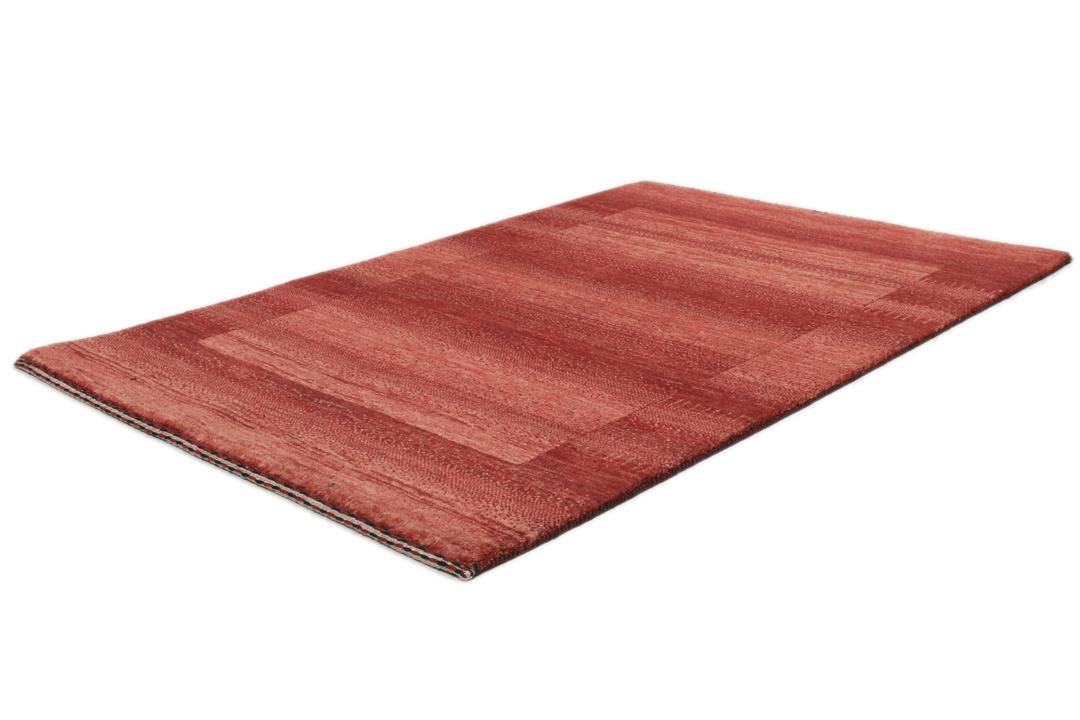
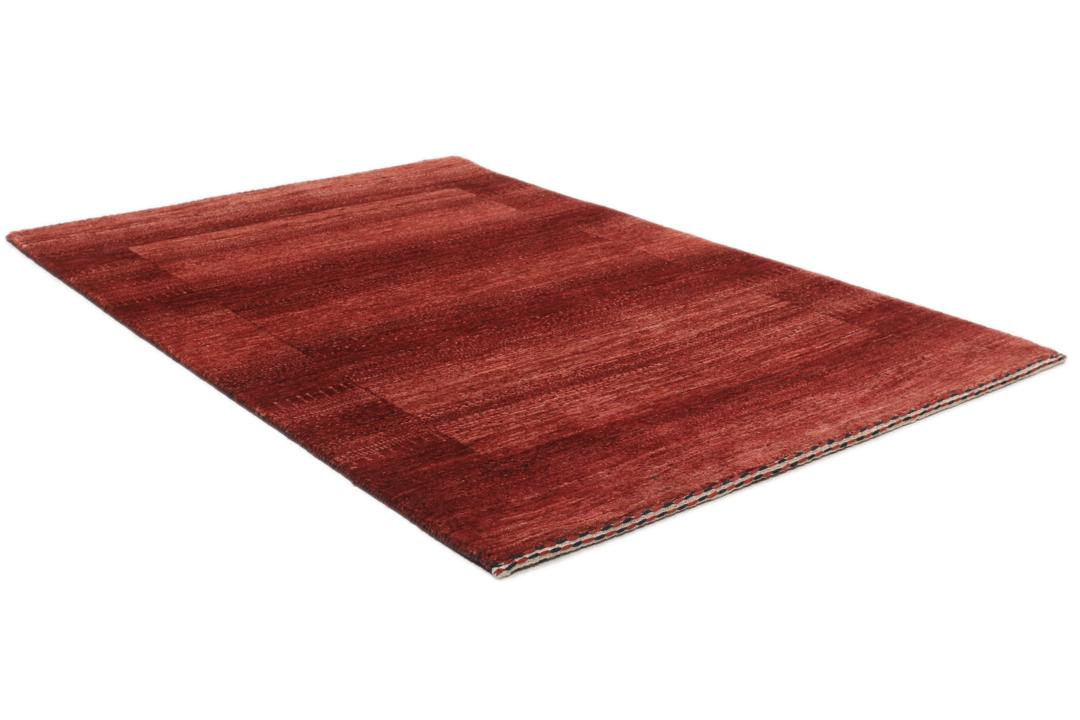
Loribaft rugs originate from the nomadic tribes of the Middle East, specifically the Luri people. These rugs were historically woven for personal use within the home, designed to provide warmth and comfort during the harsh winters of the Zagros Mountains. Over time, these rugs have evolved from functional necessities into celebrated pieces of folk art.
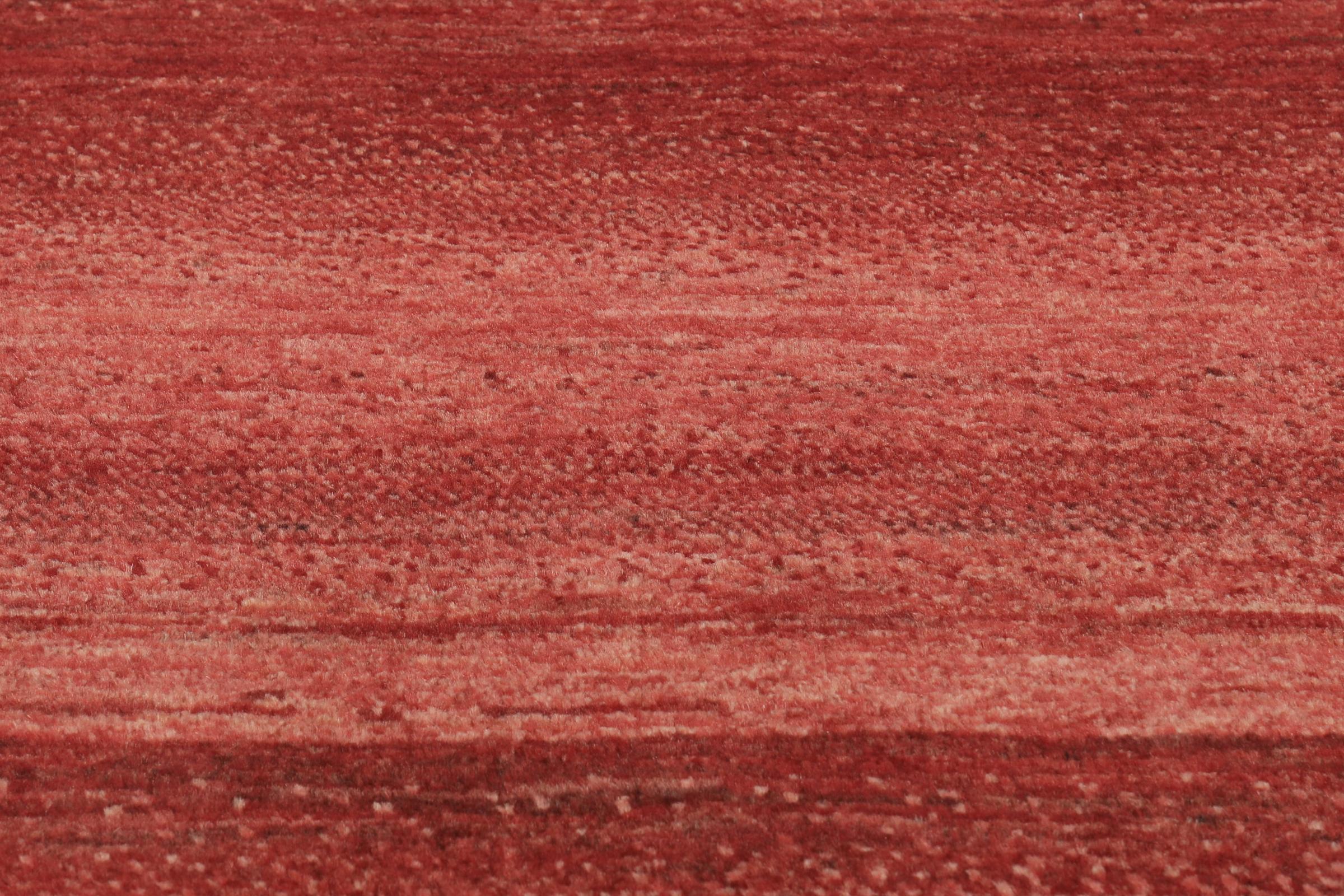
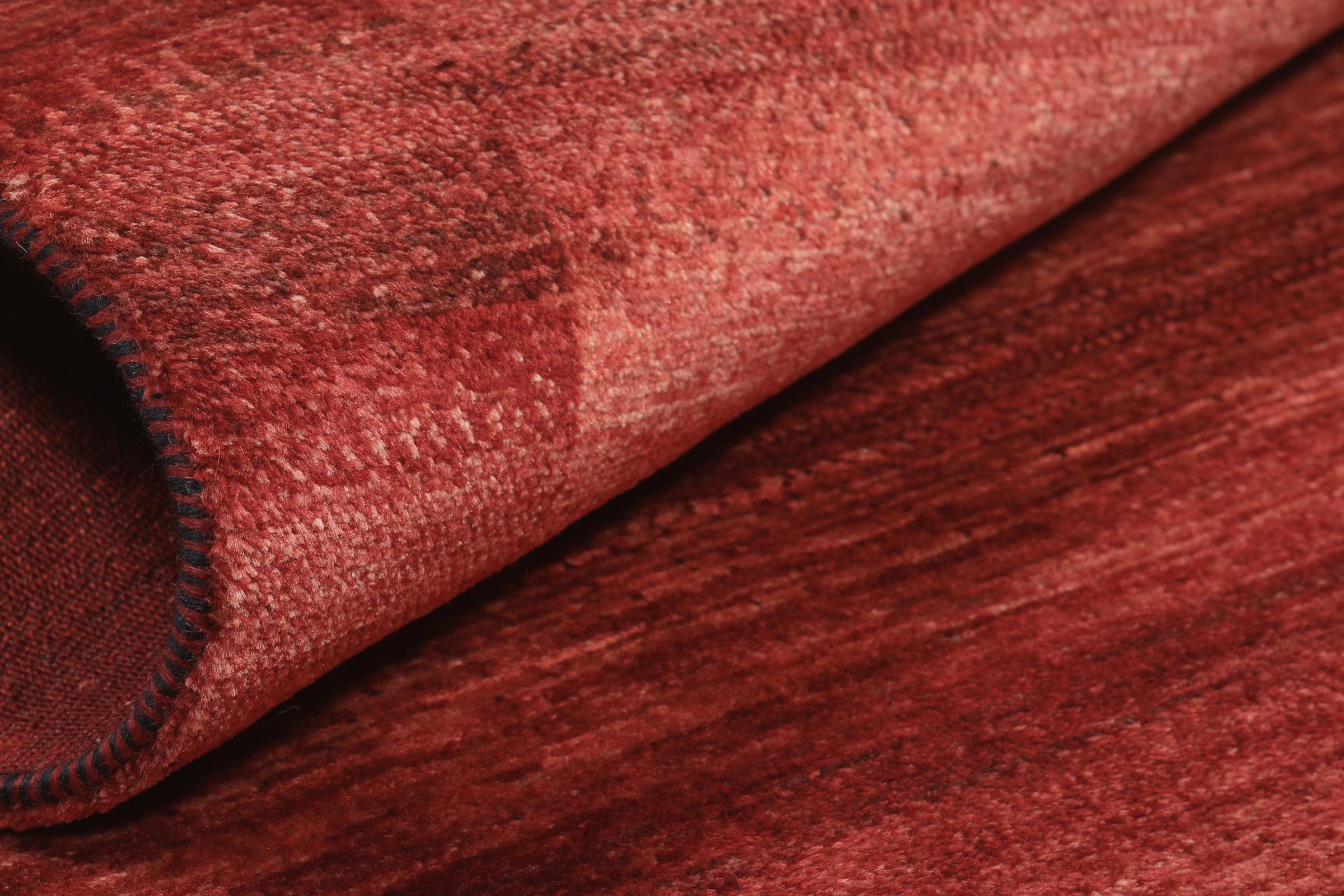
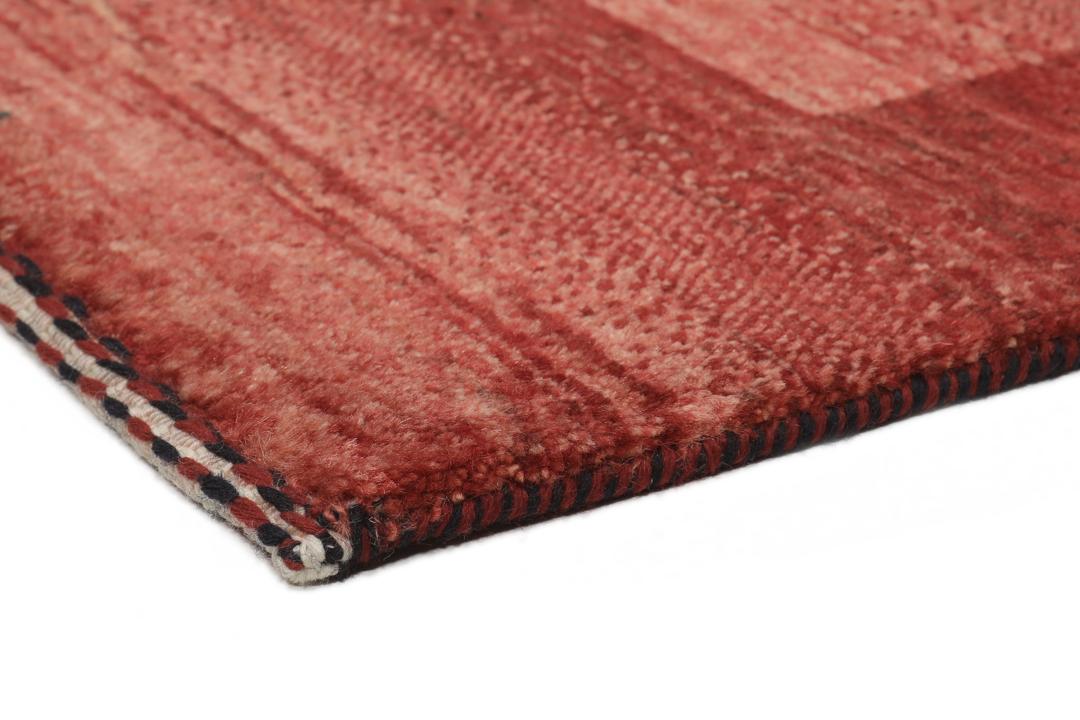
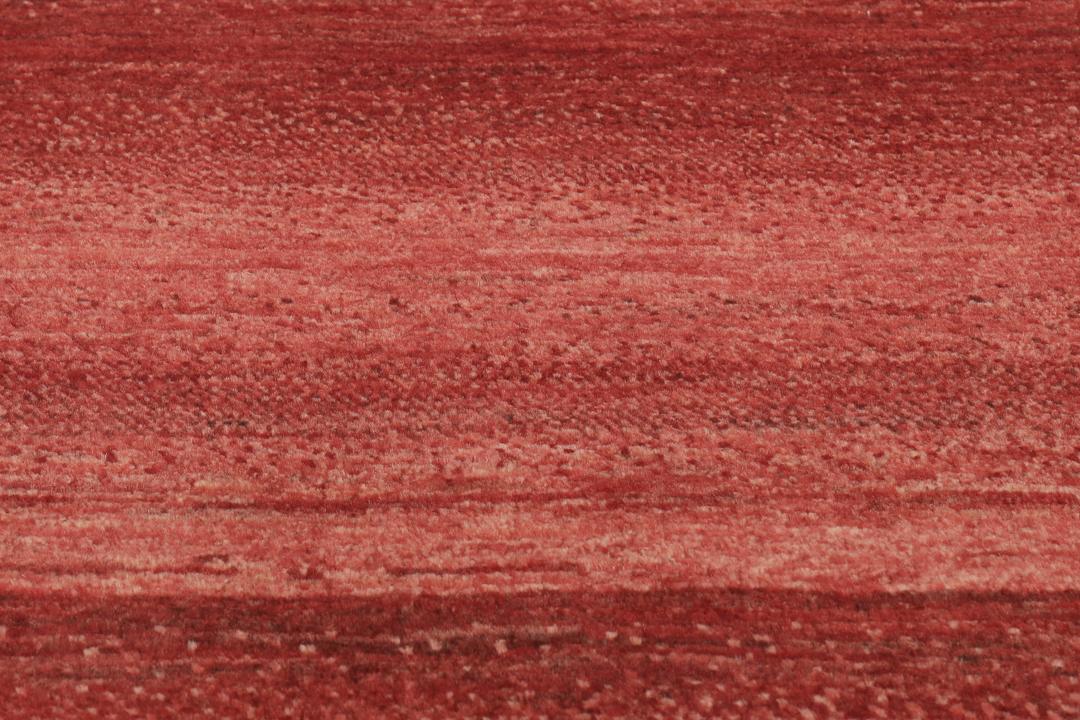
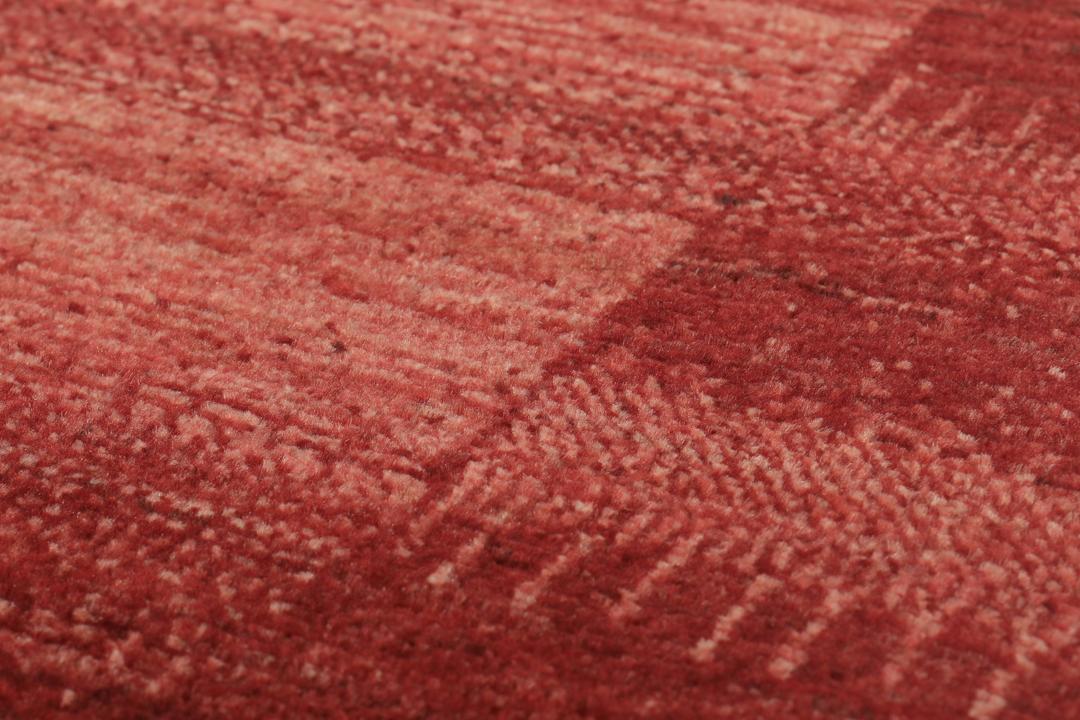
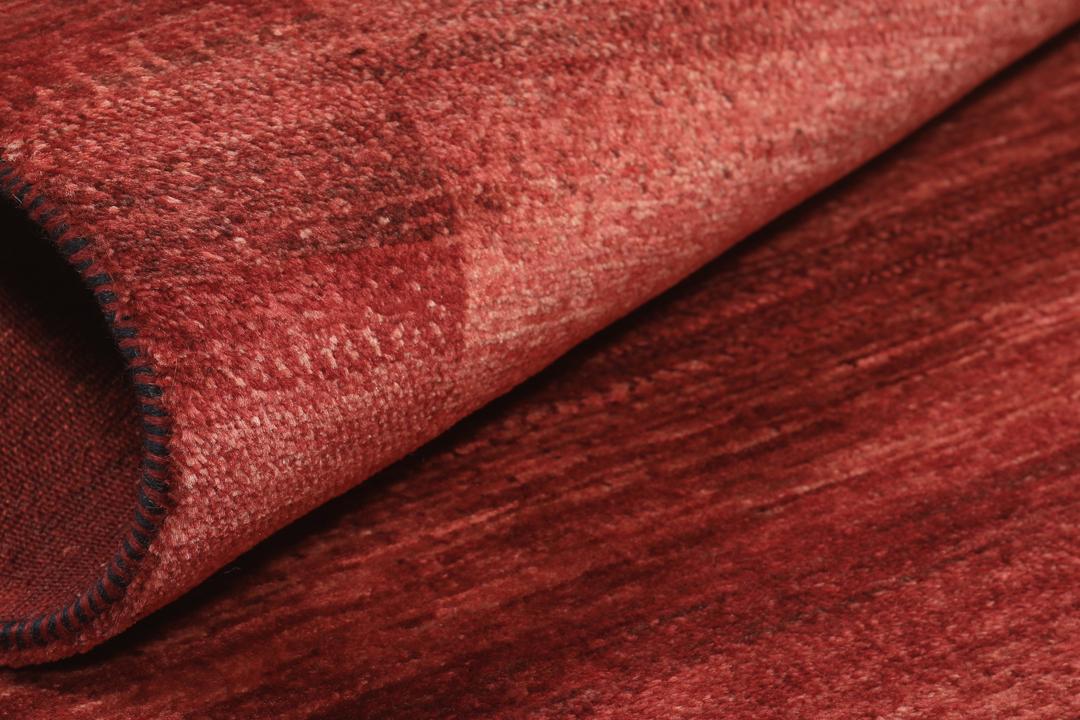
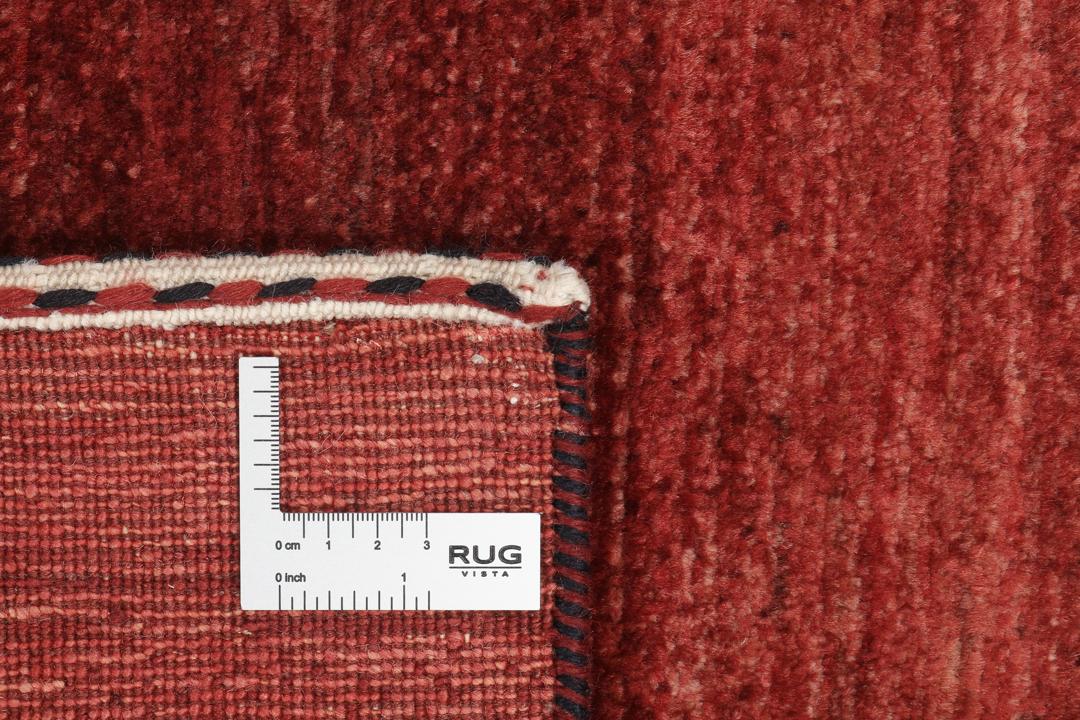
The term 'Loribaft' refers to a specific style of weaving that emphasises a thicker, softer pile compared to traditional, thinner flat-woven rugs. This construction is achieved by using high-quality, hand-spun wool, which is known for its natural resilience and ability to retain its soft texture for decades. The result is a rug that feels substantial and luxurious underfoot.
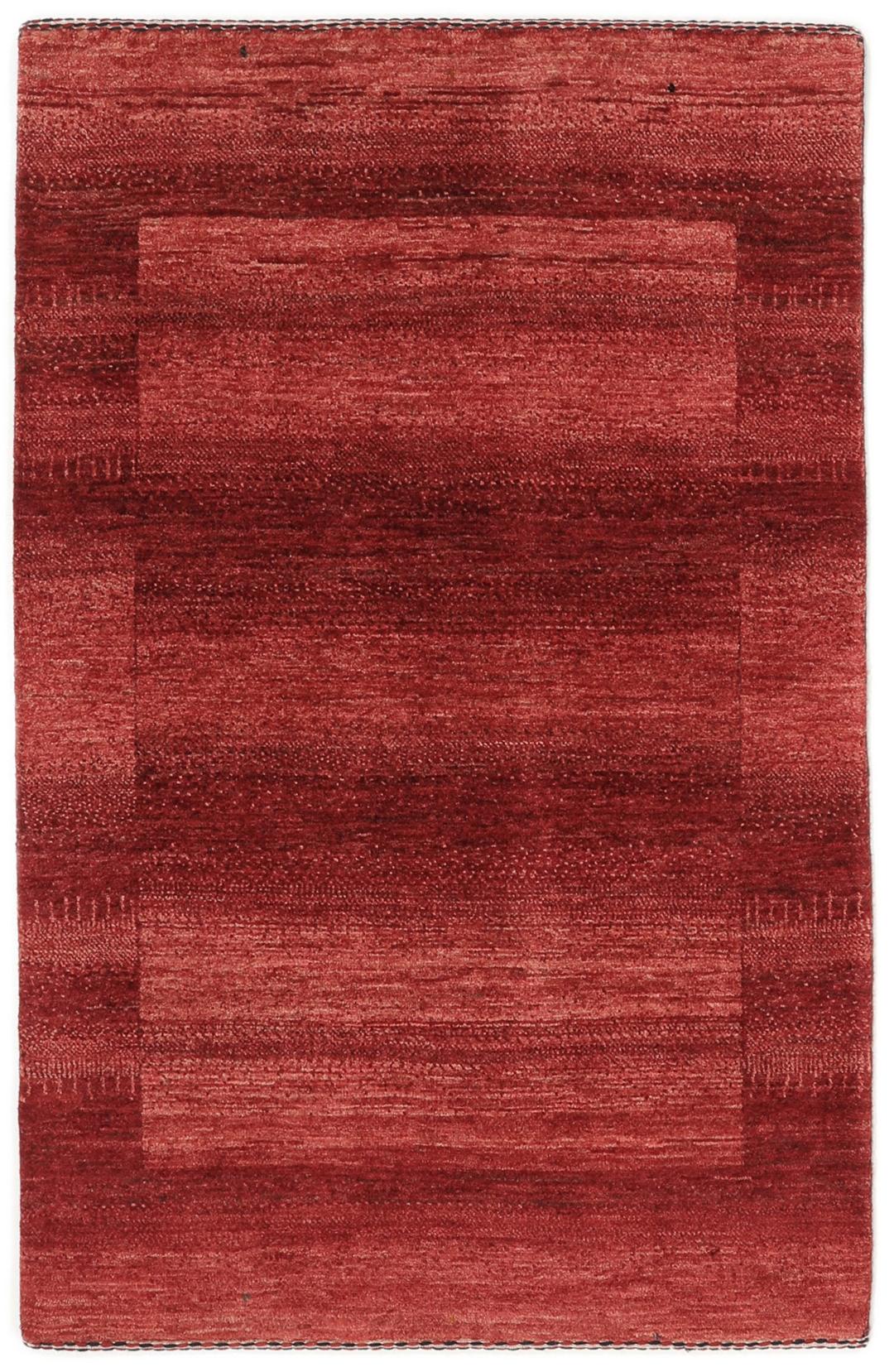
Visually, these rugs are defined by their use of bold, deep colours and an understated approach to pattern. While many oriental rugs feature intricate, formal designs, the Loribaft often leans towards simpler, more abstract, or solid-colour fields that highlight the natural beauty of the wool. This makes them incredibly versatile for a wide range of modern homes.
Owning a piece from this tradition means connecting with a long lineage of nomadic craftsmanship. These rugs are highly valued by collectors for their authenticity and the human story behind every knot. They represent a bridge between ancient traditions and contemporary living, offering a sense of heritage that mass-produced items simply cannot replicate.