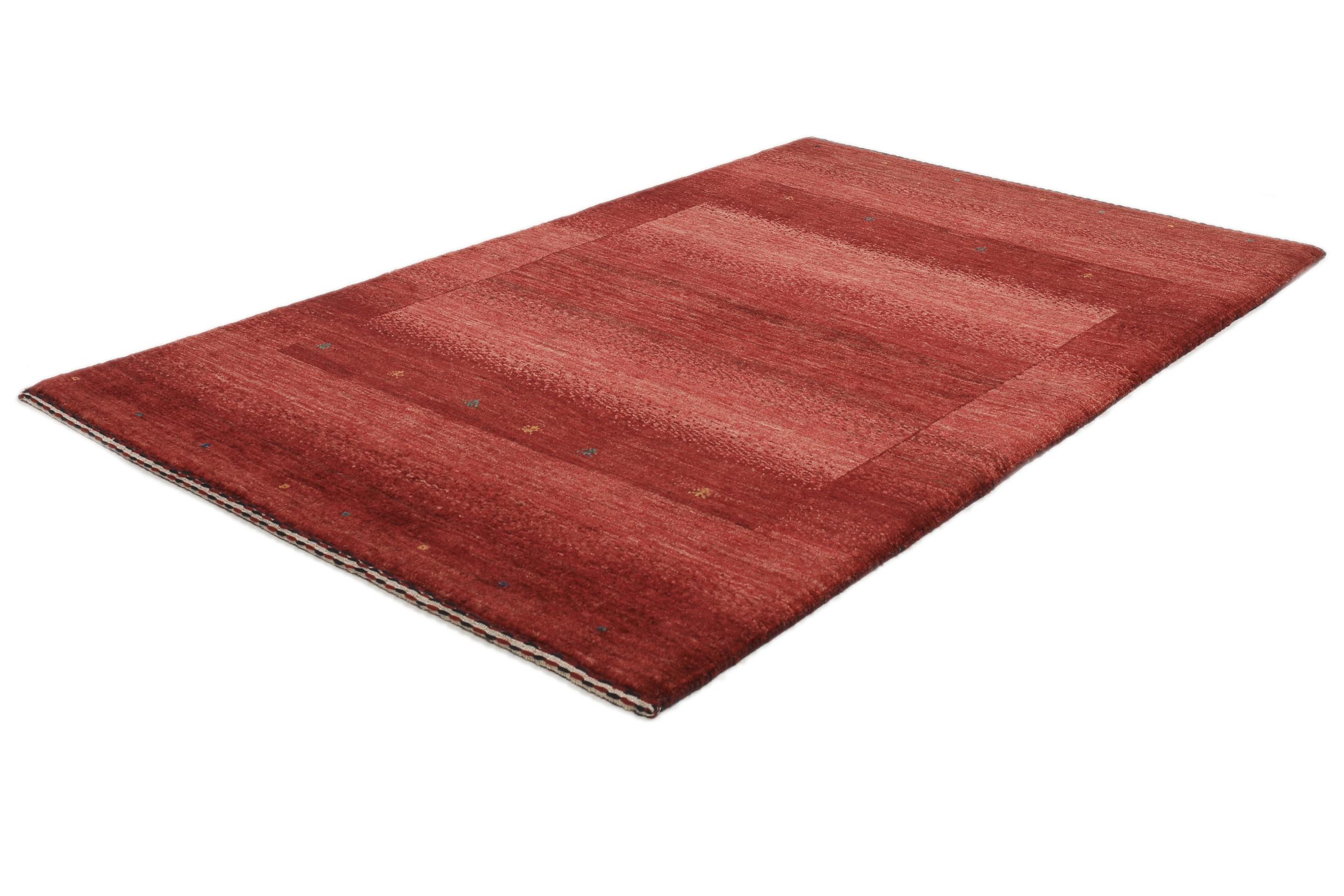
The Loribaft and Kashkooli styles originate from the nomadic tribes of the Middle East, particularly the Qashqai people. These rugs were traditionally woven on portable horizontal looms, allowing the weavers to carry their work as they migrated across the rugged landscapes of the region, drawing inspiration from the natural world around them.
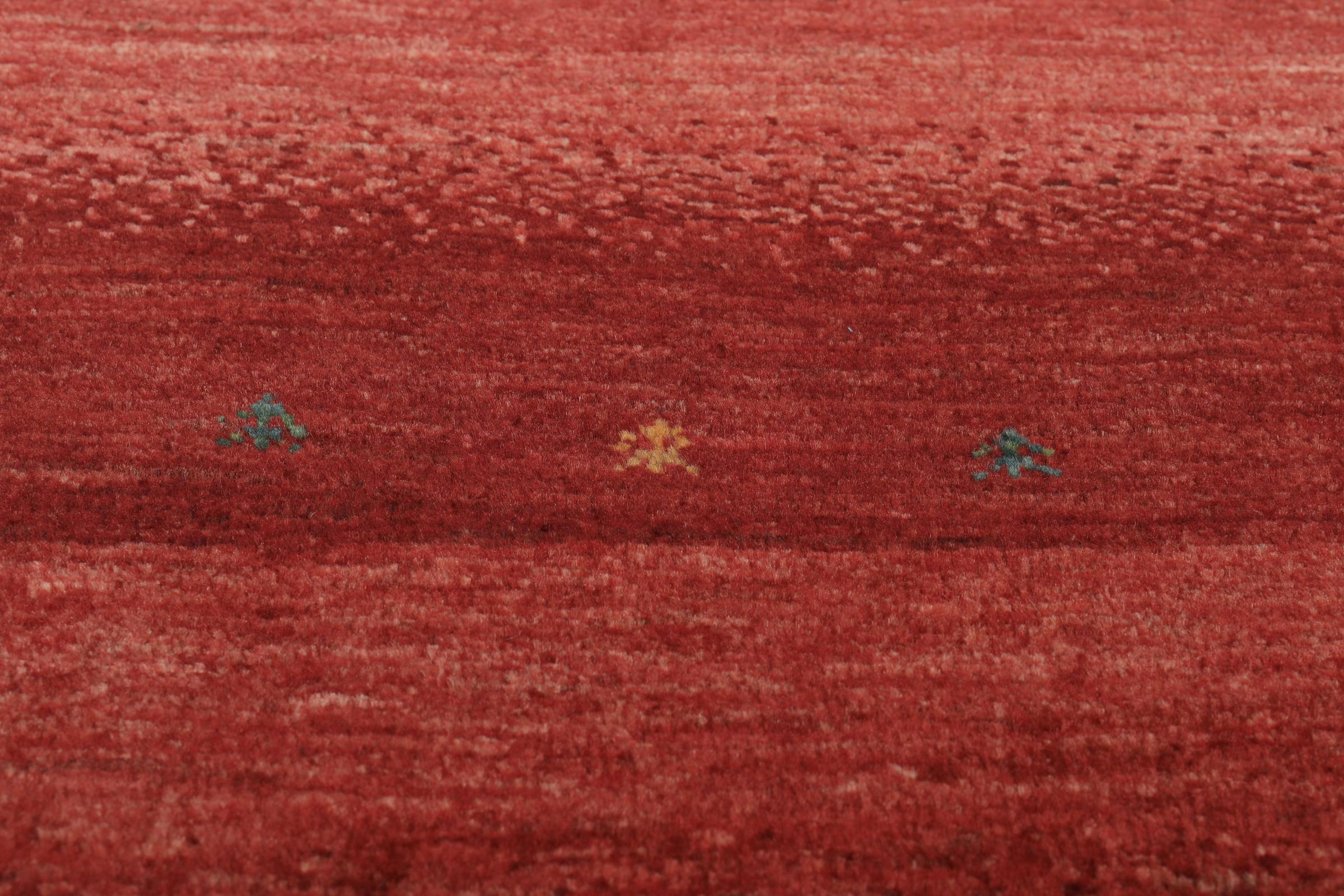
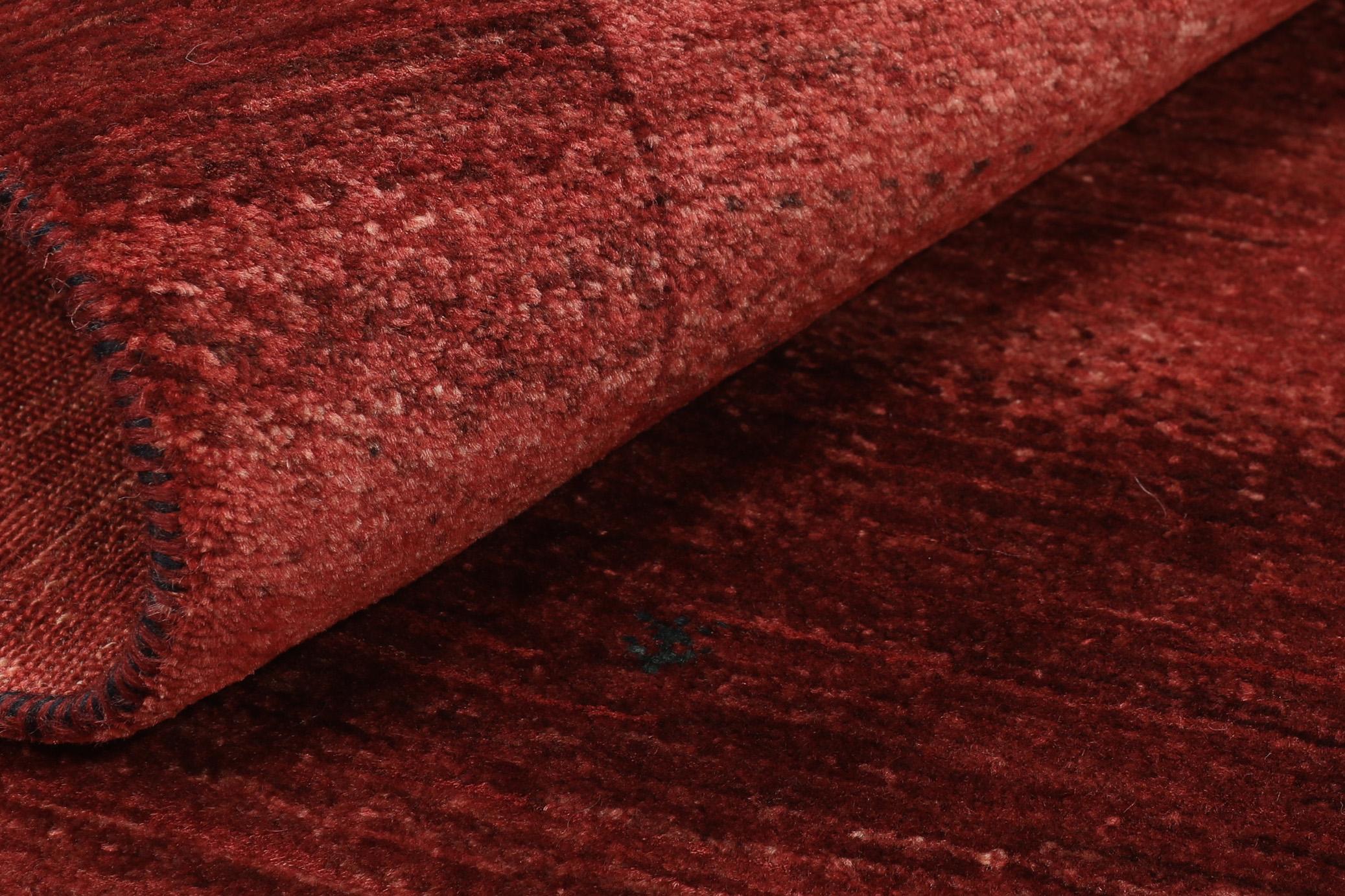
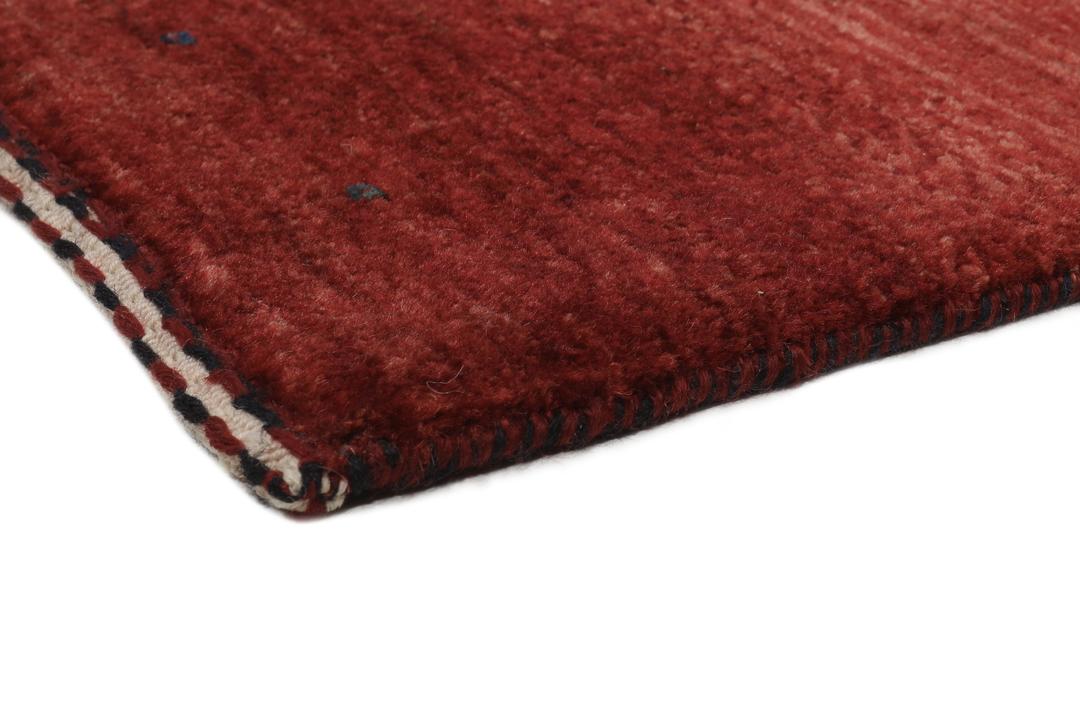
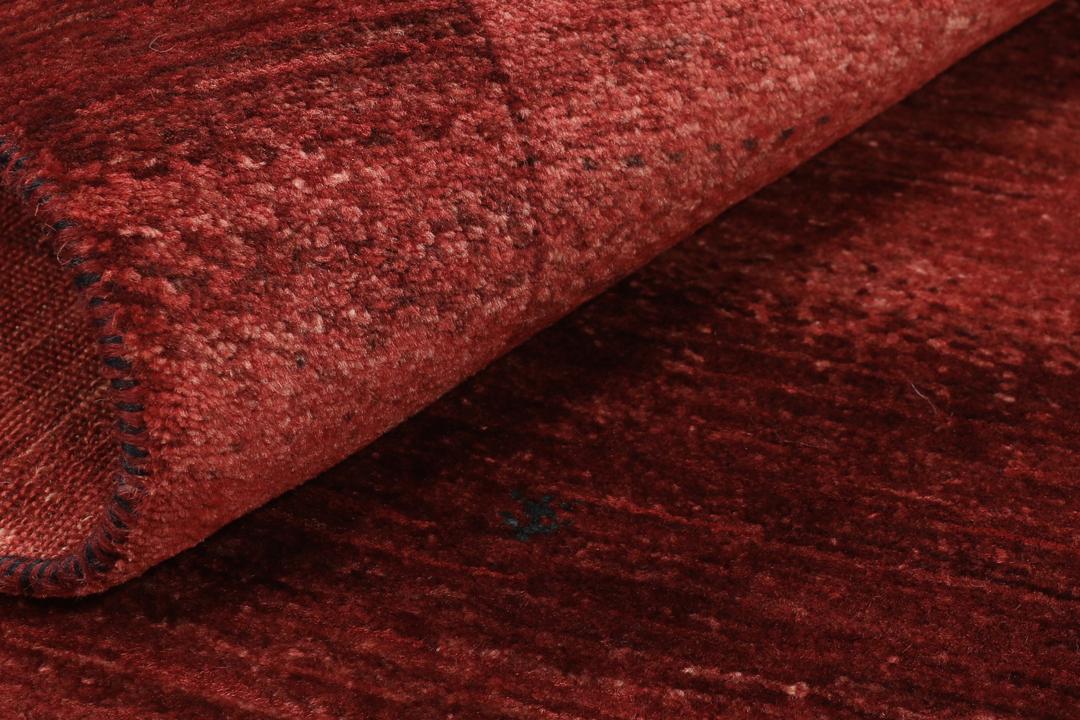
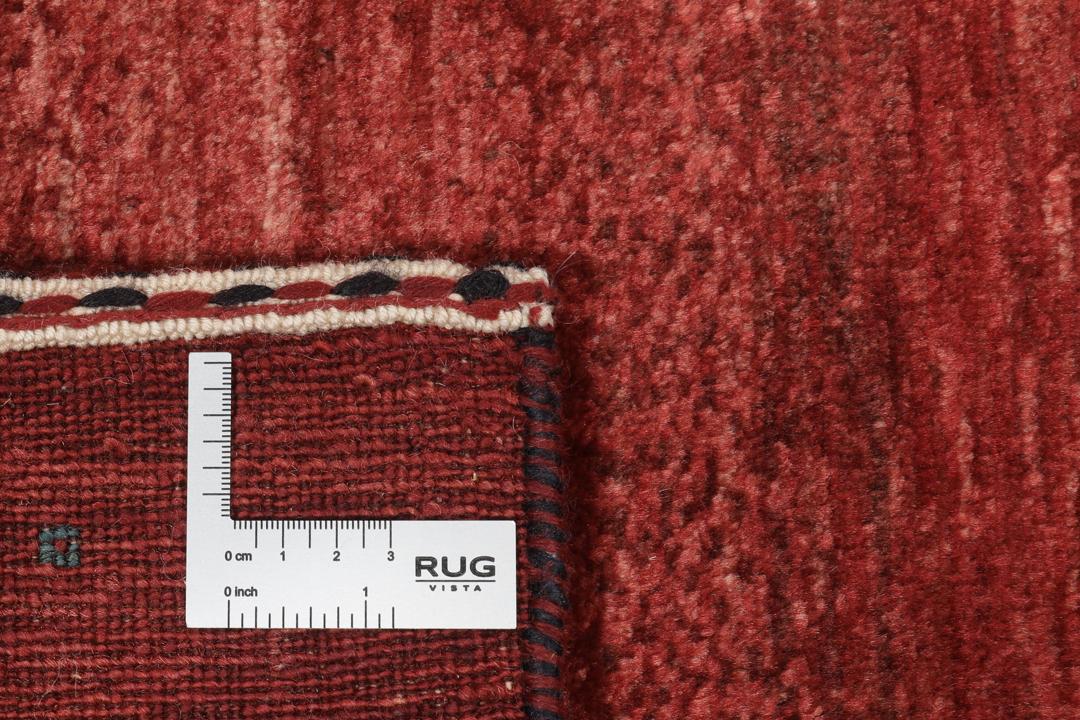
The term 'Fine' in this context refers to the elevated knot density compared to standard tribal weavings. This increased density allows for a more refined finish and a softer, more luxurious pile. It represents an evolution of the tribal craft, where traditional nomadic designs are rendered with greater precision and material quality.
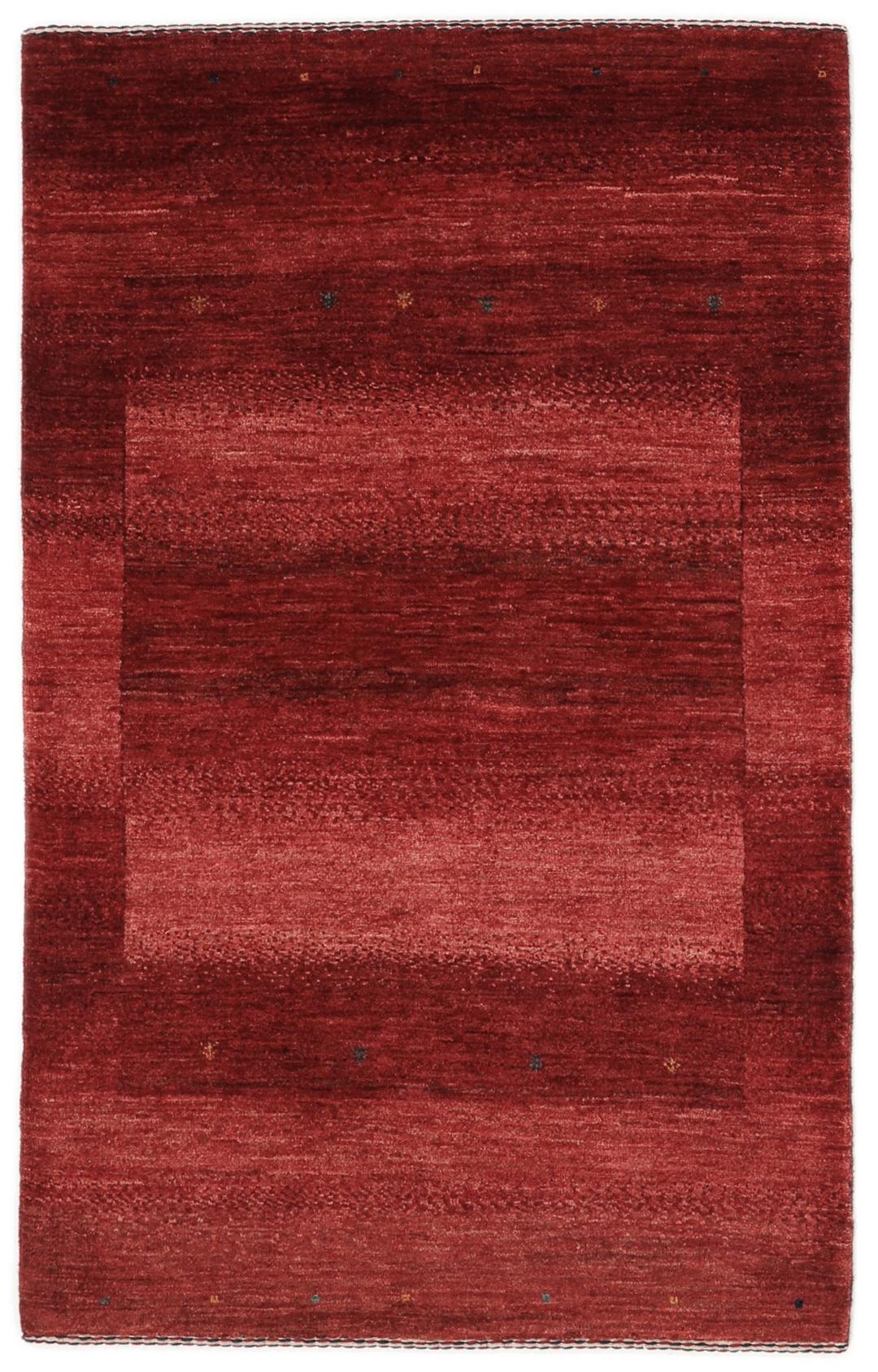
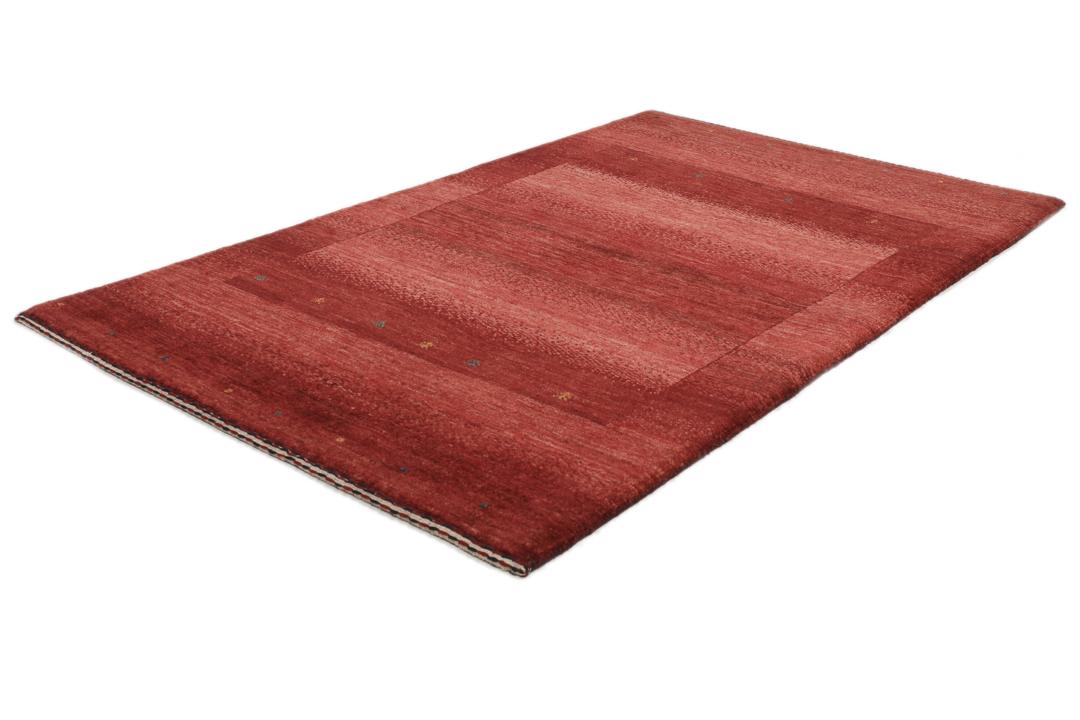
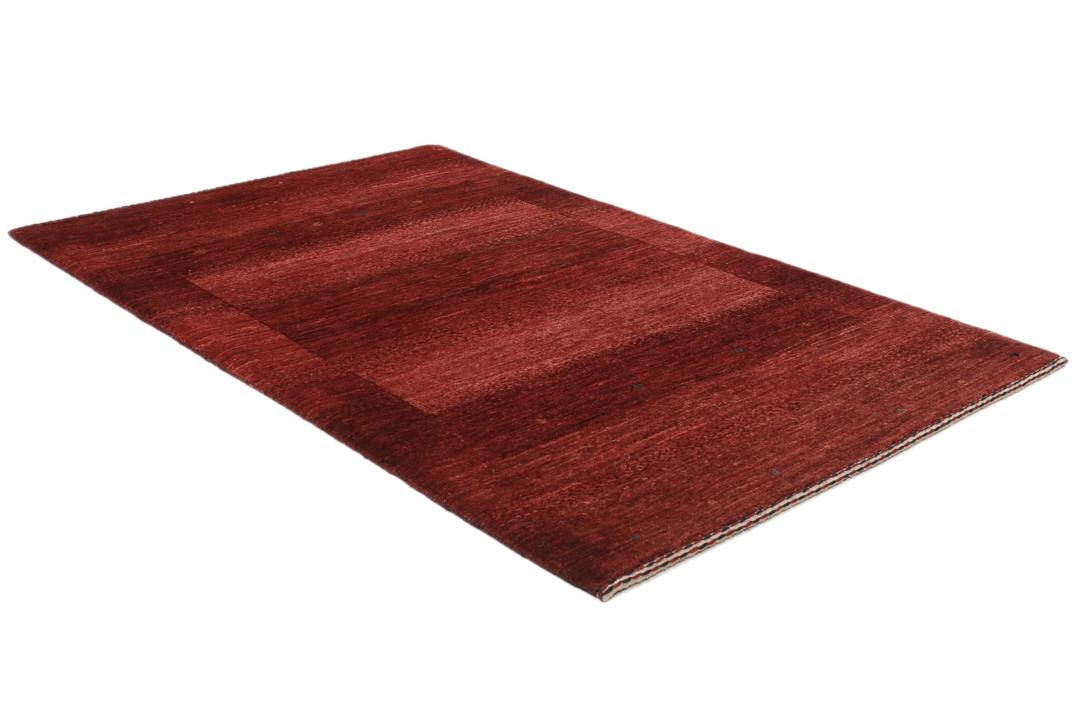
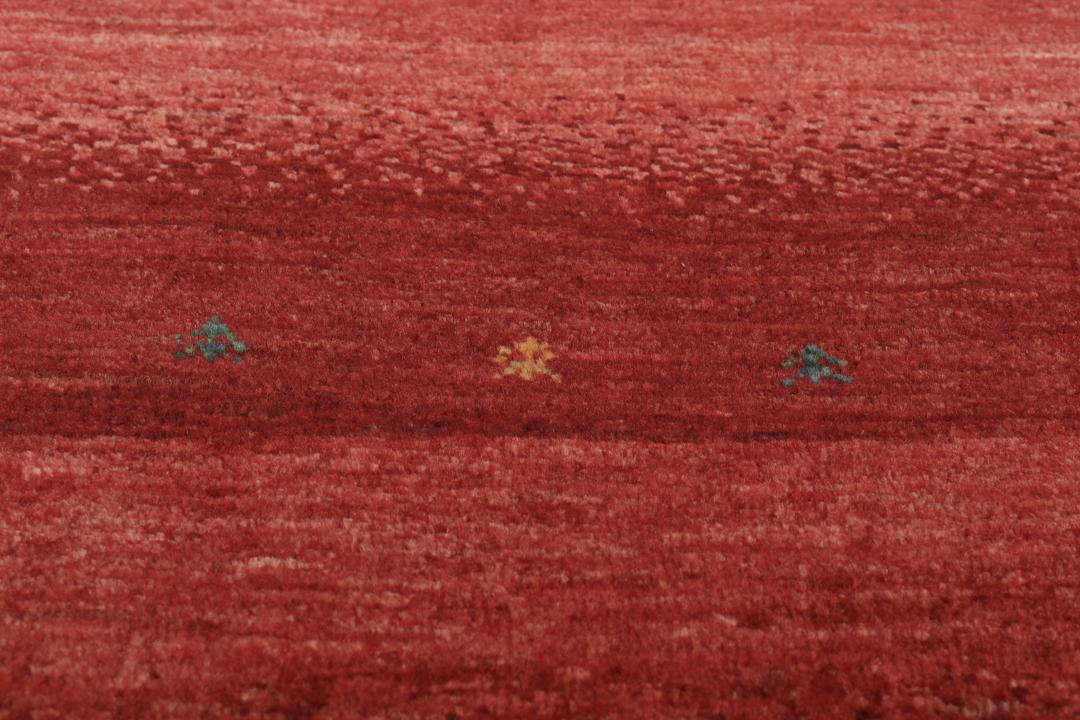
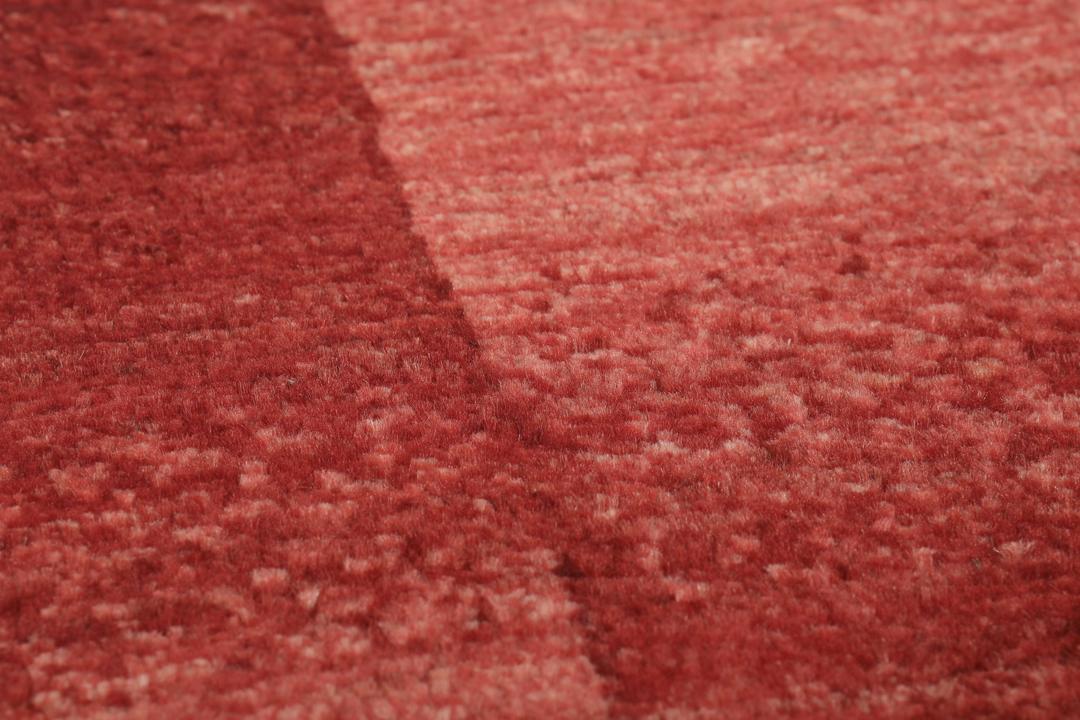
Visually, these rugs are celebrated for their emotive use of colour and simplified, geometric motifs. Unlike more rigid urban designs, the patterns here are often spontaneous and expressive, reflecting the weaver's mood or local stories. The deep red palette seen here is a hallmark of the region's natural dyeing traditions, often derived from madder root.
Collecting a piece from this tradition is an investment in human heritage. These rugs are valued not just for their aesthetic beauty, but for the skill and cultural narrative embedded in every knot. Owning one connects your modern home to a long lineage of craft, where every rug serves as a lasting testament to the artisan's individual perspective.