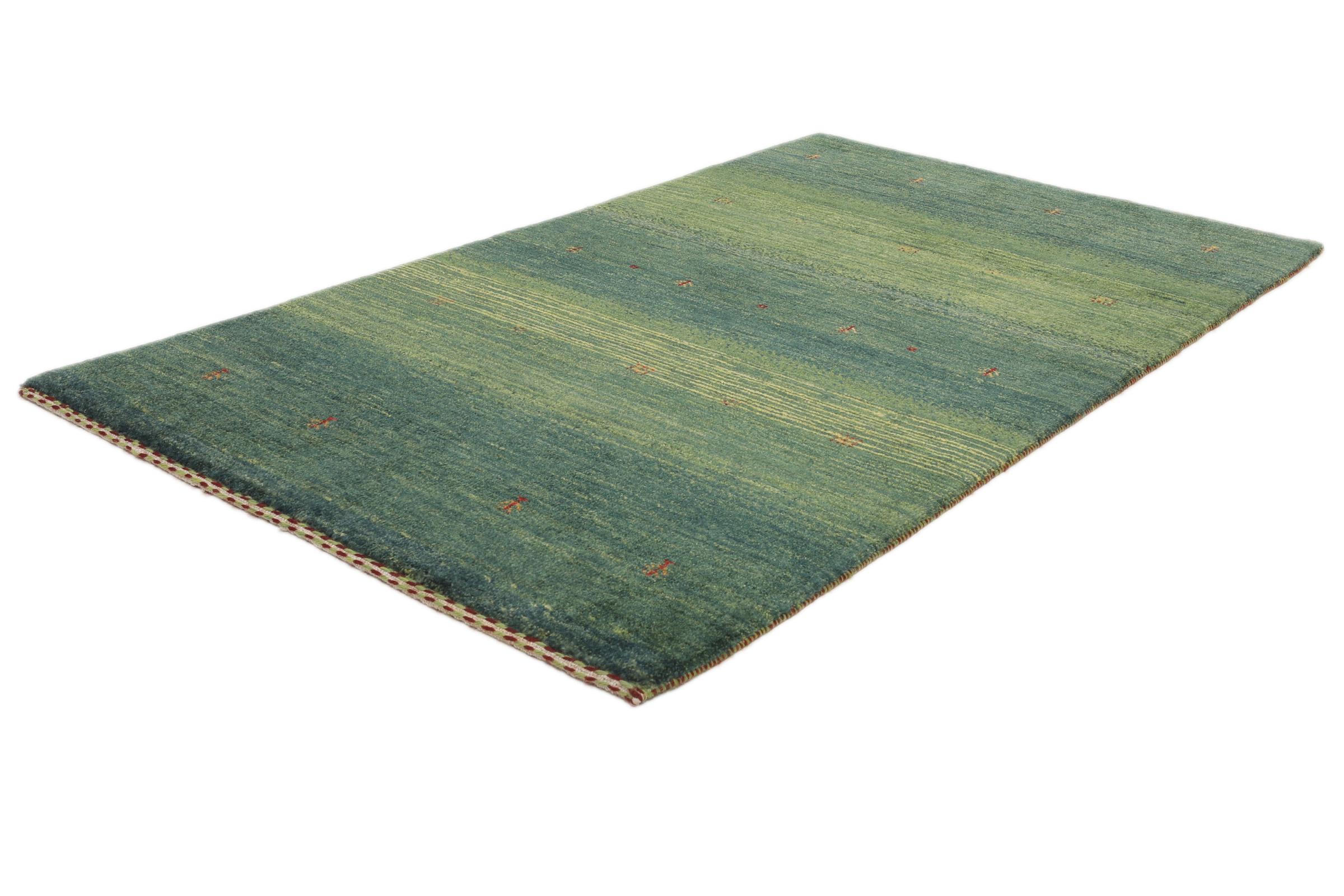
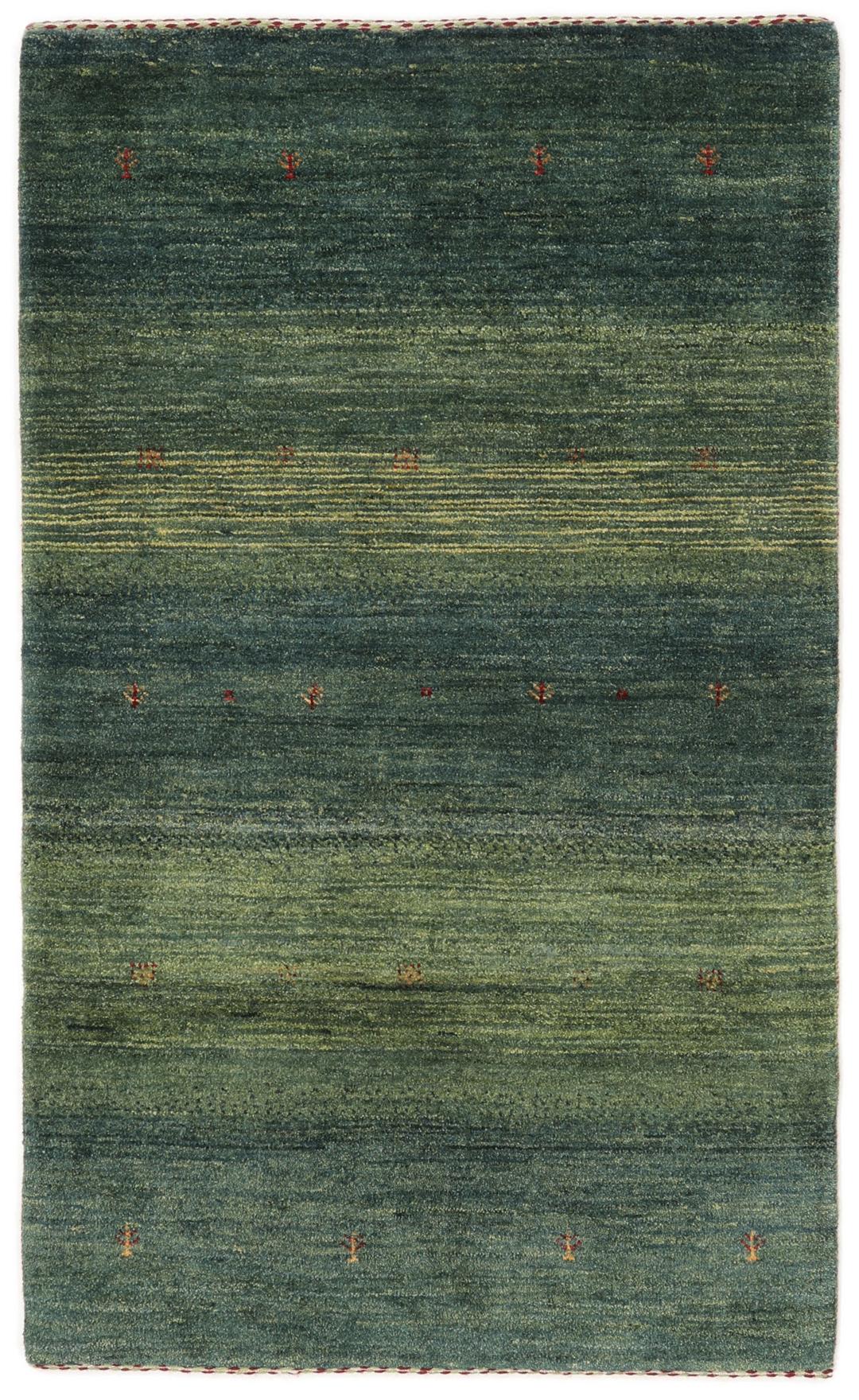
Loribaft rugs are deeply rooted in the nomadic traditions of the Middle East, specifically associated with the tribal groups that have woven these textiles for generations. These rugs are celebrated for their simplicity and the bold, often primitive beauty of their designs. While they share a lineage with other tribal weaving styles, the Loribaft is distinguished by its focus on thick, soft wool and a more open, uncluttered aesthetic.
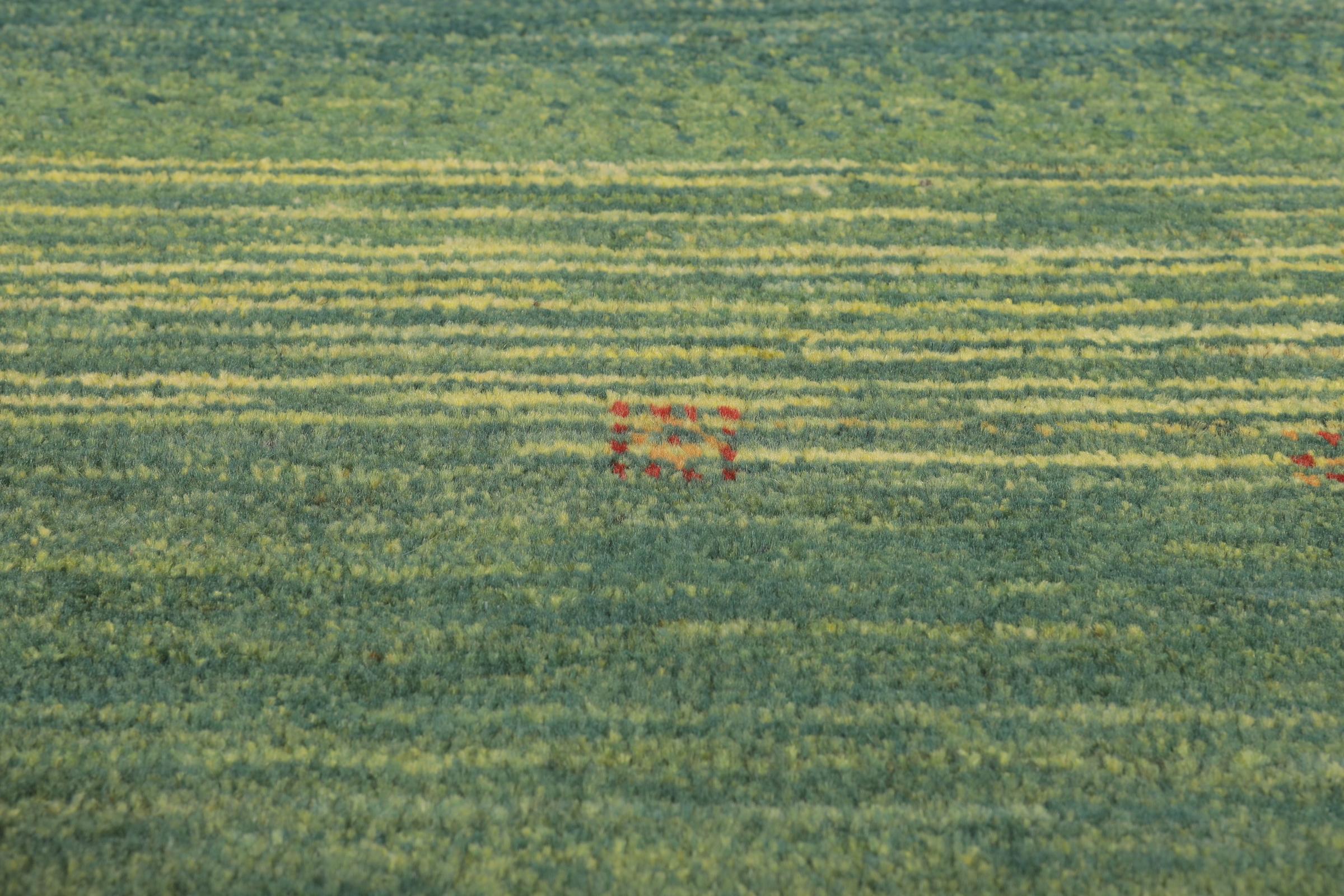
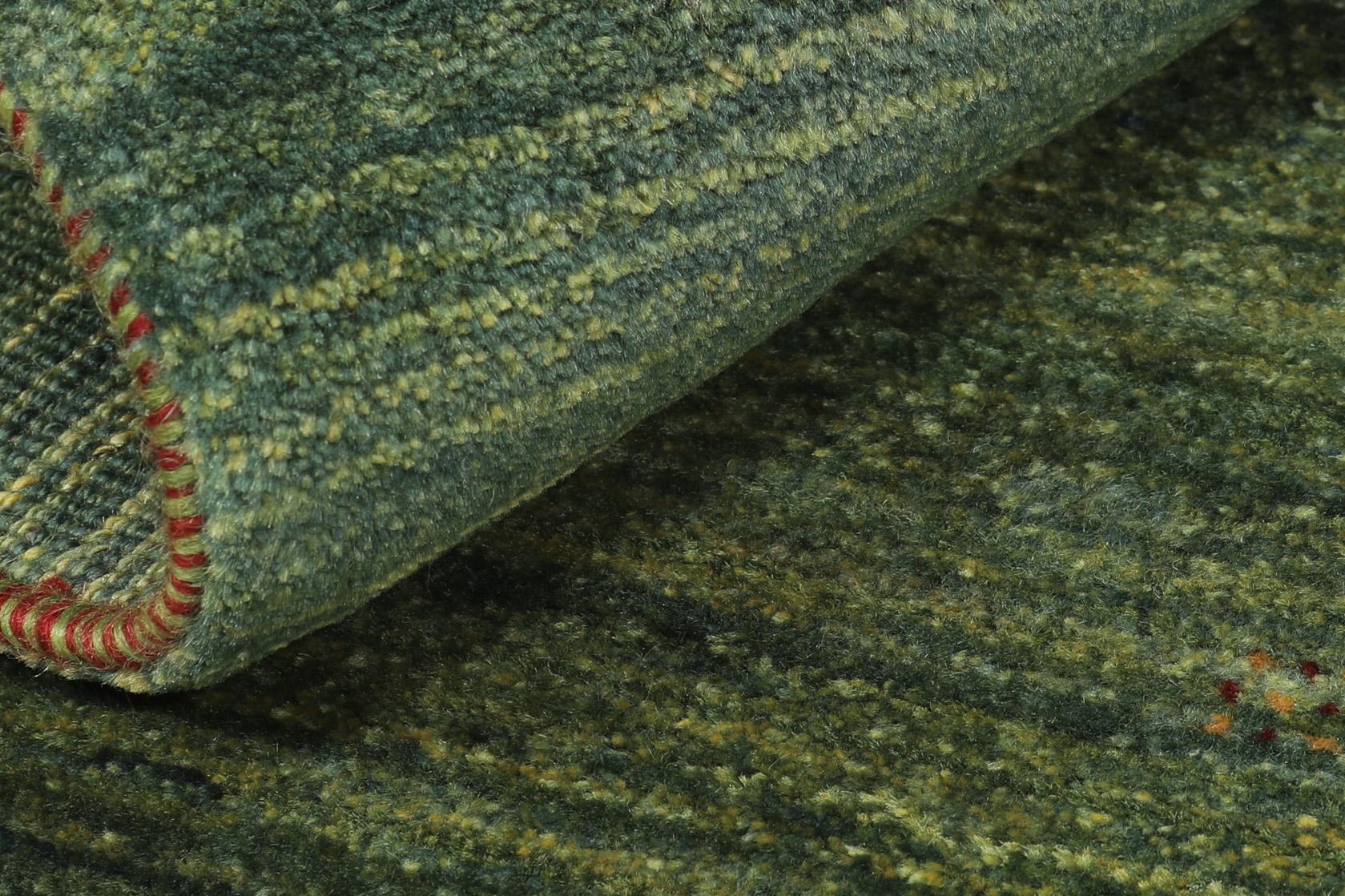
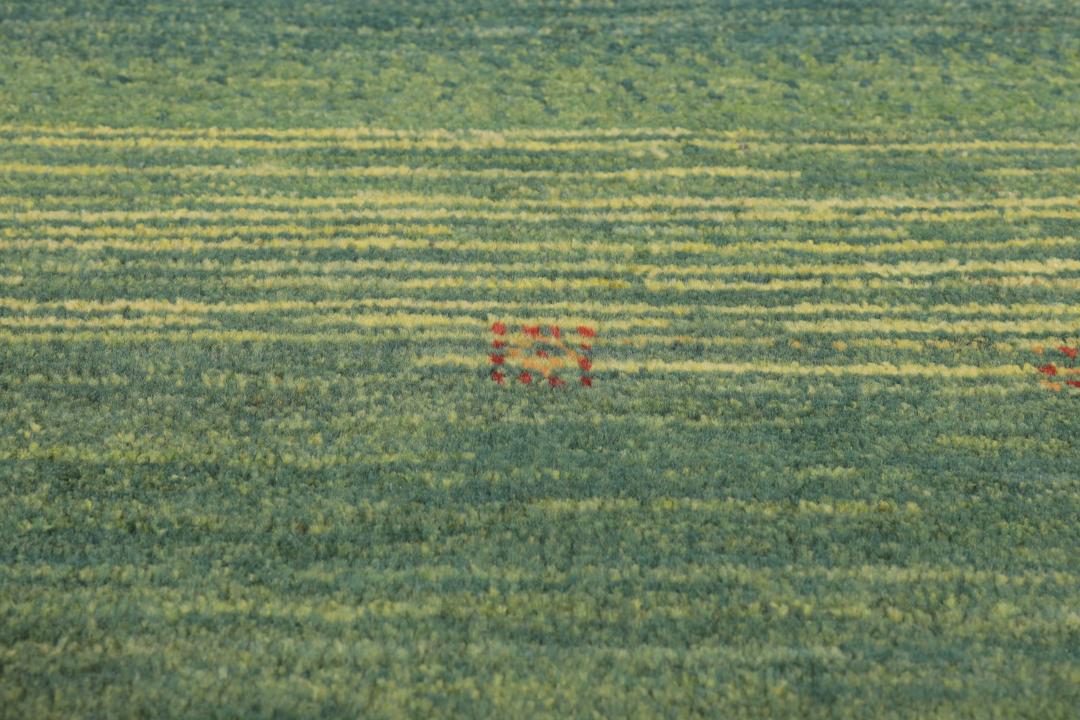
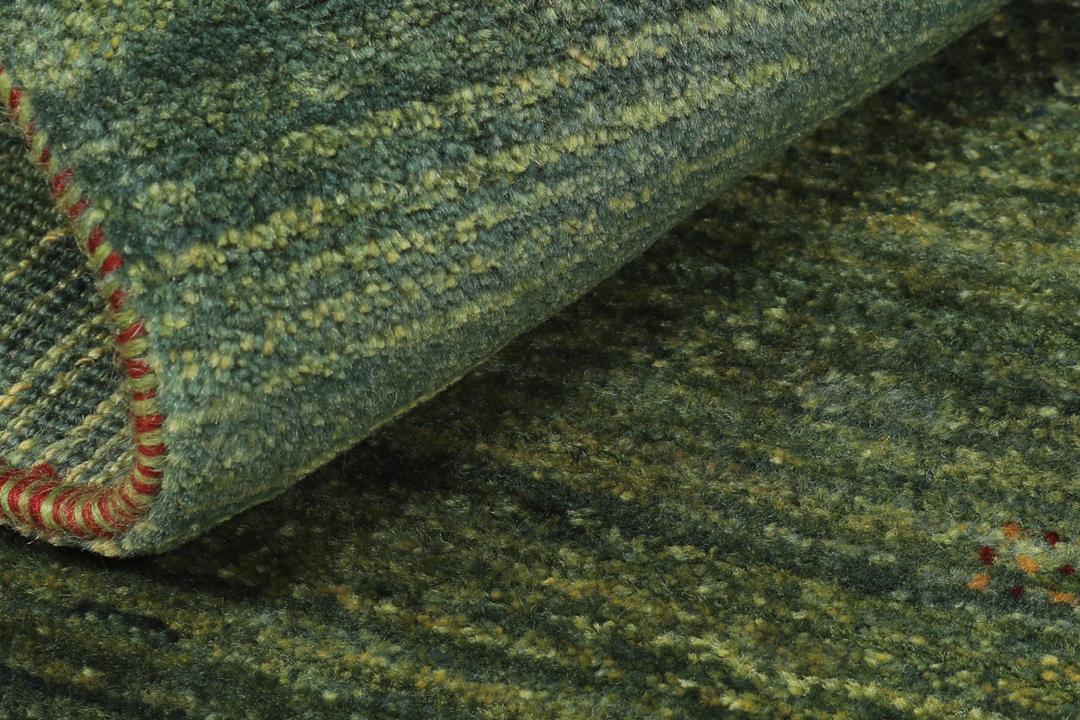
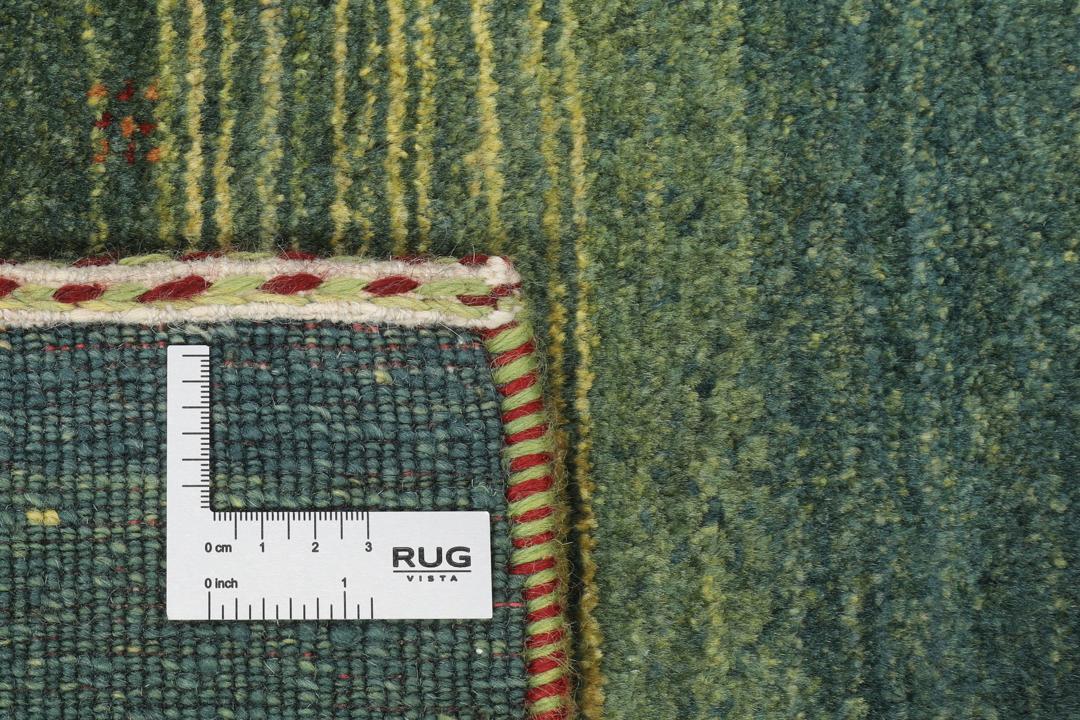
The term 'Kashkooli' often associated with these rugs refers to a specific style of weaving that is known for its finer detail and more supple handle compared to standard tribal rugs. This technique results in a rug that is not only visually striking but also incredibly soft to the touch. The use of high-quality wool, often sourced from local mountain sheep, is essential to this tradition, providing the natural lanolin that gives the pile its characteristic sheen and durability.
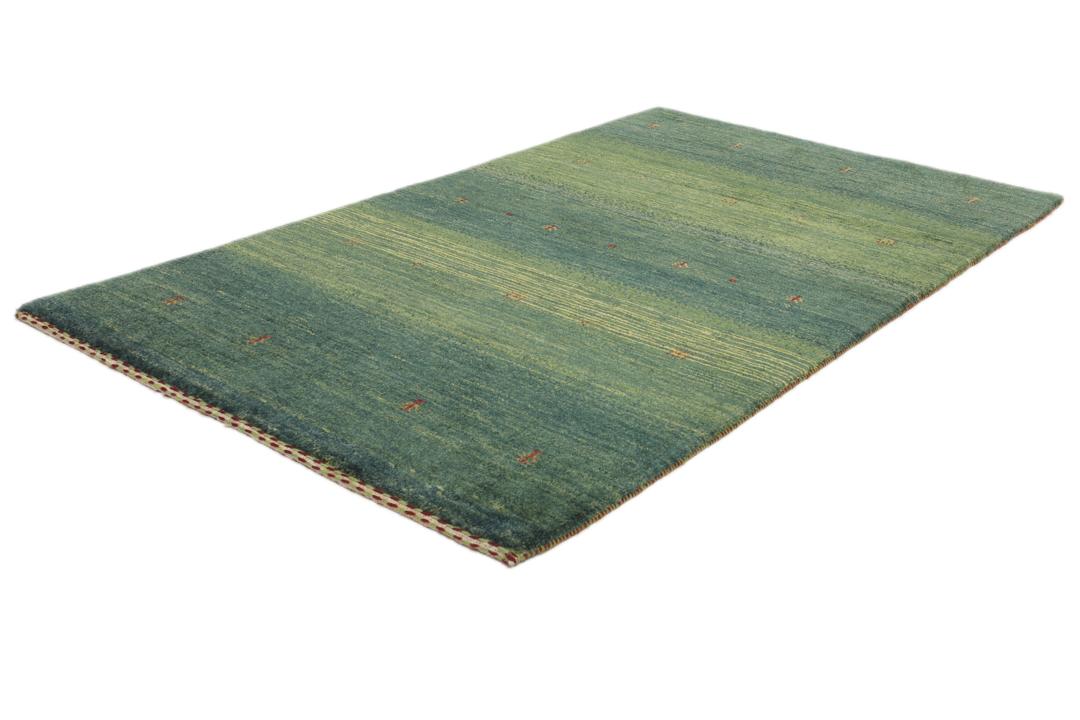
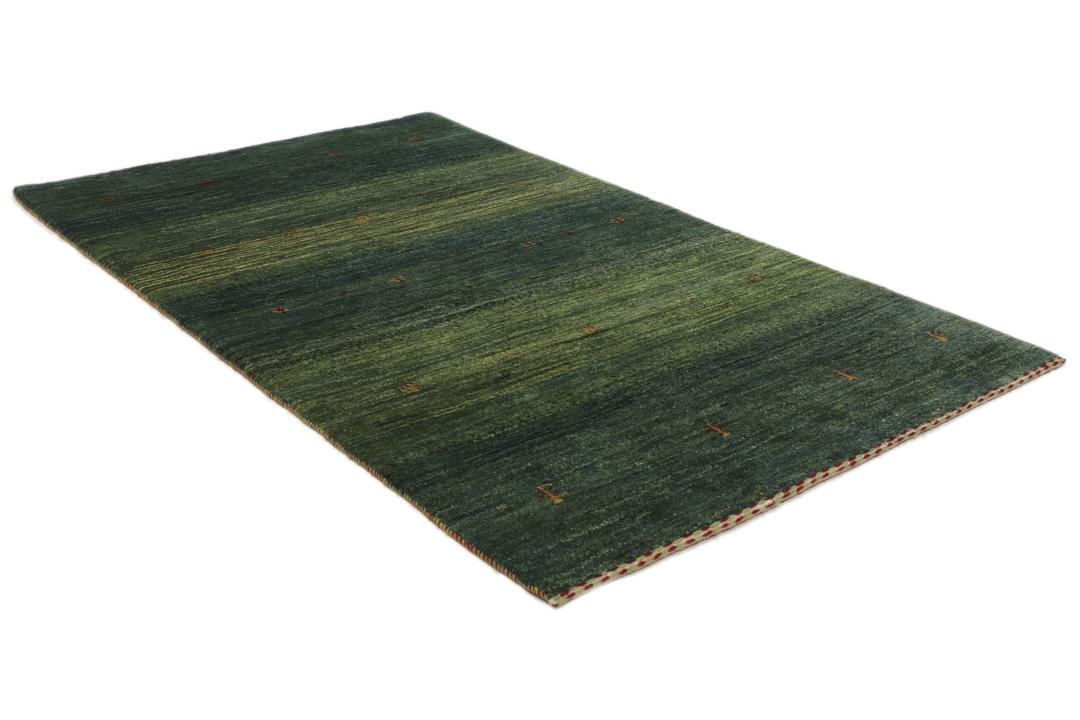
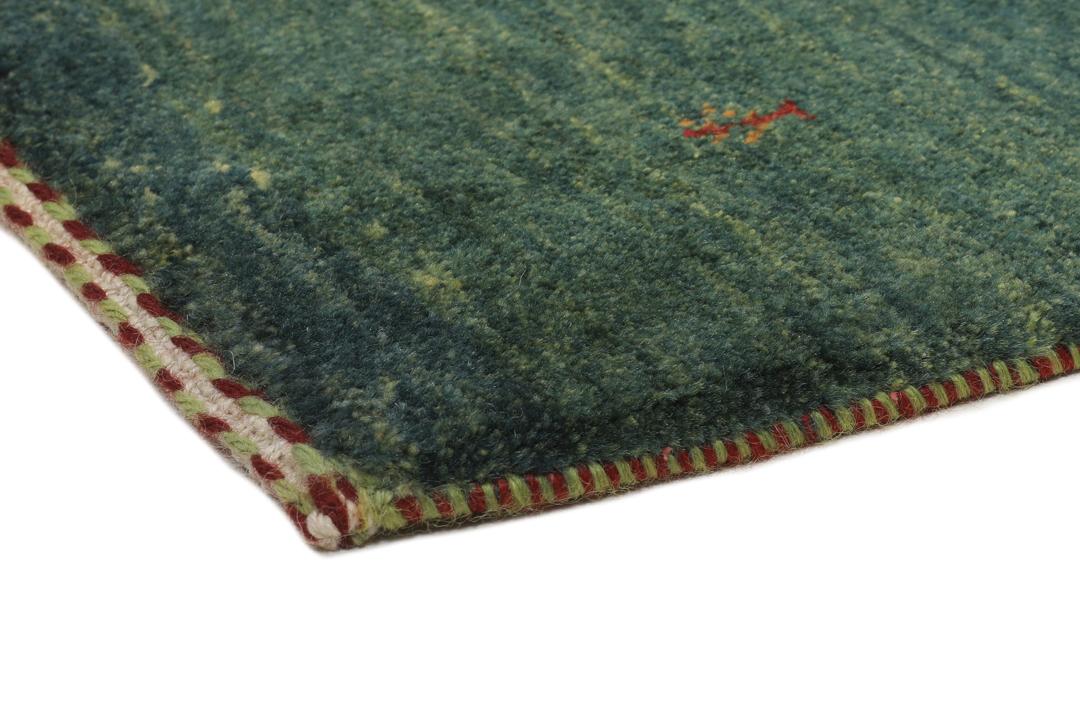
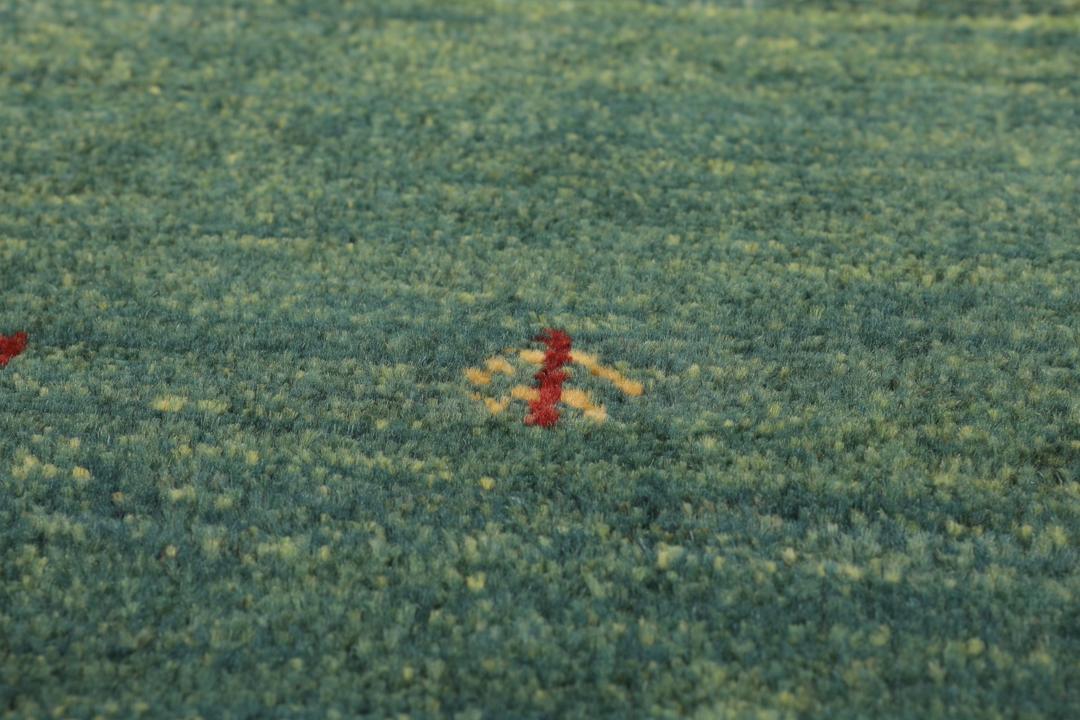
Visually, these rugs are defined by their use of space and colour. Unlike rugs that feature rigid, complex geometric patterns, the Loribaft often highlights the raw, undyed or naturally dyed wool, allowing the texture and subtle colour shifts to take centre stage. The motifs, when present, are typically small, symbolic representations of nature or tribal life, placed sparingly to maintain a sense of calm and balance across the field.
Collecting a rug from this tradition is an investment in cultural heritage and artisanal skill. These pieces are highly valued for their authenticity and the way they reflect the environment and lifestyle of the weavers. Owning a Loribaft means preserving a craft that has remained largely unchanged for centuries, offering a tangible connection to the history and artistry of the Middle Eastern tribal regions.