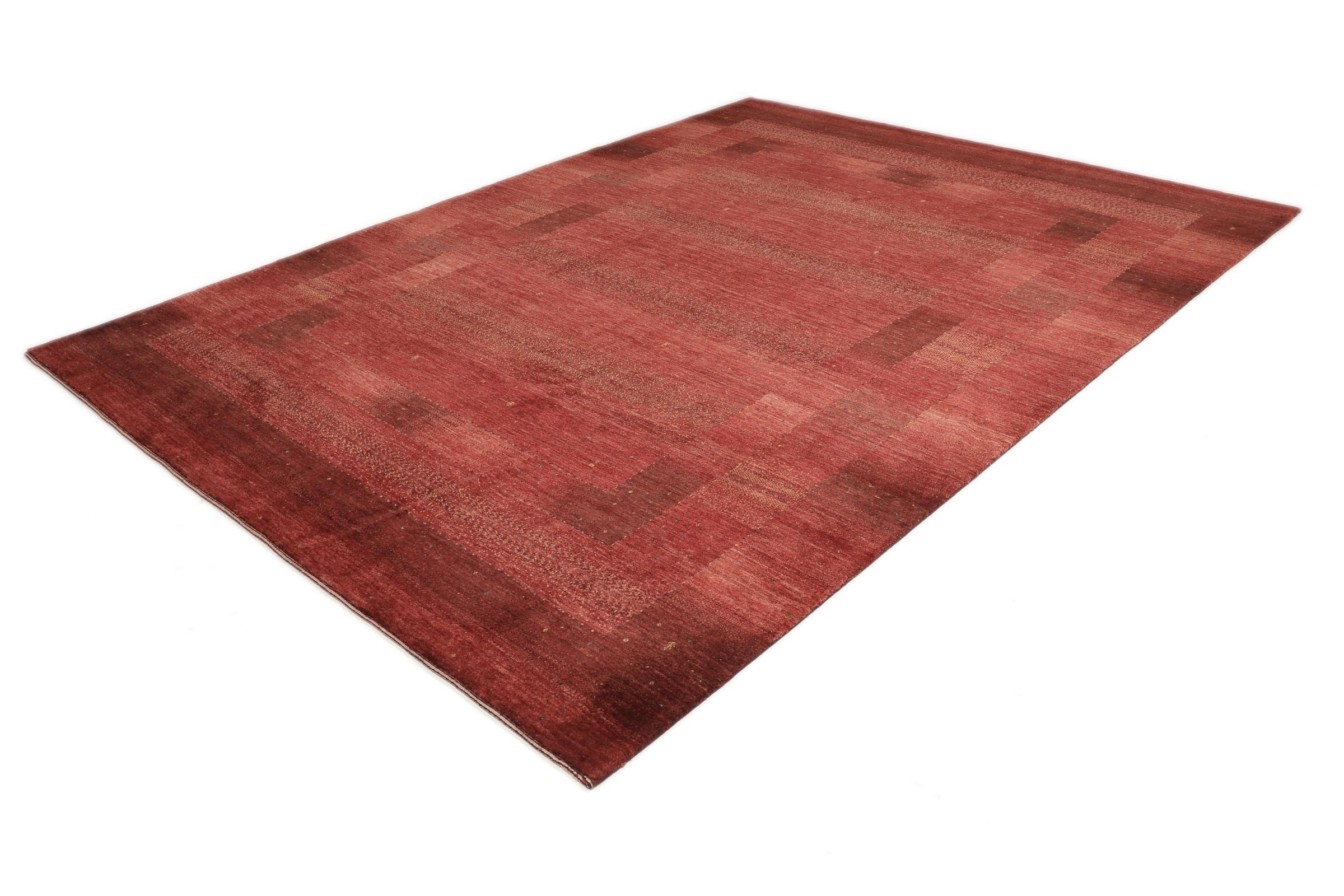
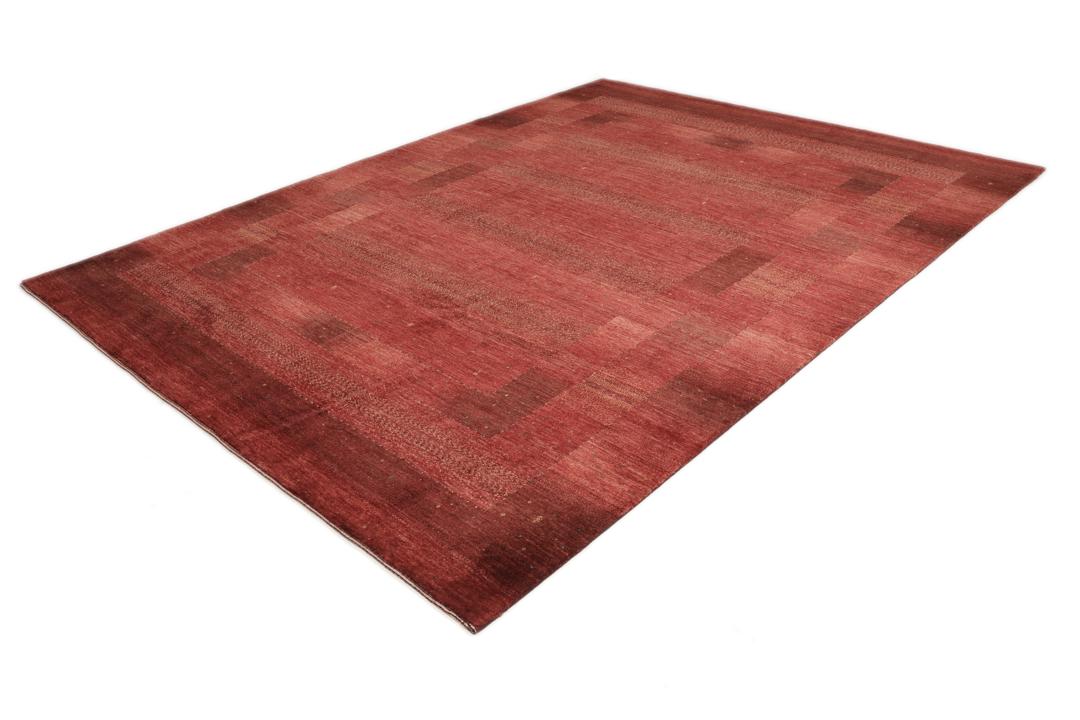
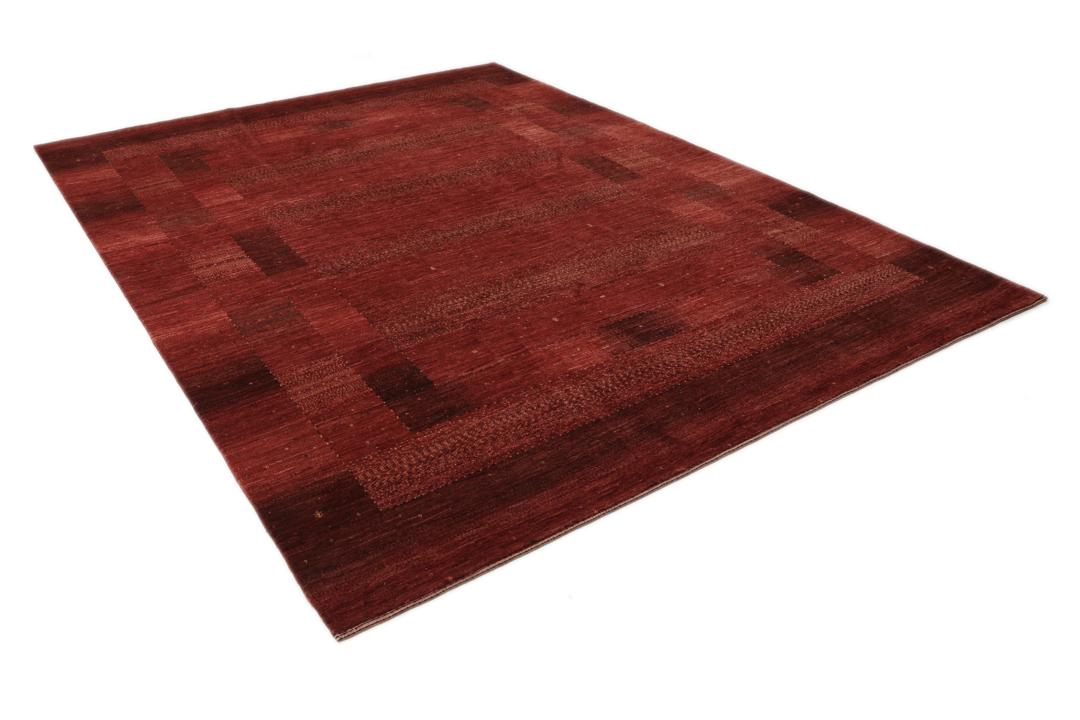
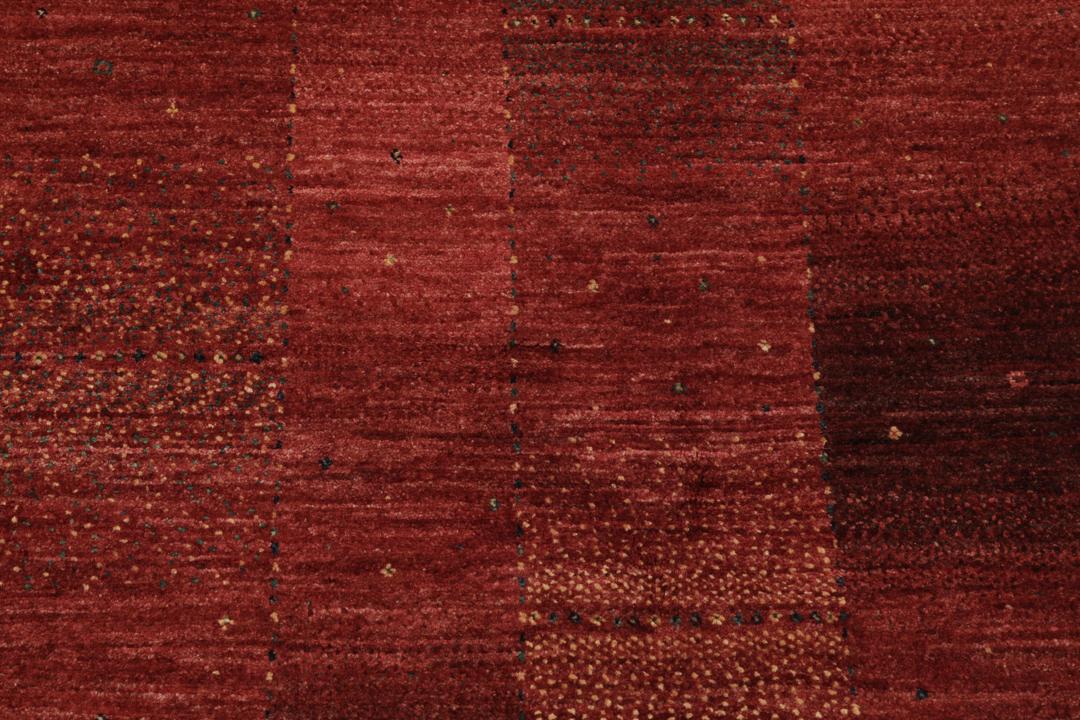
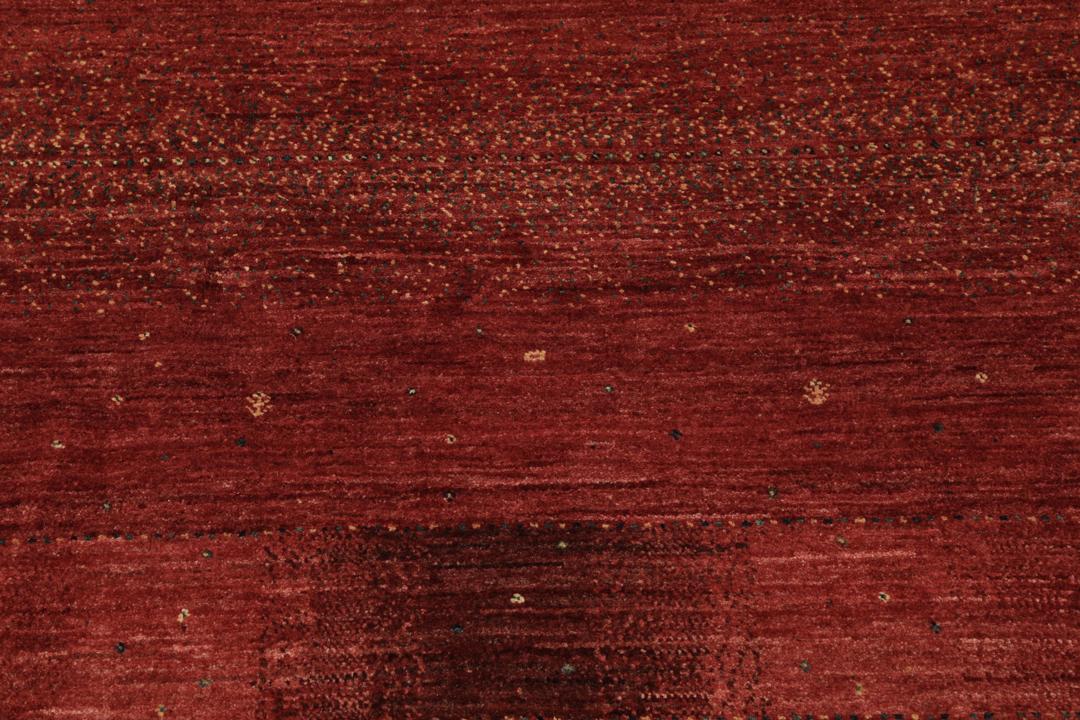
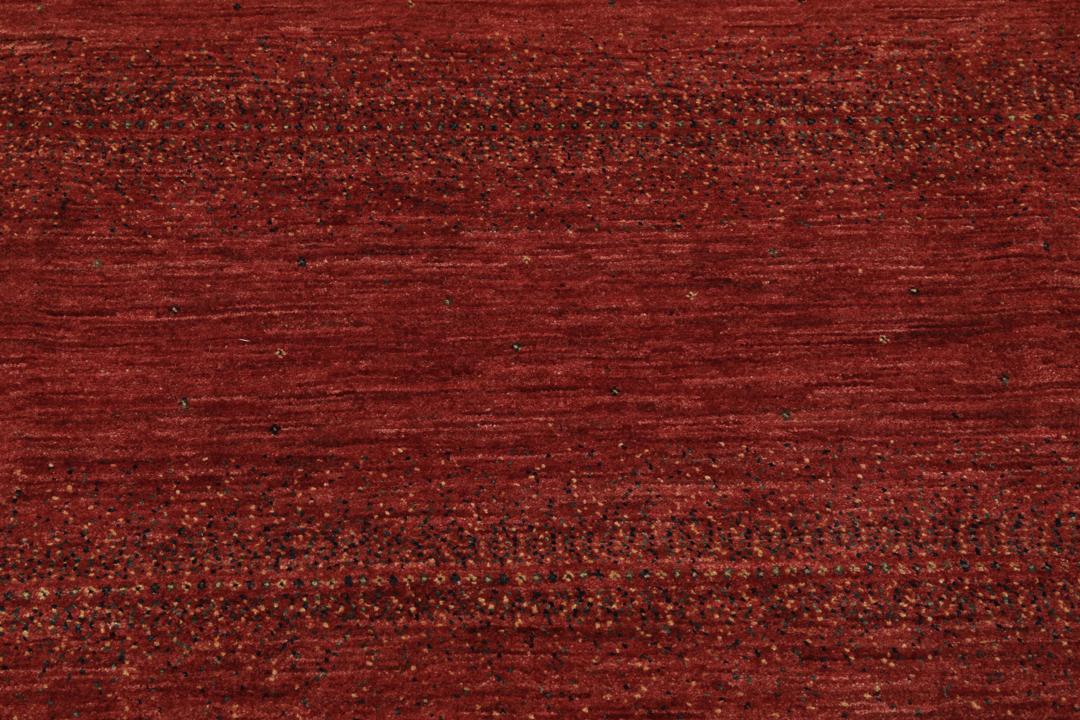
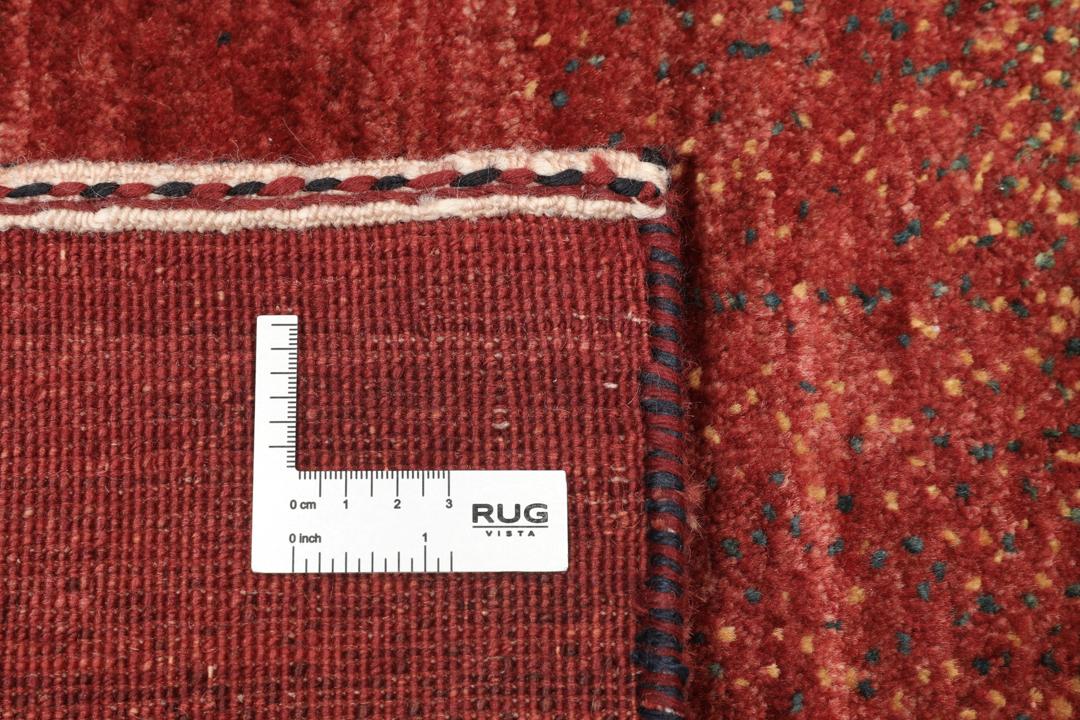
The Loribaft tradition finds its roots in the nomadic cultures of the Middle East, specifically among the Luri and Qashqai tribes. These rugs were originally crafted for personal use, designed to provide warmth and protection on the floors of tents, and their aesthetic has evolved from these functional, nomadic beginnings into a sophisticated art form that is celebrated globally.
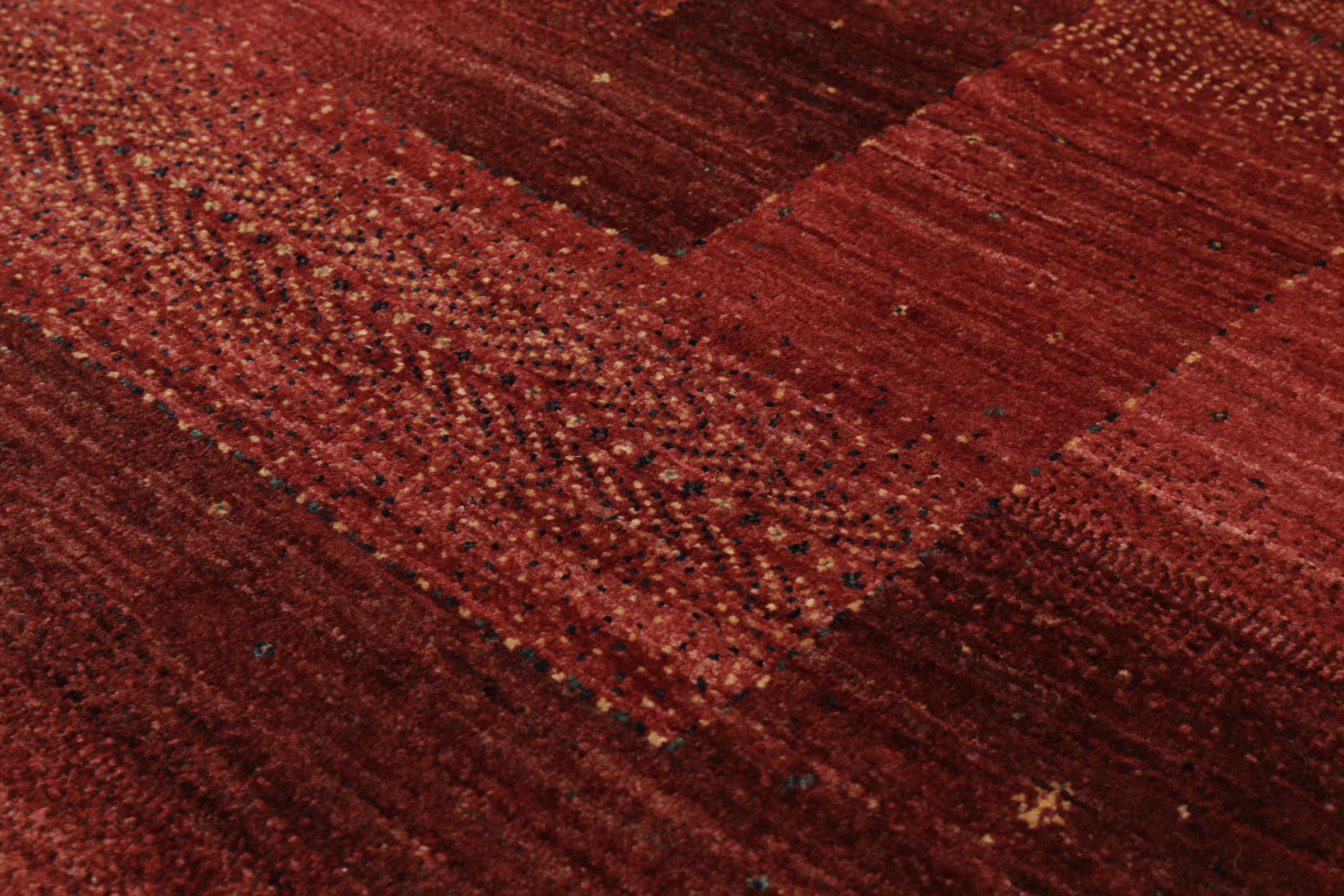
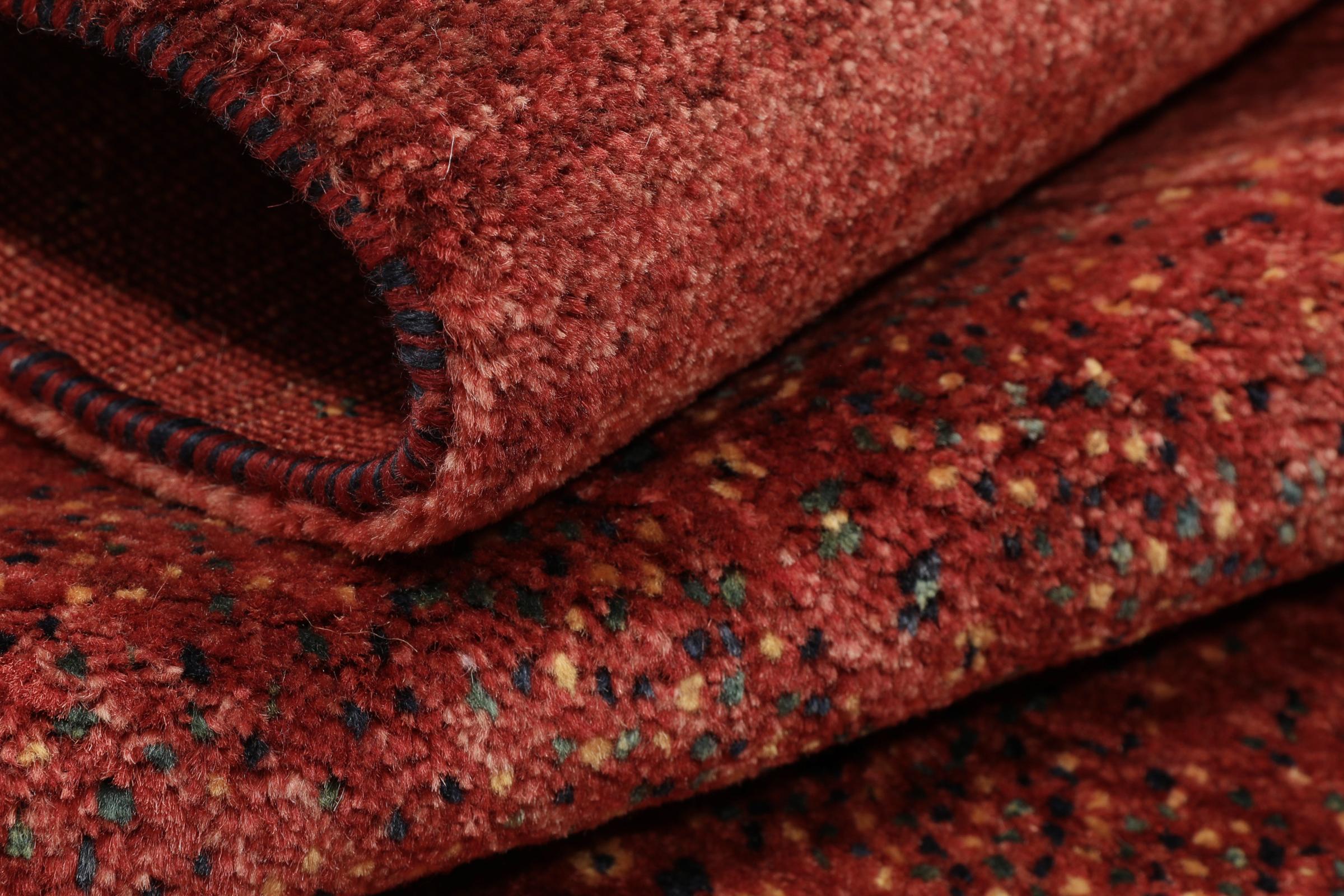
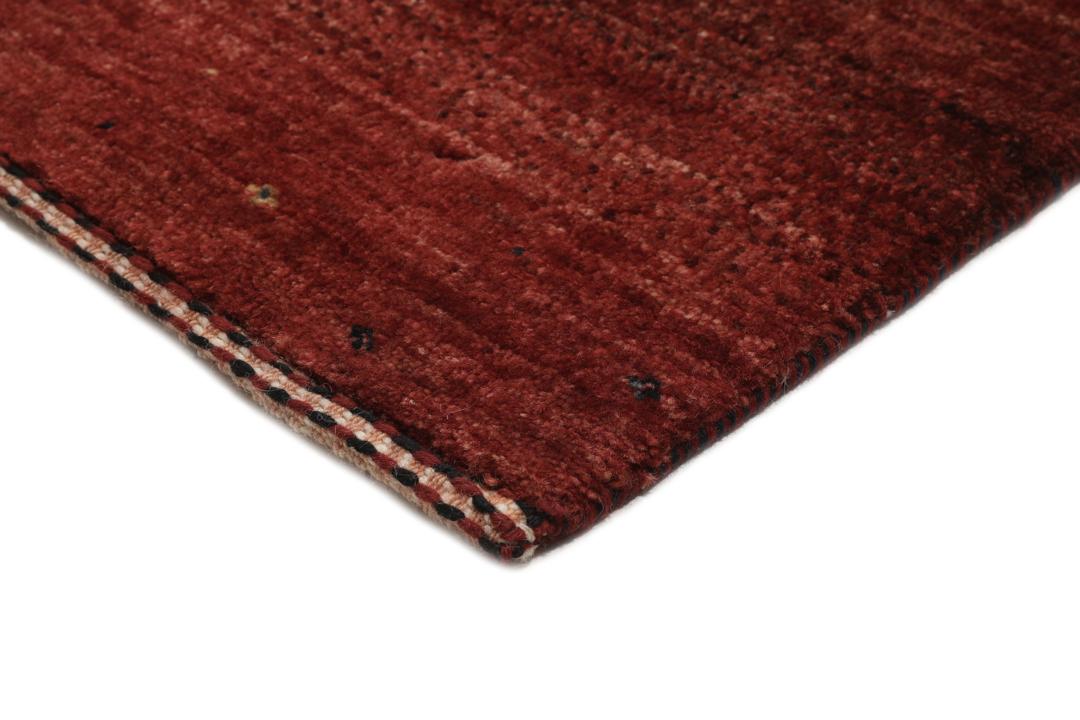
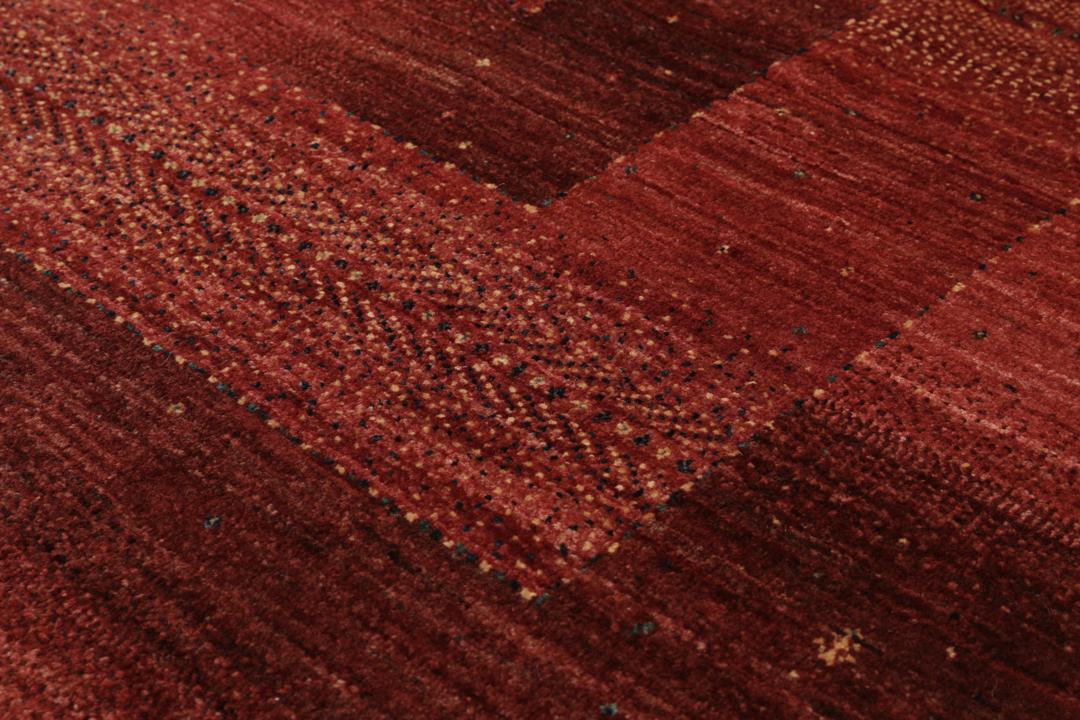
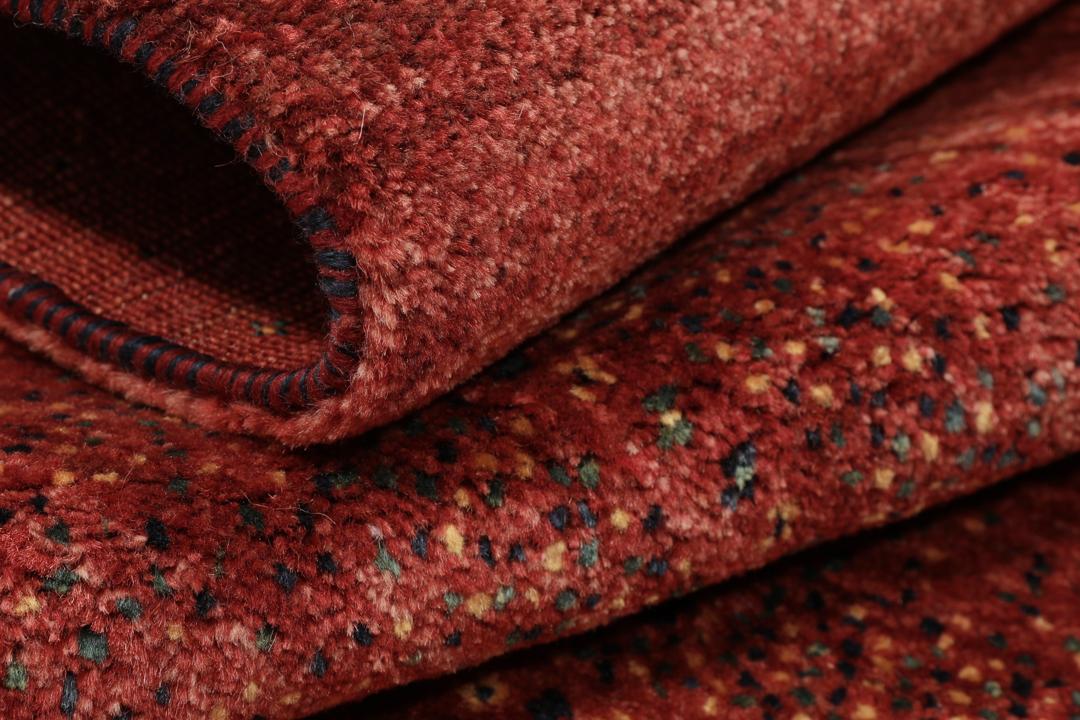
The term 'Loribaft' refers to a specific technique that emphasises a thicker, softer pile compared to traditional tribal rugs. This 'baft' or weaving style is characterised by the use of high-quality, hand-spun 100% Wool, which is often left in its most natural state to retain the lanolin that gives the rug its signature lustre and soft hand-feel.
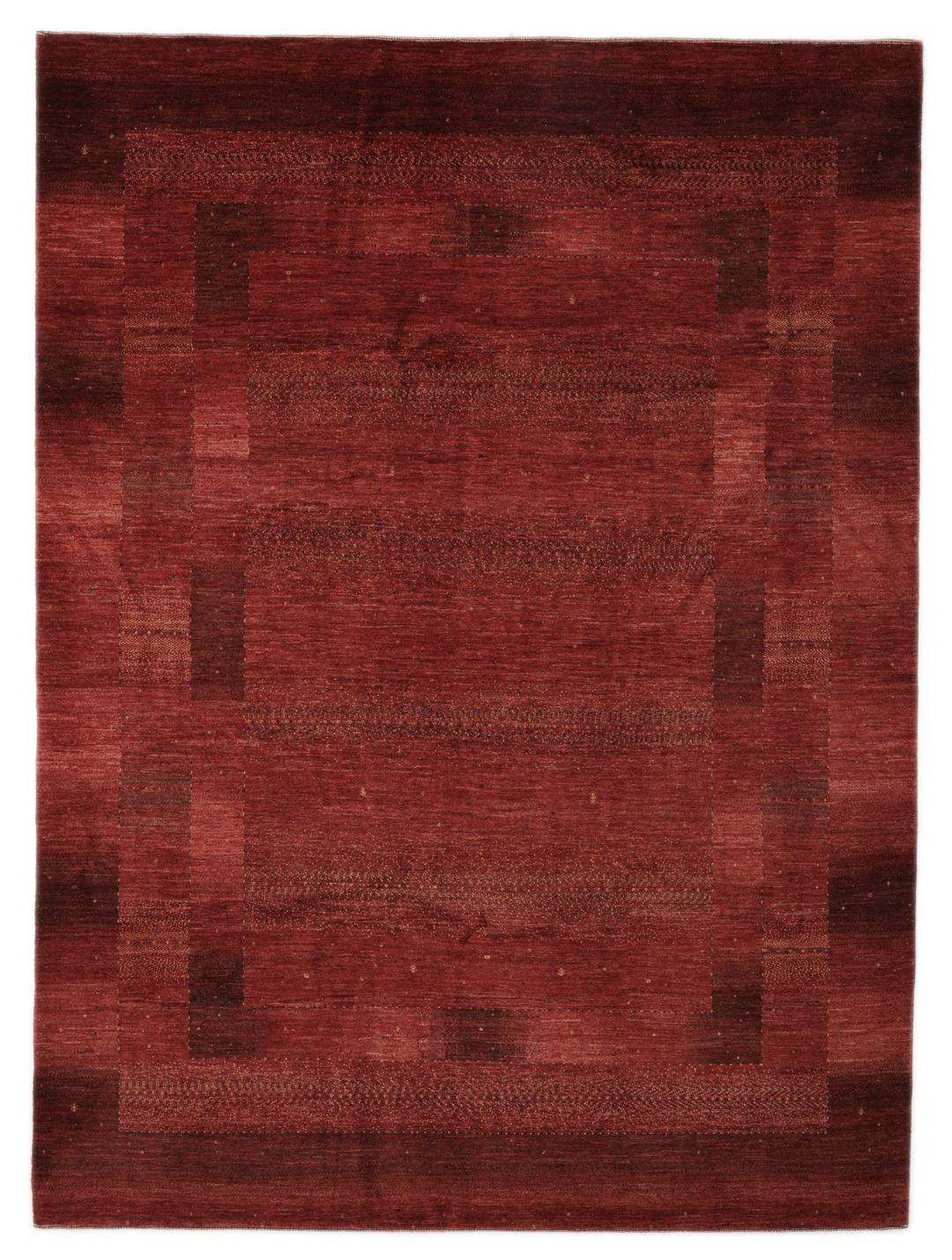
Visually, these rugs are known for their minimalist yet powerful approach to design. While many tribal rugs are defined by intricate, busy motifs, the Loribaft often features vast, open fields of colour, punctuated by subtle geometric borders or simplified tribal symbols. This creates a clean, modern aesthetic that highlights the beauty of the wool rather than complex patterns.
Collectors value these rugs for their authenticity and the deep connection they offer to historical weaving traditions. Owning a Loribaft is not just about floor coverage; it is about bringing a piece of cultural heritage into your home, backed by a history of nomadic skill and a commitment to creating items that are both beautiful and incredibly durable.