The Loribaft and Kashkooli traditions are deeply intertwined with the nomadic heritage of the Middle East. These rugs are famously associated with tribal groups who have passed down complex weaving techniques through generations, creating pieces that serve as both functional floor coverings and expressions of cultural identity.
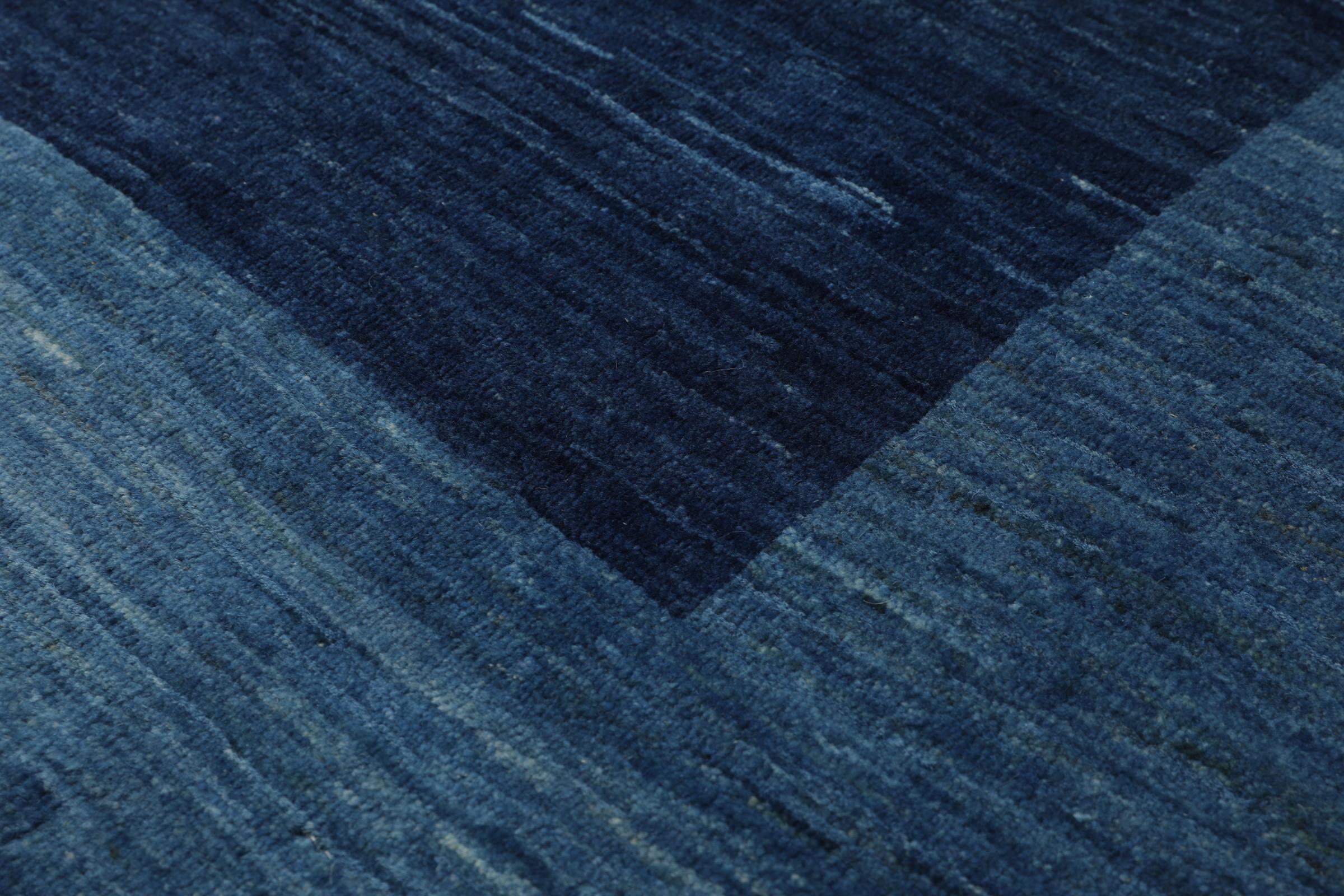
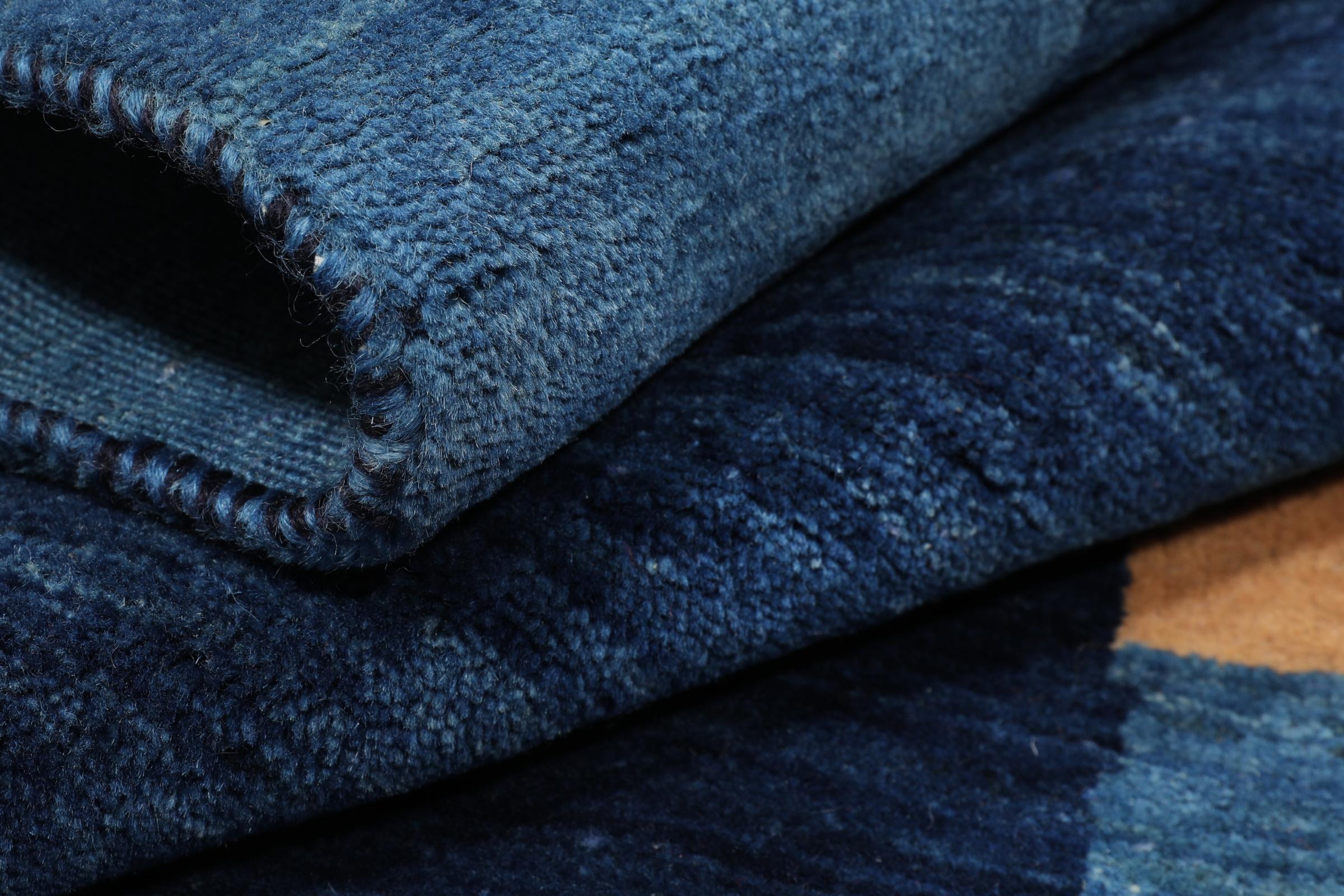
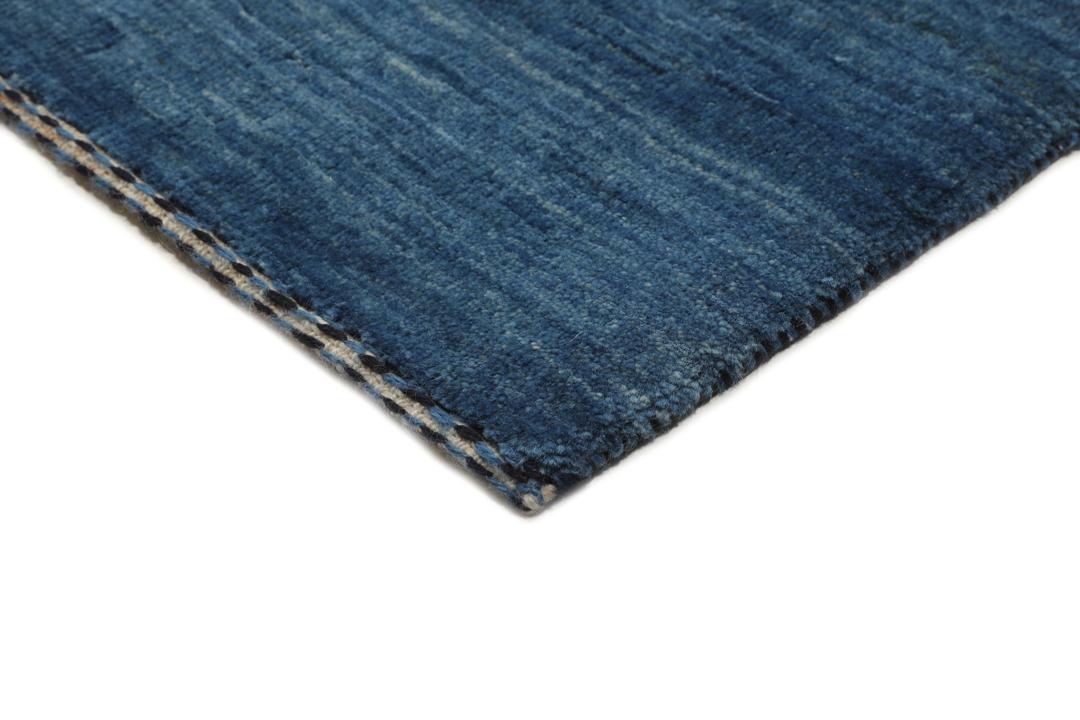
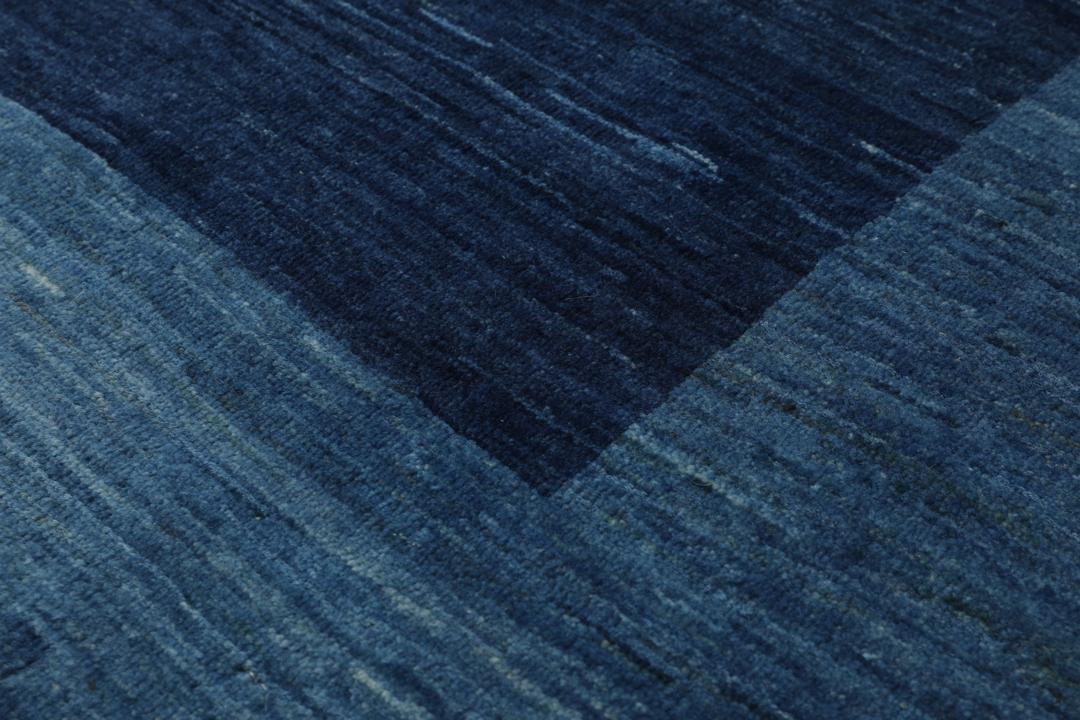
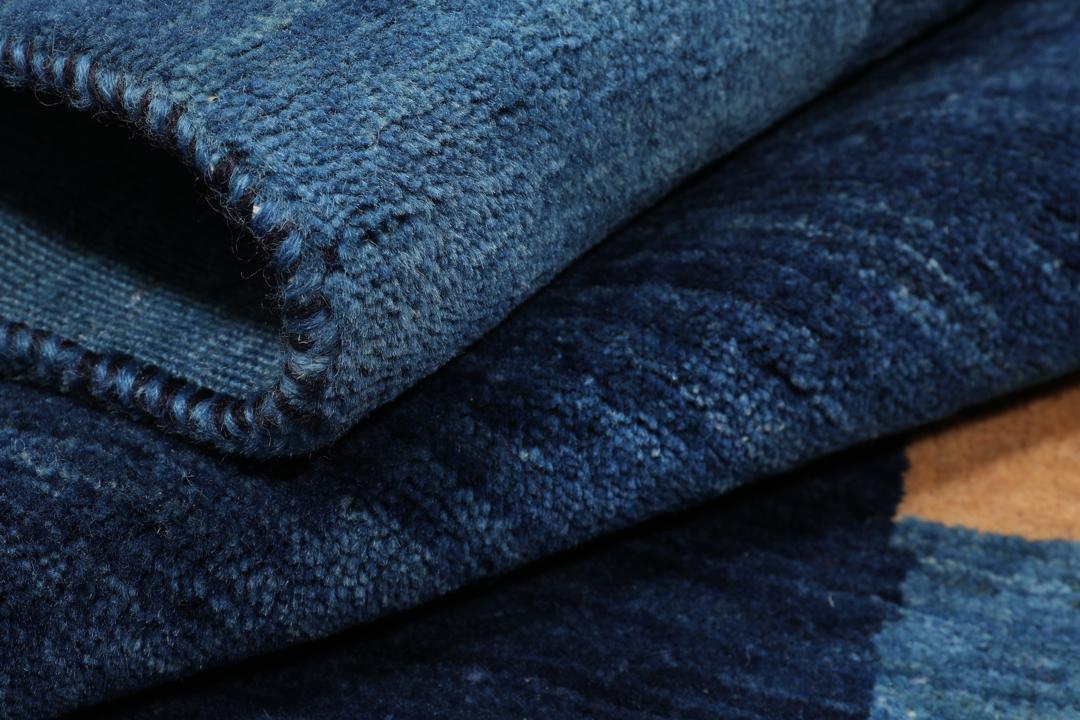
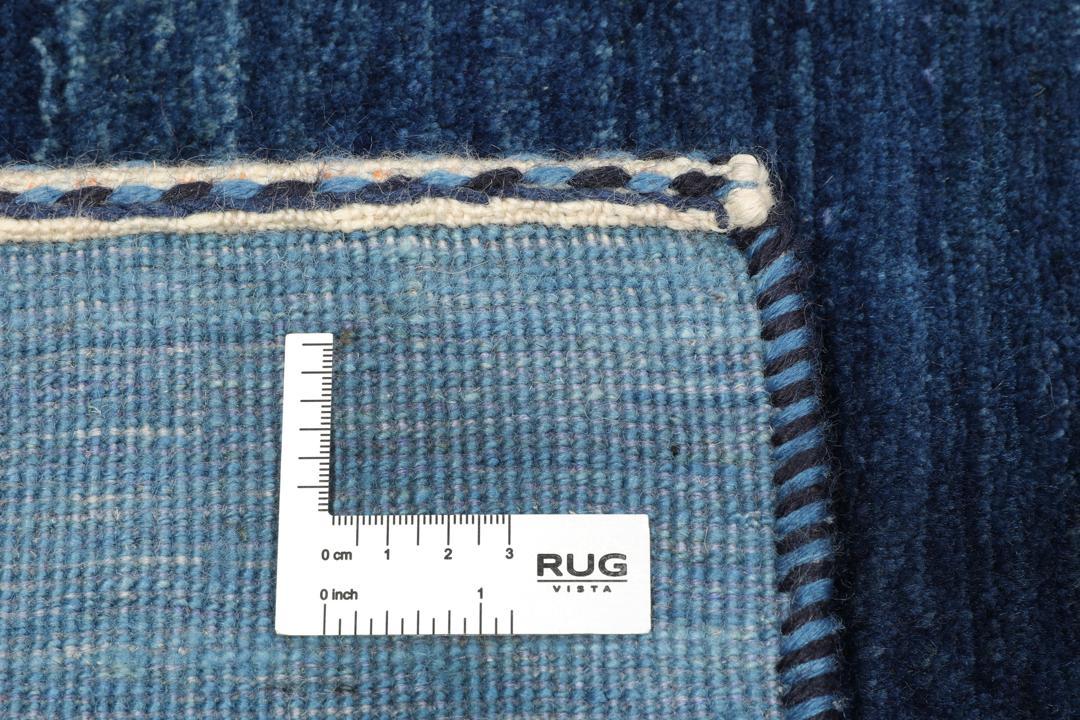
The term 'Loribaft' refers to a specific style of weaving that emphasises a thicker, softer pile compared to more traditional, tightly knotted carpets. This style was historically developed to provide maximum warmth and comfort within the harsh environments of the region, utilising the natural properties of high-quality wool to create a resilient, long-lasting foundation.
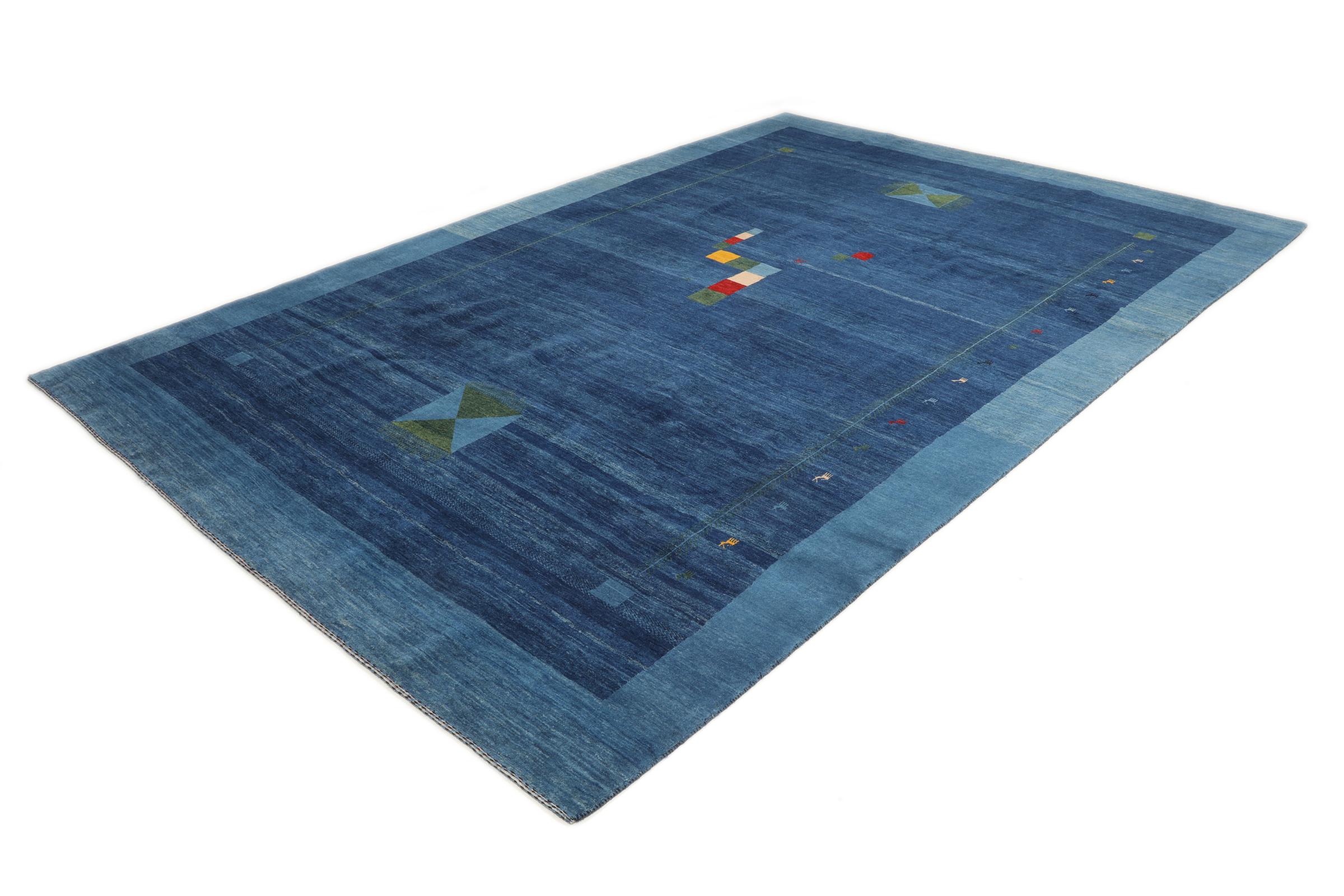
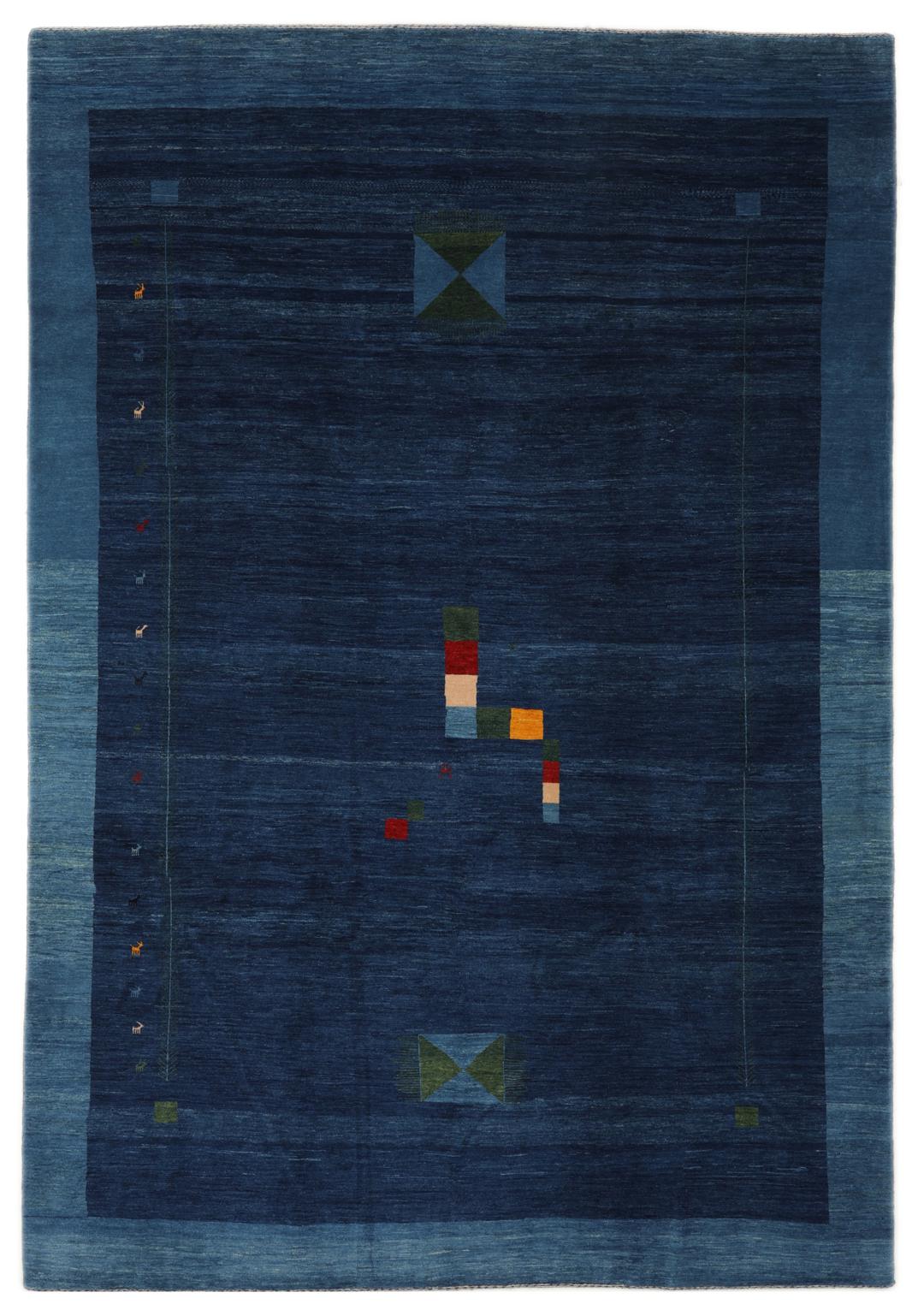
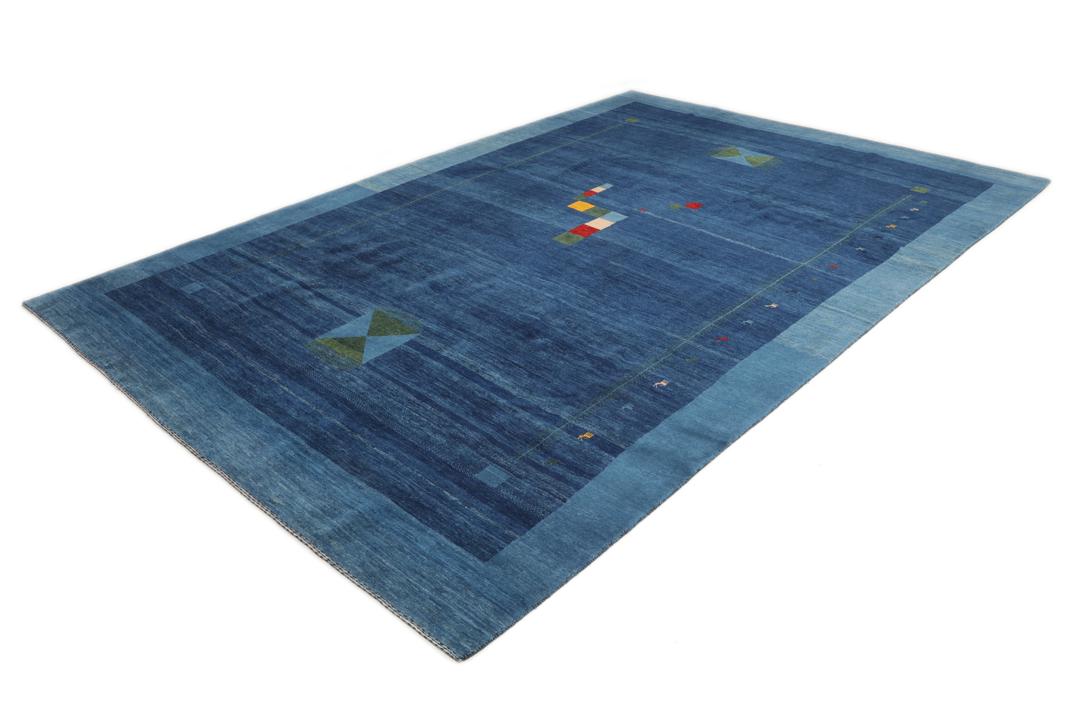
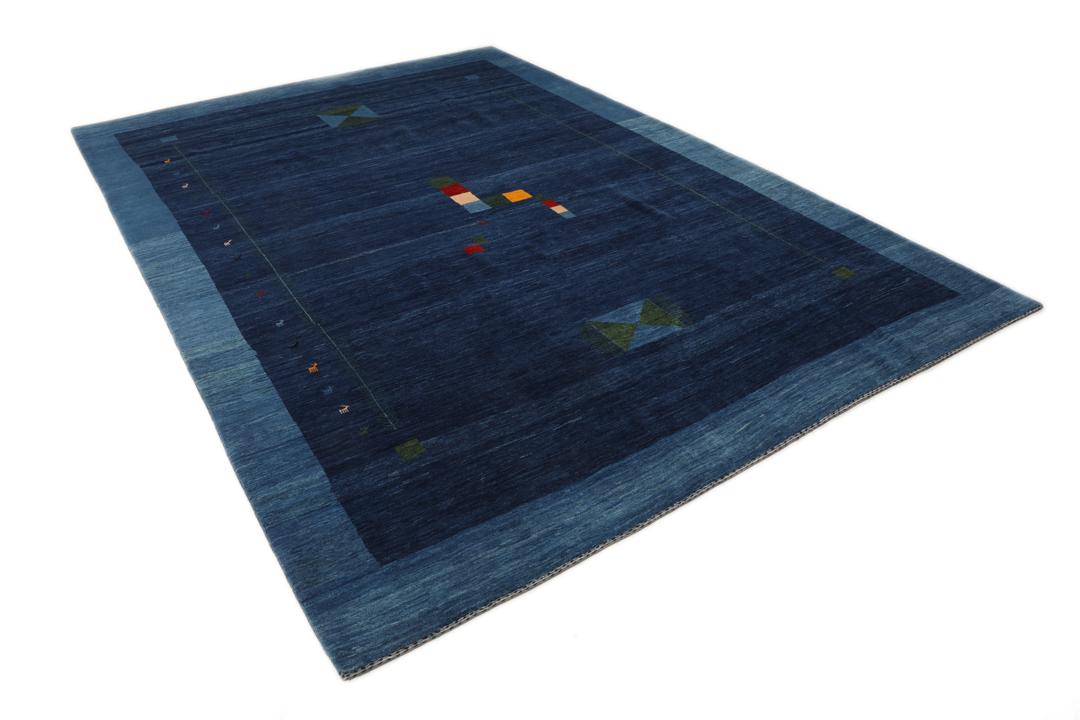
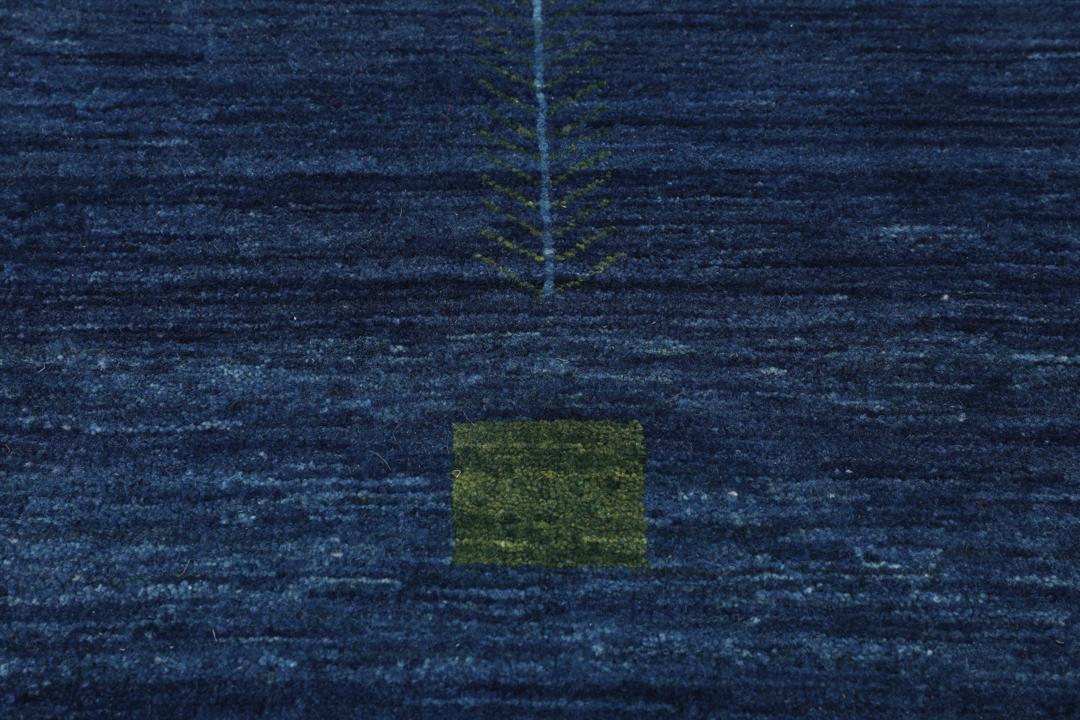
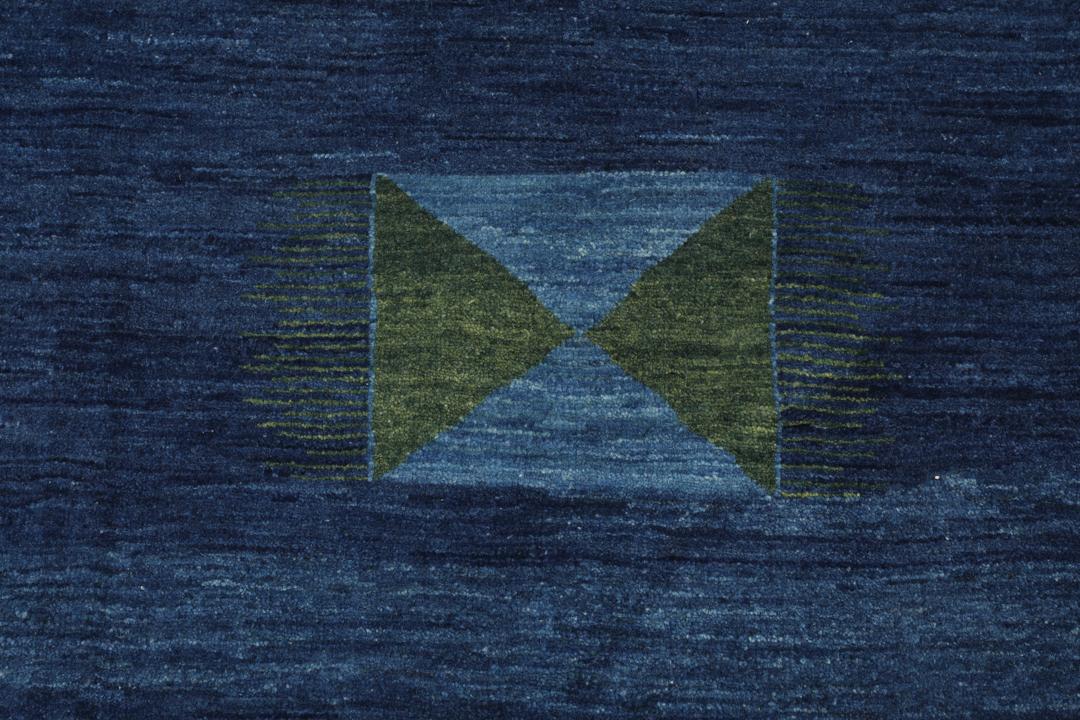
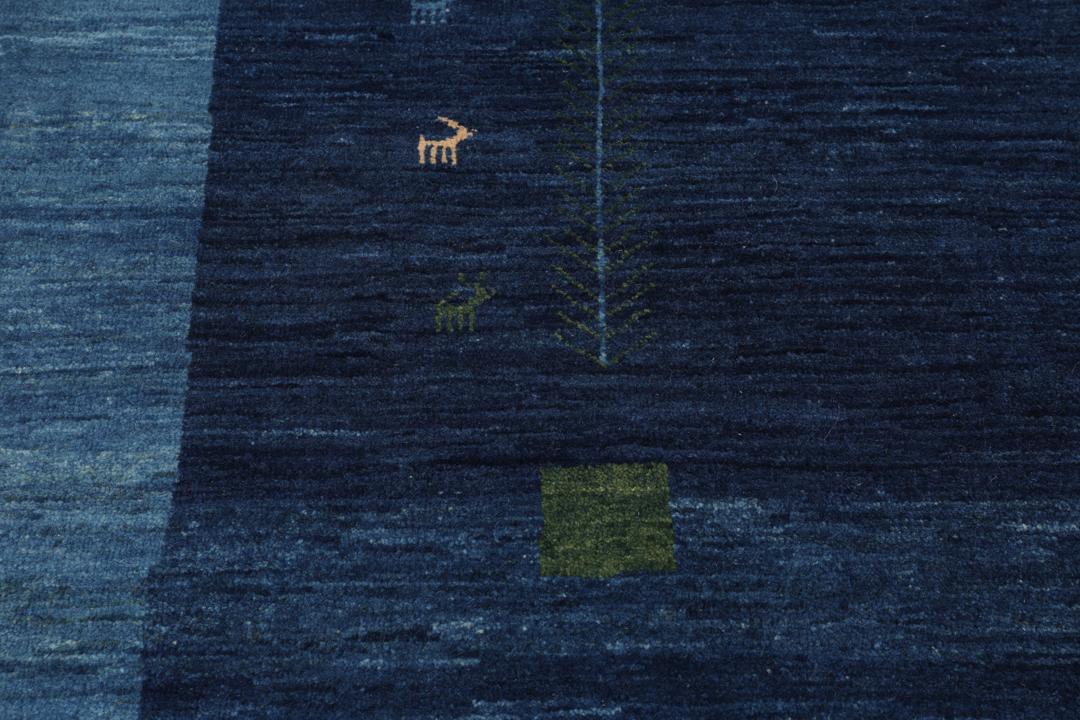
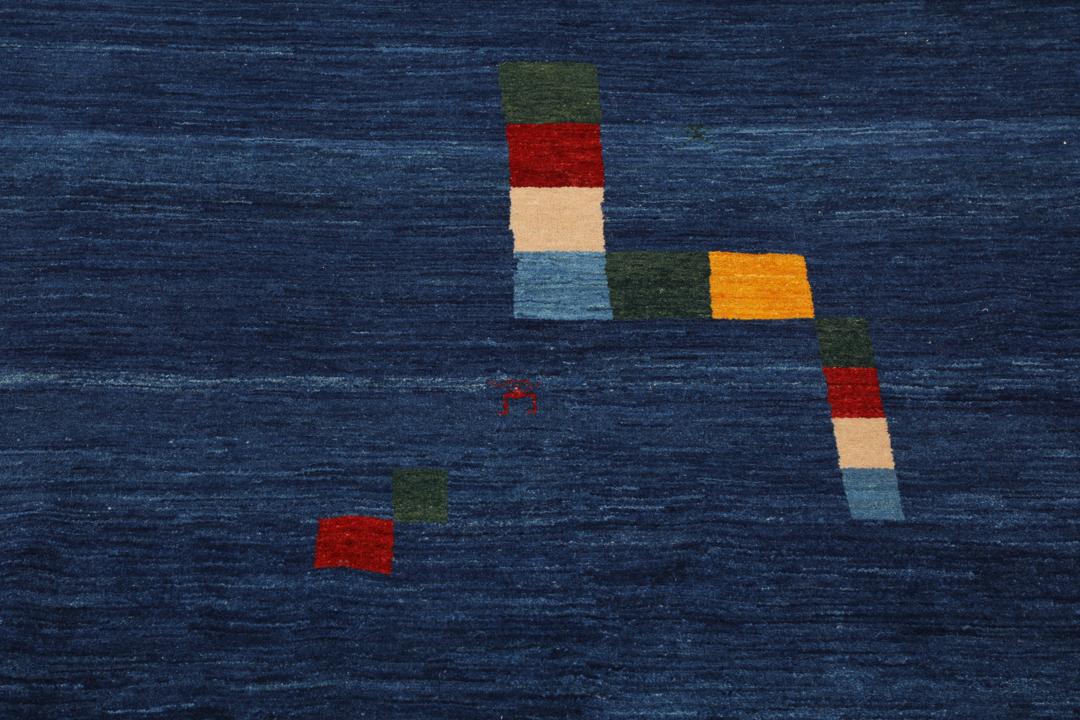
Visually, these rugs are known for their minimalist yet powerful aesthetic. While many Middle Eastern rugs are densely packed with elaborate floral patterns, the Loribaft style often favours open fields of solid, vibrant colour, punctuated by small, meaningful geometric motifs or stylized animals. This particular rug features these signature artistic accents, which stand out beautifully against the deep, resonant blue backdrop.
Owning a piece from this tradition is a connection to a living history of artistry. Collectors value these rugs not only for their visual impact but for the skill required to maintain consistency across such large, plain fields of colour. Each rug represents a unique blend of tribal heritage and individual creativity, making it a cherished addition to any collection.