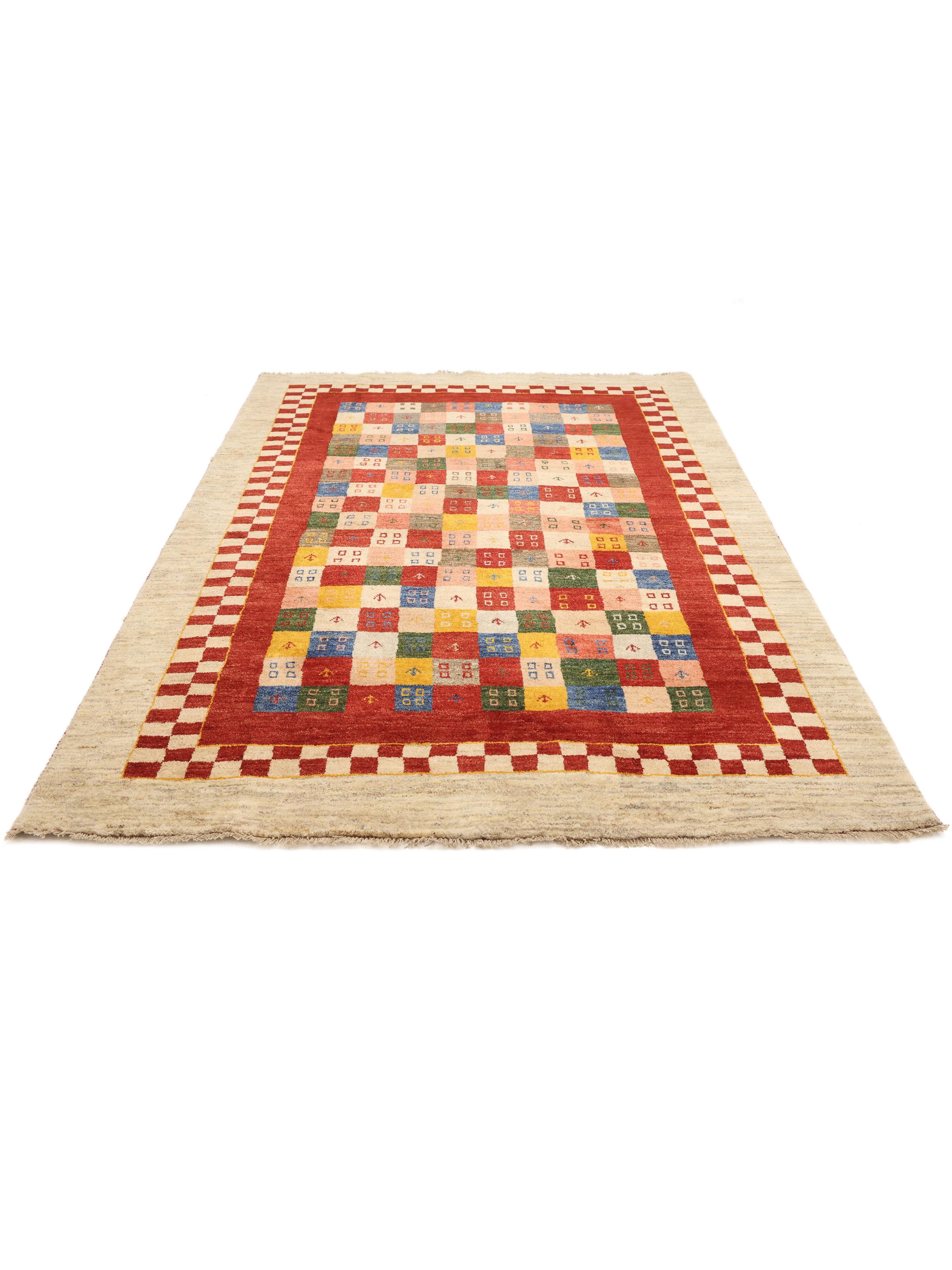
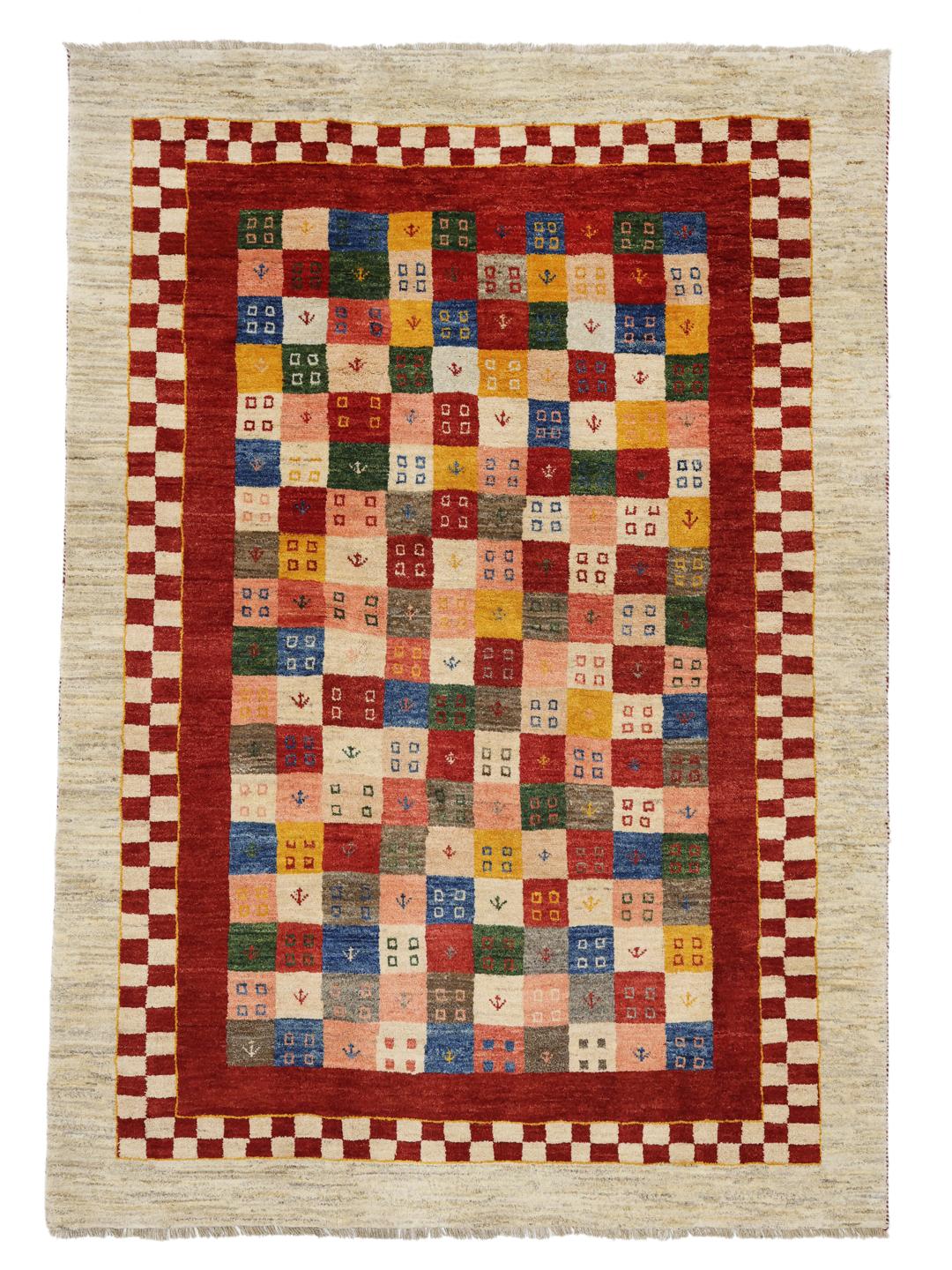
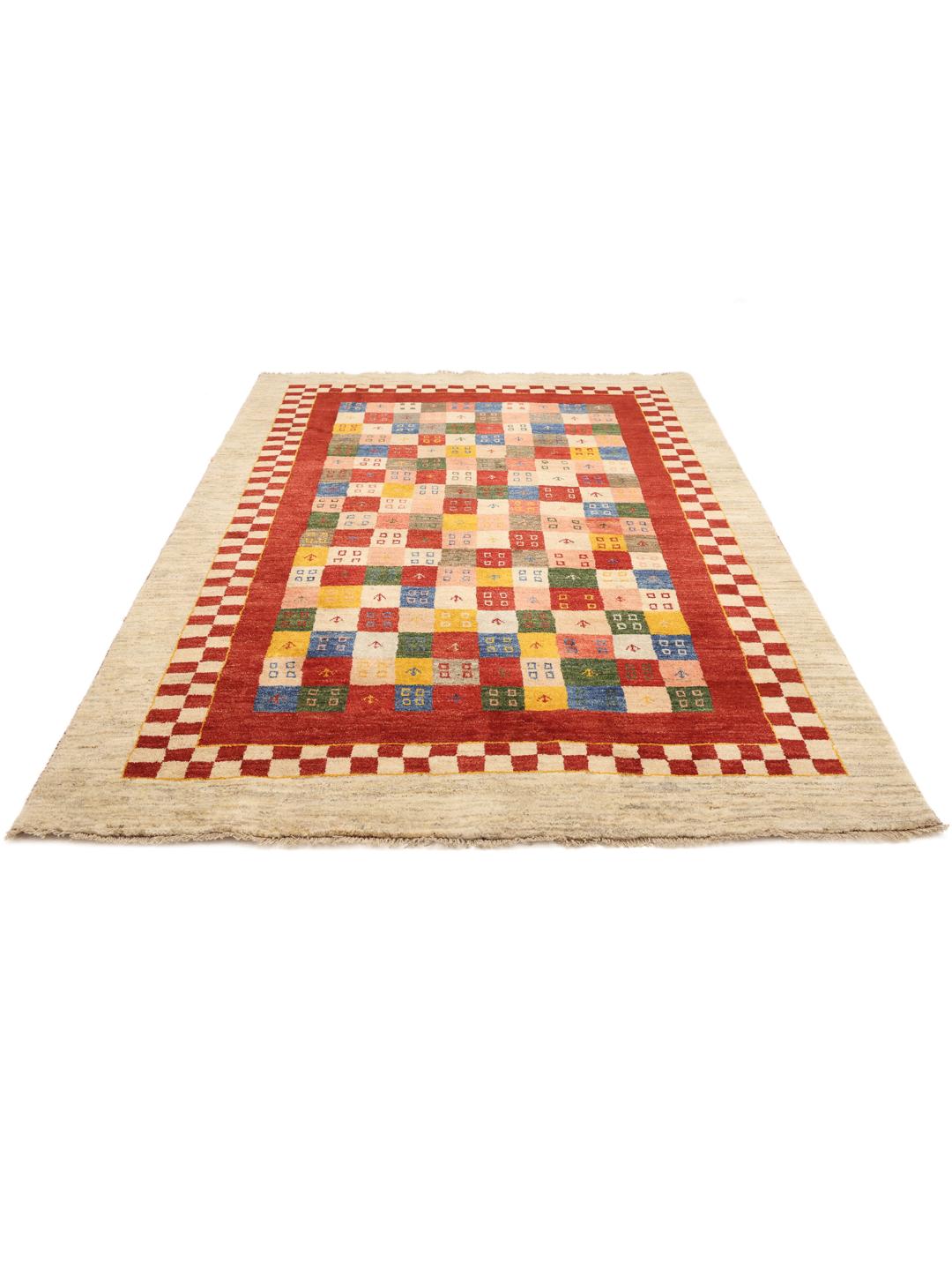
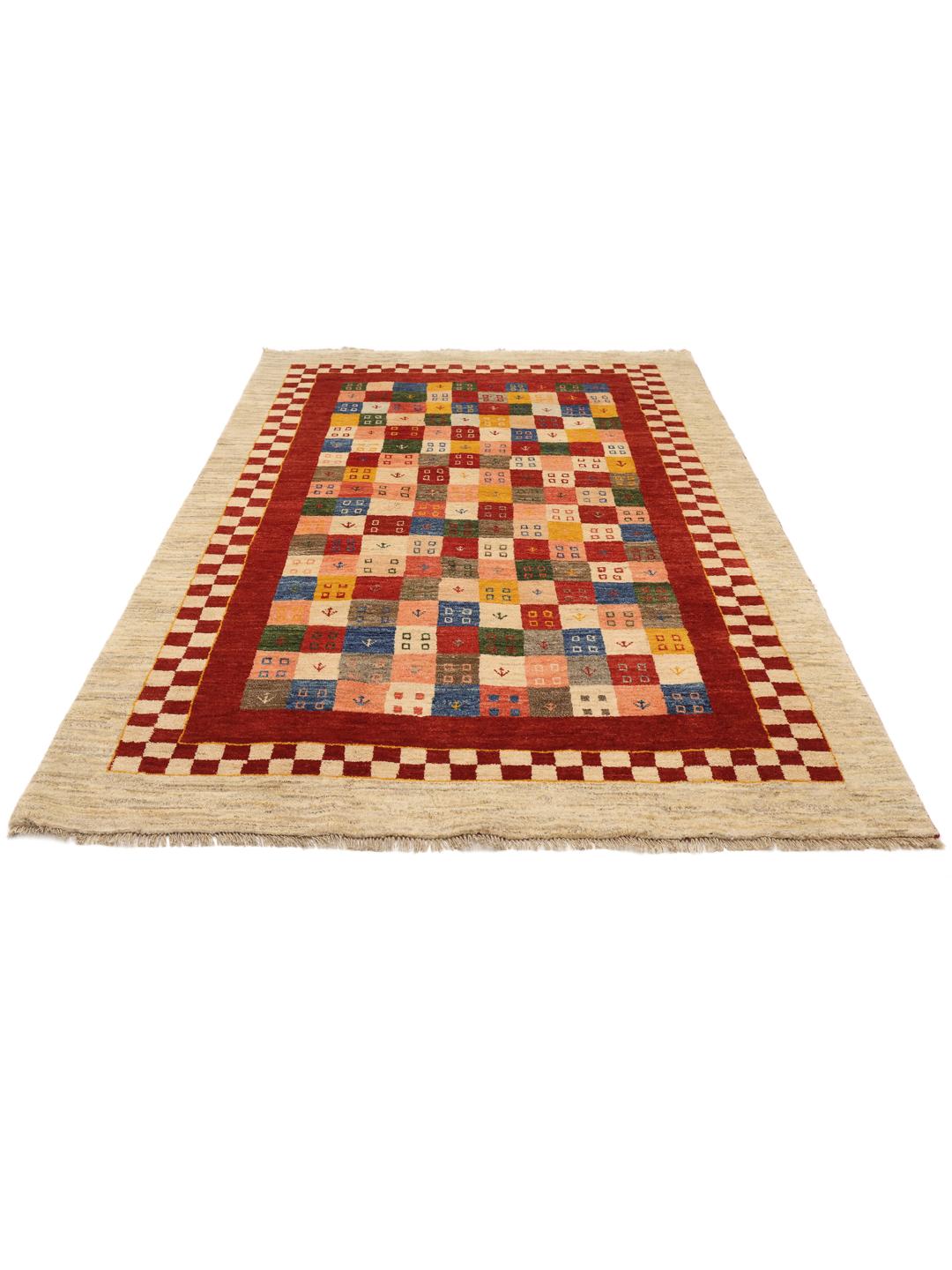
Loribaft rugs originate from the tribal weaving traditions of the Middle East, specifically associated with the nomadic groups of the Zagros Mountains. These rugs are celebrated for their thick, luxurious pile and their bold, often playful approach to traditional design, which distinguishes them from more formal, city-woven styles.
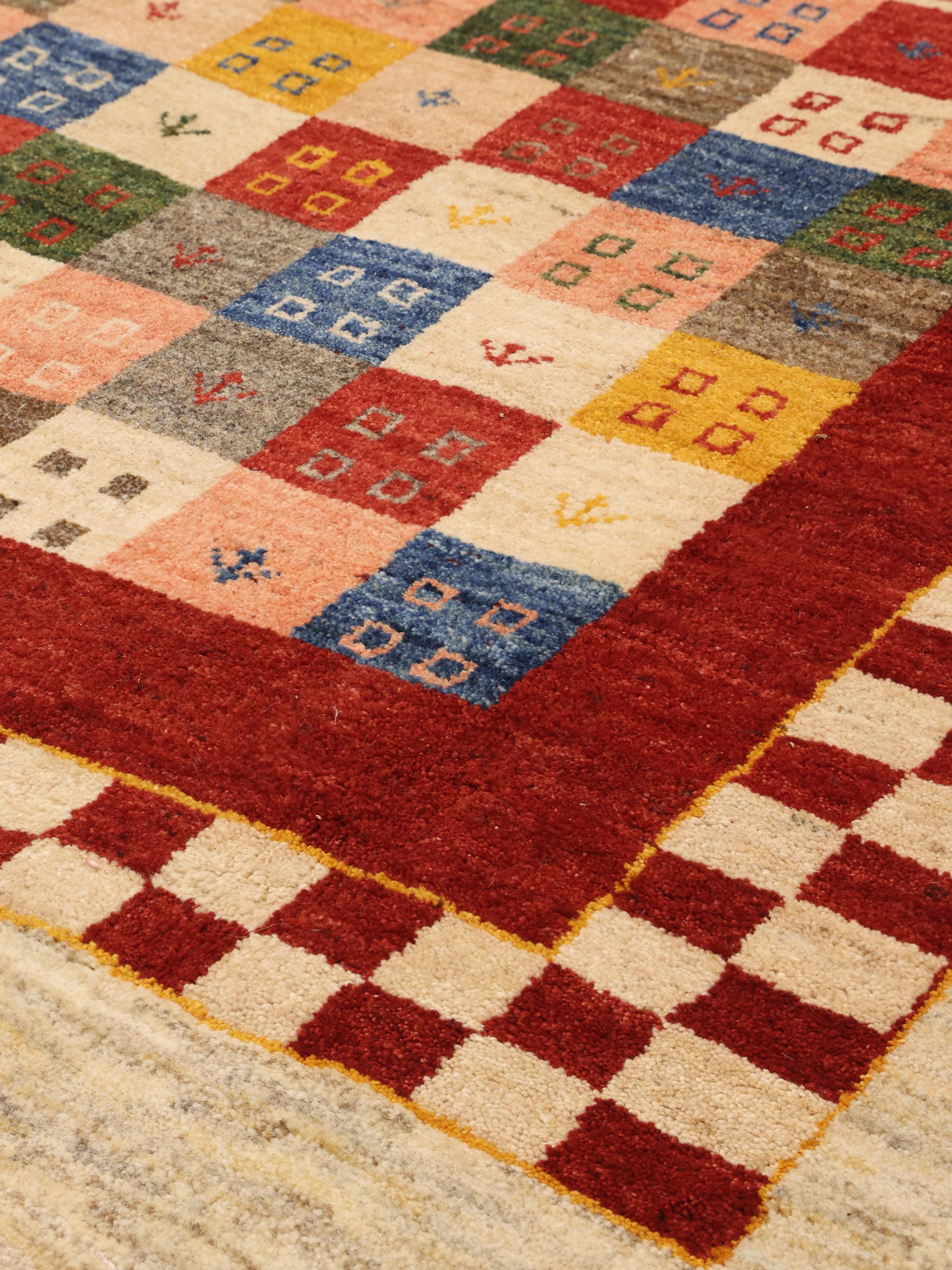
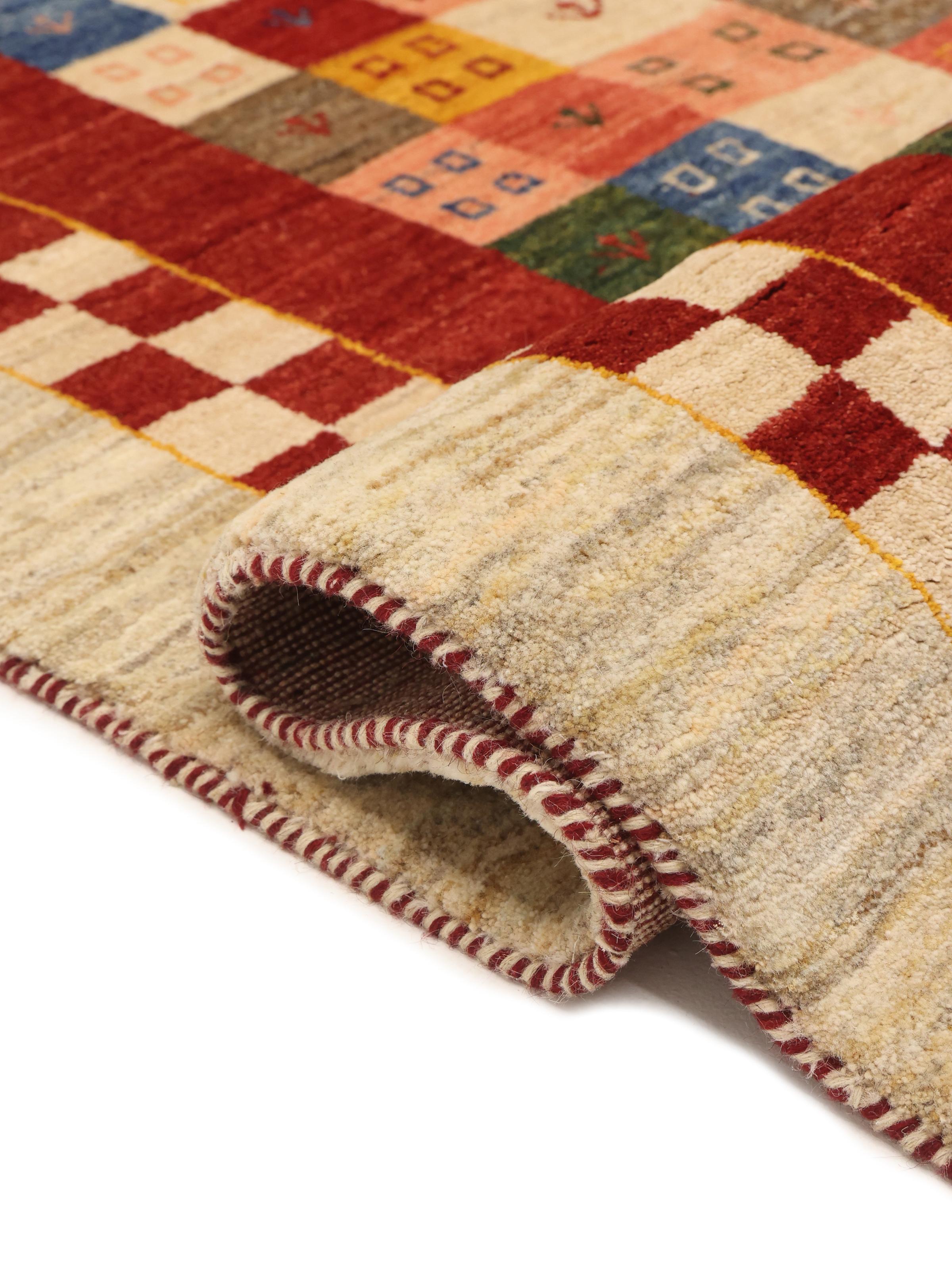
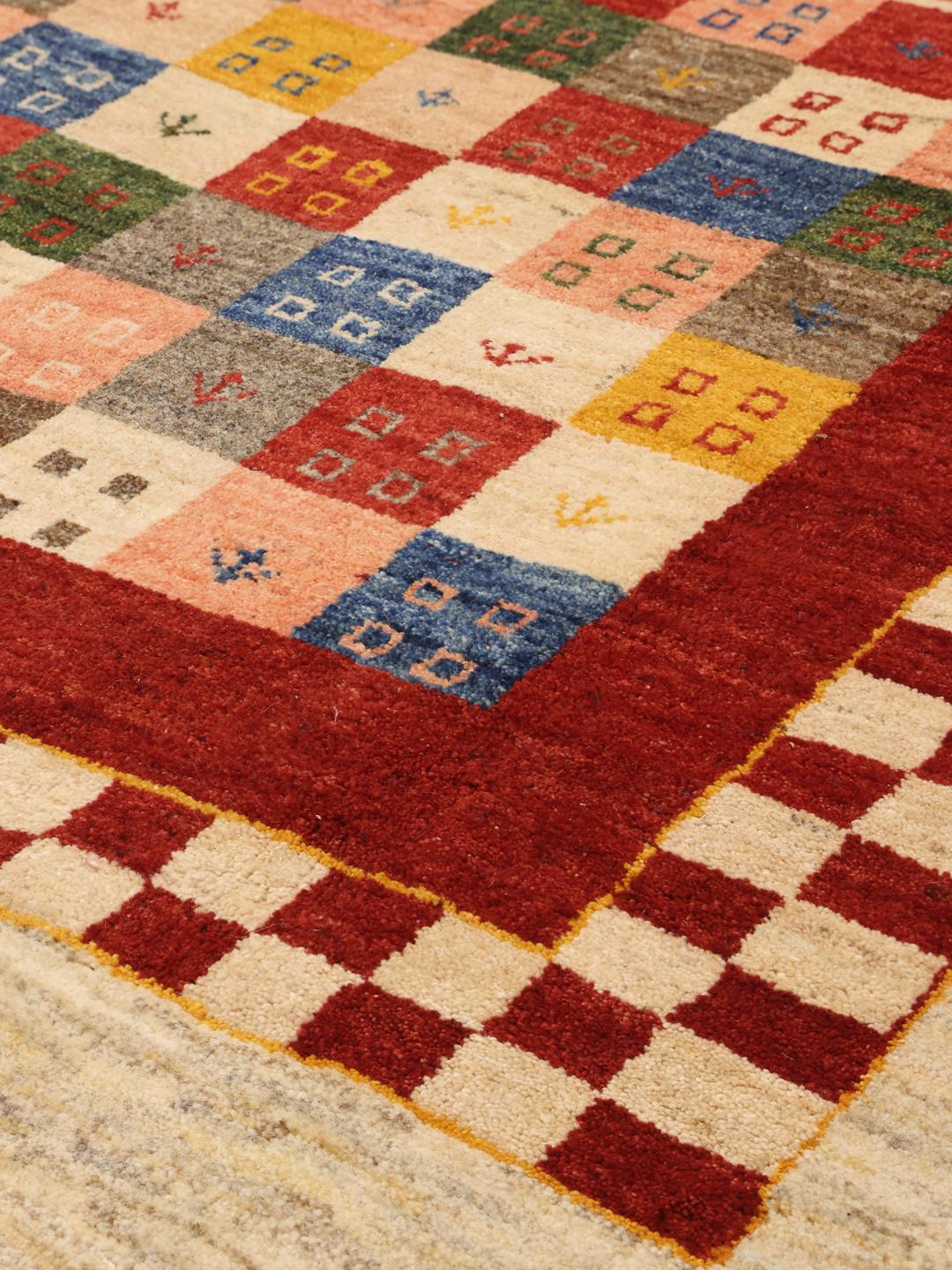
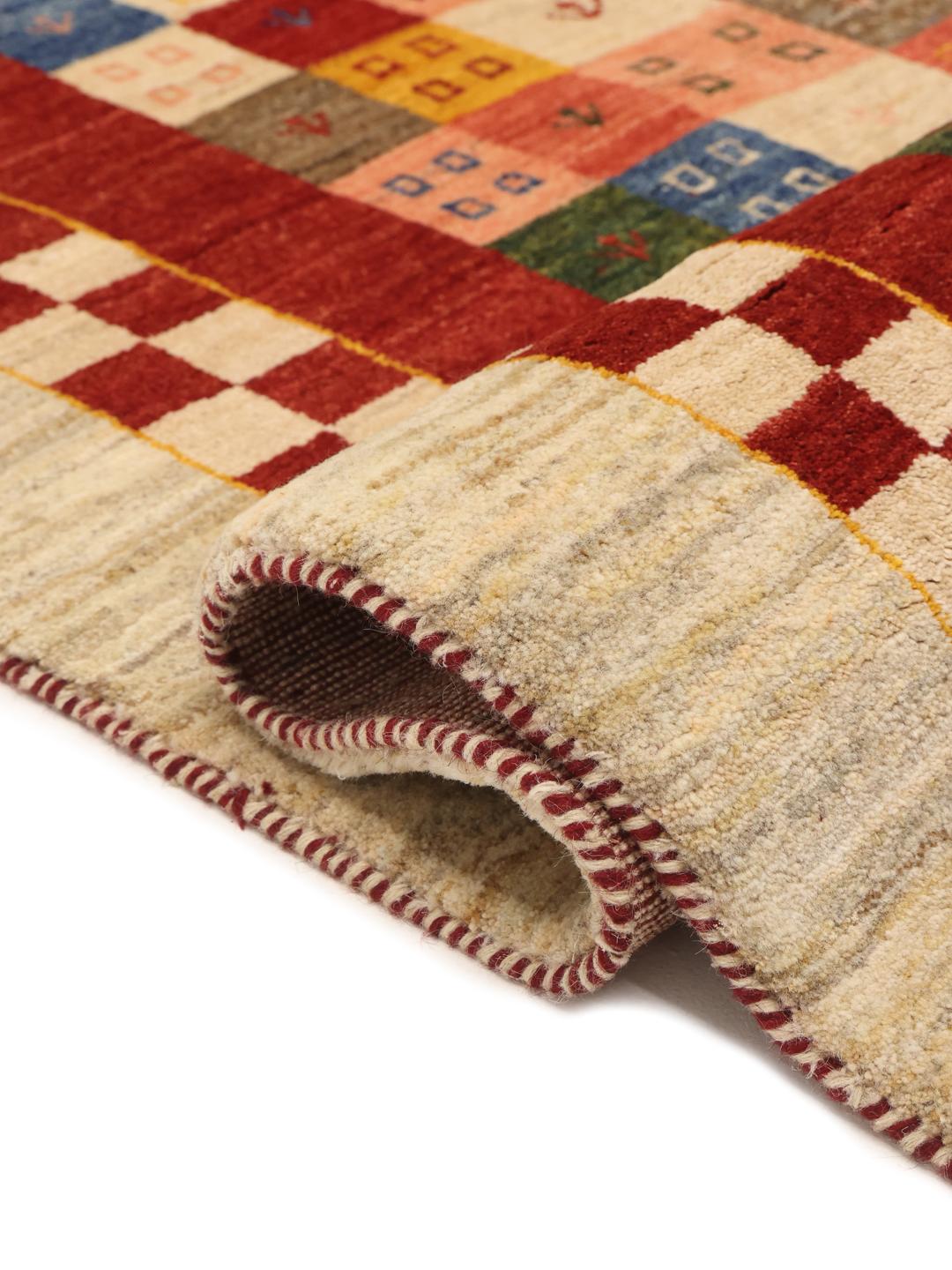
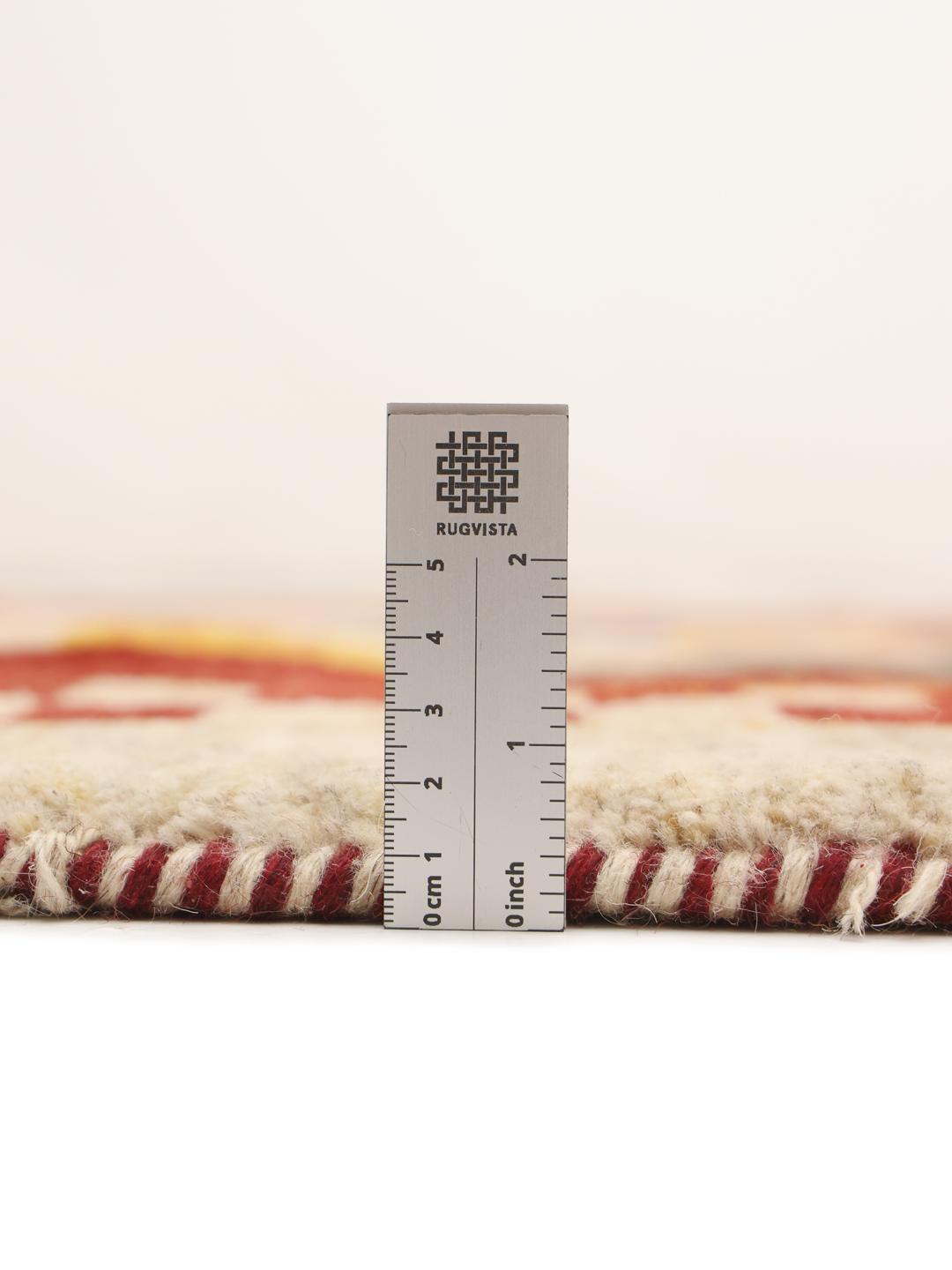
The term 'Loribaft' refers to a specific style of weaving that emphasizes a dense, soft pile, often achieved through the use of hand-spun wool. This construction method is vital for the rug's longevity, as the tightly packed knots create a structure that is both flexible and incredibly resistant to wear, allowing the rug to retain its vibrancy over decades of use.
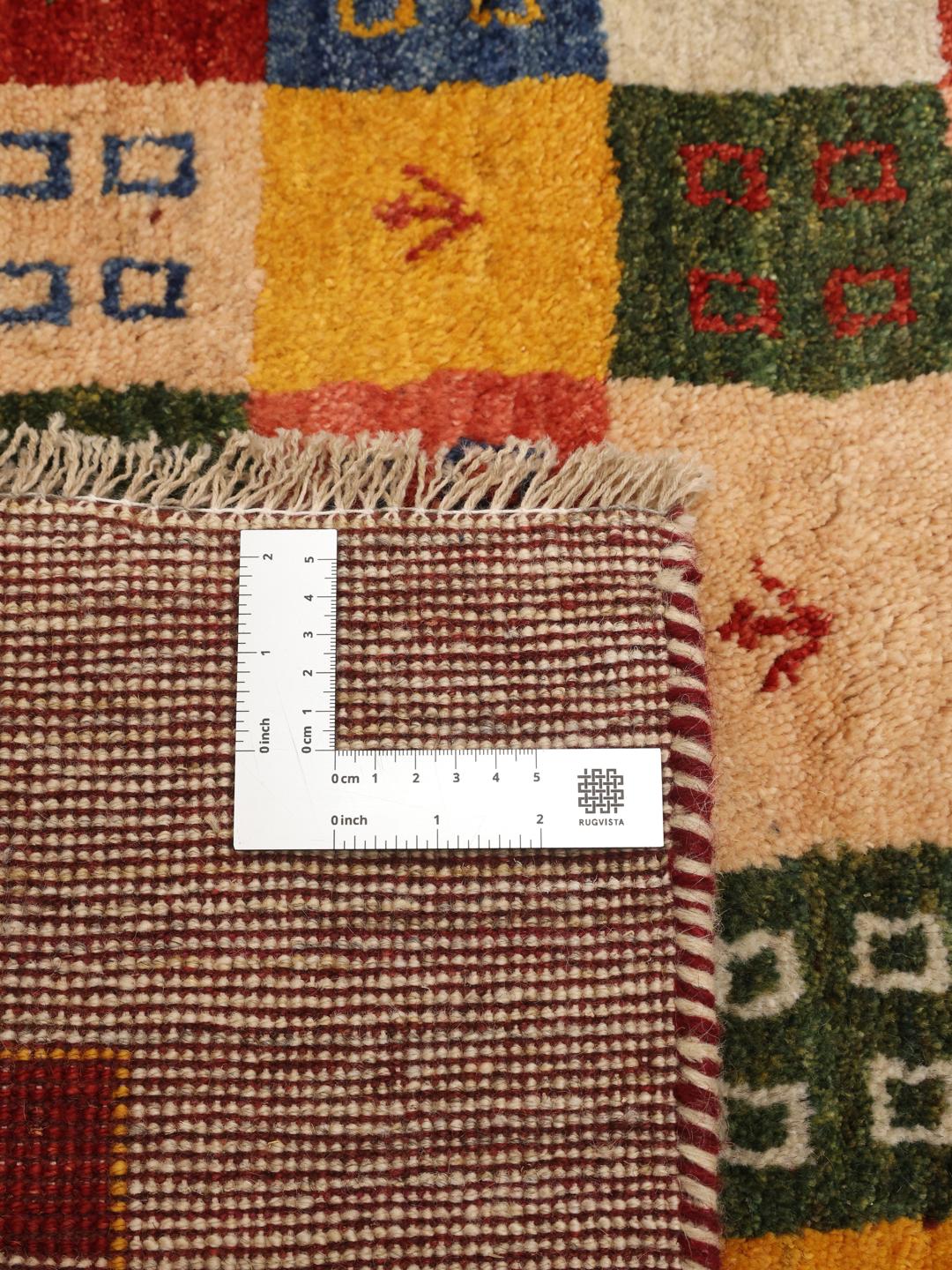
Visually, these rugs are known for their expressive use of colour and geometric motifs. While they draw upon ancestral patterns, the weavers often incorporate modern or abstract interpretations of traditional symbols, resulting in a composition that feels both rooted in history and freshly creative. The presence of a checkerboard border is a signature of this tradition, framing the field with a sense of rhythm and balance.
Collecting a Loribaft rug is an investment in cultural heritage. Each piece represents the individual expression of the artisan, capturing a moment in time through the choice of dye and pattern. Because they are rooted in a nomadic lifestyle, these rugs possess a raw, authentic quality that brings a sense of grounded, human history into any contemporary home.