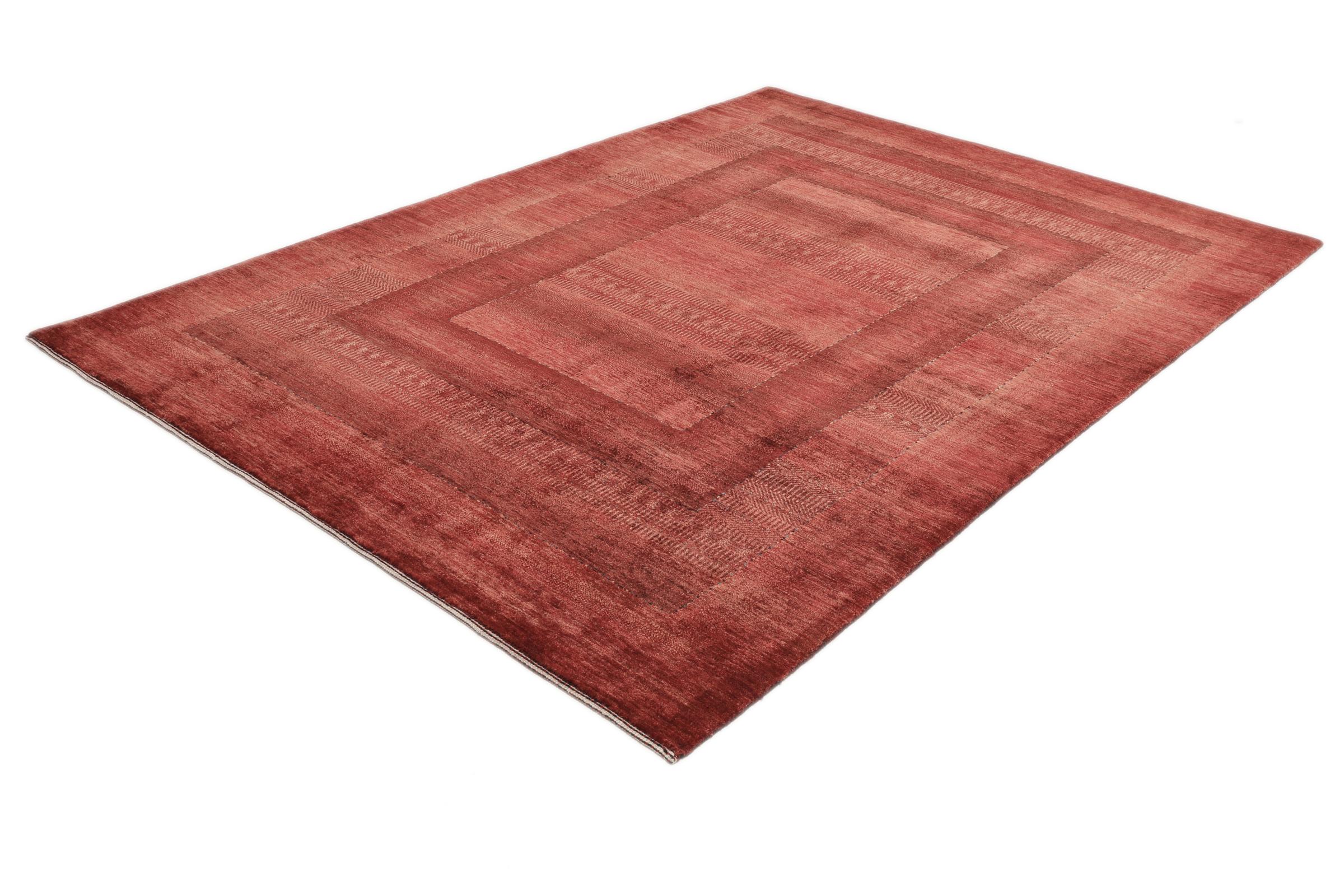
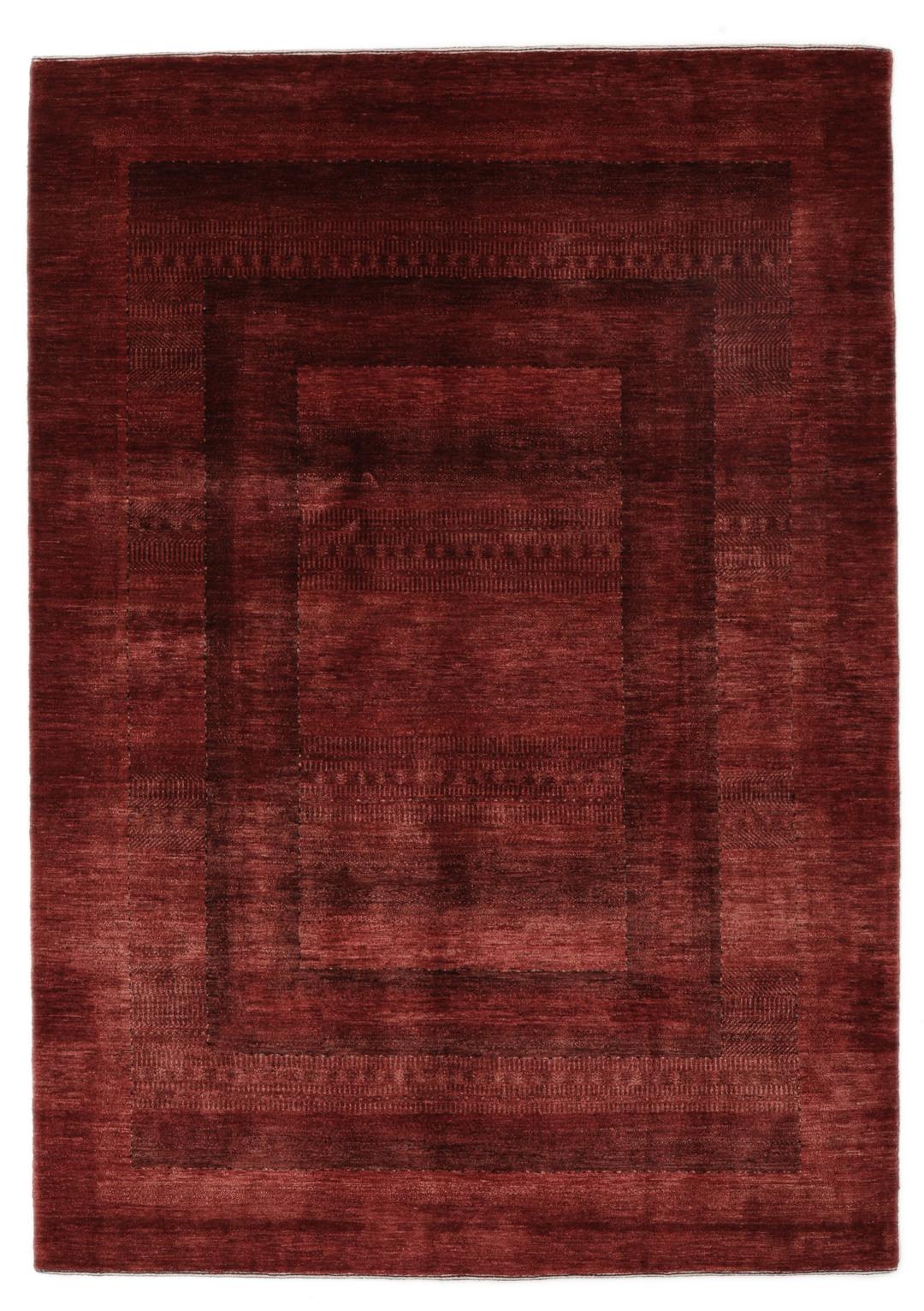
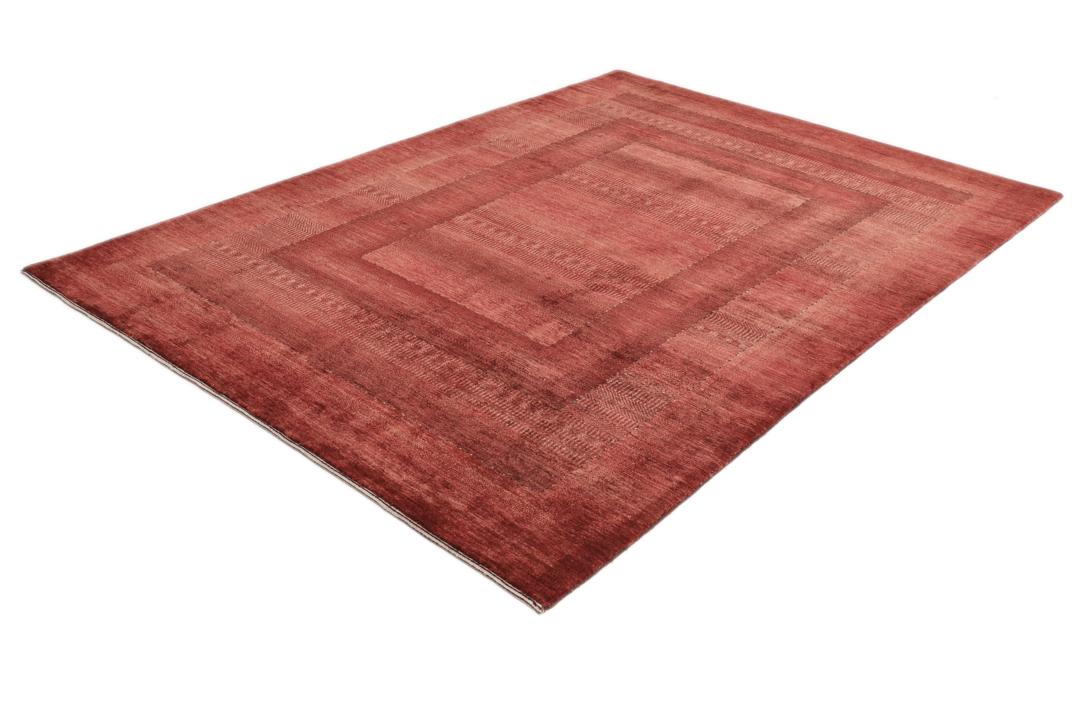
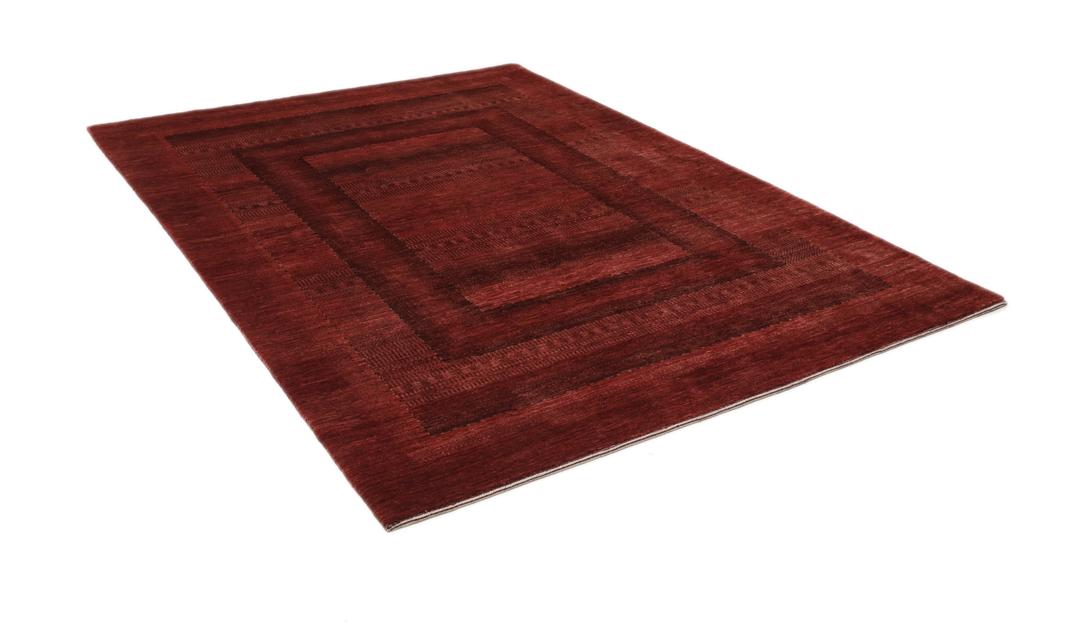
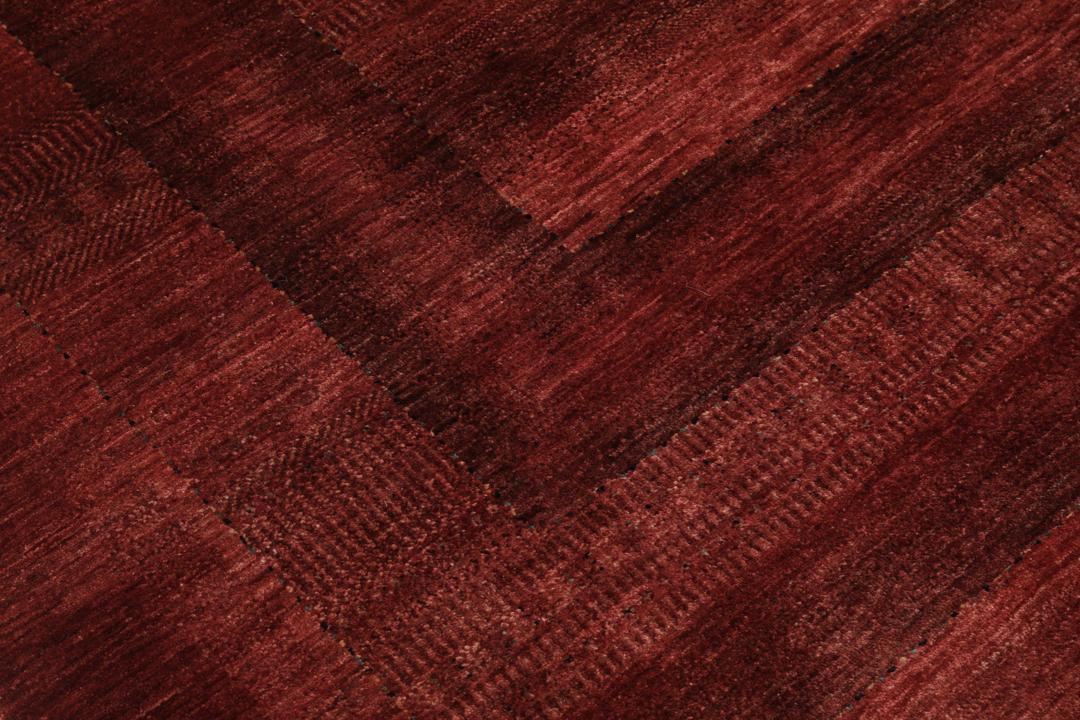
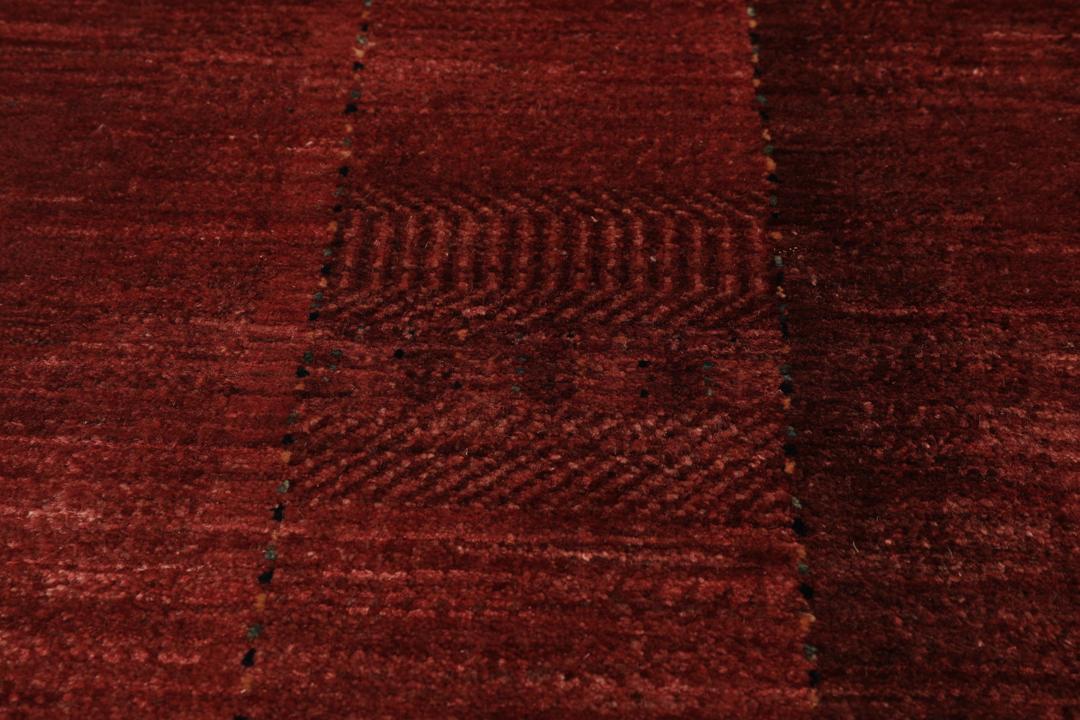
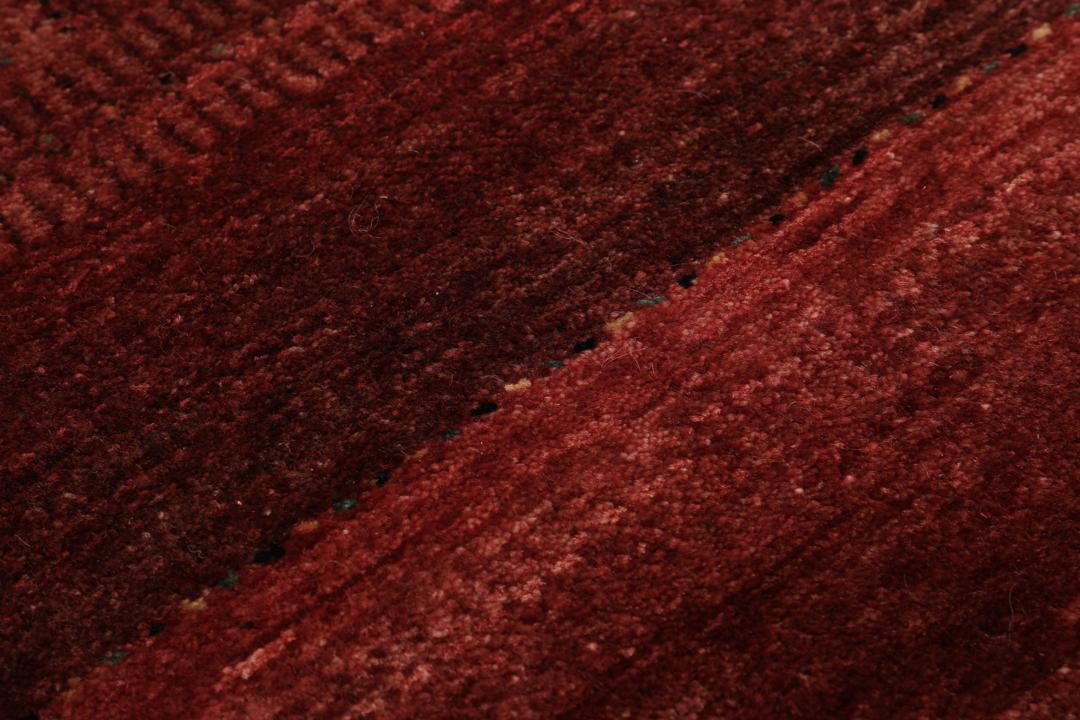
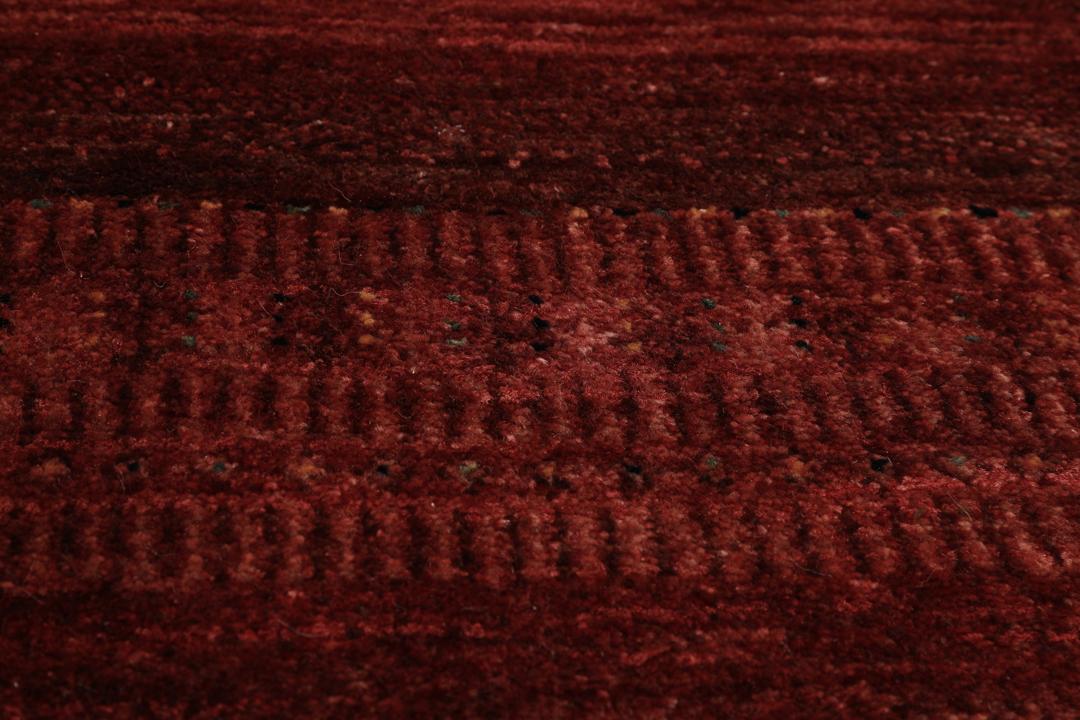
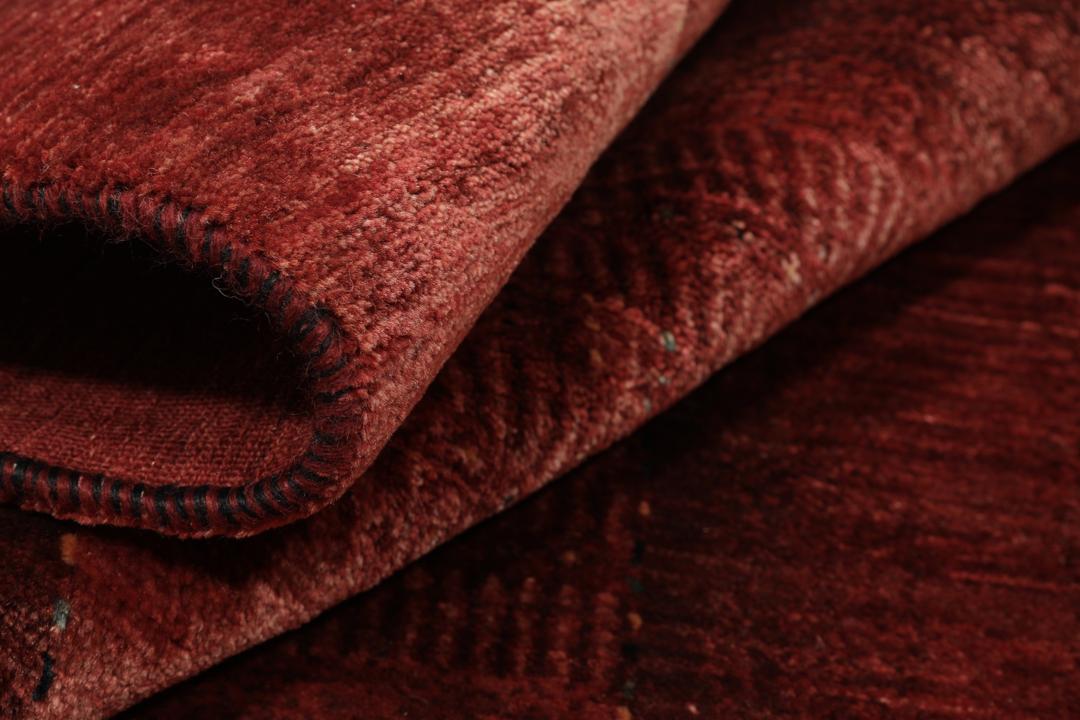
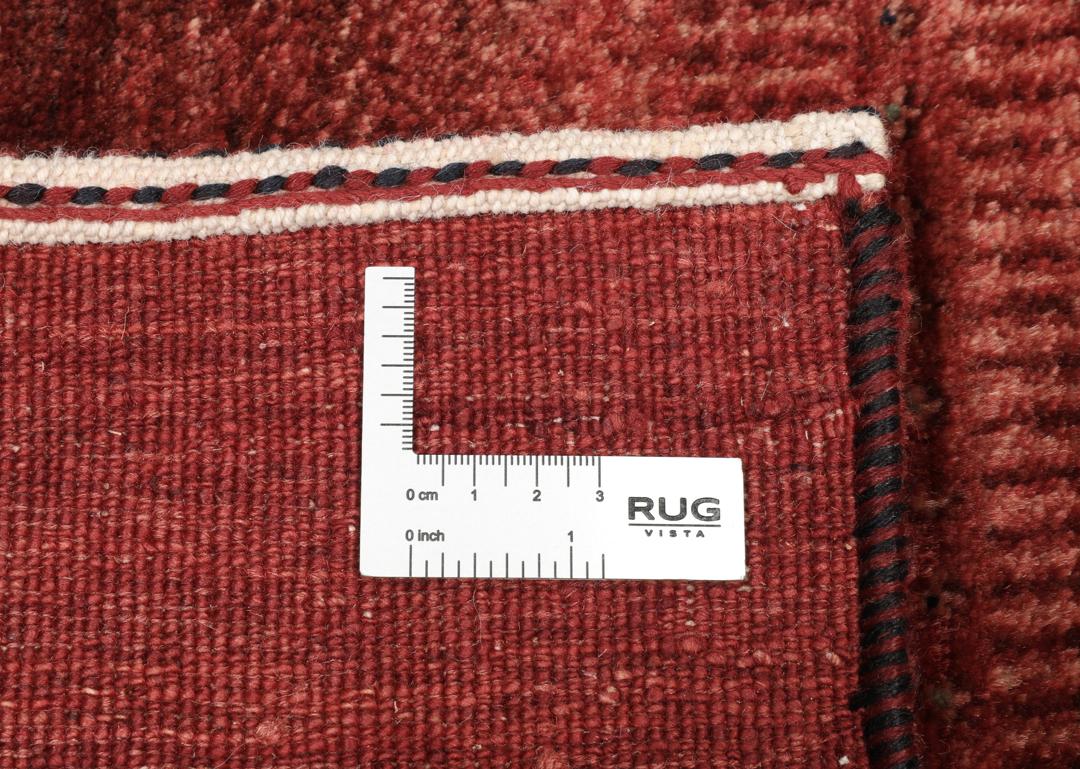
The Loribaft and Kashkooli traditions are deeply rooted in the nomadic heritage of the Middle East. These rugs are traditionally associated with the tribes of the region, who developed a distinct style characterised by a thicker, softer pile compared to the more formal, tightly woven rugs of urban workshops.
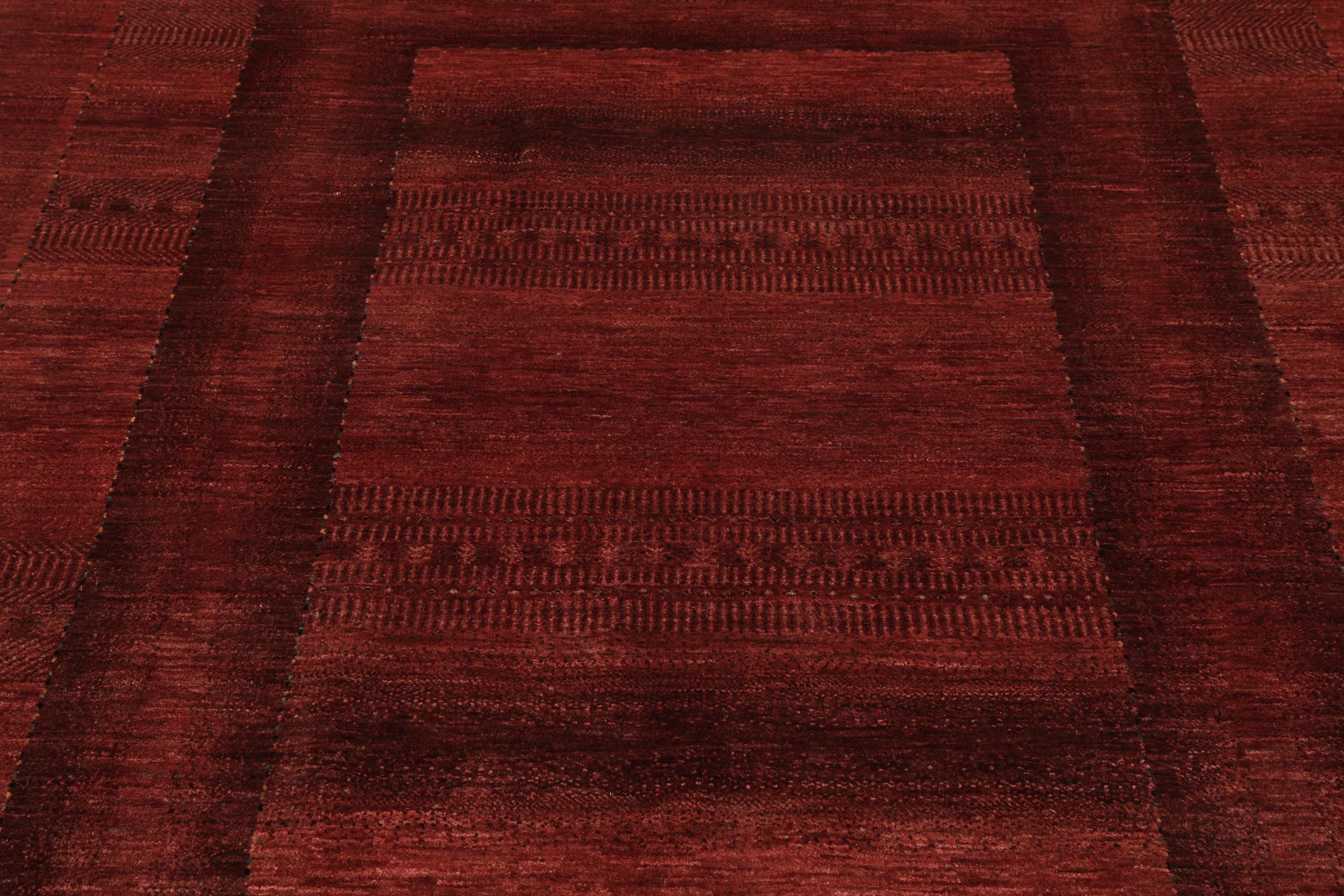
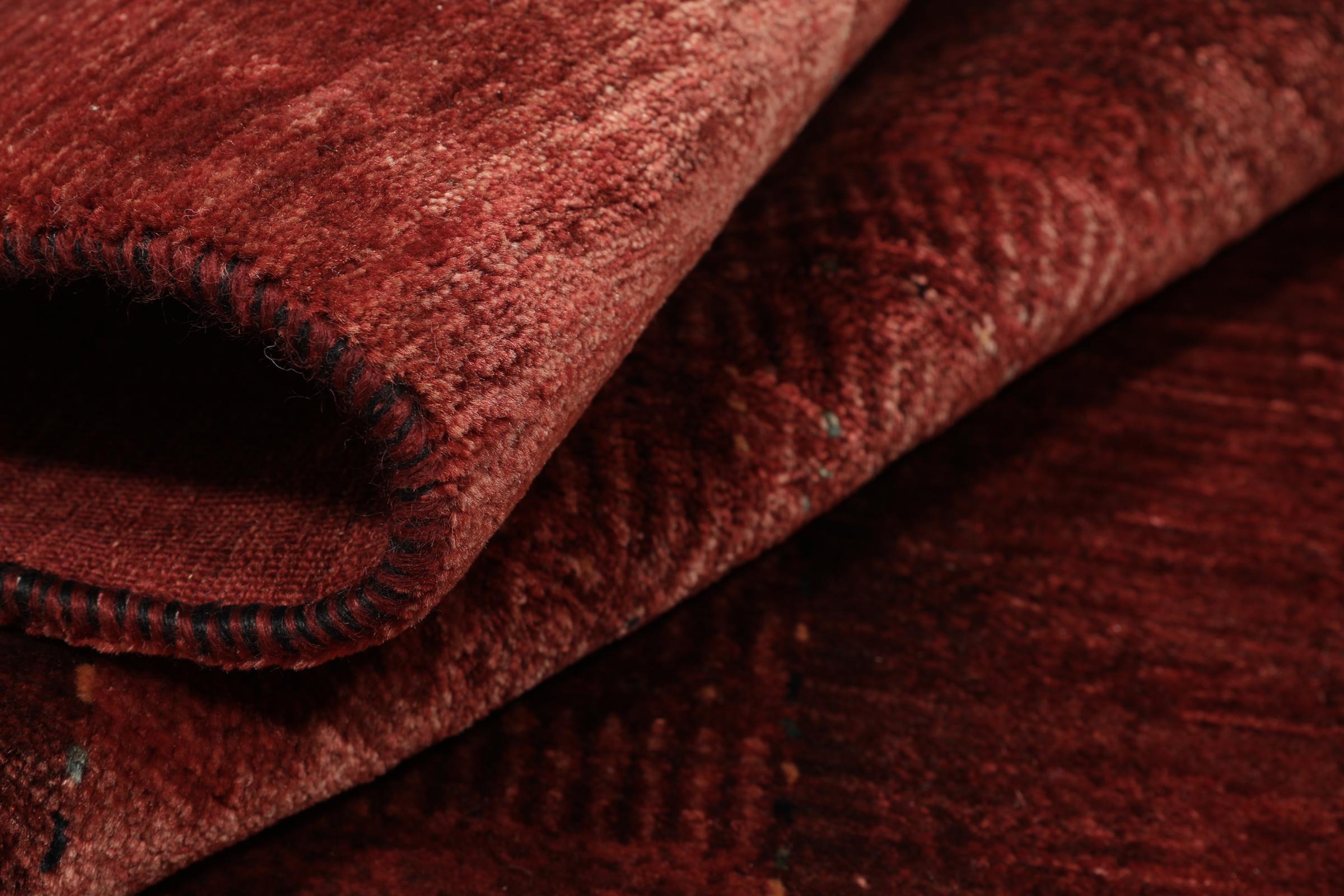
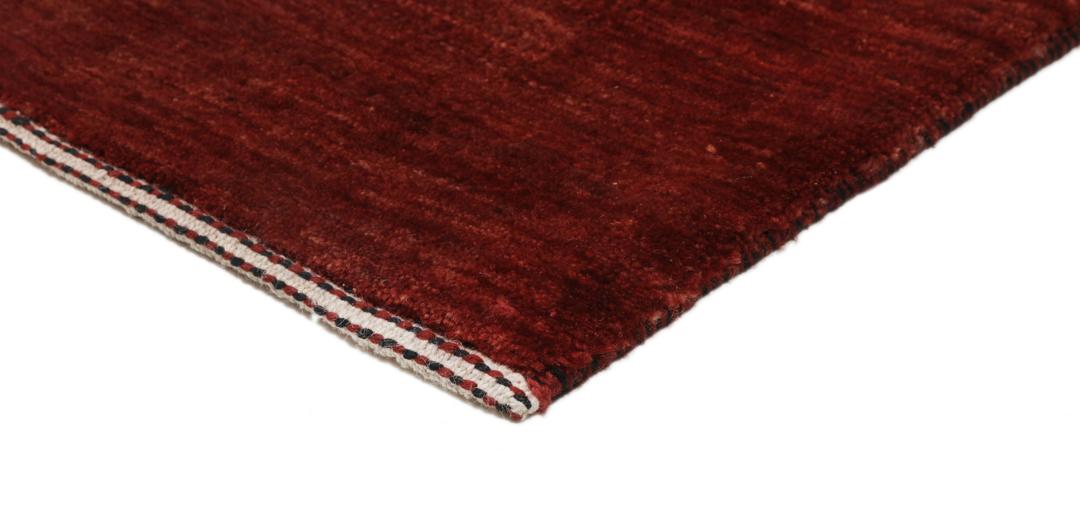
The term Loribaft refers to a style that prioritises a more relaxed, artistic approach to weaving. It allows the artisan to express creativity through variations in the wool and the way the pile is cut, resulting in a surface that catches light beautifully and feels exceptionally soft and dense to the touch.
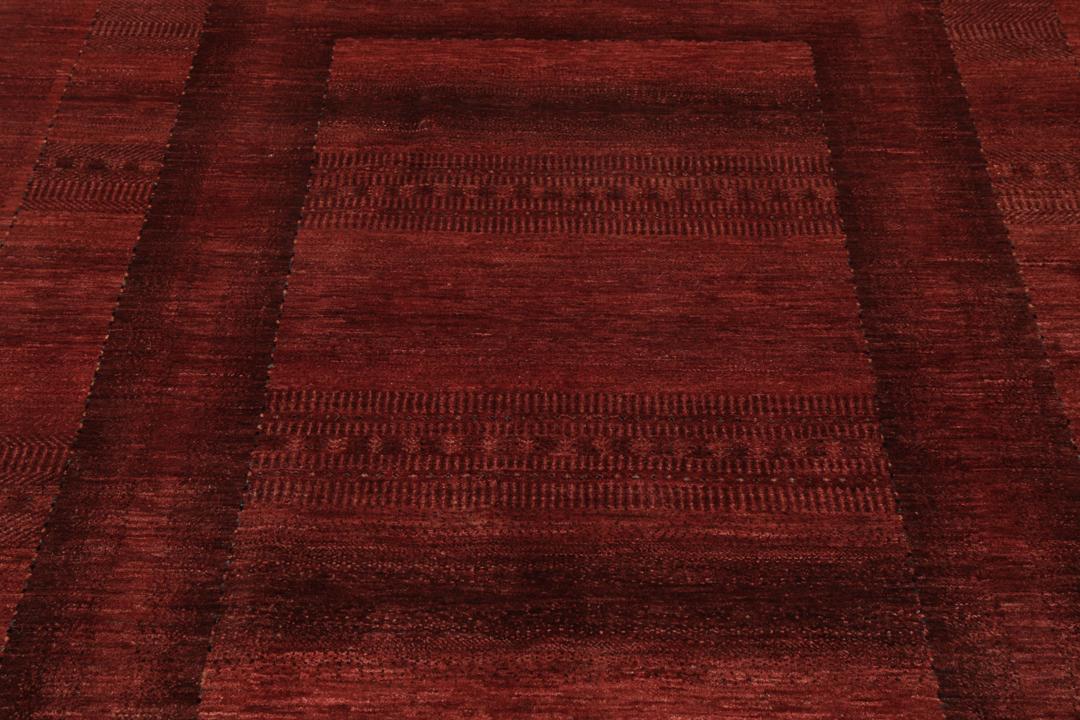
Visually, these rugs are known for their minimalist yet evocative designs. While traditional rugs often feature complex, repeating floral or geometric patterns, the Loribaft style often celebrates the beauty of the wool itself, sometimes incorporating subtle, understated geometric motifs or borders that do not overwhelm the space.
Collectors value these pieces for their authenticity and the human connection they represent. Owning a Loribaft means preserving a centuries-old craft tradition, where the skill of the weaver is visible in every inch of the rug. It is a testament to a lifestyle that values quality, patience, and the beauty of natural materials.