The Loribaft tradition finds its roots in the nomadic cultures of the Middle East, specifically among the Lur people. These rugs were historically created for practical use within the home, serving as warm bedding and floor coverings during seasonal migrations. Over time, these functional pieces evolved into a highly regarded art form, celebrated for their thick, lustrous wool and expressive patterns.
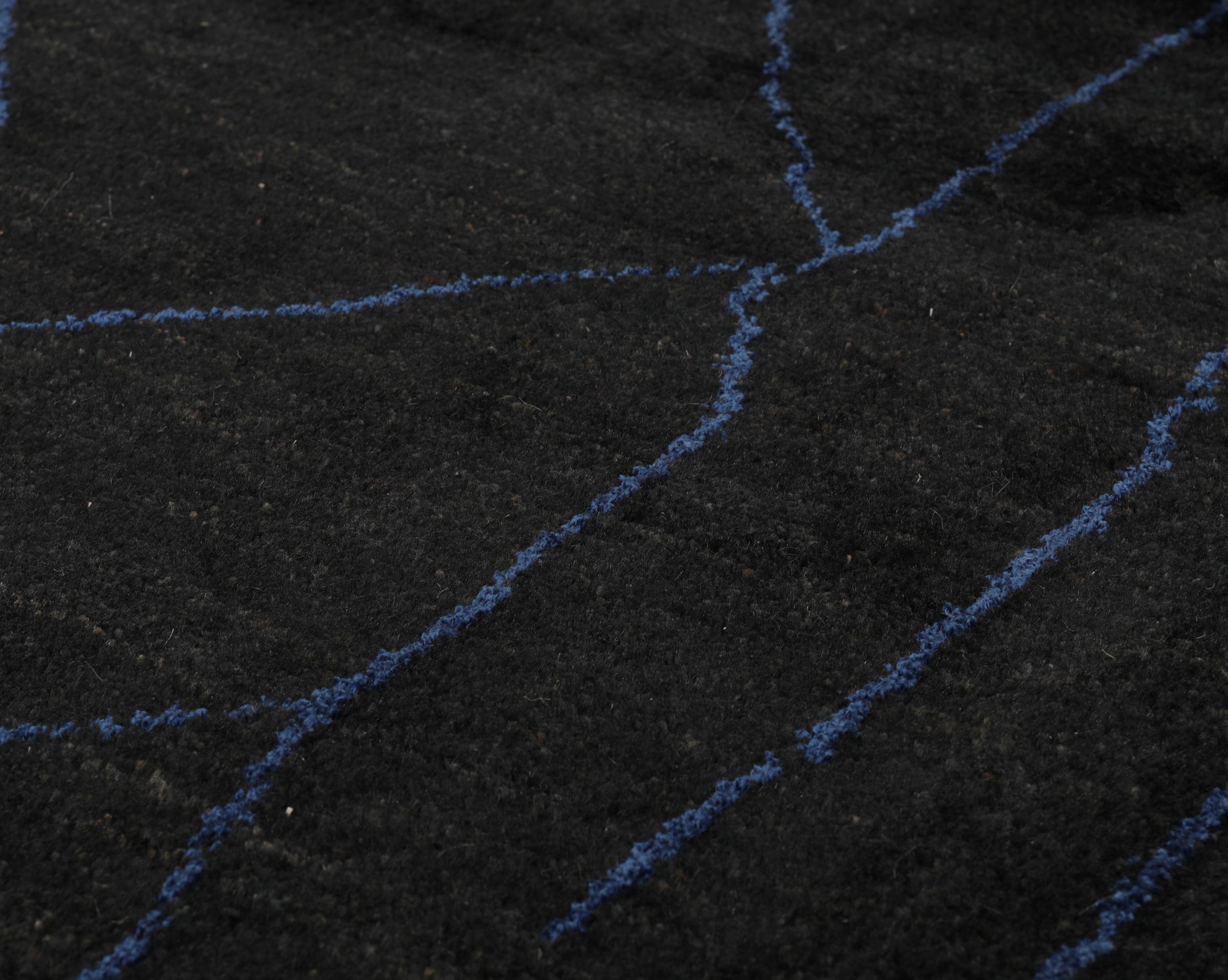
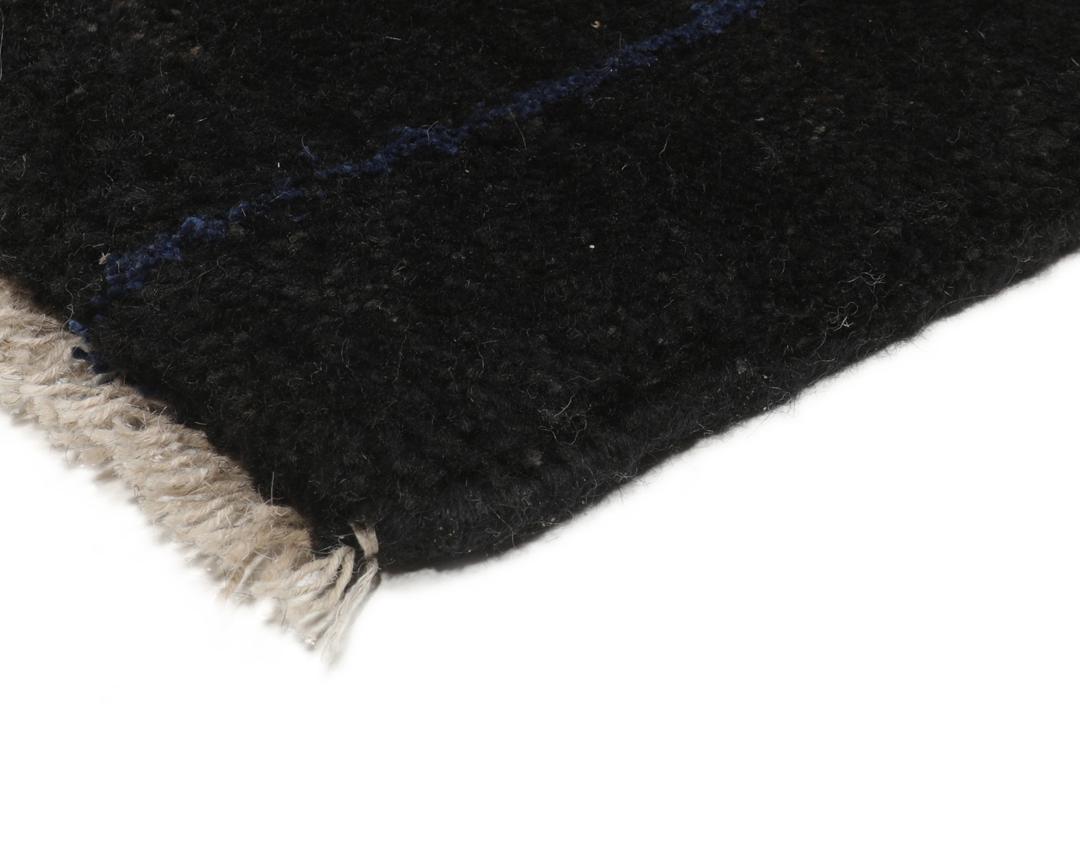
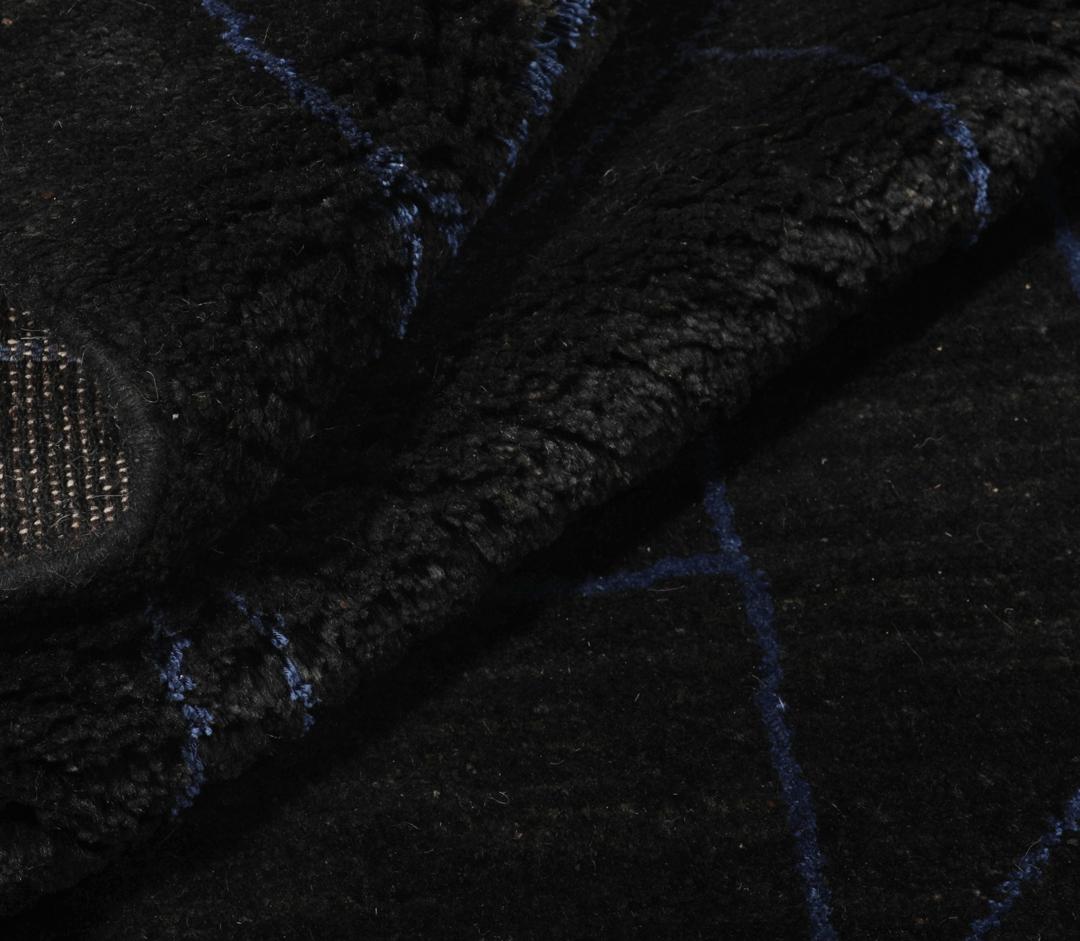
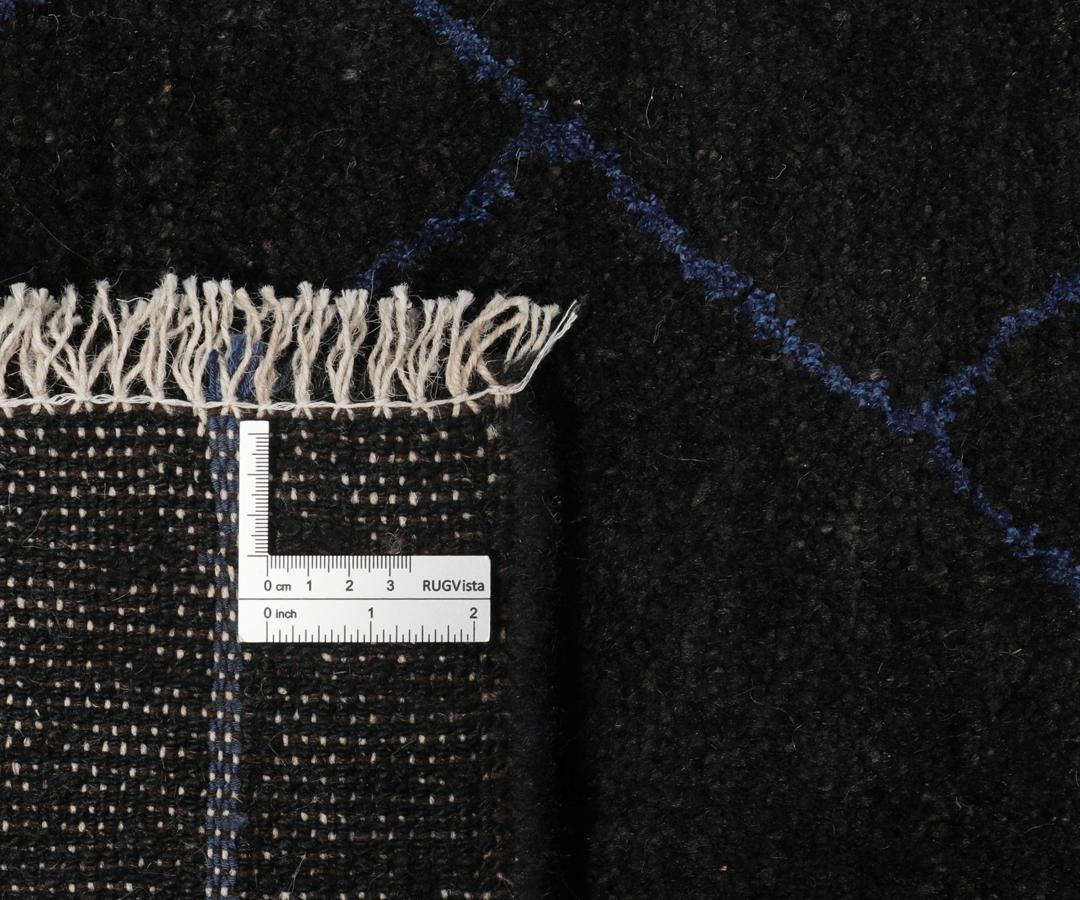
The term 'Loribaft' refers to this specific style of weaving, which prioritises a dense, plush pile that feels exceptionally soft. Unlike more formal, tightly geometric rugs, this tradition embraces a slightly more relaxed approach to design, allowing the weaver to interpret traditional motifs with a personal touch. This results in a rug that feels organic and deeply connected to its maker.
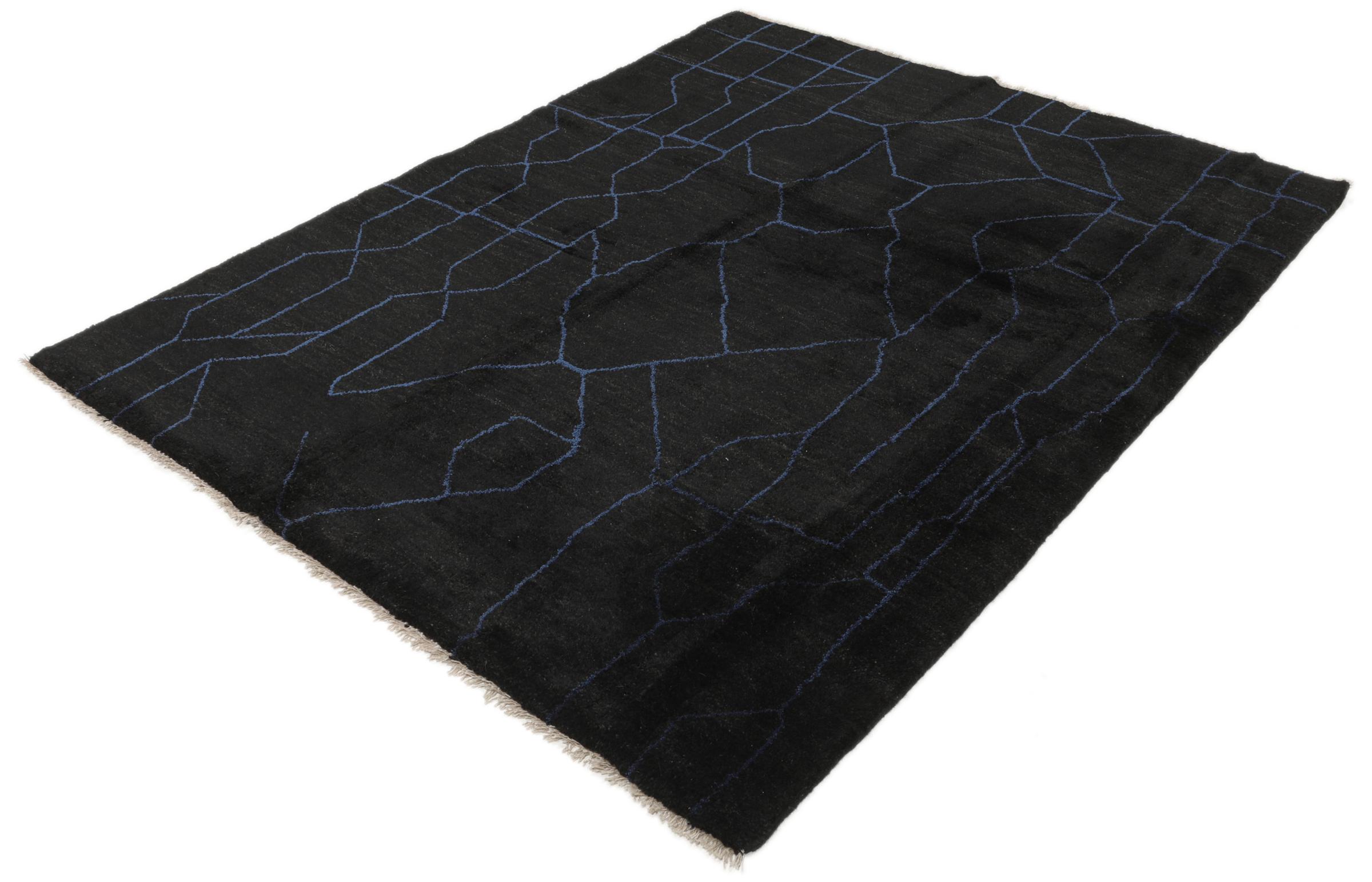
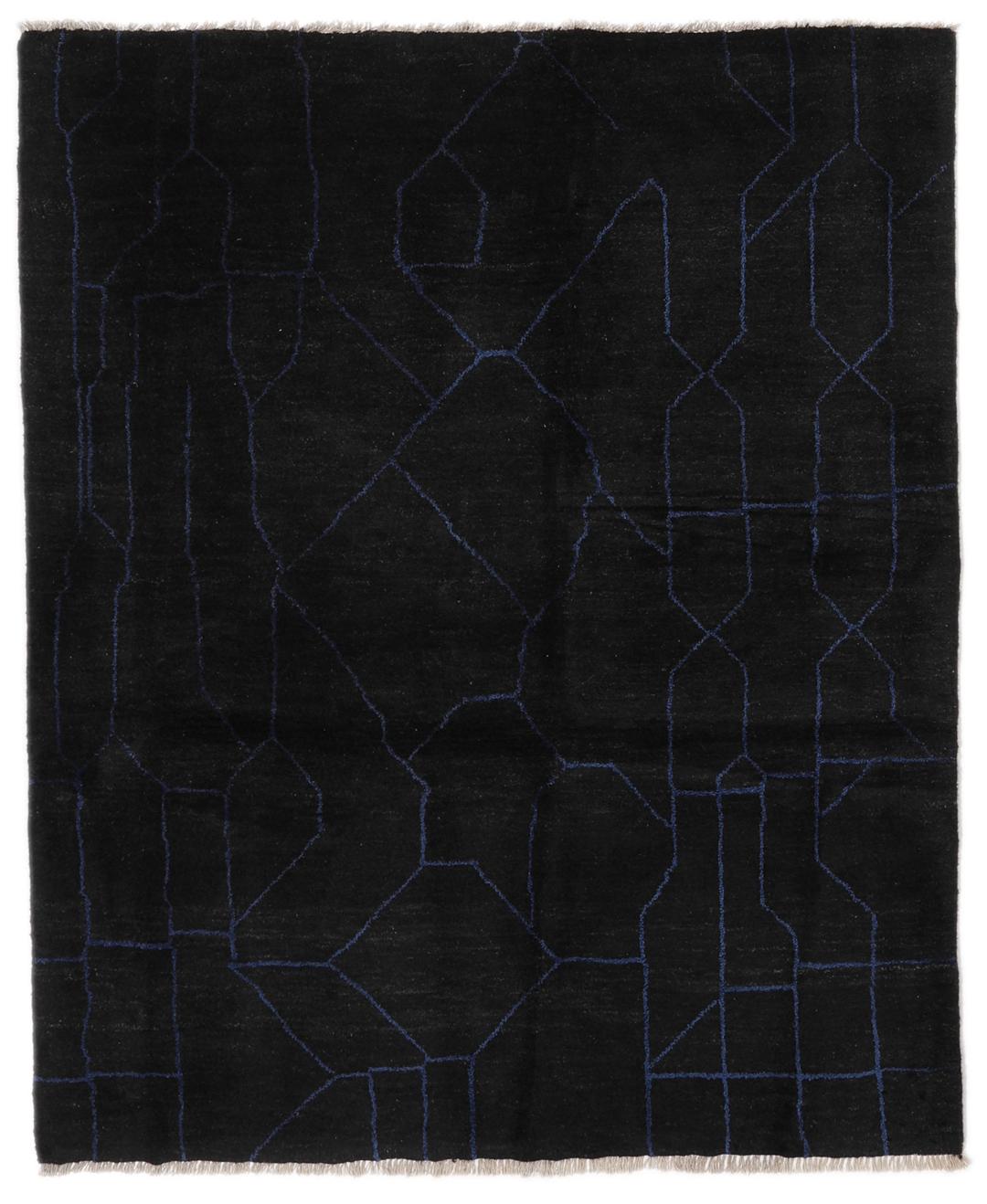
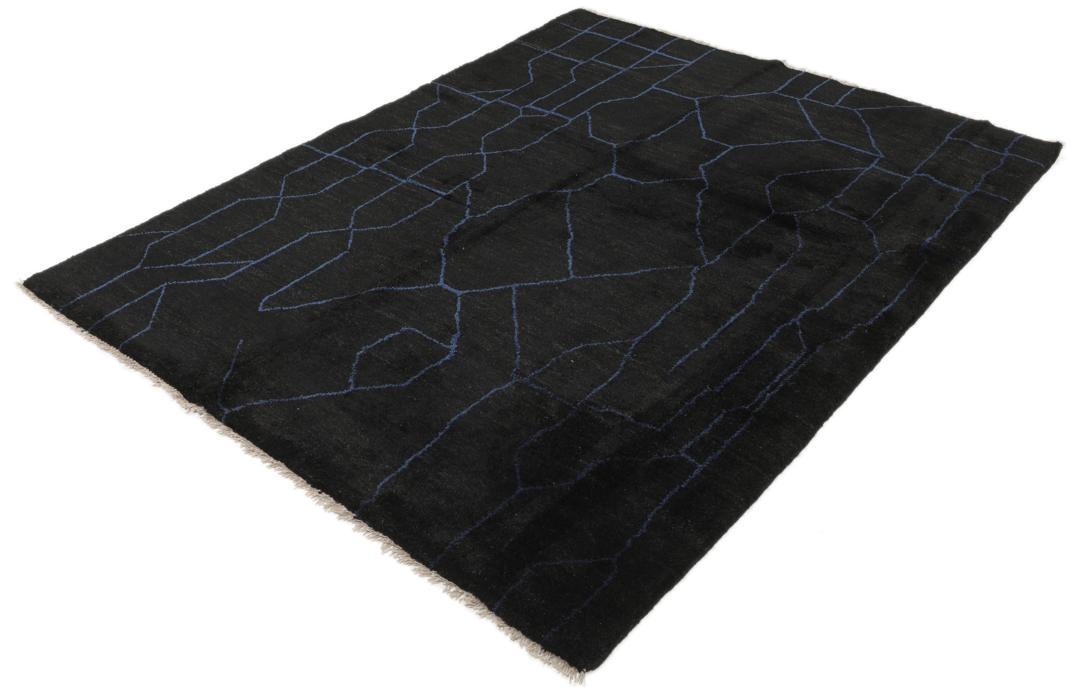
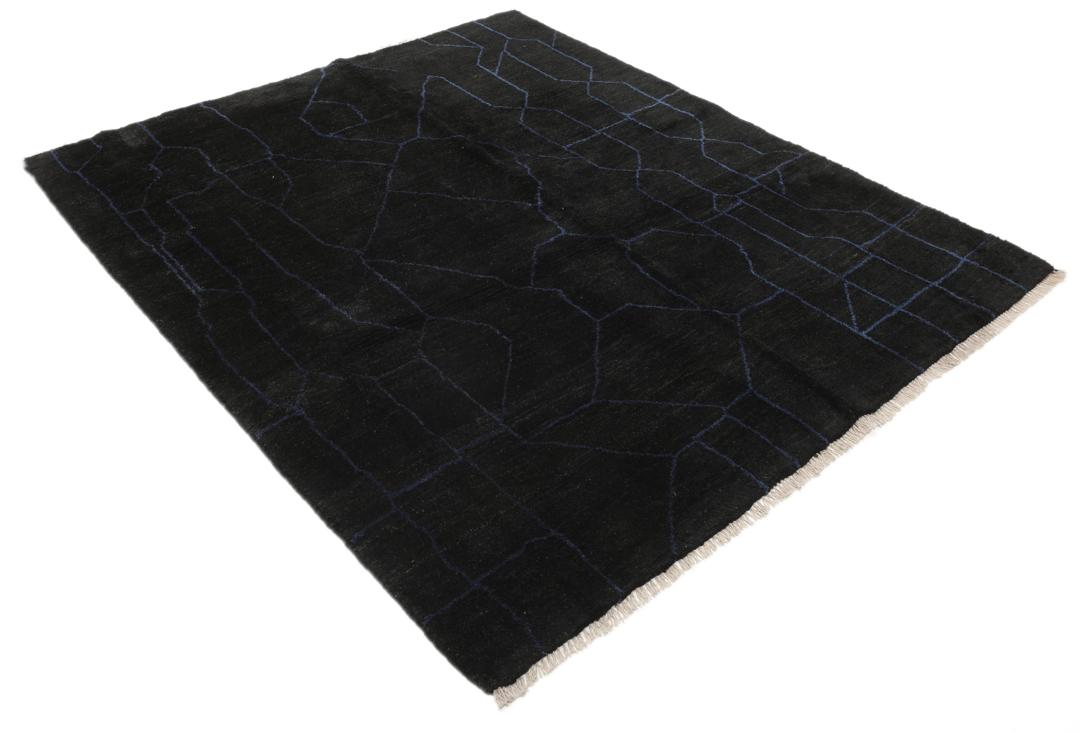
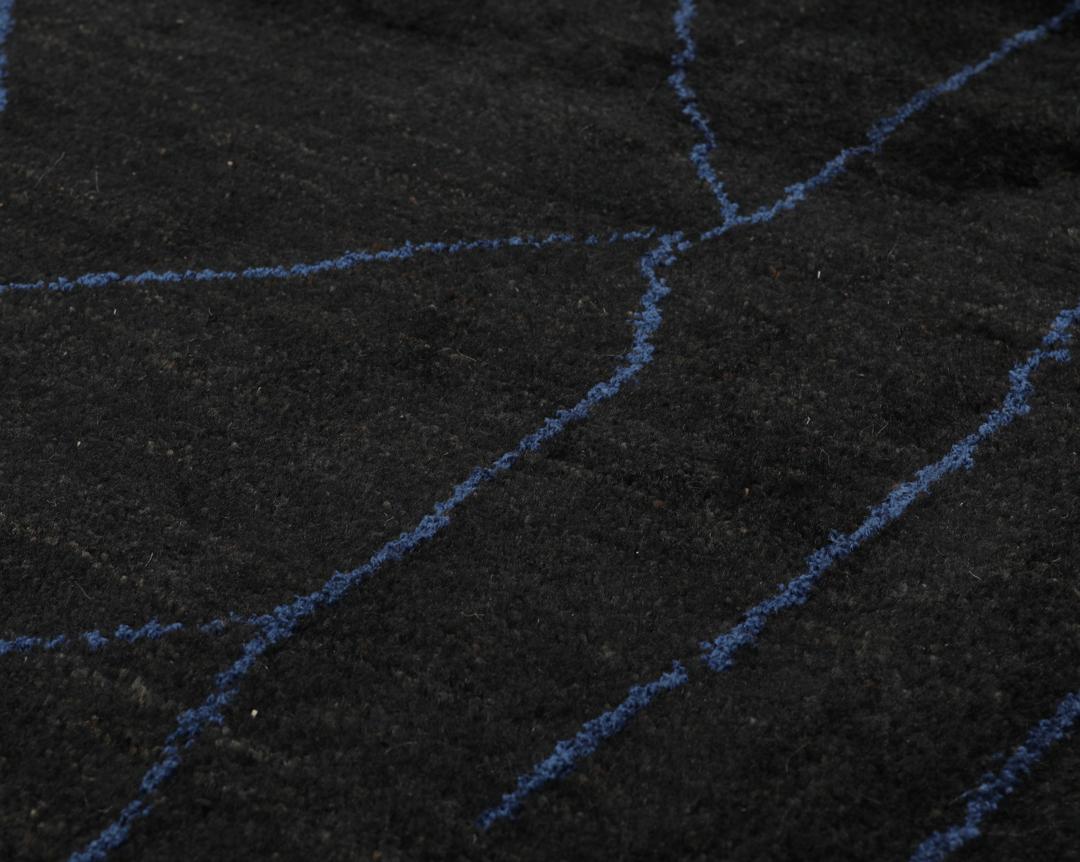
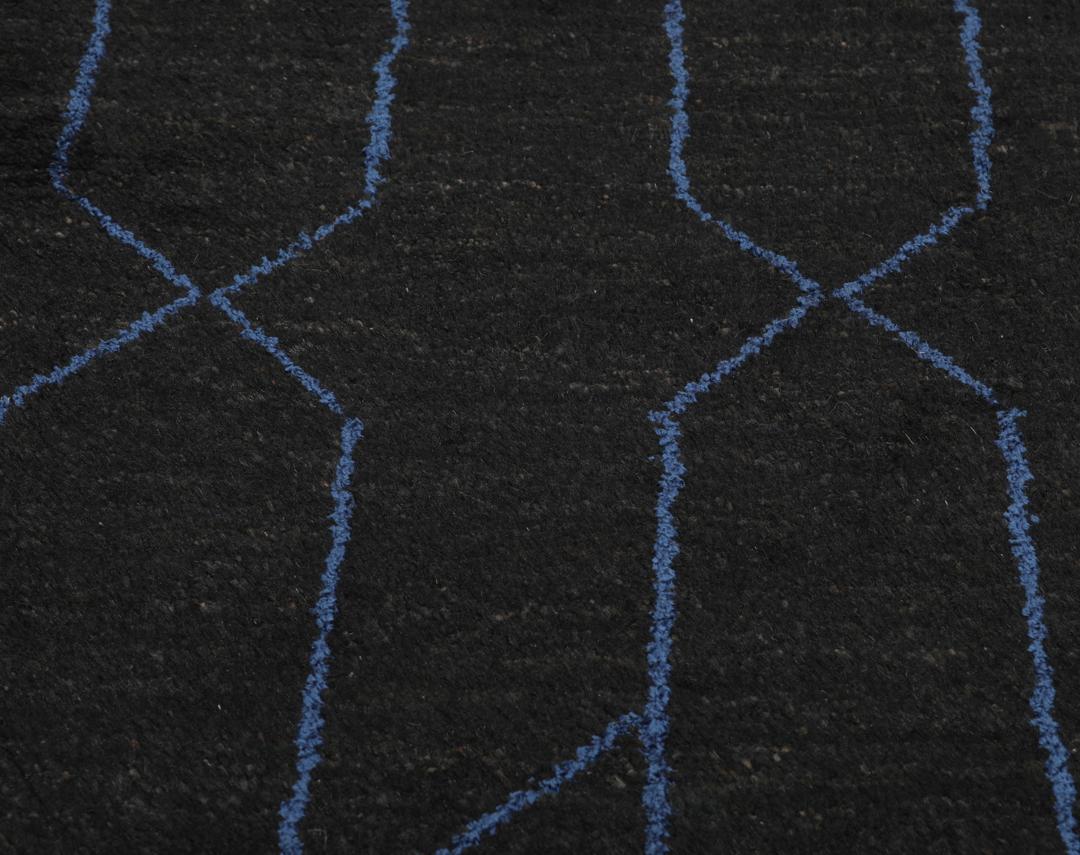
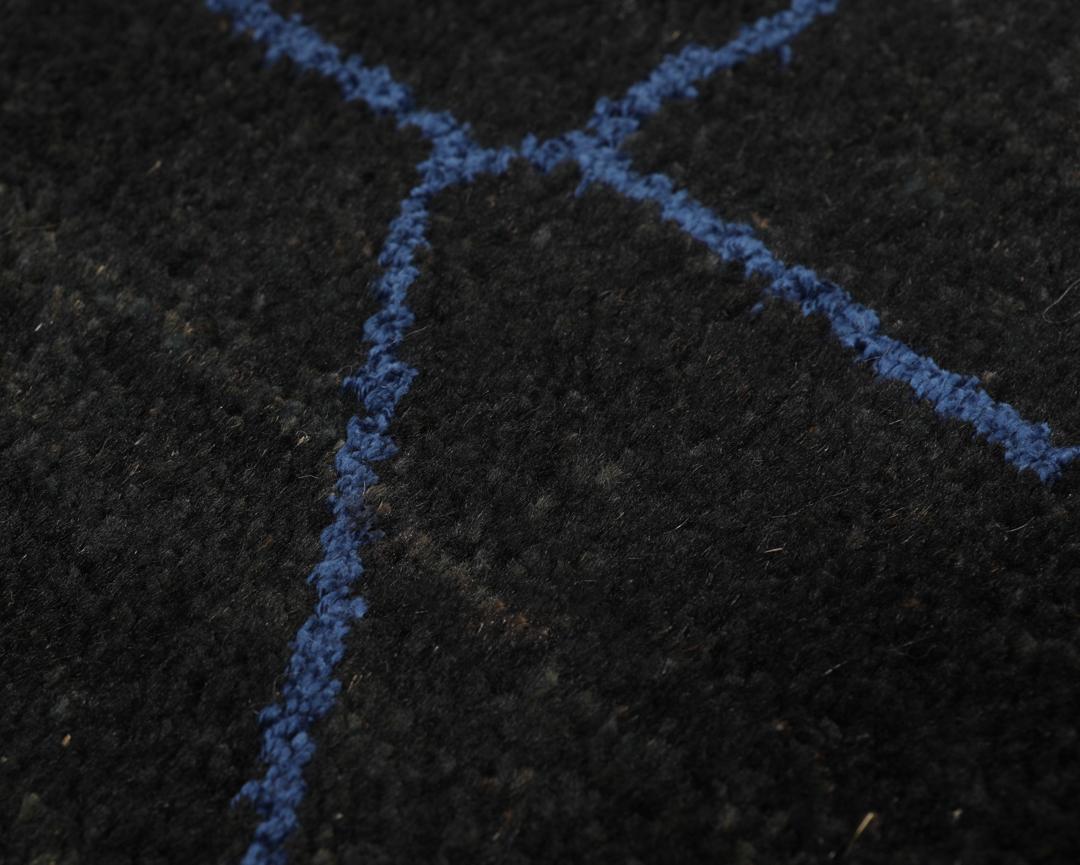
While traditional motifs often include tribal symbols or stylized floral elements, this particular piece features a minimalist, linear aesthetic. The use of dark, moody tones paired with sparse, striking lines shows a modern evolution of the craft. It retains the signature warmth of the wool but presents a visual language that fits seamlessly into contemporary interiors.
Owning a Loribaft rug is an act of preserving a rich cultural heritage. These pieces are valued by collectors not only for their durability but for the human spirit captured in every knot. By bringing this rug into your home, you are supporting a centuries-old tradition of skill and artistic expression that continues to thrive through the dedicated hands of modern artisans.