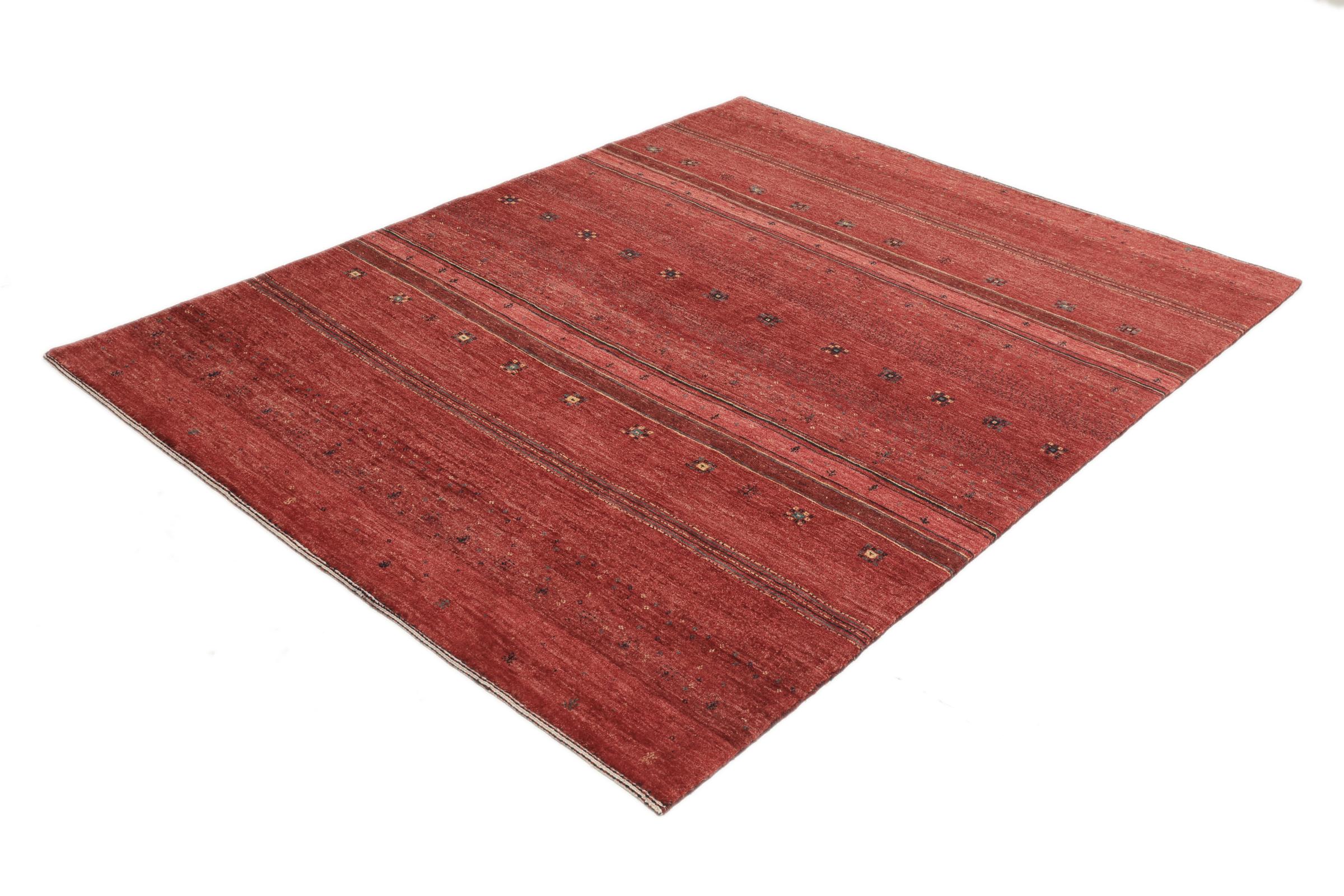
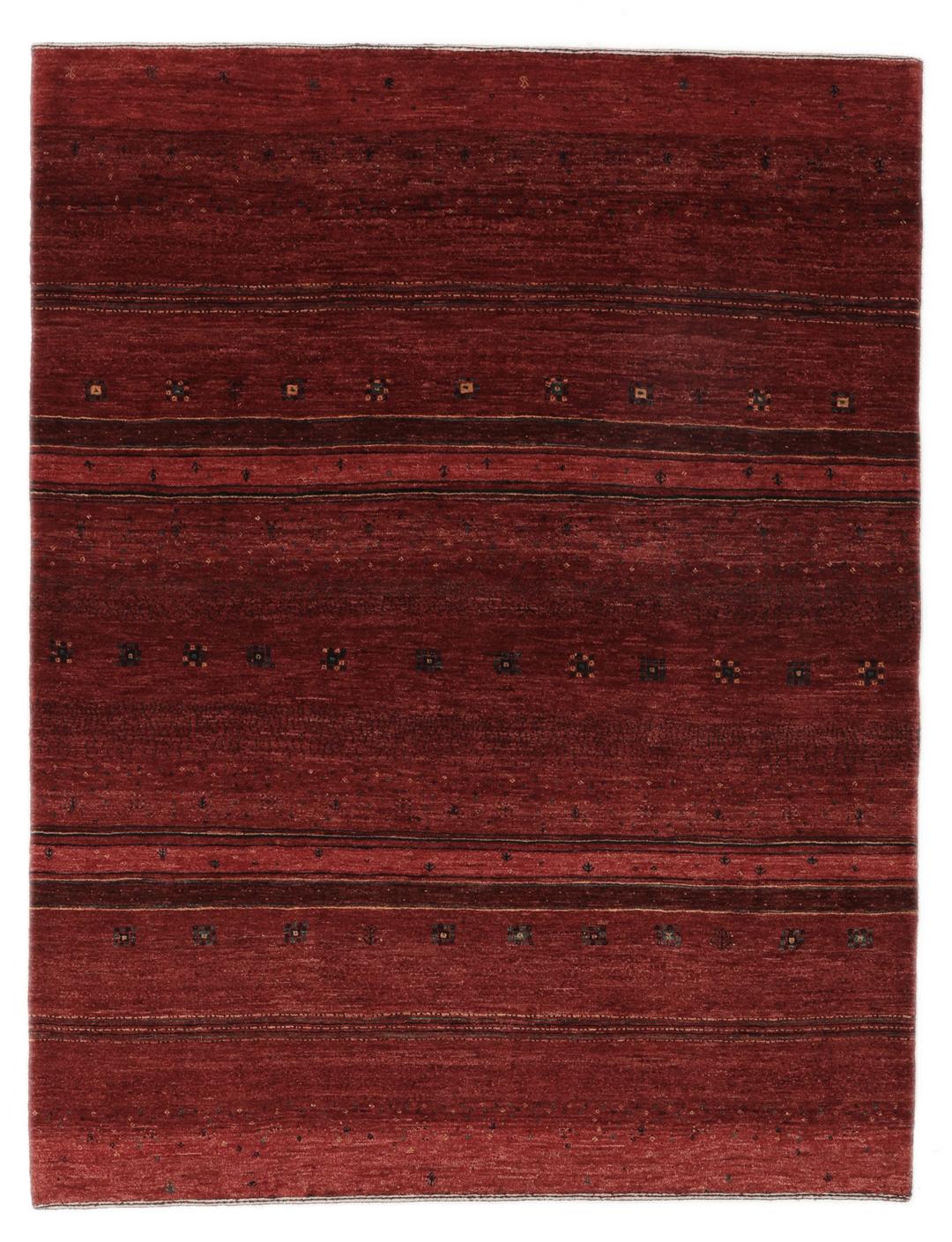
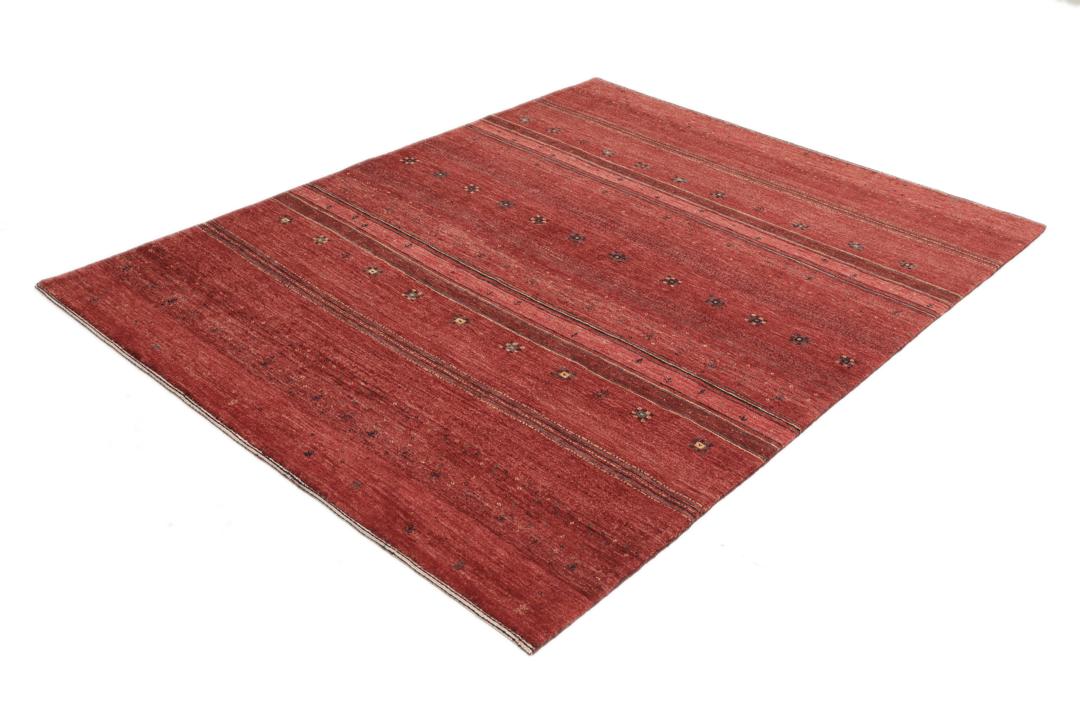
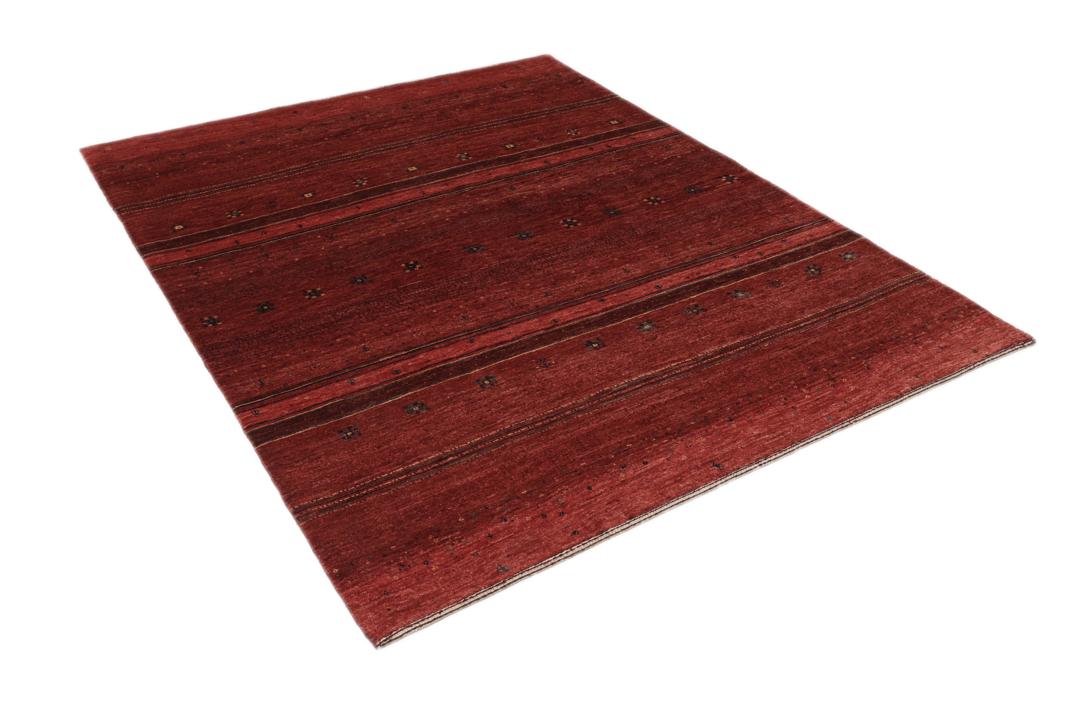
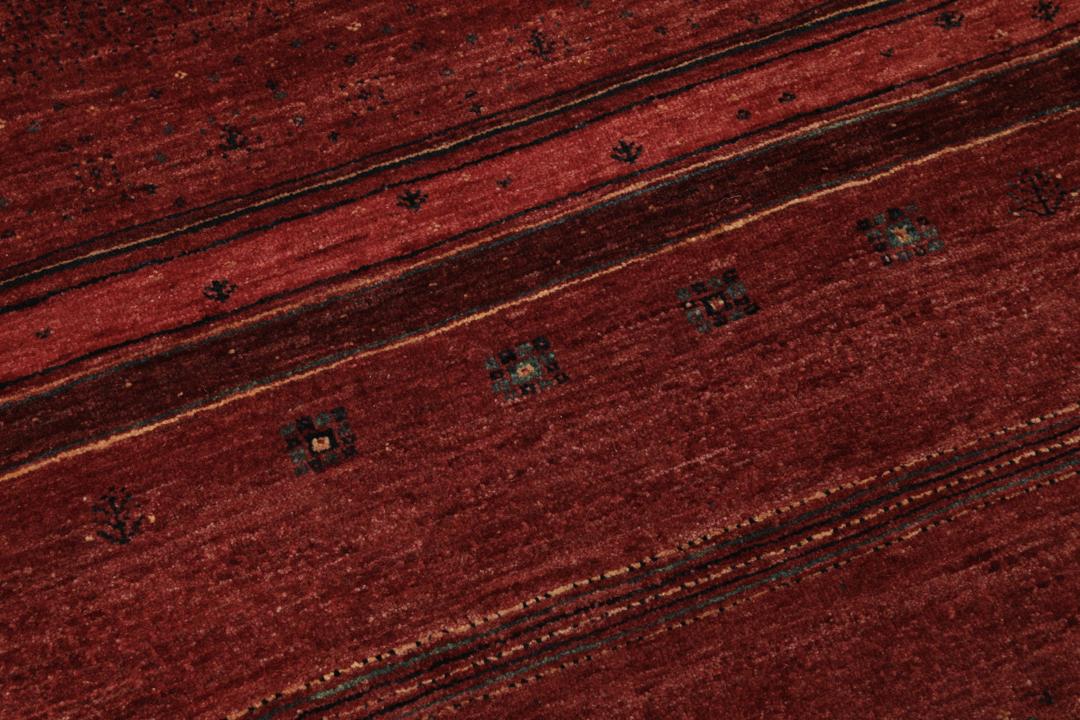
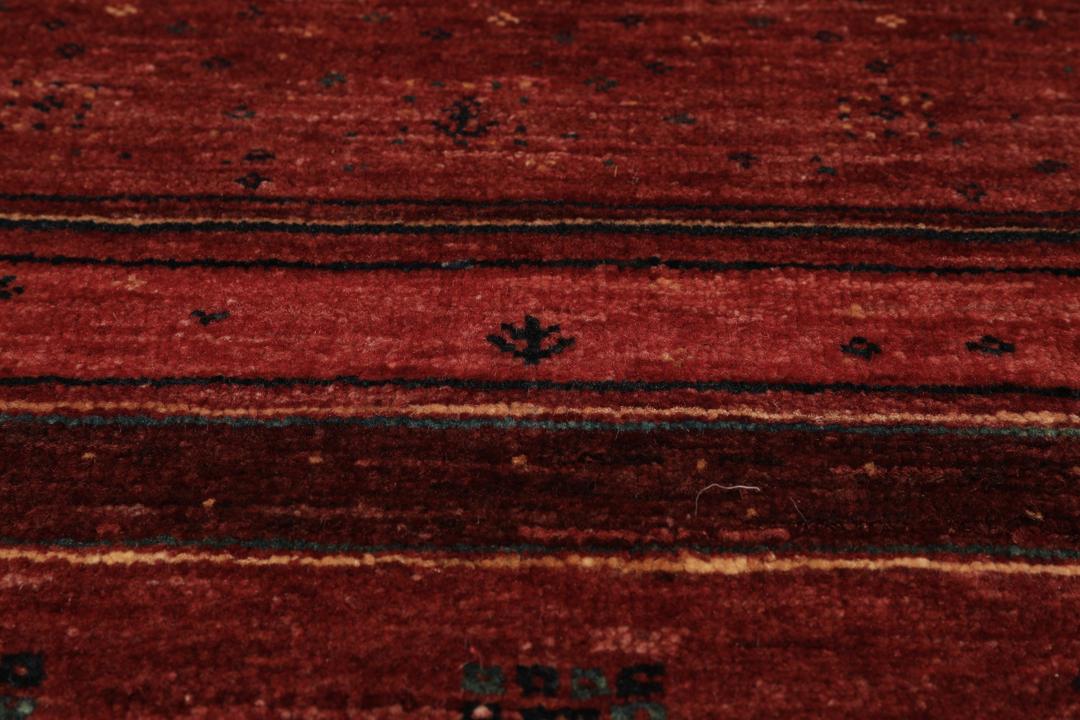
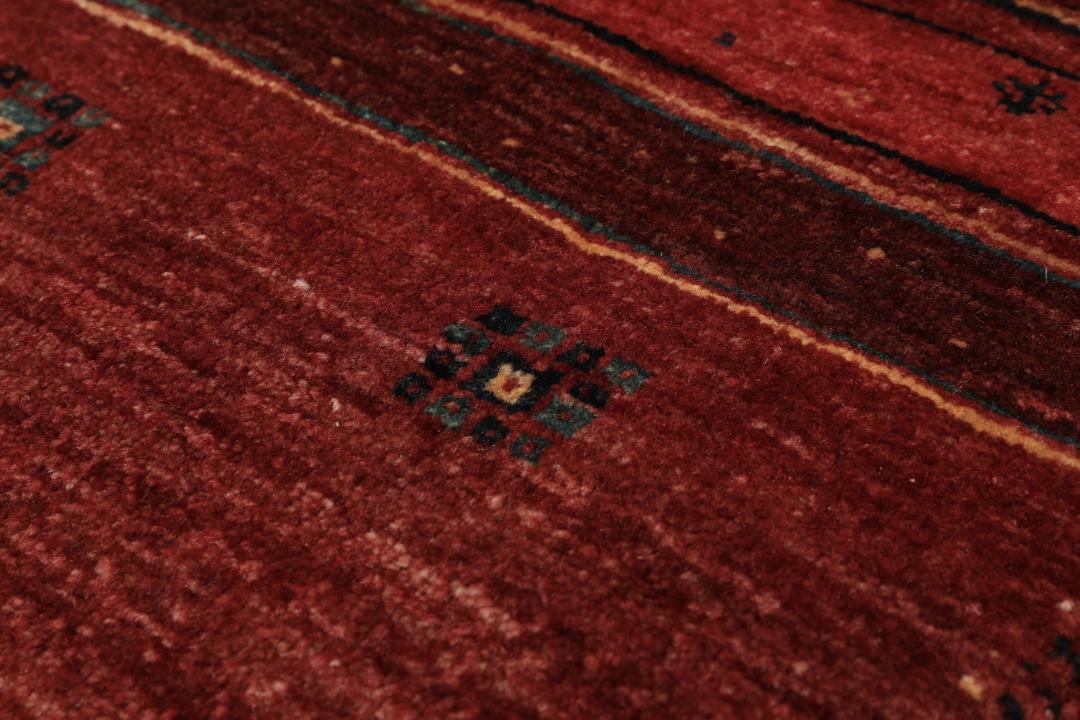
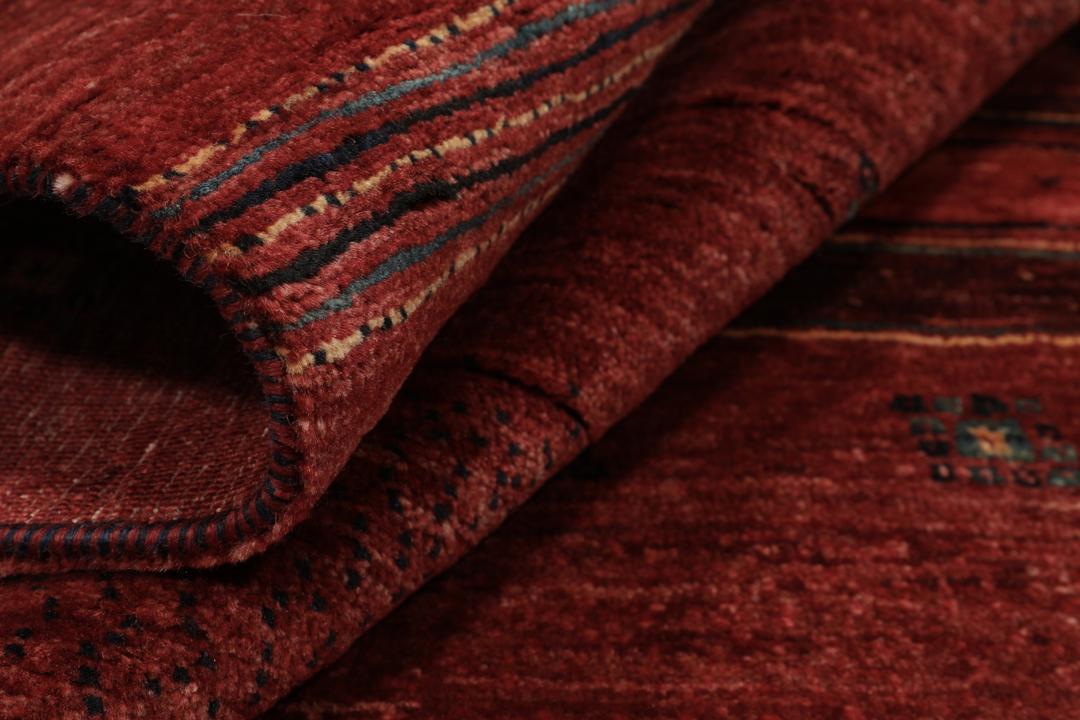
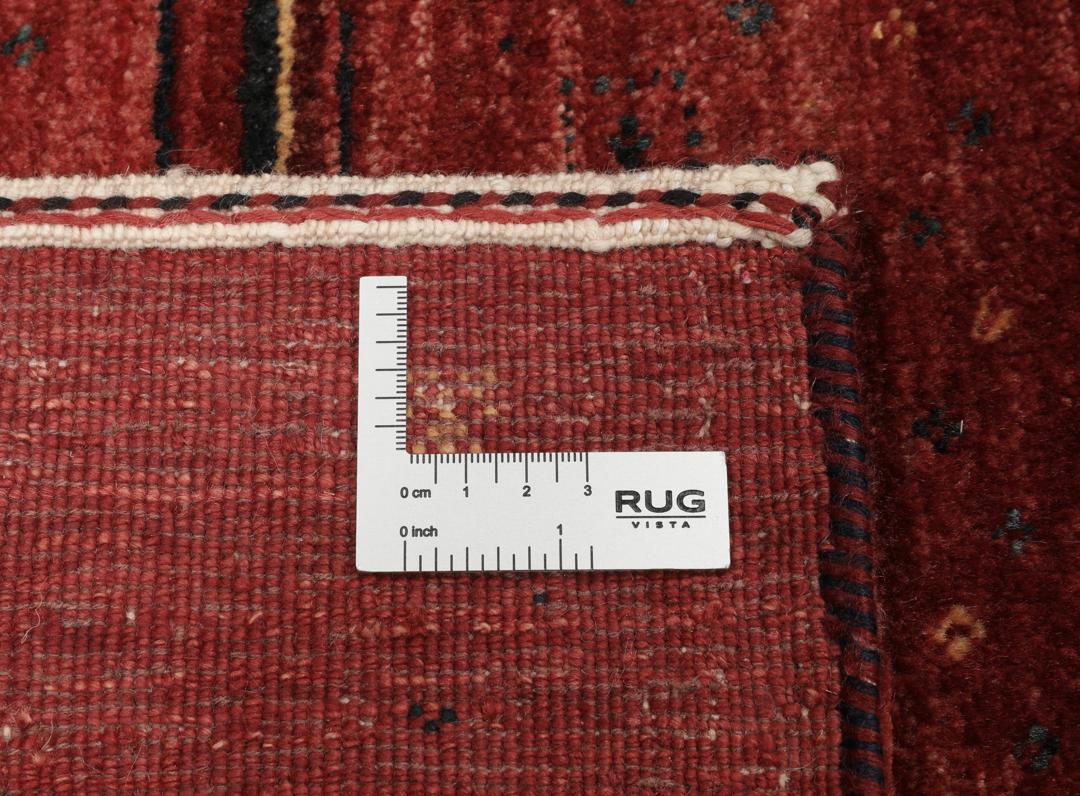
The Loribaft rug tradition originates from the nomadic tribes of the Zagros Mountains in the Middle East. These rugs are traditionally woven by the Luri and Qashqai peoples, whose weaving traditions have been passed down through generations. These communities are known for their deep connection to the land, which is reflected in the raw, natural beauty of their textiles.
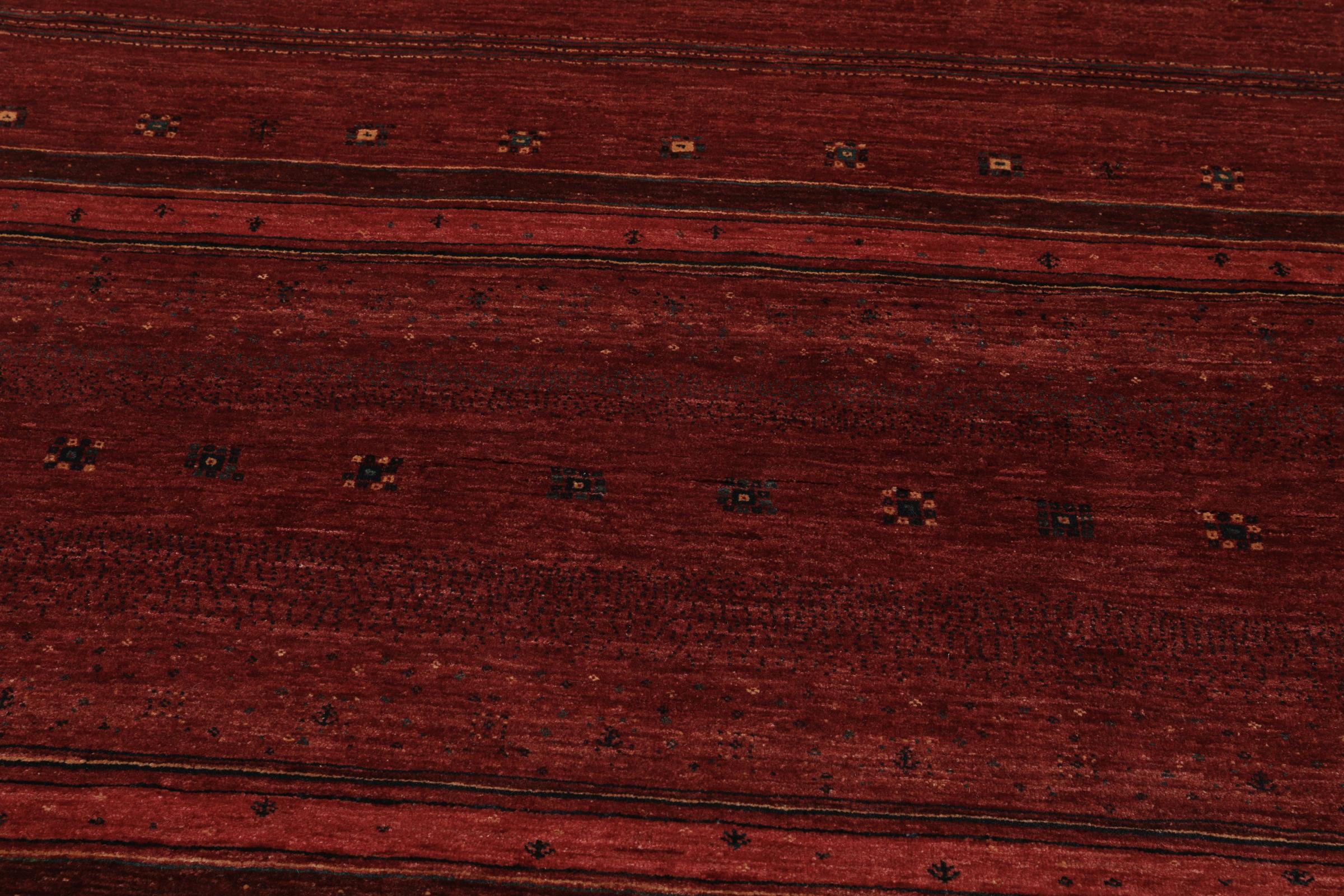
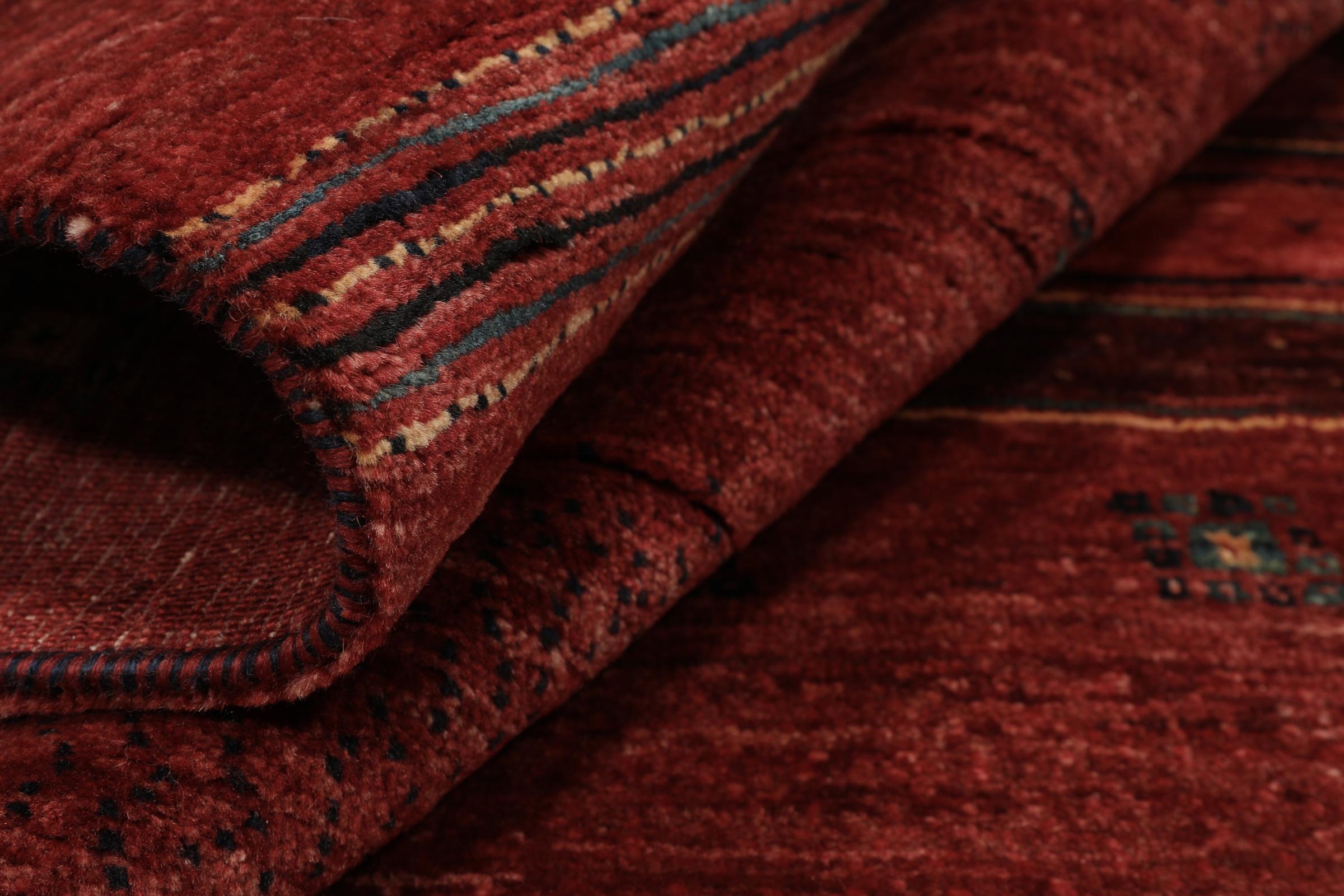
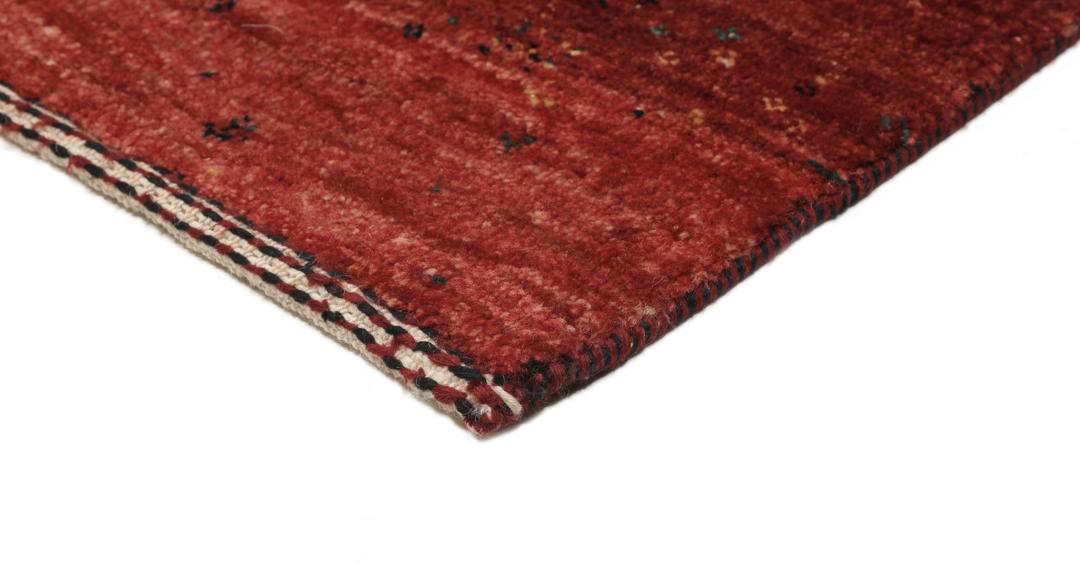
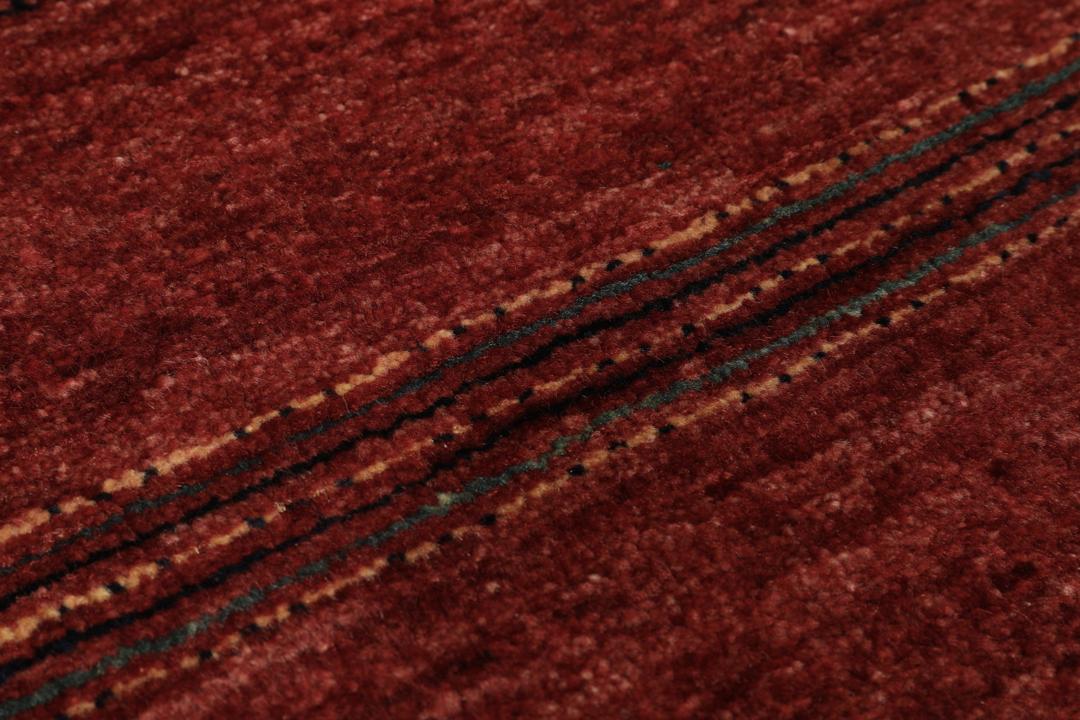
The term 'Loribaft' refers to a specific style of weaving that emphasises a dense, plush pile and a more modern, simplified aesthetic compared to traditional tribal patterns. By using hand-spun Wool, the weavers achieve a depth of colour and a soft texture that sets these pieces apart, prioritising a luxurious feel that is both hearty and refined.
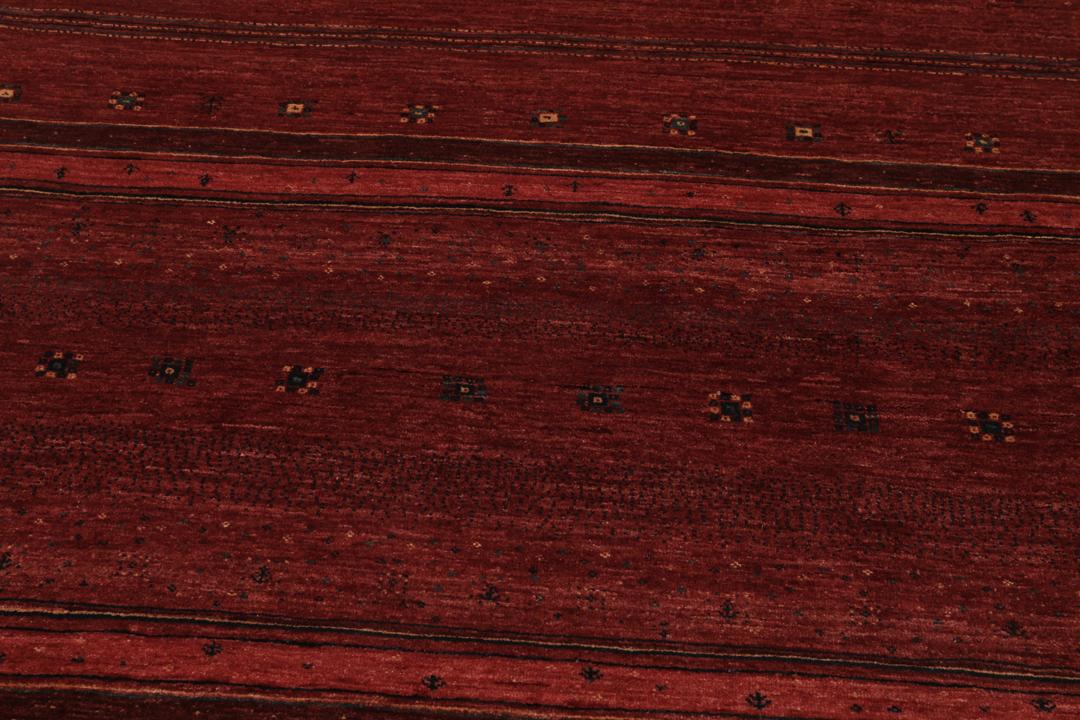
Visually, these rugs are defined by their open fields and minimalist approach, often focusing on the natural variations of the Wool and the warmth of the dye. While they may incorporate subtle, symbolic motifs, the primary focus remains on the interplay of colour and the organic texture of the material, making them incredibly versatile for various home settings.
Owning a Loribaft rug is an opportunity to connect with a storied tradition of nomadic craftsmanship. These pieces are highly valued by collectors not only for their durability but for the genuine human touch inherent in every knot. They represent a bridge between ancient heritage and modern living, offering a sense of history and warmth that mass-produced items simply cannot match.