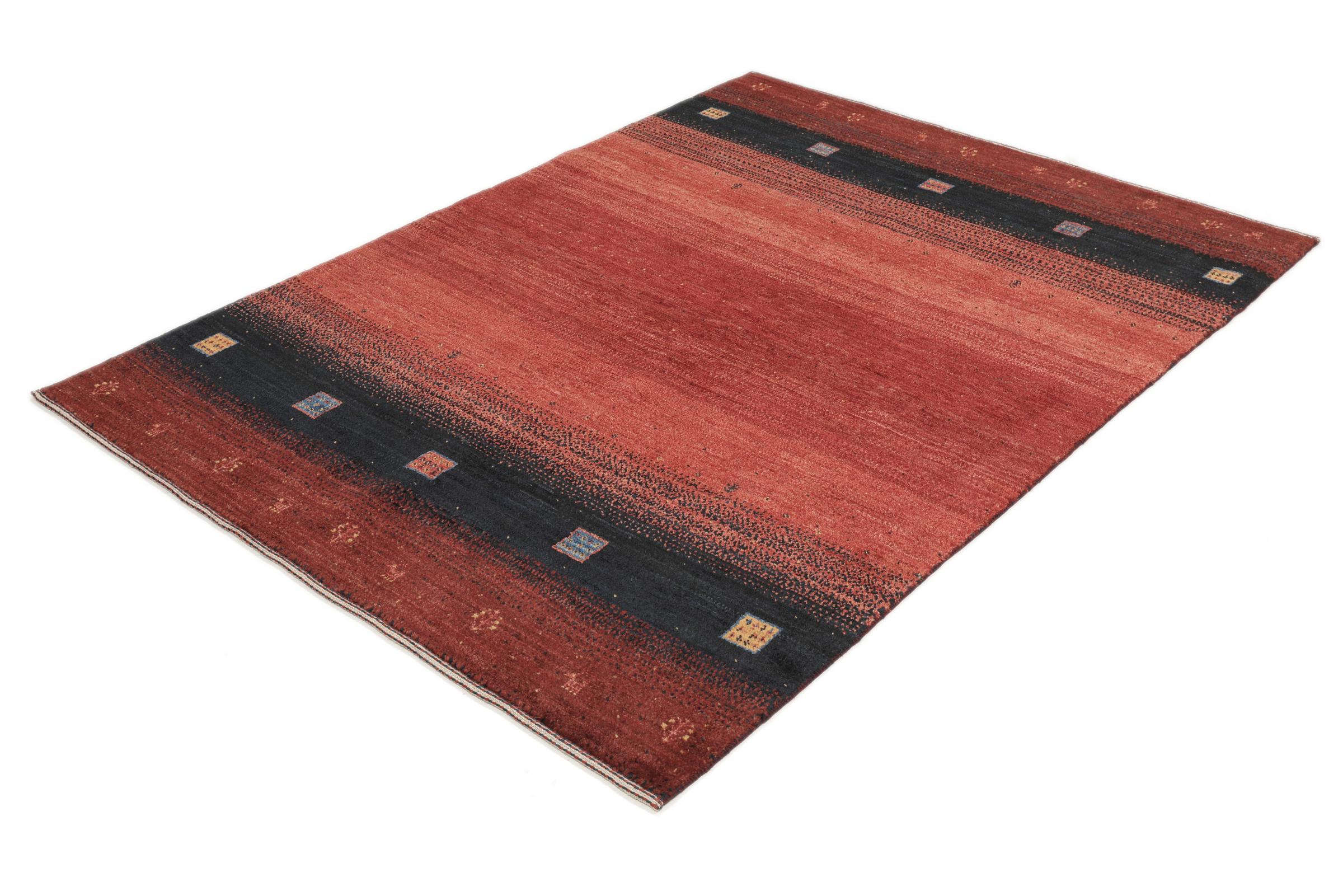
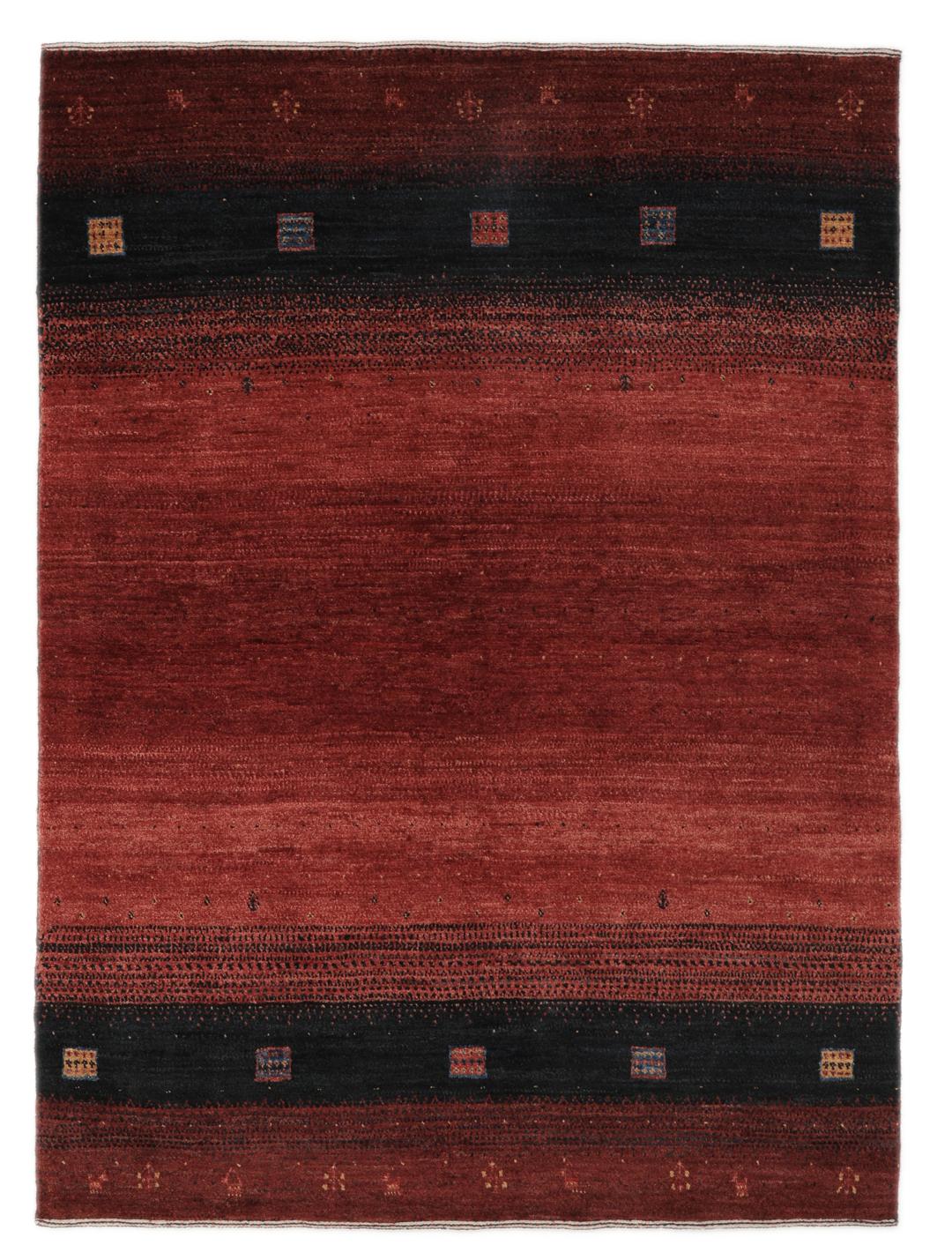
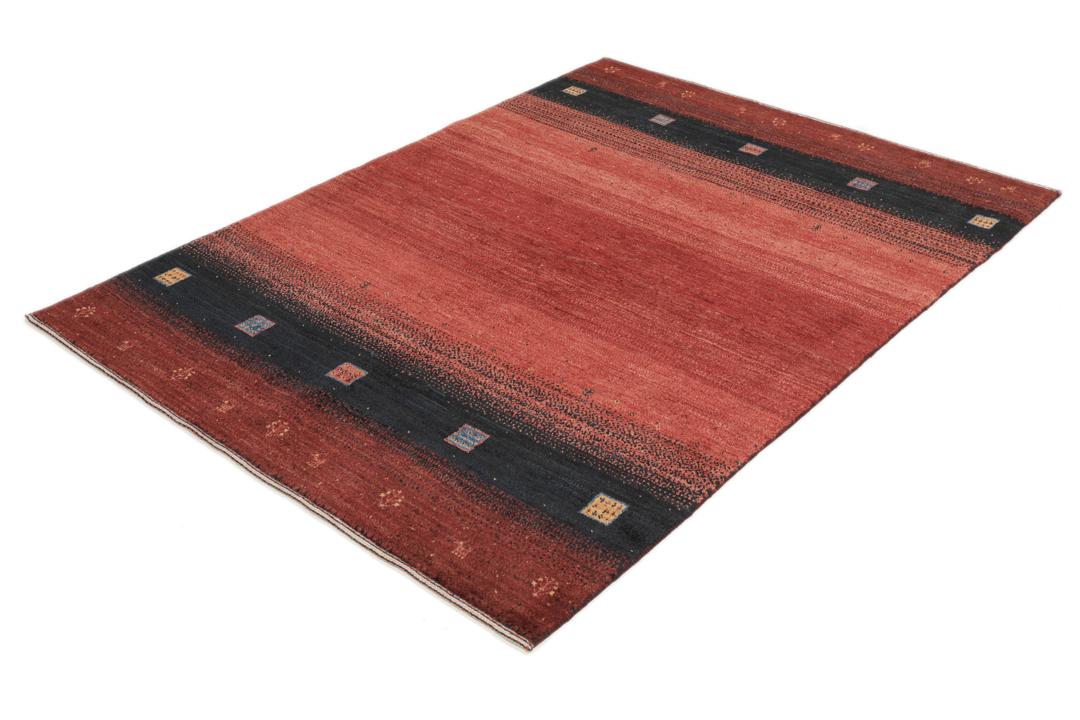
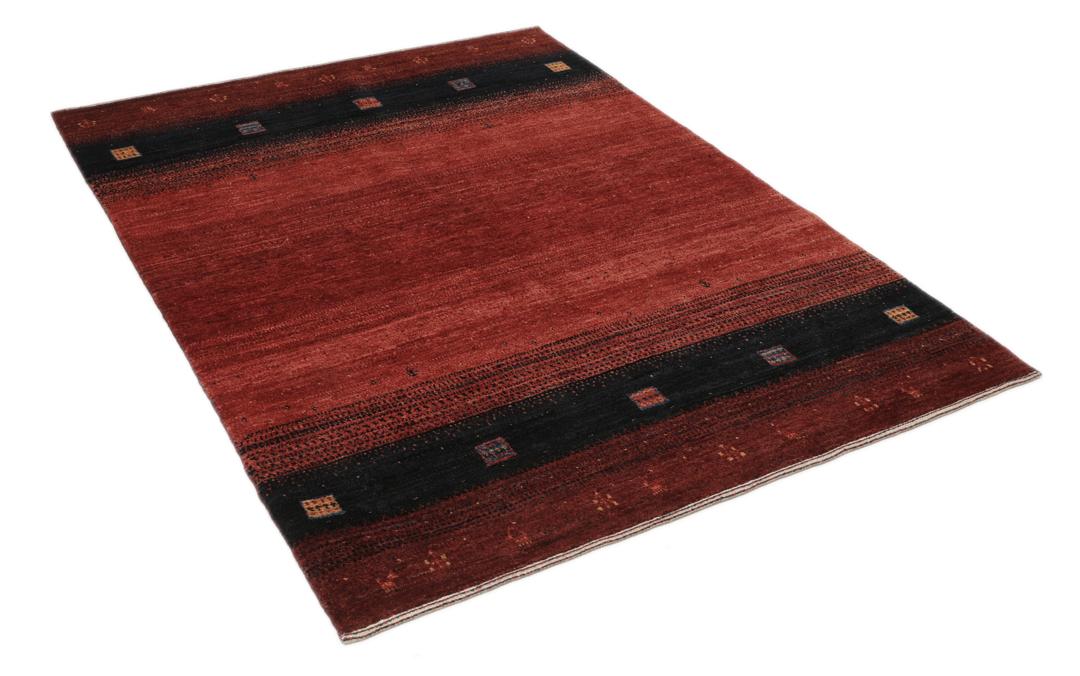
The Loribaft rug tradition finds its roots in the nomadic cultures of the Middle East, where weaving has served as both a practical necessity and a vital form of artistic expression for generations. These rugs are deeply connected to the cultural identity of the tribes who create them, reflecting the landscapes and stories of their environment through colour and motif.
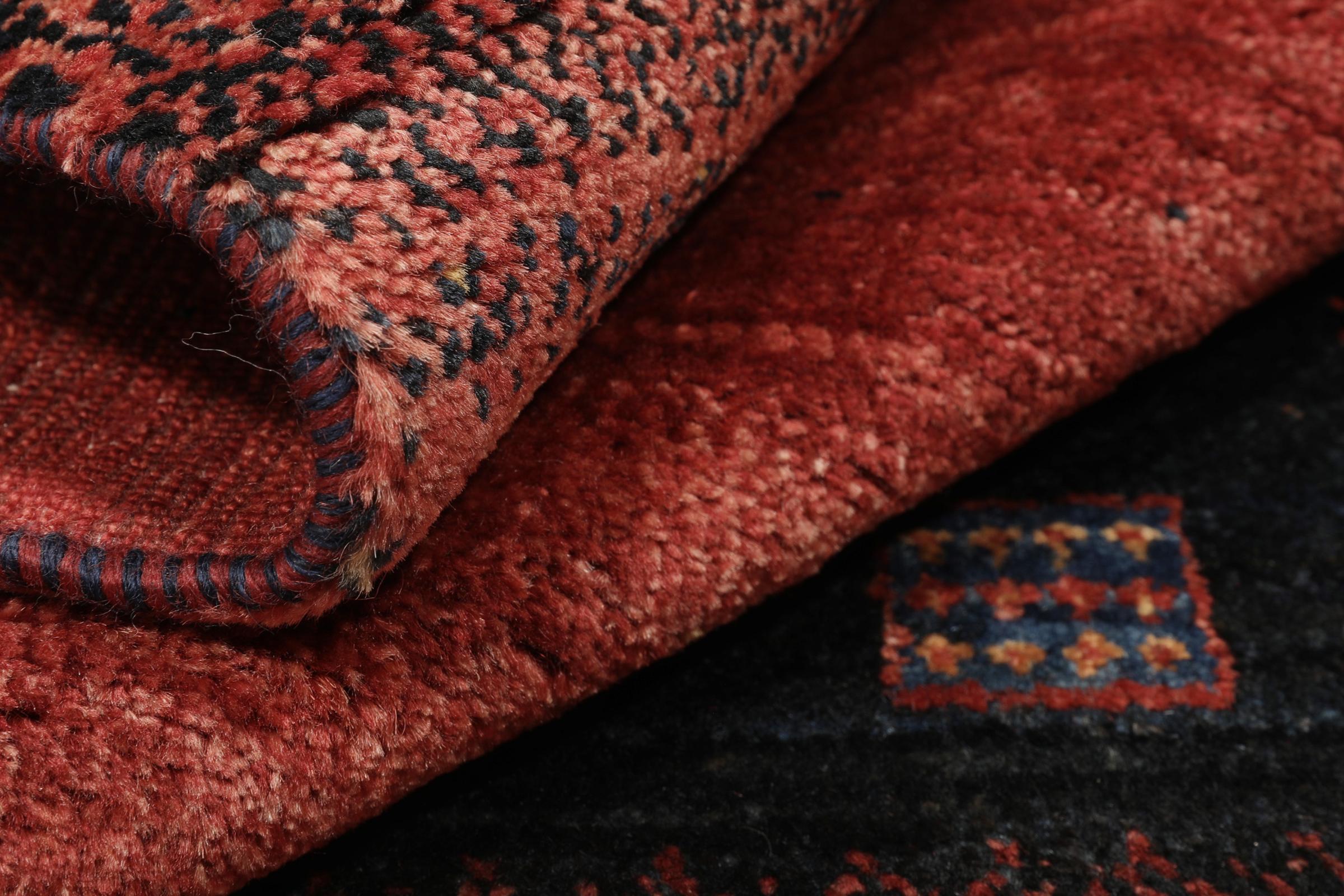
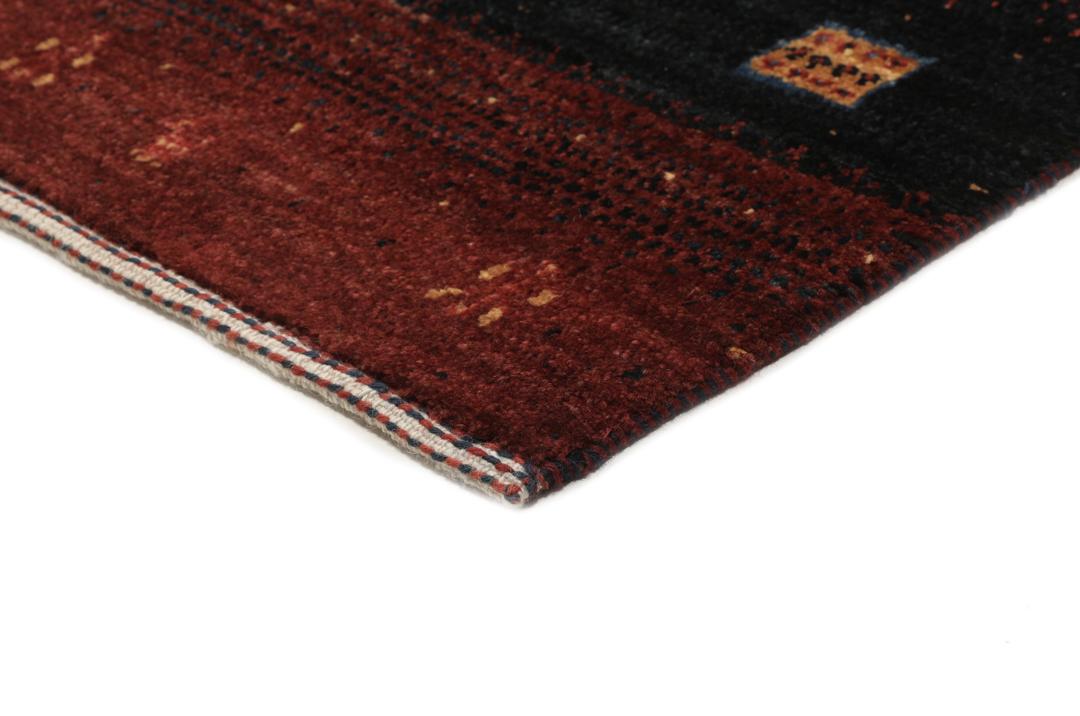
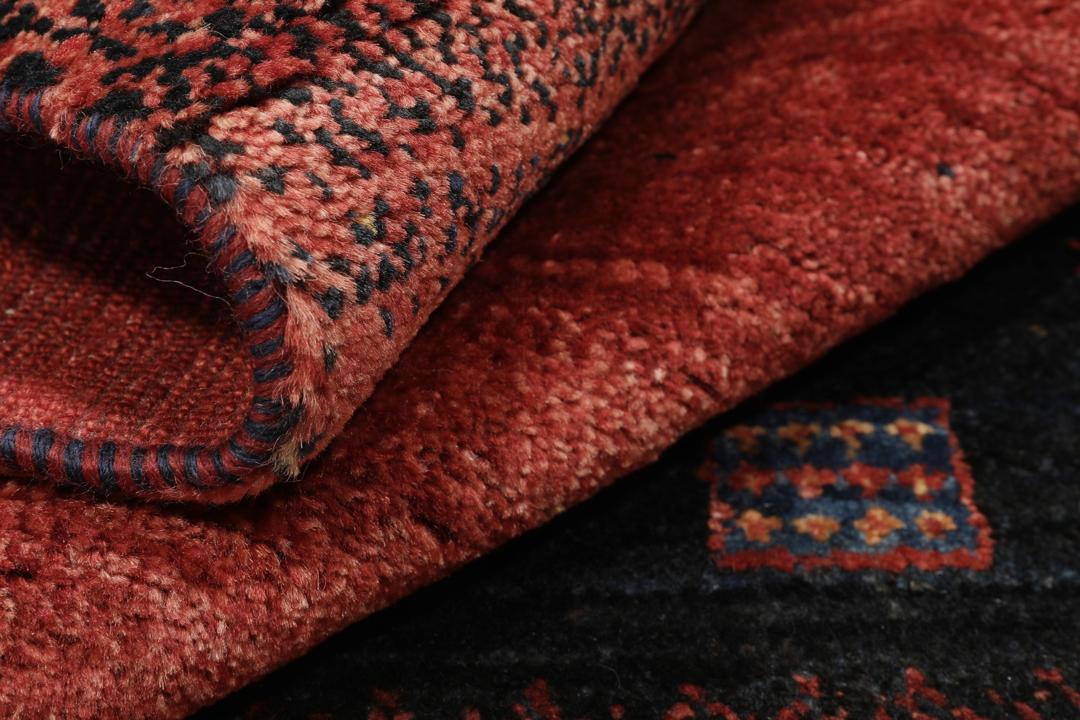
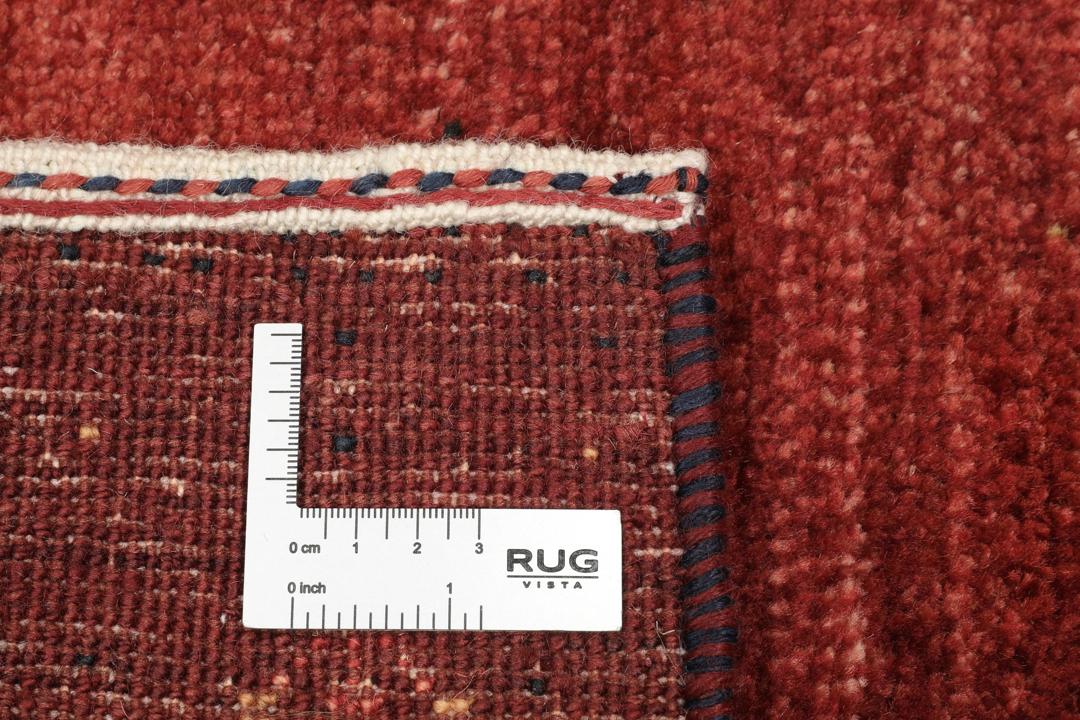
The term 'Loribaft' refers to a style of weaving that emphasises a denser, more plush pile compared to traditional flat-woven kilims. This specific construction technique involves a more compact knotting process, which not only gives the rug its signature soft feel but also enhances its durability, making it an ideal choice for a busy, comfortable home.
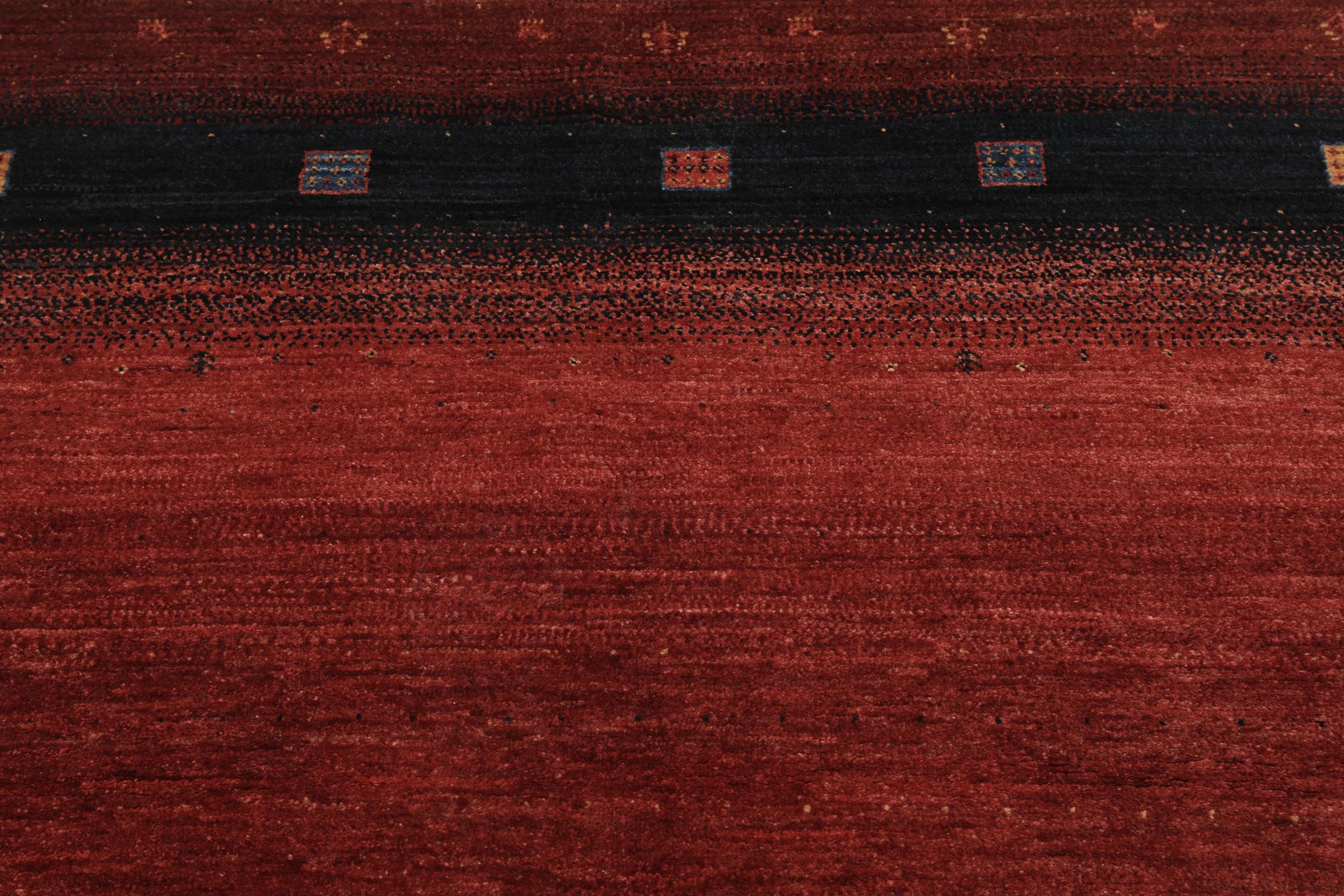
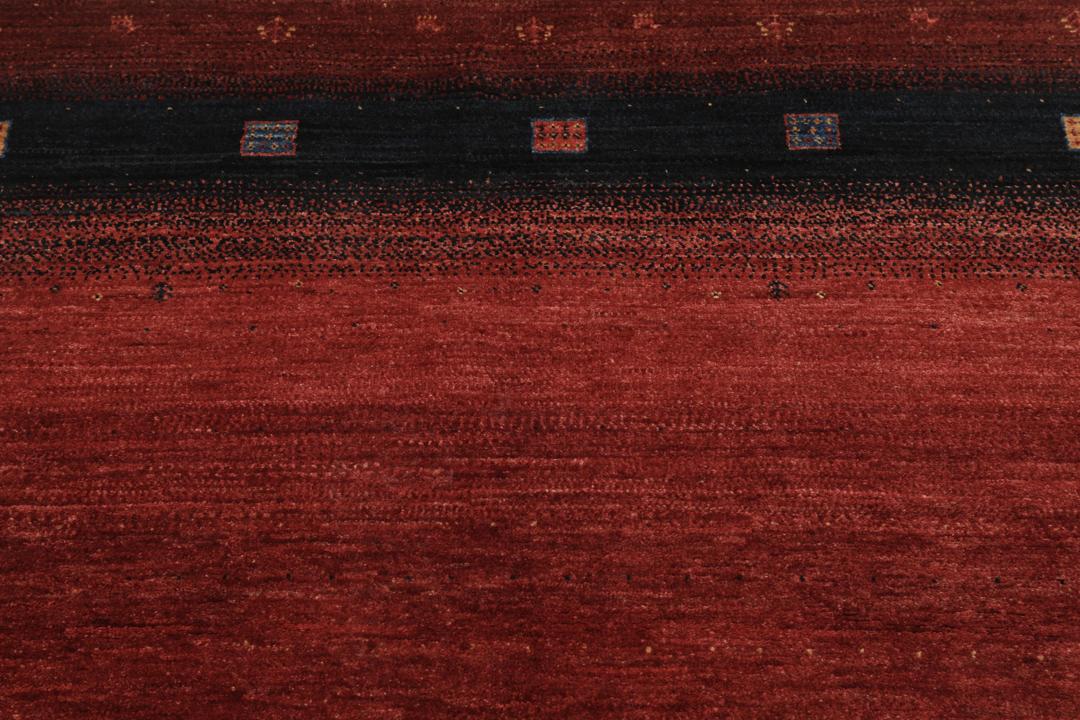
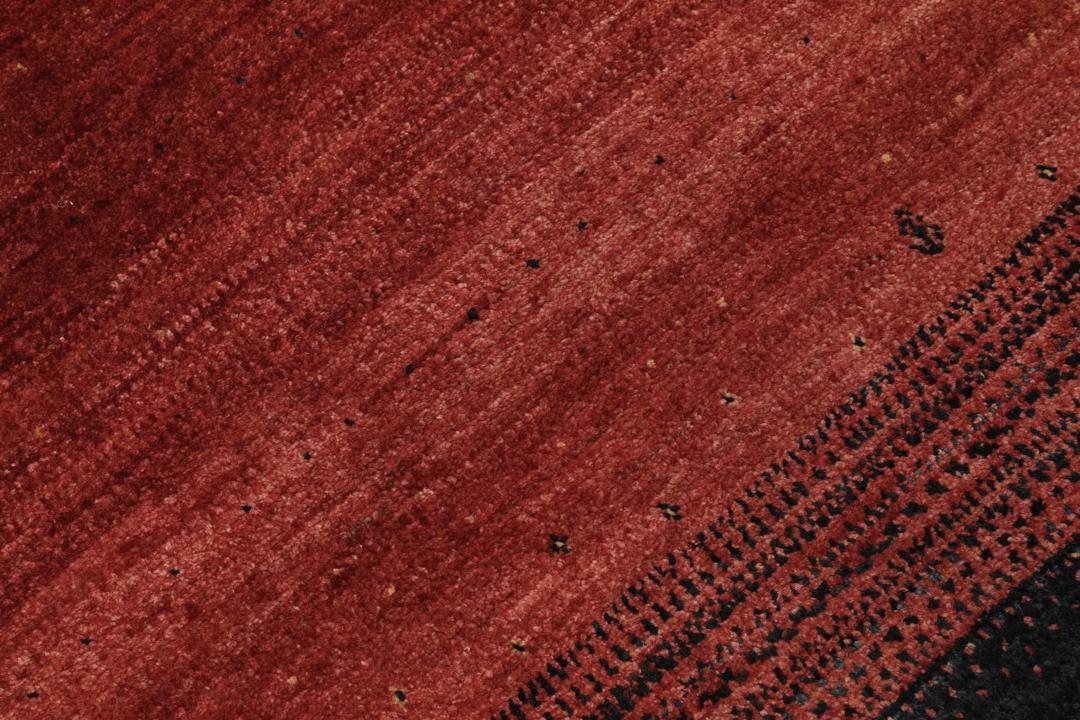
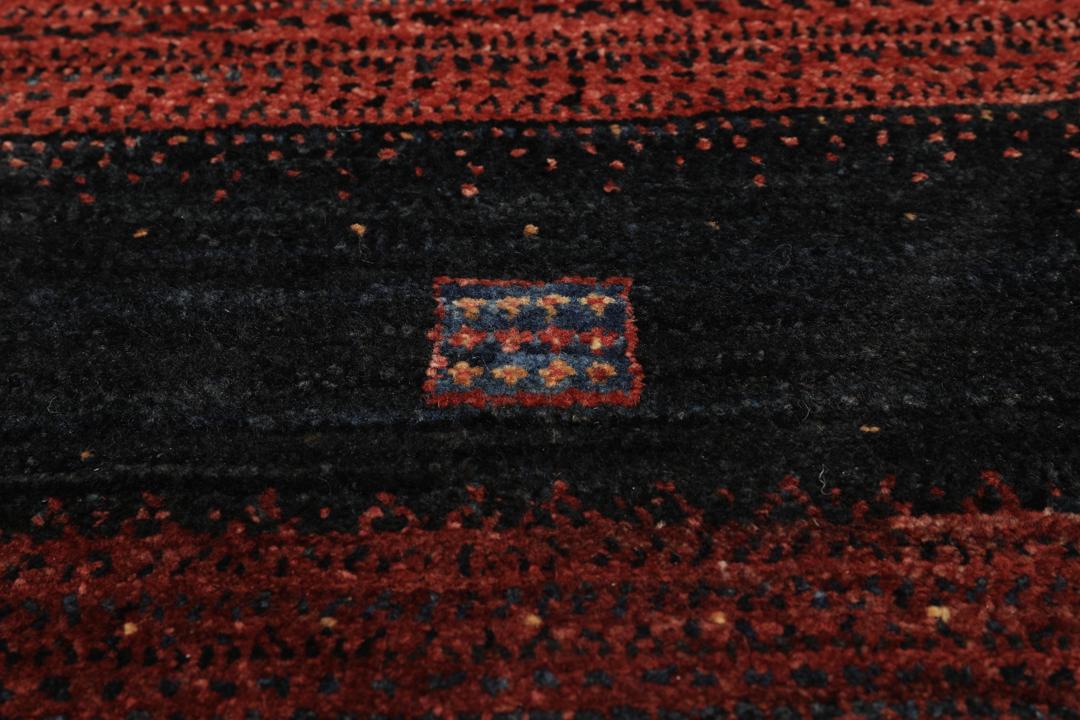
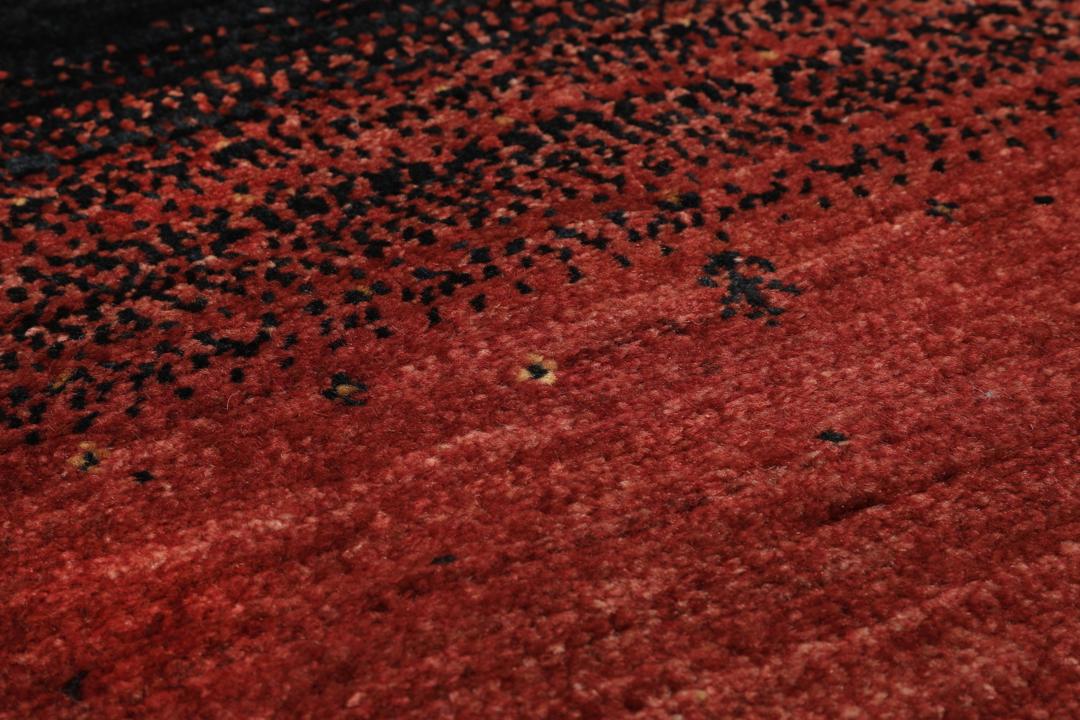
Visually, these rugs are known for their bold, often minimalist approach to design. While they may incorporate tribal motifs or simplistic geometric shapes, the true focus often lies in the depth of colour and the subtle, organic variations in the wool, which create a shifting, painterly effect across the field of the rug.
Owning a Loribaft rug is an opportunity to connect with a long-standing tradition of craftsmanship that values individuality. Because each piece is created by hand without the use of strict, mass-produced templates, these rugs are highly prized by collectors who appreciate the blend of authentic cultural heritage and the human touch that defines each unique creation.