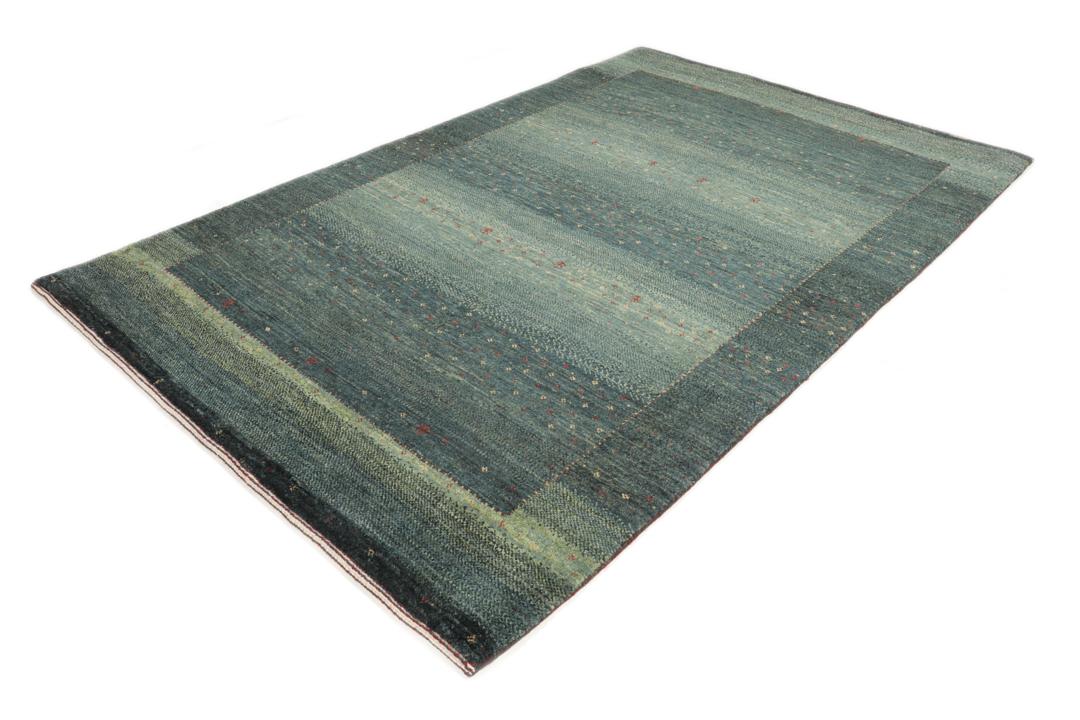
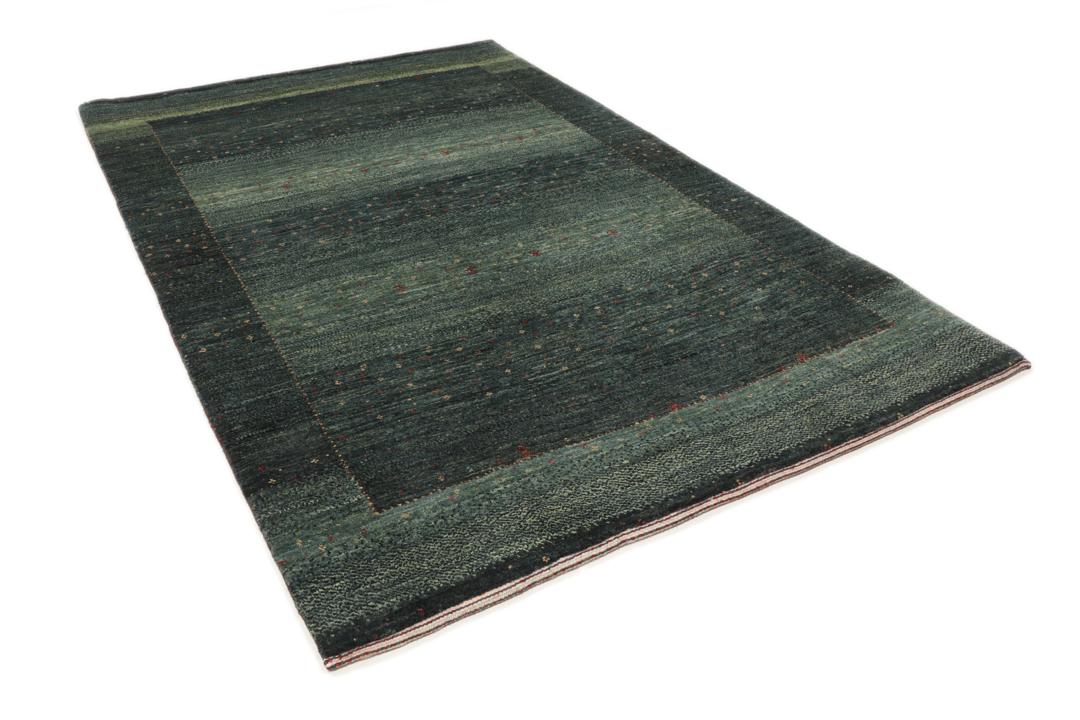
The Loribaft rug tradition originates from the tribal regions of the Middle East, where nomadic weavers developed a style that prioritises bold simplicity and creative freedom. Unlike more rigid, formal rug traditions, Loribaft rugs are celebrated for their open fields and an artistic spontaneity that reflects the natural environment of the weavers.
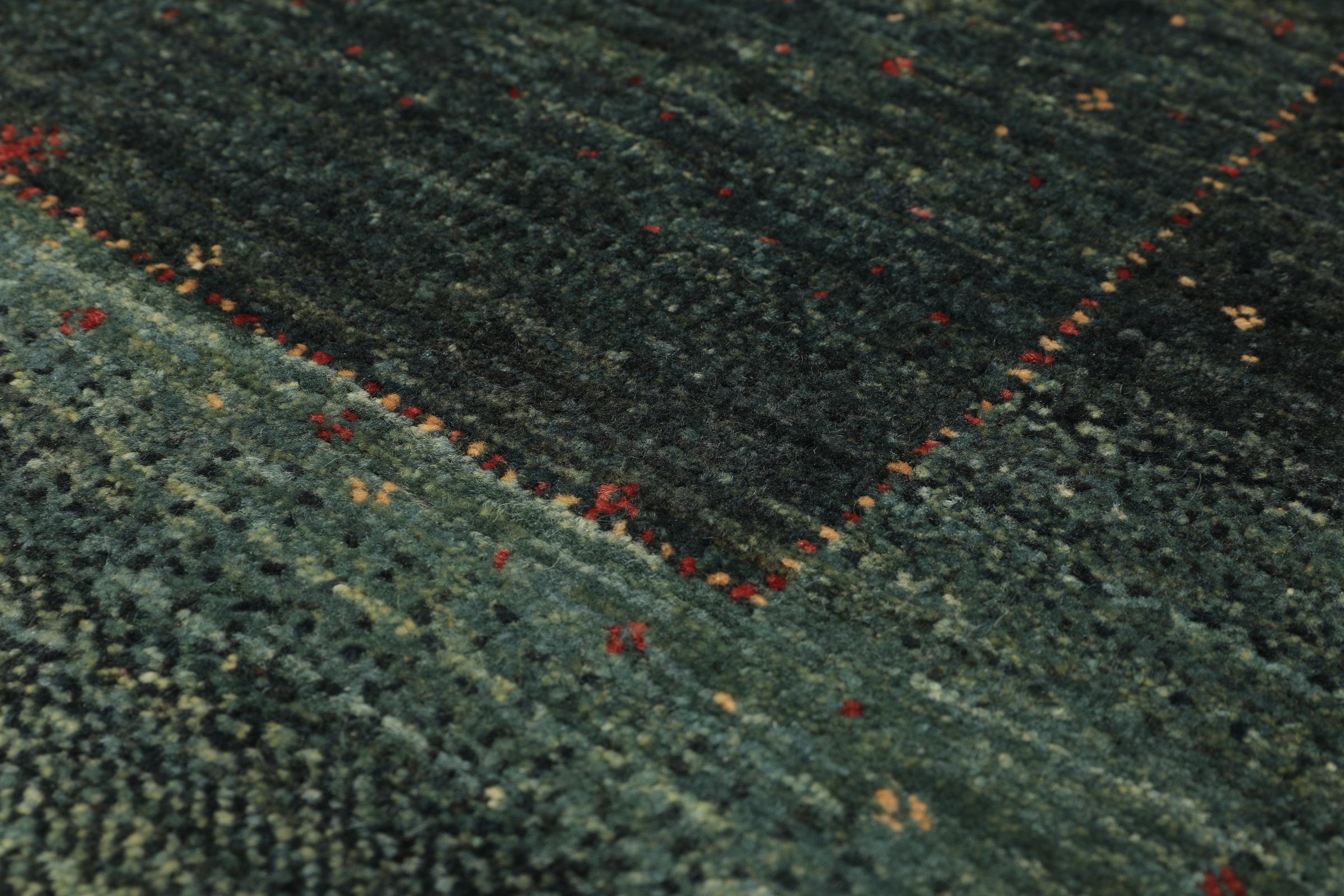
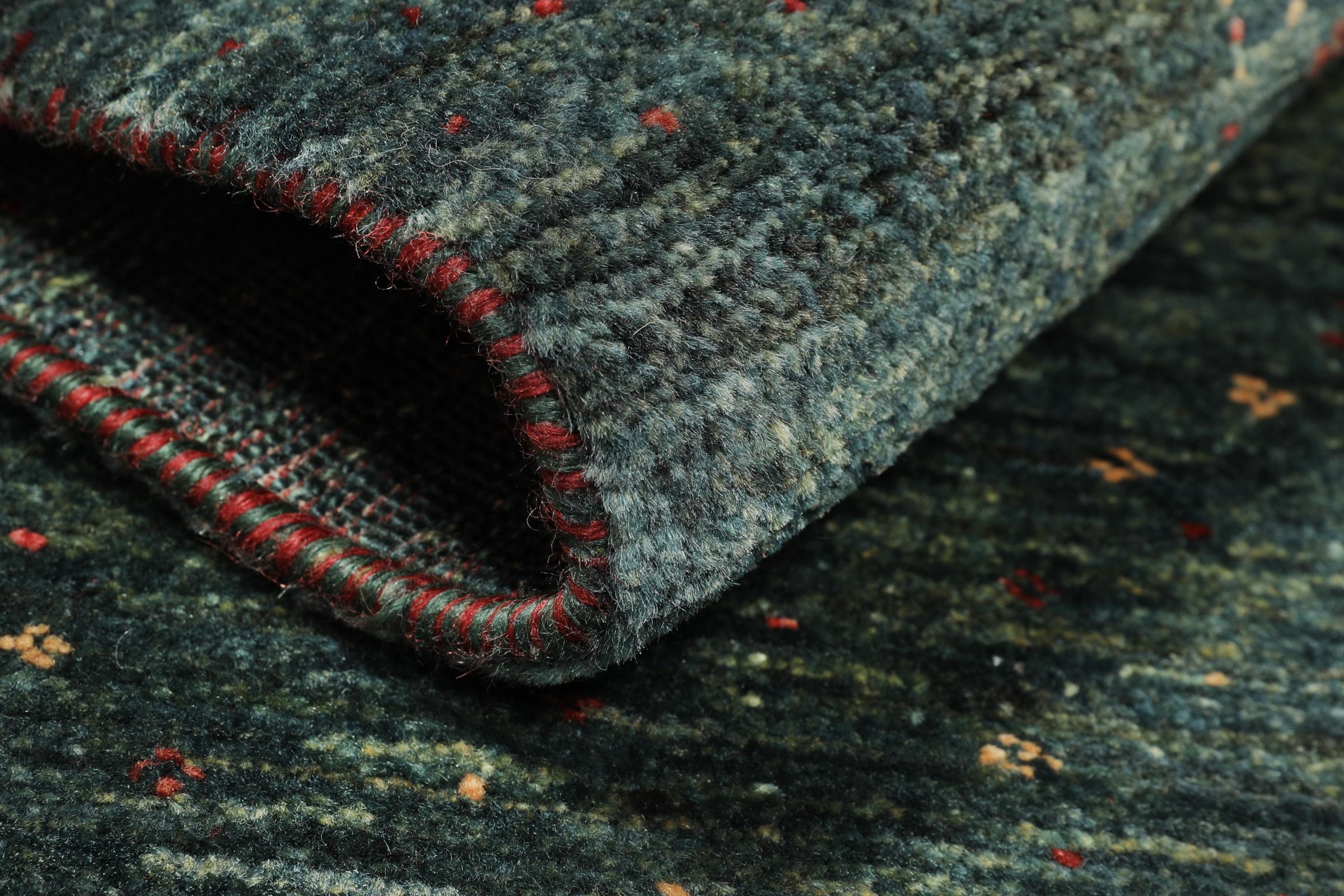
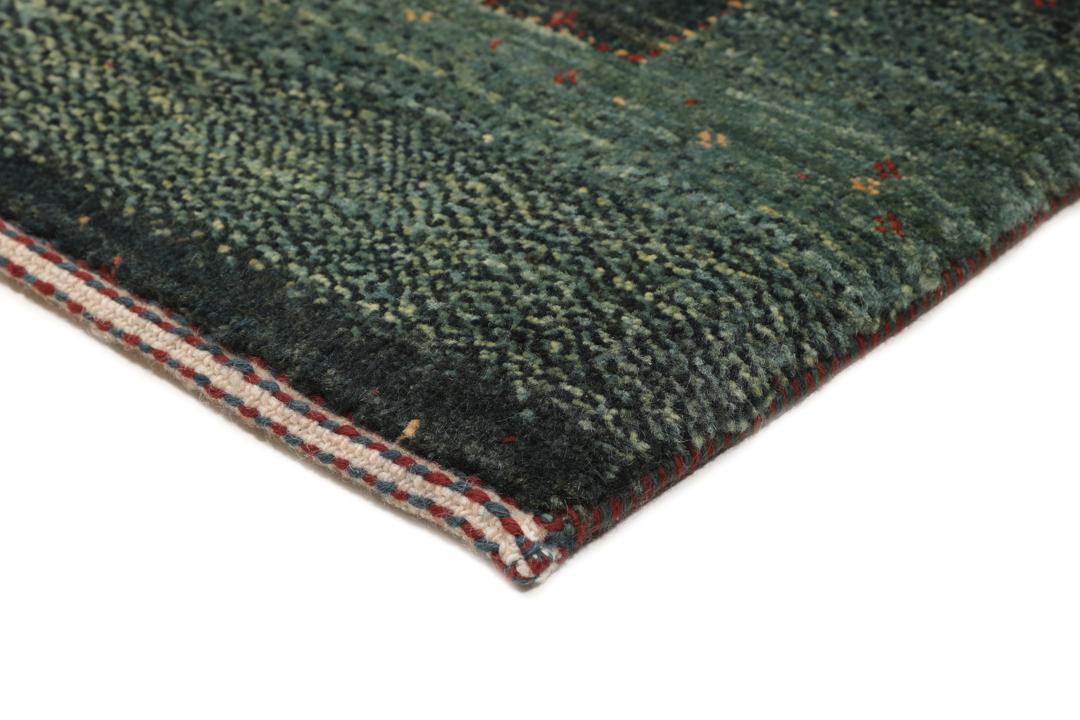
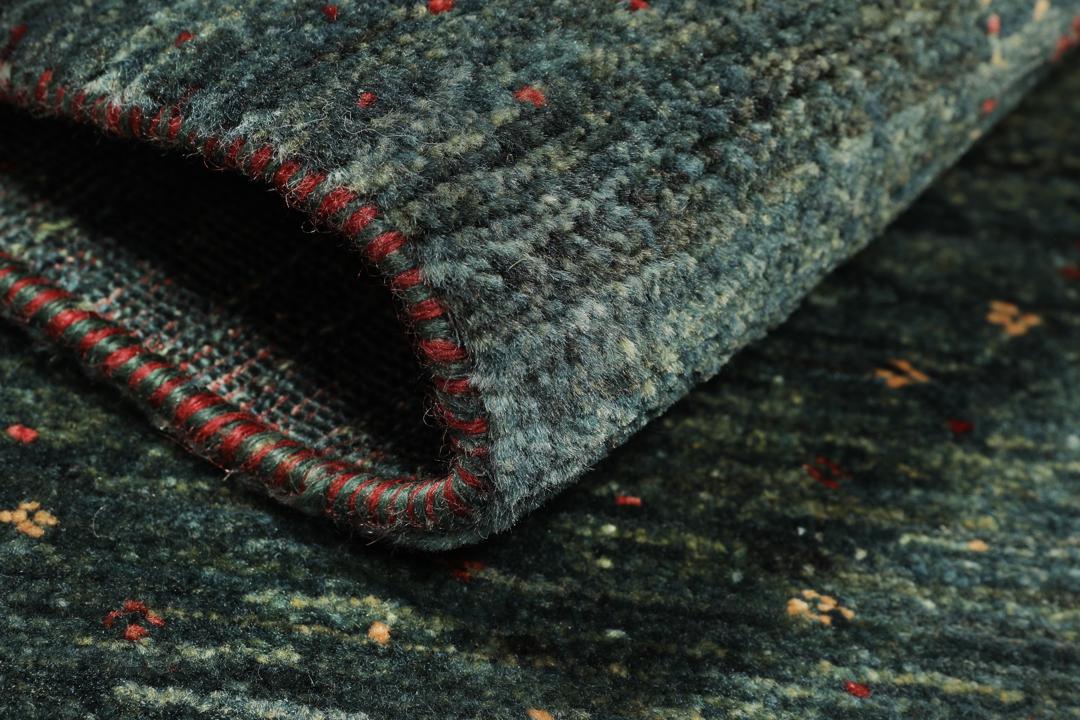
The term 'Loribaft' refers to the specific weaving style of the Luri tribes, often characterised by a thicker, softer pile that emphasises comfort and durability. This style has evolved over generations, blending ancient nomadic techniques with refined finishing processes to create a rug that is both robust for daily use and sophisticated enough for modern homes.
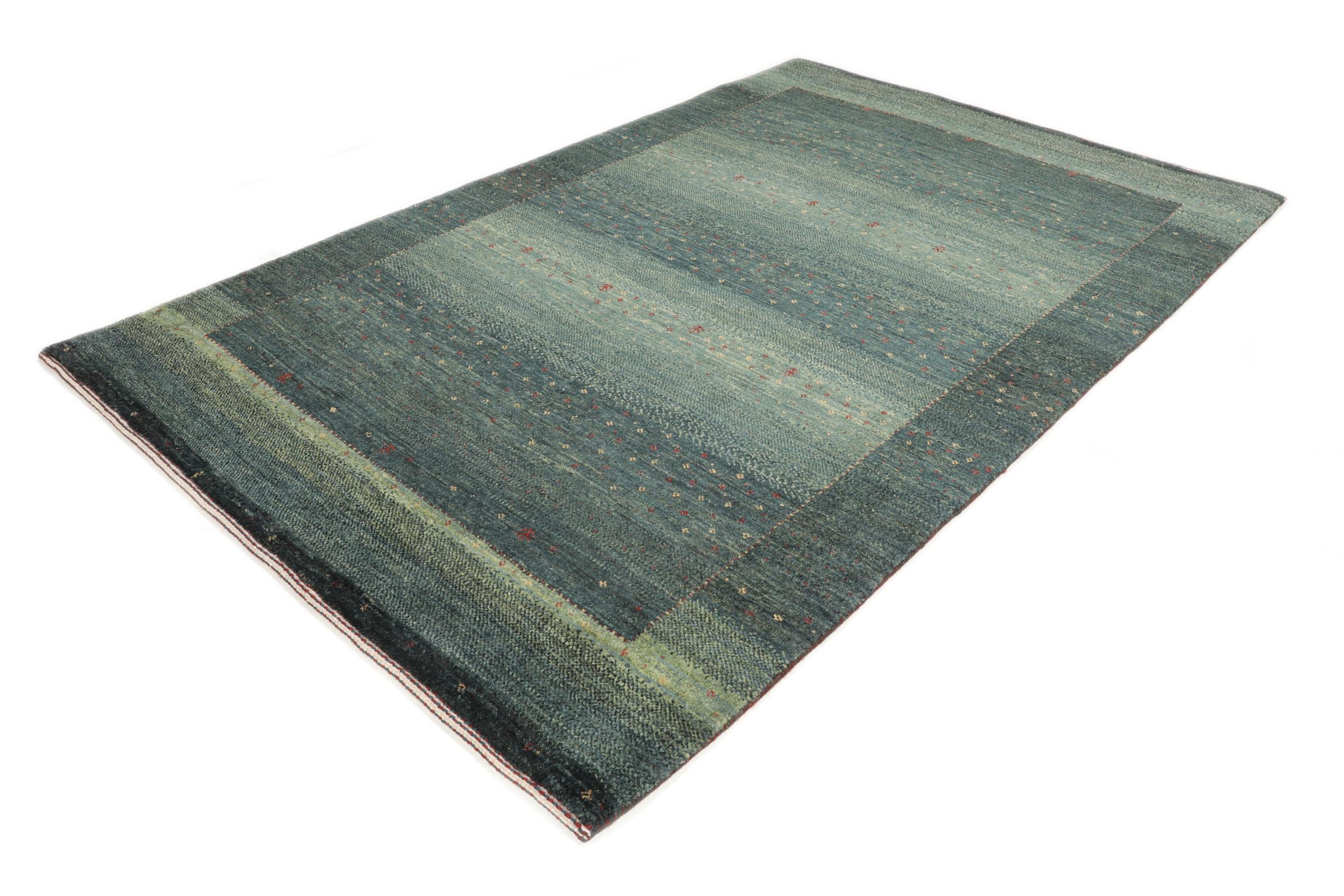
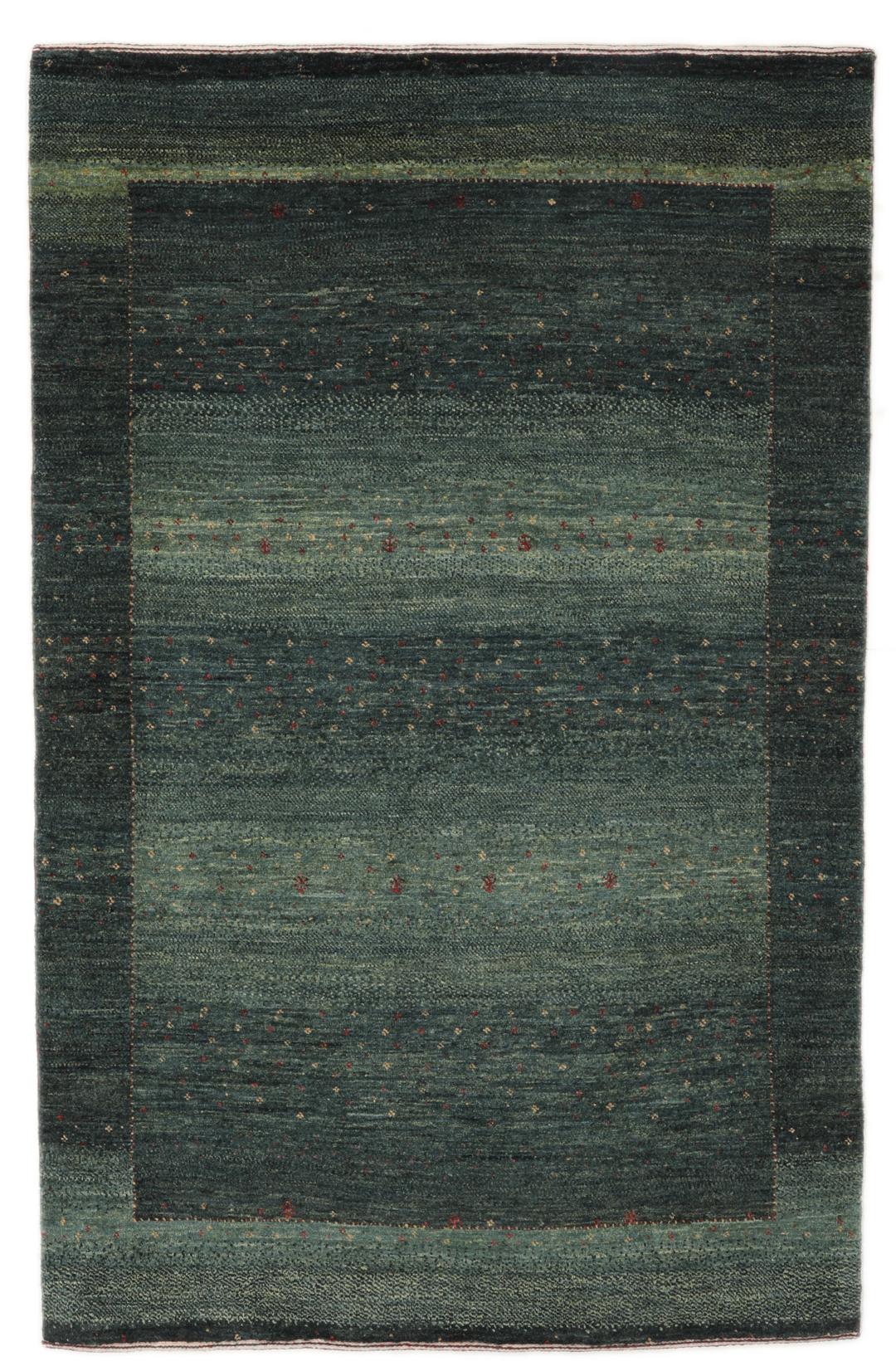
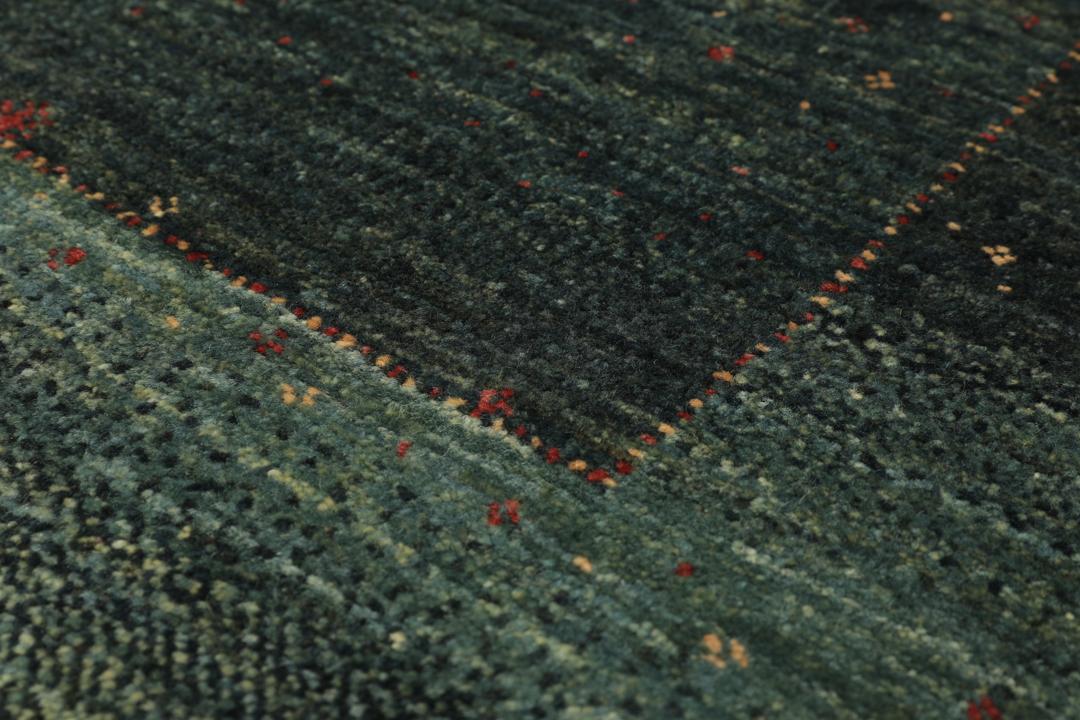
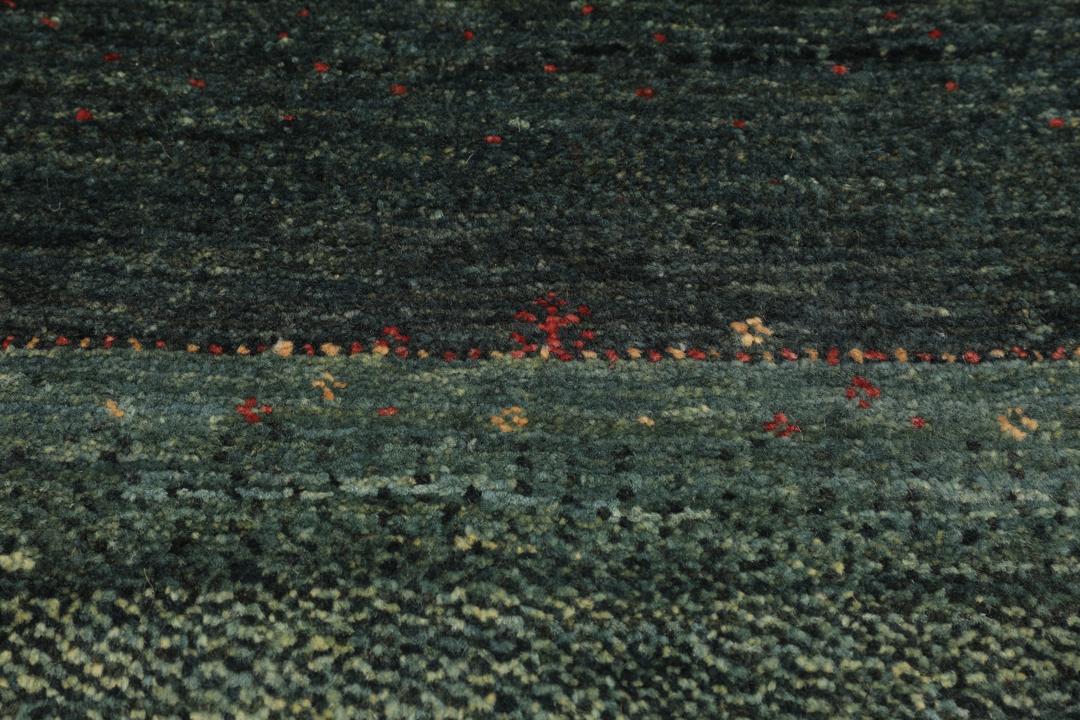
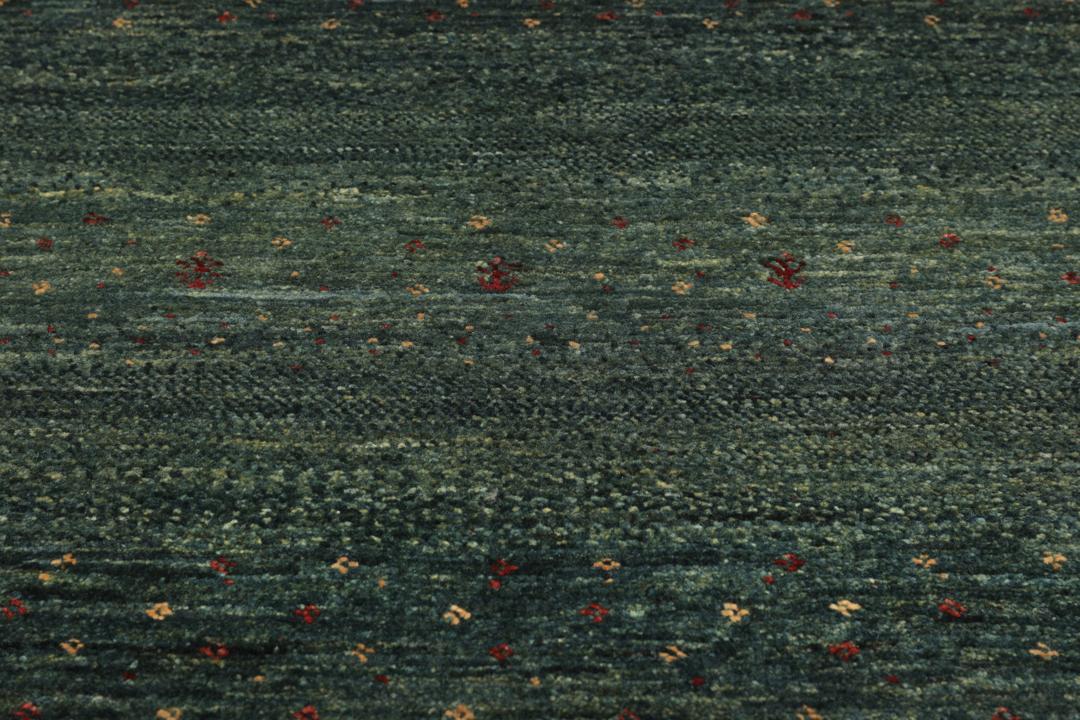
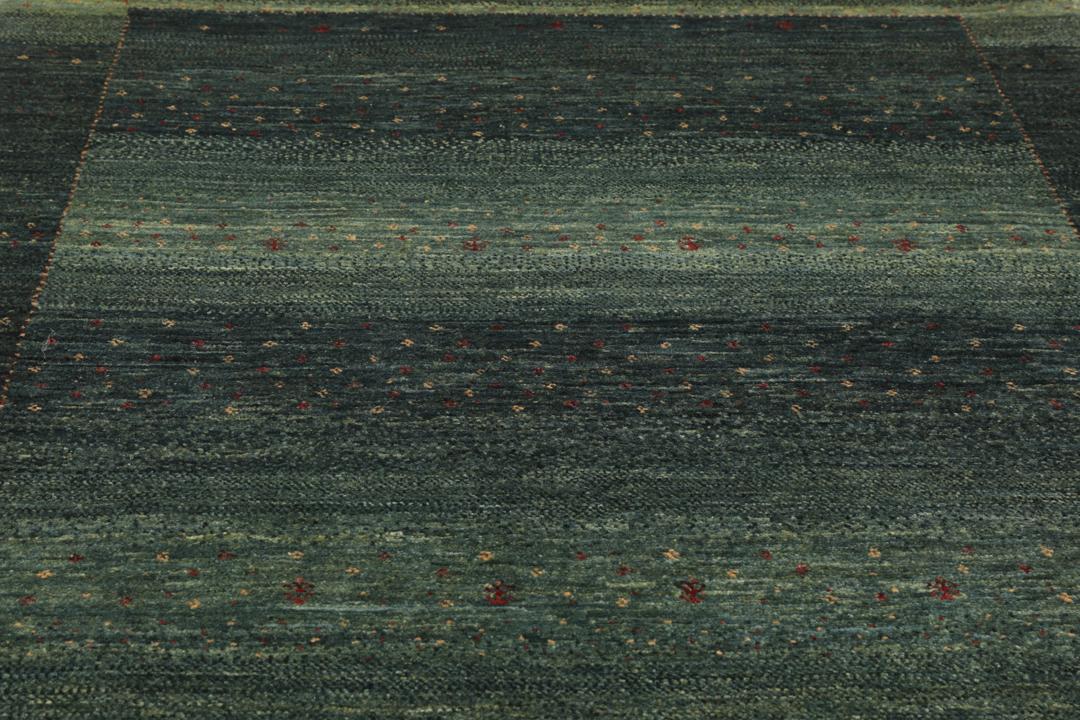
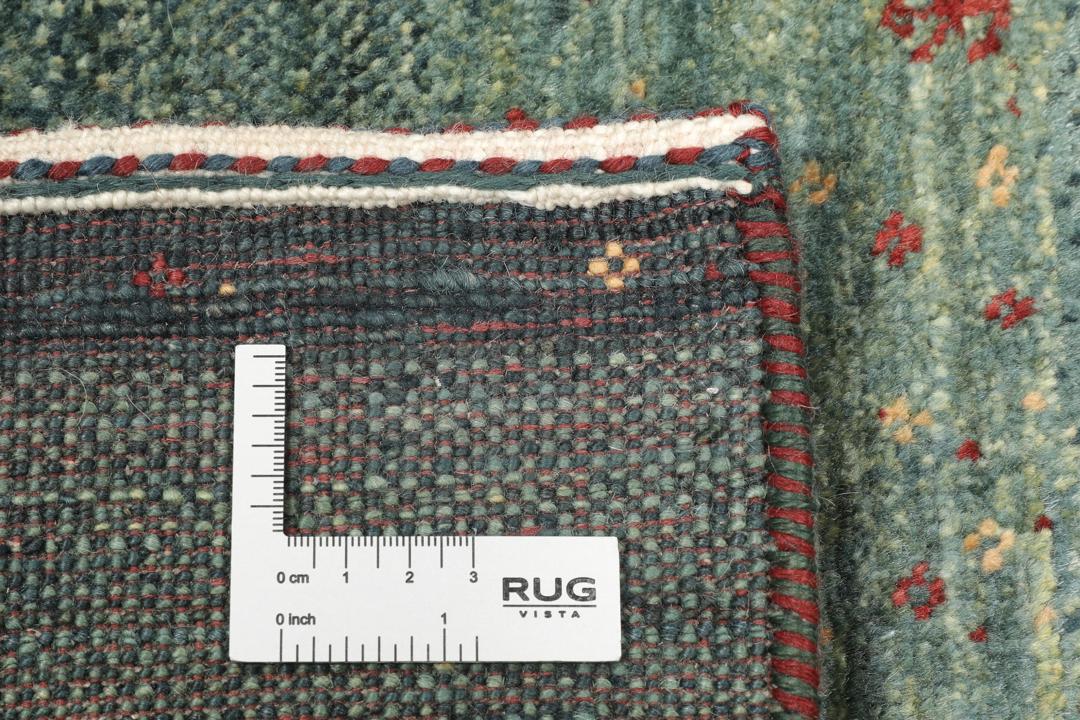
Visually, these rugs are known for their minimalist use of space. While many traditional rugs are packed with intricate, repeating medallions, the Loribaft often features a vast, open field of colour, sometimes accented by tiny, sparse motifs or subtle abrash—the natural variations in colour that occur when yarn is dyed in small batches. This rug perfectly exemplifies that tradition, using its deep teal canvas as the primary focus.
Collectors and design enthusiasts value these rugs for their authentic connection to heritage and the human element present in every knot. Owning a Loribaft is an investment in a living tradition, representing a bridge between centuries-old nomadic skills and the aesthetic demands of today's homes. It is a piece that carries cultural weight and a sense of grounded, enduring quality.