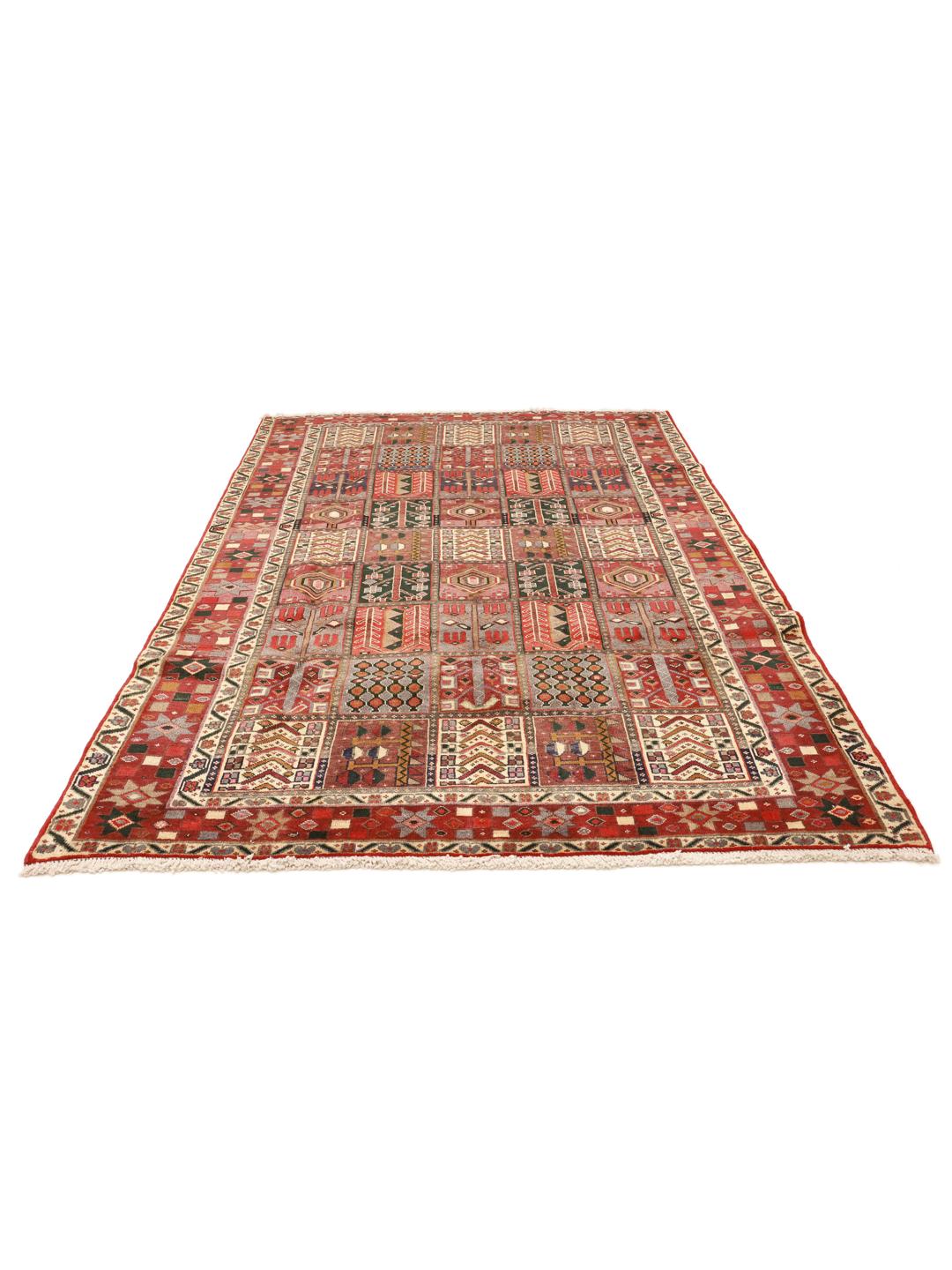
Lori rugs are the vibrant expression of the Lori people, a nomadic group native to the mountainous regions of the Middle East. Historically, these weavers created these rugs as functional items for life on the move, intended for use as floor coverings, tent dividers, or saddlebags. Because of their nomadic roots, the designs are deeply connected to the landscapes and tribal memories of the people, evolving over centuries to become a distinct style recognised for its bold, honest aesthetic.
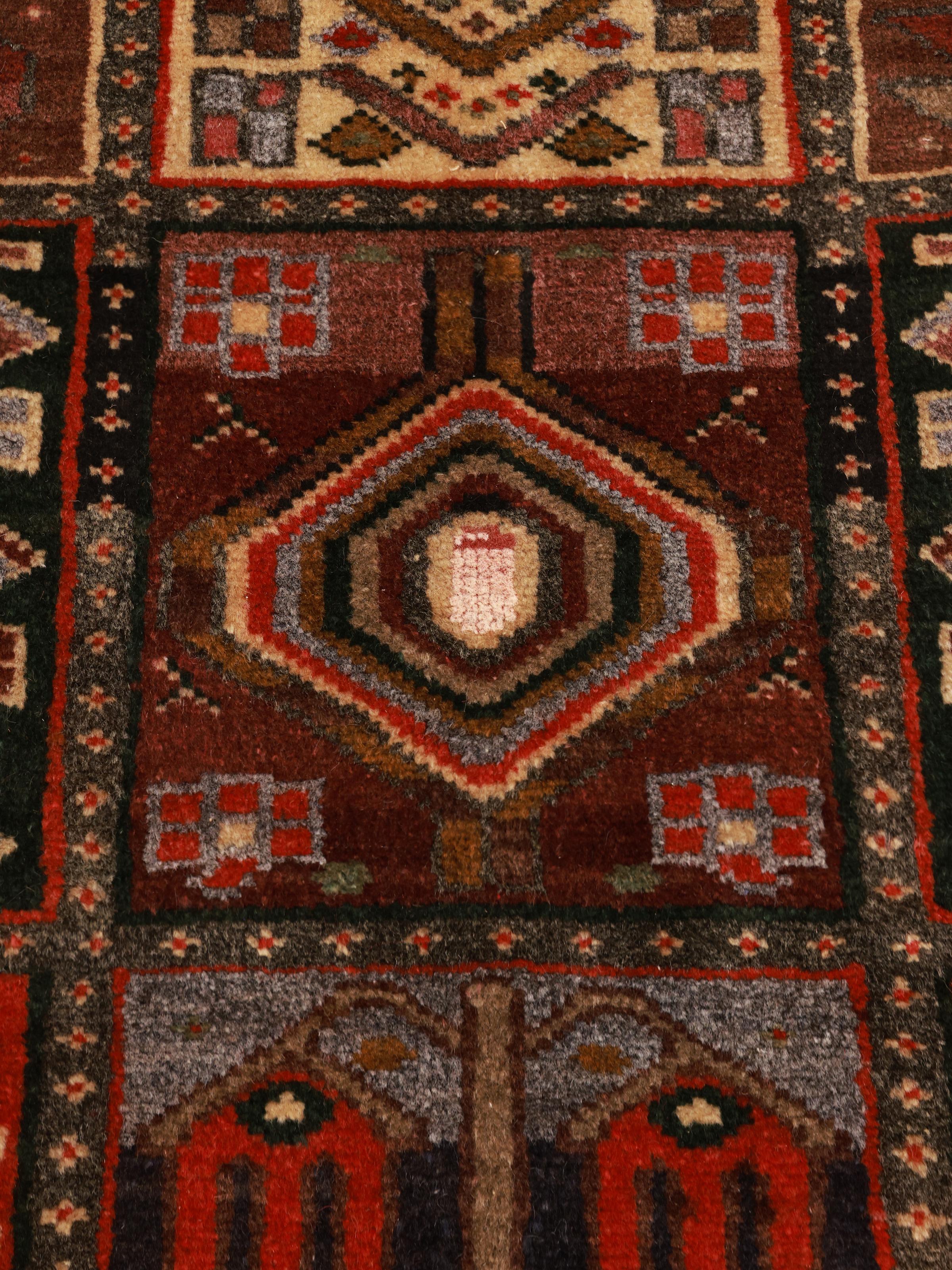
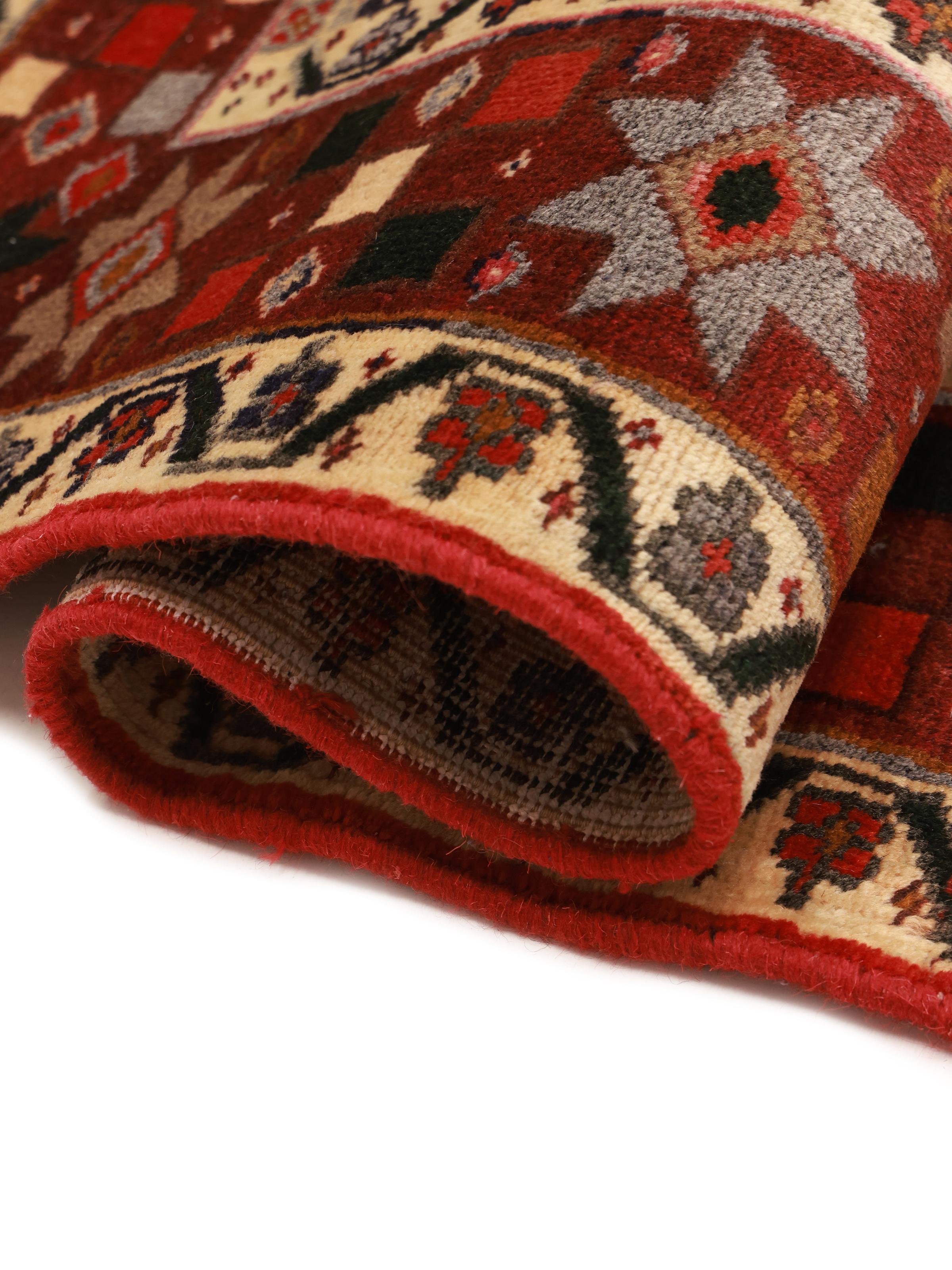
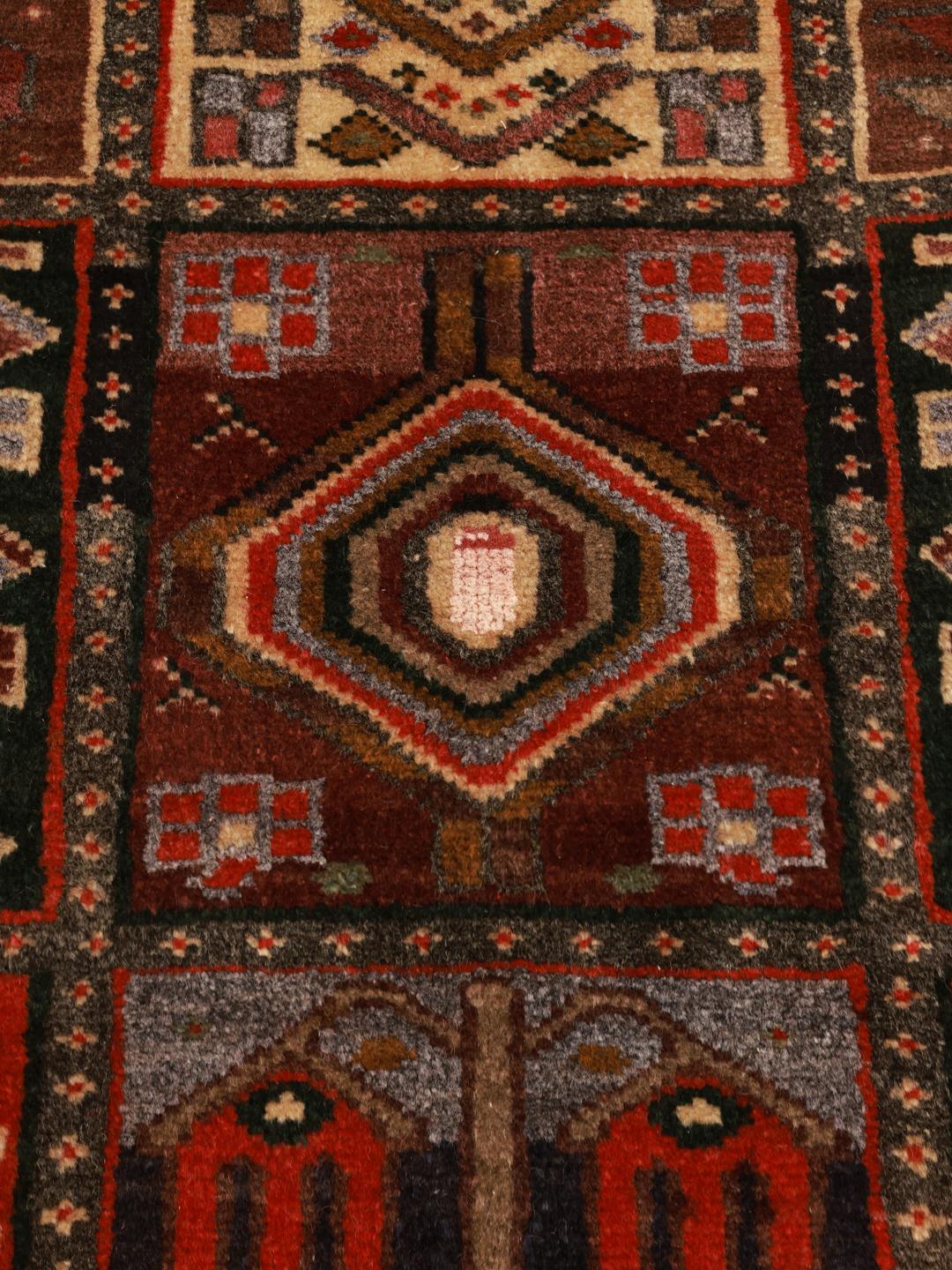
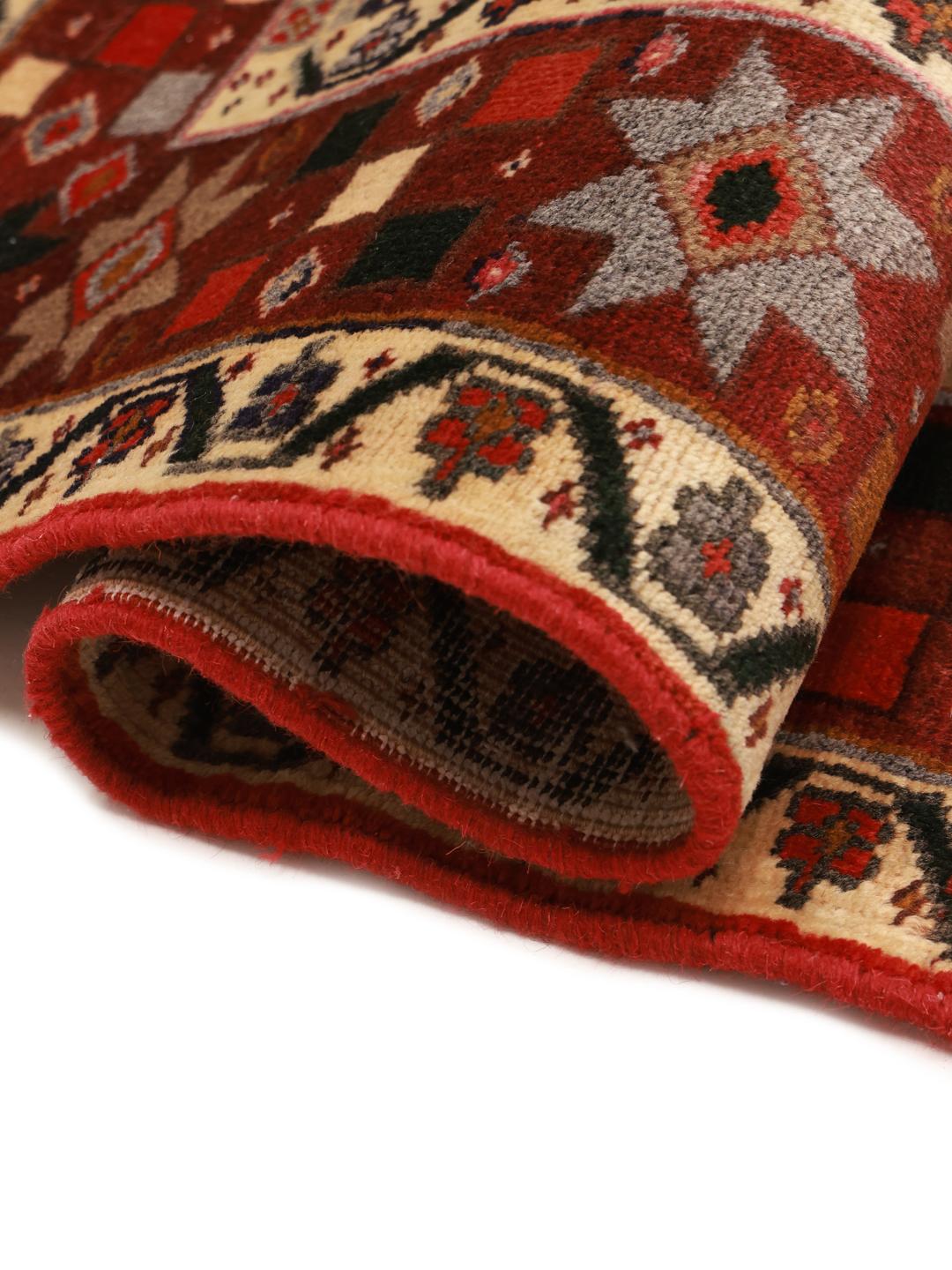
The technical quality of a Lori rug is defined by its robust construction, which is meant to withstand the rigours of nomadic life. These rugs are typically hand-knotted using high-quality wool, which is often hand-spun to retain its natural oils and strength. The resulting pile is dense and resilient, qualities that have been perfected over generations of practice. This technical focus on durability ensures that the rug is not just a decorative object, but a practical, long-lasting investment.
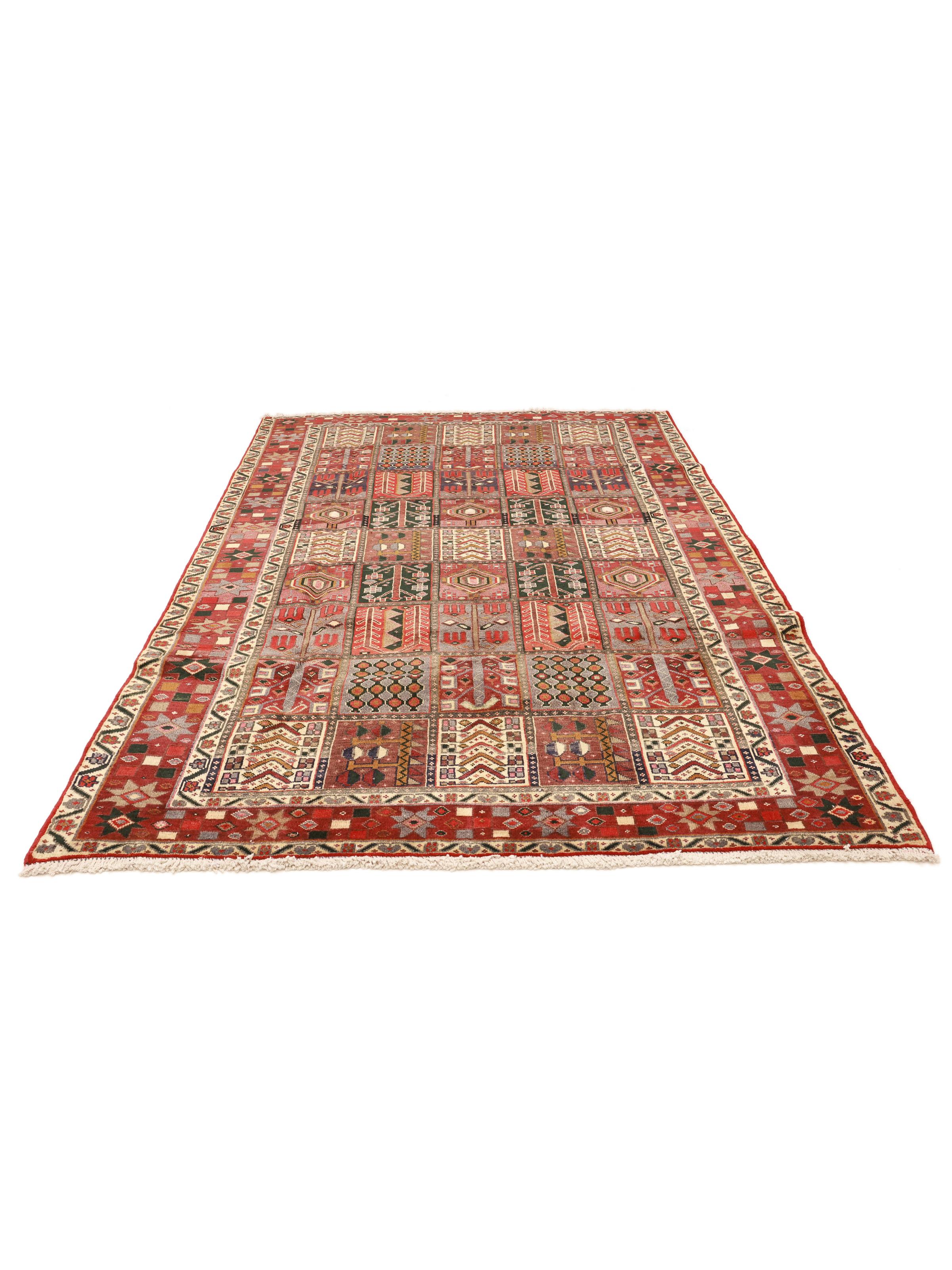
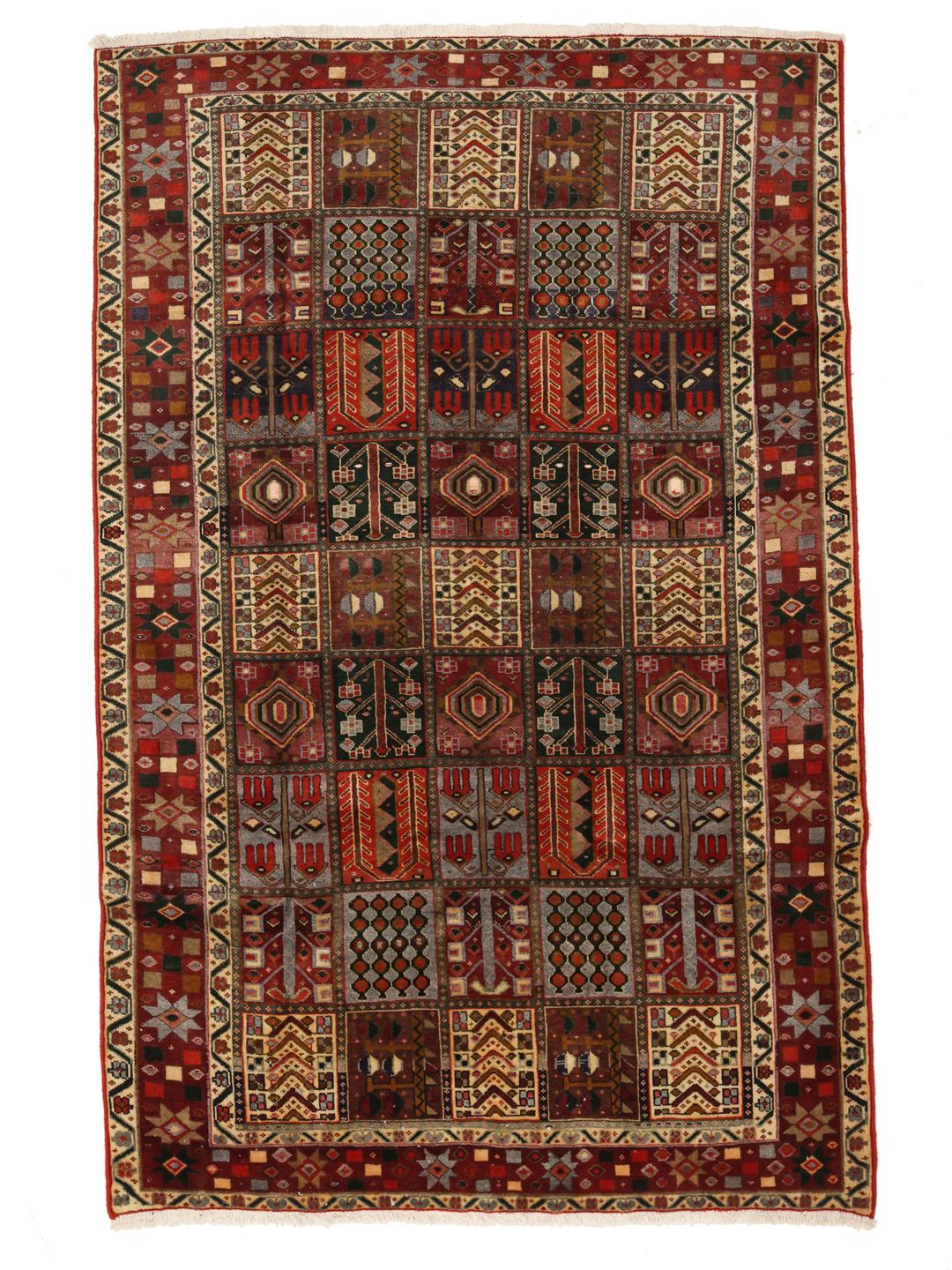
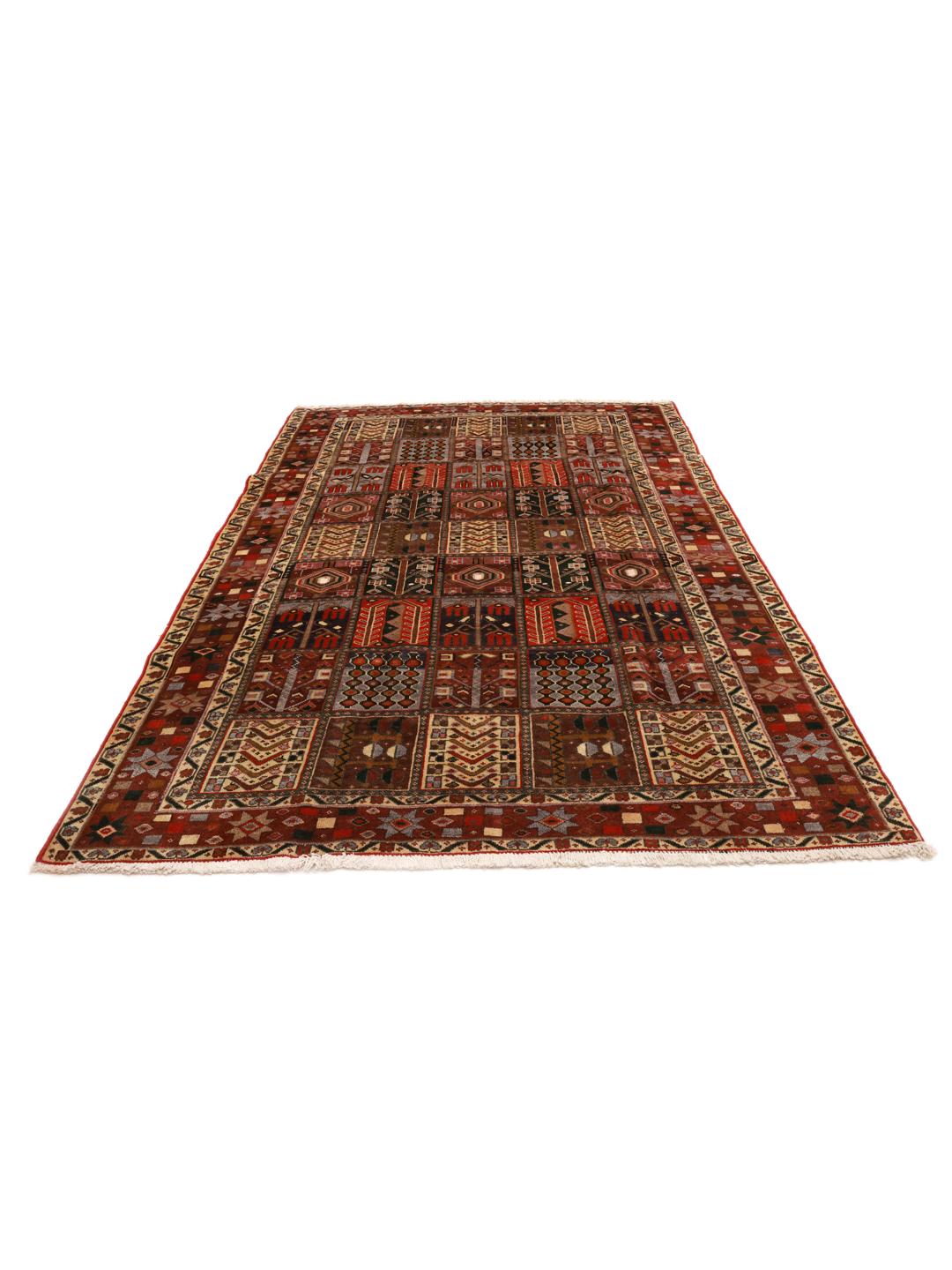
Visually, the Lori tradition is celebrated for its use of geometric panels and stylised motifs that often represent the natural world or tribal symbols. Unlike the more formal, courtly rugs found in urban centres, Lori rugs embrace a more rustic, spontaneous approach to pattern. You will often see repeating medallions or segmented fields filled with diamonds and zig-zags, all rendered in a palette of warm, earthy tones derived from natural vegetable dyes.
Owning a Lori rug is an opportunity to connect with a rich cultural heritage. These pieces are highly valued by collectors for their authenticity and the human story behind every knot. They represent a rare intersection of utility and creative expression, serving as a tangible link to a nomadic way of life that values individual skill and communal tradition. By bringing a Lori rug into your home, you are preserving a piece of history that continues to hold its value and beauty.