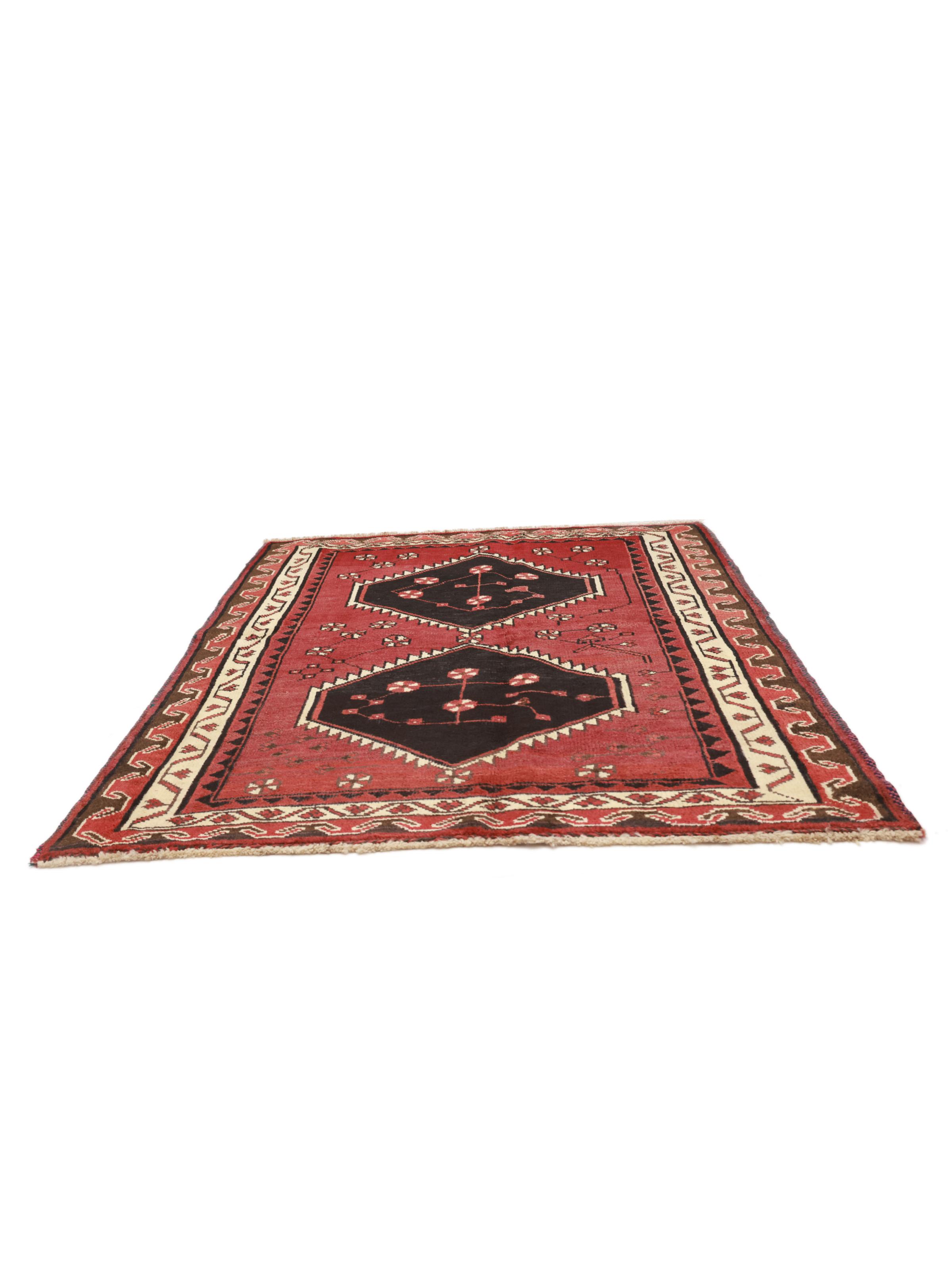
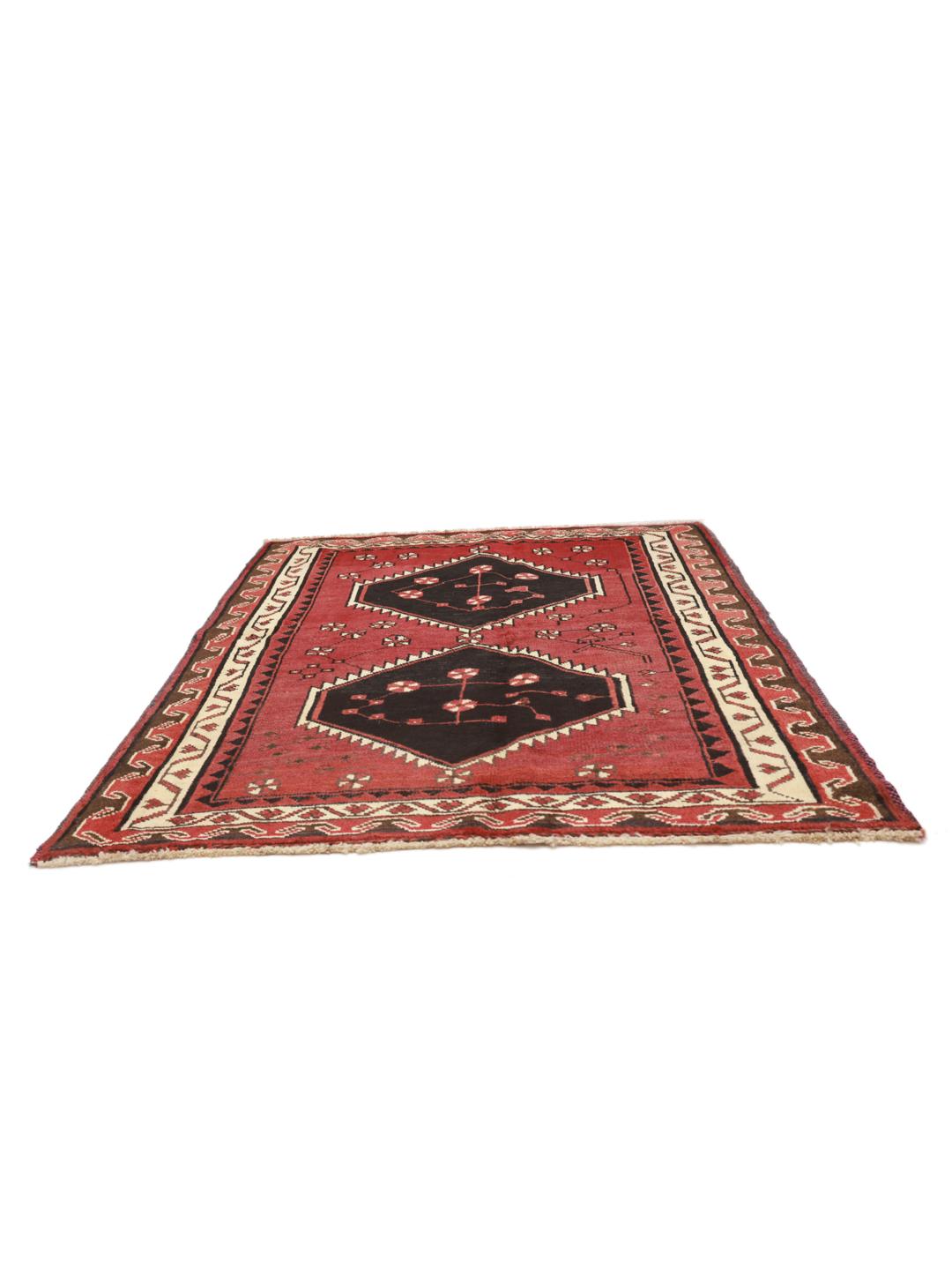
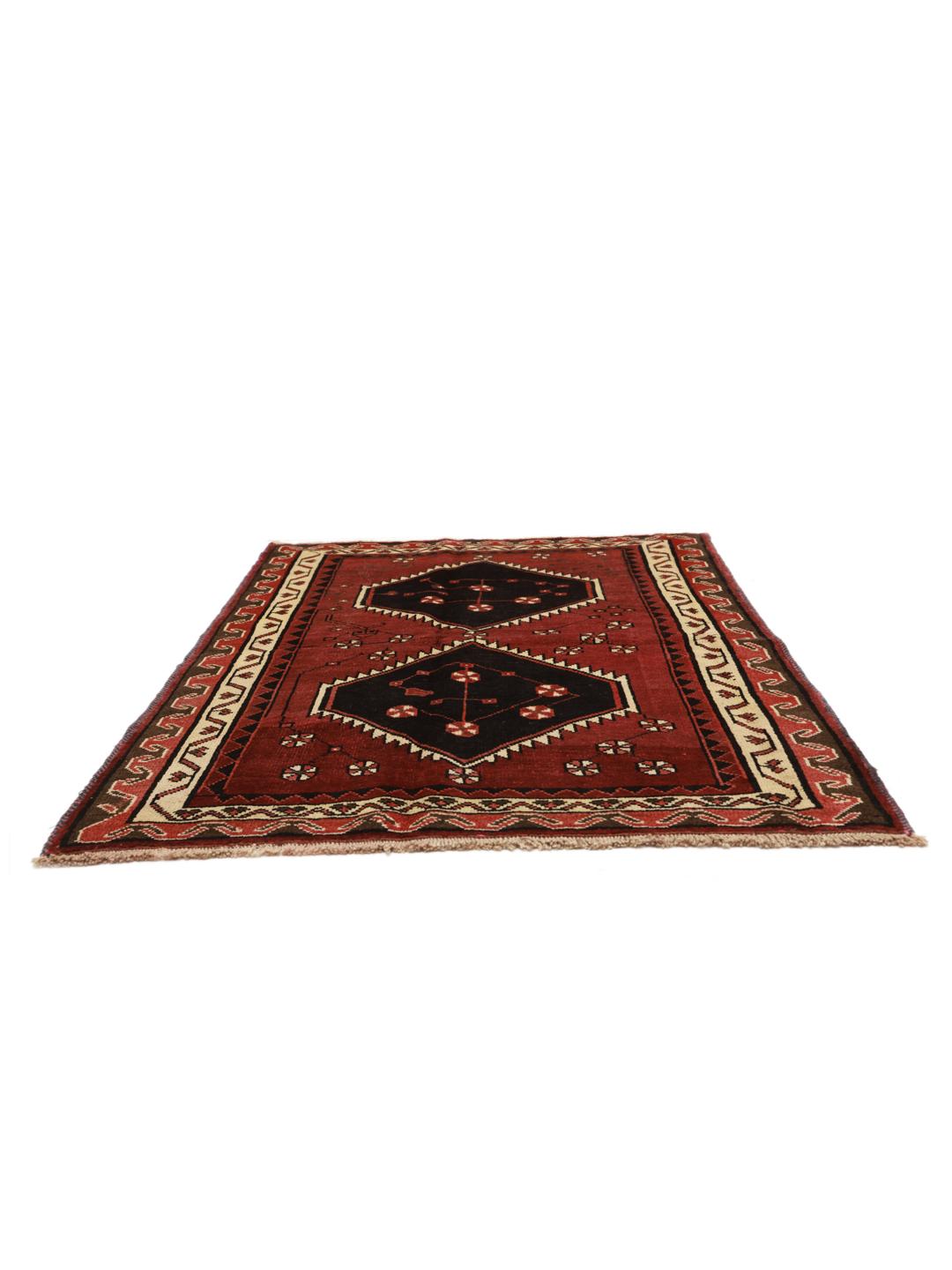
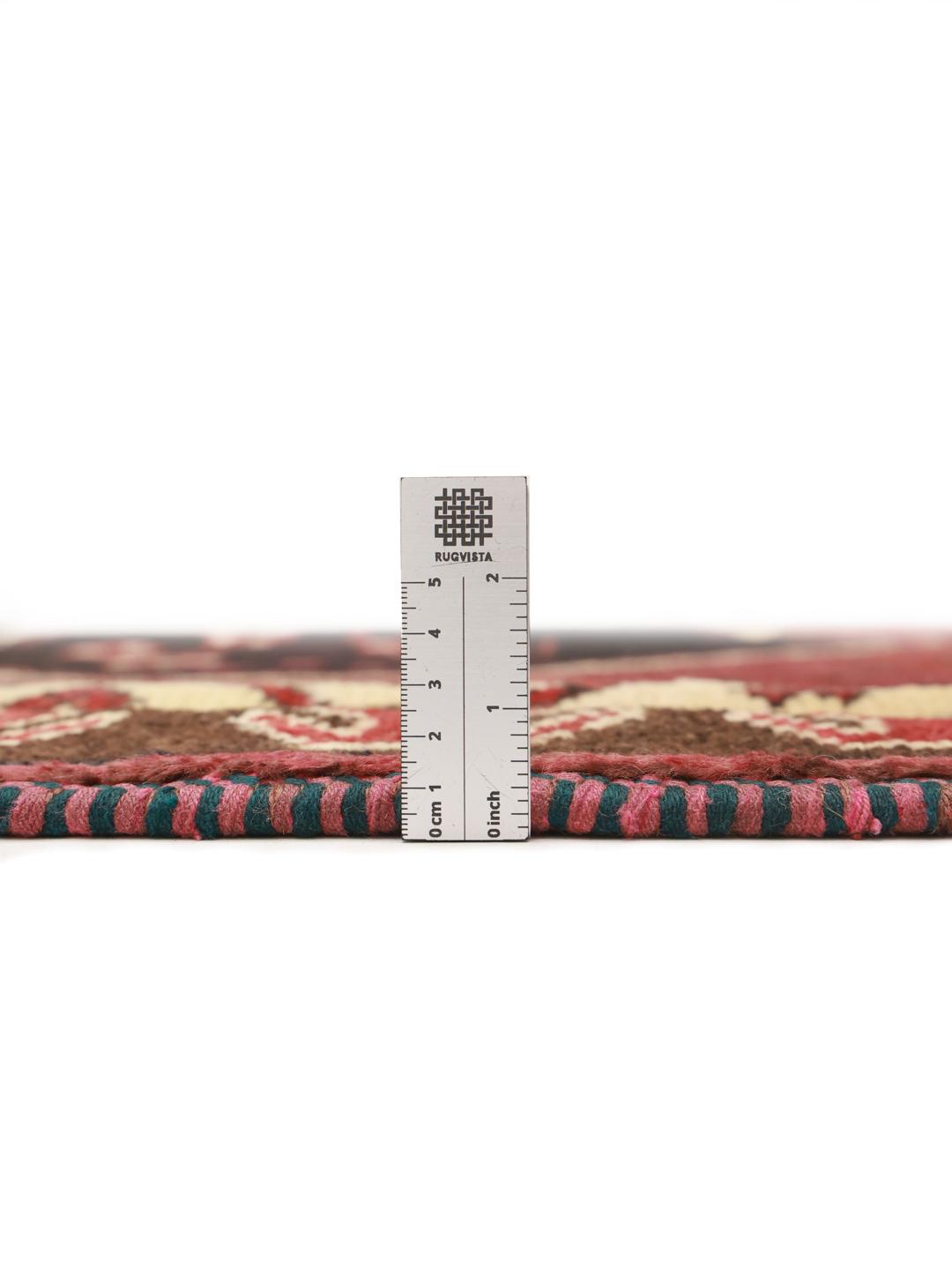
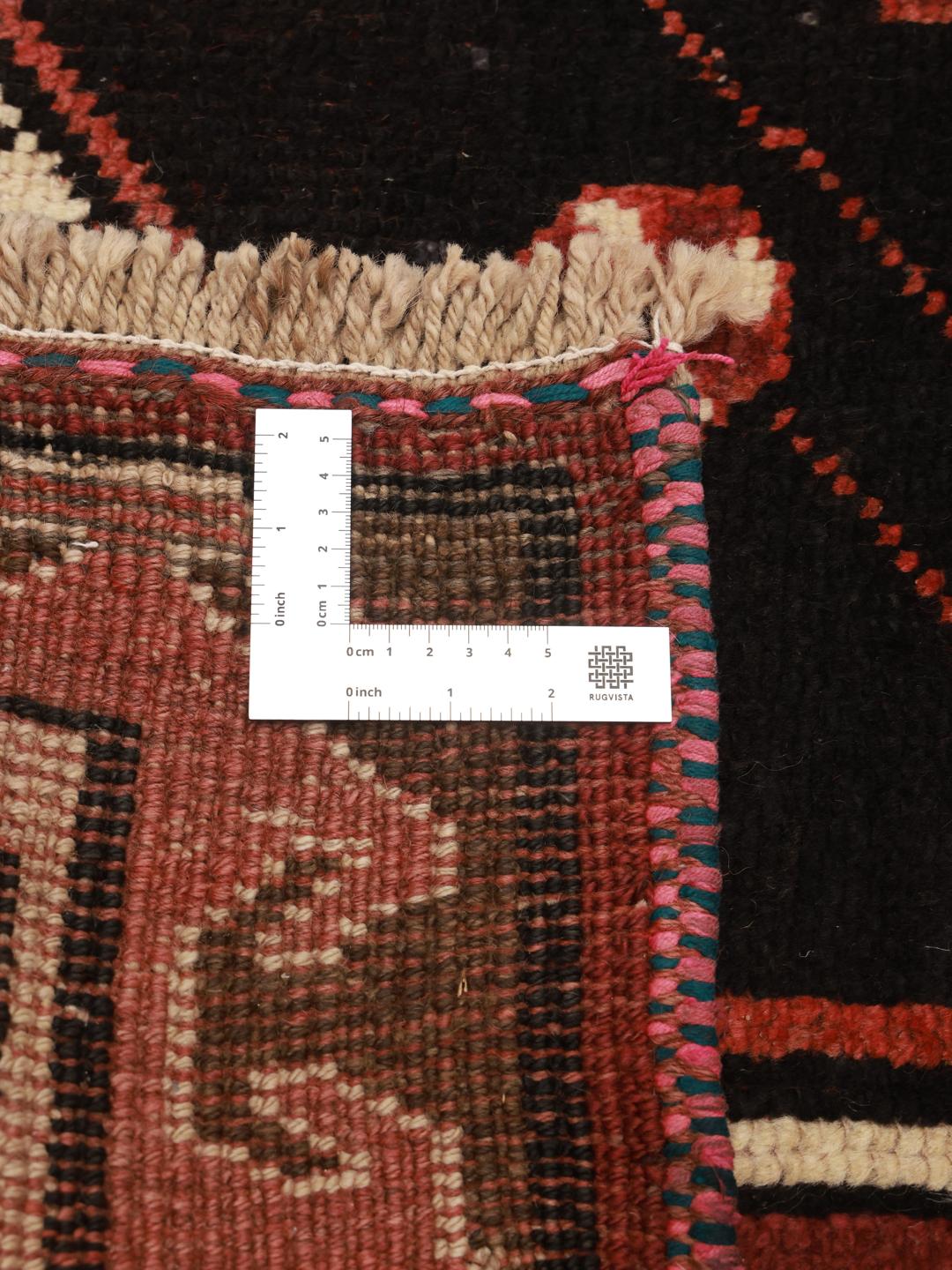
Lori rugs originate from the tribal traditions of the Middle East, specifically from the regions inhabited by the Lori people. These rugs are deeply connected to the semi-nomadic lifestyle of their makers, who have passed down weaving techniques through generations. The rugs are known for their rugged, honest construction and their ability to reflect the environment and cultural identity of the tribes who create them.
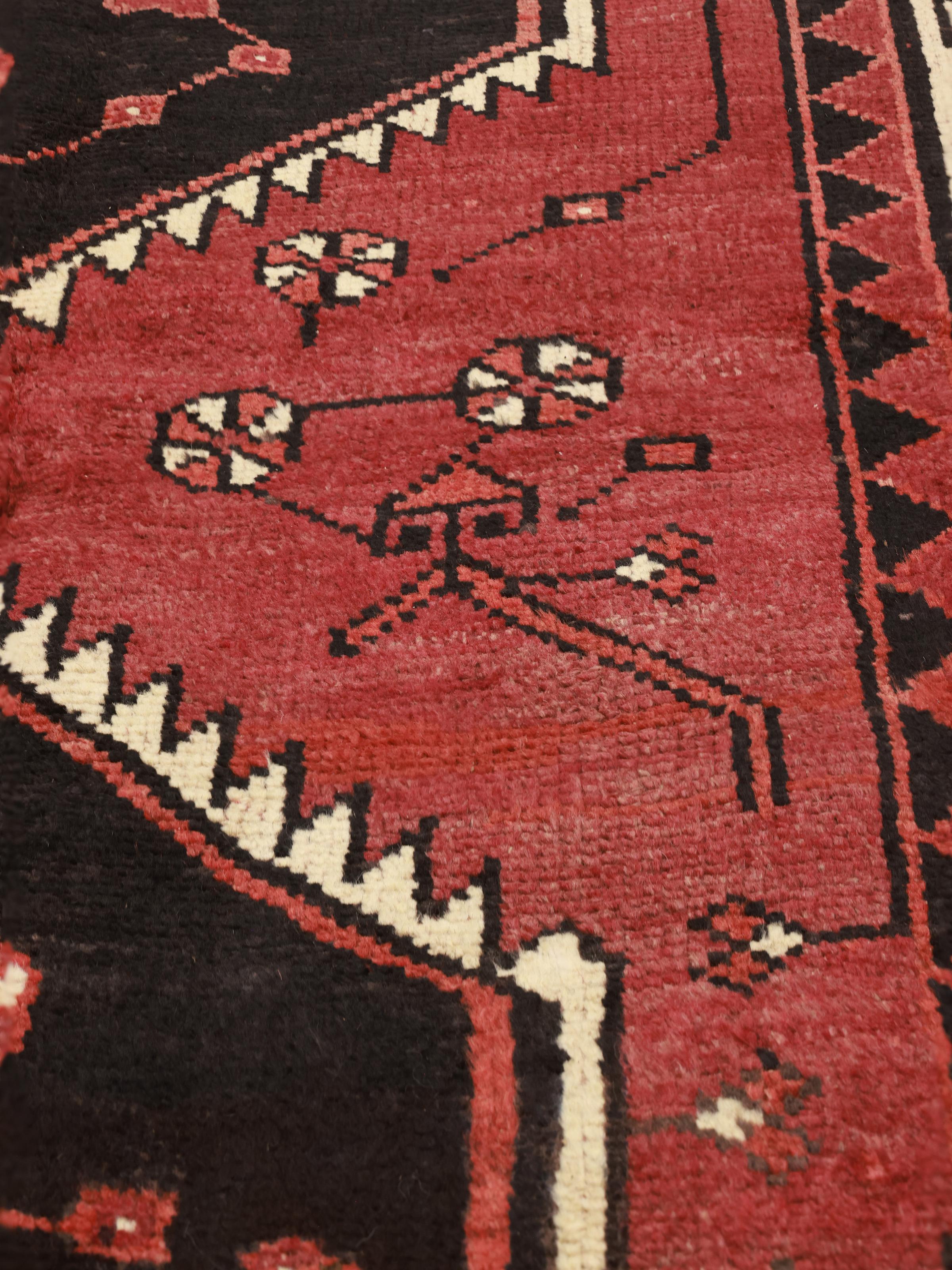
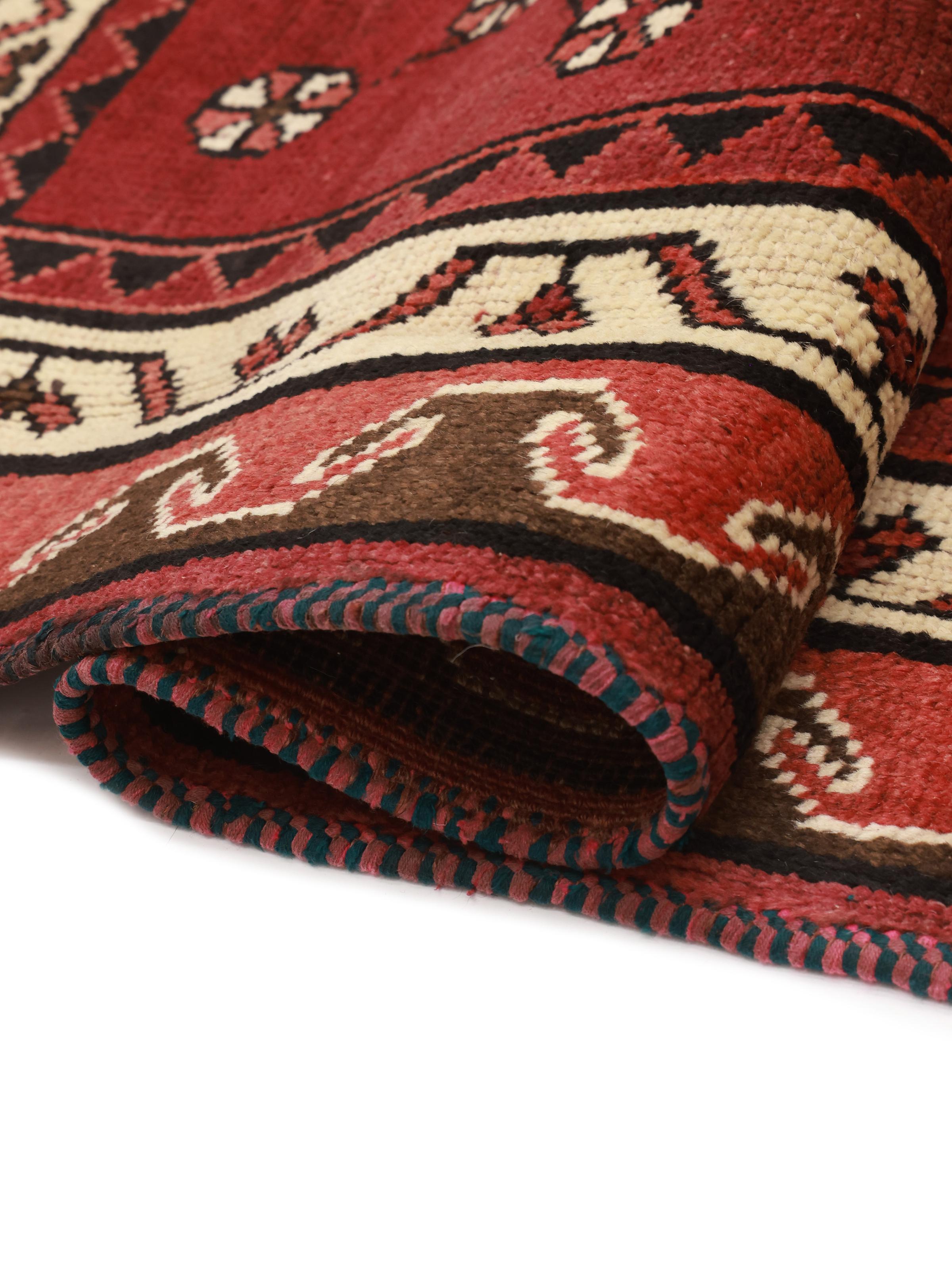
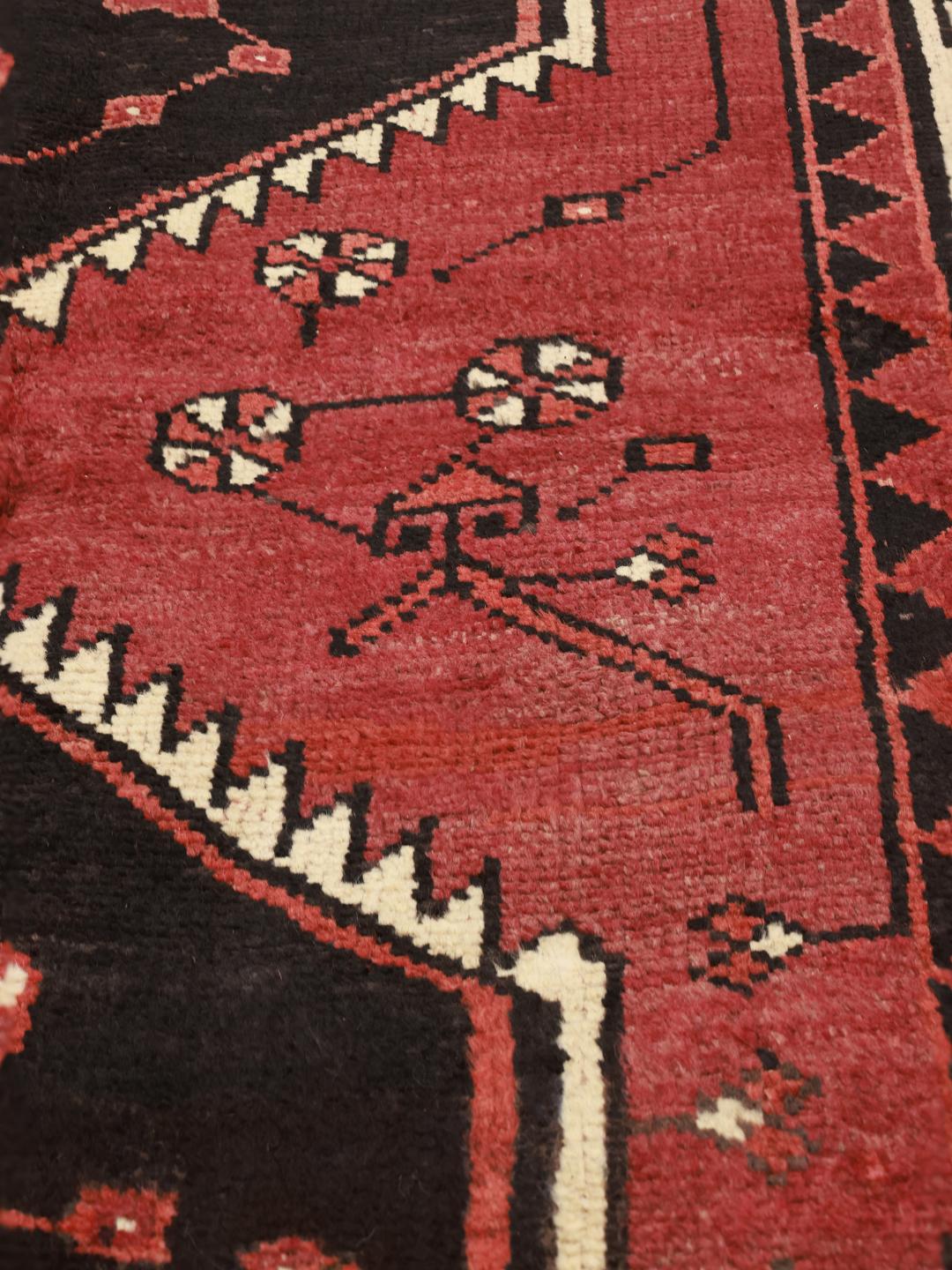
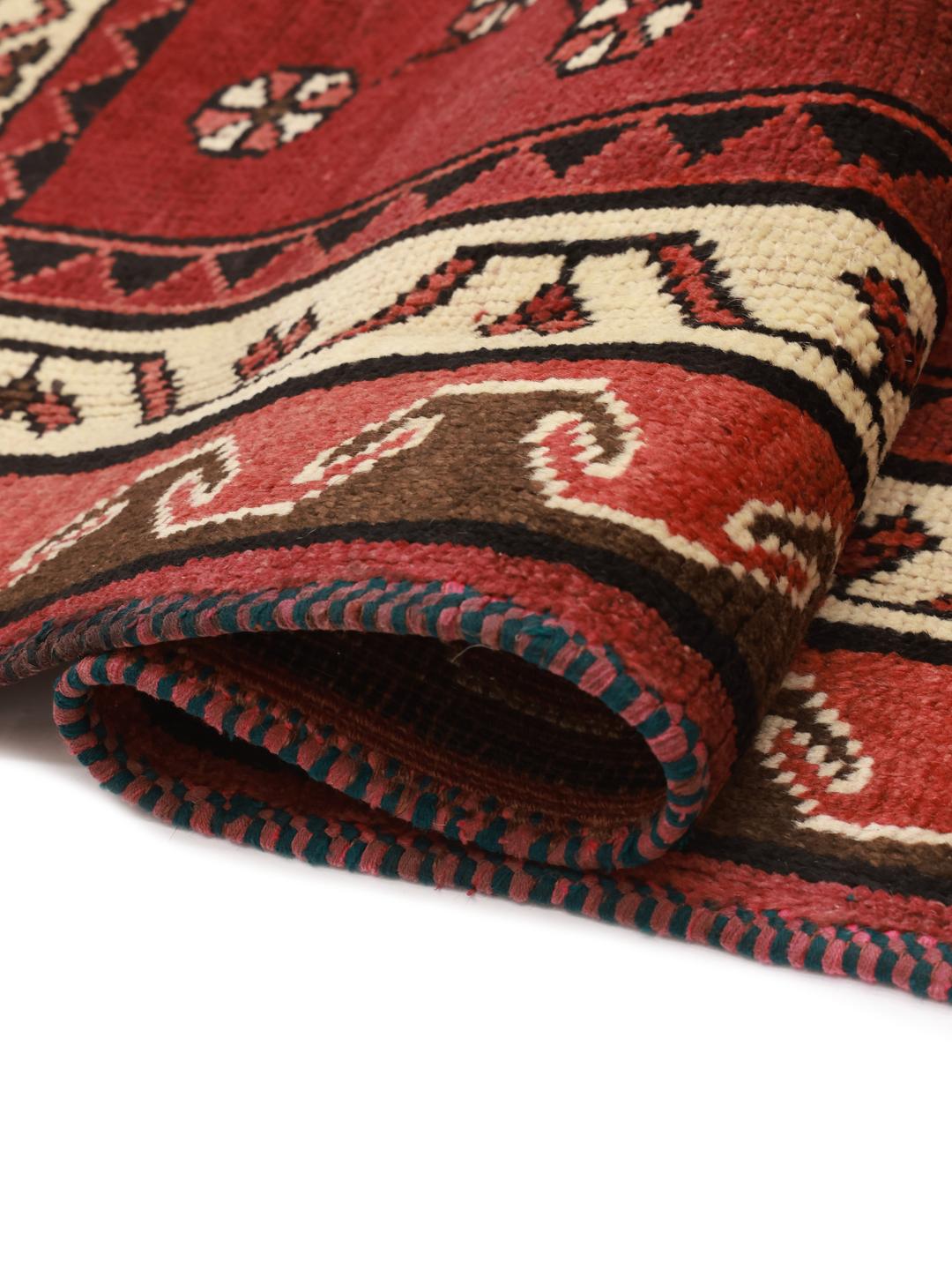
The craft of hand-knotting is central to the Lori tradition, where the density and strength of the rug are paramount. Using high-quality wool, these rugs are built to withstand the elements, historically serving as both floor coverings and protective layers in tent dwellings. The terminology of the craft, focusing on the tension and the consistency of the hand-tied knots, is what ensures these rugs remain resilient even after decades of use.
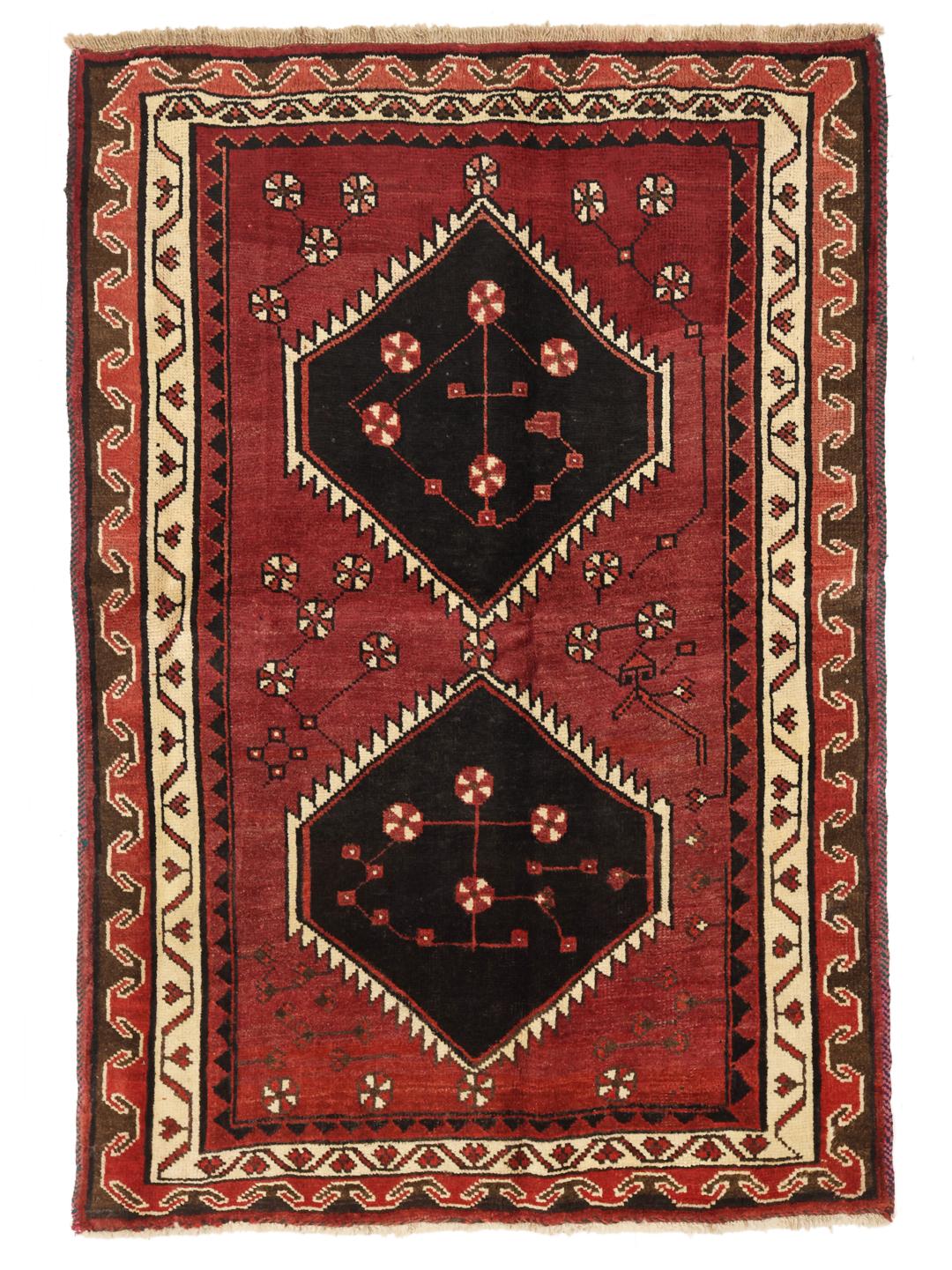
Design-wise, Lori rugs are celebrated for their bold, geometric language. They often feature large, powerful medallions and stark, simplified motifs that carry symbolic meaning within the tribal culture. Unlike more formal, curved designs, the Lori style embraces angularity, often using a palette of deep reds, browns, and blacks that reflect the natural dyes available to the weavers. The appearance of these motifs is often spontaneous, reflecting the weaver's mood and cultural heritage.
These rugs are highly sought after by collectors who value the authenticity and the human story behind each piece. Owning a Lori rug is a way to preserve a piece of history, as each one represents a specific moment in time and a unique artistic vision. They are valued not just for their aesthetic appeal, but as durable, legacy-quality items that connect the contemporary home to ancient, enduring traditions.