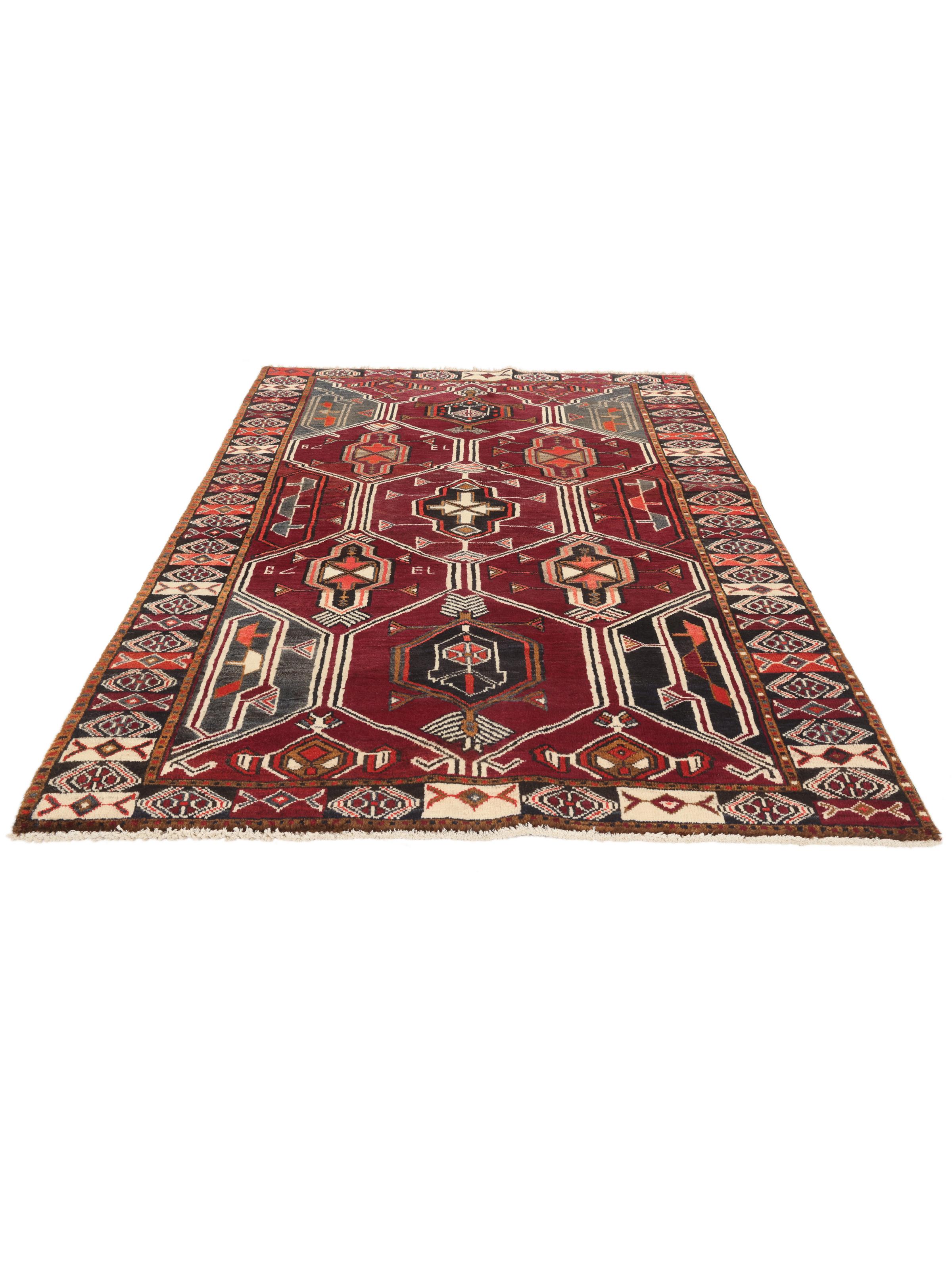
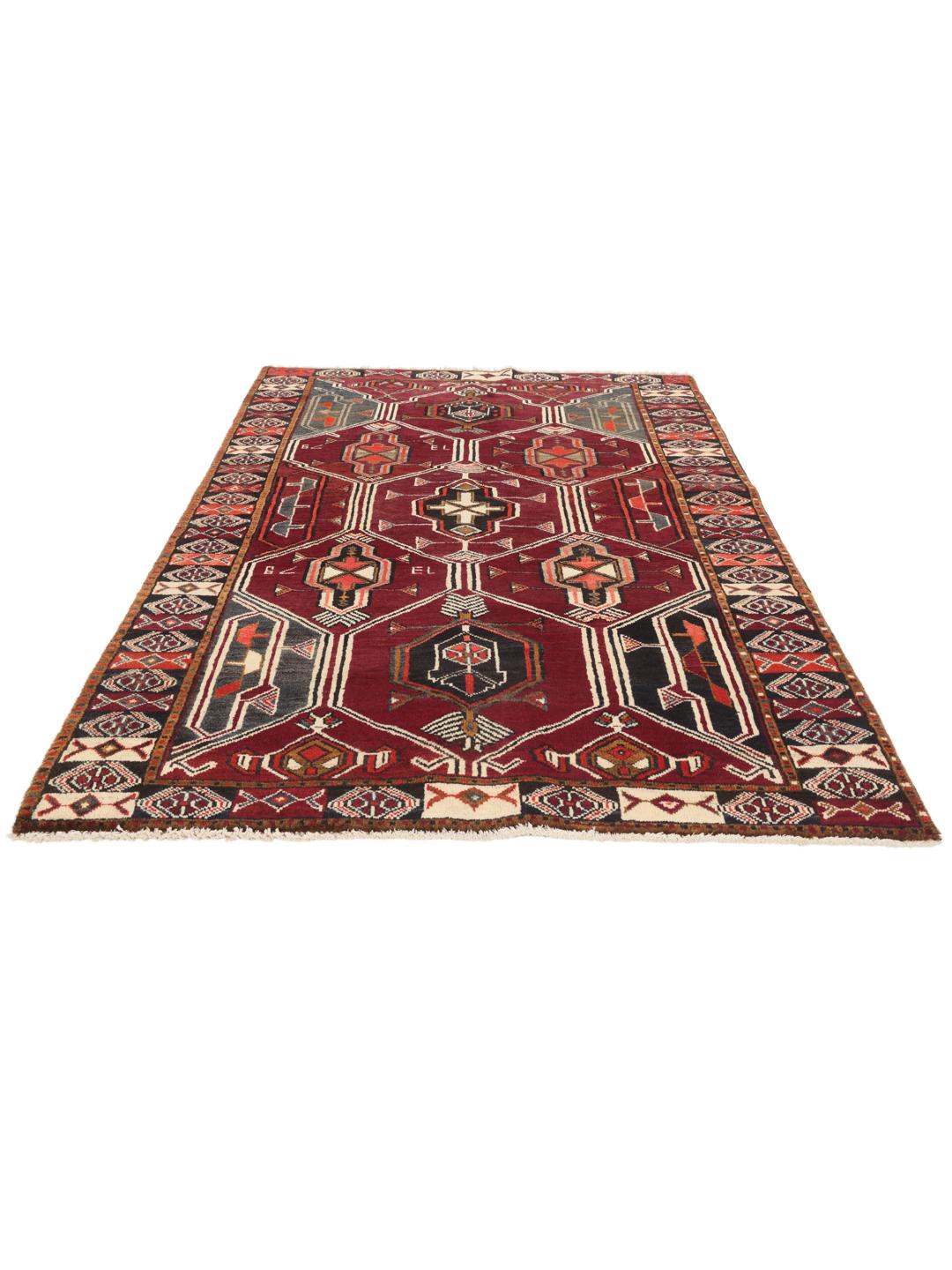
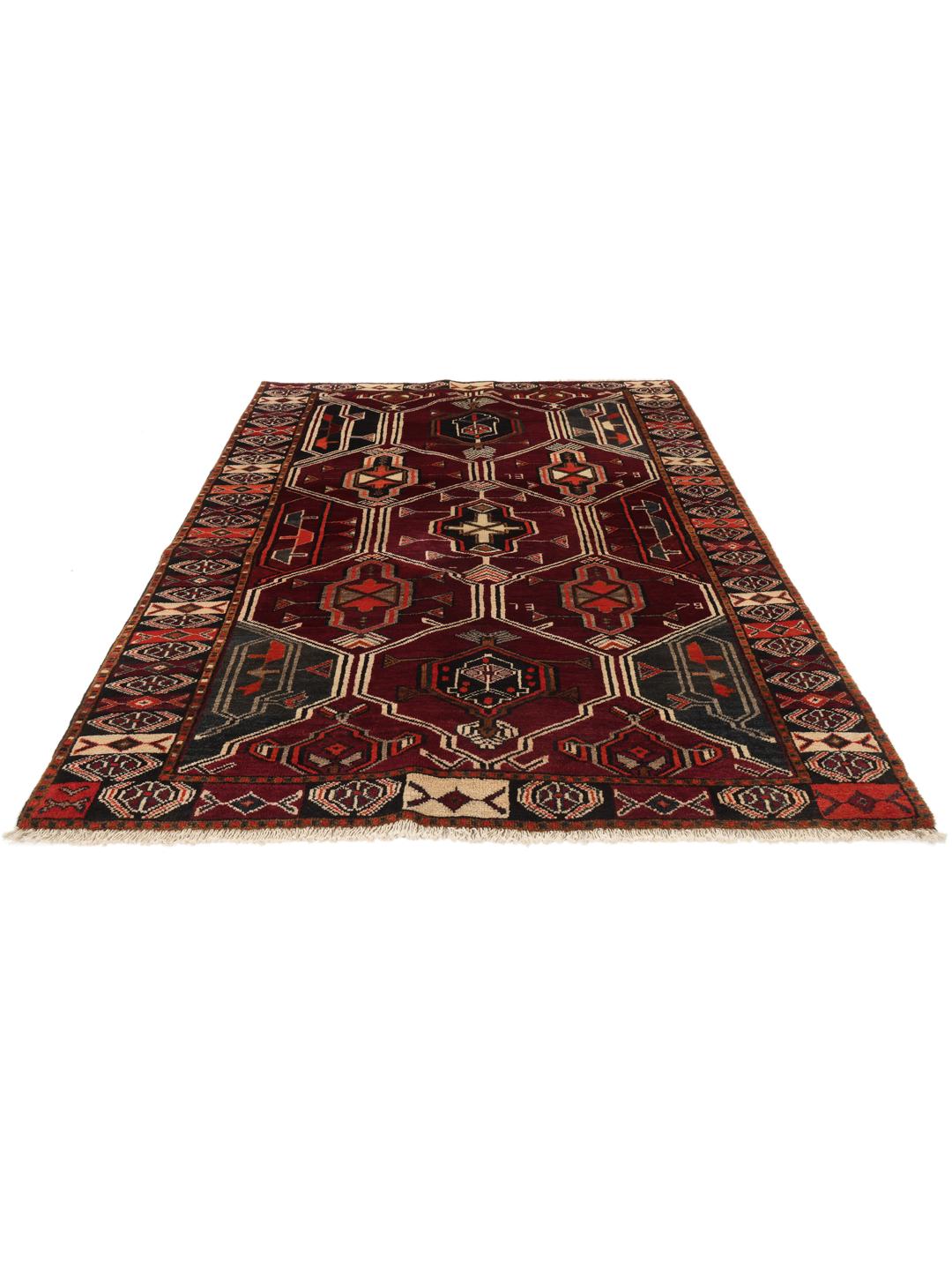
Lori rugs originate from the tribal regions of the Middle East, specifically associated with the nomadic Lori people. These rugs are deeply connected to the pastoral lifestyle and the rugged landscapes of their homeland, where the art of weaving has been passed down through generations as a vital cultural expression and a practical necessity for nomadic life.
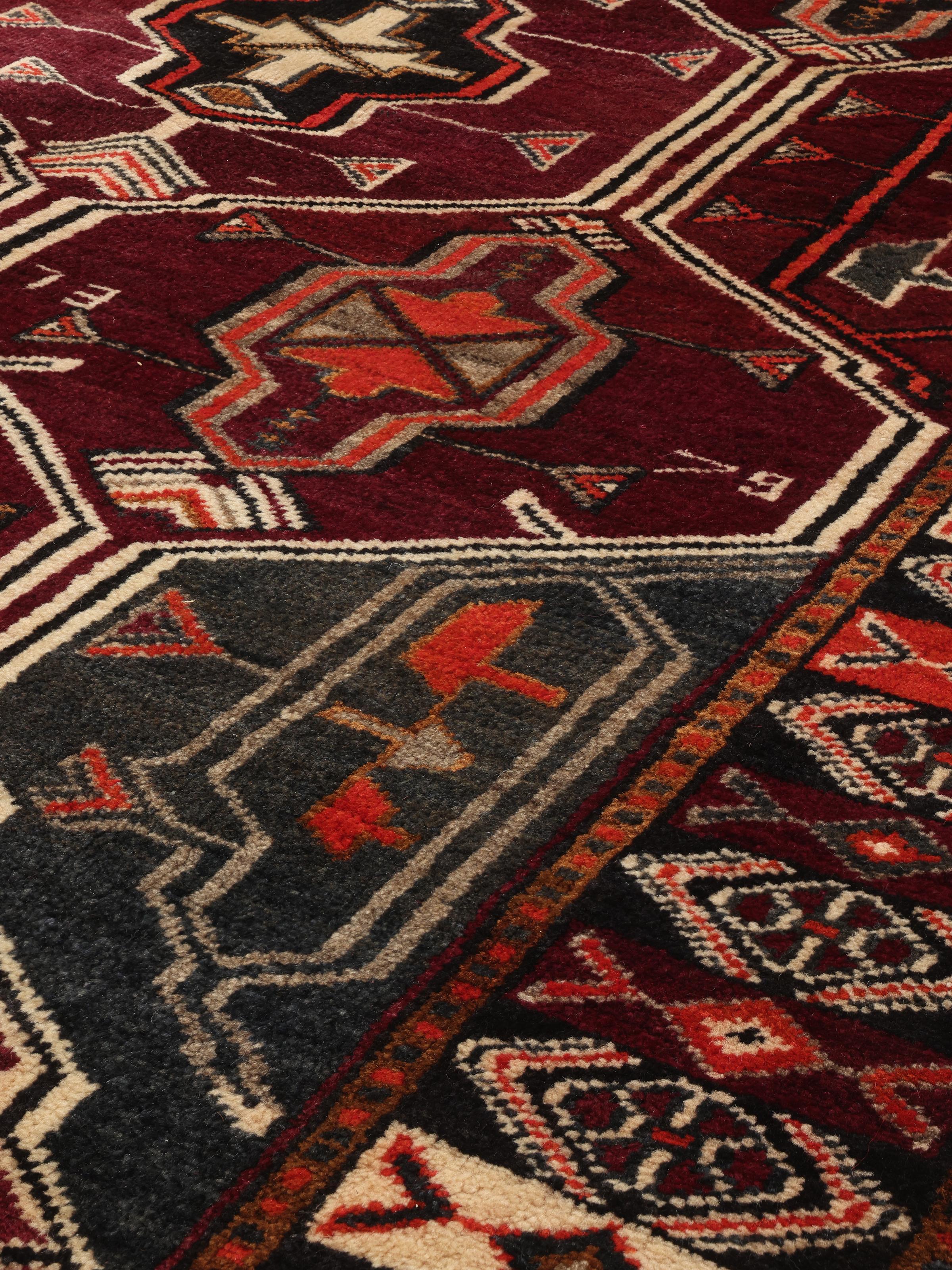
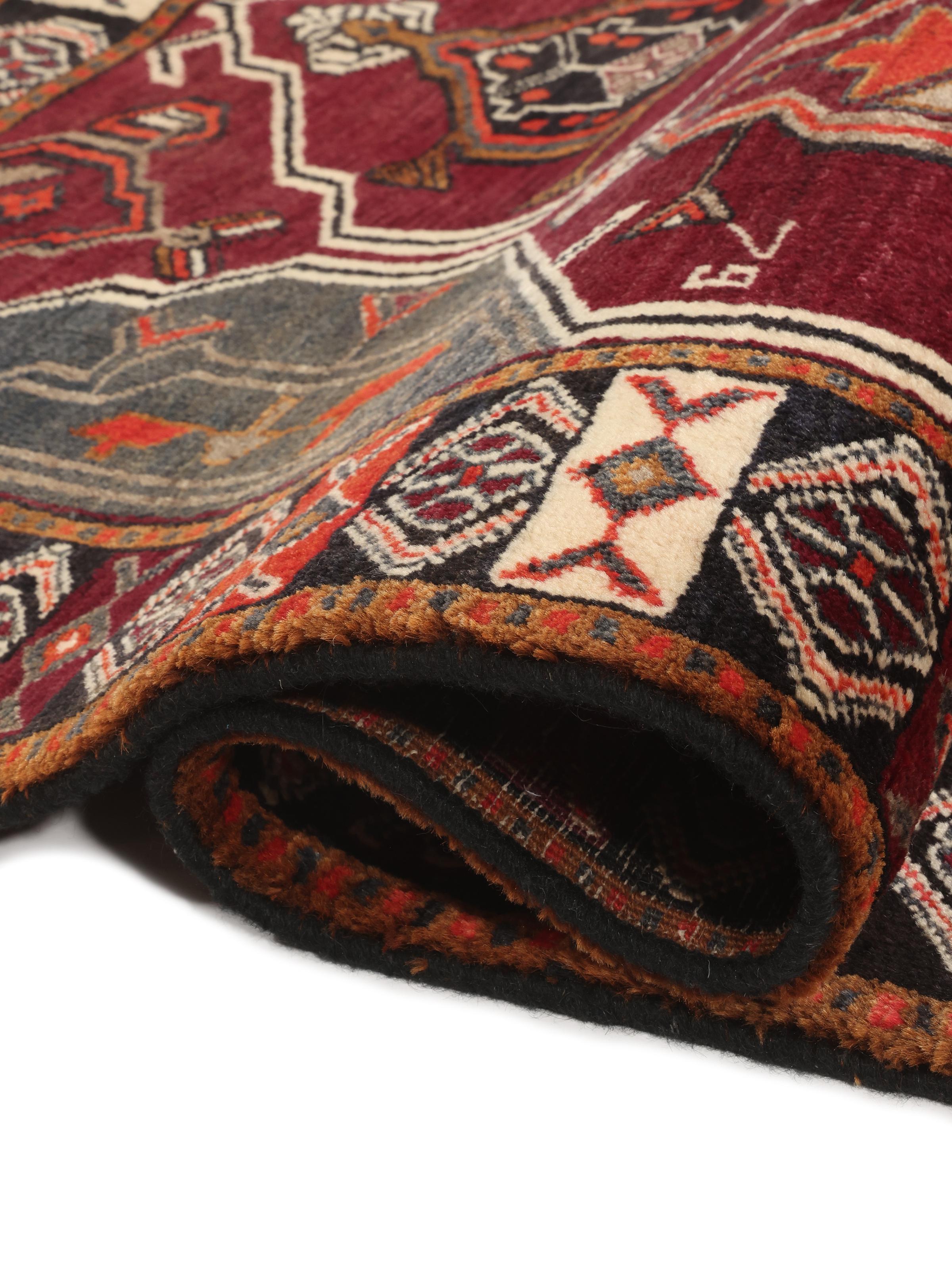
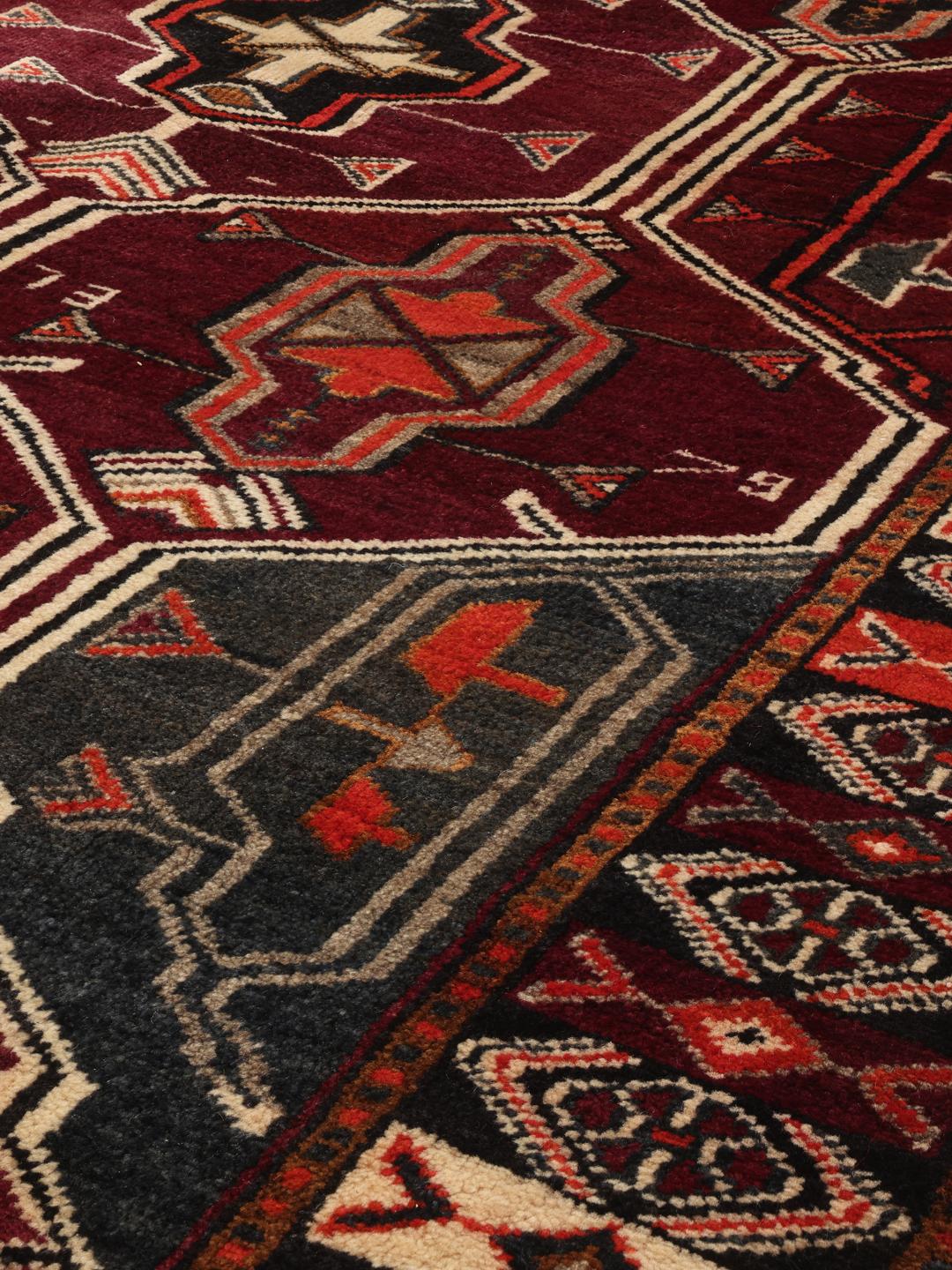
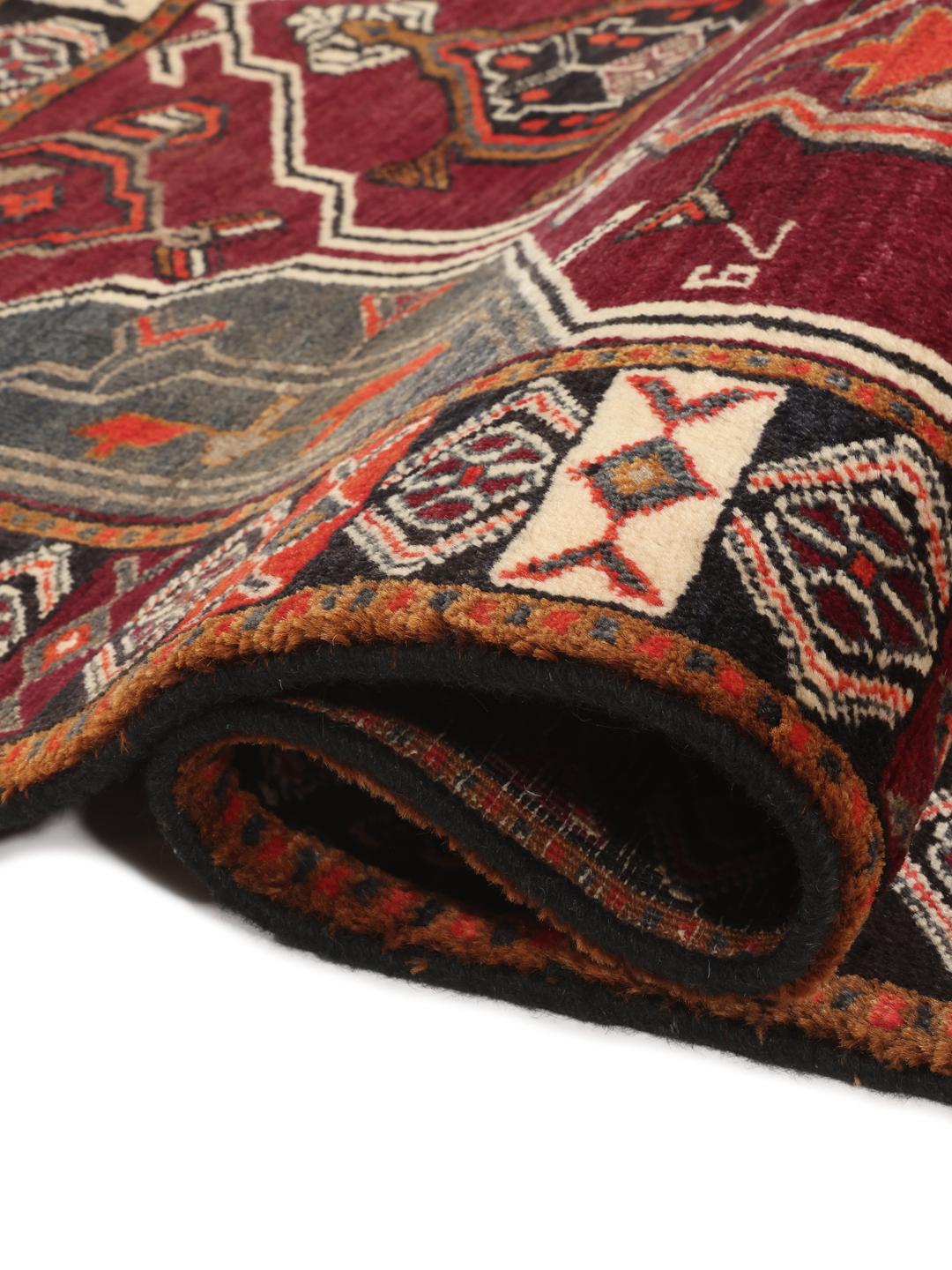
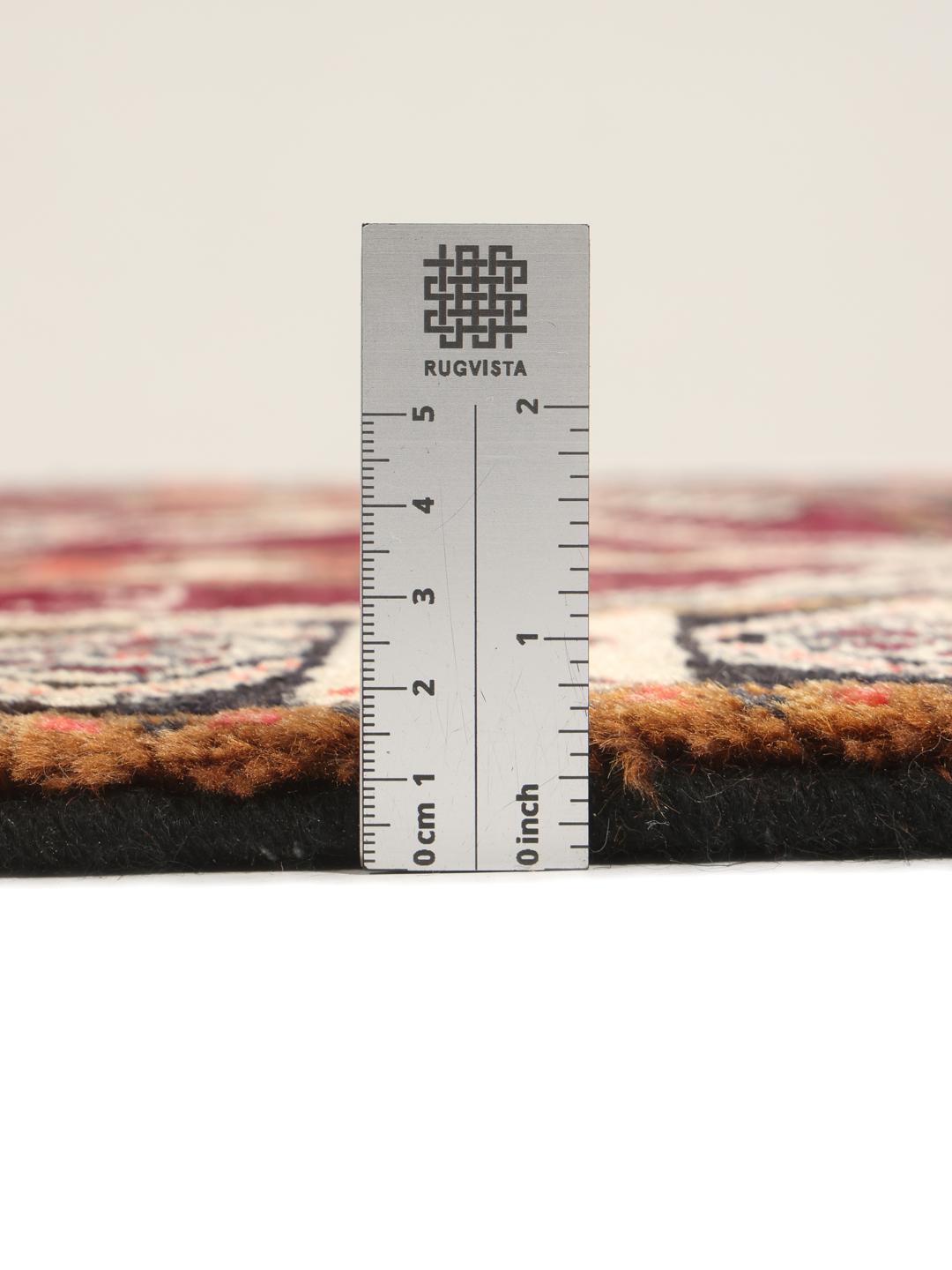
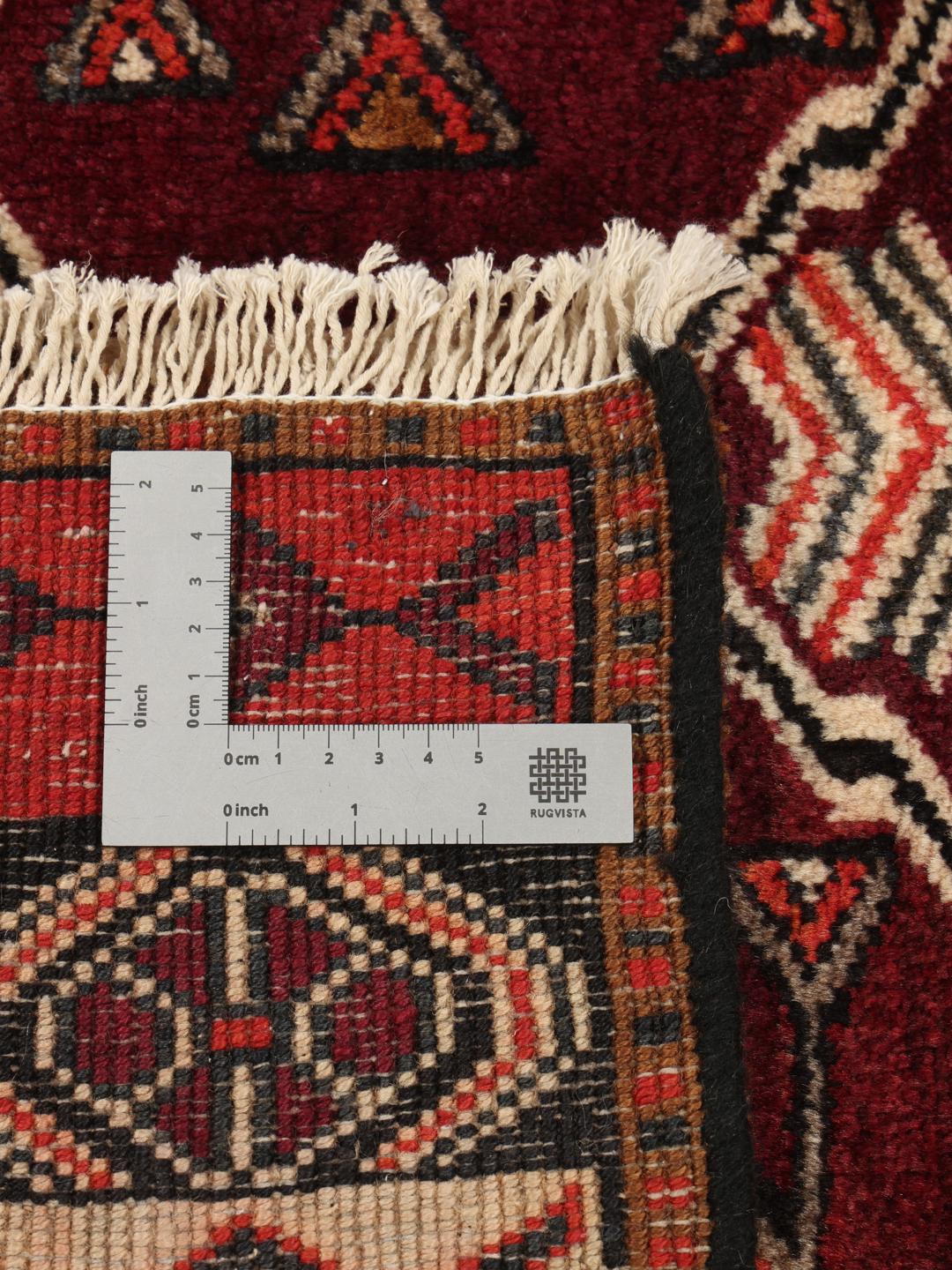
The term 'hand-knotted' signifies a construction method where every single pile yarn is individually tied to the foundation of the rug. This labour-intensive technique is the hallmark of fine weaving, as it creates a sturdy, heavy, and long-lasting fabric that is far superior to machine-made alternatives. The strength of this construction ensures that the rug remains a cherished part of a home for generations.
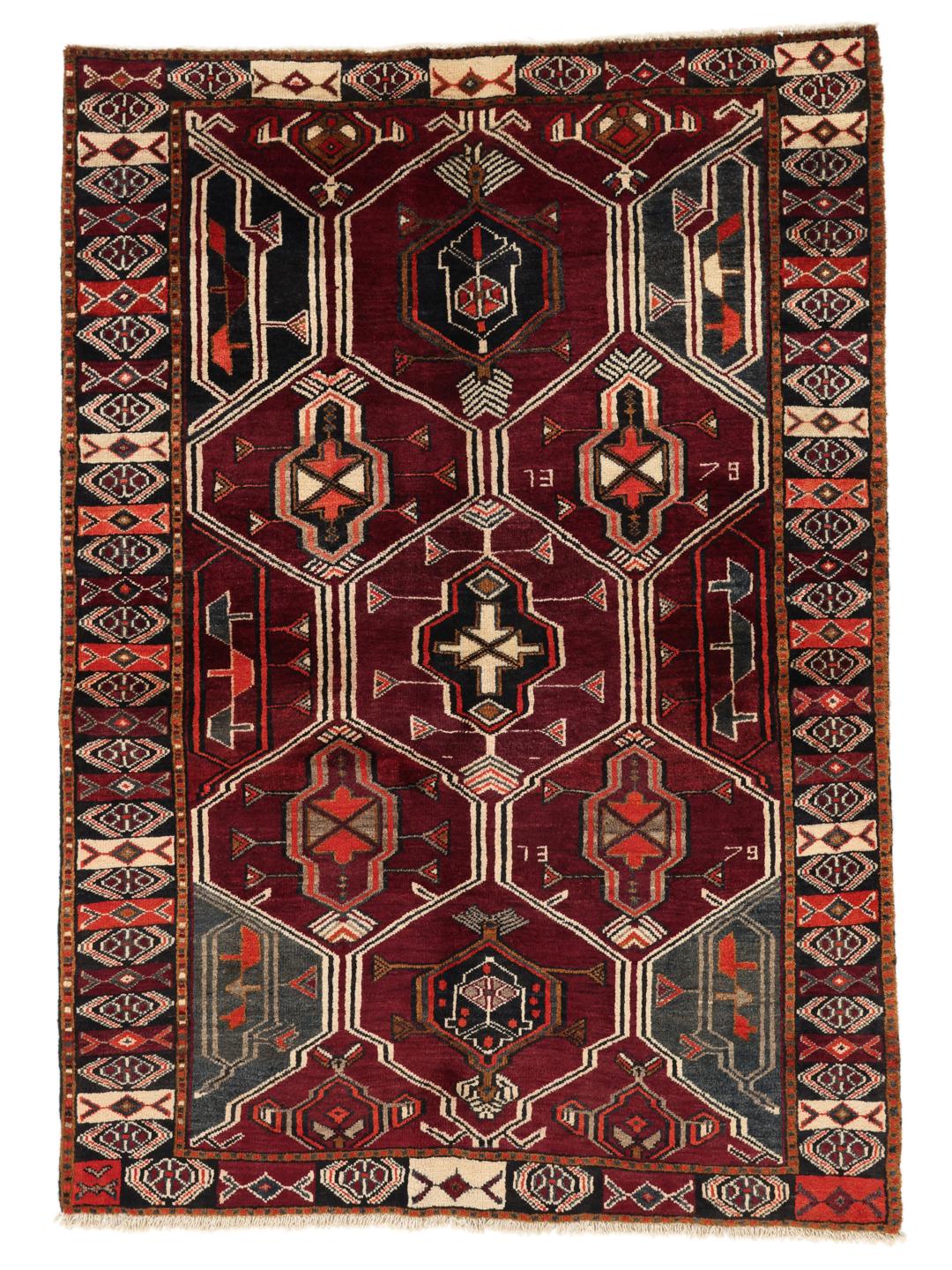
The visual language of Lori rugs is defined by a bold, geometric aesthetic. You will often see stylised representations of animals, plants, and symbolic tribal motifs arranged in structured, rhythmic patterns. The use of deep, resonant colours like dark-red and black is traditional, often derived from natural dyes that age gracefully, developing a soft, organic patina over time that enhances the rug's character.
Collectors value Lori rugs for their raw, authentic spirit and the clear evidence of the weaver's hand. Unlike mass-produced items, each Lori rug is an unfiltered reflection of the artisan’s creative vision and regional heritage. Owning one is an opportunity to preserve a piece of living history, bringing the soul of a centuries-old tradition into a modern, curated home.