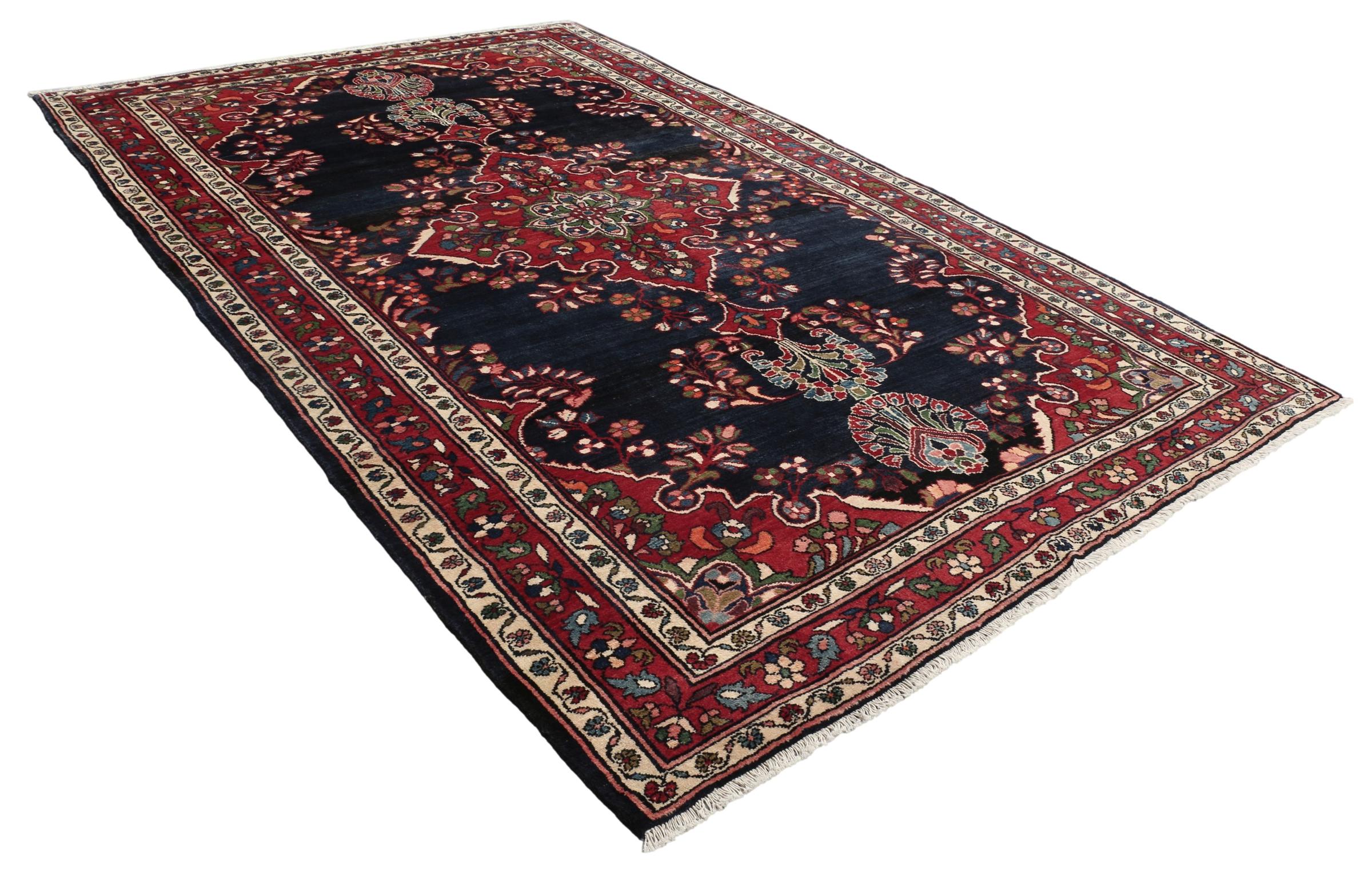
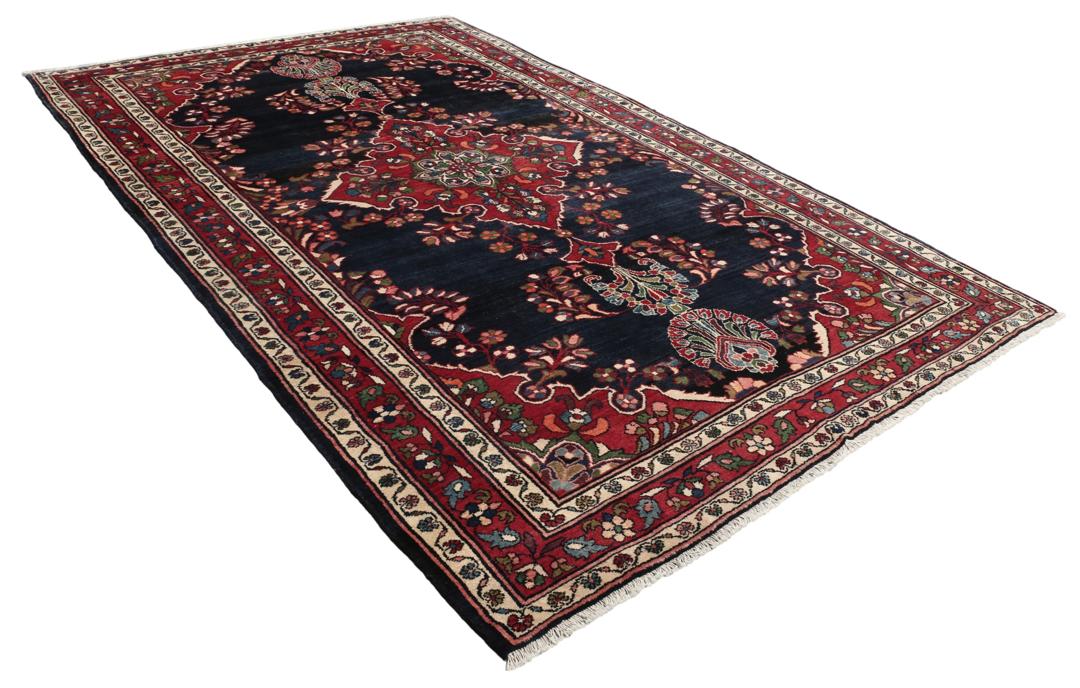
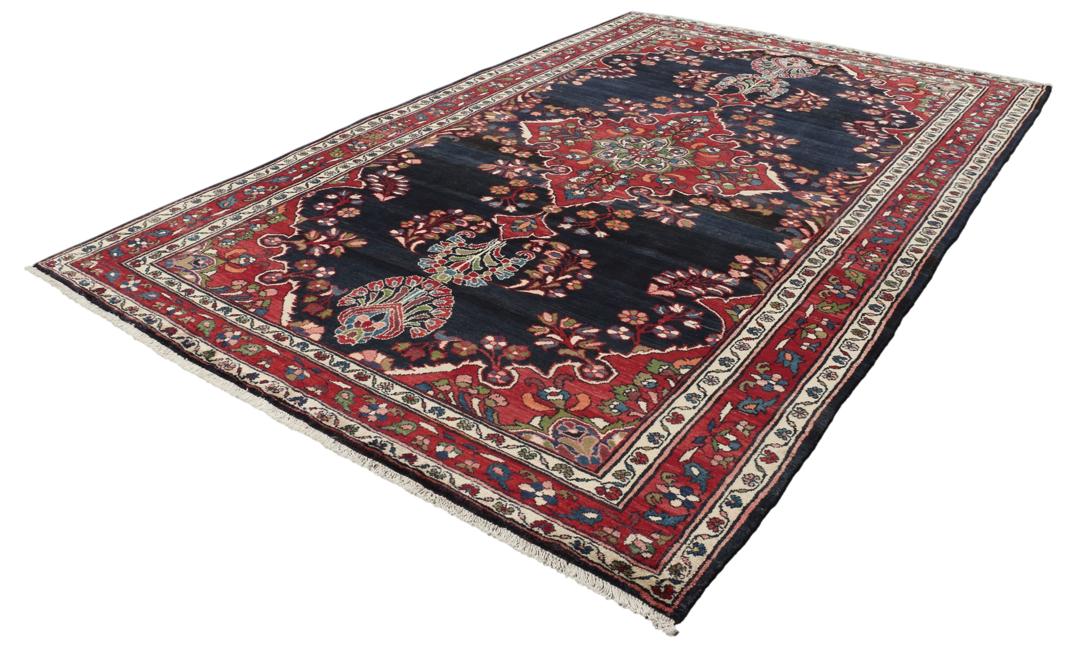
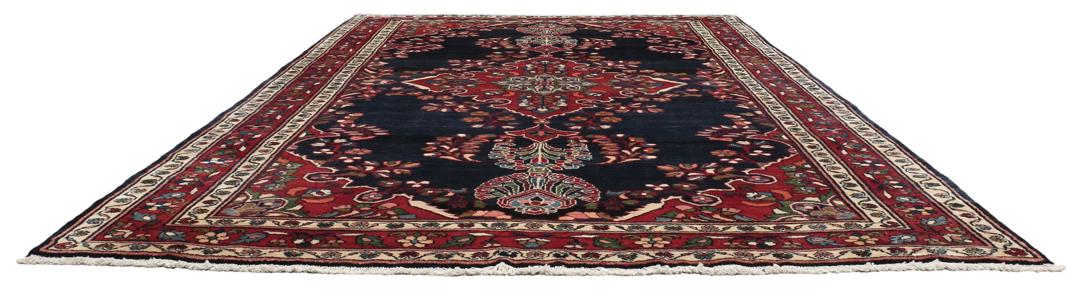
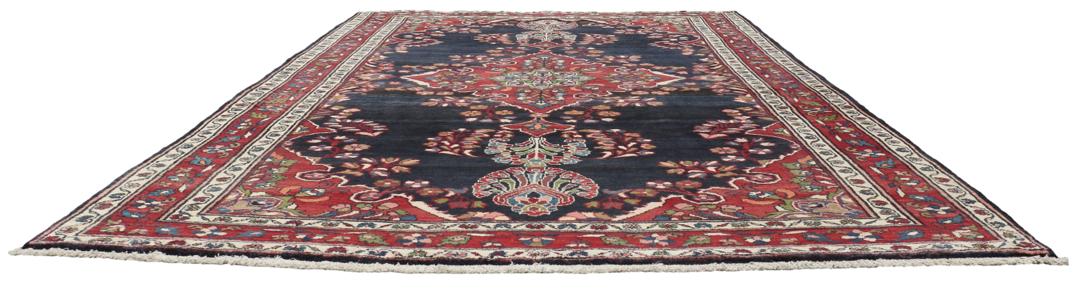
The Lillian rug tradition originates from the Arak region of the Middle East, a historic hub known for producing some of the most recognisable and durable carpets in the market. These rugs are deeply rooted in the cultural landscape of the region, where weaving has served as a vital creative outlet and a means of preserving traditional design motifs for generations.
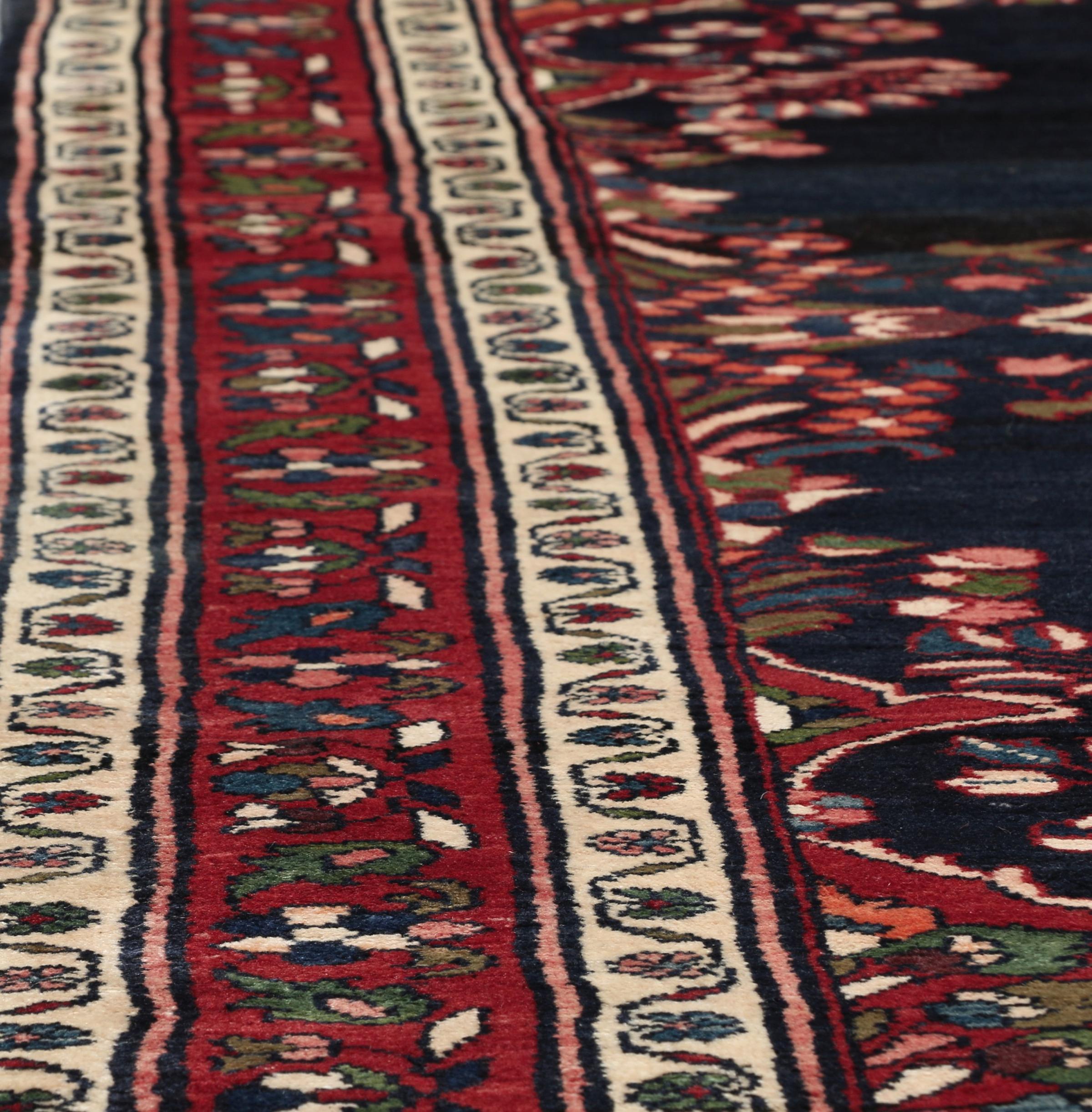
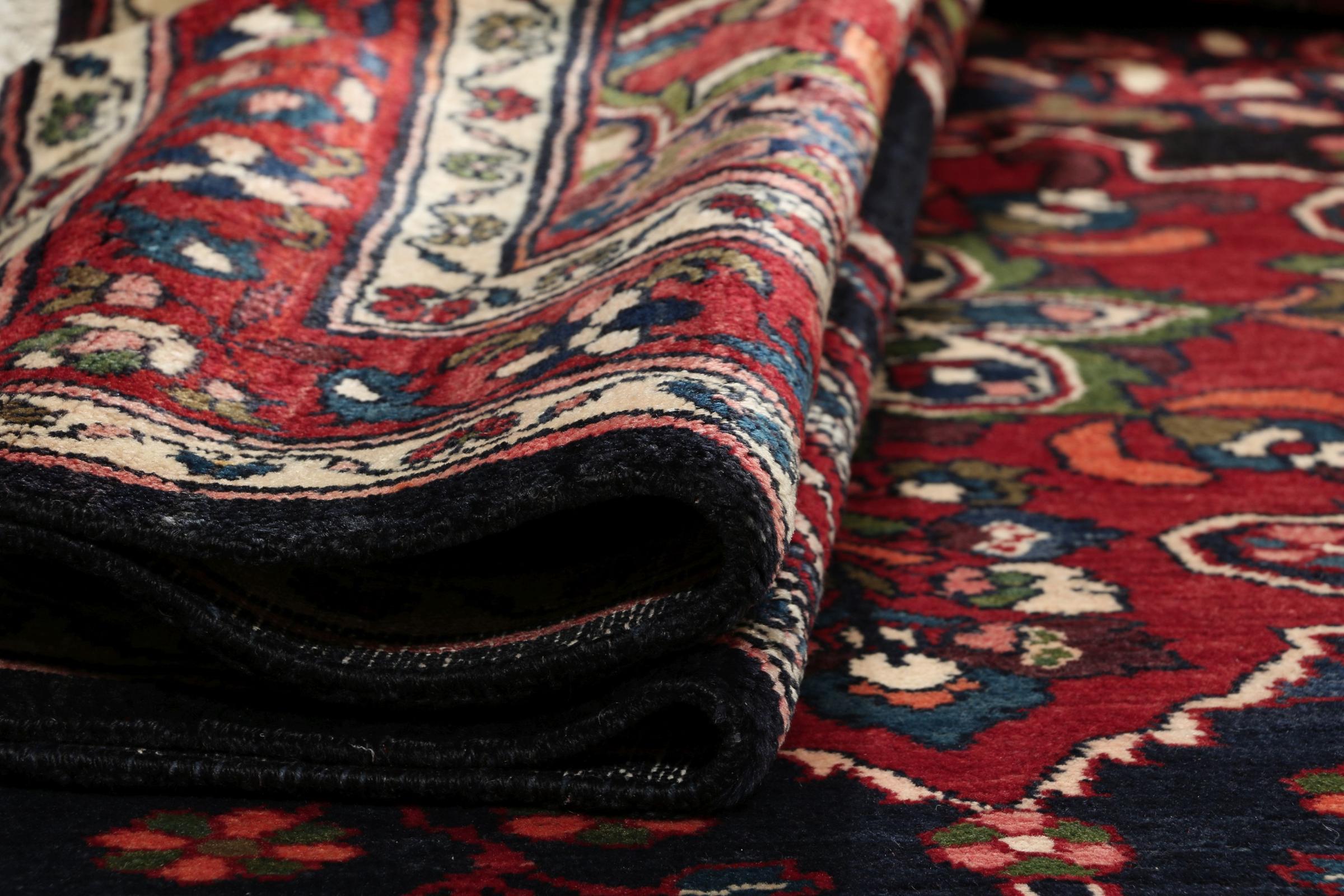
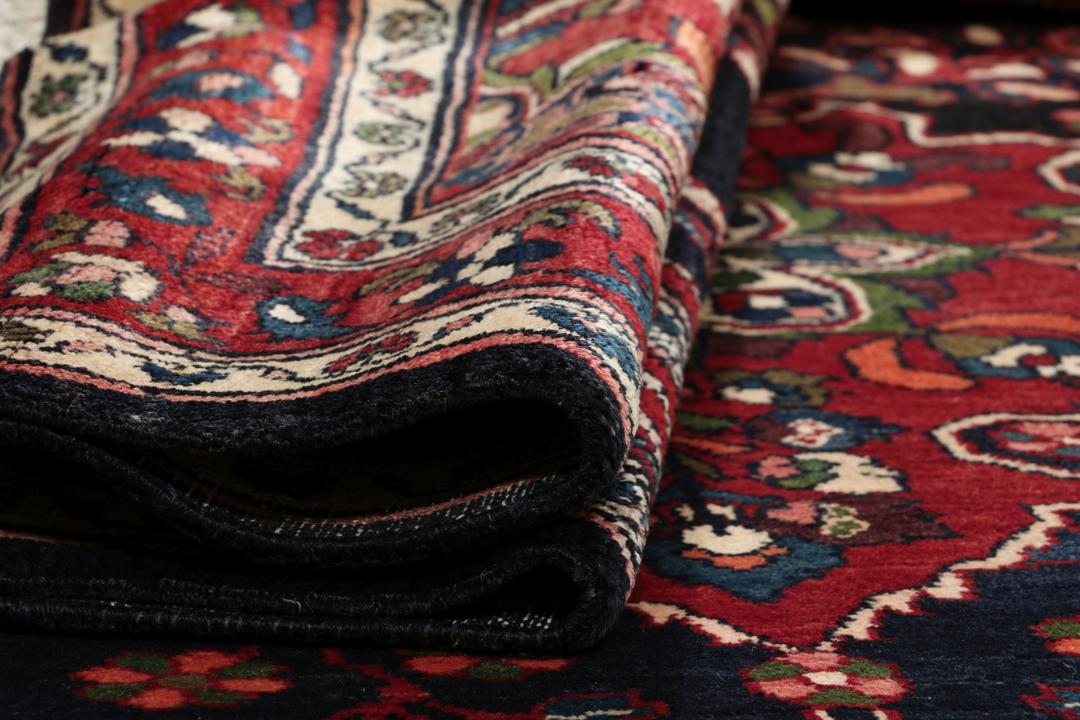
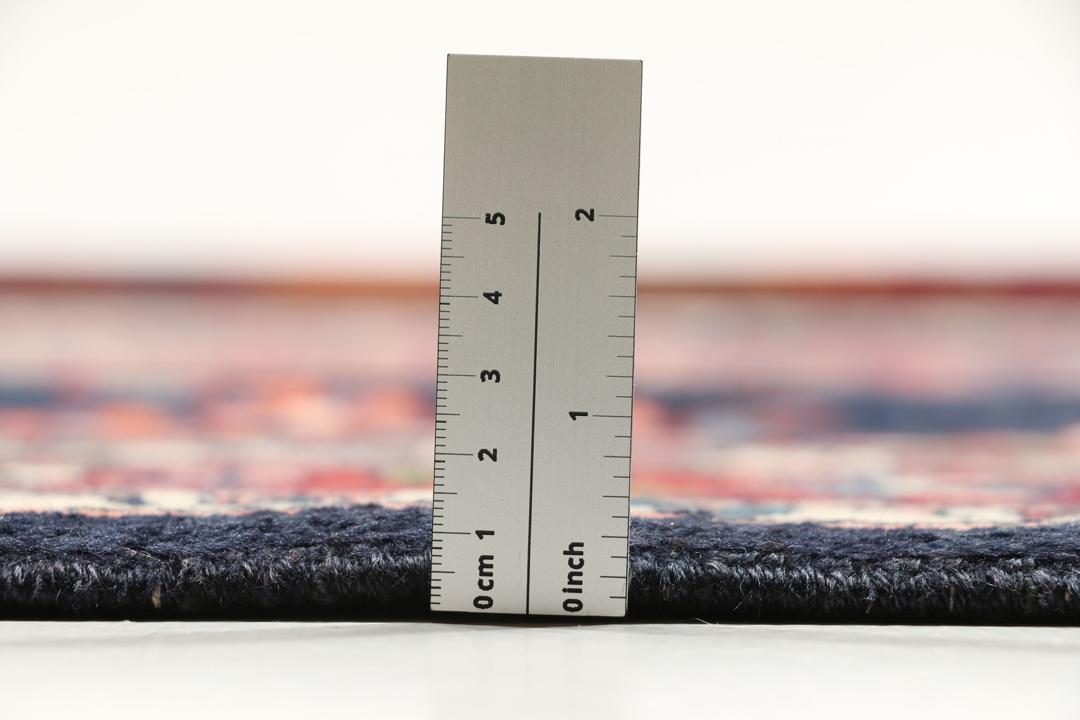
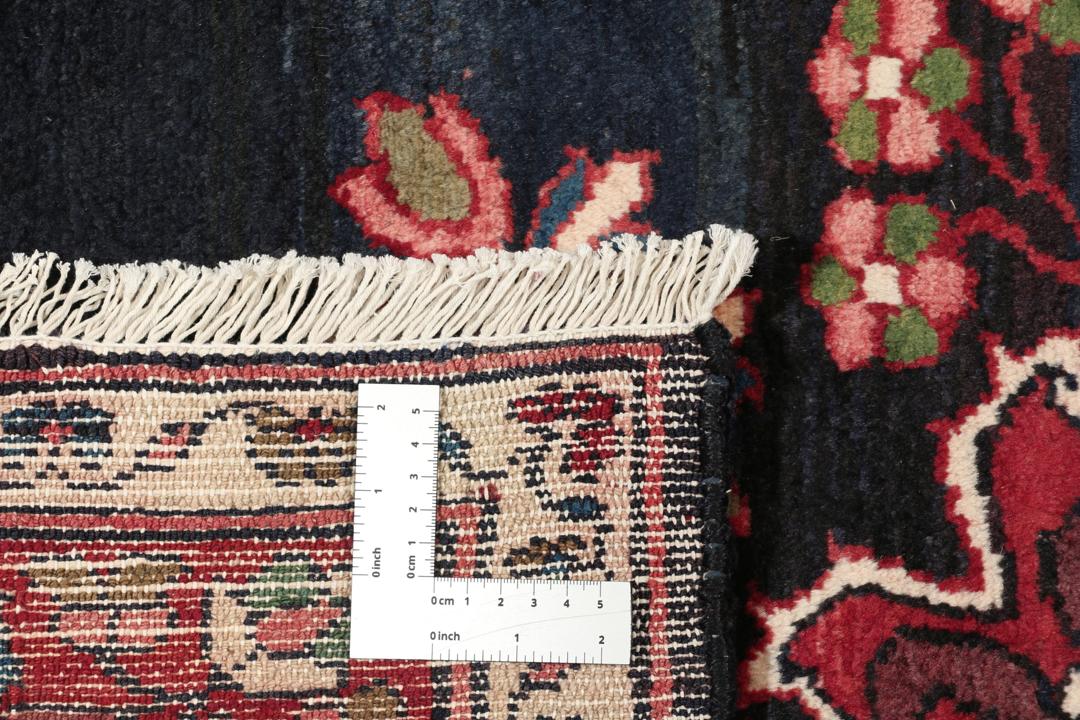
Lillian rugs are particularly esteemed for their sturdy construction, which often features a robust foundation. This technical foundation allows the wool pile to be tied with great density, resulting in a product that is not only visually striking but also exceptionally hard-wearing. The choice of high-quality wool is central to this durability, offering a natural resilience that allows the rug to withstand the passage of time.
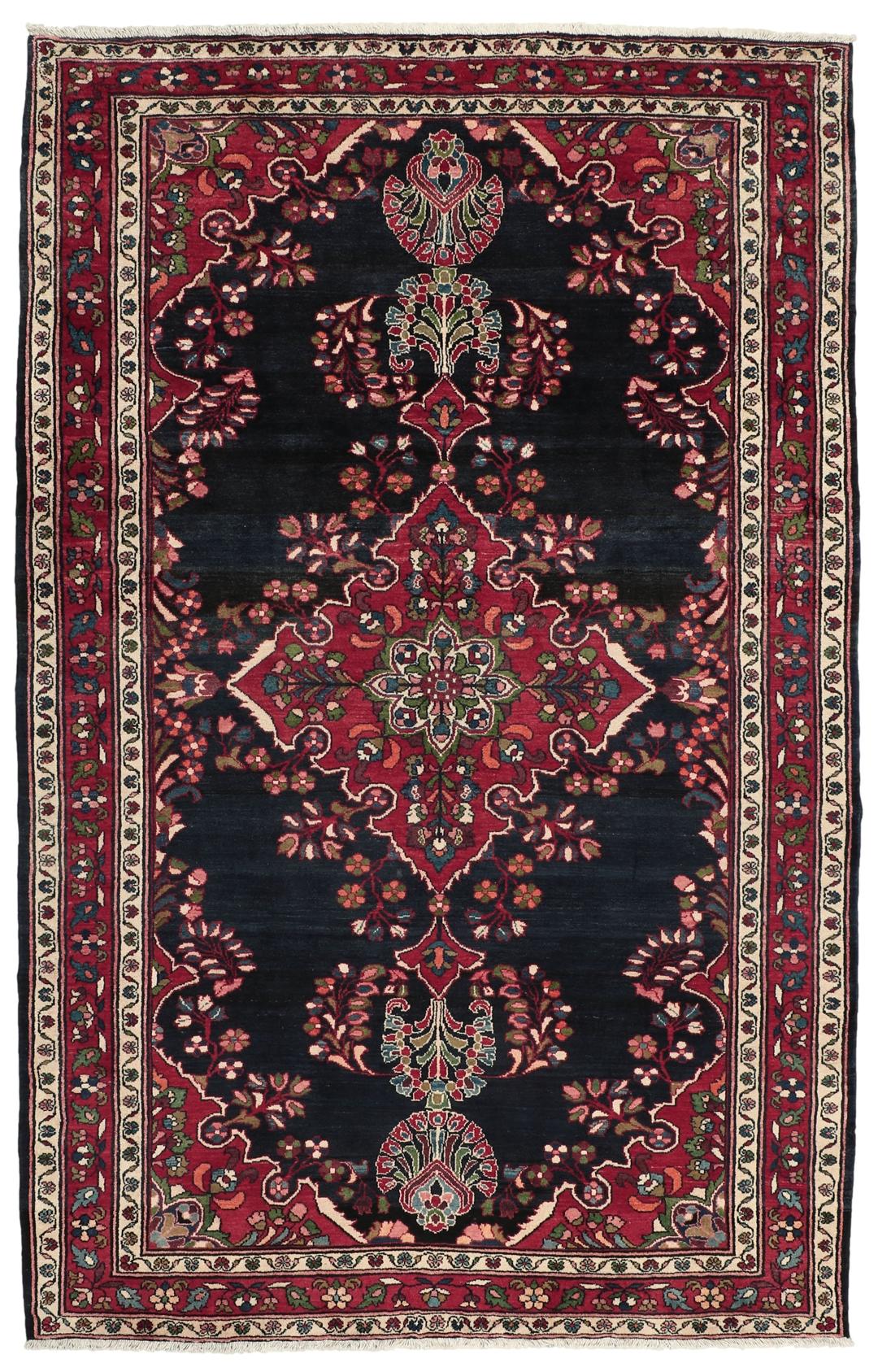
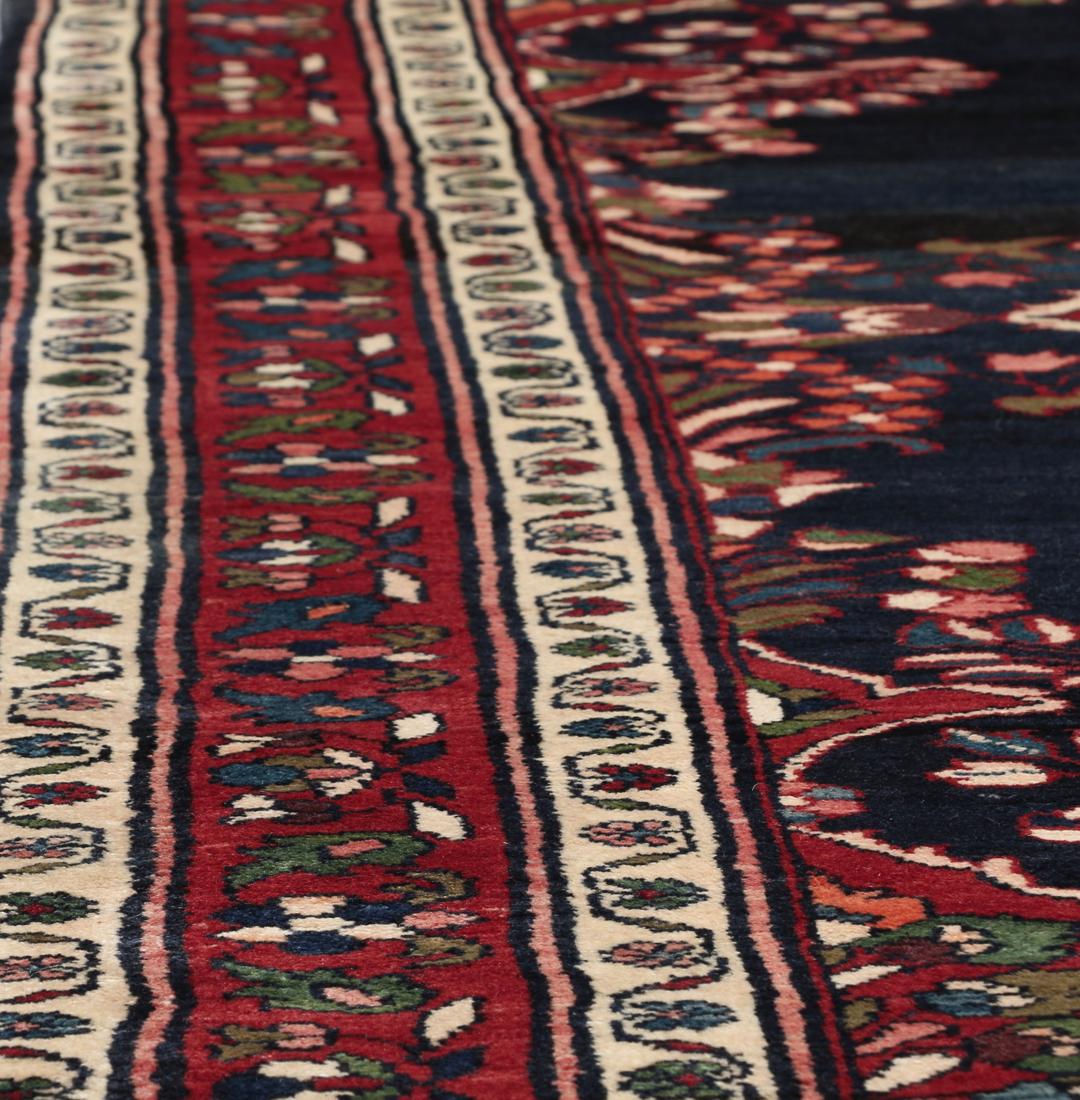
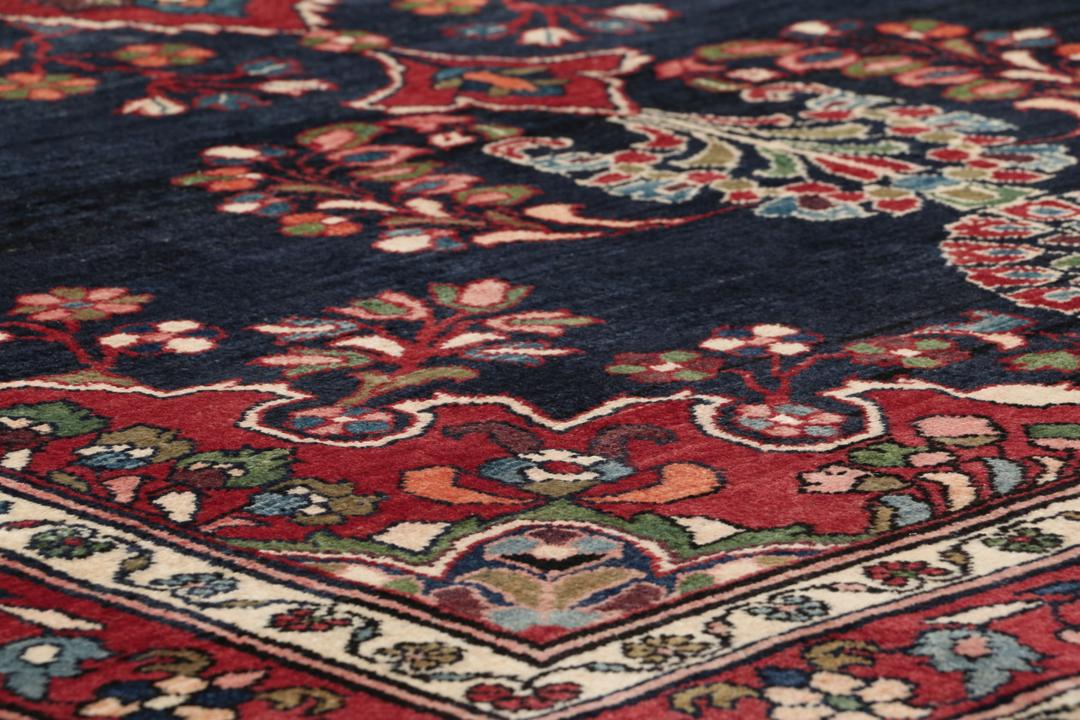
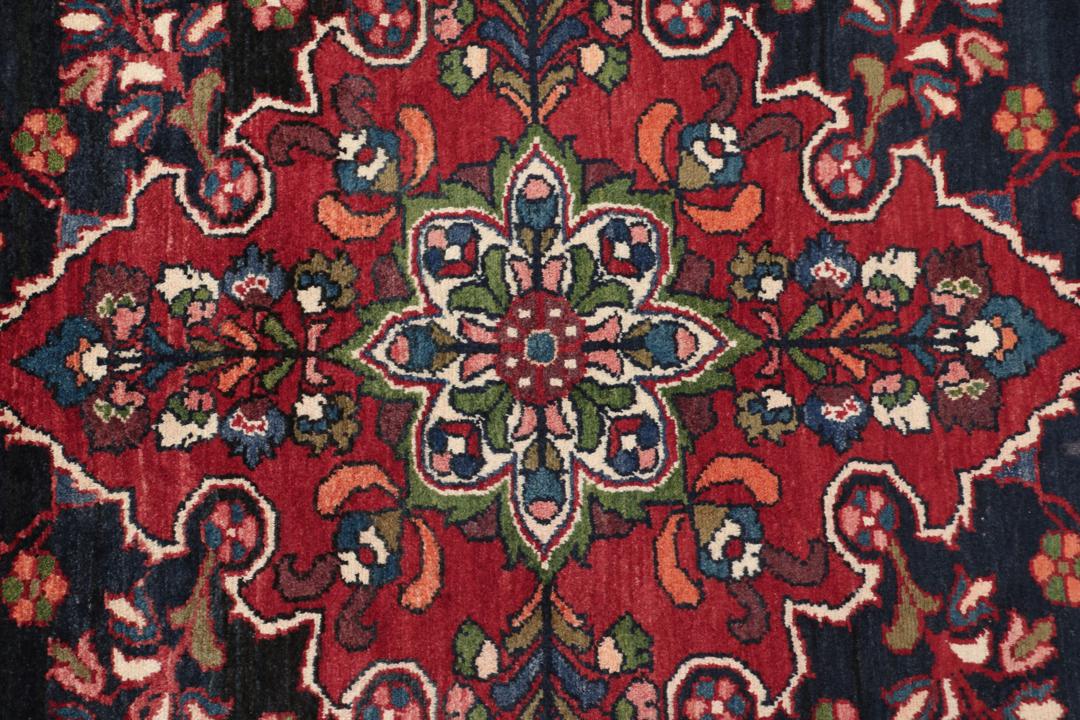
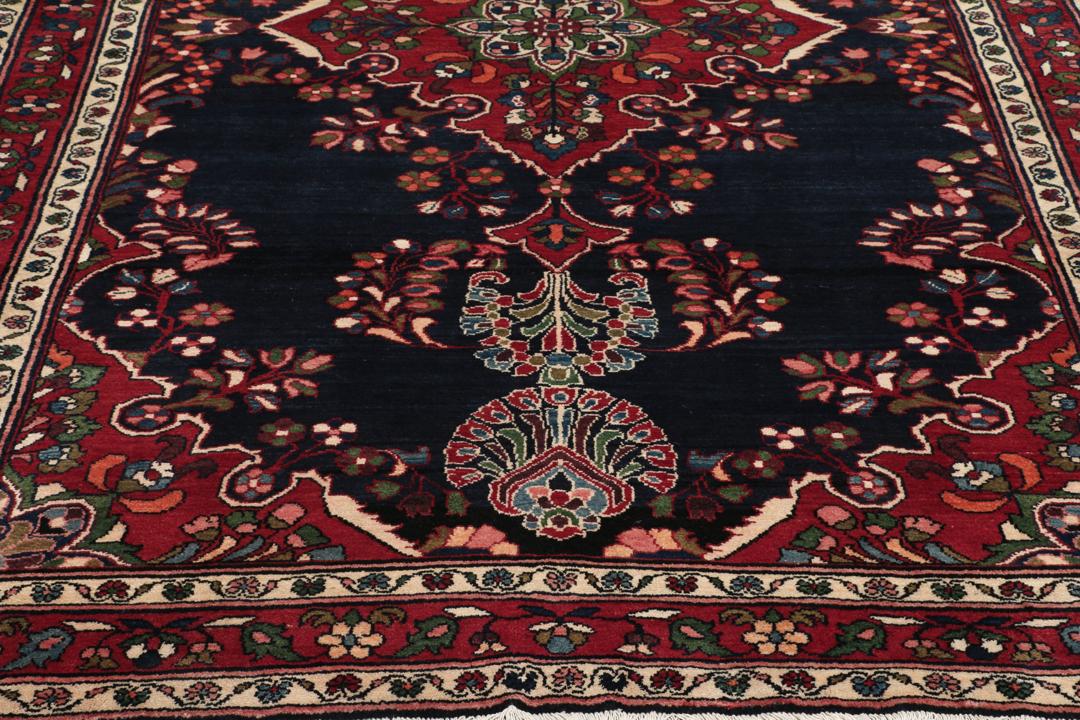
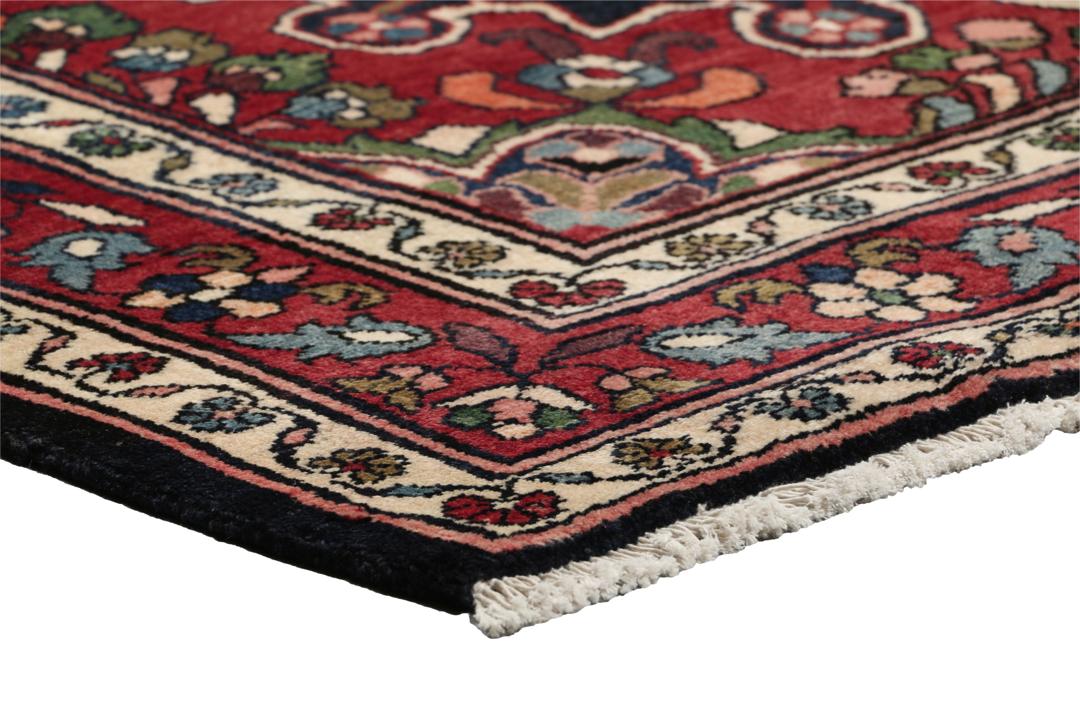
Design-wise, these rugs are famous for their bold, often geometric, or stylised floral medallions that dominate the central field. While traditional patterns are common, the weavers frequently incorporate spontaneous creative choices, leading to vibrant variations in border motifs and colour placement. This combination of structured, formal layouts and artistic freedom is a hallmark of the Lillian aesthetic.
Collectors value these pieces for their authenticity and the tangible connection they provide to a centuries-old craft. Owning a Lillian rug is an acquisition of heritage and skill, representing a commitment to supporting traditional techniques that prioritise quality over mass production. It remains a staple for those who seek to anchor their homes with rugs that offer both historical weight and enduring aesthetic appeal.