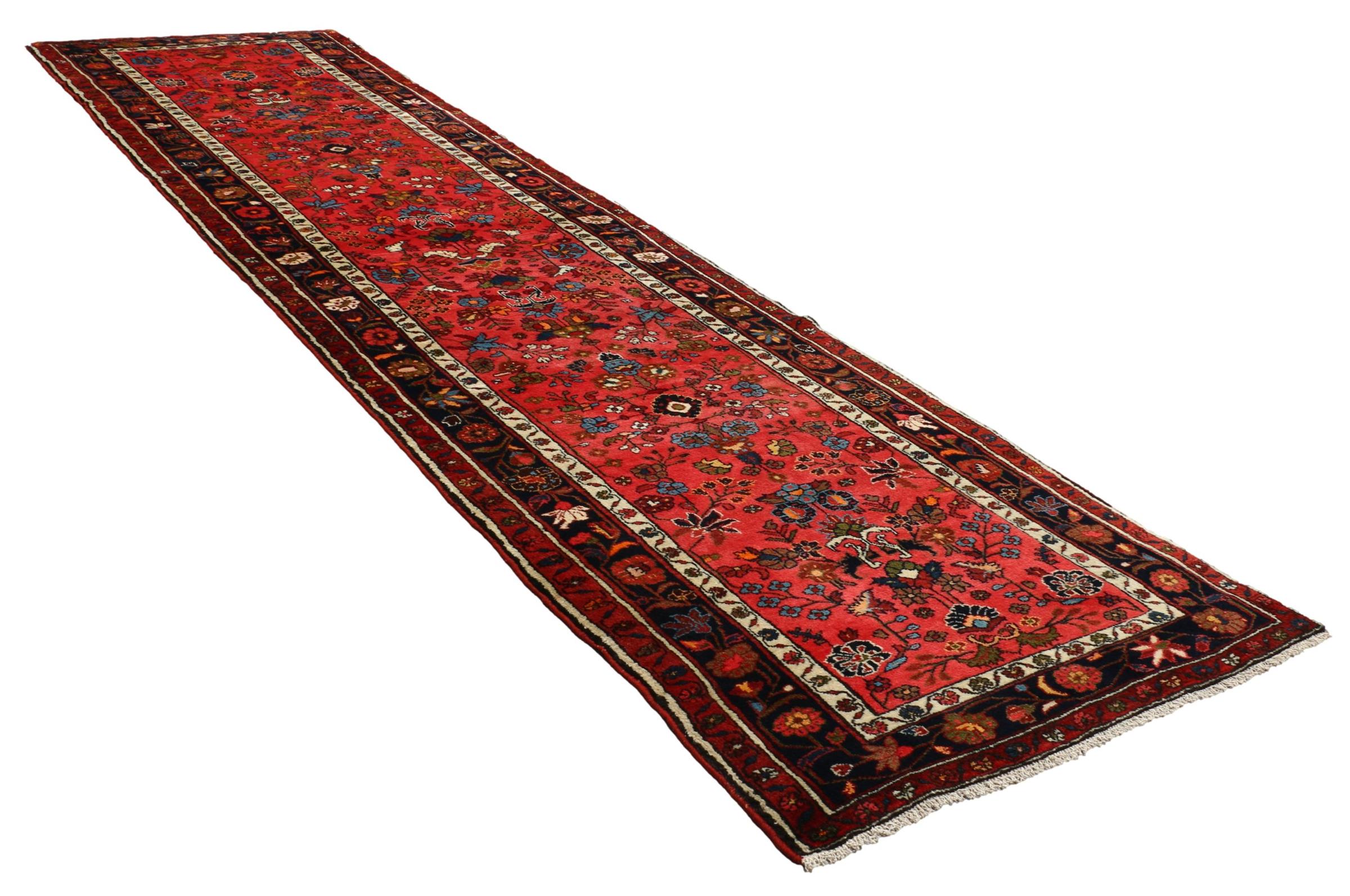
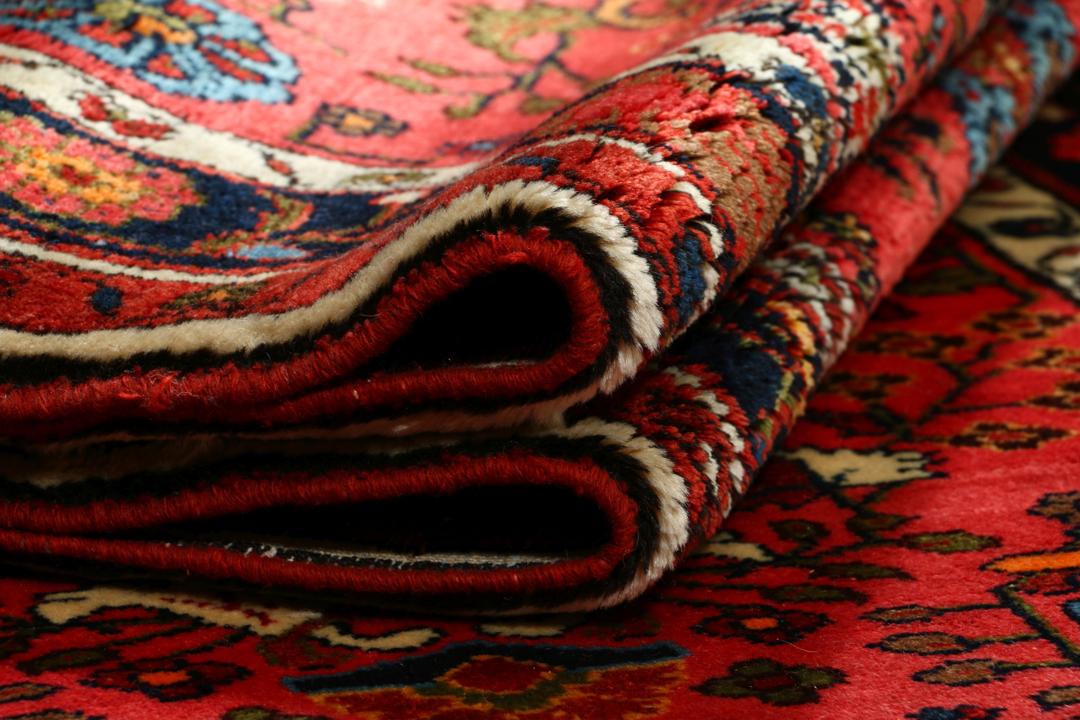
The Lillian rugs originate from the Arak region of the Middle East, a historical hub for some of the most celebrated weaving traditions in the world. These rugs are highly regarded for their robust construction and distinct aesthetic, often serving as a bridge between nomadic tribal designs and the more formal, refined styles associated with urban weaving centres. They represent a cultural heritage that has been passed down through generations, where weaving is not just a trade, but a way of life.
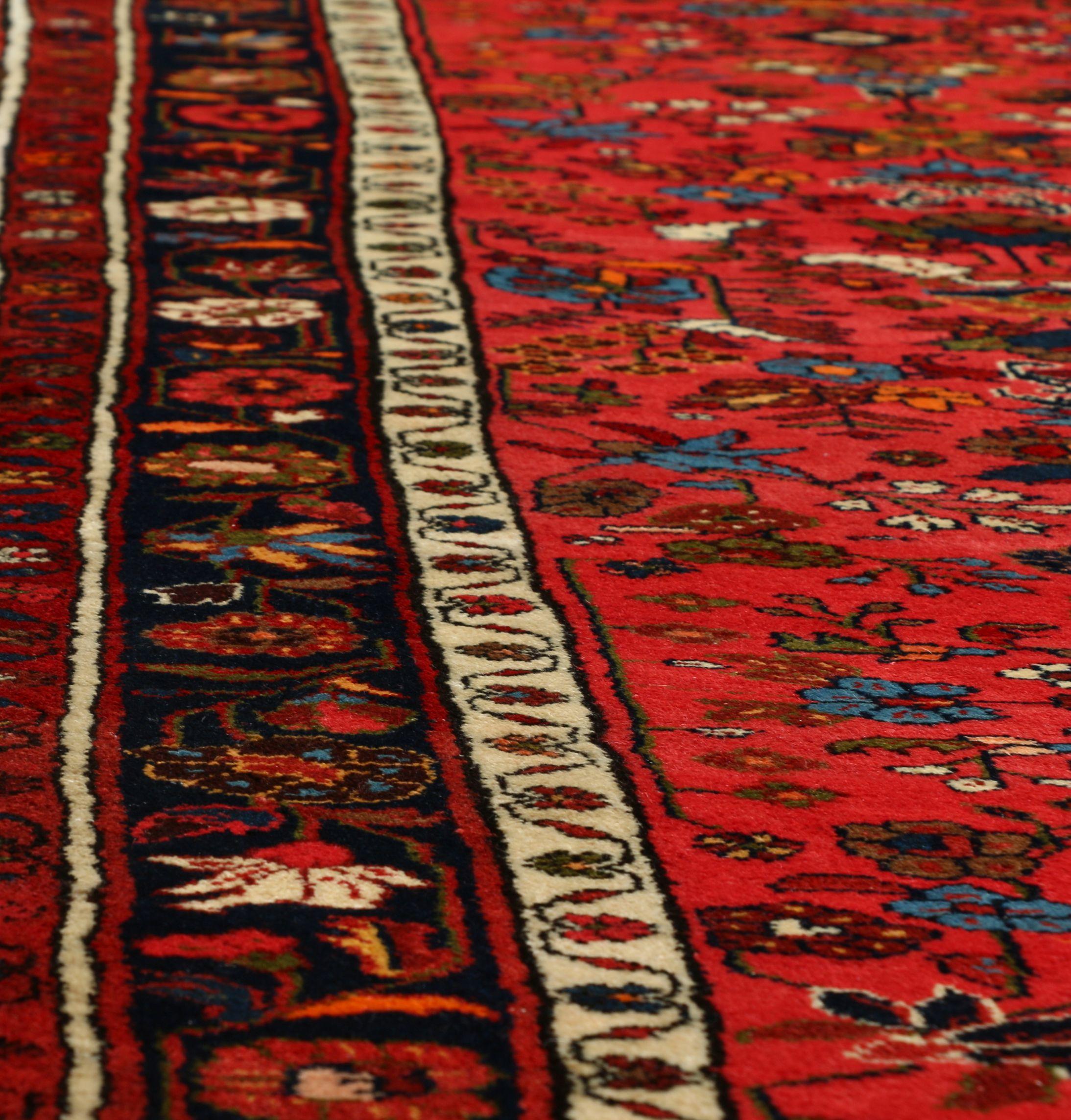
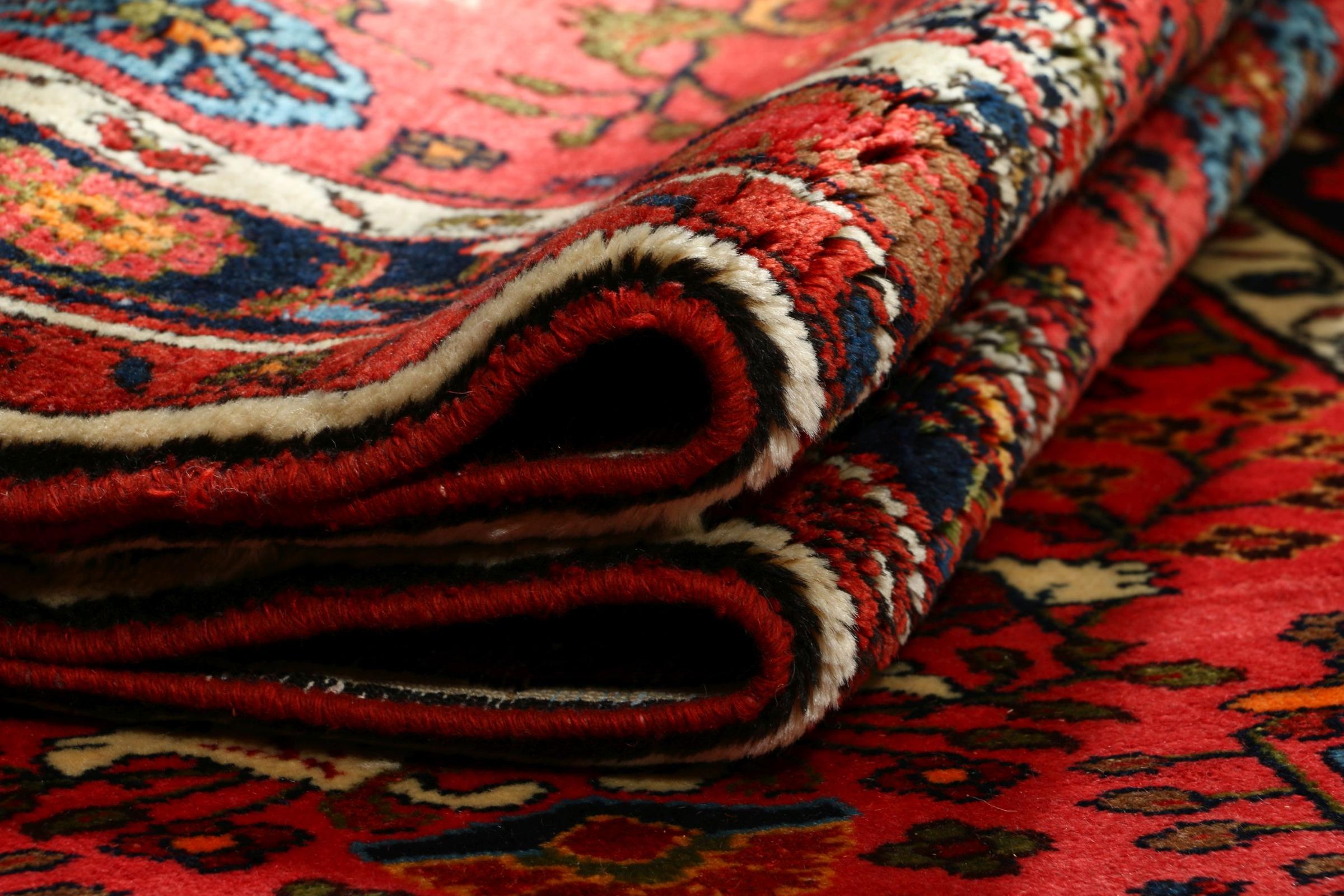
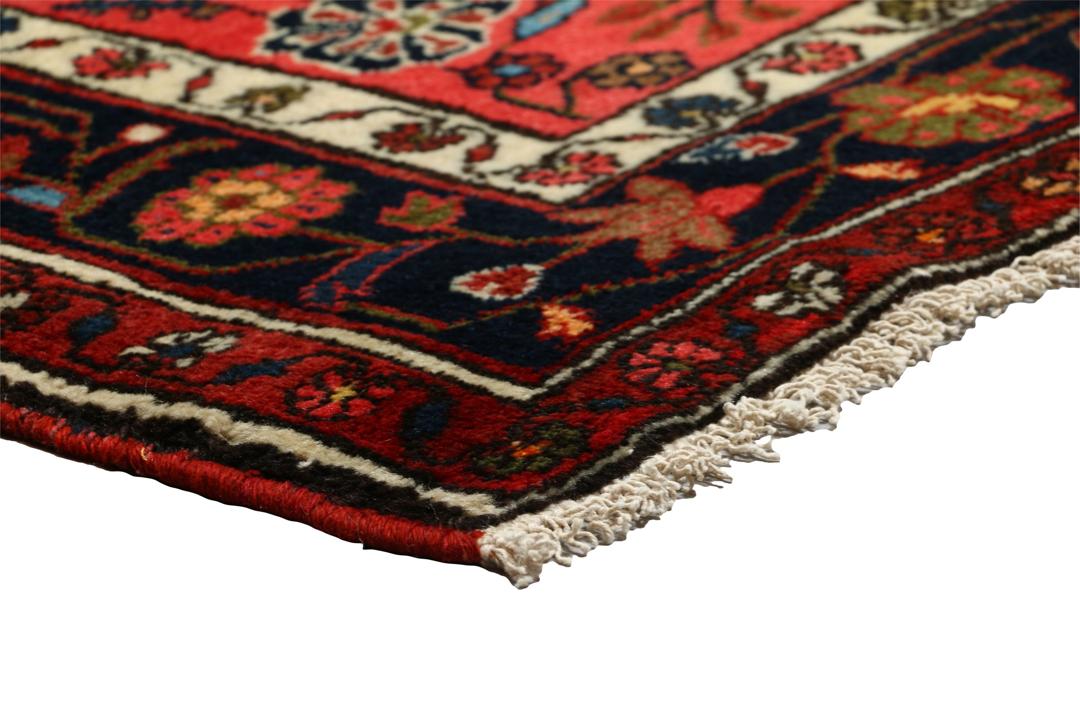
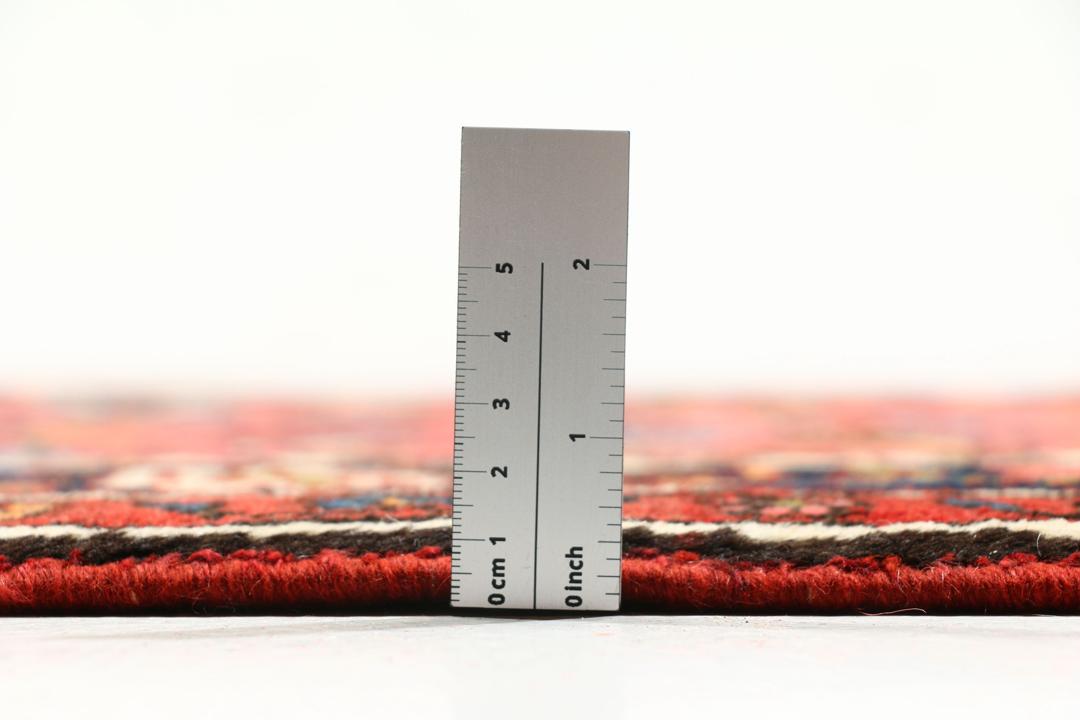
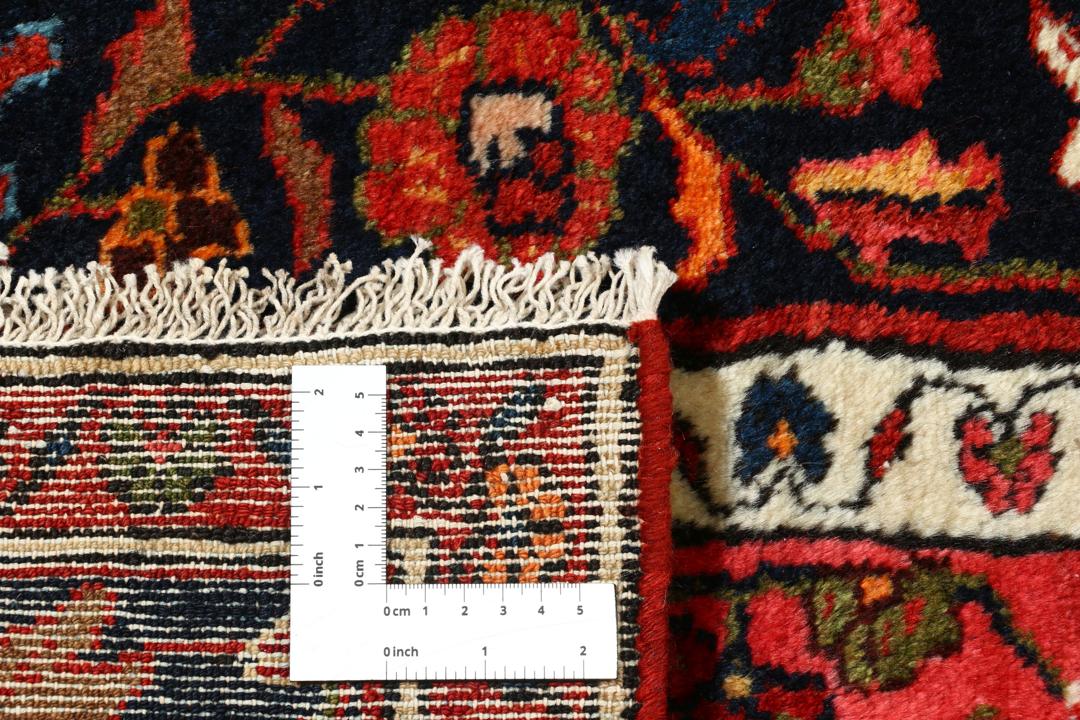
Technically, the Lillian tradition is known for its sturdy foundation and dense pile. The weavers often employ a technique that creates a thicker, more durable rug capable of withstanding the rigours of daily use. This durability is why many vintage examples remain in excellent condition today. When you see the word Lillian, you are looking at a rug built to last, characterised by a structural integrity that is highly prized by those who value longevity in their home decor.
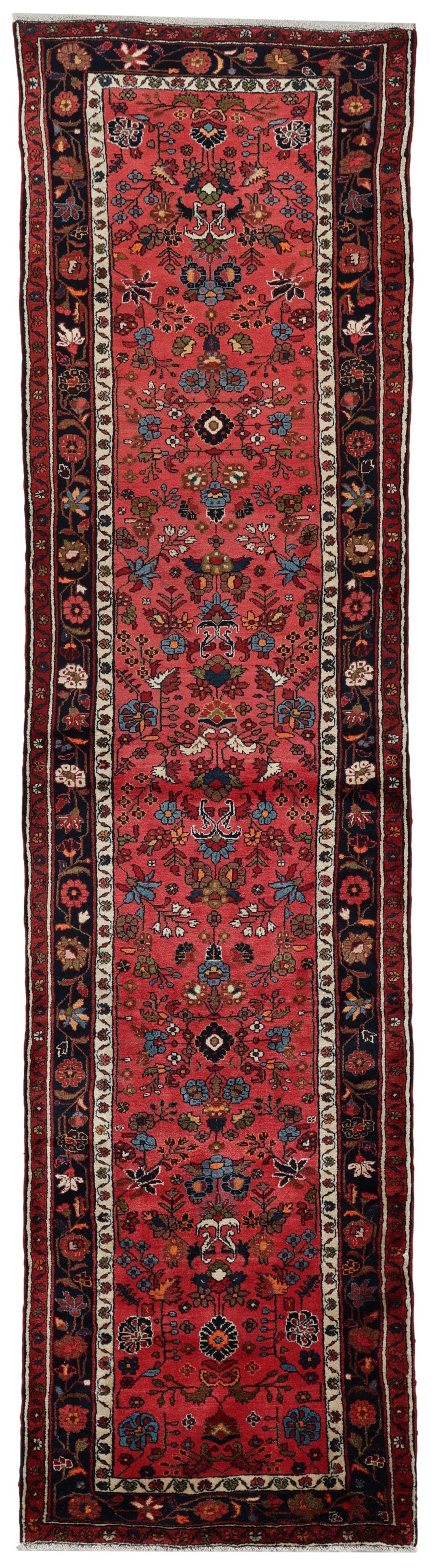
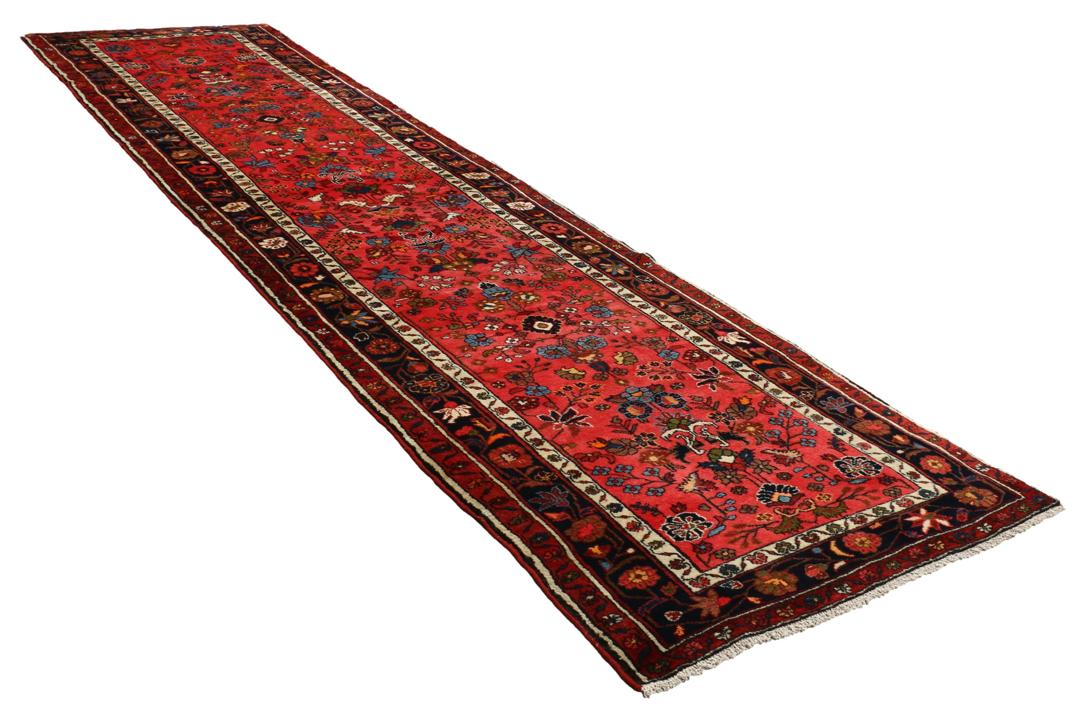
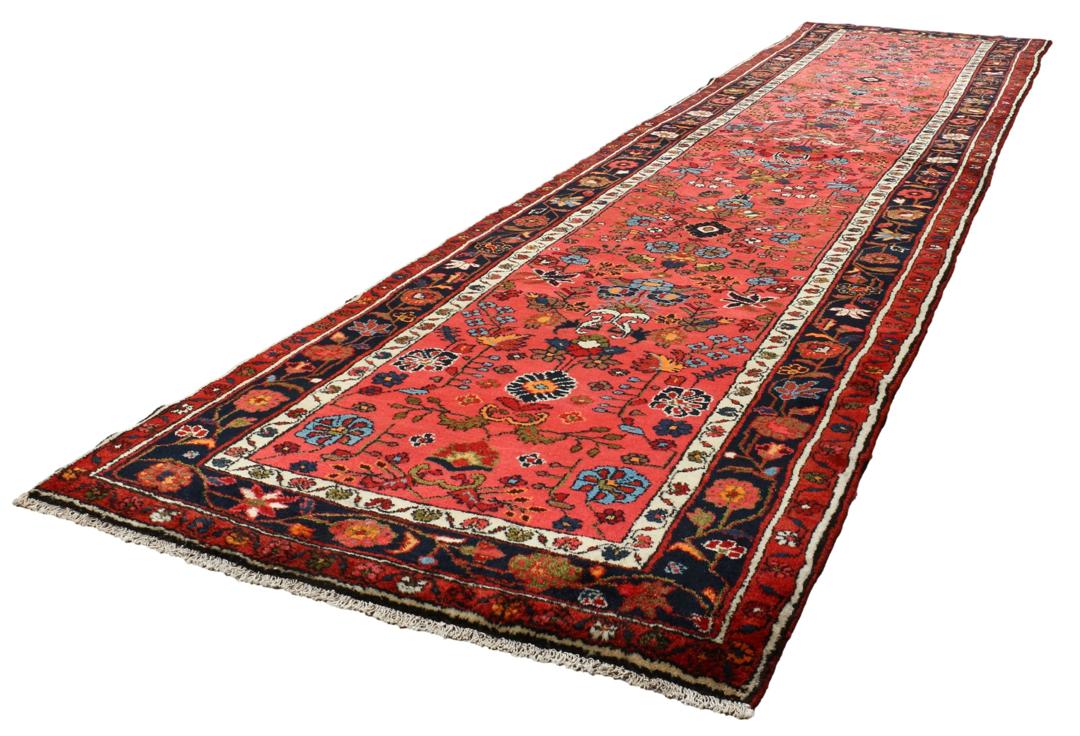
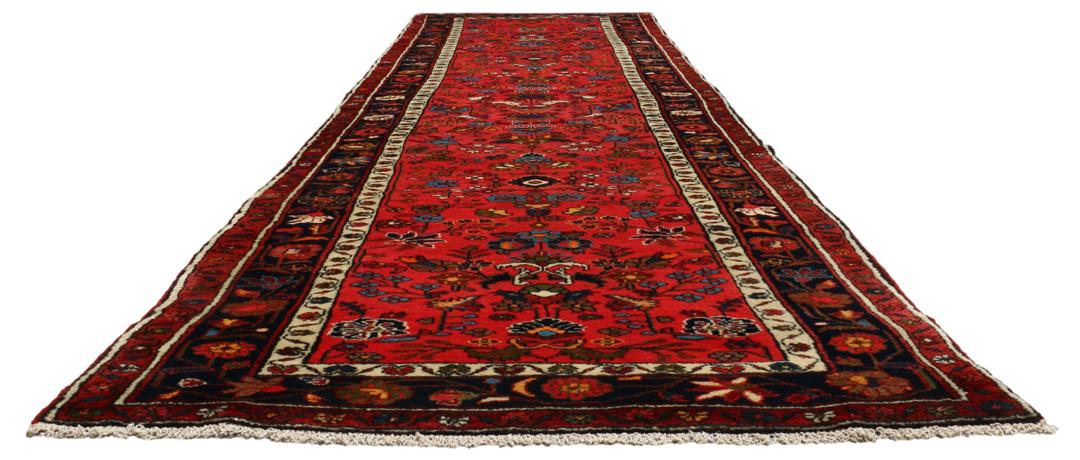
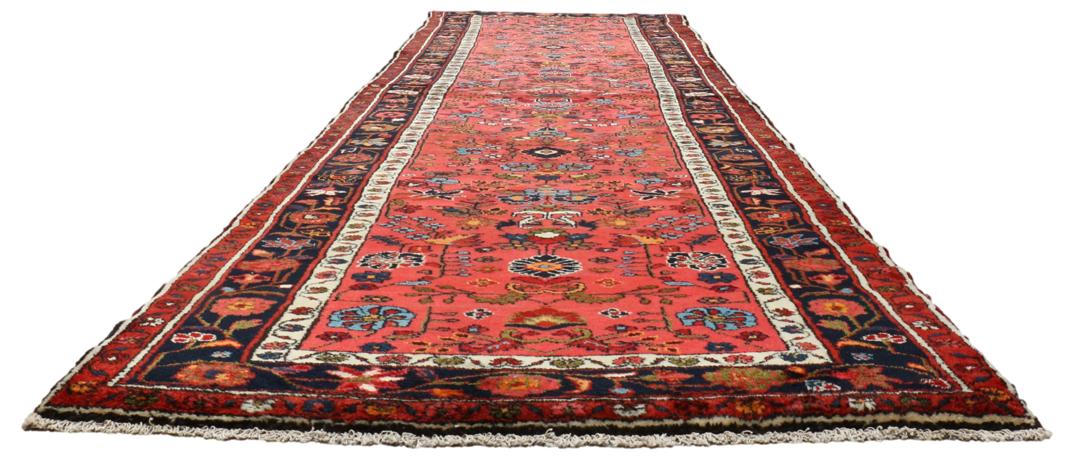
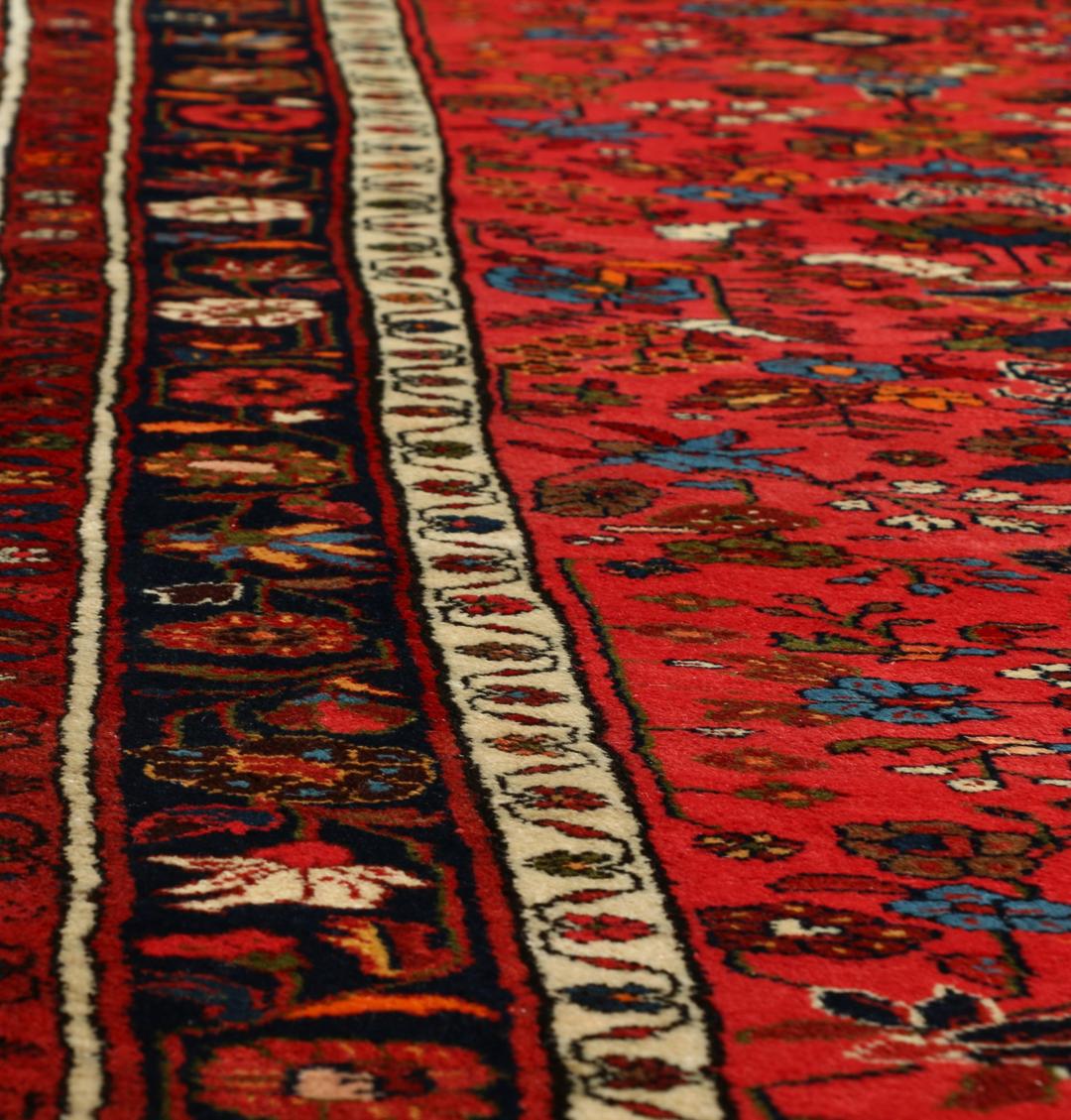
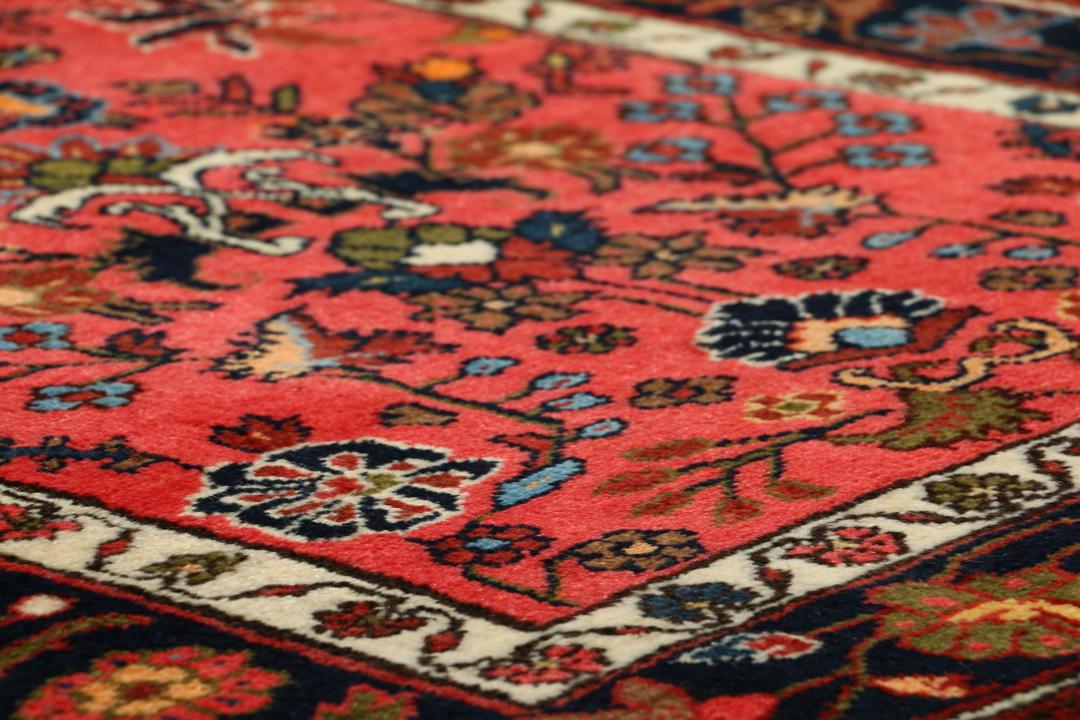
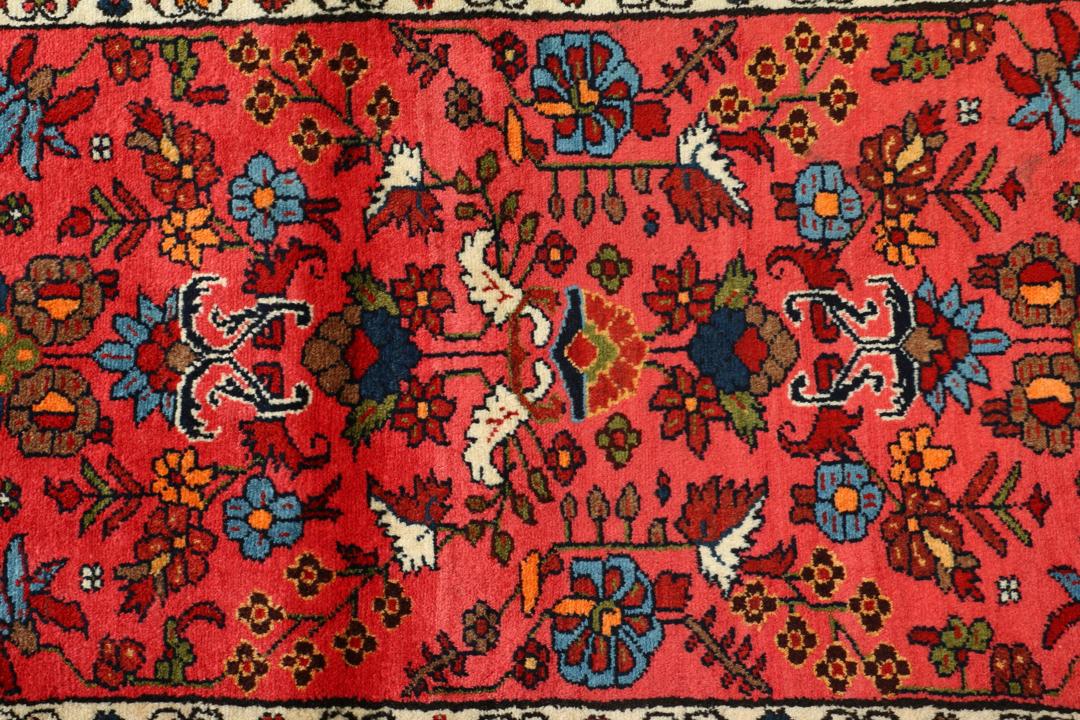
Visually, these rugs are often defined by their bold, geometric floral patterns and the use of deep, saturated tones. While many pieces feature central medallion designs, the Lillian style is particularly famous for its artistic, flowing floral arrangements that cover the field in a rhythmic, organic fashion. The borders are typically well-defined and serve to frame the central scene, often mirroring the colours and motifs found within the heart of the rug.
Collecting a Lillian rug is an investment in both history and human skill. These pieces are valued for their ability to tell a story through every knot and colour choice. Owning one is an opportunity to connect with a centuries-old tradition, bringing a piece of cultural artistry into your home that carries the weight of its origin and the dedication of the hands that created it.