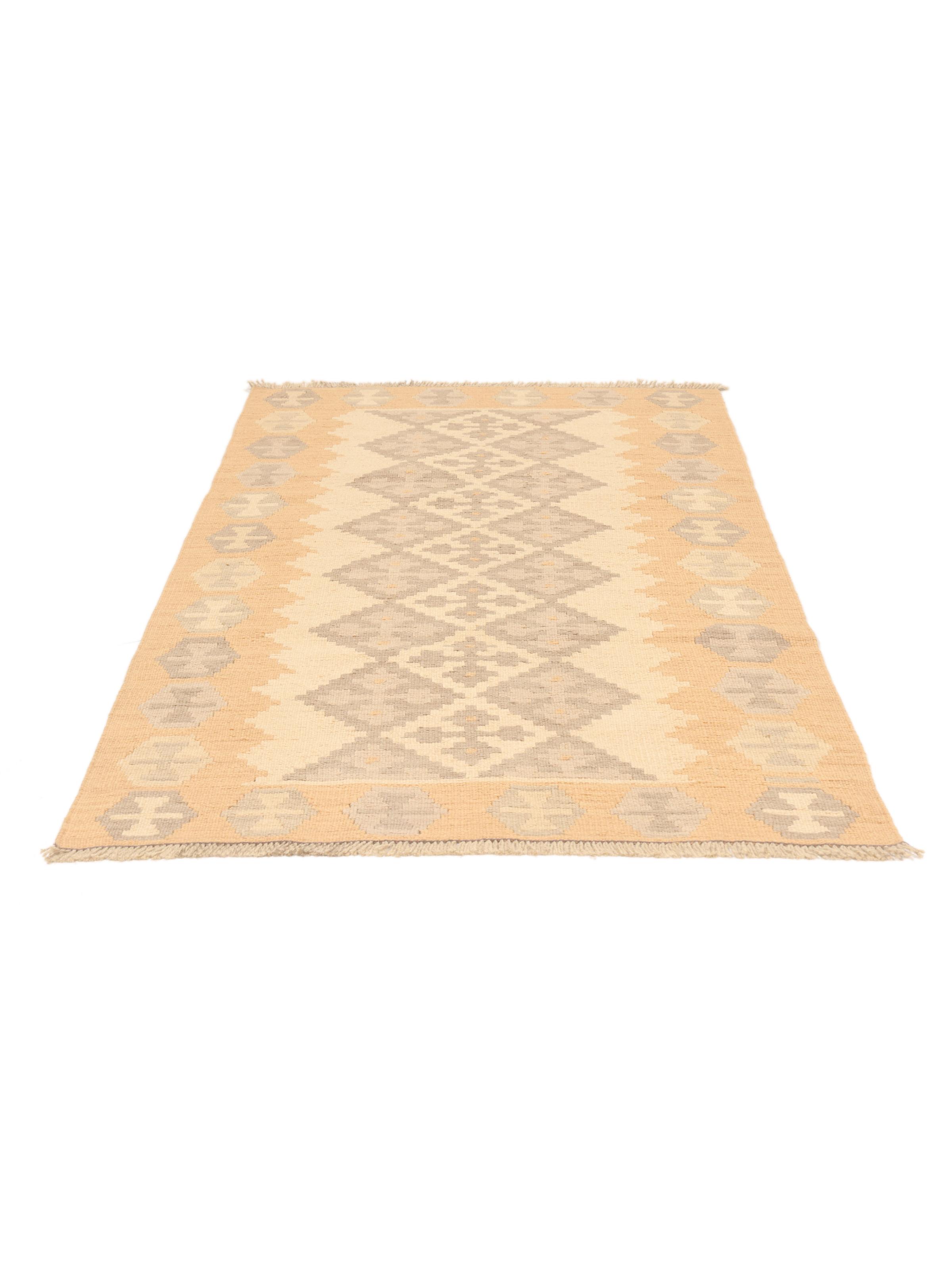
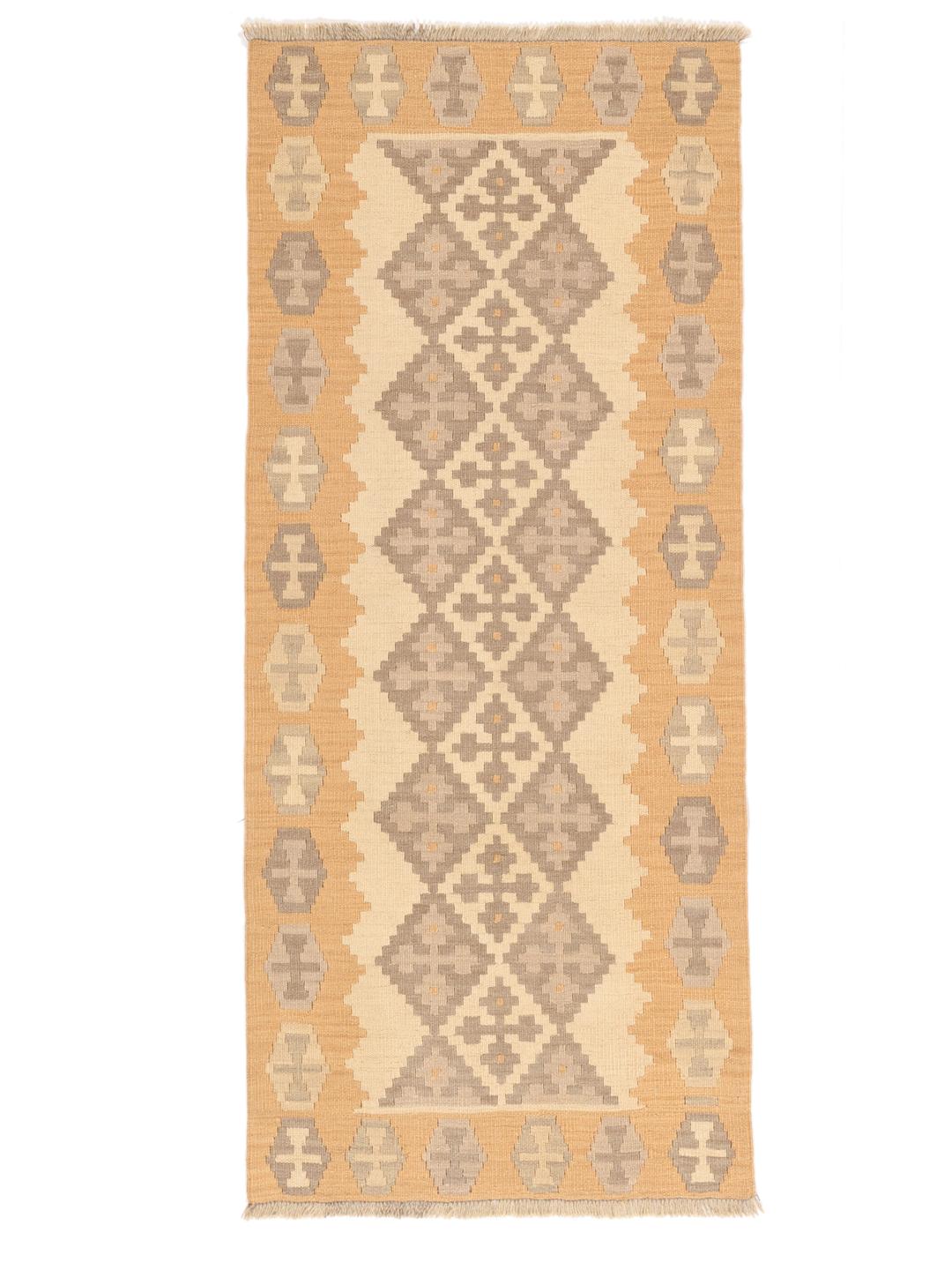
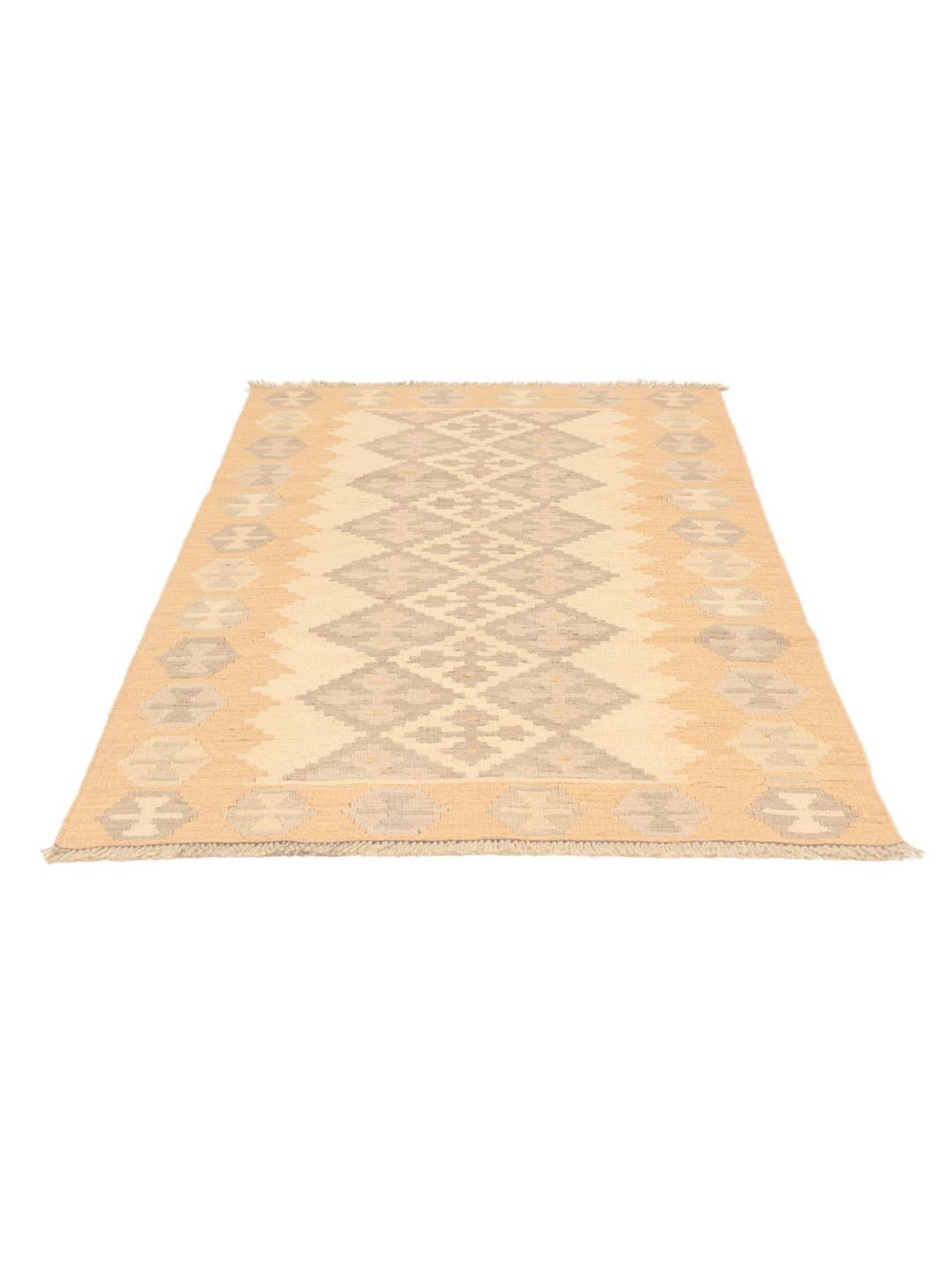
The tradition of weaving flat-weave rugs, or kilims, is deeply rooted in the history of the Middle East, particularly among nomadic and semi-nomadic tribes. These rugs were historically created for practical use, serving as floor coverings, tent partitions, and storage sacks during the seasonal migrations of these tribal communities.
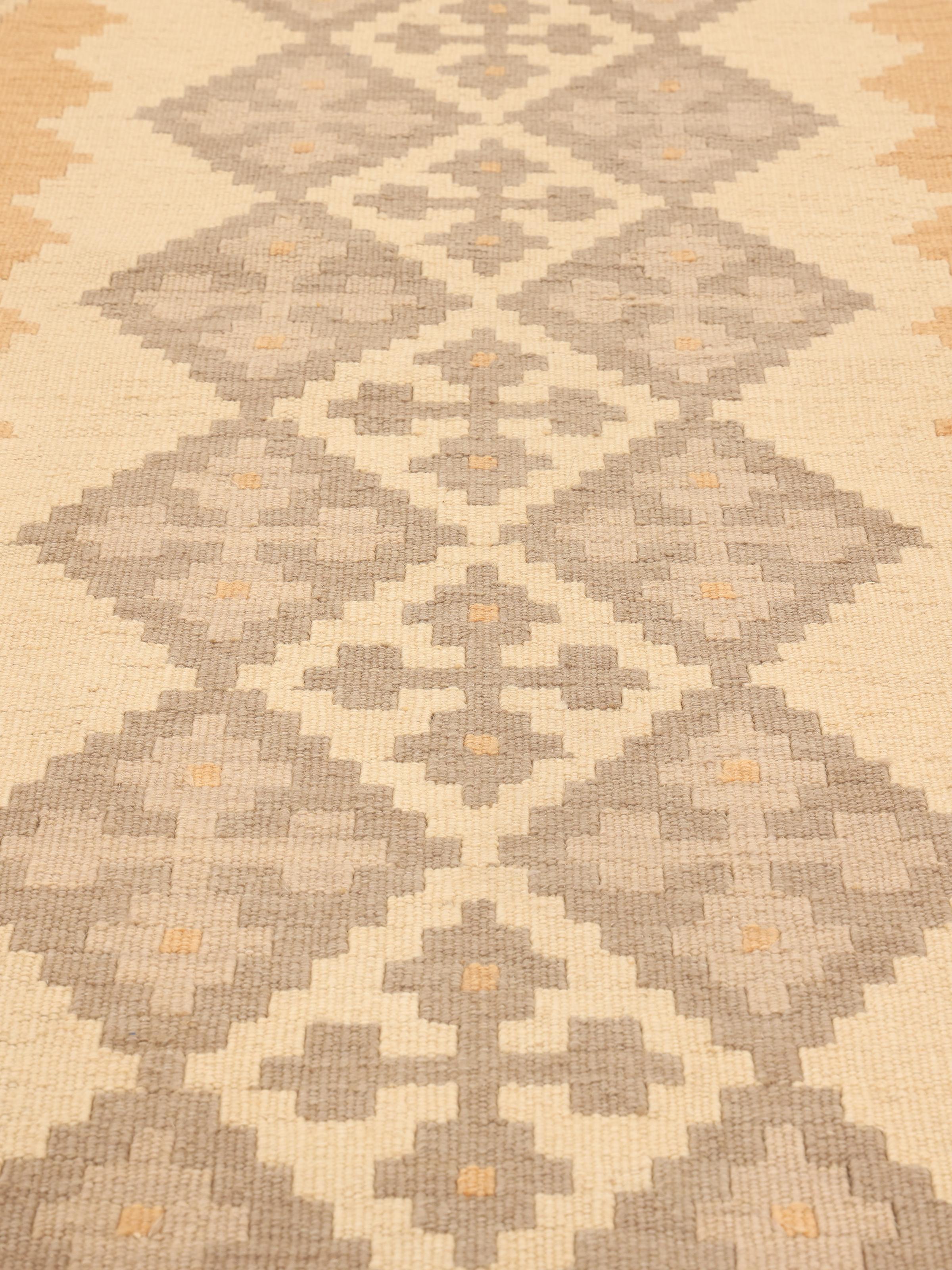
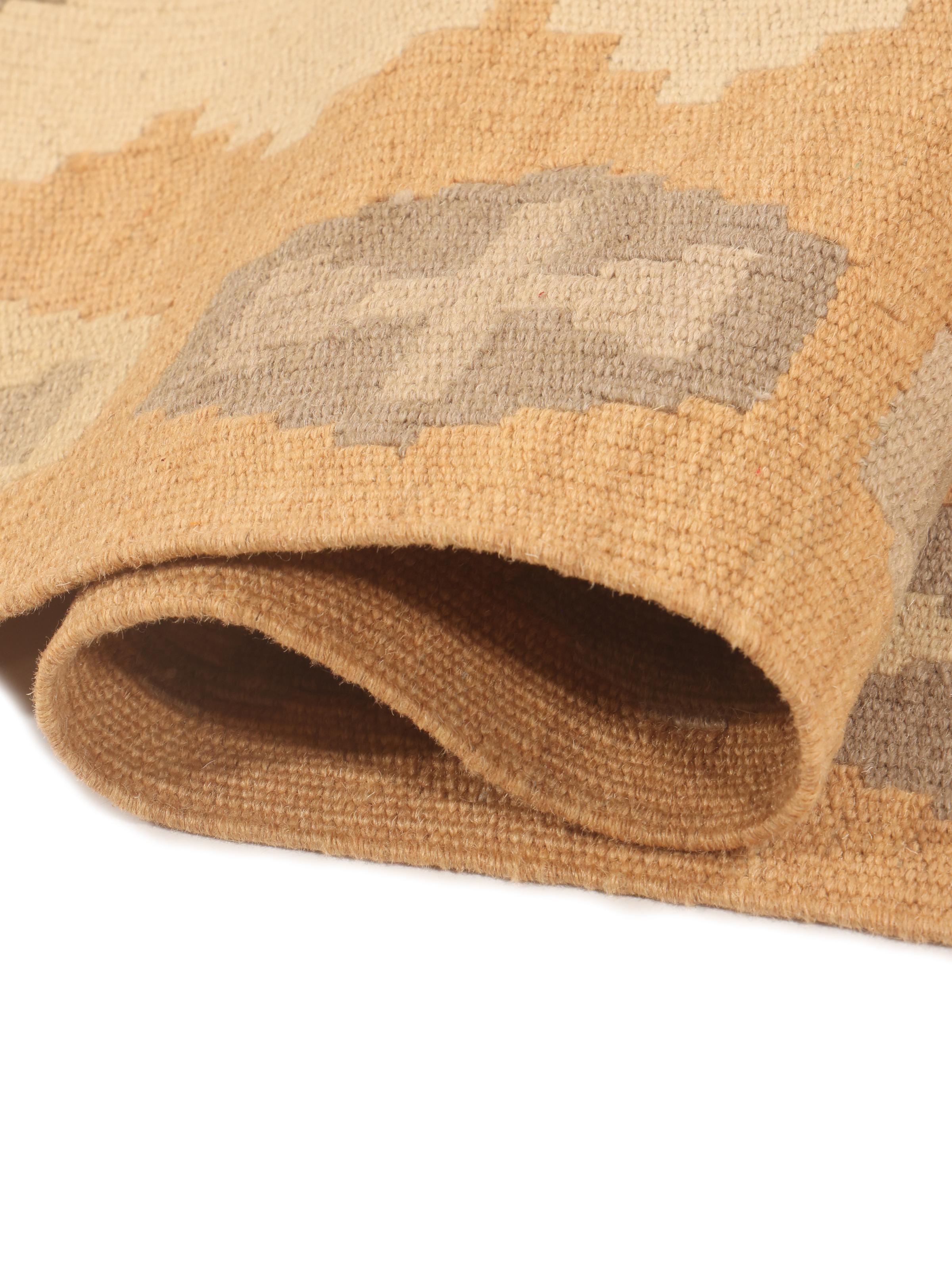
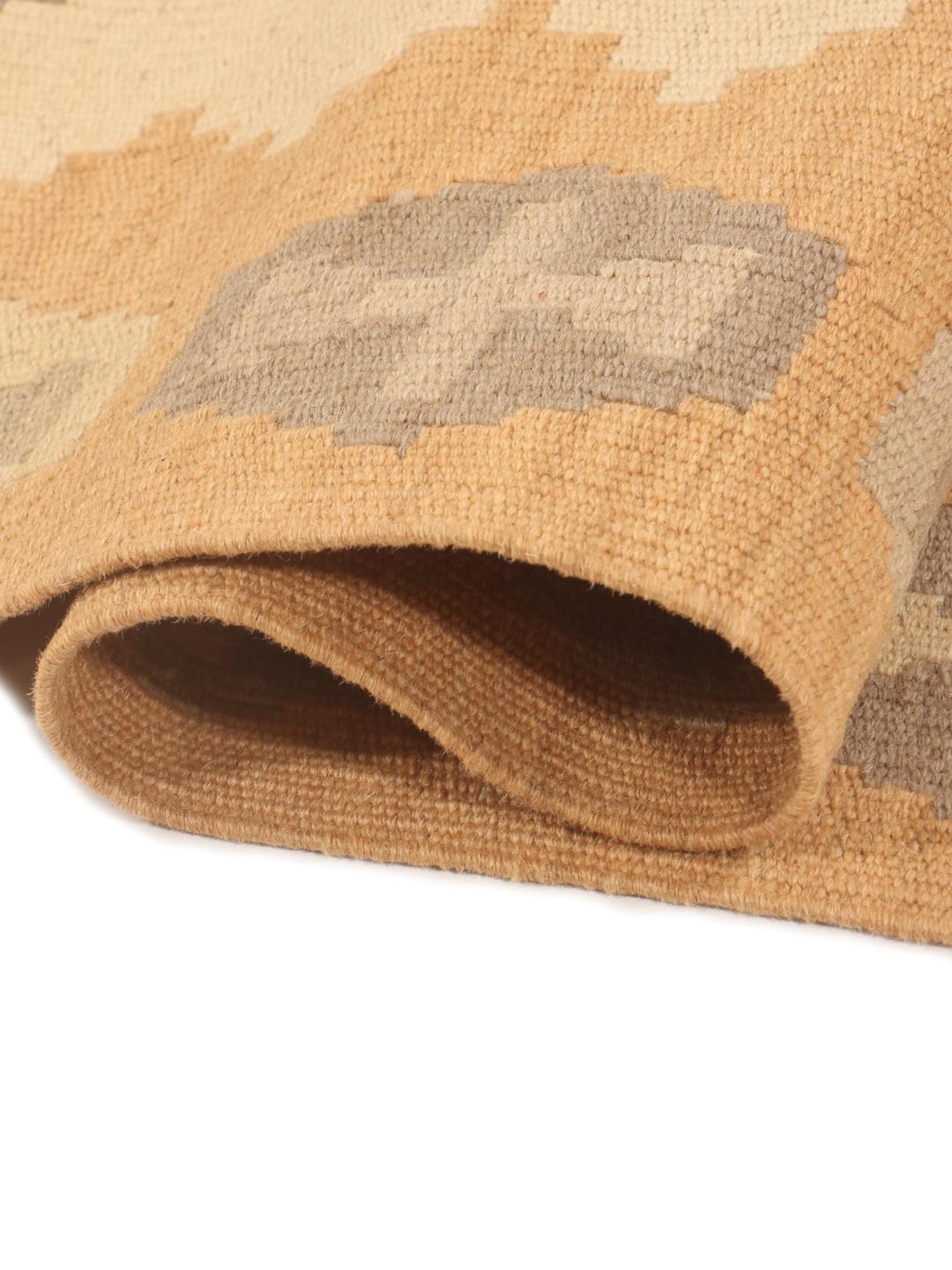
The Ghashghai people, renowned for their exceptional weaving traditions, are among the most celebrated artisans in the region. Their work is characterised by a vibrant visual language that often reflects the landscape, mythology, and daily life of their tribal culture. The term kilim refers specifically to the tapestry-weave technique, where the warp and weft are woven tightly to create a durable, pile-less textile.
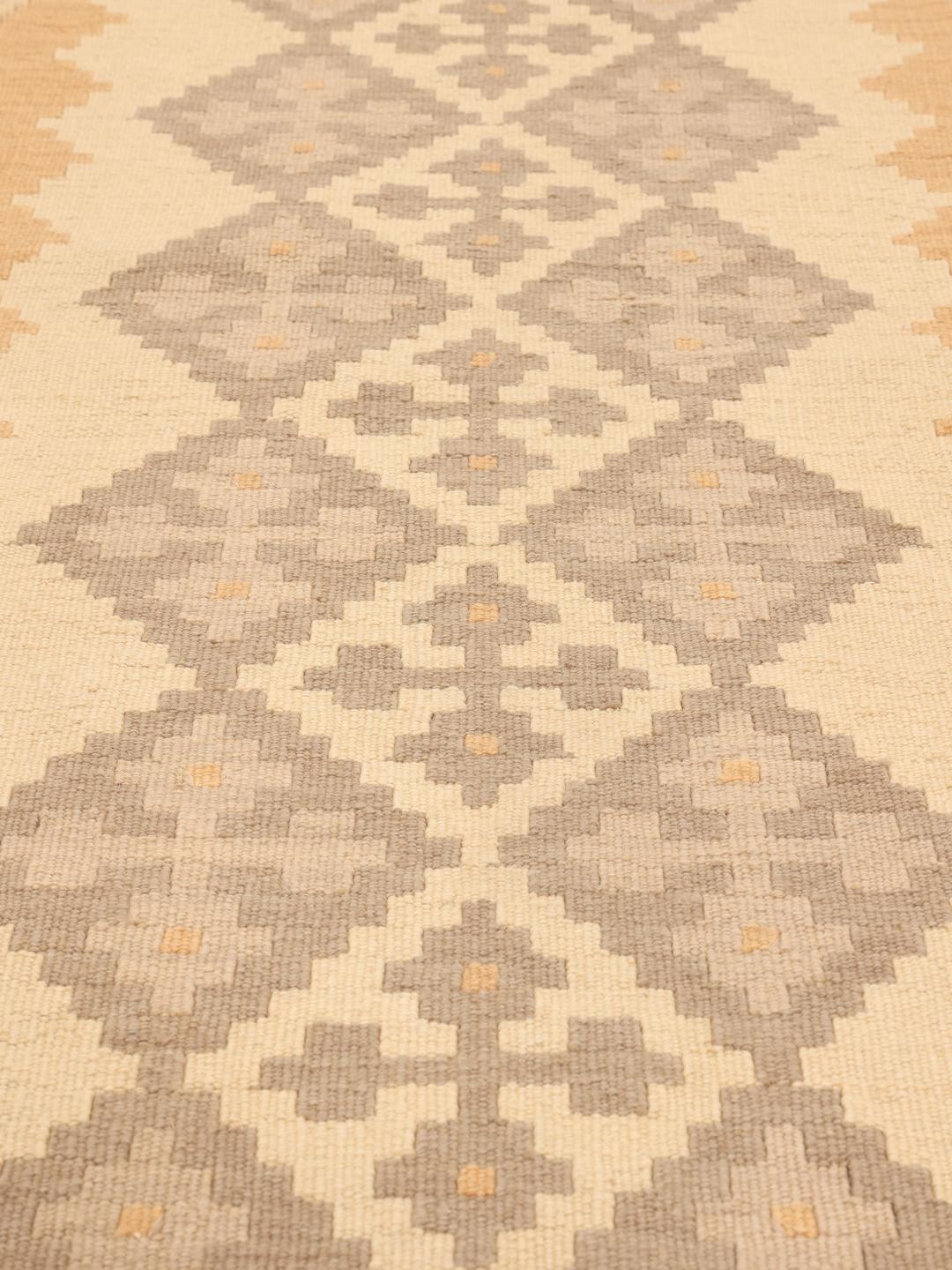
The designs found on these runners are often symbolic, featuring geometric motifs that have been passed down through generations of weavers. The repeating diamond and cross patterns seen here are classic elements of this tradition, designed to bring protection and prosperity to the family. The use of natural, warm tones is a hallmark of this style, reflecting the desert and mountain landscapes that have long served as the home of these tribes.
Collectors value these rugs not only for their durability and aesthetic appeal but also for the cultural heritage they represent. Owning a piece like this is a way to connect with an ancient craft that prizes human skill and creative expression over industrial efficiency. It is more than just a floor covering; it is a piece of history that adds depth, warmth, and a human touch to the modern home.