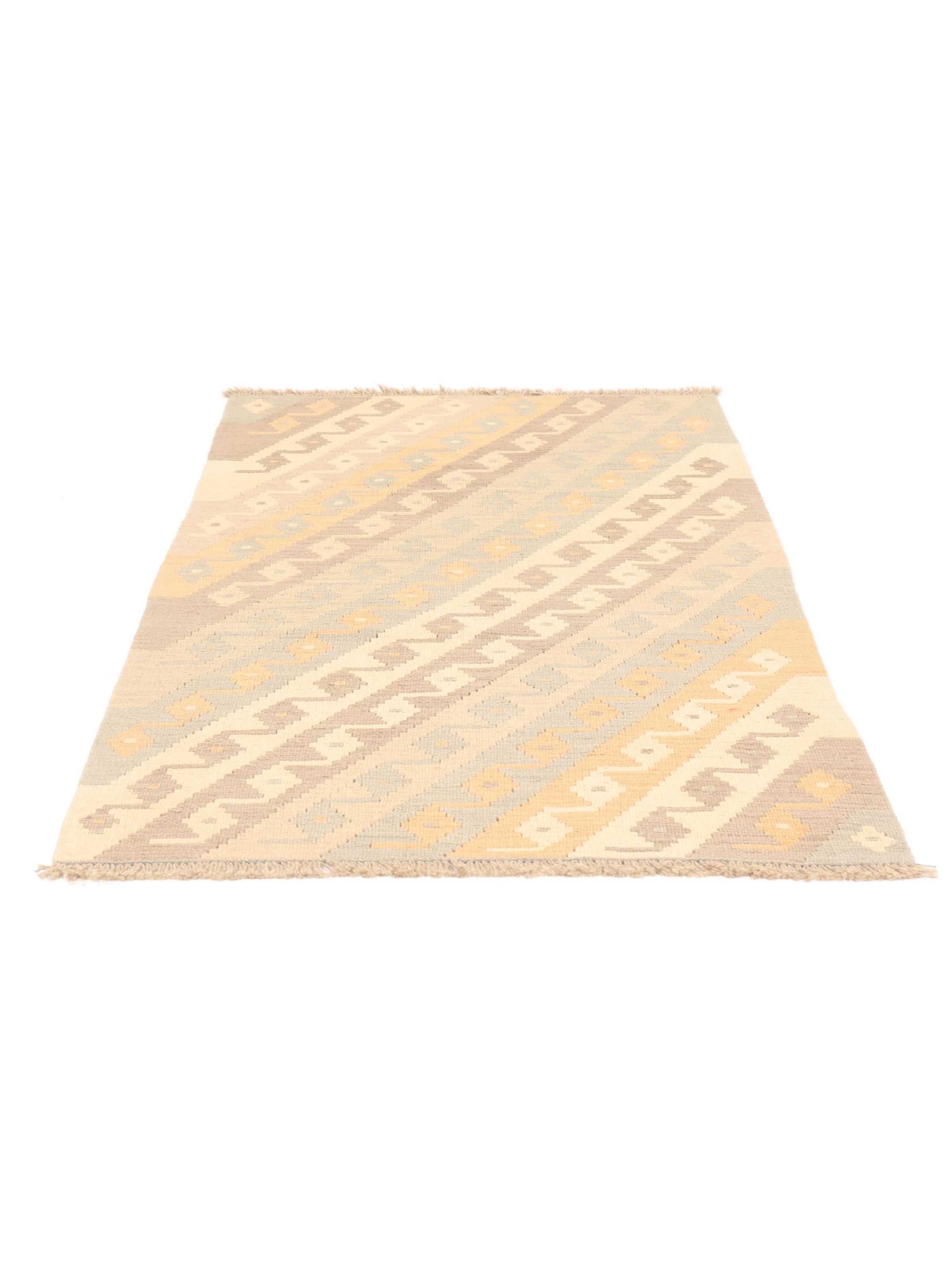
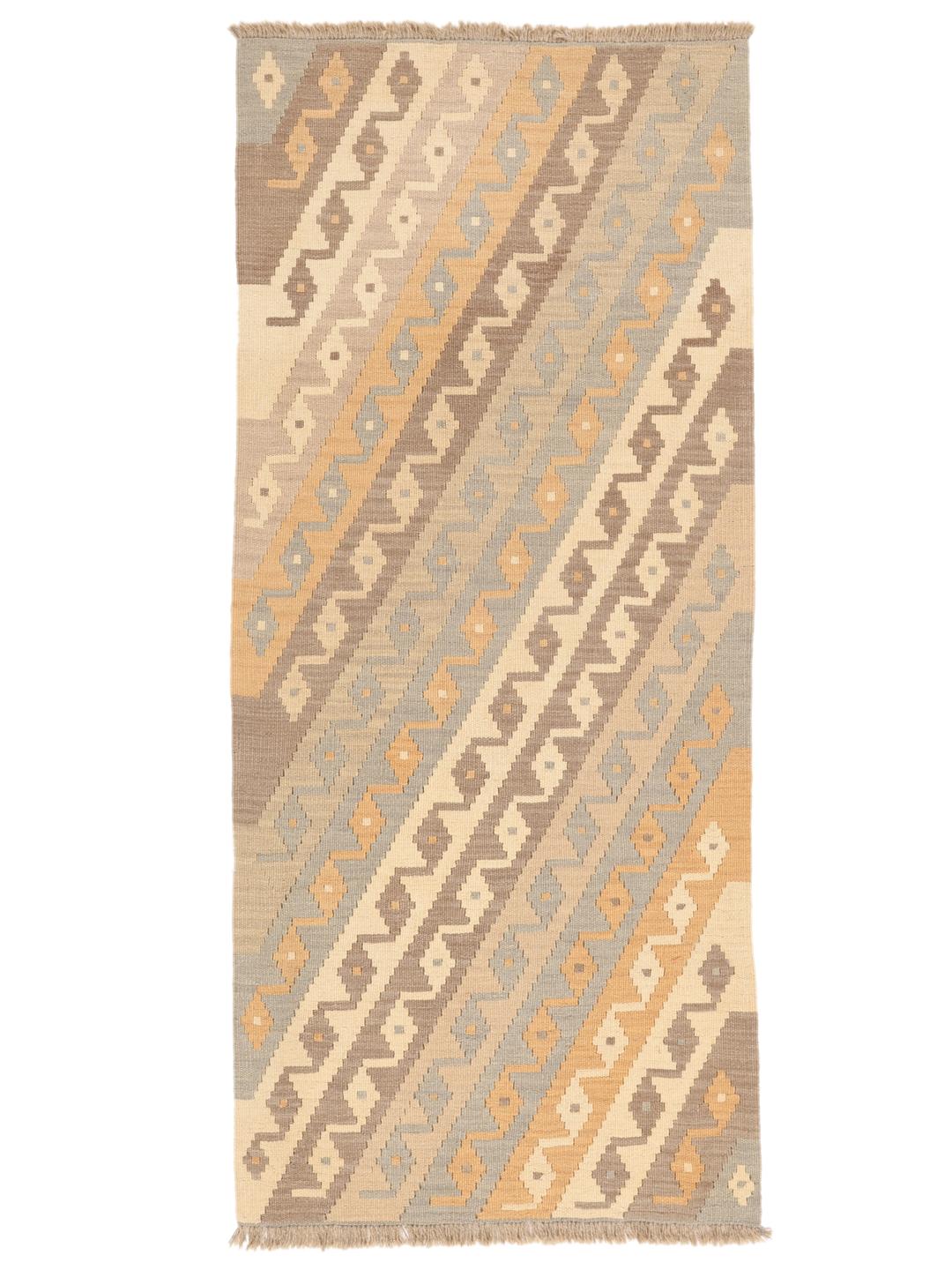
The Kilim Ghashghai tradition finds its roots in the nomadic cultures of the Middle East. For generations, these rugs have been crafted by tribal groups who moved across the landscape, creating functional yet beautiful textiles that were essential for camp life. These pieces were designed to be durable and portable, reflecting the rhythm and surroundings of a nomadic lifestyle.
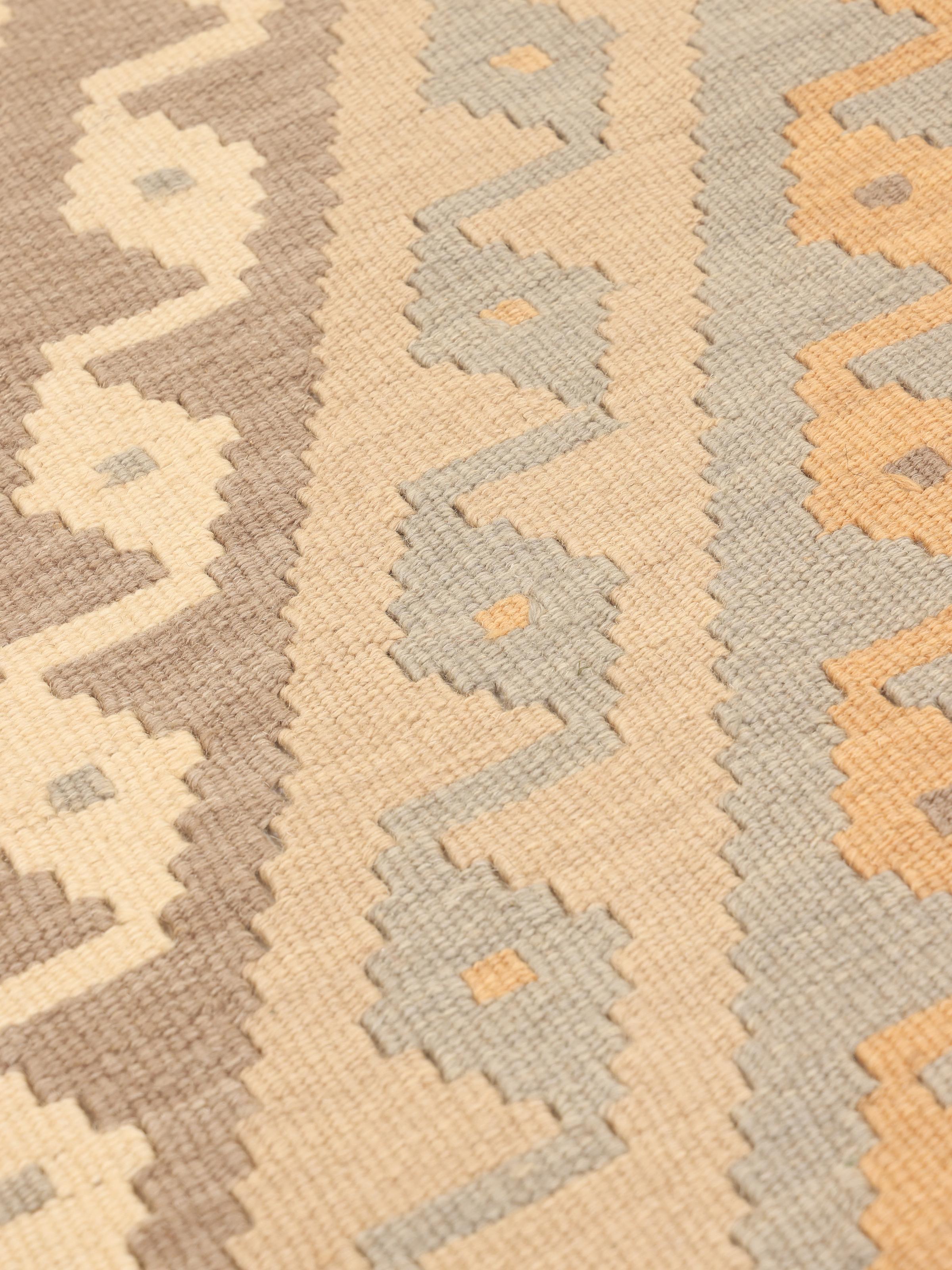
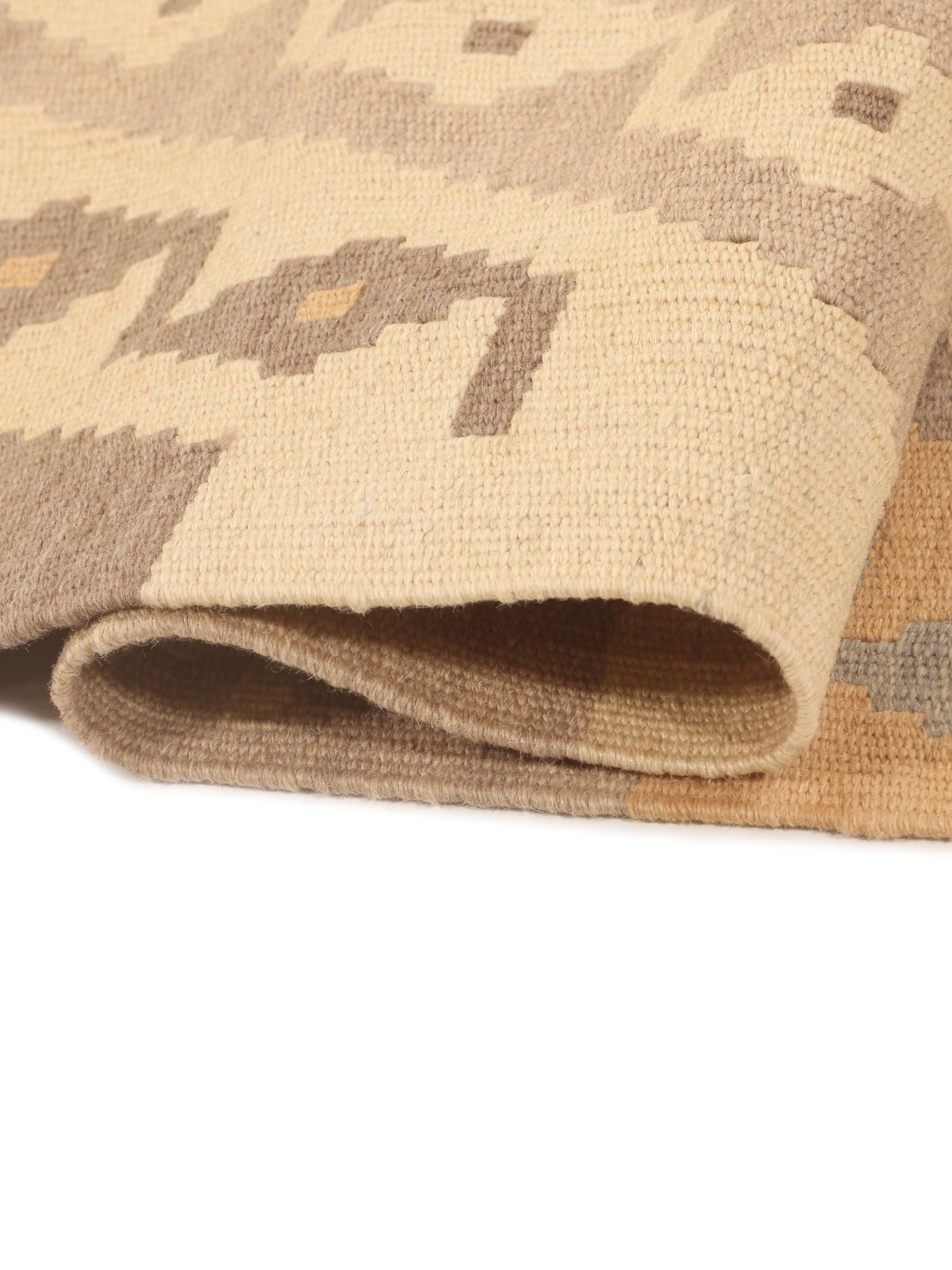
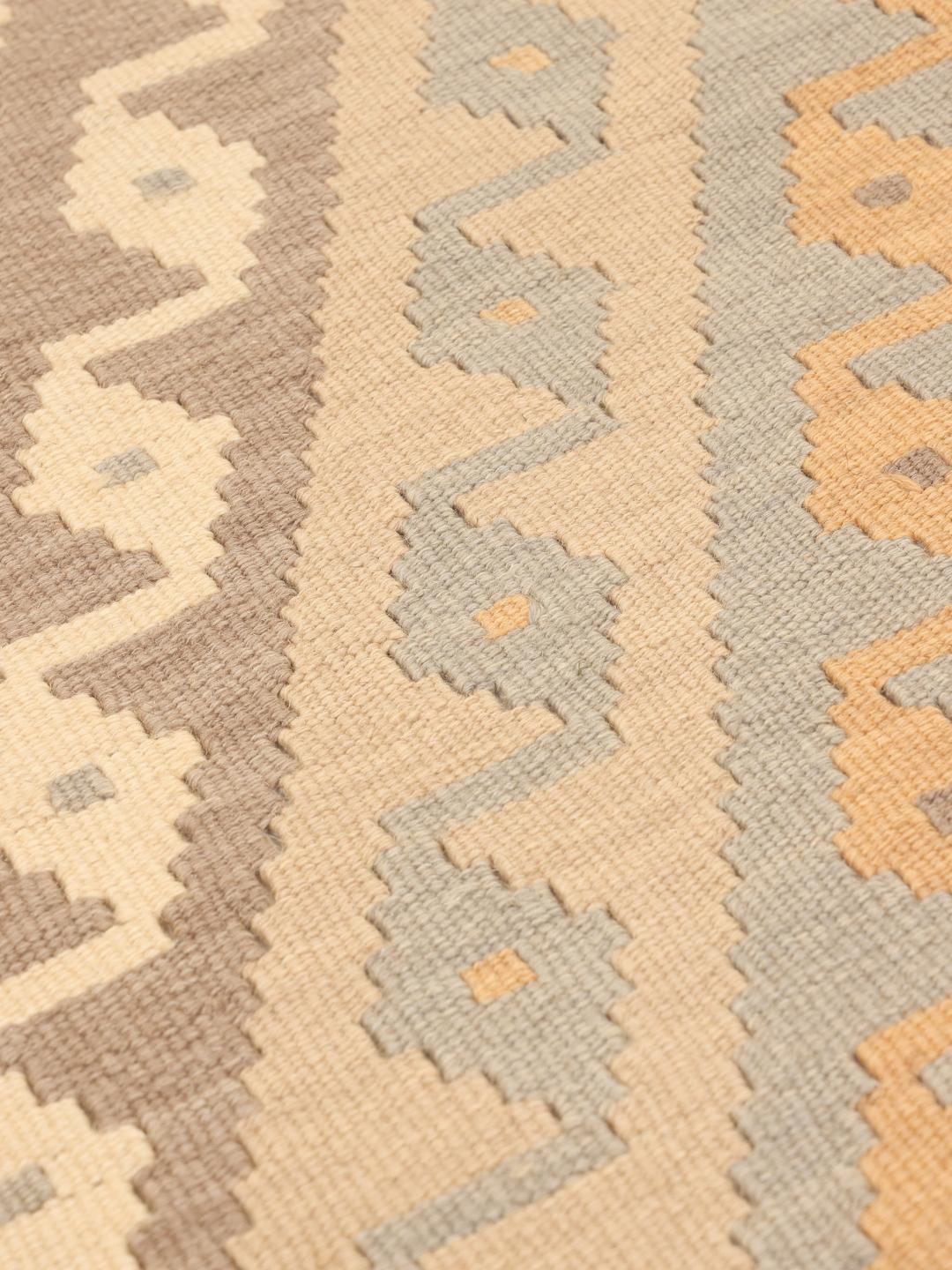
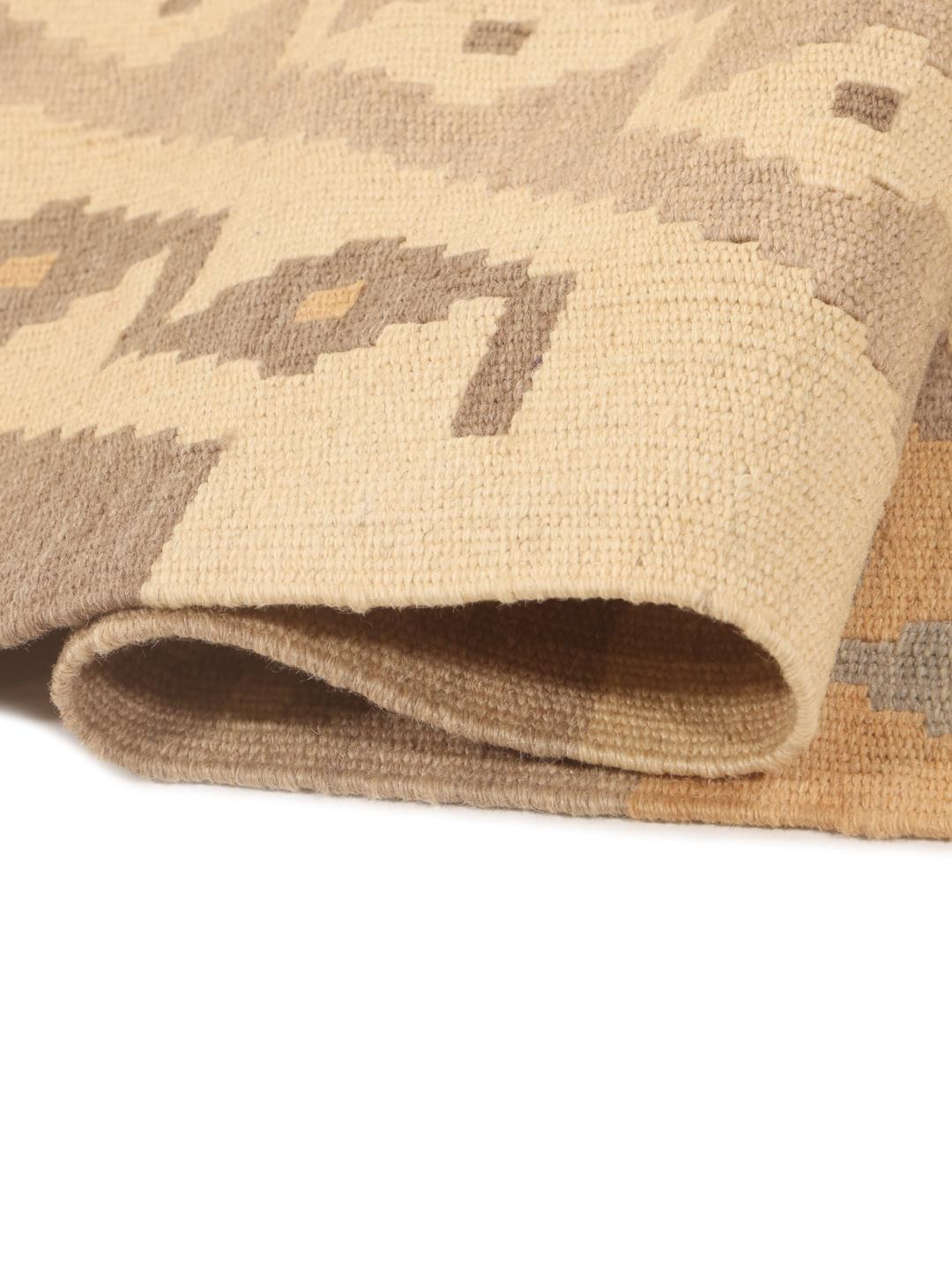
The term Kilim refers to a flat-woven rug that lacks a pile, which is achieved by interlocking the weft threads tightly around the warp. This technique creates a reversible, lightweight, and incredibly strong fabric. In the Ghashghai tradition, this method allows for the distinct, sharp geometric patterns that have become a hallmark of the style, showcasing the weaver's ability to manipulate complex designs without the use of a foundation pile.
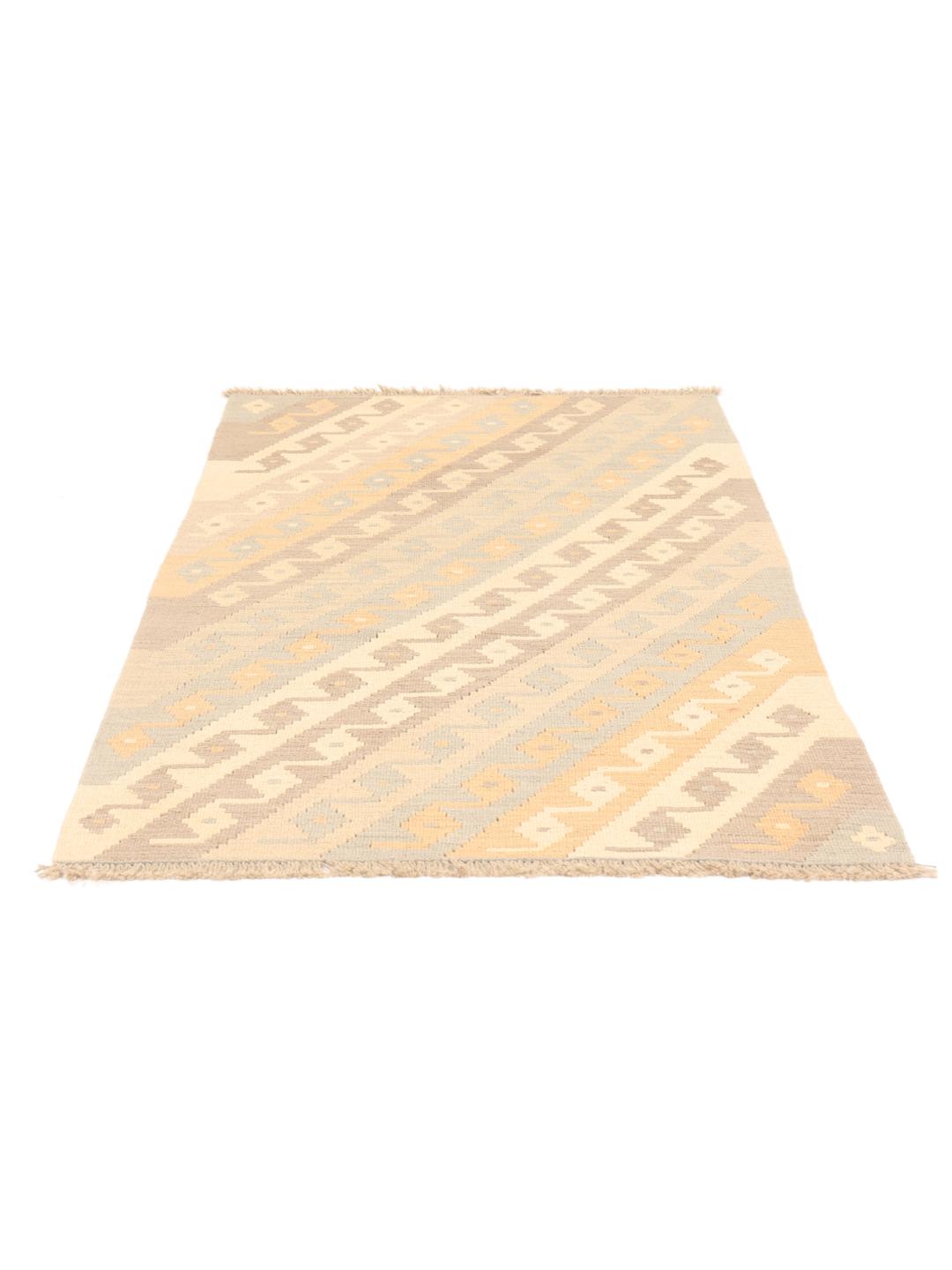
The visual language of these rugs is deeply symbolic, often featuring repeating geometric motifs like diamonds and zig-zags that represent the natural world and tribal identity. The borders are typically well-defined, framing the central field in a way that provides balance and structure. This specific piece emphasises these traditional motifs, maintaining the integrity of the heritage while offering a soft, contemporary colour palette.
Collectors value these rugs for their authenticity and the human story woven into every thread. Owning a Ghashghai Kilim is an investment in a living history, representing a bridge between ancient tribal artistry and modern interior design. It is a piece that carries the weight of cultural heritage, providing a sense of warmth and groundedness that only a truly handmade, traditional item can offer.