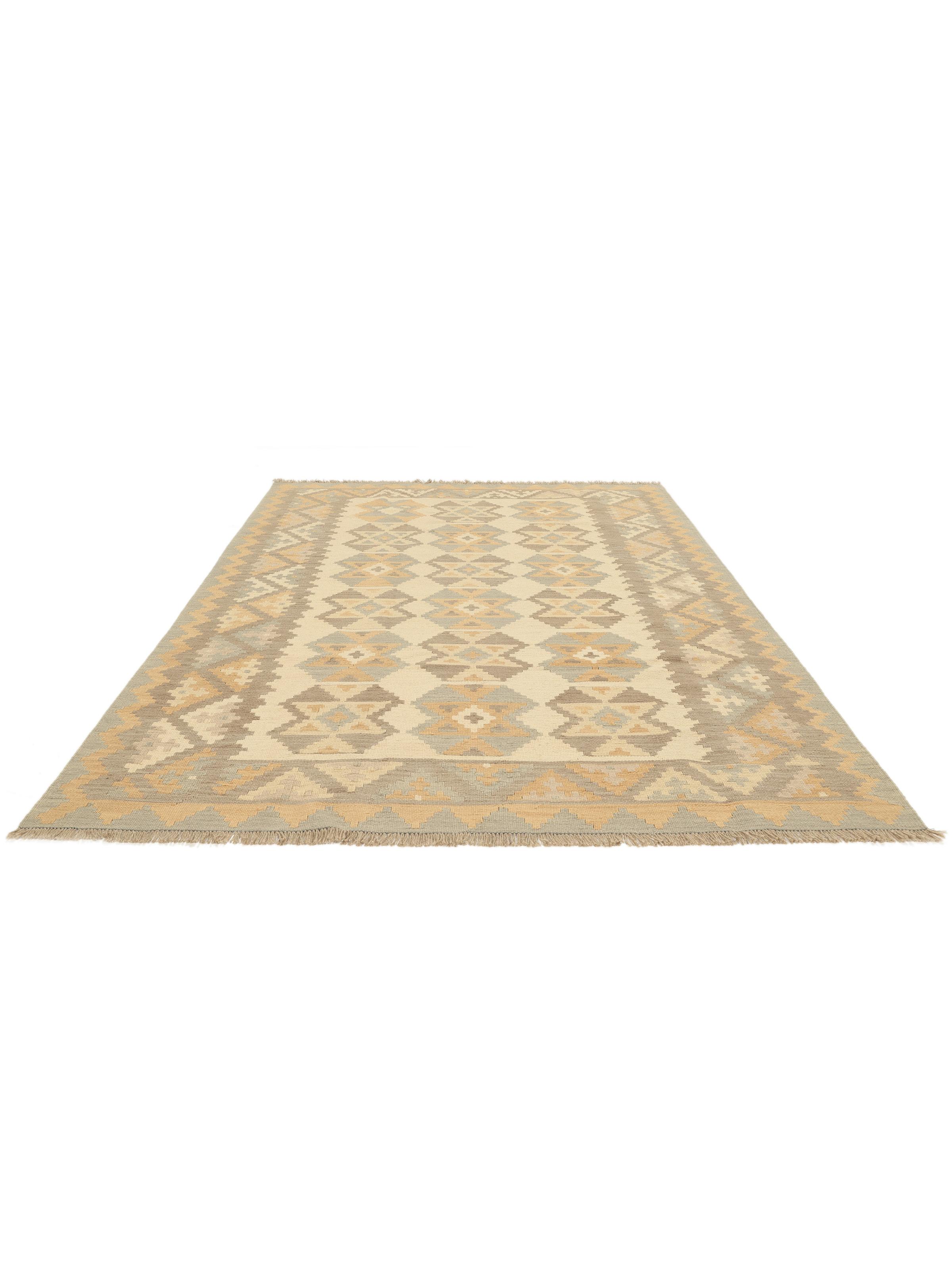
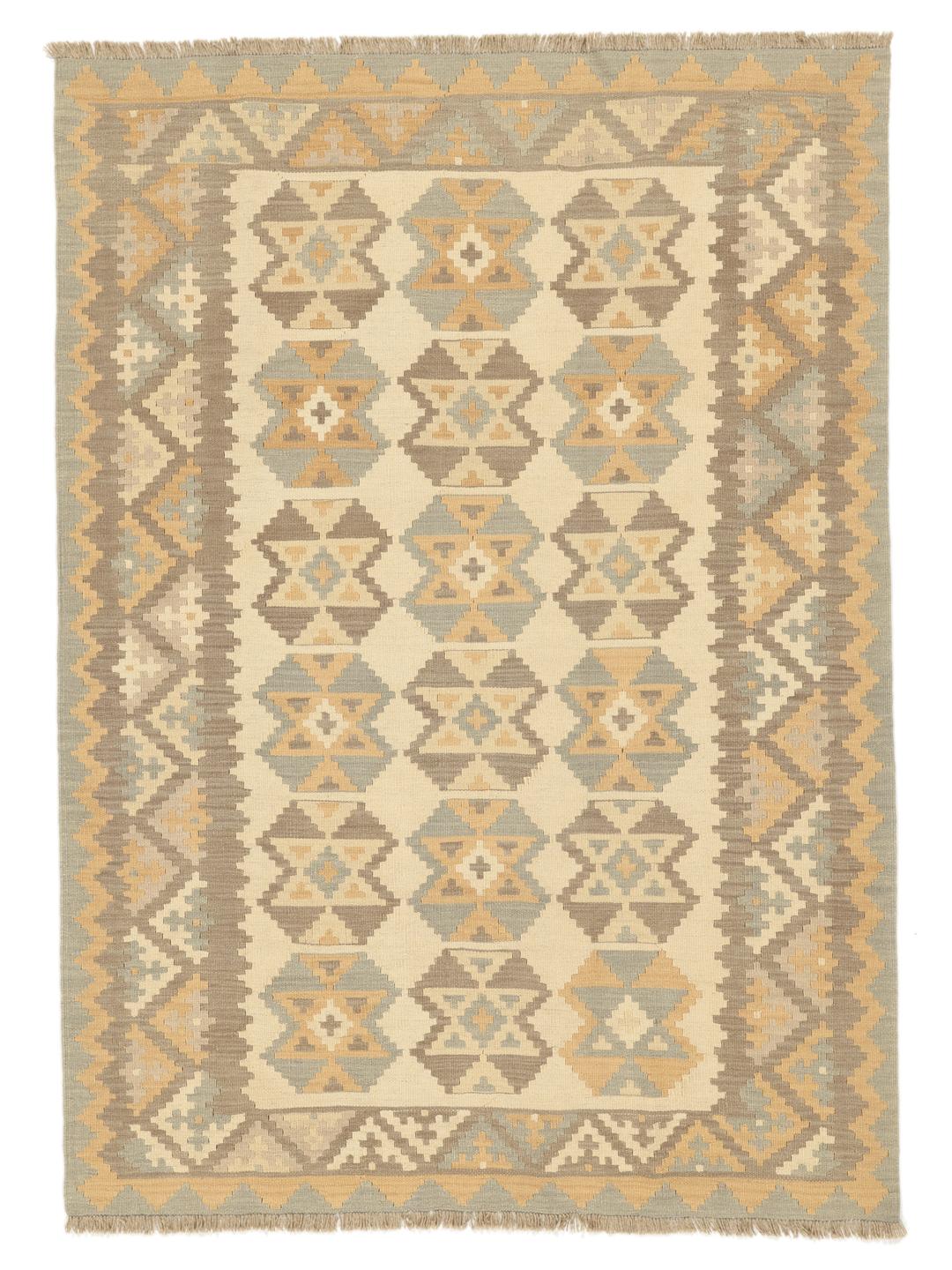
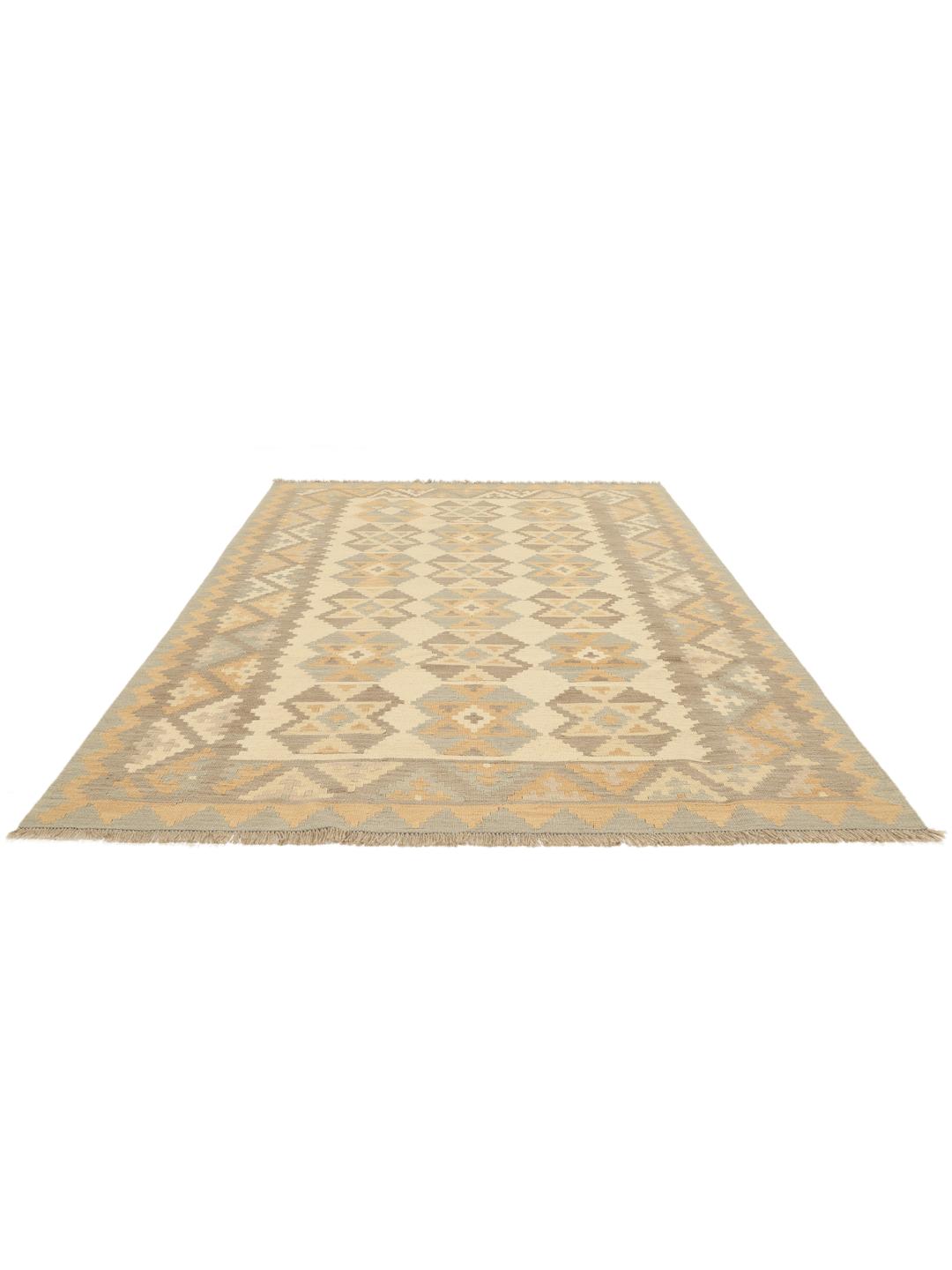
Kelim rugs originate from the nomadic tribes of the Middle East, where they were traditionally created as functional, portable textiles for tent life. These rugs were essential for covering floors, creating wall hangings, and serving as storage bags, making them an integral part of daily nomadic existence.
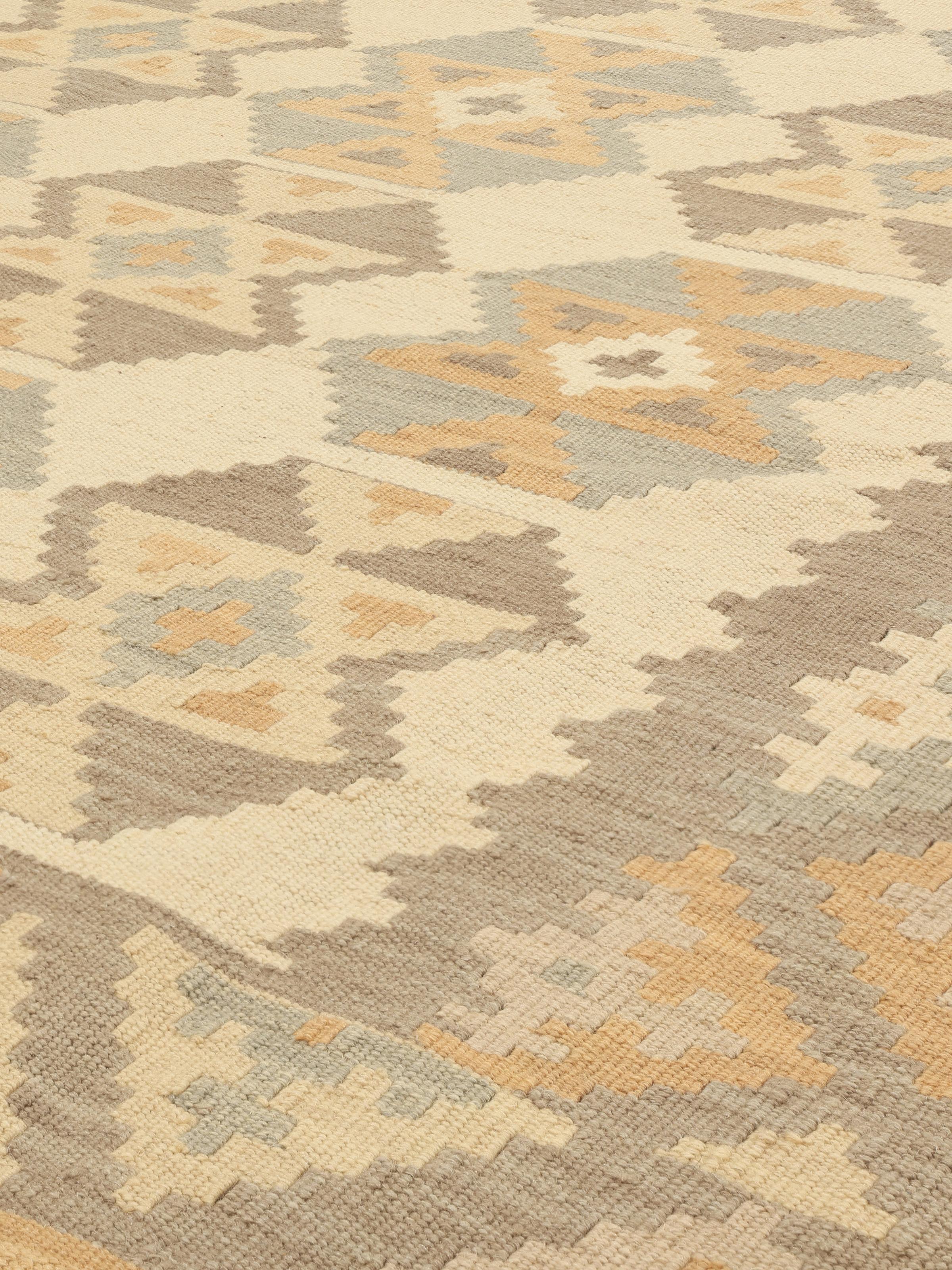
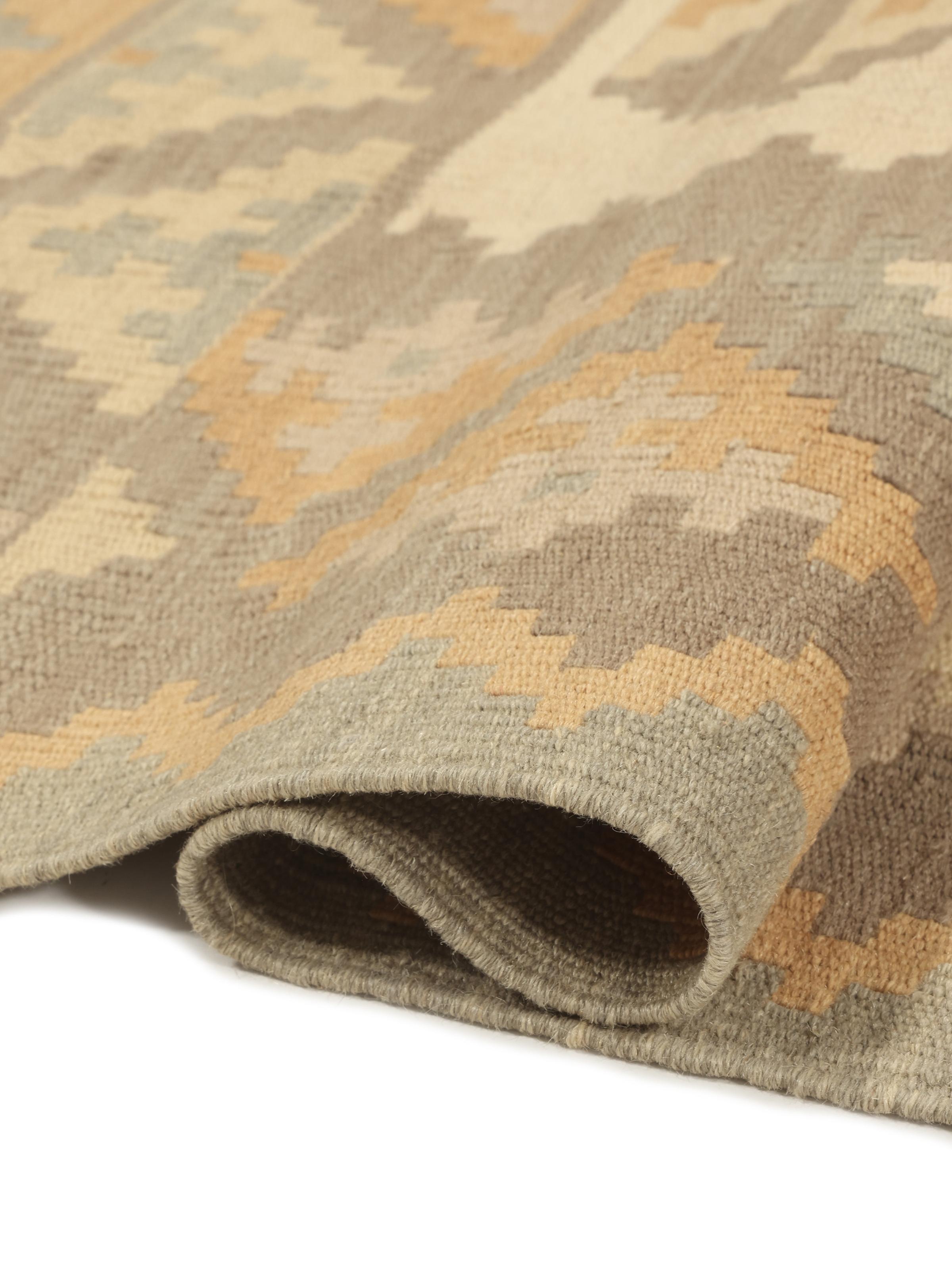
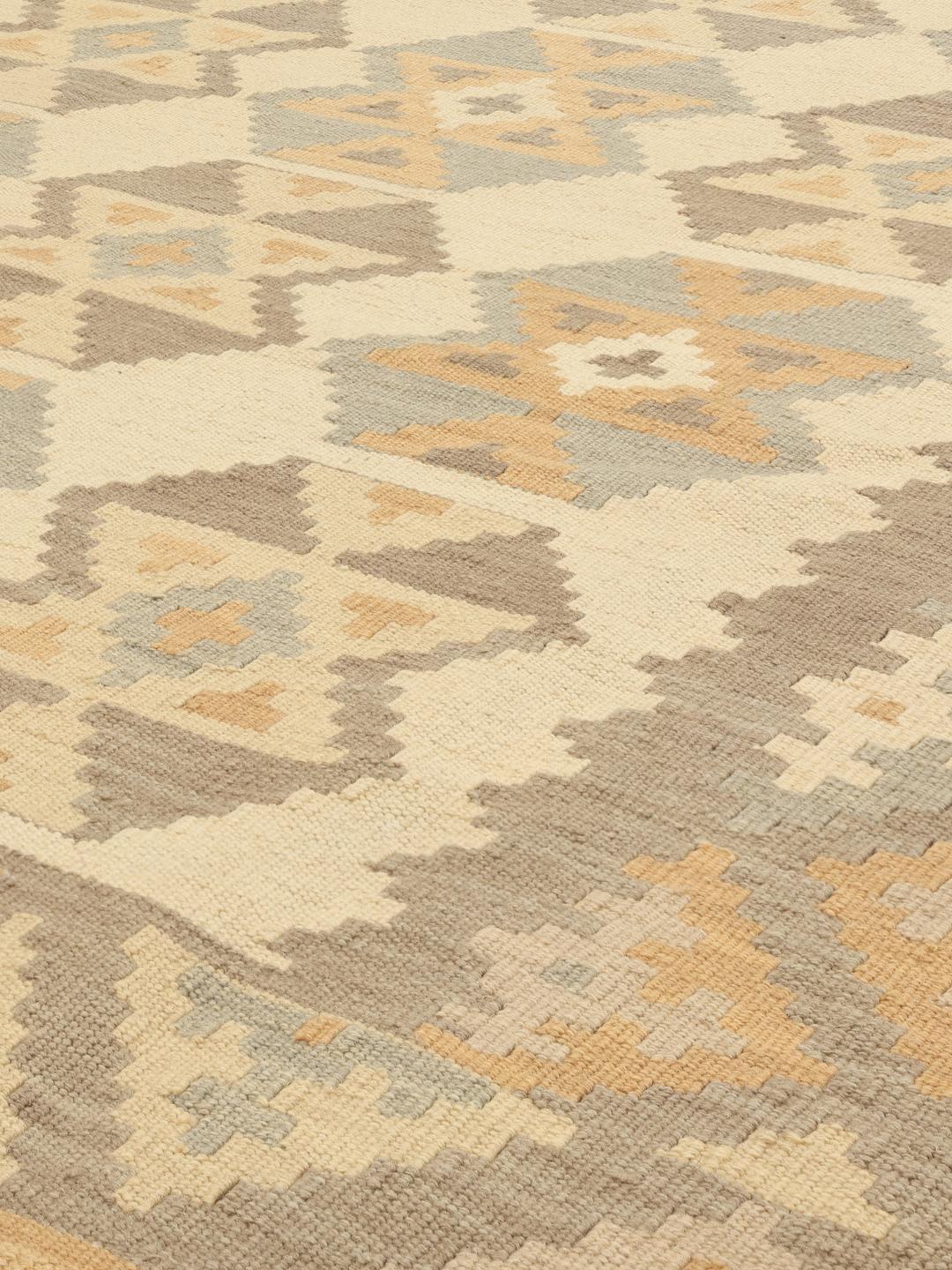
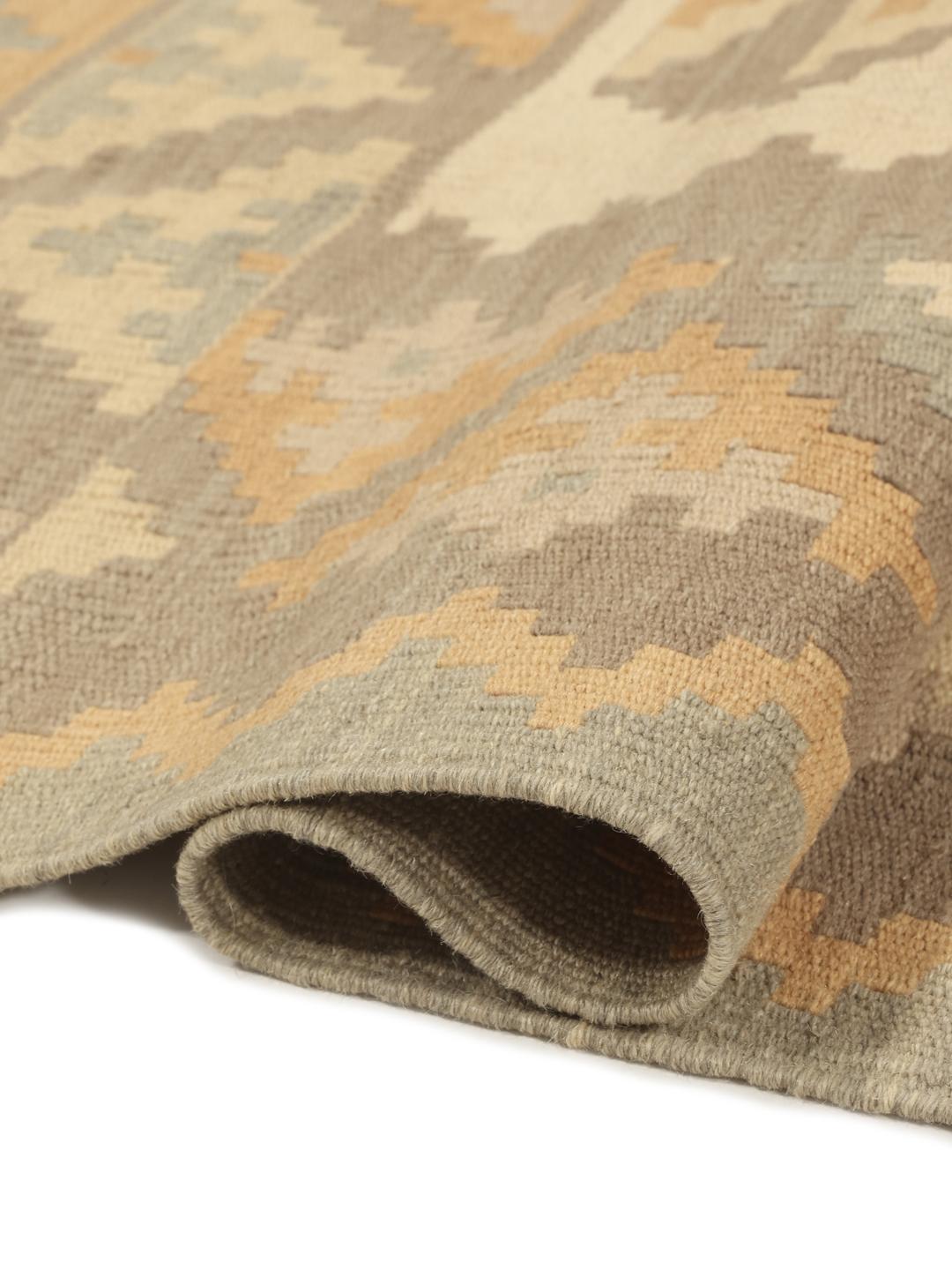
The Ghashghai people, a prominent tribal confederation, are renowned for their specific style of flat-weaving. Unlike pile rugs, Kelims are created through an interweaving of the coloured weft strands with the warp, which creates a thin, reversible textile that is highly valued for its clean, graphic appearance.
The visual language of this tradition is defined by bold, geometric motifs such as medallions, diamonds, and stylised floral elements. These patterns are often arranged in a rhythmic, symmetrical fashion, reflecting the cultural symbols and environment of the weavers. The use of natural dyes historically gave these pieces their characteristic earthy, warm palette.
Owning a Ghashghai Kelim is an investment in cultural heritage. Collectors value these rugs not only for their aesthetic appeal but for the skill required to maintain perfect tension and pattern alignment without the support of a pile. They represent a connection to a slow, deliberate way of life that prizes both utility and beauty.