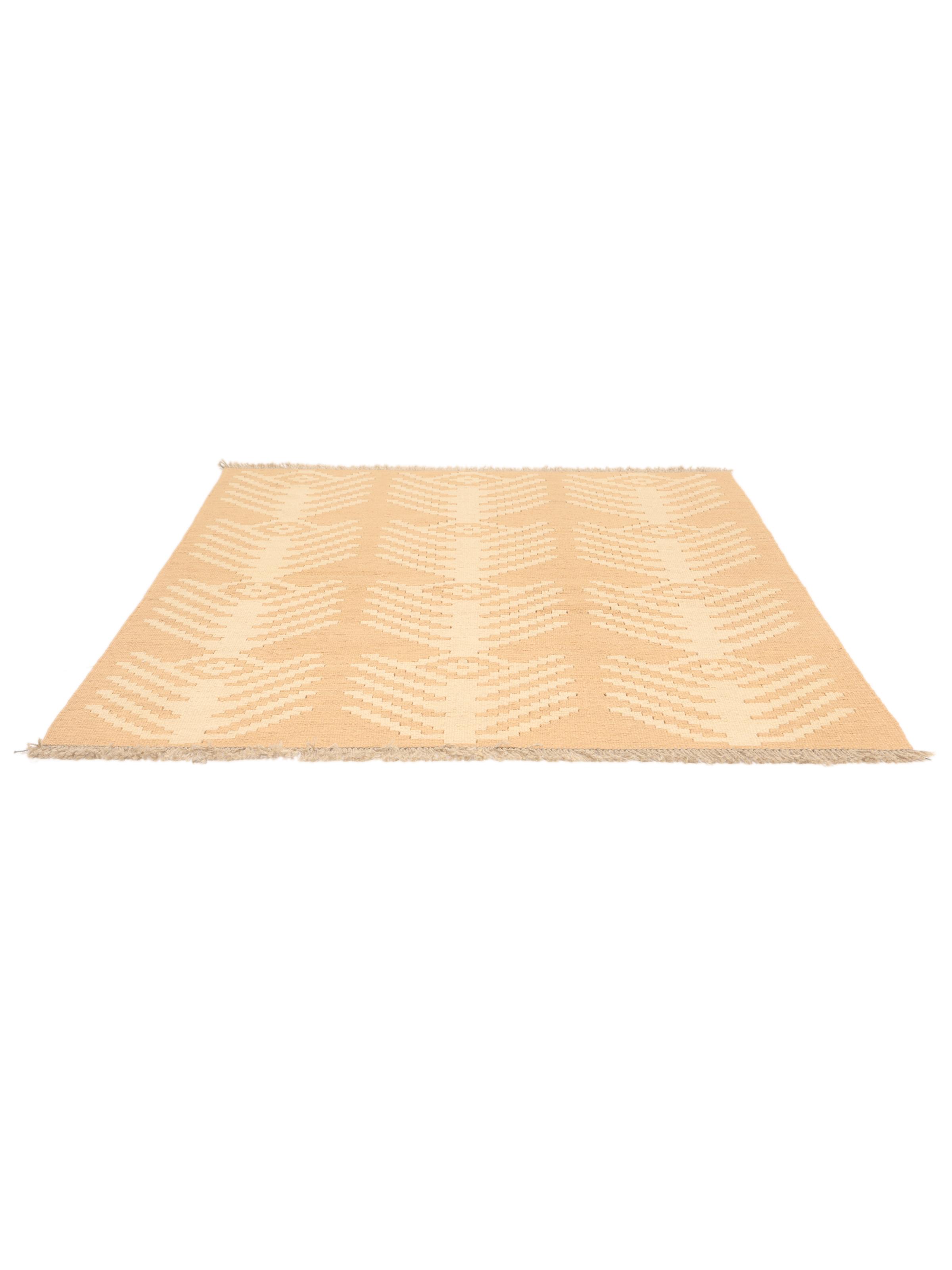
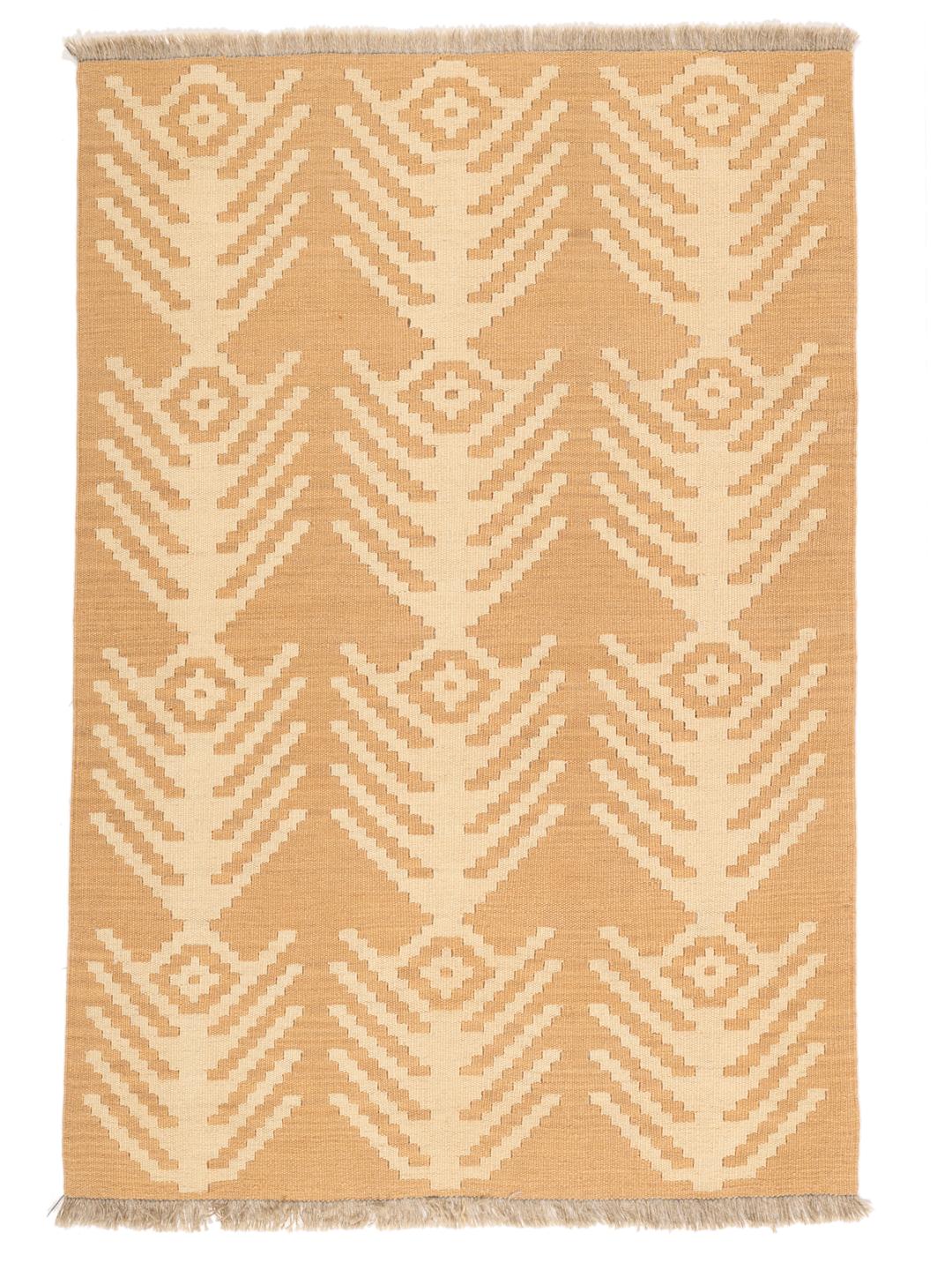
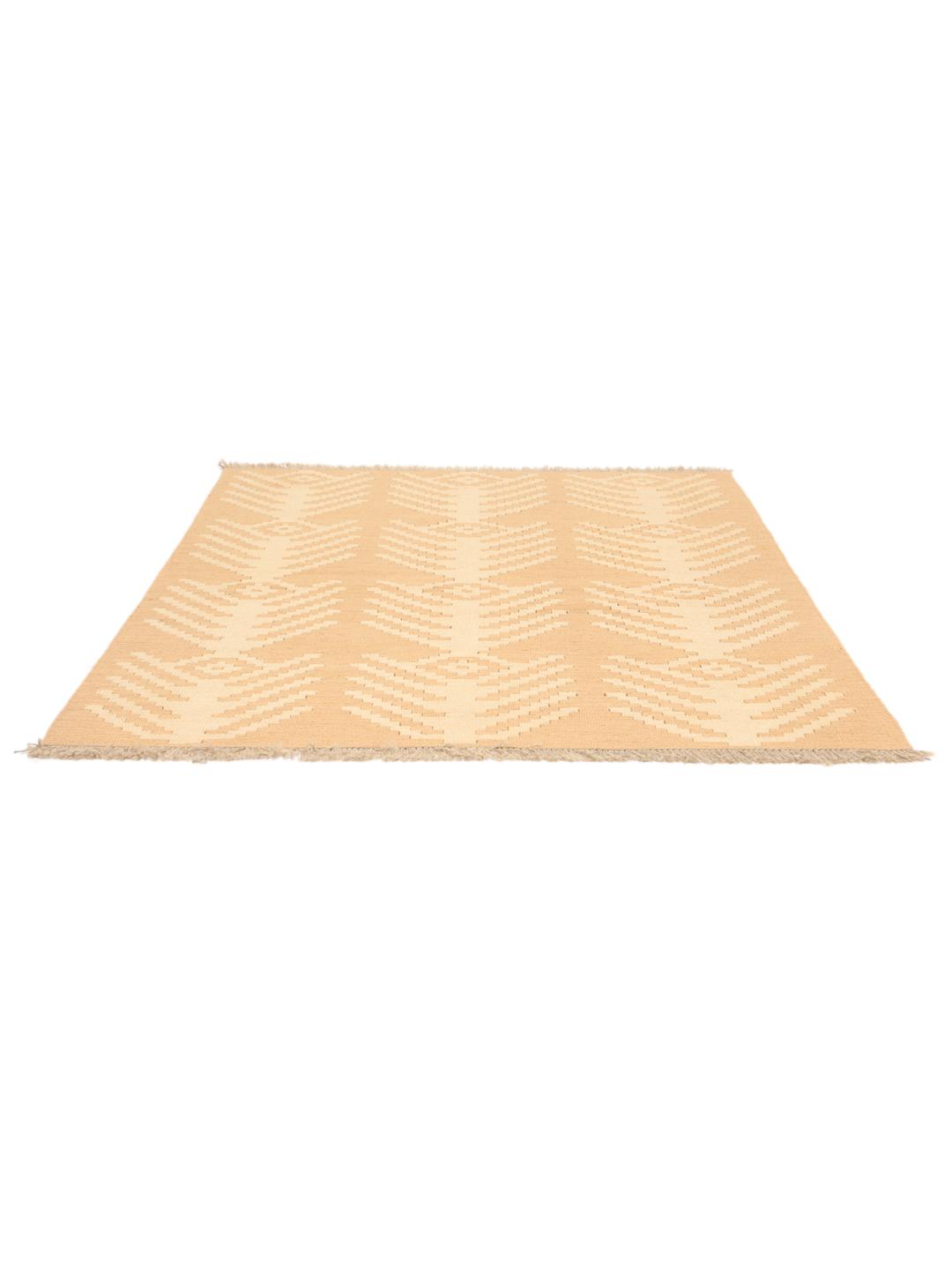
The Ghashghai people are a nomadic confederation from the Middle East known for their vibrant and expressive weaving traditions. Historically, these rugs were created to serve the practical needs of a travelling lifestyle, used as floor coverings, blankets, and storage bags, and were designed to be durable enough to withstand the rigours of migration.
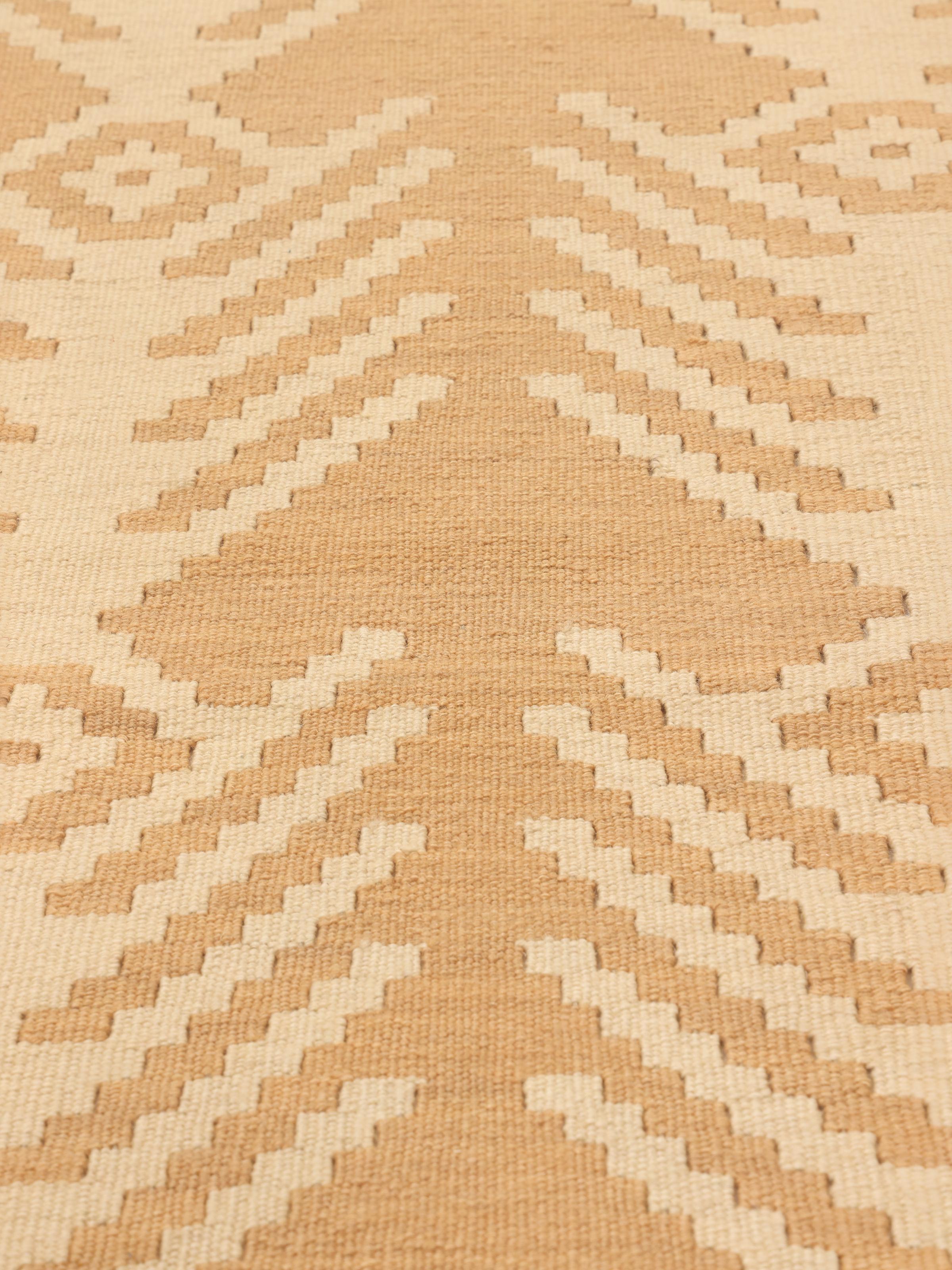
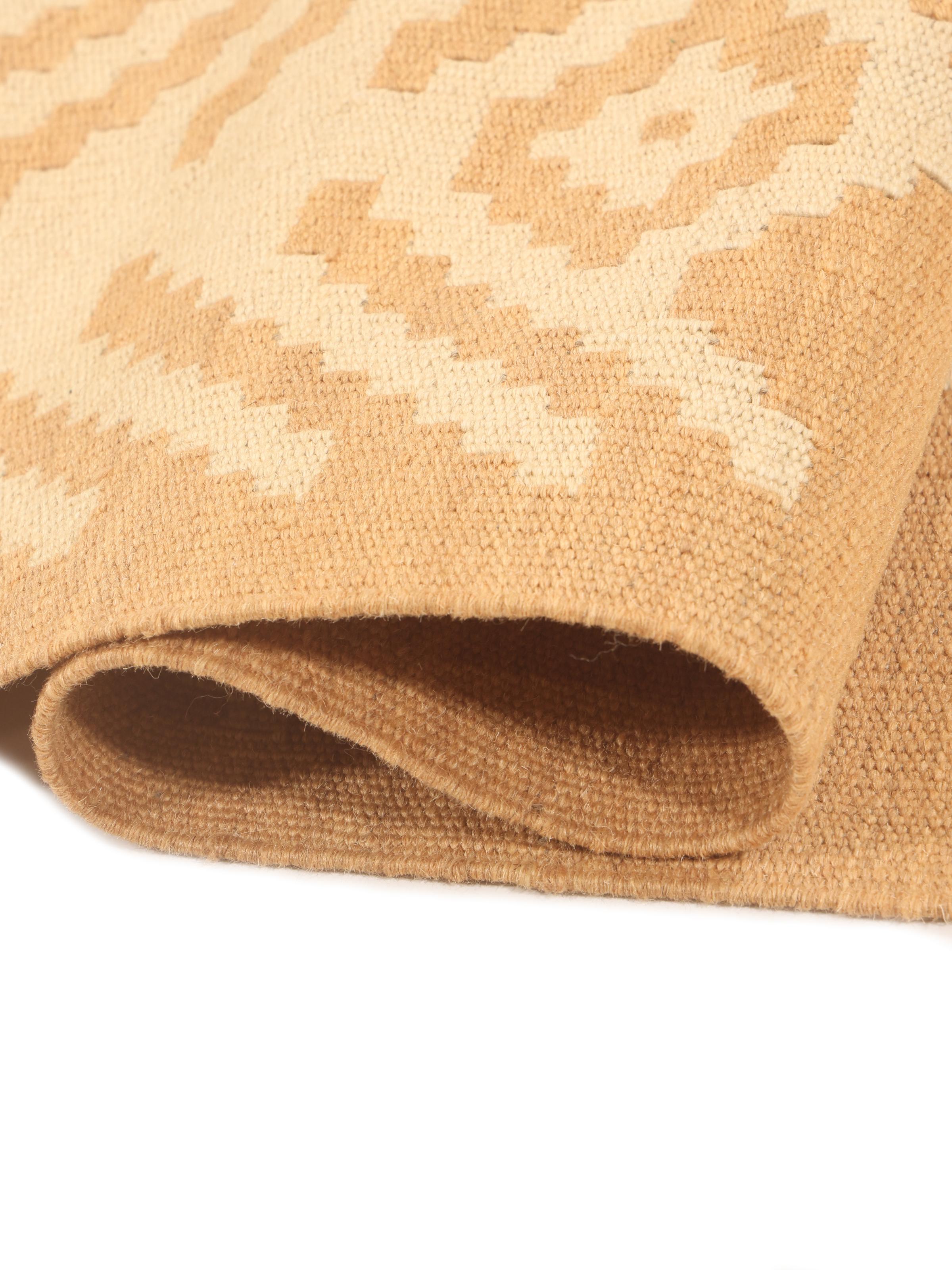
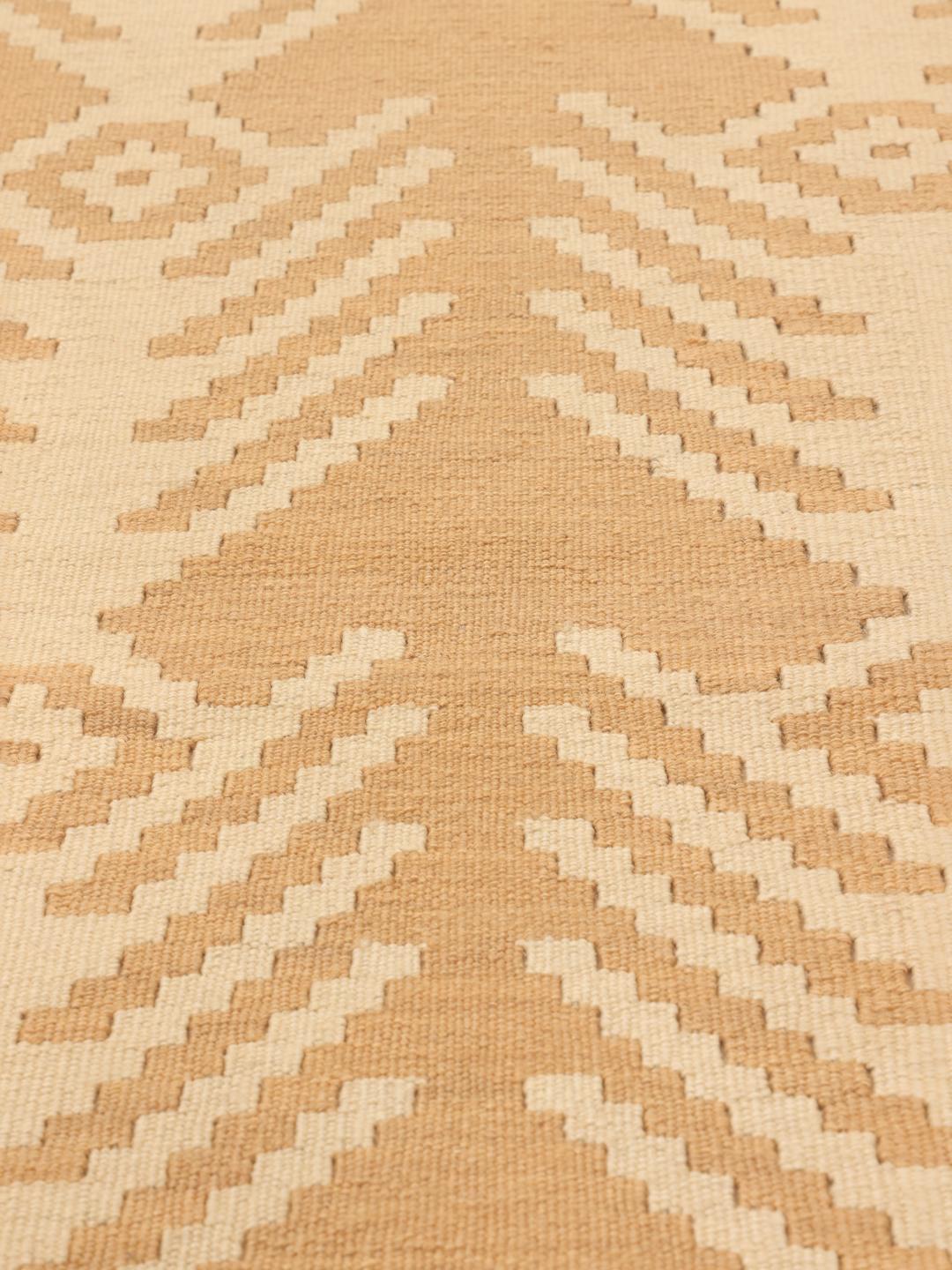
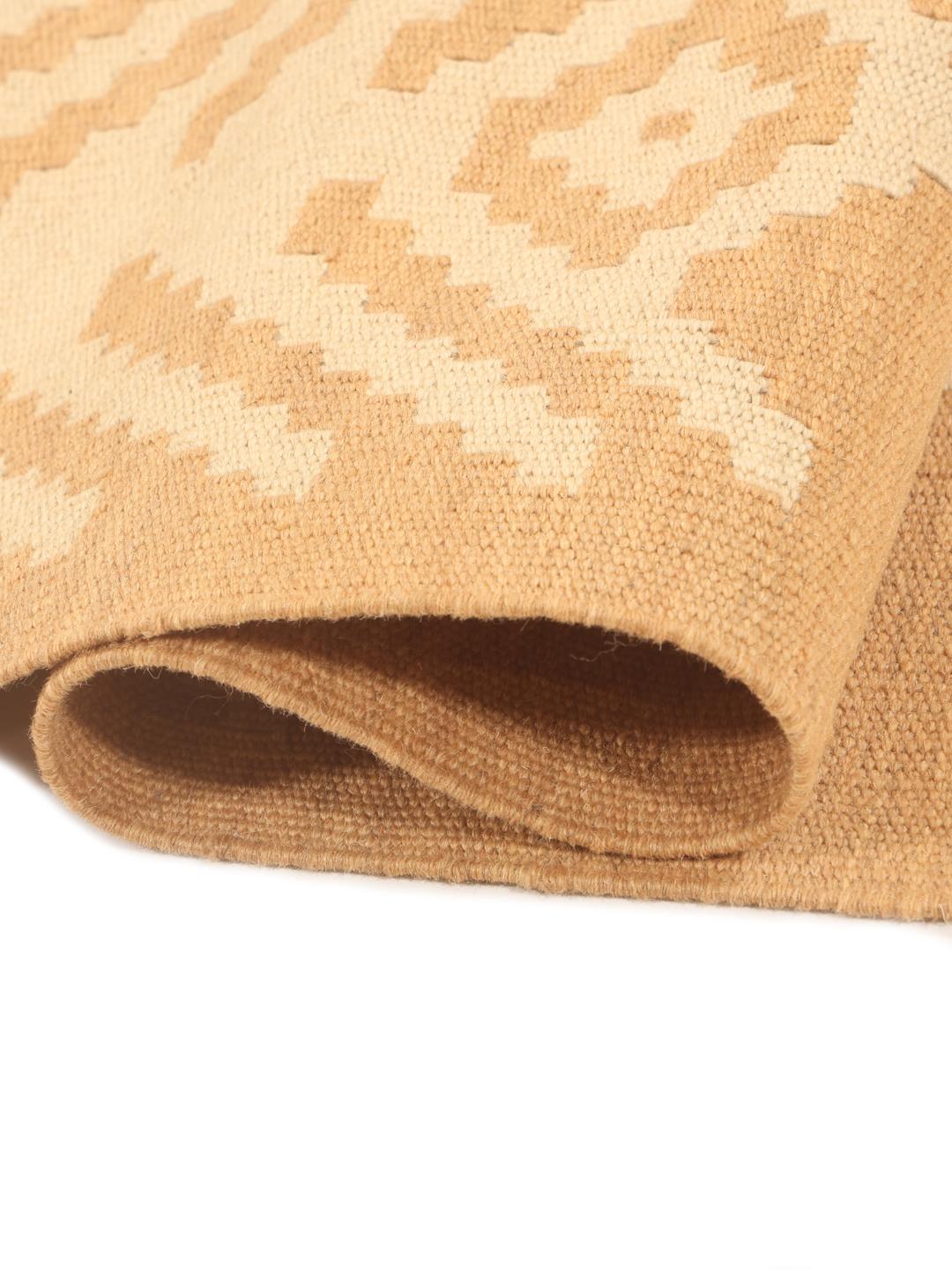
A kelim is a flat-woven textile, meaning it lacks the raised pile of traditional knotted rugs. This technique involves interlacing the warp and weft strands to create the pattern directly within the foundation. This creates a reversible, lightweight, and versatile rug that is highly valued for its clean lines and distinct geometric aesthetic.
The signature design elements of Ghashghai weaving often include bold, stylized geometric motifs such as diamonds, medallions, and hooked forms. These patterns are not merely decorative but often carry symbolic meanings rooted in the weaver's environment and tribal heritage, frequently incorporating stylized depictions of local flora and fauna.
Collecting a Ghashghai piece is an opportunity to own a fragment of a vanishing nomadic culture. Each rug serves as a historical record of the weaver's skill and the specific tribal identity of the region. By bringing one into your home, you are preserving a craft that prioritises human connection and cultural storytelling over industrial production.