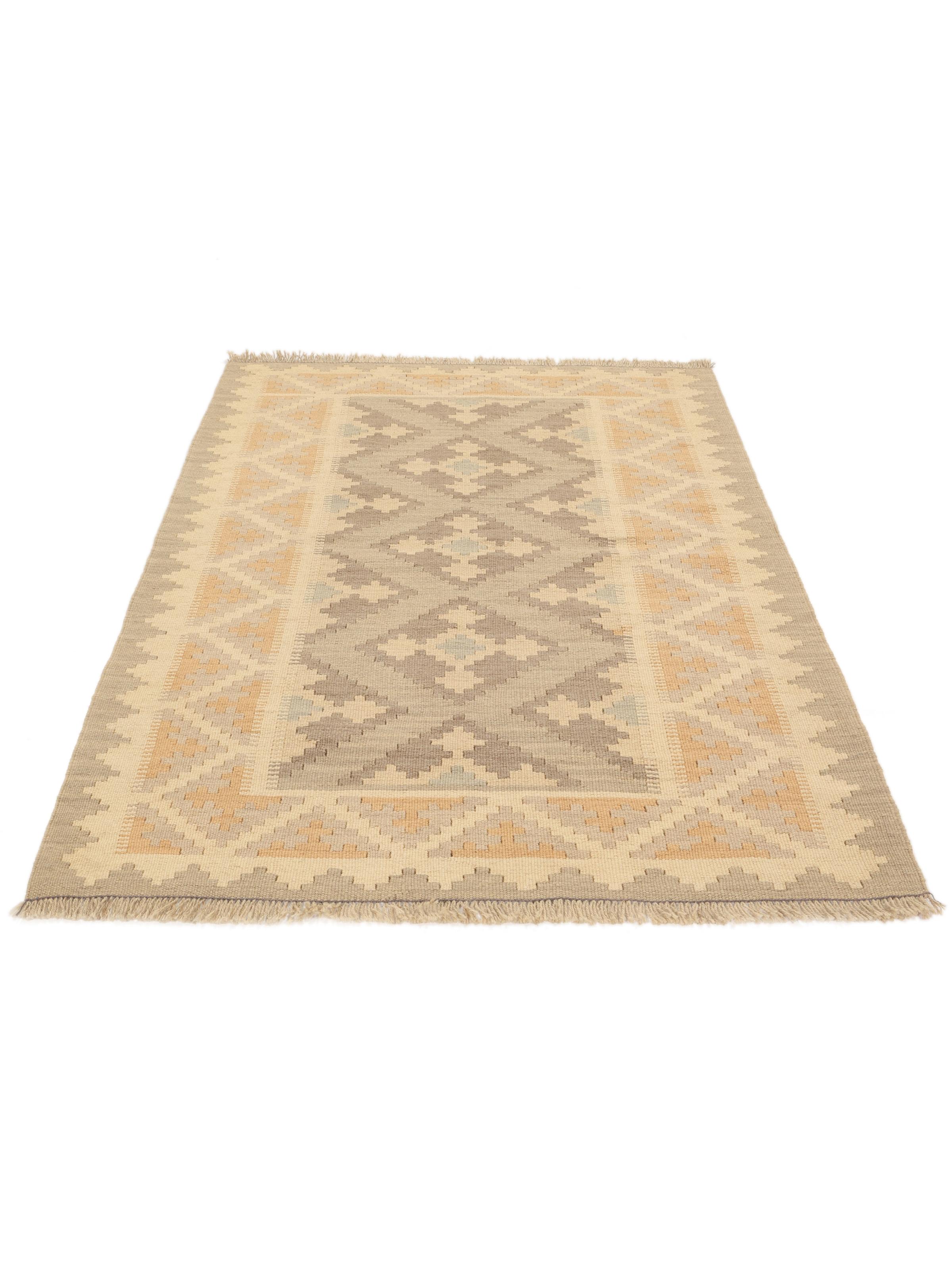
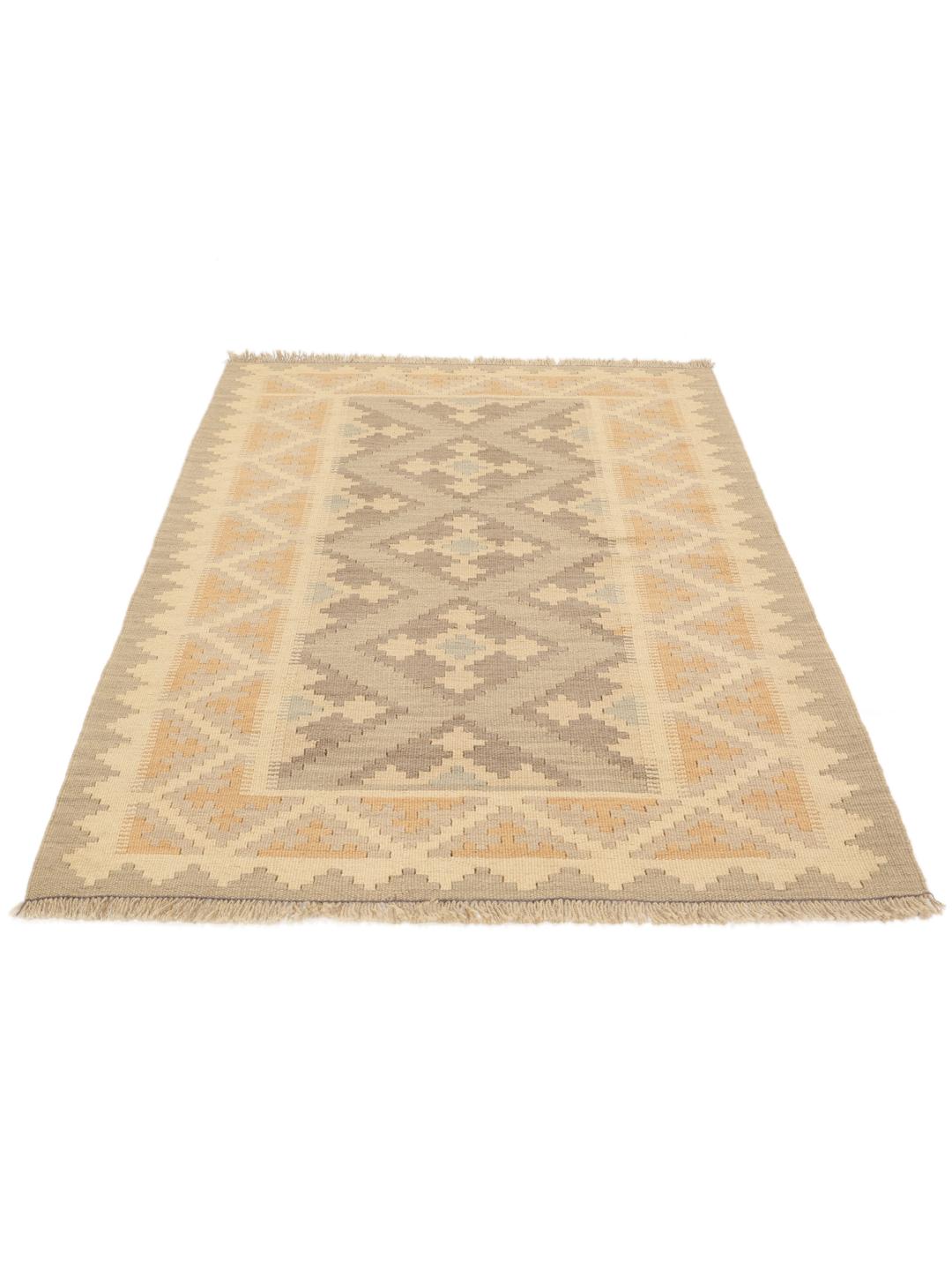
The Ghashghai people are a nomadic confederation from the Middle East, renowned for their vibrant and expressive weaving traditions. These rugs have historically served as essential components of nomadic life, designed to be durable enough for travel while beautiful enough to serve as the centrepiece of a tent. The migration of these patterns from tribal camps to modern homes has preserved a legacy of artistry that spans generations.
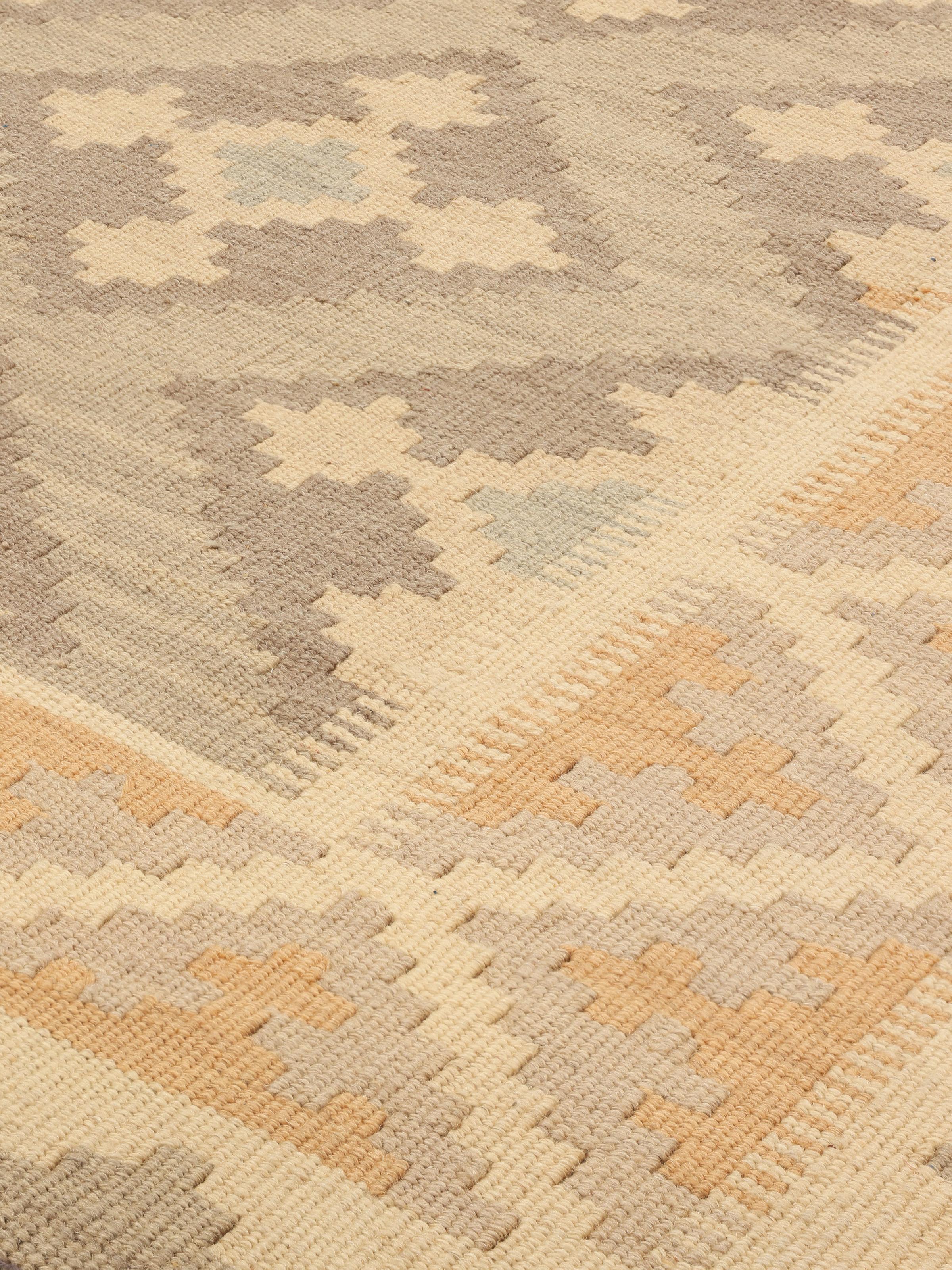
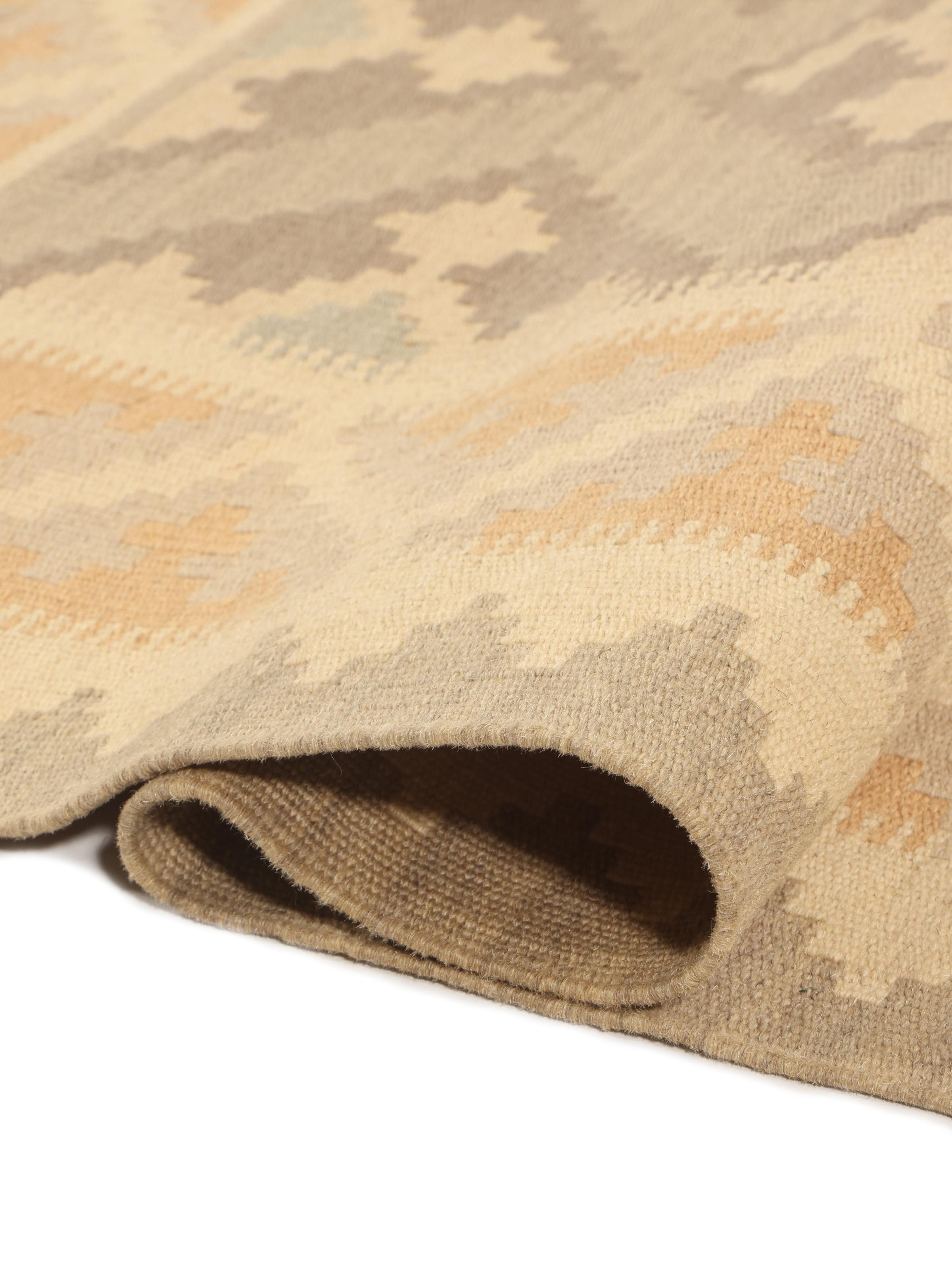
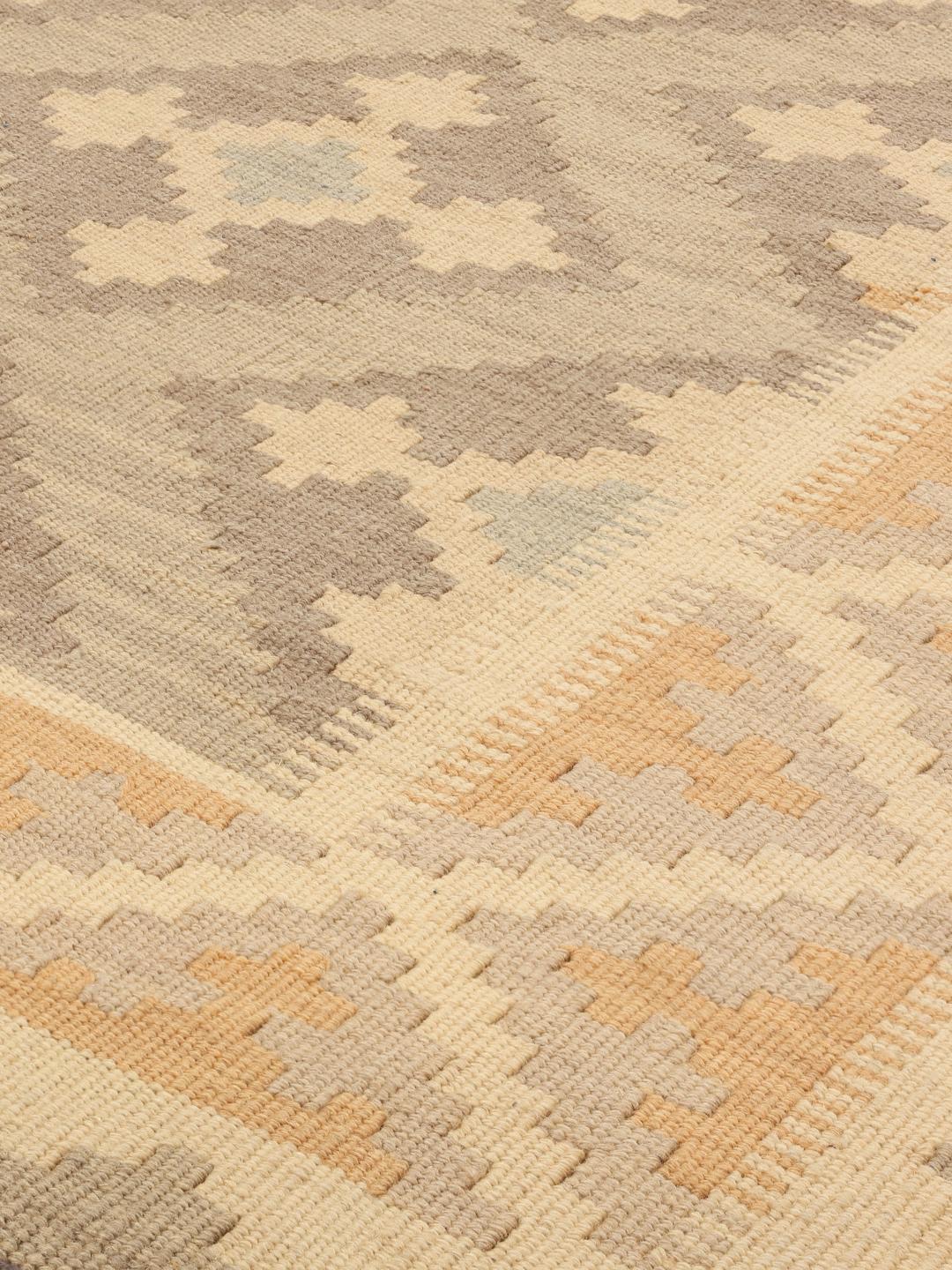
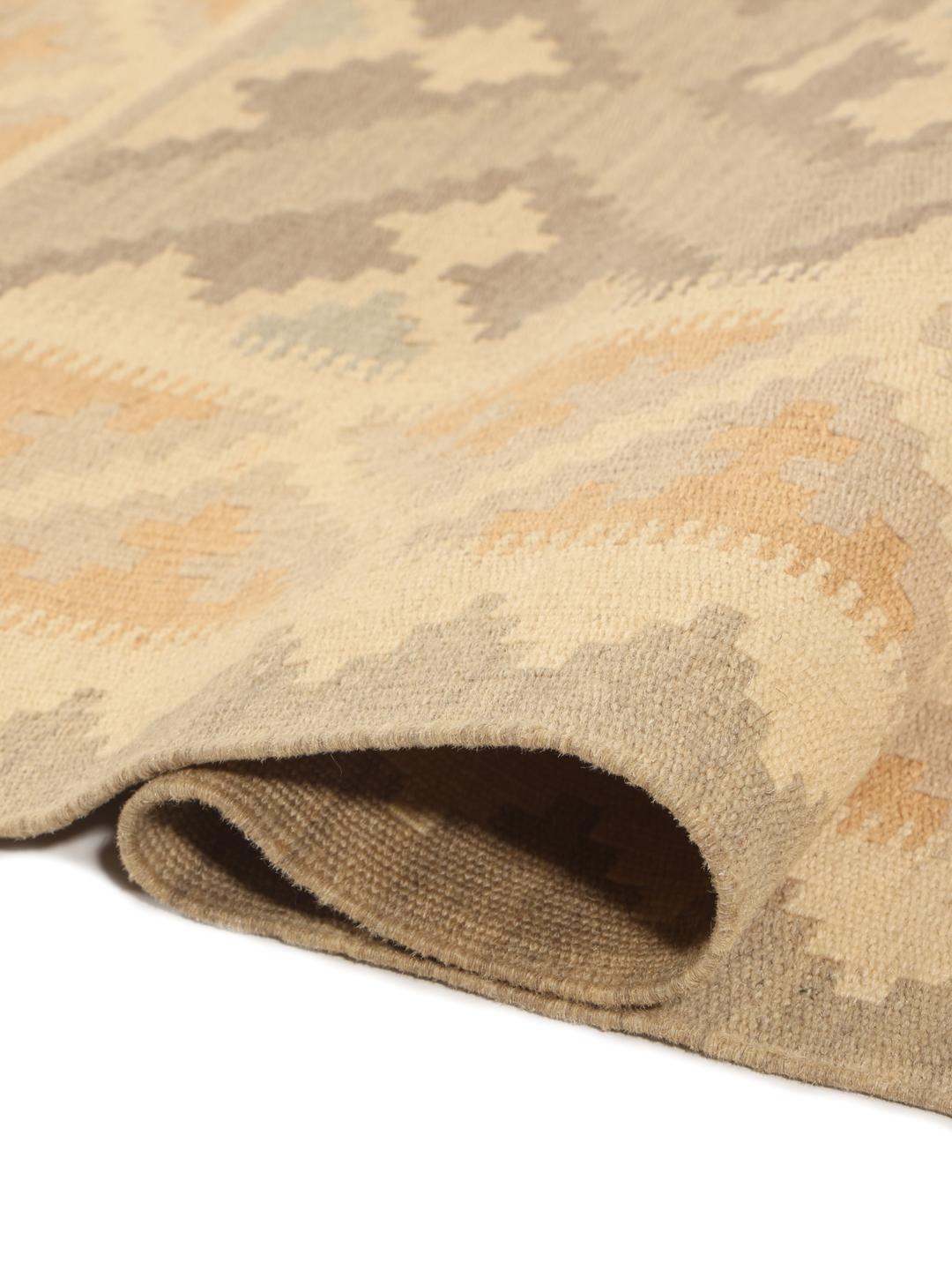
The term Kelim refers to a specific flat-weaving technique where the weft threads are passed through the warp to create a smooth, pileless surface. This method is highly valued for its ability to produce crisp, geometric patterns and a lightweight, portable structure. The precision required to maintain consistent tension throughout the weaving process is a hallmark of high-quality craftsmanship, ensuring that the motifs remain sharp and balanced.
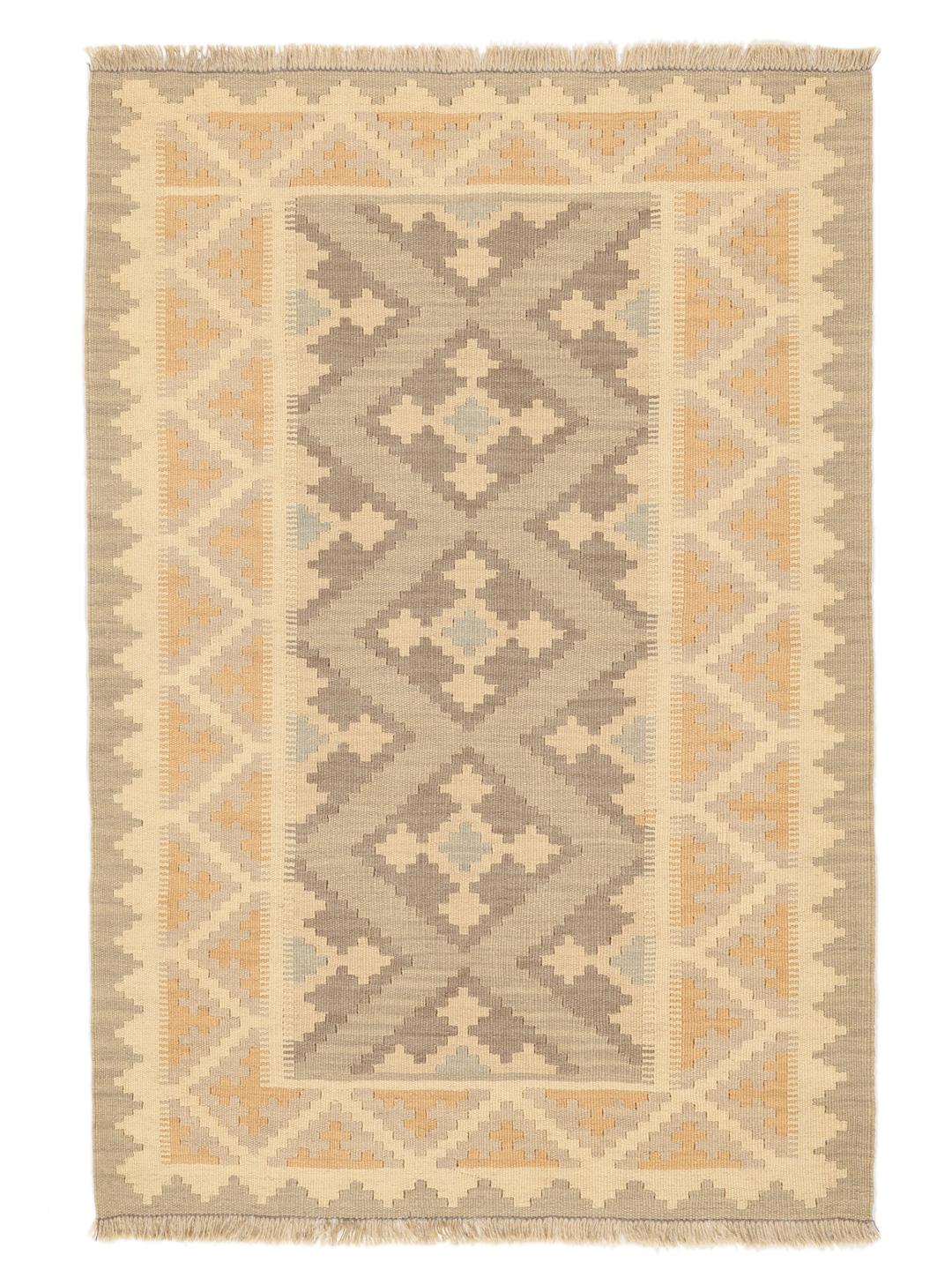
Signature design elements of Ghashghai weaving often include bold, geometric medallions and stylised tribal motifs that carry symbolic meaning. These designs are frequently arranged in a symmetrical layout, framed by intricate borders that reflect the surrounding landscape and cultural identity. The use of natural tones, as seen in this piece, is a nod to the earth-based materials and traditional dyeing methods that have defined this craft for centuries.
Owning a Ghashghai Kelim is an opportunity to connect with a storied tradition of nomadic design. These rugs are highly sought after by collectors for their authenticity and the human story behind each creation. By bringing one into your home, you are not just adding a decorative element, but preserving a cultural heritage that values skill, patience, and the beauty of traditional storytelling through textiles.