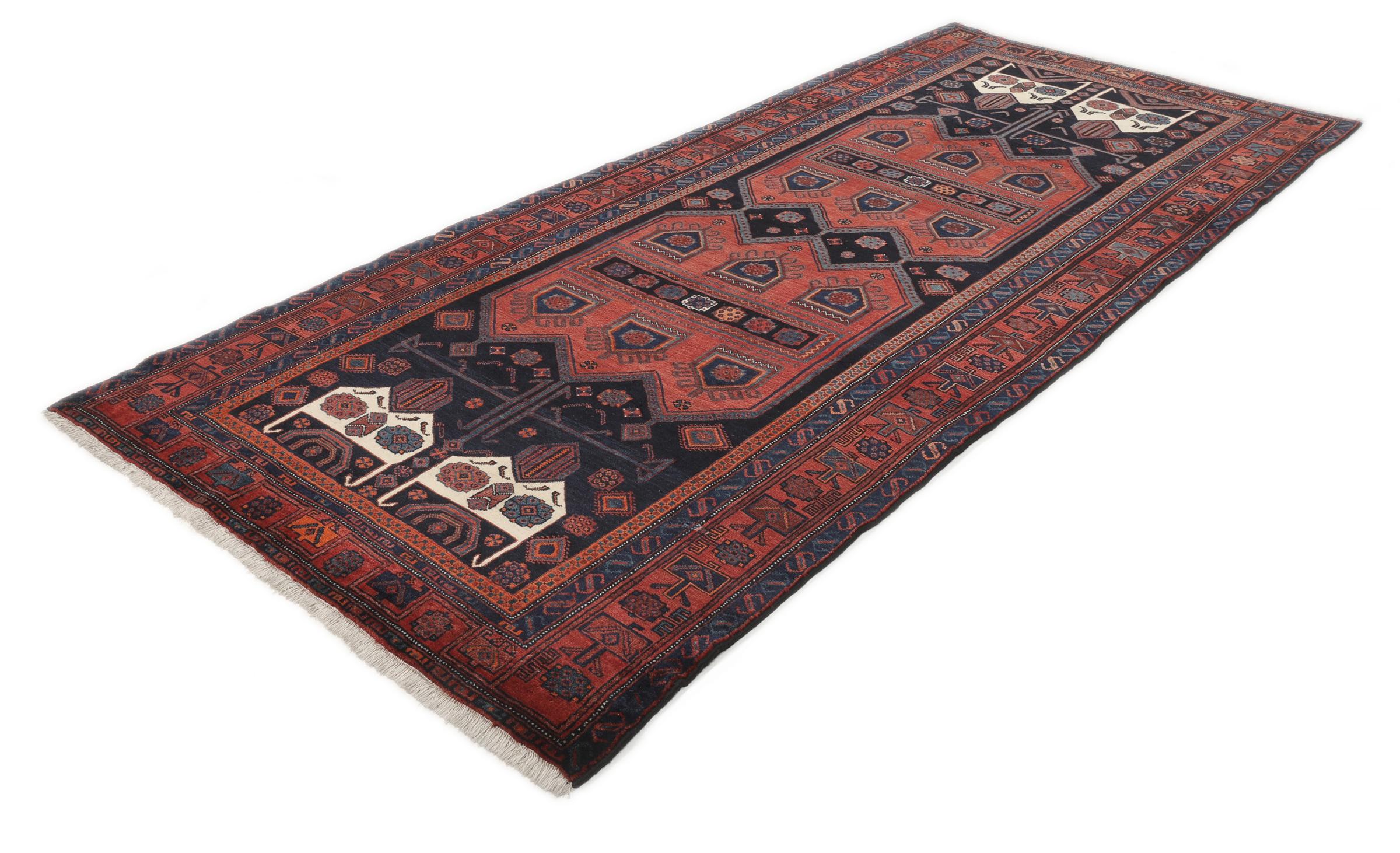
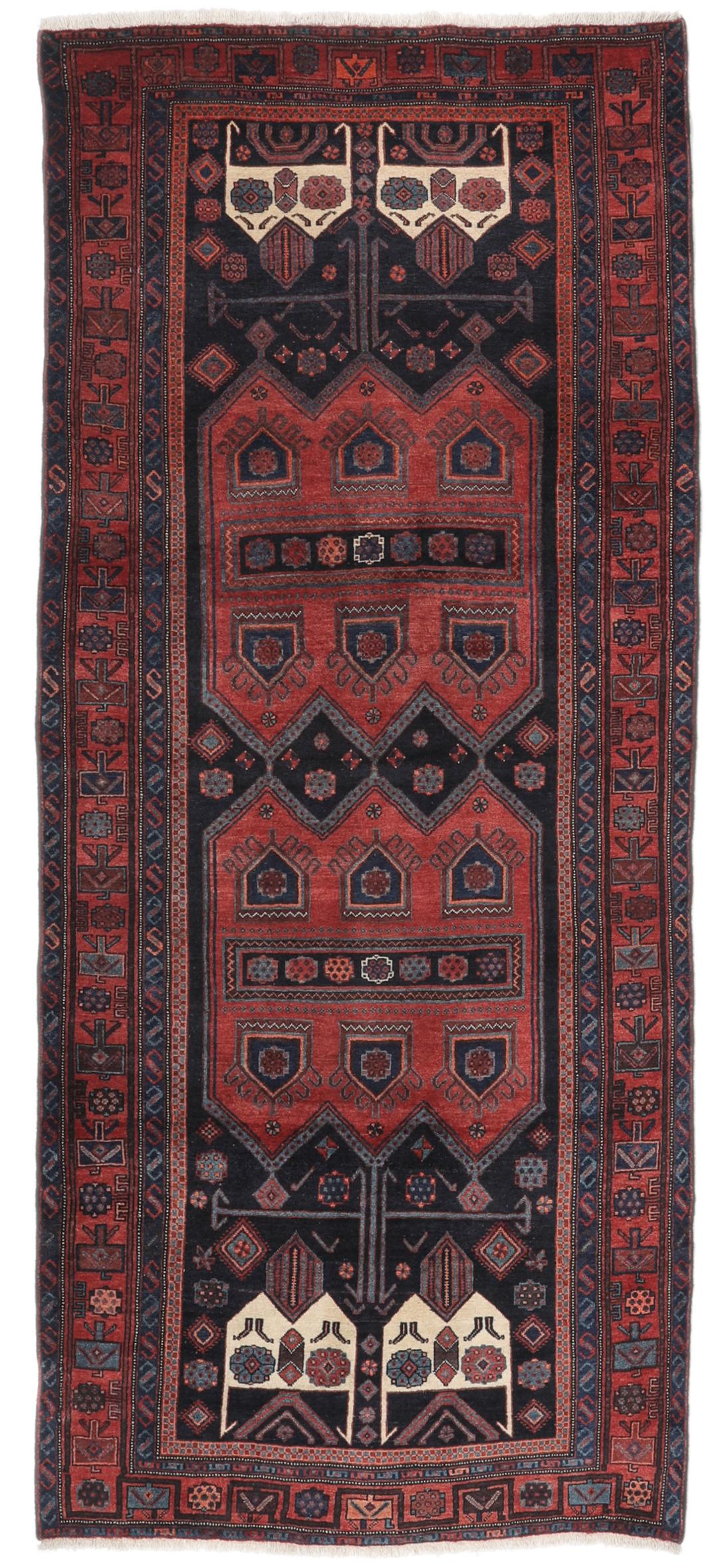
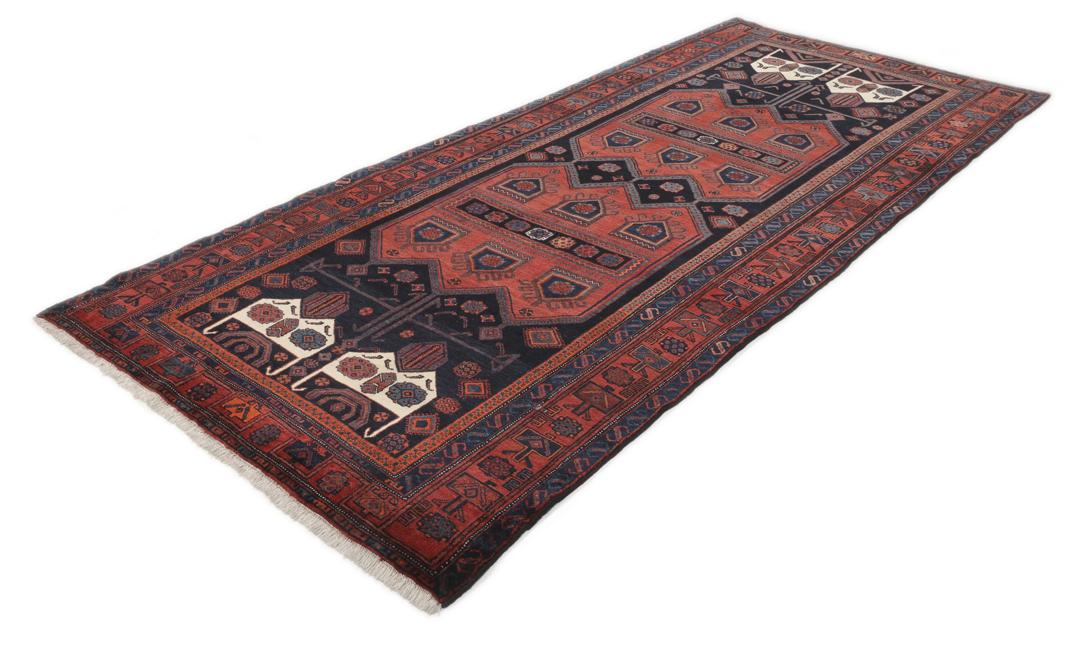
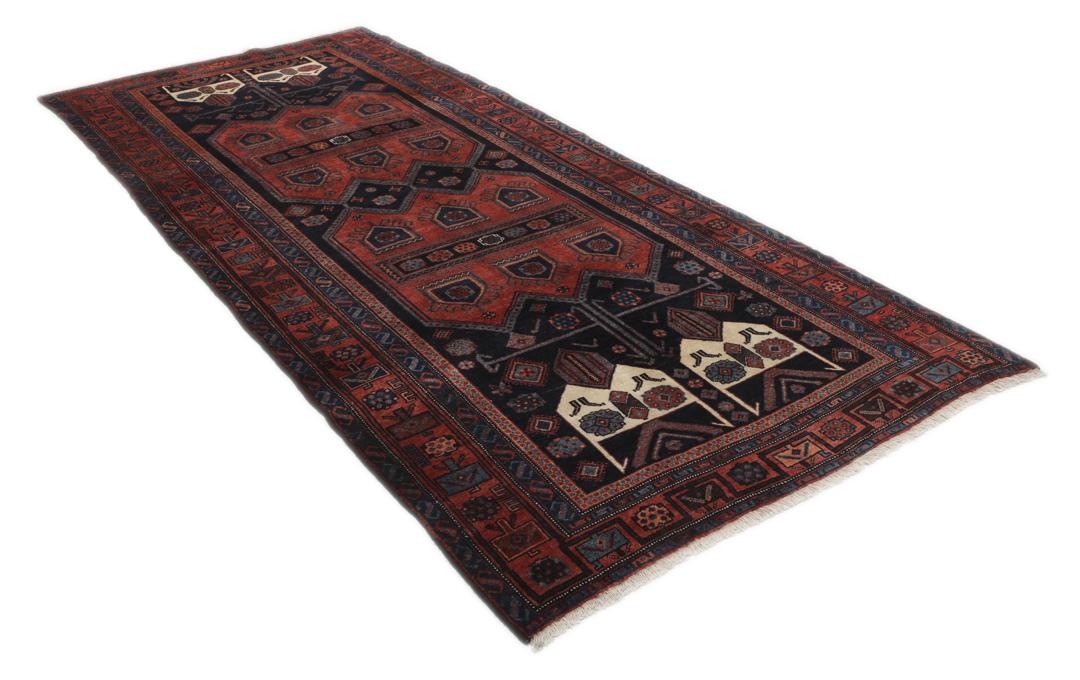
Kurdi rugs originate from the Kurdish regions of the Middle East, a vast area spanning rugged mountainous landscapes where nomadic and semi-nomadic tribes have maintained weaving traditions for centuries. These rugs are highly regarded for their honest, tribal aesthetic and the strong connection they maintain to the natural environment of their origin. The designs are often dictated by the weaver's memory and local tribal heritage rather than formal patterns.
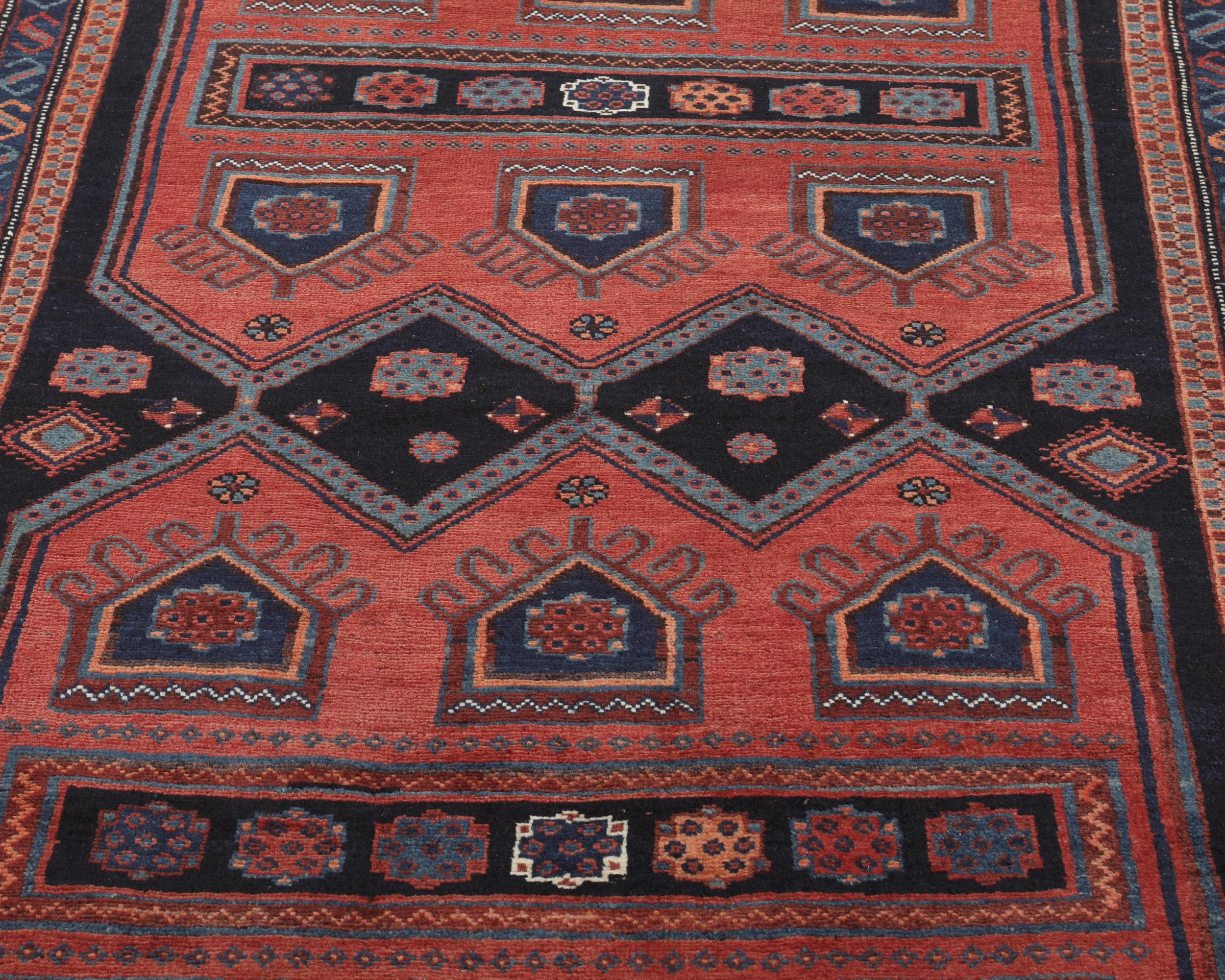
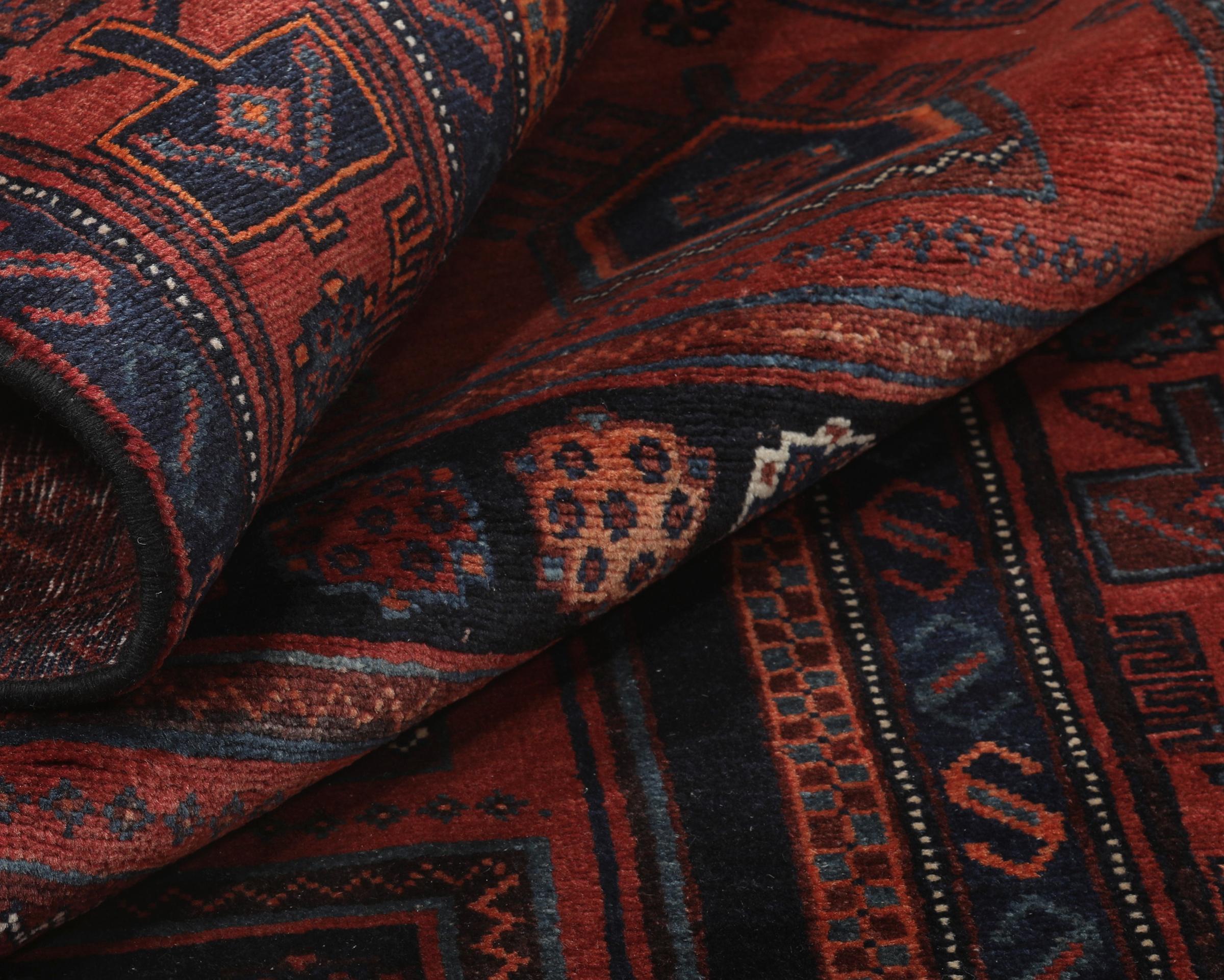
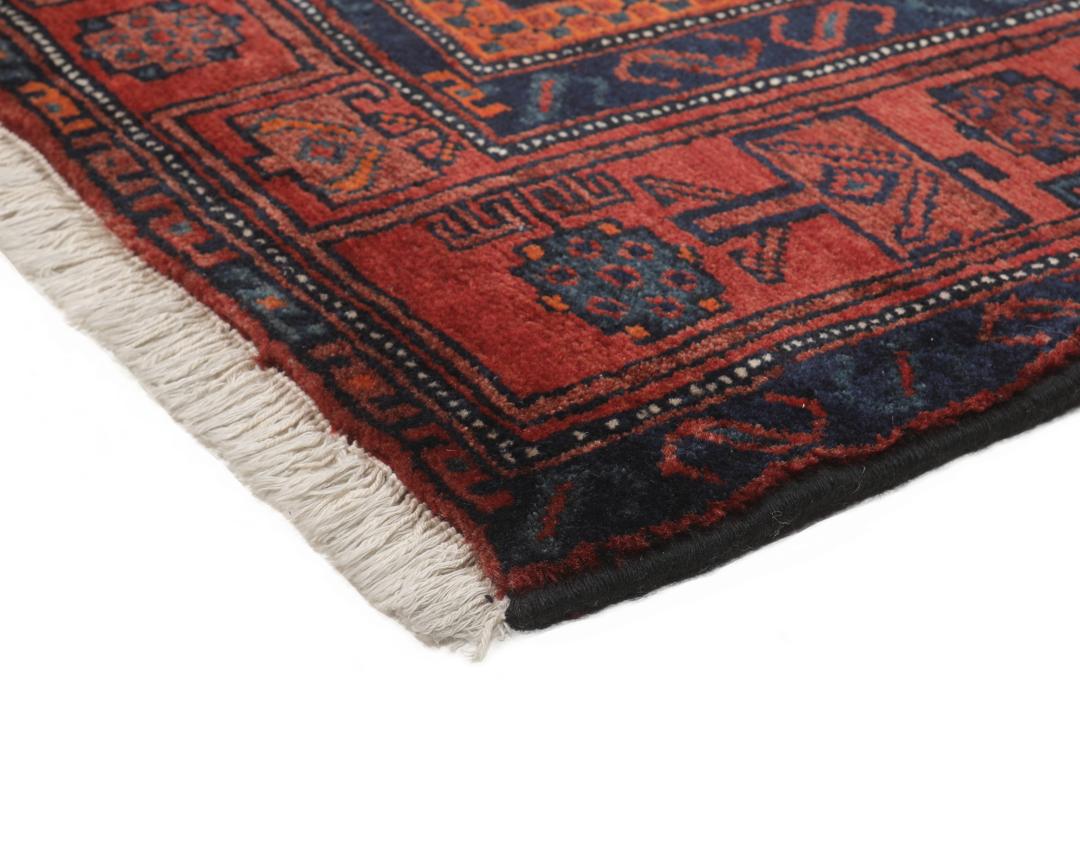
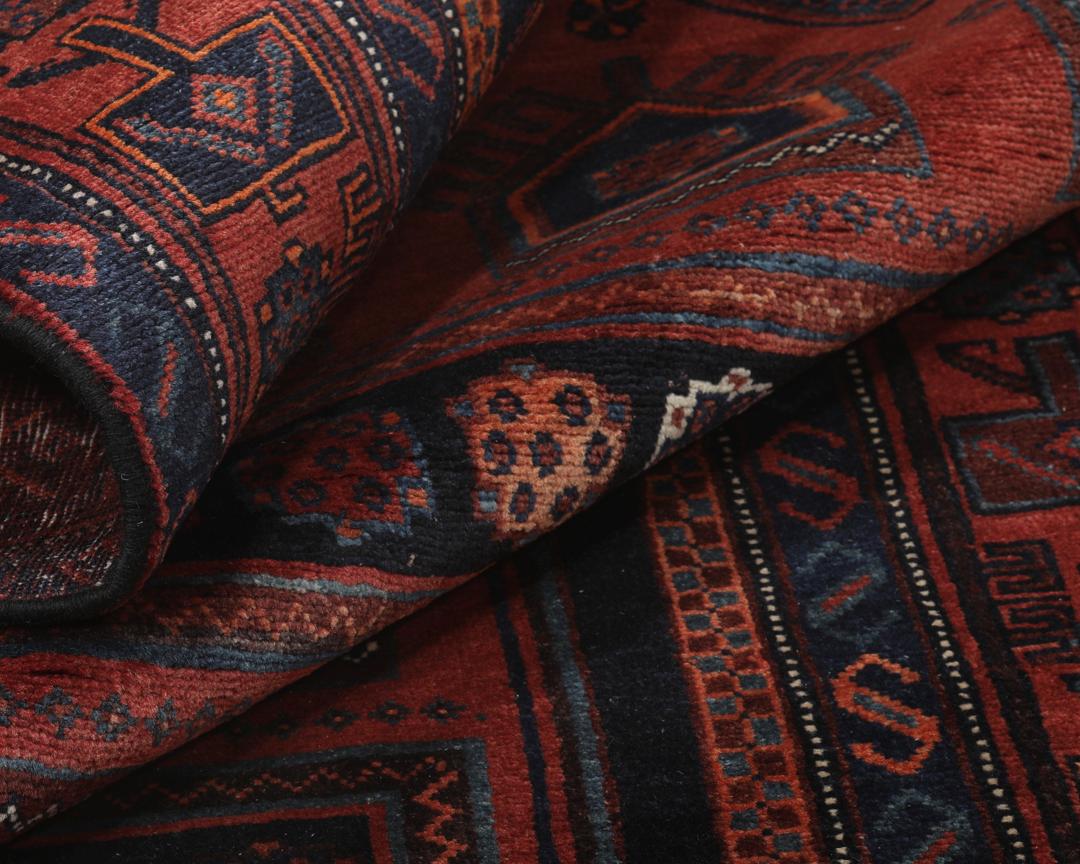
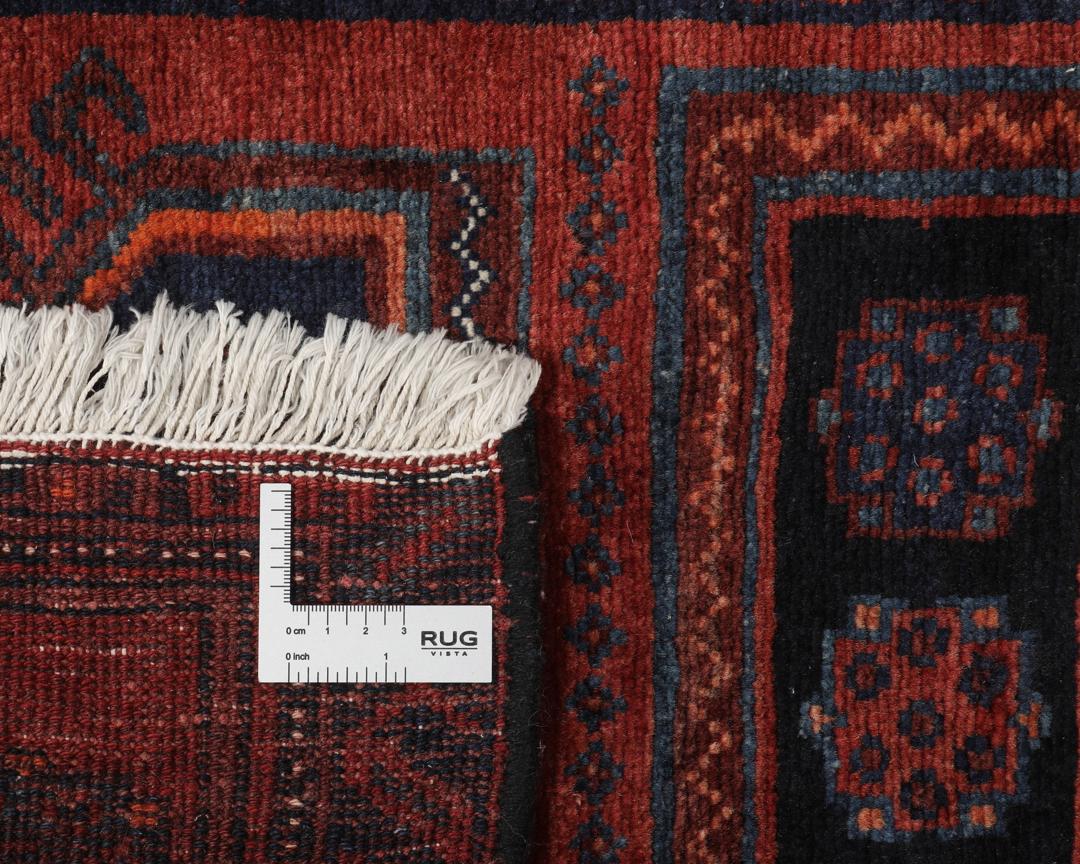
The term hand-knotted refers to the technique where individual lengths of wool are tied onto the foundation threads, forming the pile of the rug. This method is essential for creating the characteristic durability and texture associated with high-quality tribal rugs. The use of wool, a staple material in these regions, is chosen for its natural lanolin content, which makes the finished rug resistant to stains and wear while providing a soft, insulating surface.
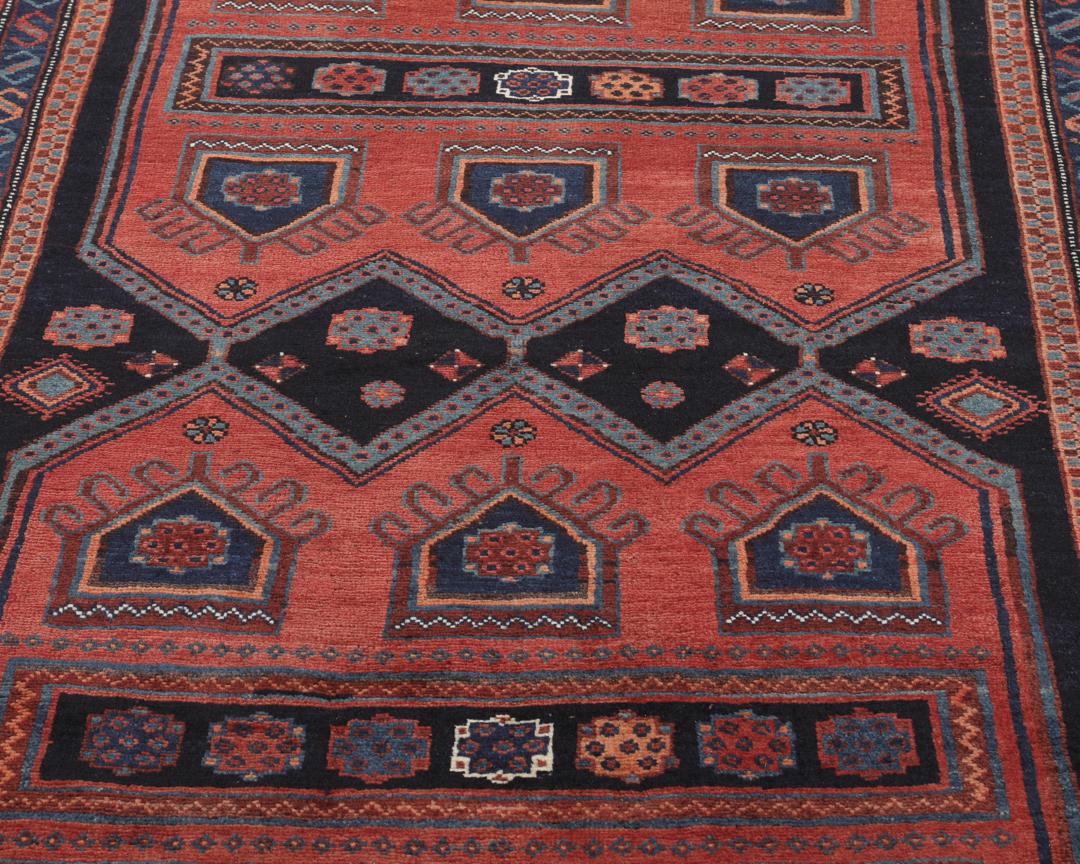
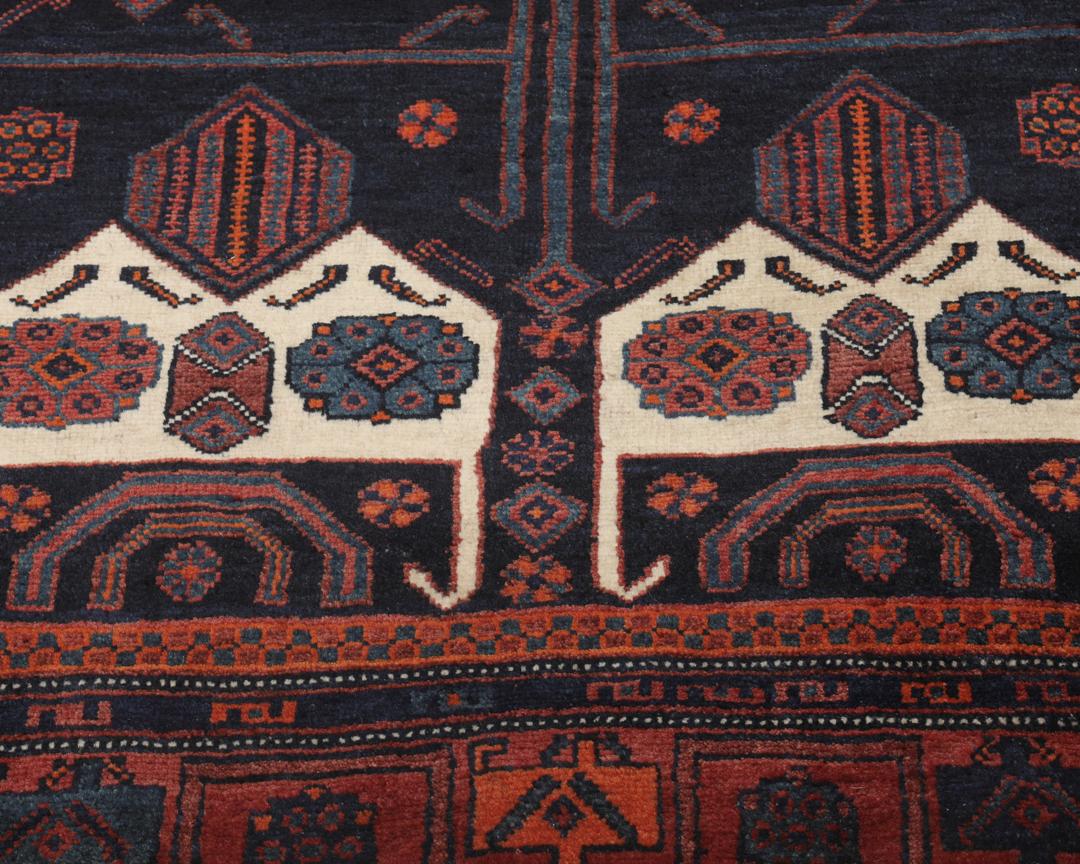
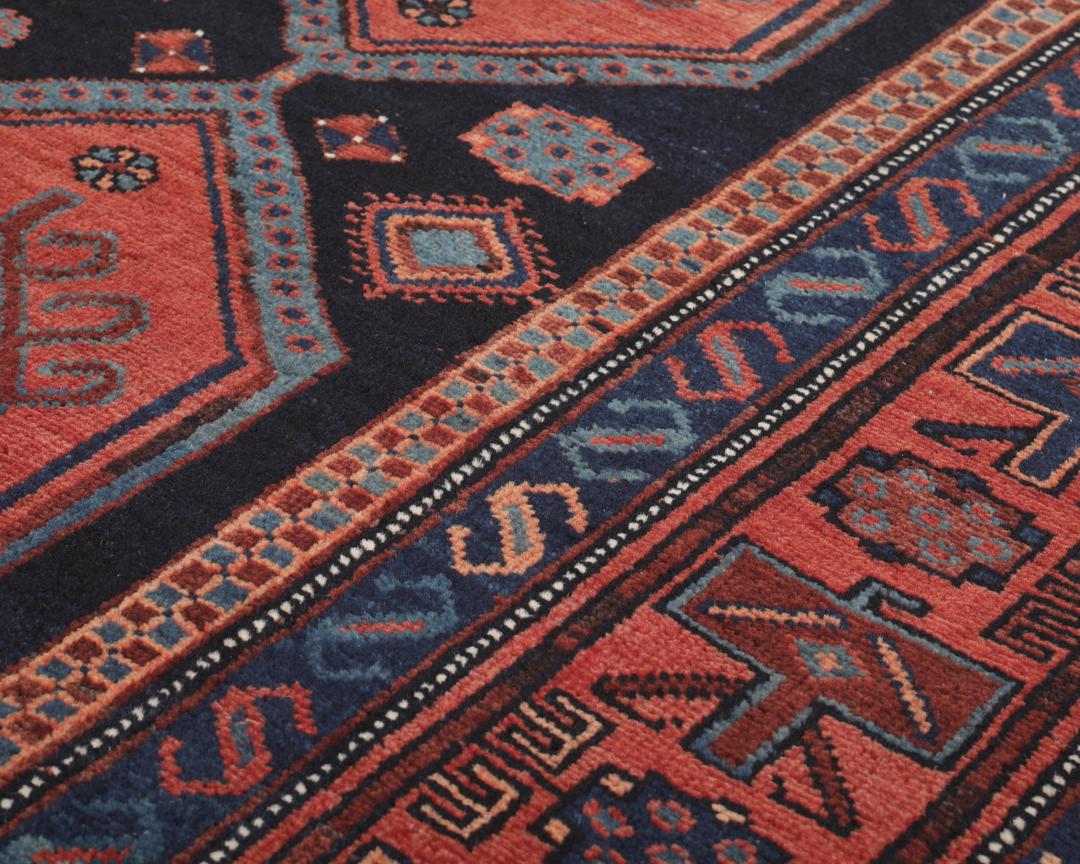
Signature design elements of Kurdi rugs typically include geometric medallions, stylised animal motifs, and sharp, angular borders. The colour palettes are often derived from natural dyes, favouring deep, earthy tones like dark red and black. These rugs are known for their bold, graphic compositions that often feature symbolic representations of the weaver's life and cultural surroundings, making each piece a narrative document of its origin.
Owning a Kurdi rug is an opportunity to possess a piece of living history. These rugs are valued by collectors not only for their beauty but for the authentic, non-commercial approach to their creation. They represent a cultural legacy that prioritises the skill of the human hand and the transmission of tribal identity, ensuring that these rugs remain cherished additions to homes that value history and enduring quality.