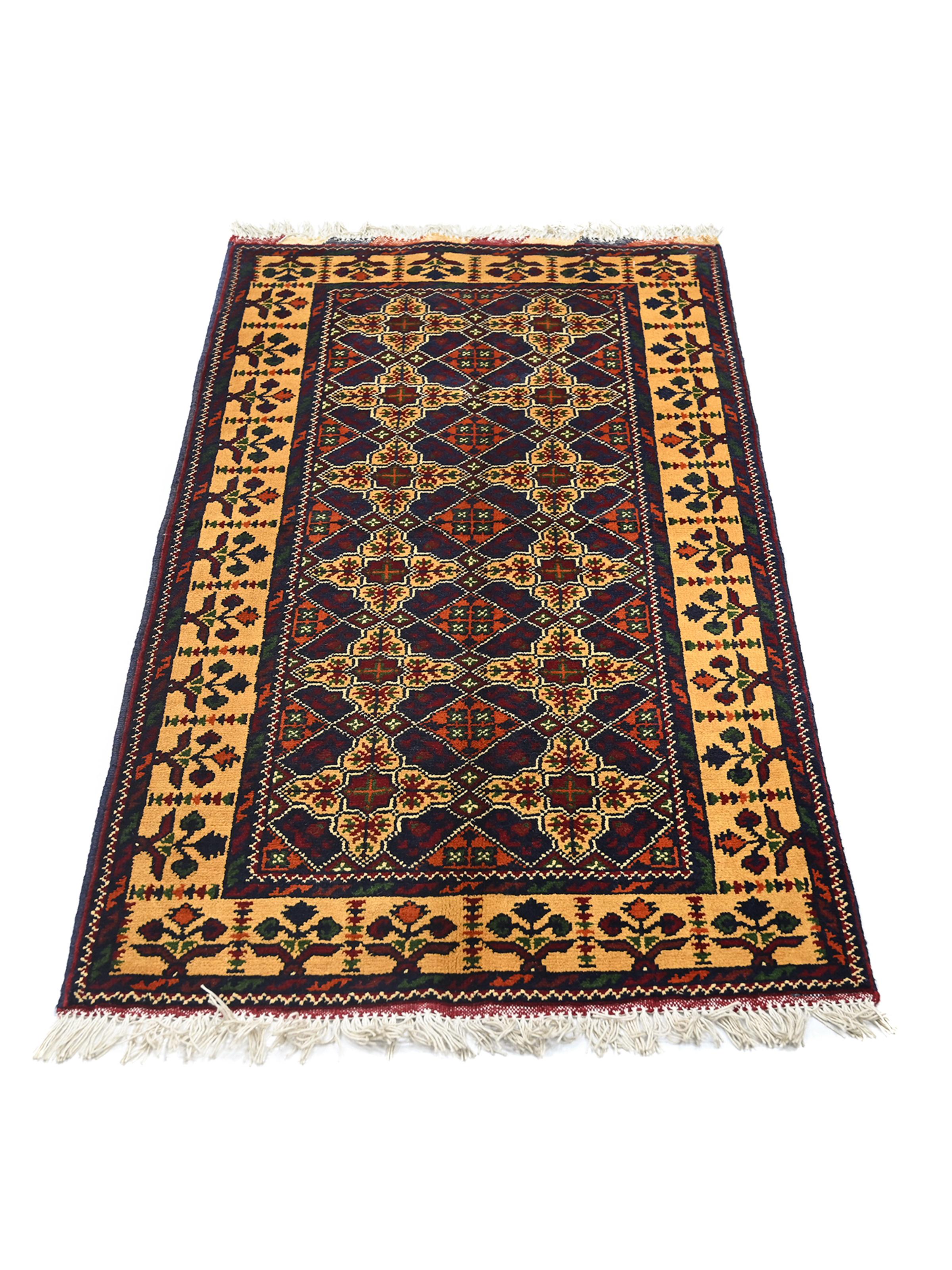
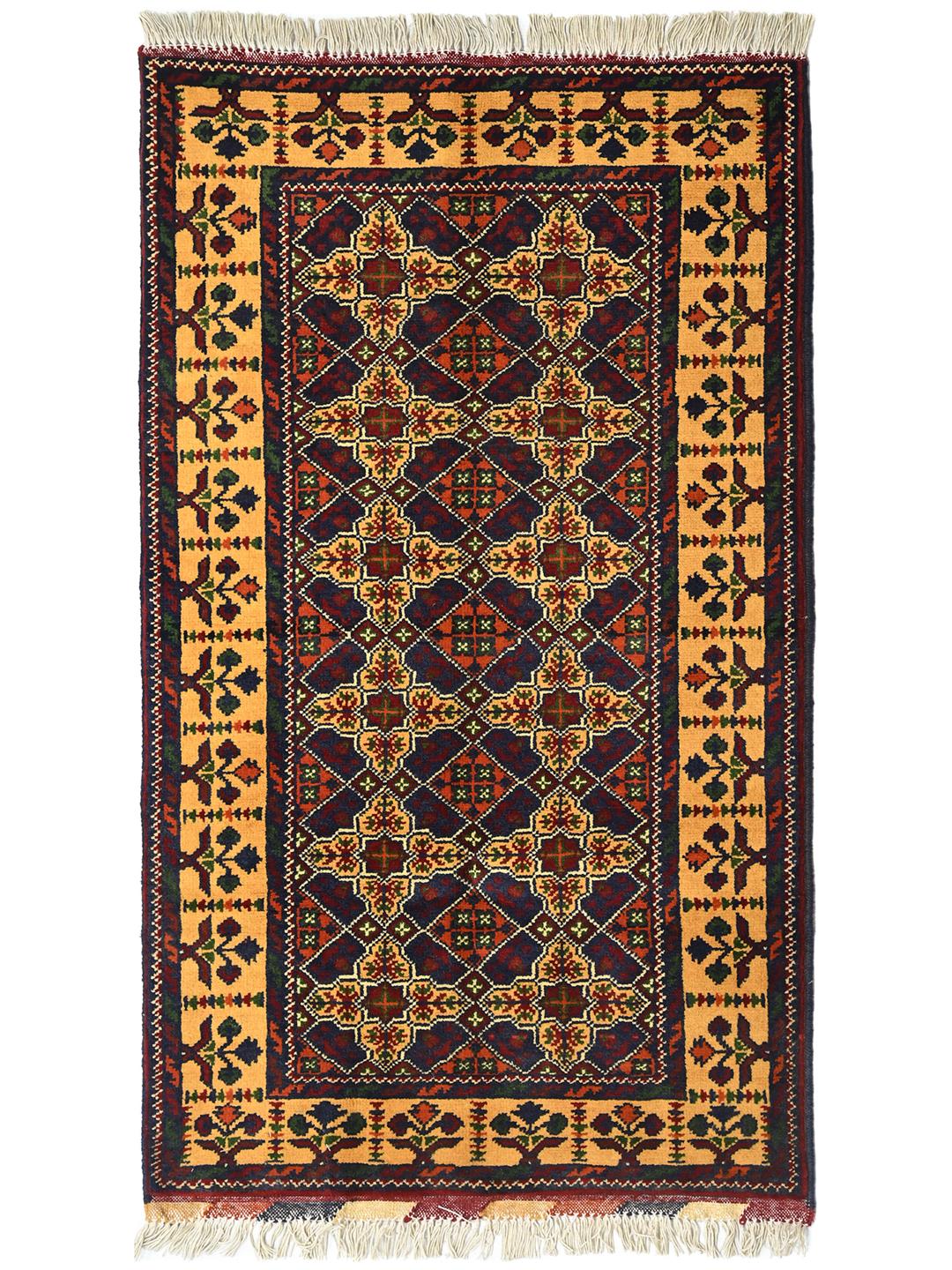
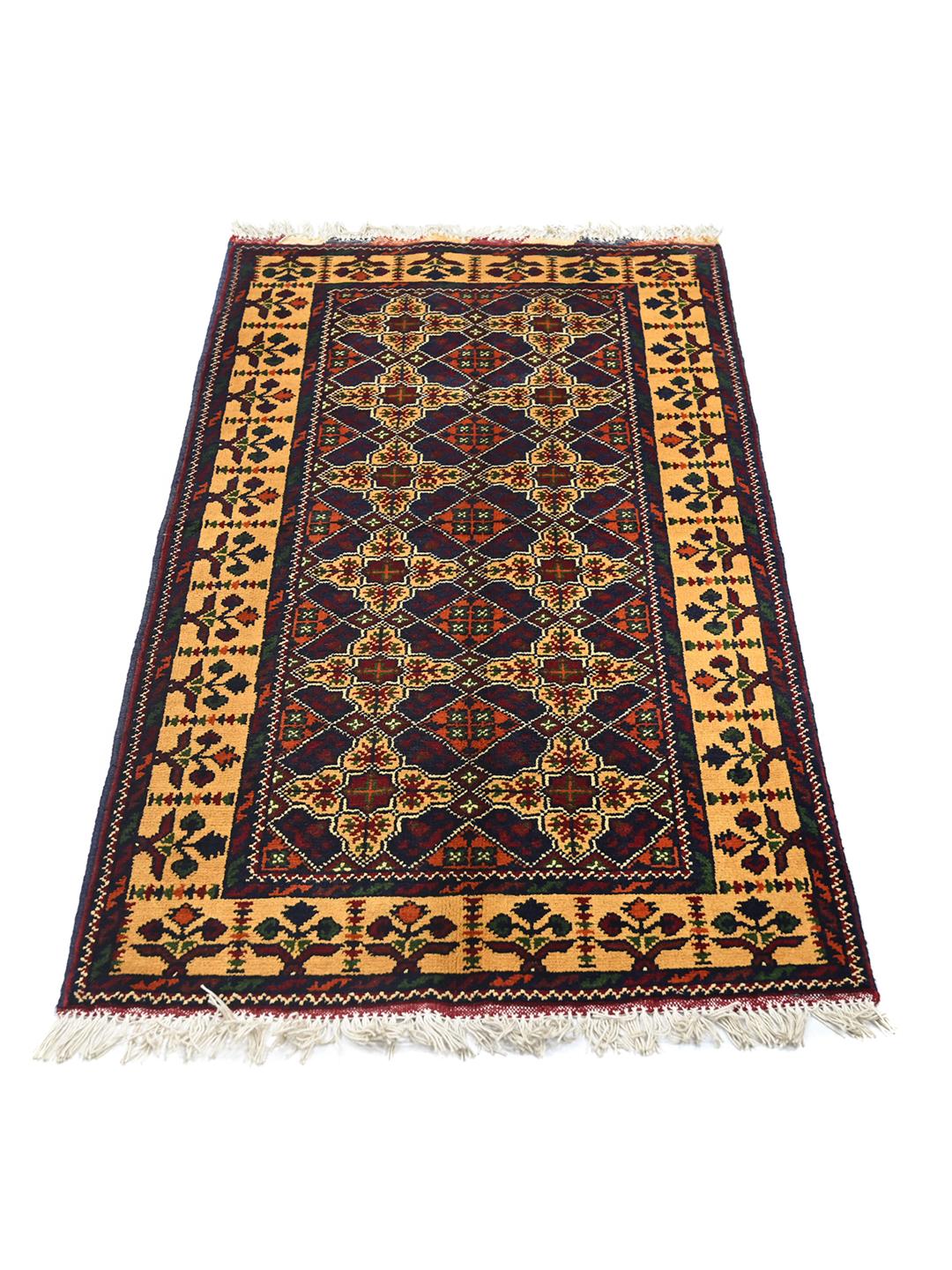
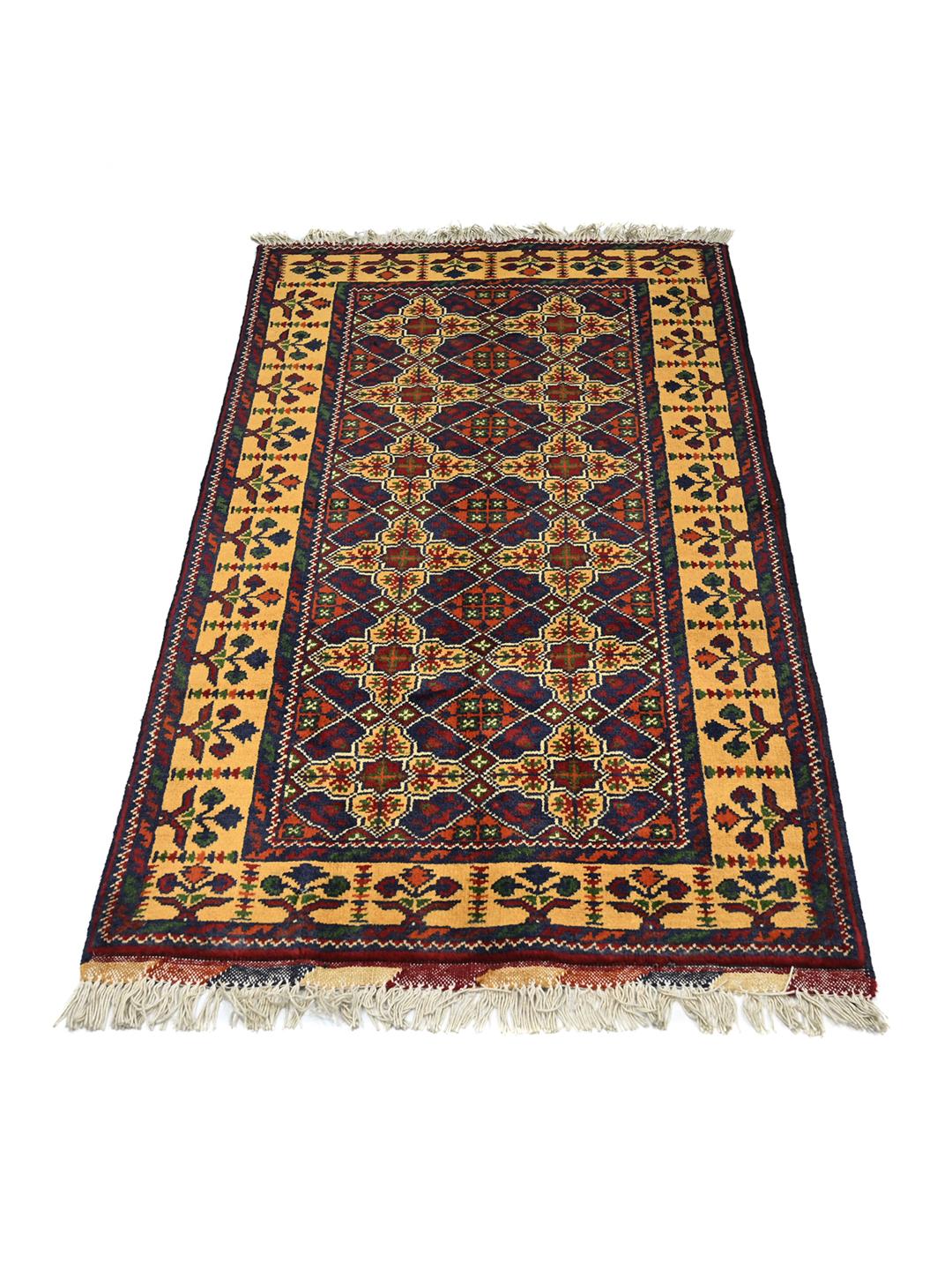
Kunduz rugs take their name from the northern province and city of Kunduz in Afghanistan, a region long celebrated as a vital center for weaving and textile trade. Nestled near historic Silk Road routes, the area brought together diverse ethnic weaving traditions, blending Turkmen, Uzbek, and Tajik design influences into a distinct regional identity.
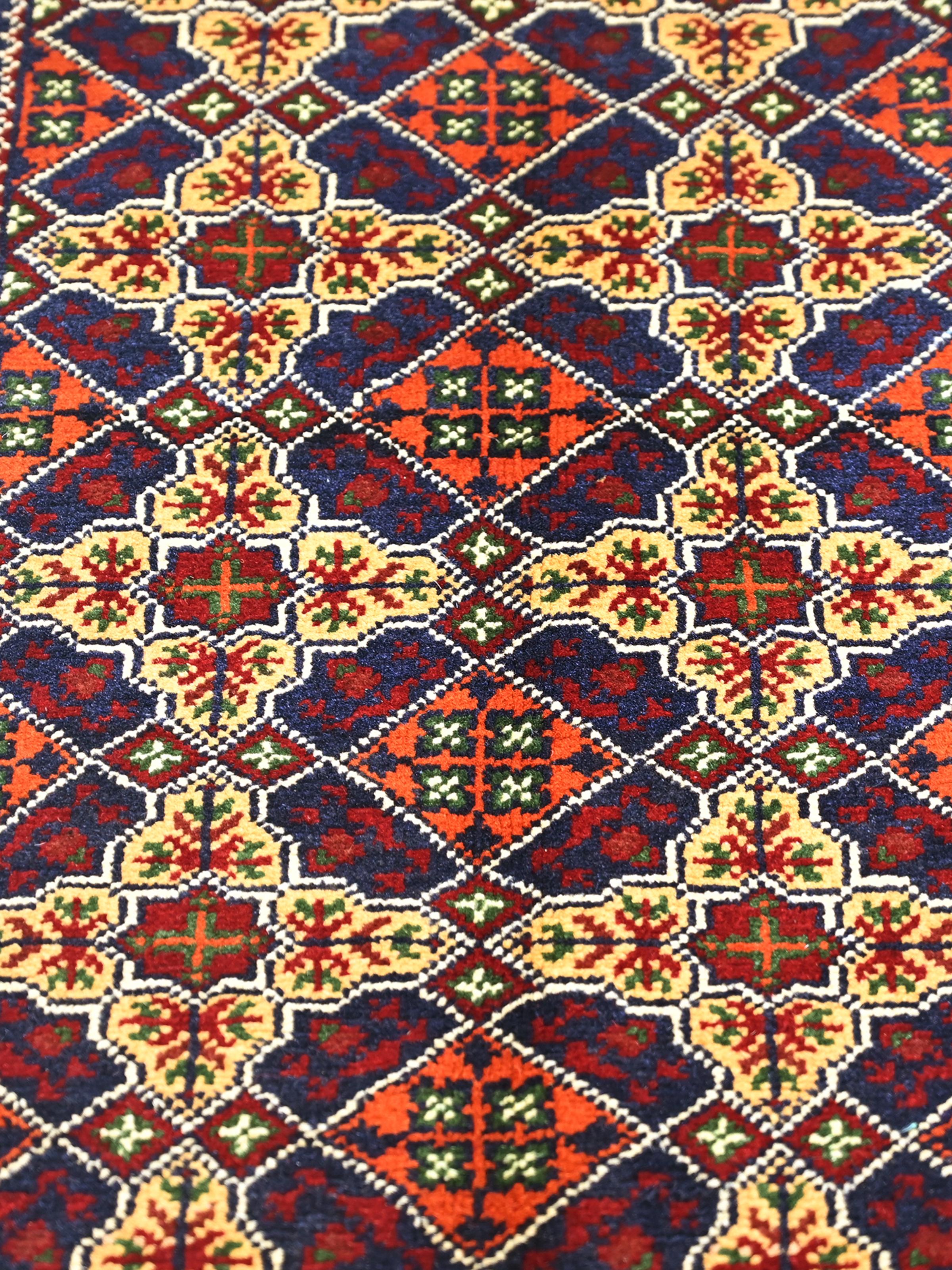
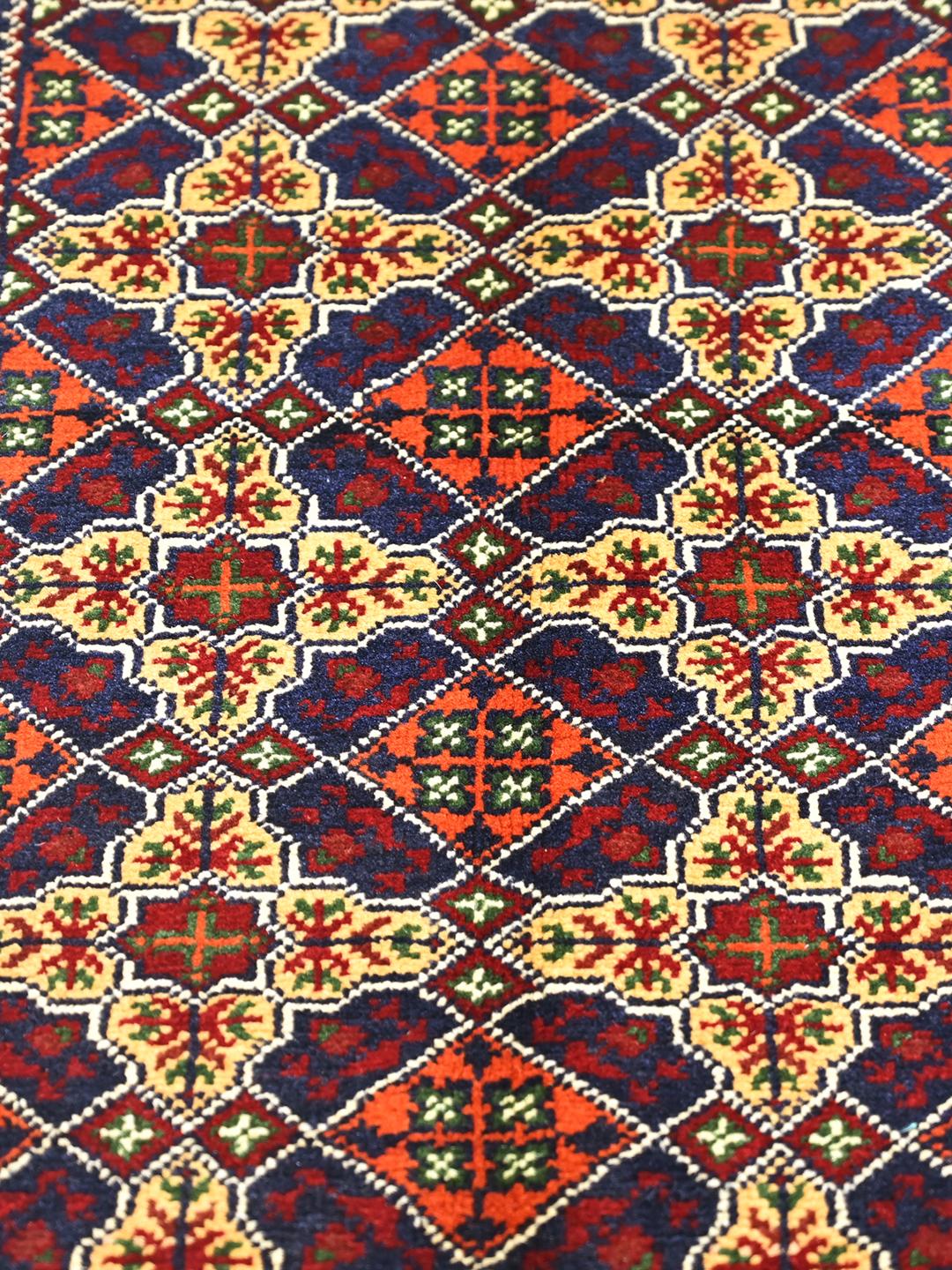
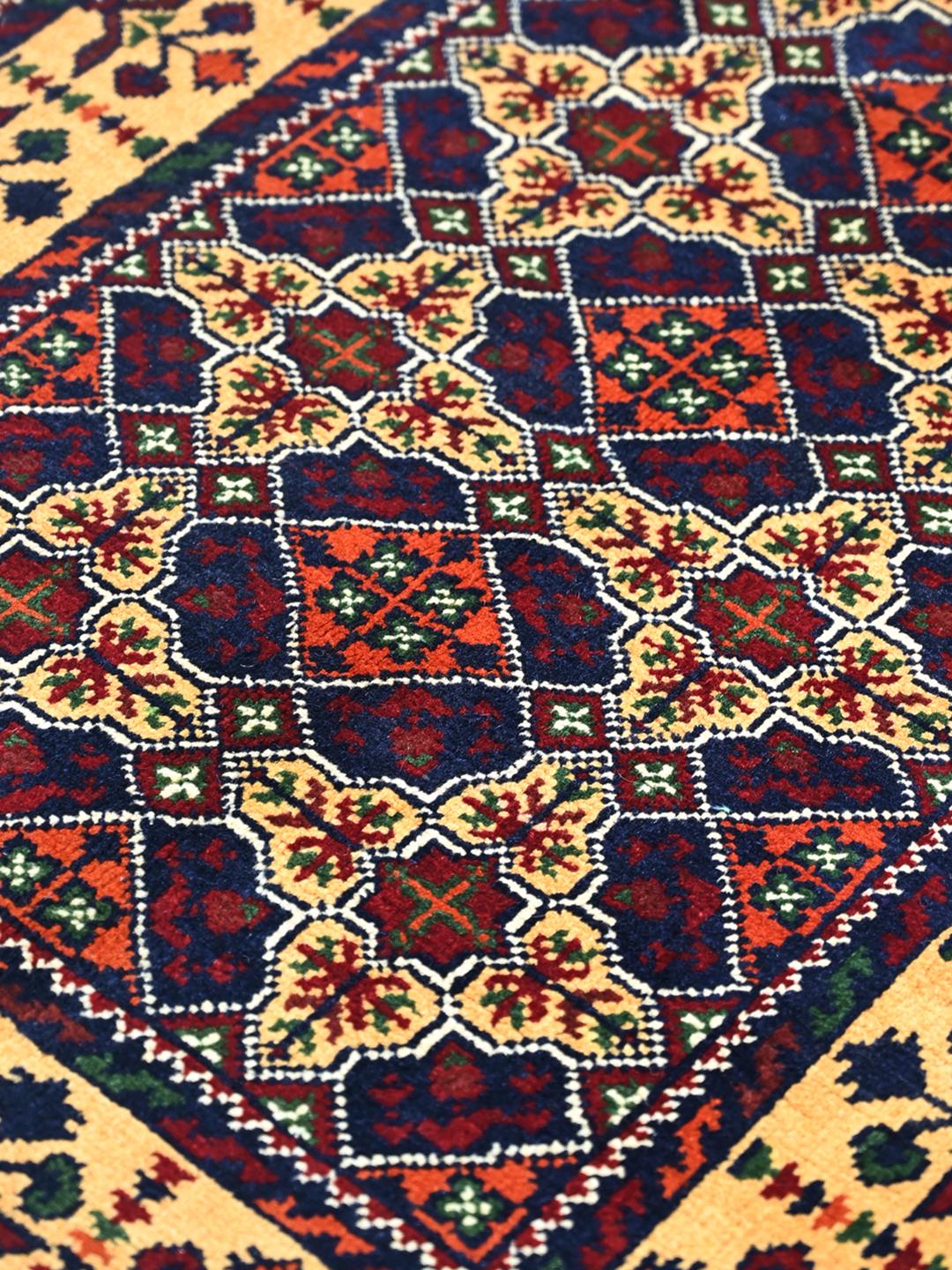
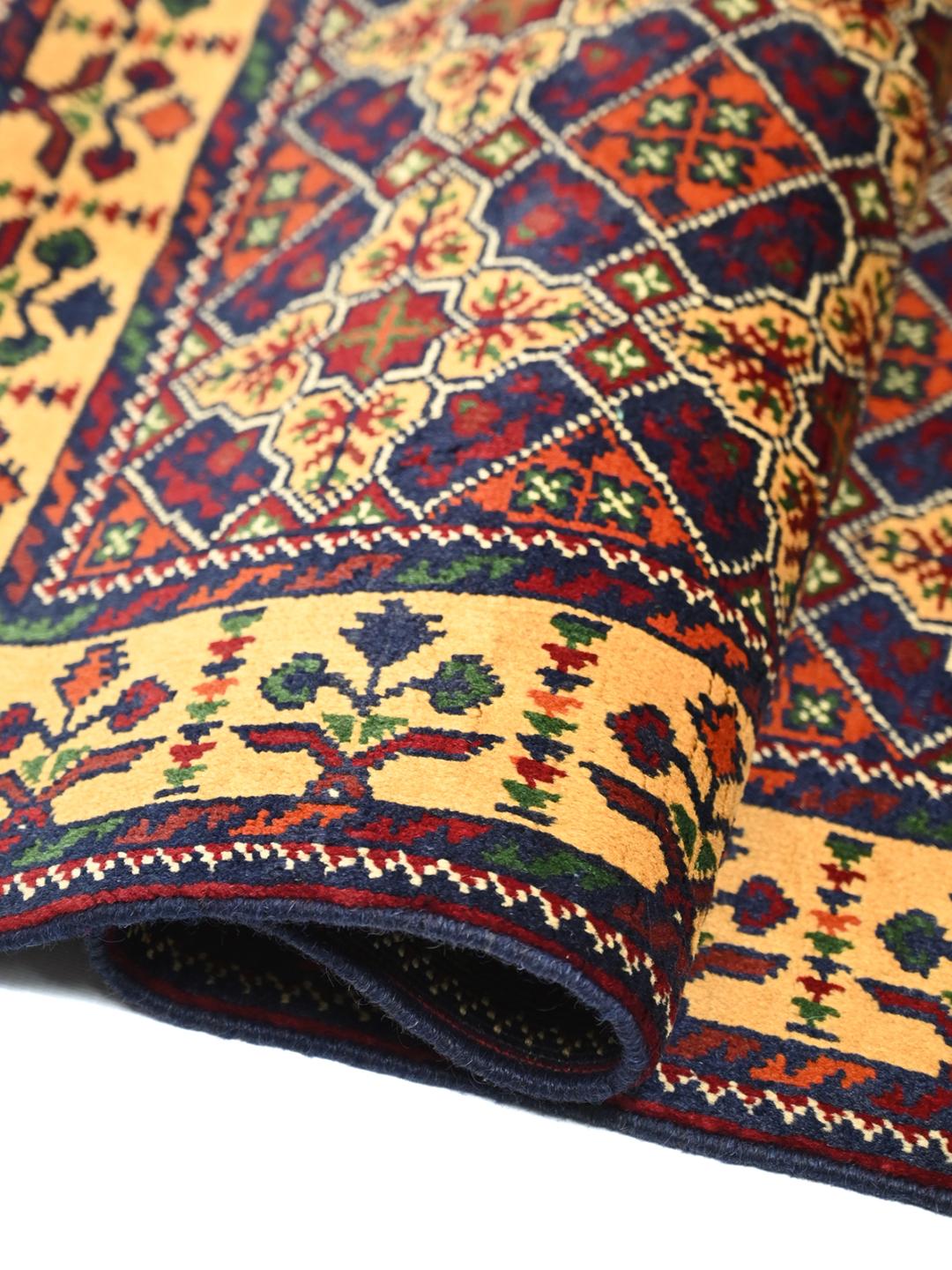
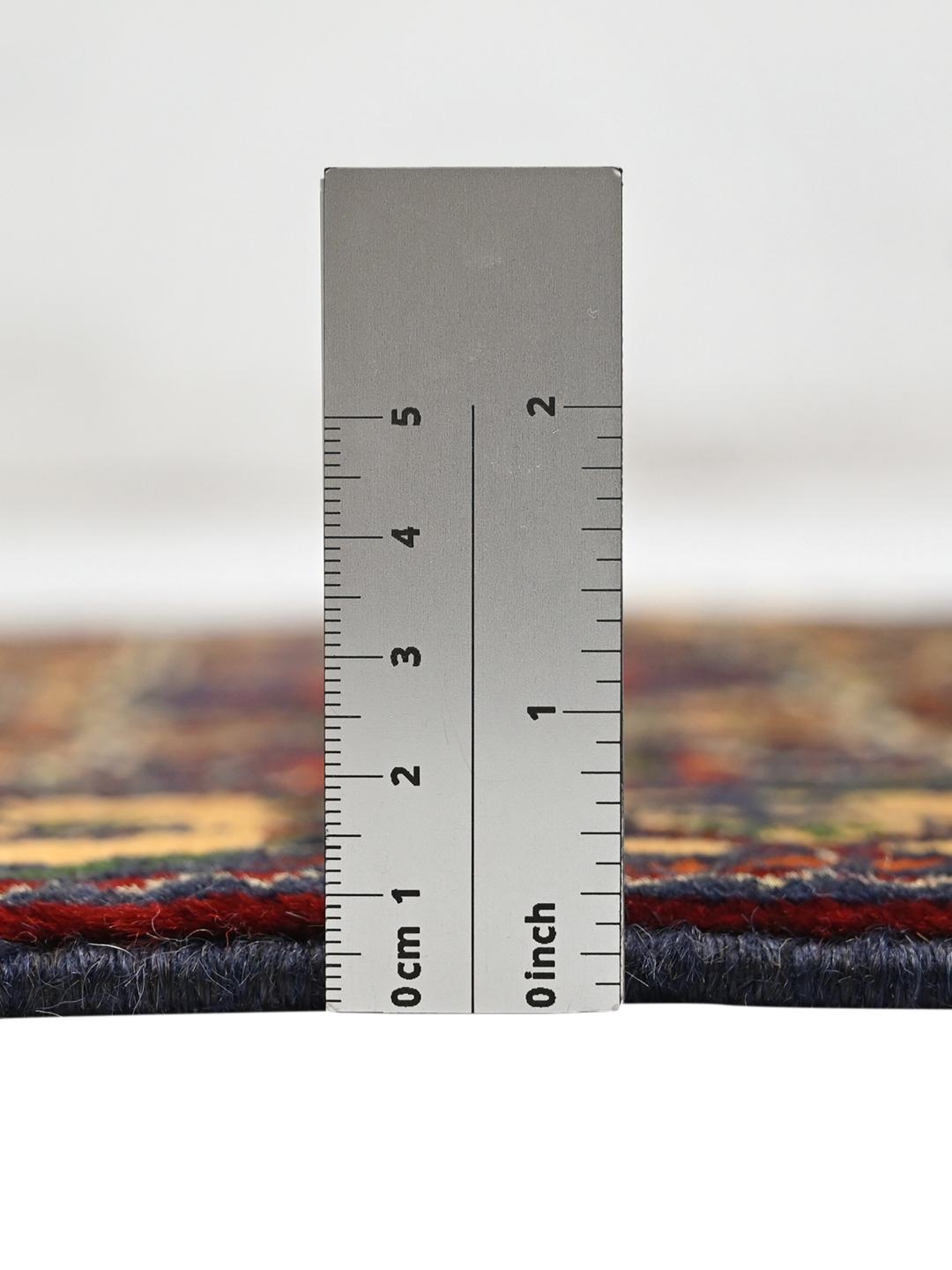
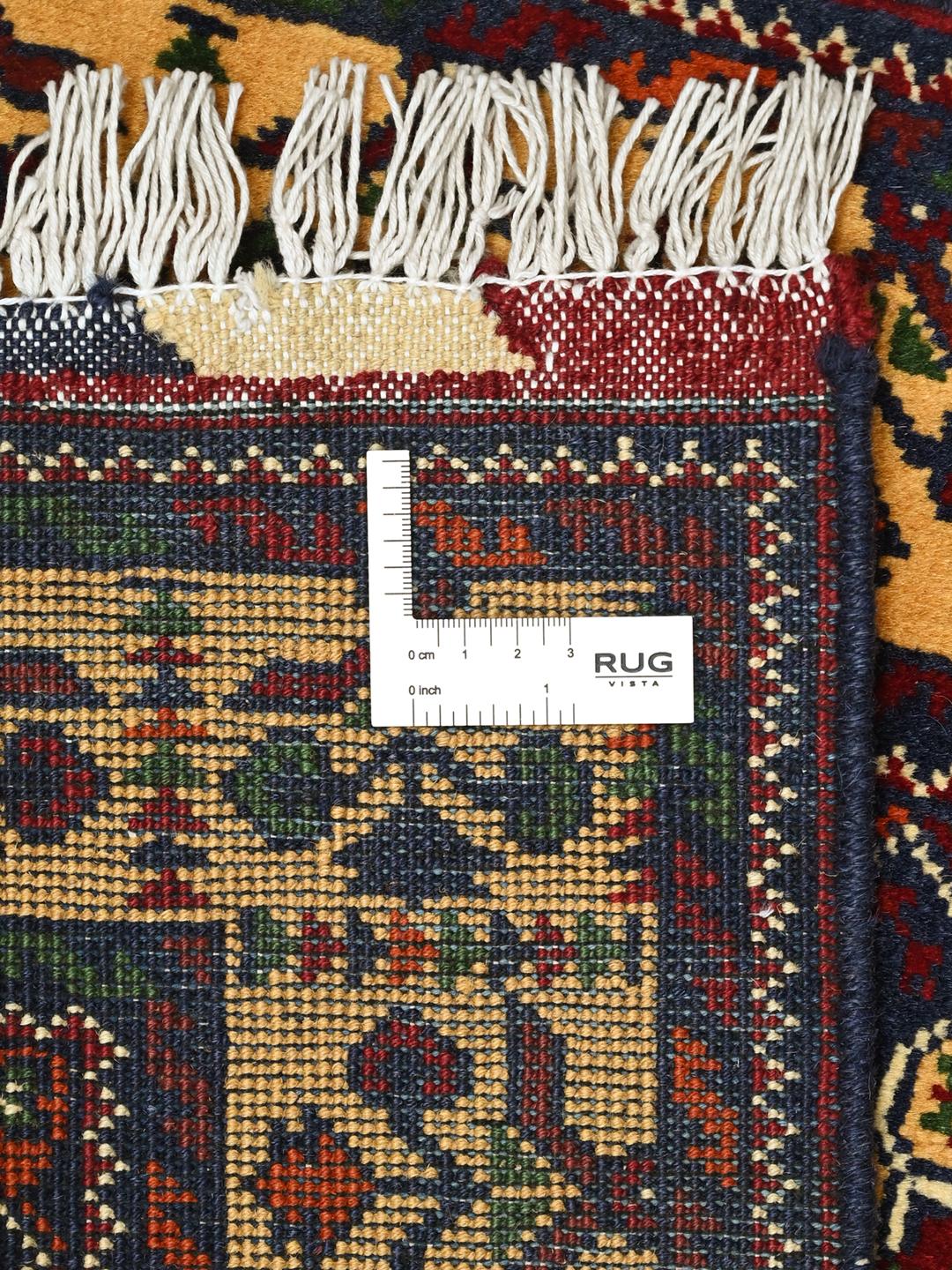
Hand knotting is the foundation of Kunduz textile heritage. Master weavers tie yarn around warp threads to form a durable pile that stands up to daily life. Using a natural cotton base gives the rug structural stability, ensuring the intricate patterns retain their shape and definition over decades.
The visual language of Kunduz rugs relies on deeply rooted geometric patterns, including repeated guls, diamond medallions, and formal borders. Traditional color schemes favor deep indigos, dark reds, and warm accent tones derived from classic regional dyeing traditions, creating a calm, grounded aesthetic.
Rugs from Kunduz are prized worldwide for their authenticity and connection to centuries-old craft methods. Owning a hand-knotted Kunduz rug means bringing a genuine artifact of Afghan textile history into the home, valued as much for its cultural weight as for its everyday comfort.