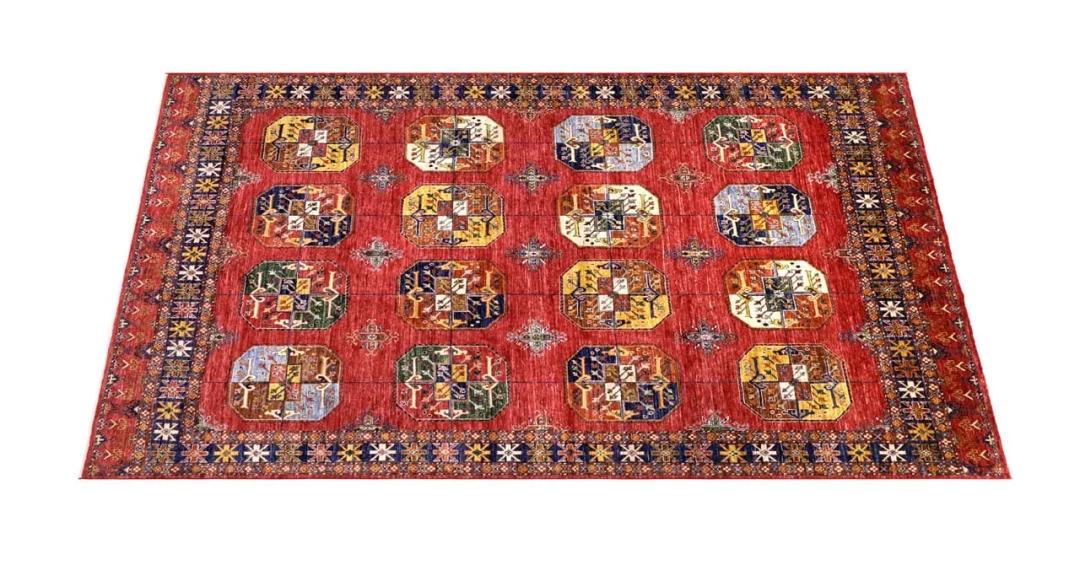
The Kunduz rug tradition hails from the northern regions of Afghanistan, an area with a profound history of nomadic and sedentary weaving. These rugs have evolved over centuries, drawing influence from the diverse cultures that traversed the ancient trade routes of Central Asia. The craft is deeply embedded in the local culture, where weaving is often a communal and generational practice, preserving techniques that have been passed down for centuries.
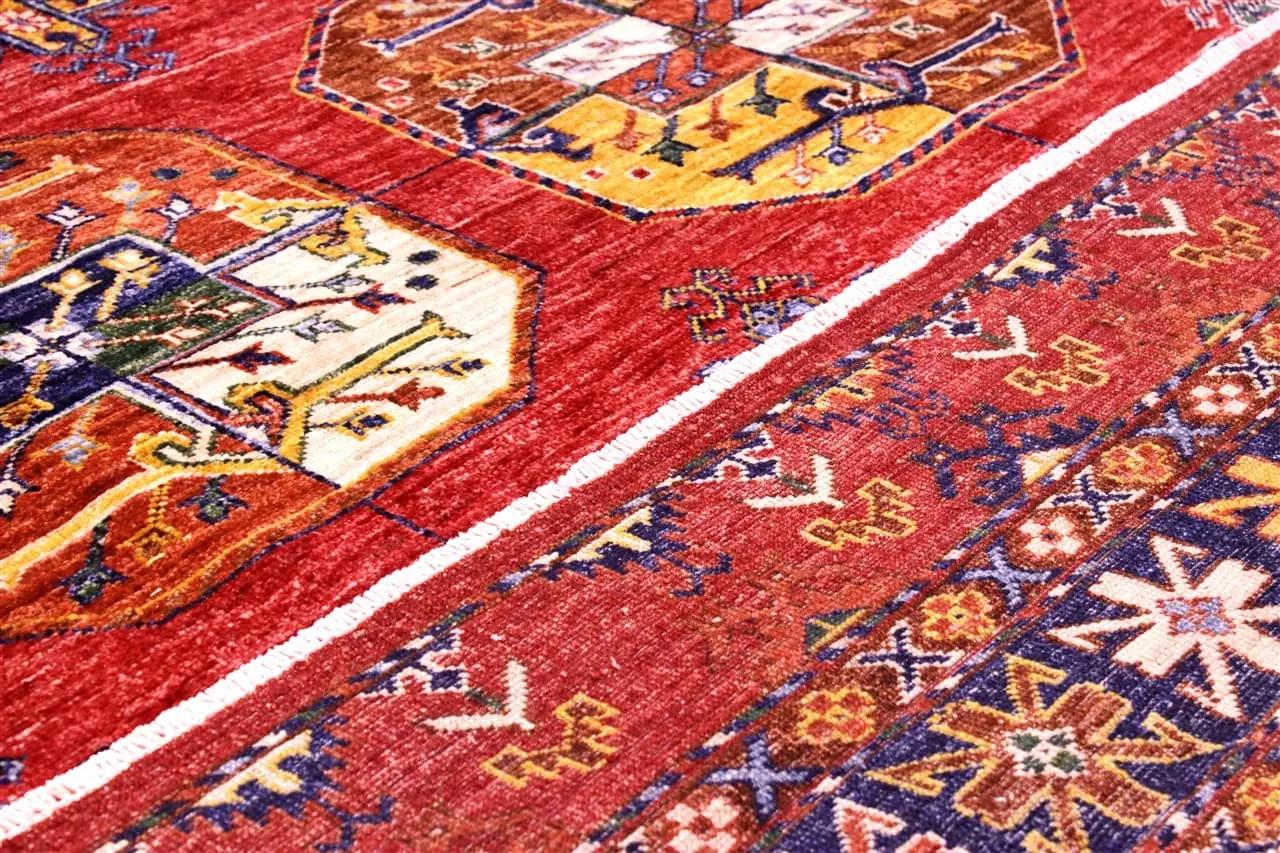
The term Kunduz refers to both the city of origin and the specific stylistic identity of these rugs. Technically, these pieces are defined by their sturdy construction and the use of high-quality, local wool. The wool is known for its natural lanolin content, which gives the finished rug a soft, lustrous sheen and an inherent resistance to wear. This quality is essential for creating a rug that is both functional and aesthetically enduring.
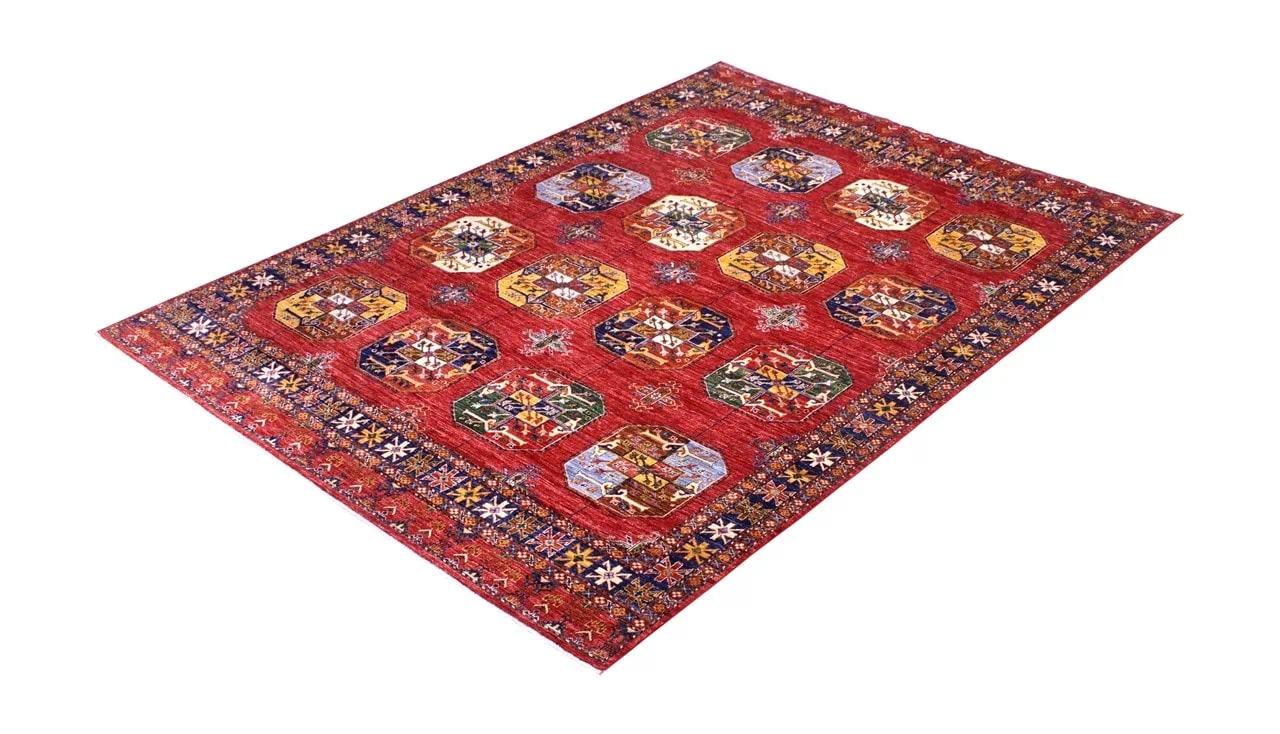
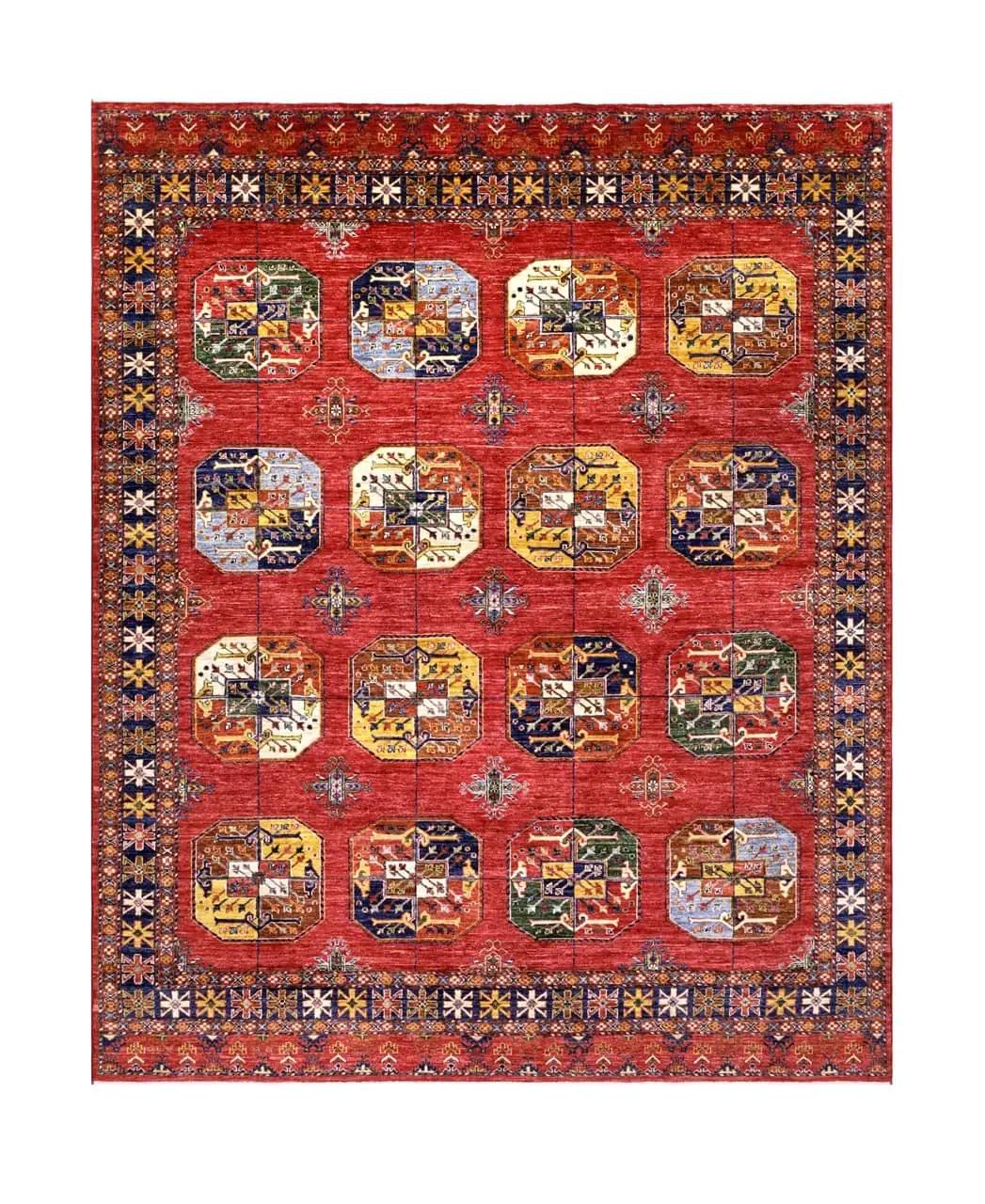
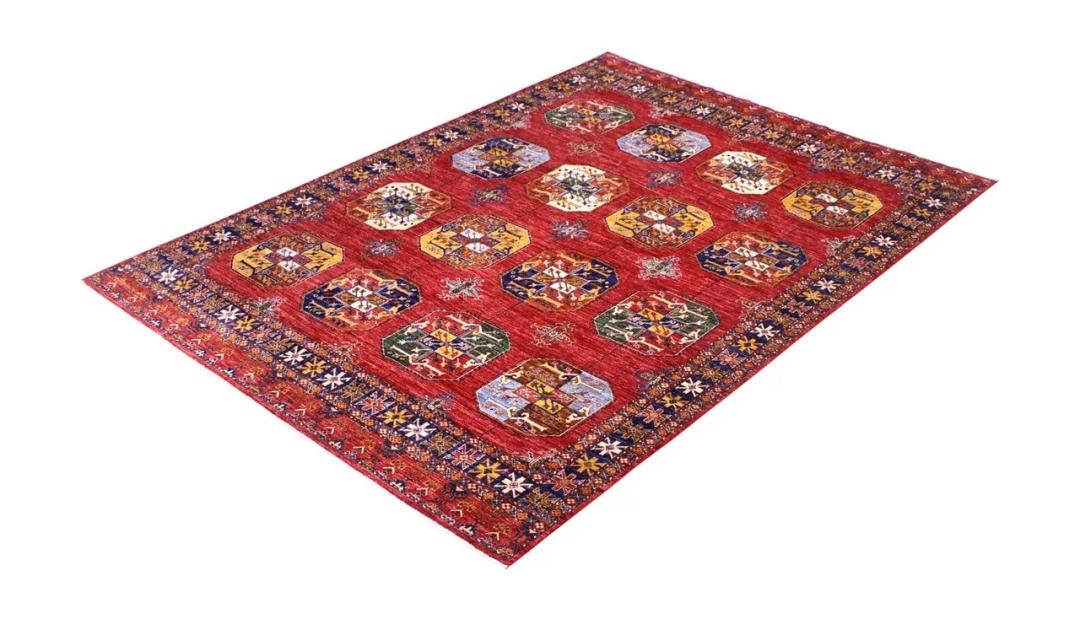
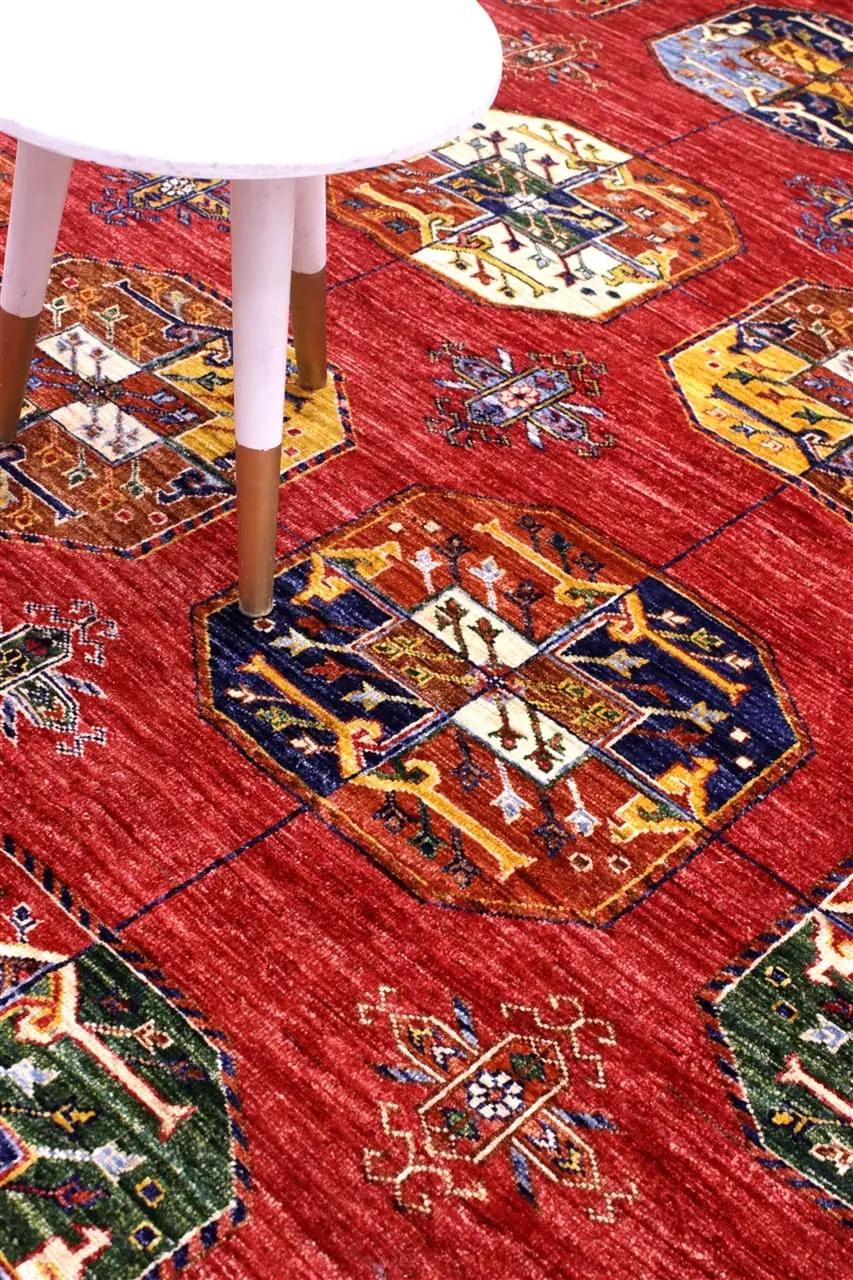
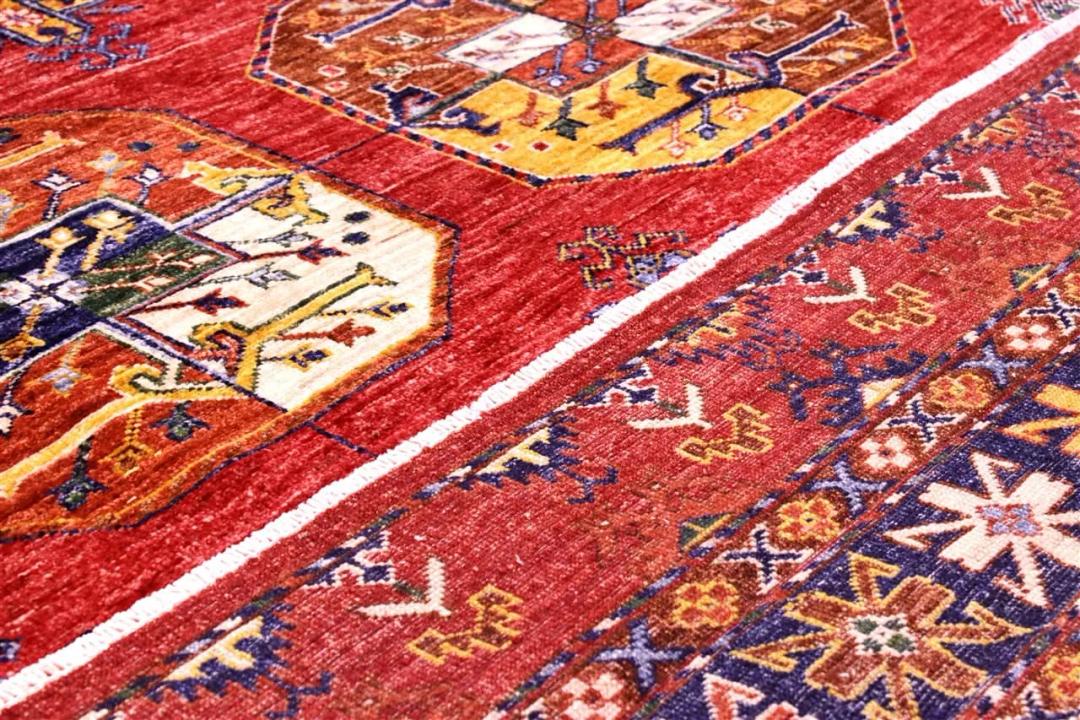
Visually, Kunduz rugs are celebrated for their bold, geometric language. They often feature repeating motifs like medallions and tribal symbols, set against a backdrop of deep, natural dyes. The border work is typically intricate, framing the central field with precision. While they share a common lineage with other Middle Eastern rug traditions, the Kunduz style is distinguished by its focus on bold, clear geometry and a palette that leans into earthy, vibrant tones.
Collecting a Kunduz rug is an investment in a living heritage. These rugs are valued not only for their beauty but for the skill and cultural narrative they represent. By choosing a hand-knotted piece from this region, you are supporting a tradition that prioritises human skill over mass production. It is a way to bring a piece of history into your home, connecting your modern space to an ancient, enduring craft.