Kunduz rugs originate from the northern regions of Afghanistan, a land with a deep-rooted tradition of nomadic and village weaving. These rugs are highly regarded for their robust construction and the use of locally sourced, high-quality Wool that is known for its natural lustre and durability.
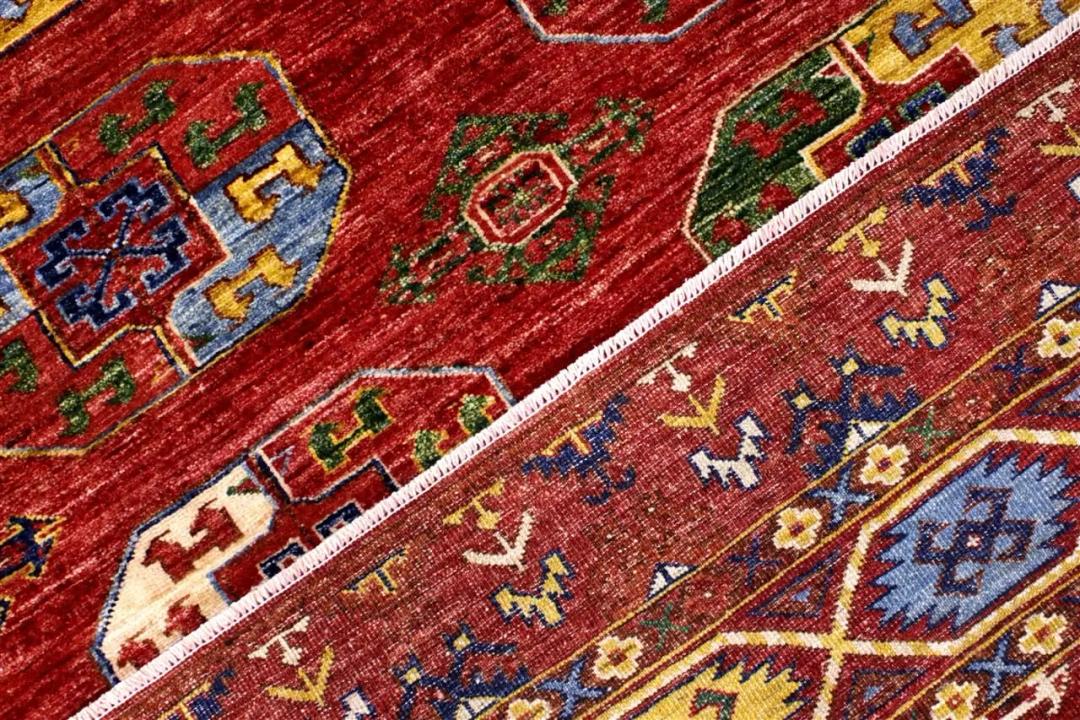
The term Kunduz refers to the region where these carpets are traditionally gathered and traded, serving as a hub for the skilled weavers who pass their techniques down through generations. The process involves creating a dense, resilient pile that provides both insulation and a soft, comfortable surface, making them a staple in households that value longevity and warmth.
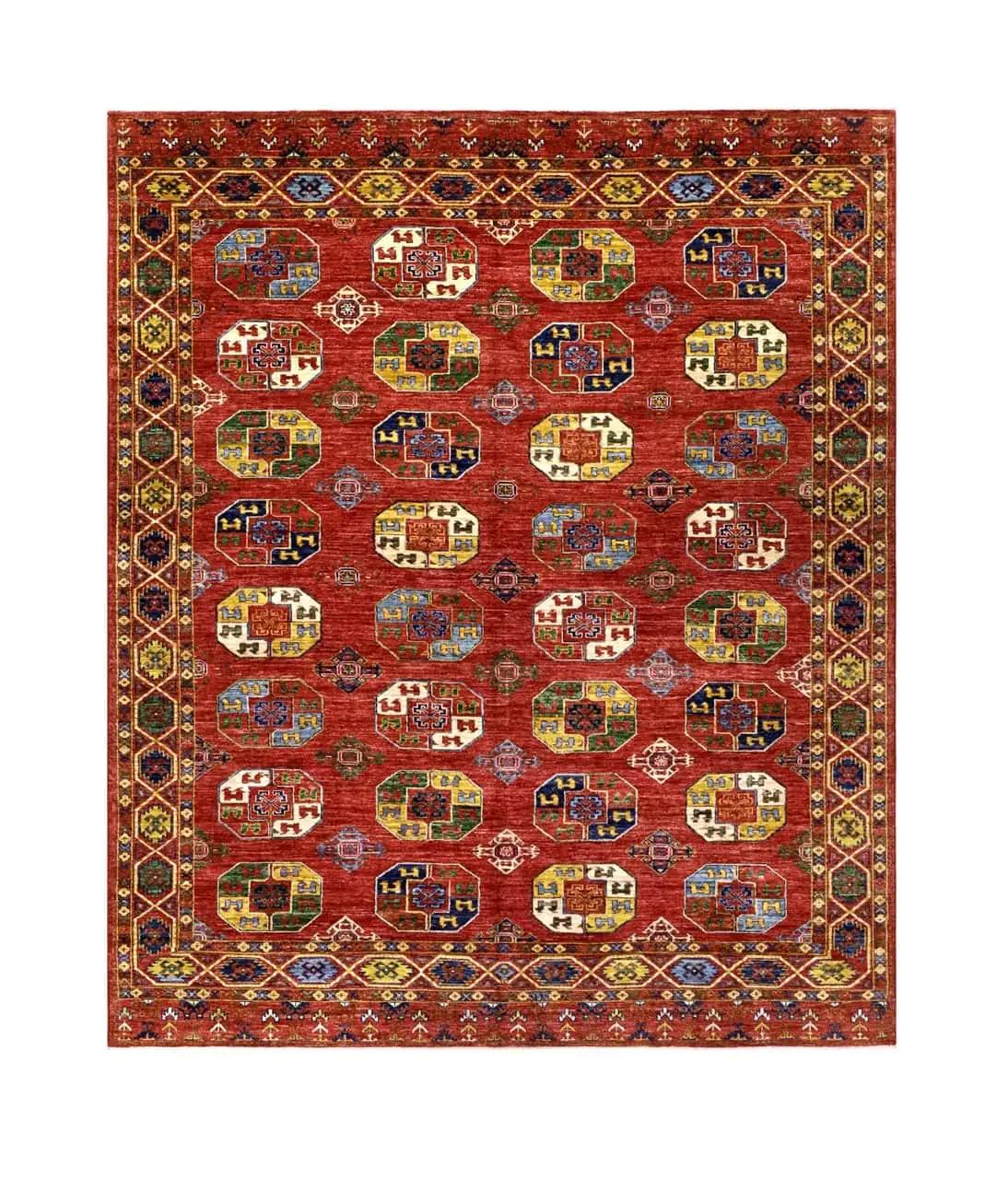
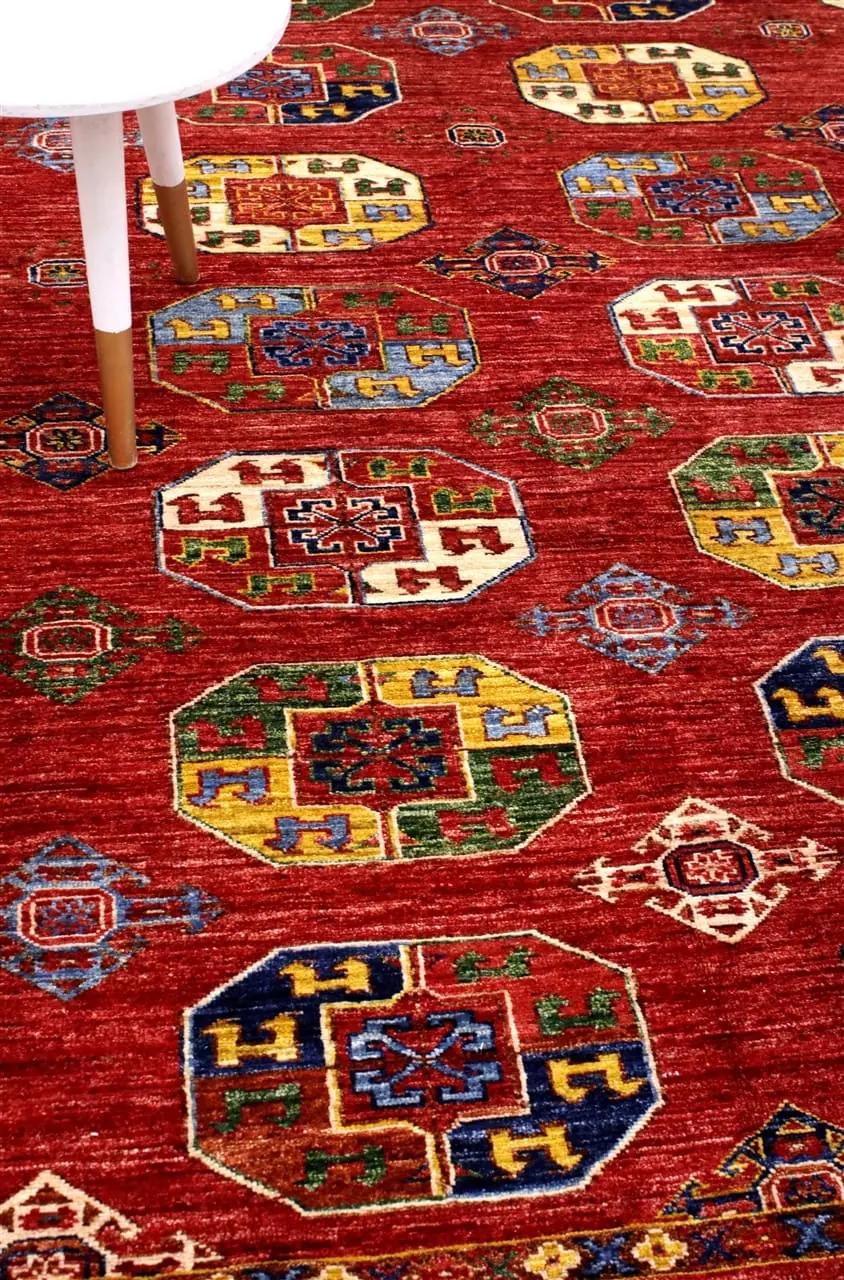
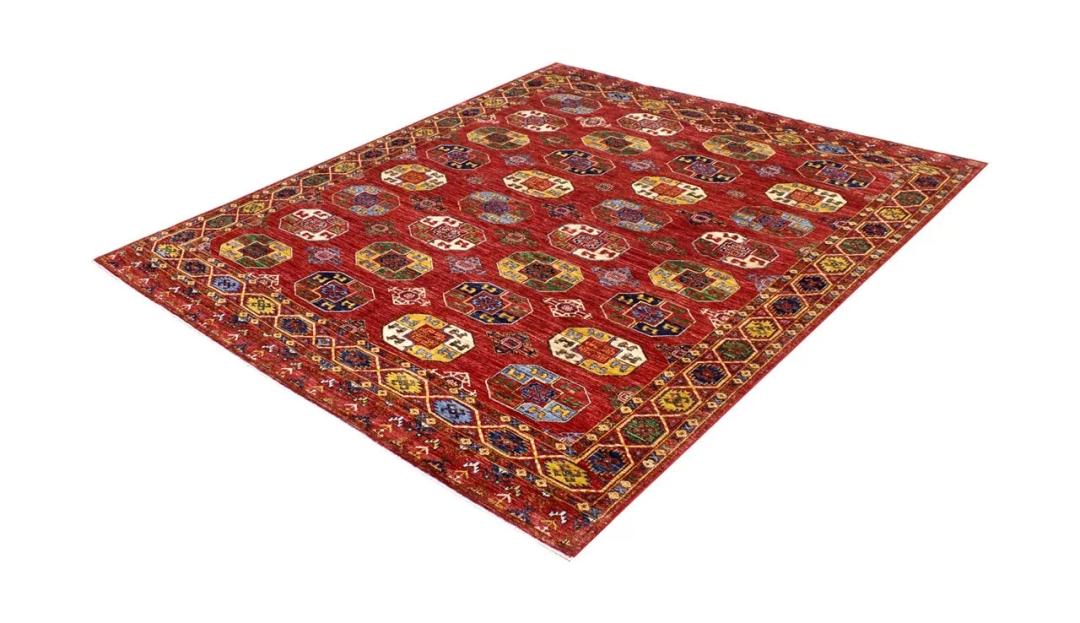
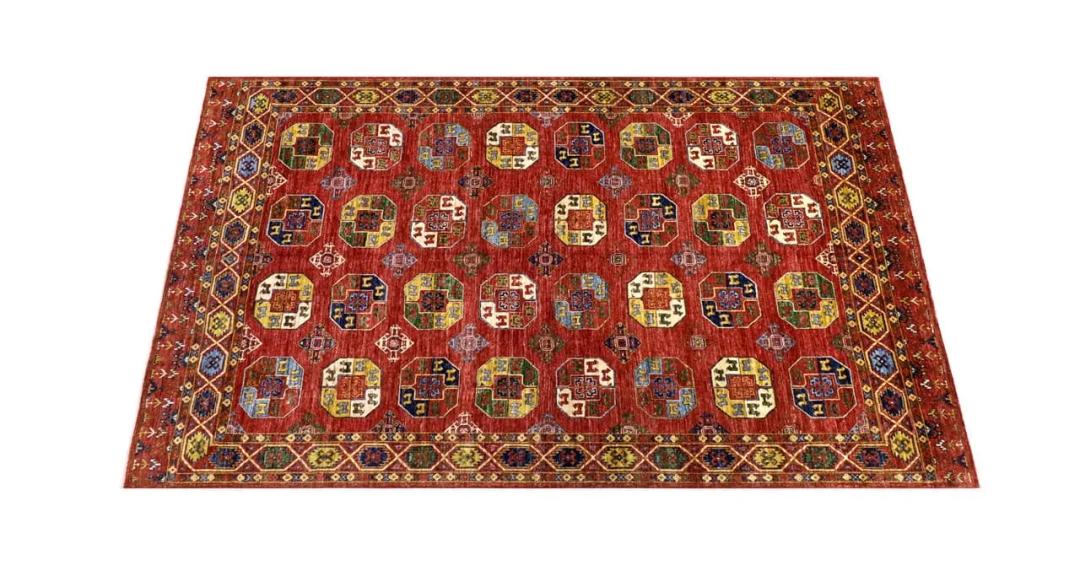
Visually, Kunduz rugs are defined by their bold, geometric language. They often feature repeating motifs, such as the medallion patterns seen here, which are framed by intricate, structured borders. The use of traditional colour palettes, dominated by deep reds, is a hallmark of this style, often accented with secondary colours that highlight the complexity of the central design elements.
Collecting a piece from this tradition is an investment in cultural heritage. Because each rug is crafted with individual expression, they carry the personal touch of the artisan, making them more than just floor coverings. They are tangible links to the ancient craft traditions of Central Asia and are prized by those who seek authentic, human-made beauty for their homes.