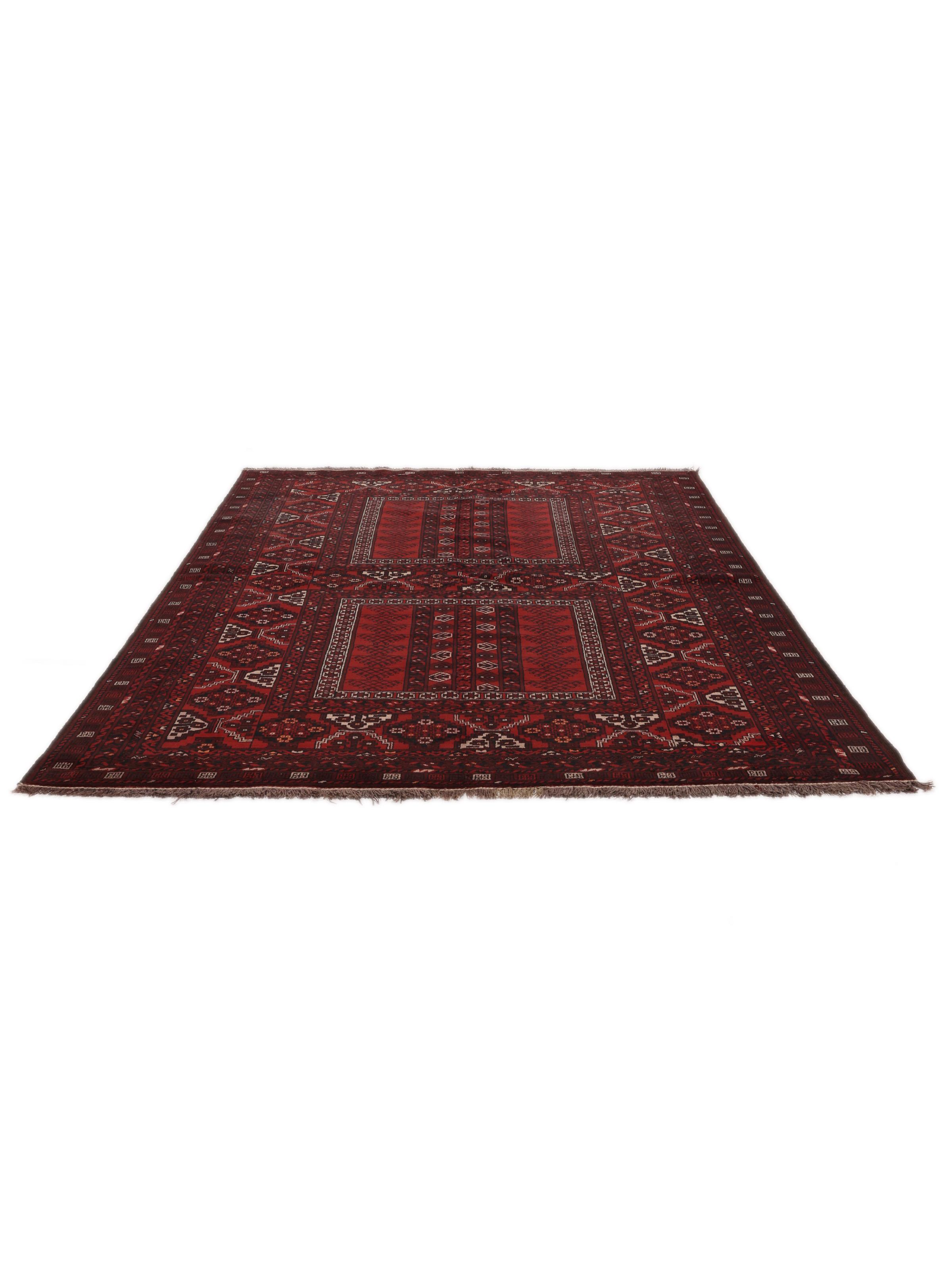
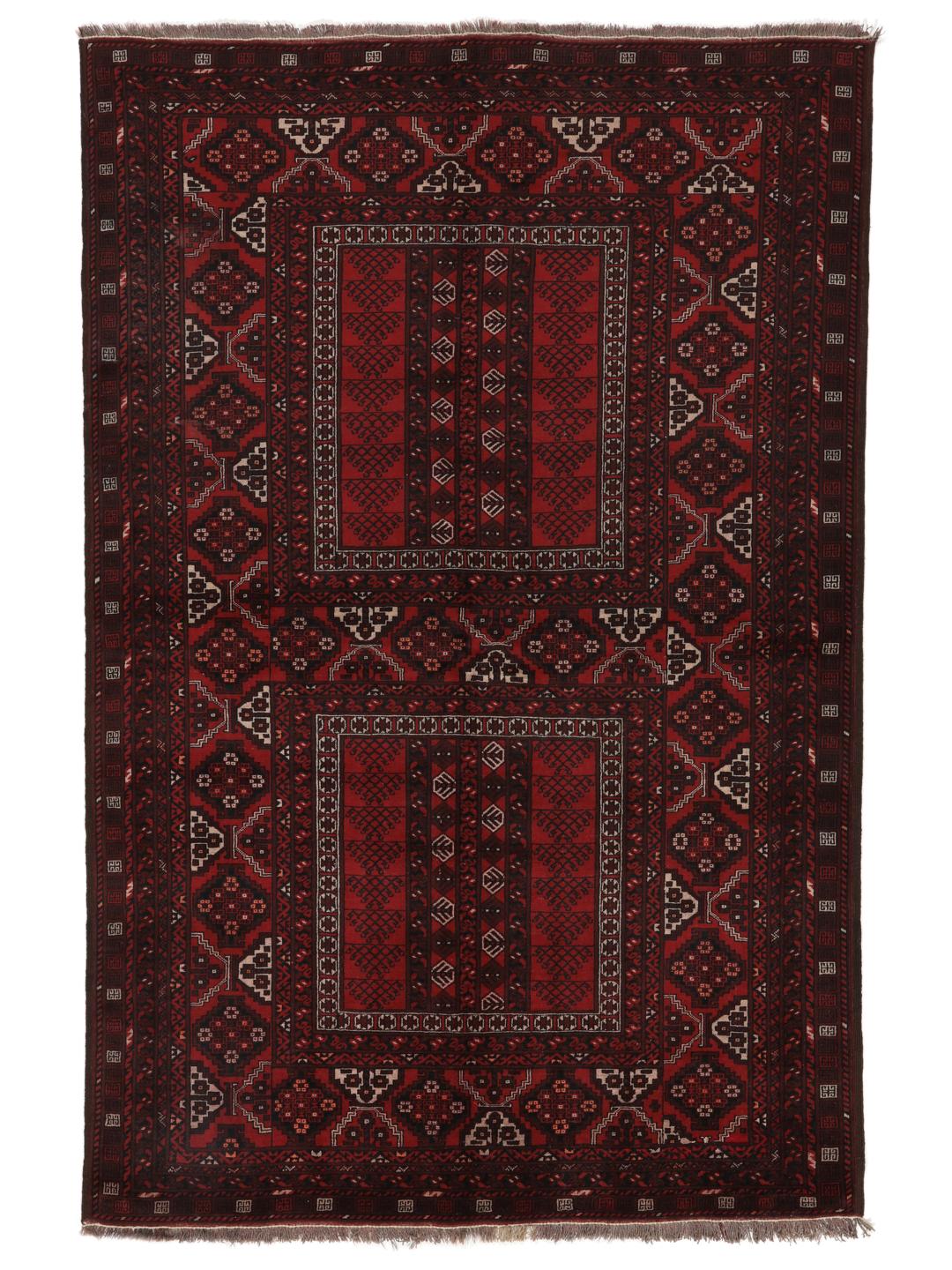
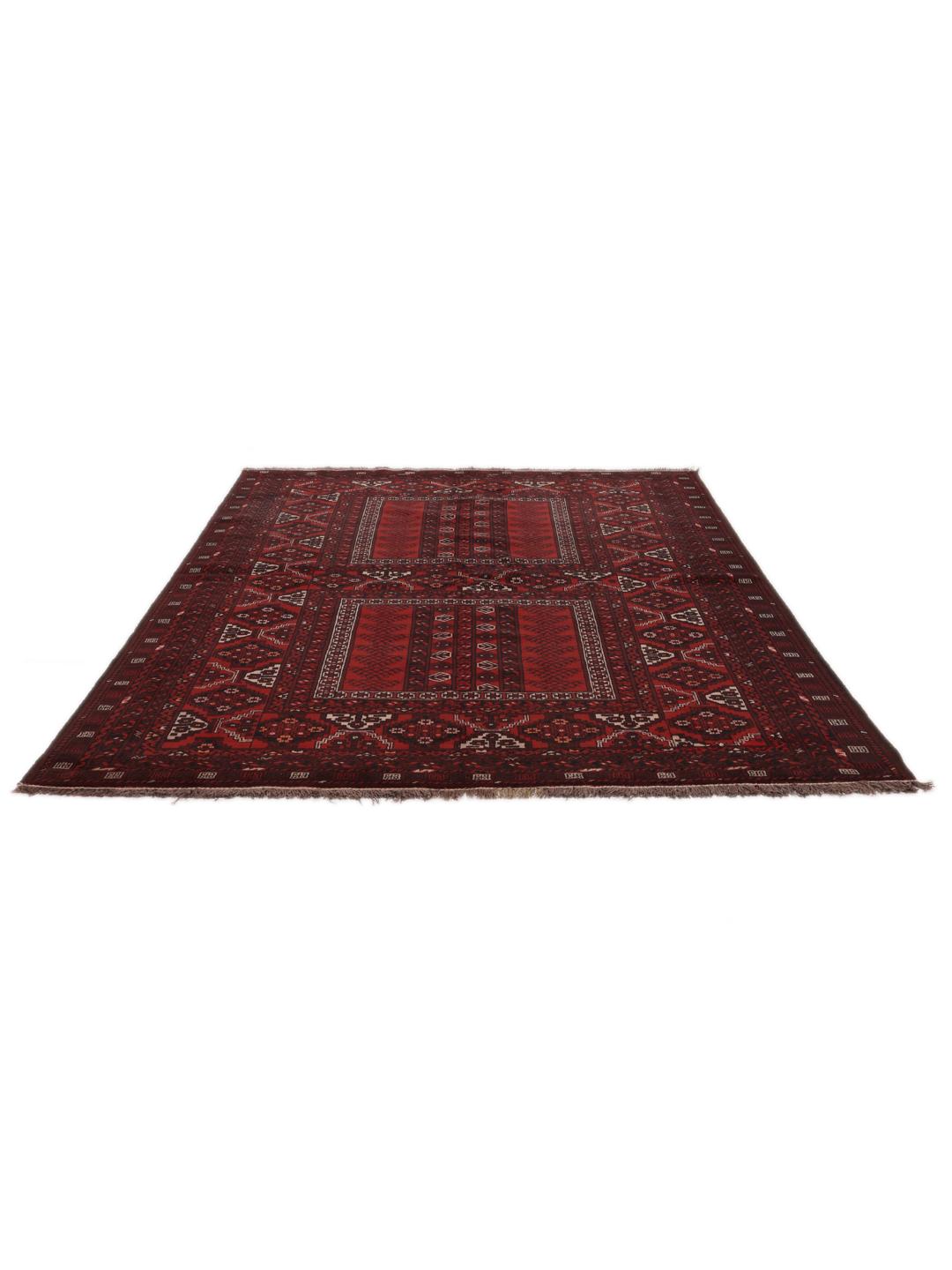
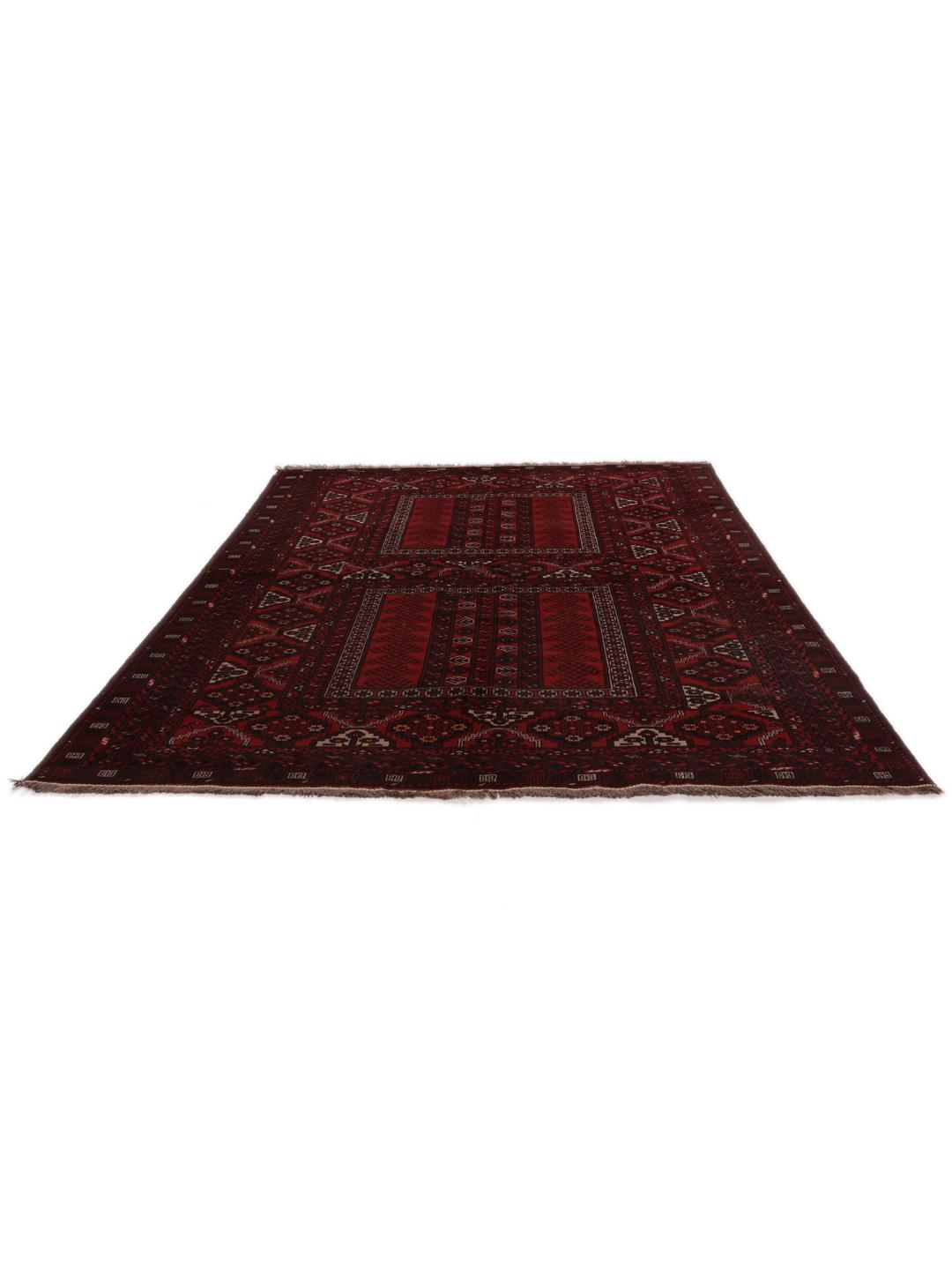
Kunduz rugs originate from the northern regions of Afghanistan, a land with a long and complex history of textile production. These rugs are deeply connected to the nomadic and semi-nomadic tribes of the area, who have utilised wool from their own flocks for centuries to create durable, beautiful floor coverings. Today, Kunduz continues to be a vital centre for the trade and creation of these storied pieces, preserving regional weaving identities that have evolved over generations.
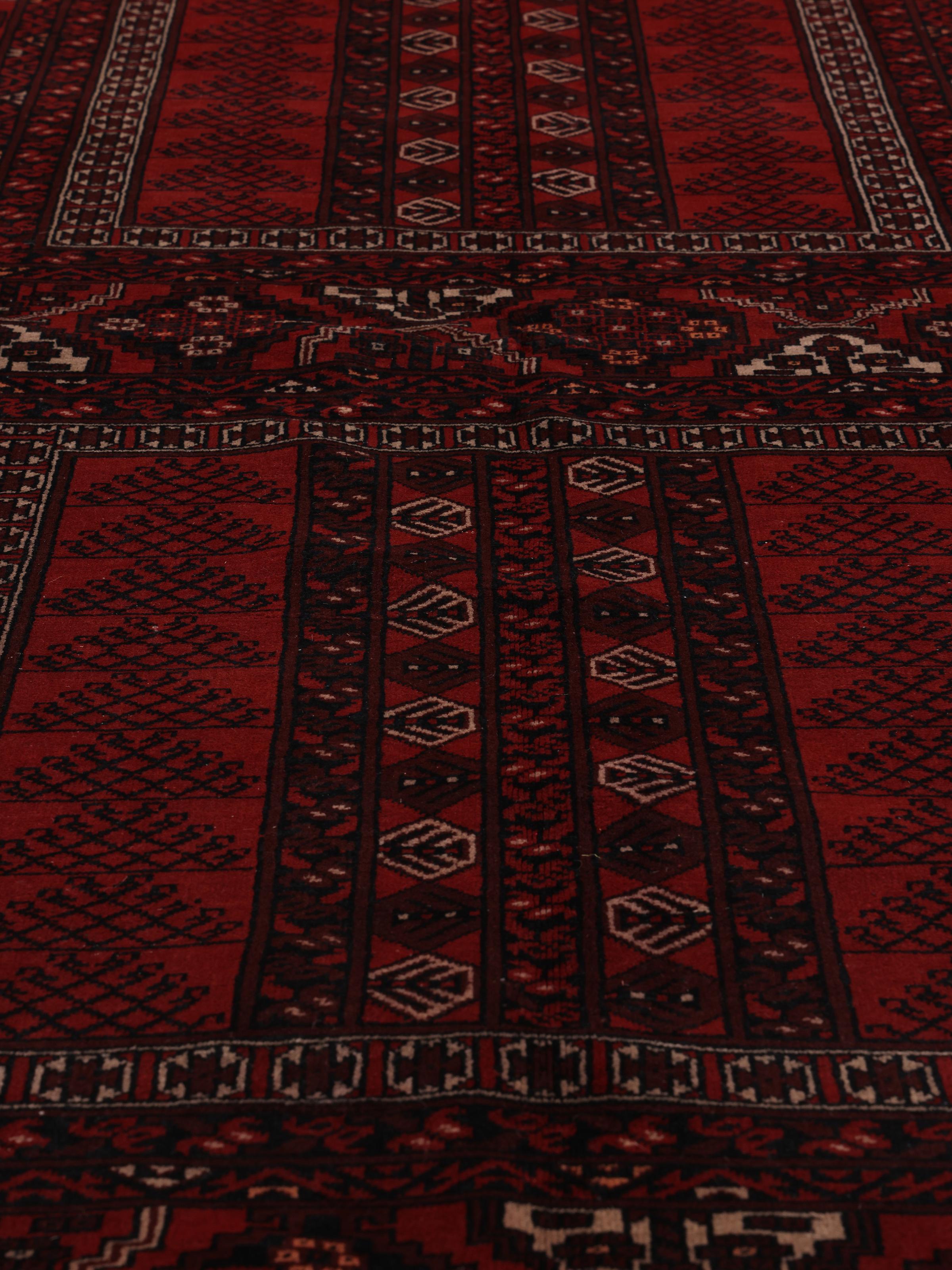
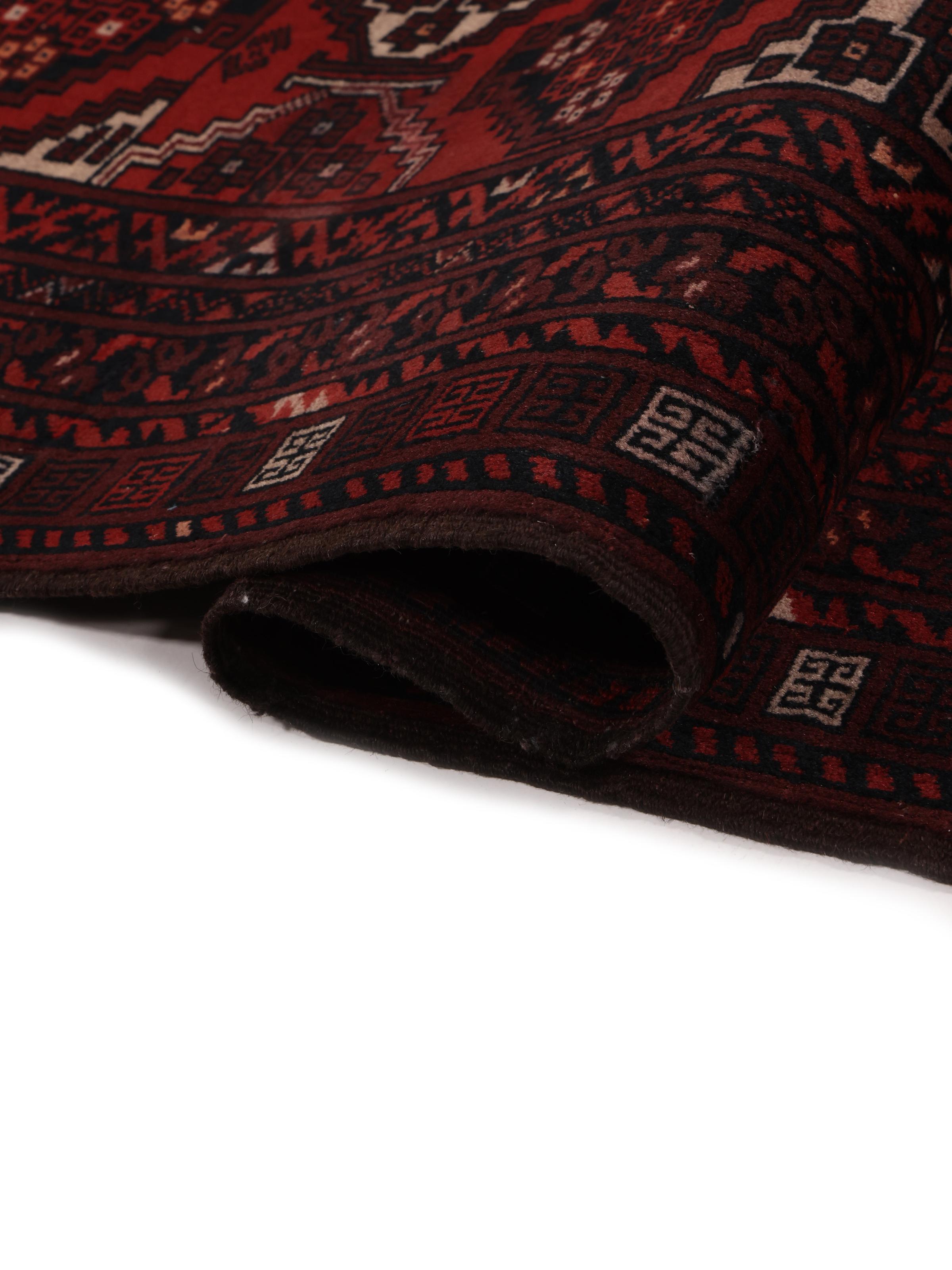
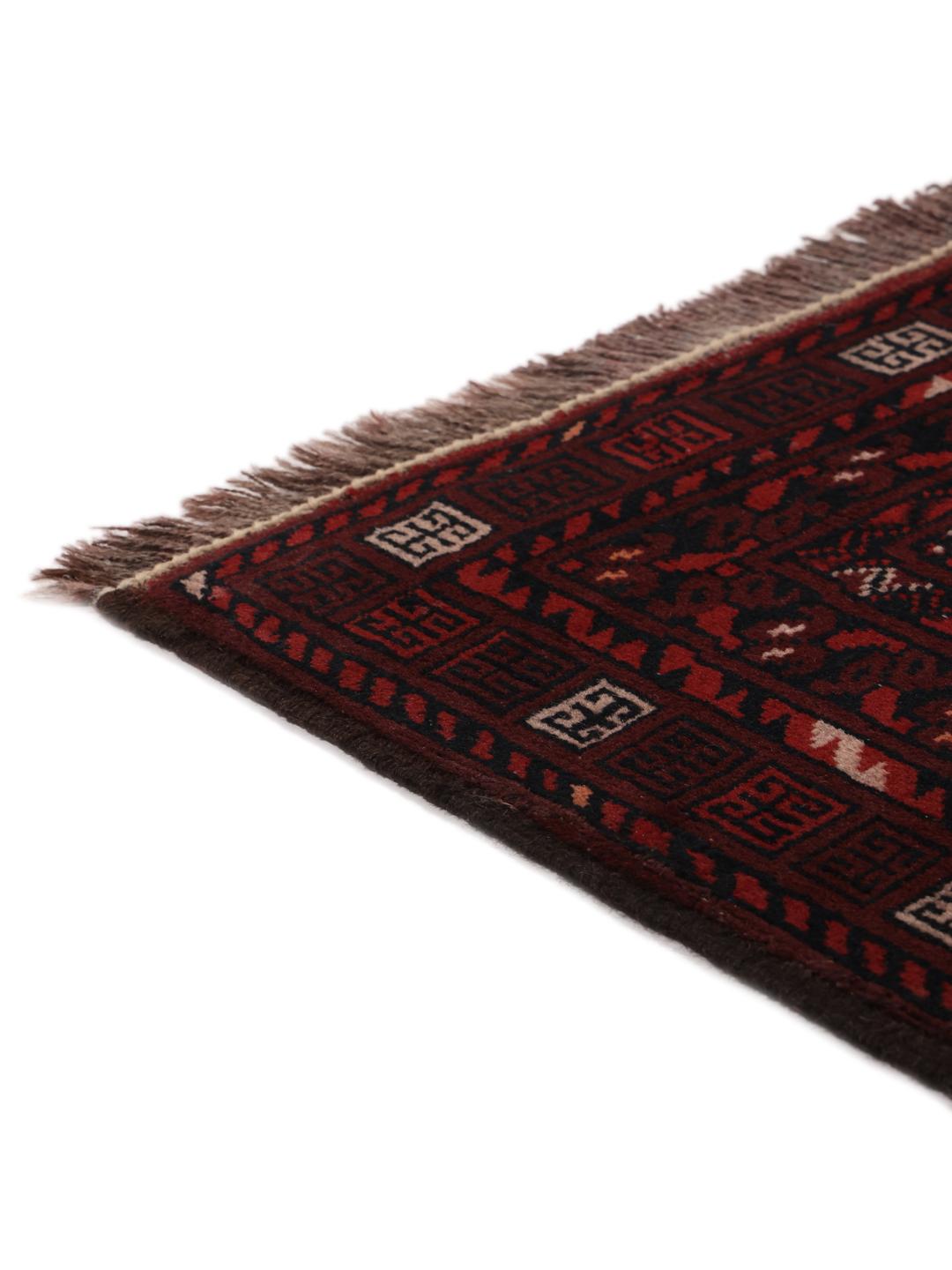
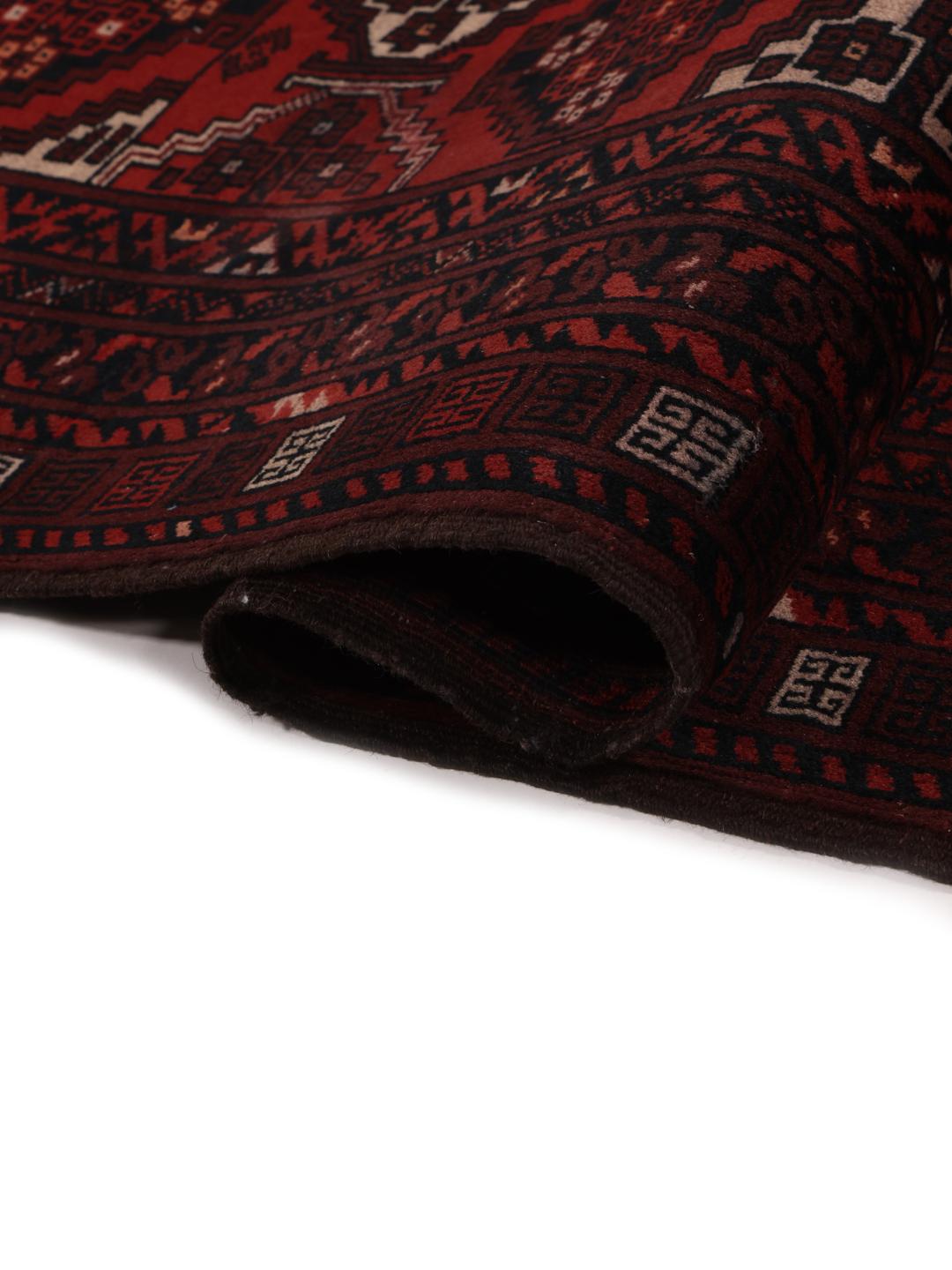
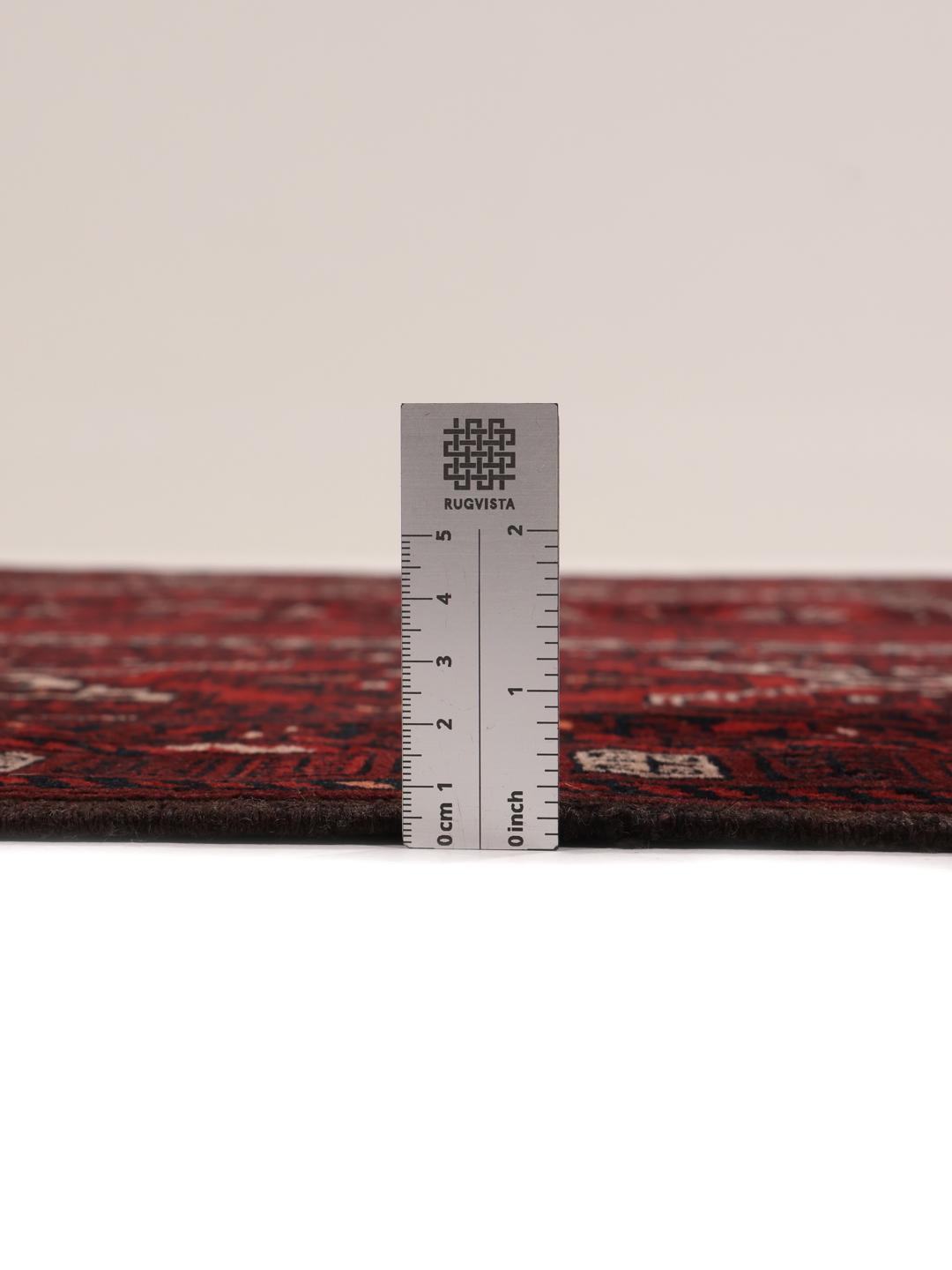
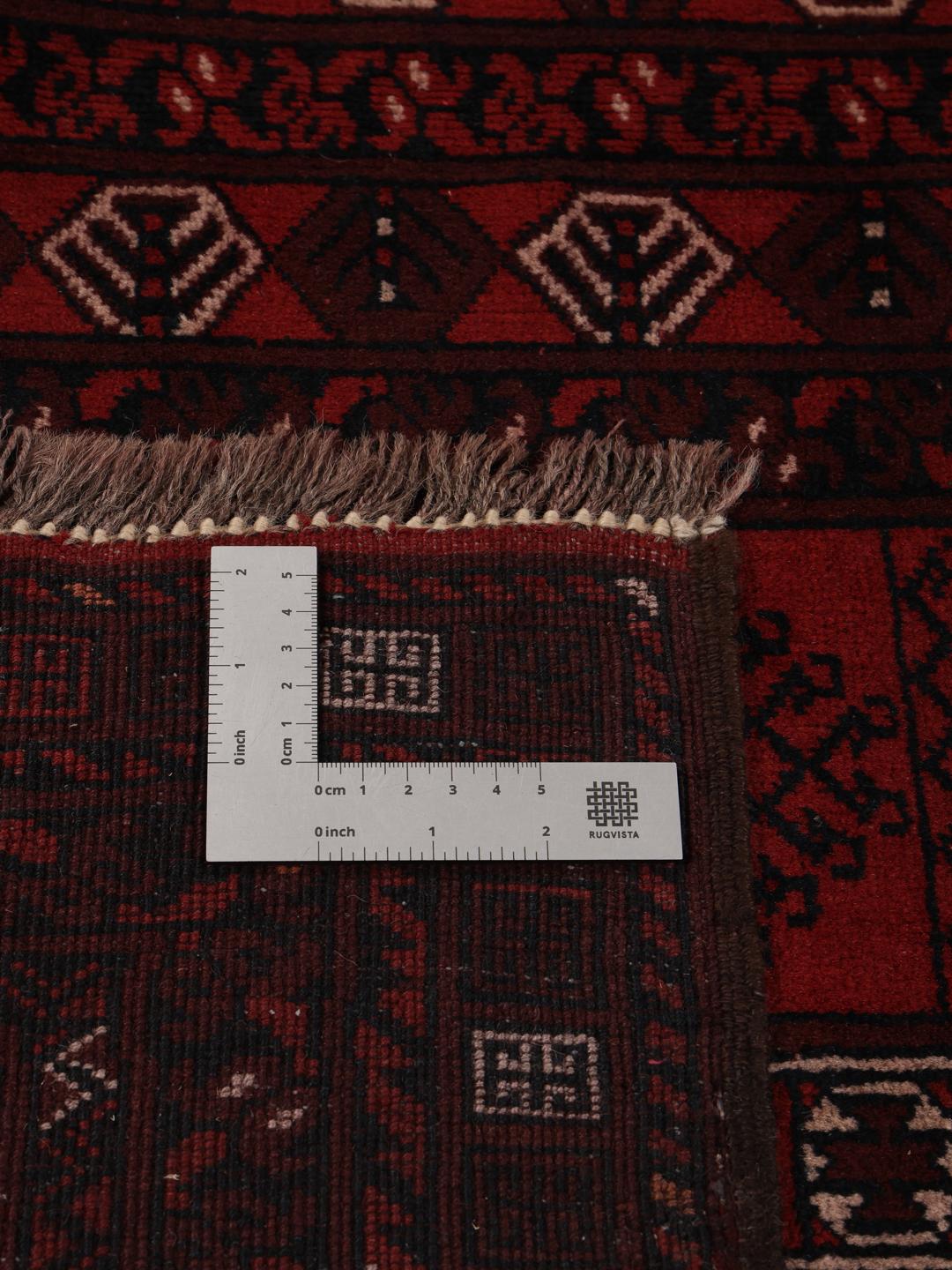
The character of a Kunduz rug is heavily influenced by the use of traditional hand-knotting techniques. By using high-quality wool, these rugs achieve a lustre and resilience that synthetic alternatives cannot mimic. The construction ensures that the rug remains stable and retains its shape, while the natural fibres allow the rug to breathe and age gracefully, often becoming even more beautiful with time.
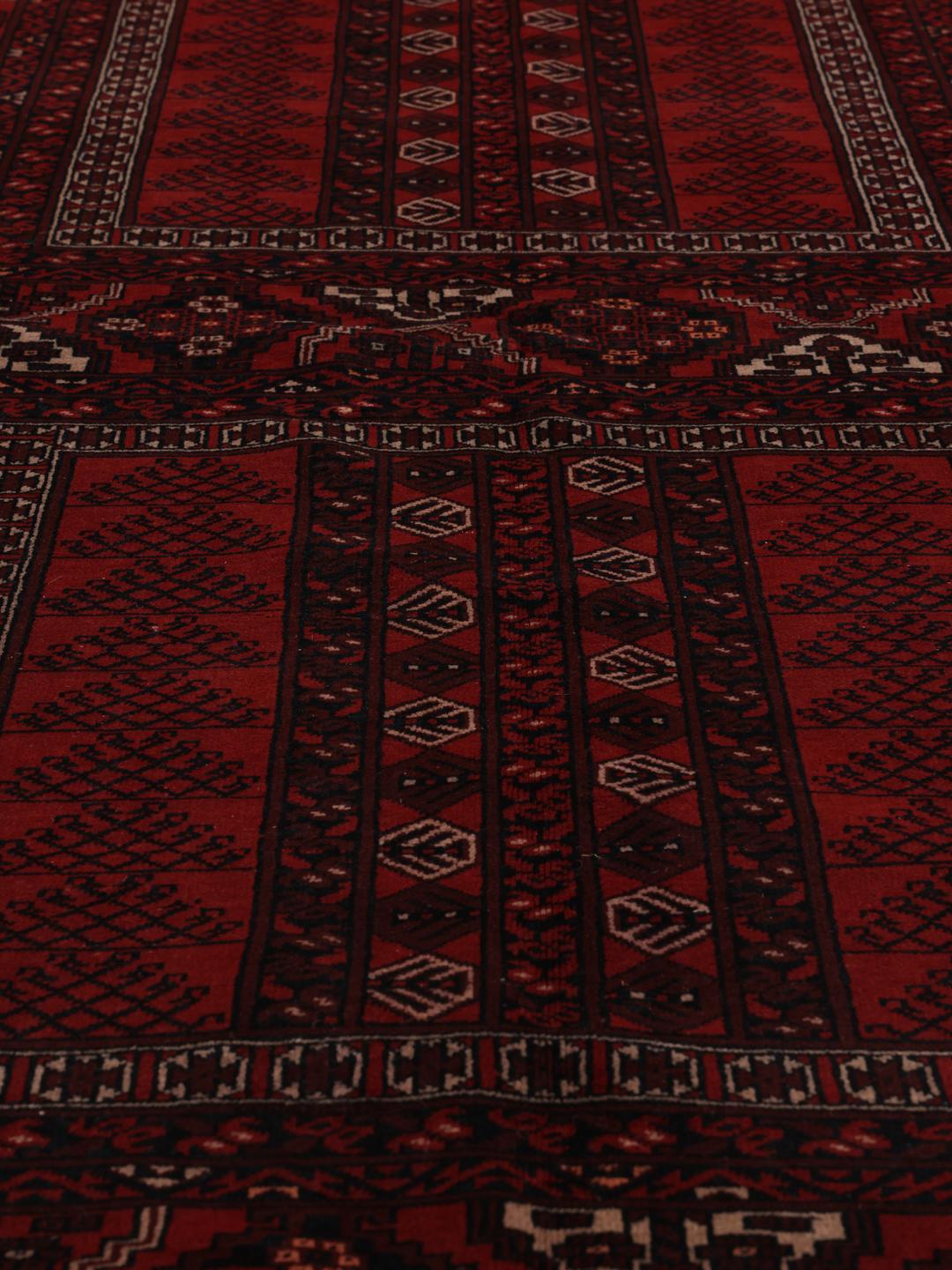
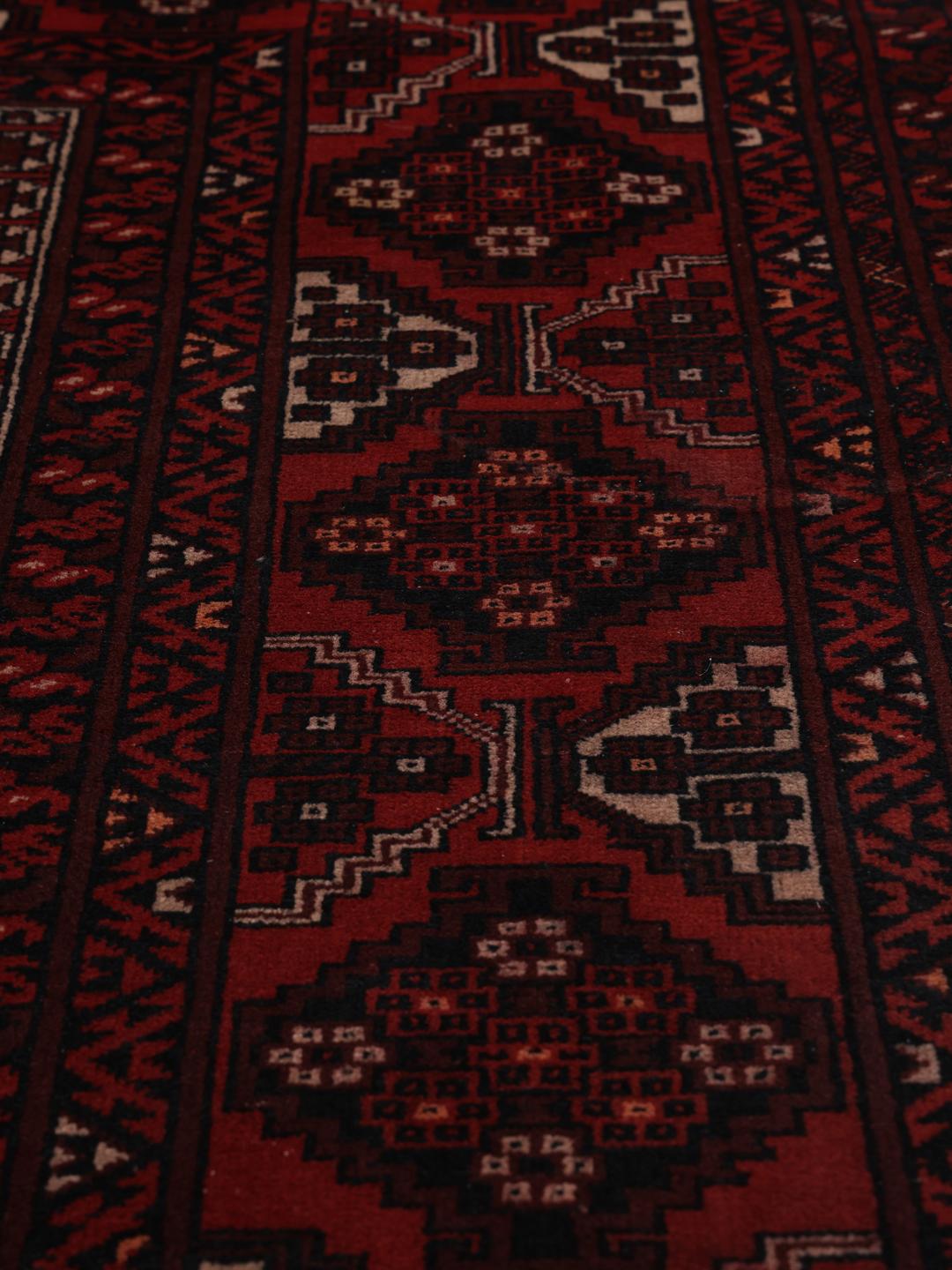
Visually, these rugs are known for their bold, geometric language. You will often find the field filled with repeating motifs that draw inspiration from the surrounding natural and cultural environment, enclosed by formal, detailed borders that frame the composition. The use of deep, earthy reds is a hallmark of the tradition, providing a warm and grounding aesthetic that fits seamlessly into a variety of spaces.
Collecting a rug from this tradition is an act of preserving cultural heritage. Each piece carries the signature of its maker and the influence of its regional origin, making it a valuable acquisition for those who appreciate the intersection of skill, history, and utility. Owning a Kunduz rug is an opportunity to house a piece of living history that celebrates the enduring value of human creativity.