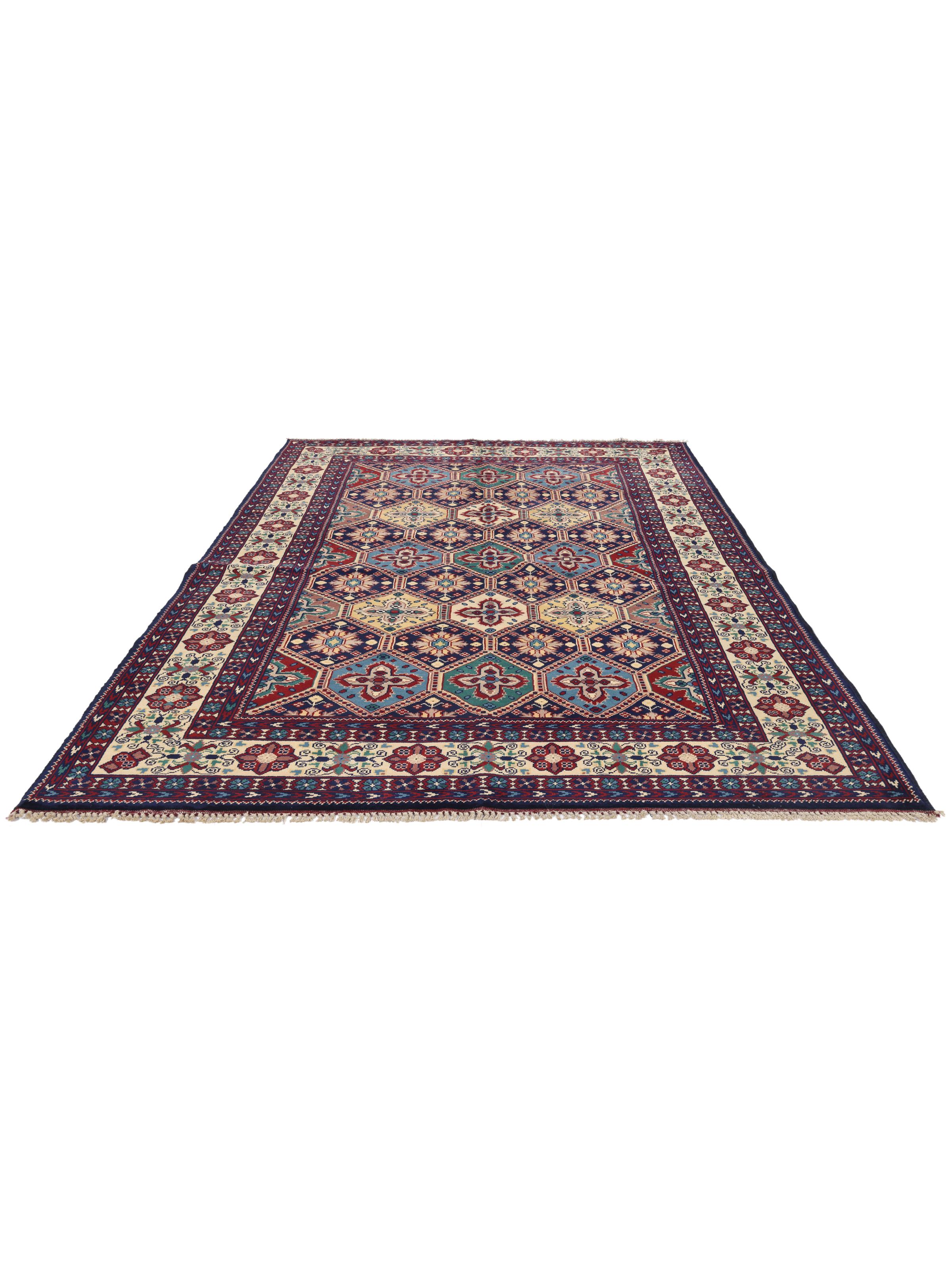
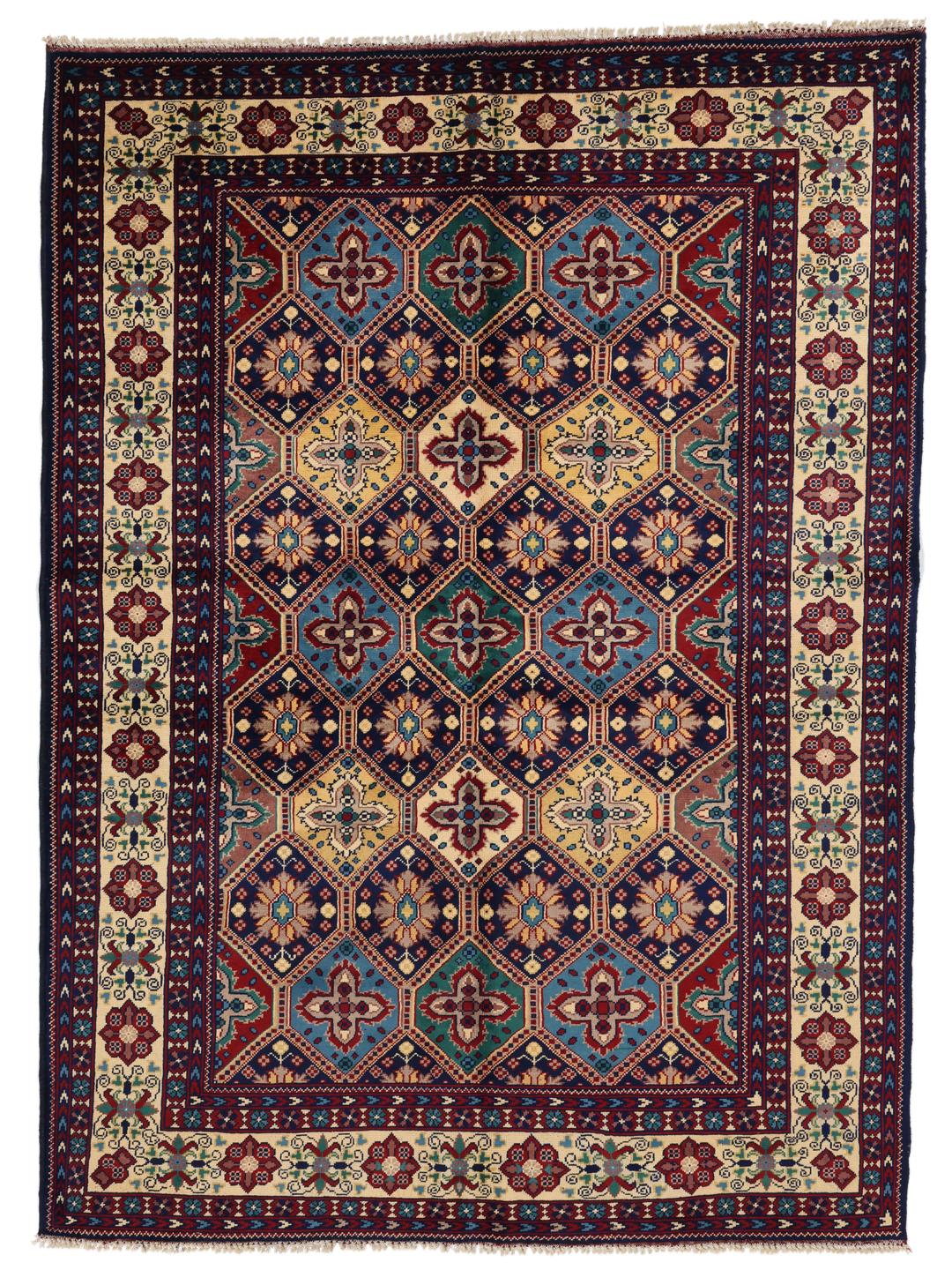
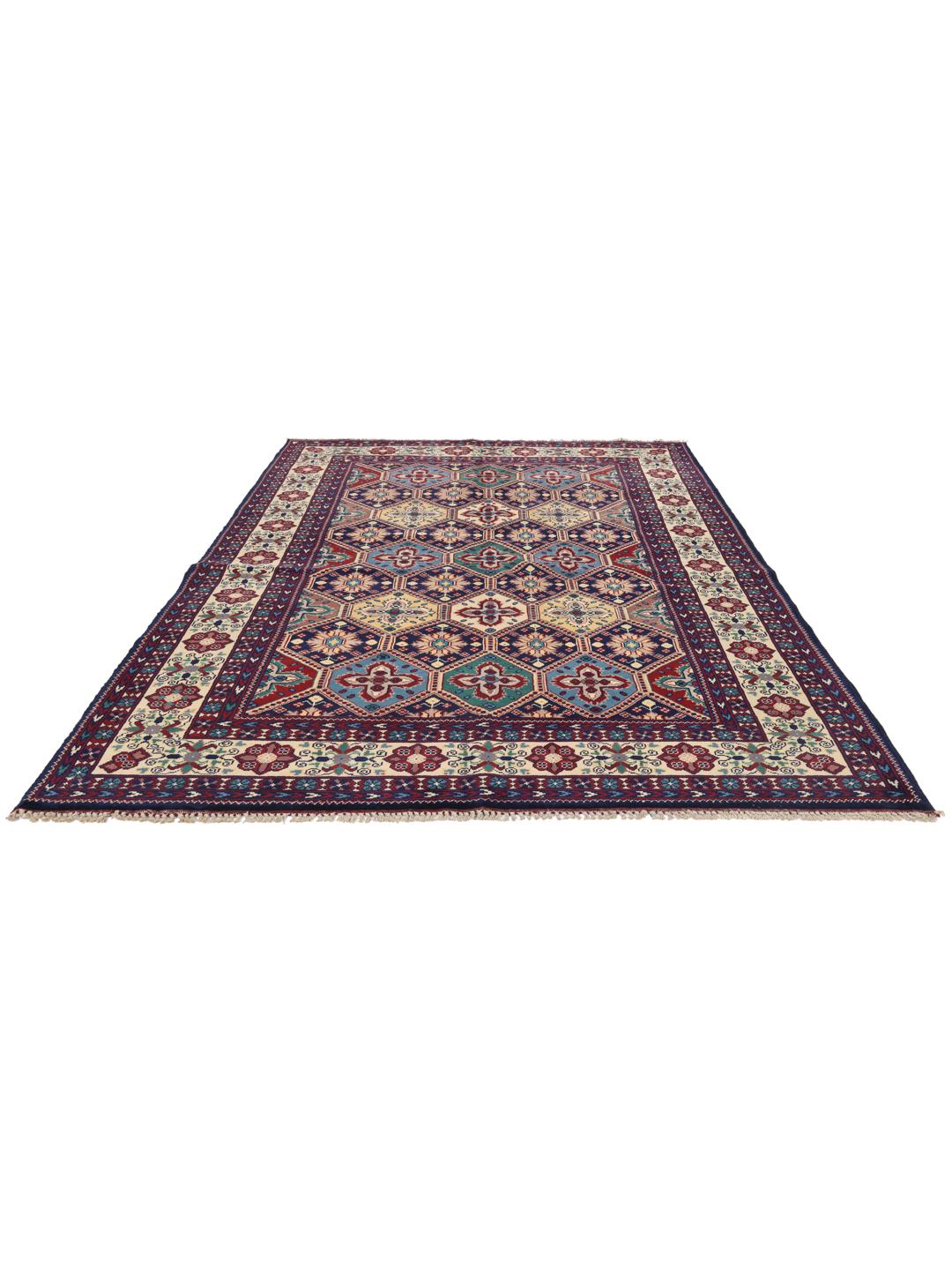
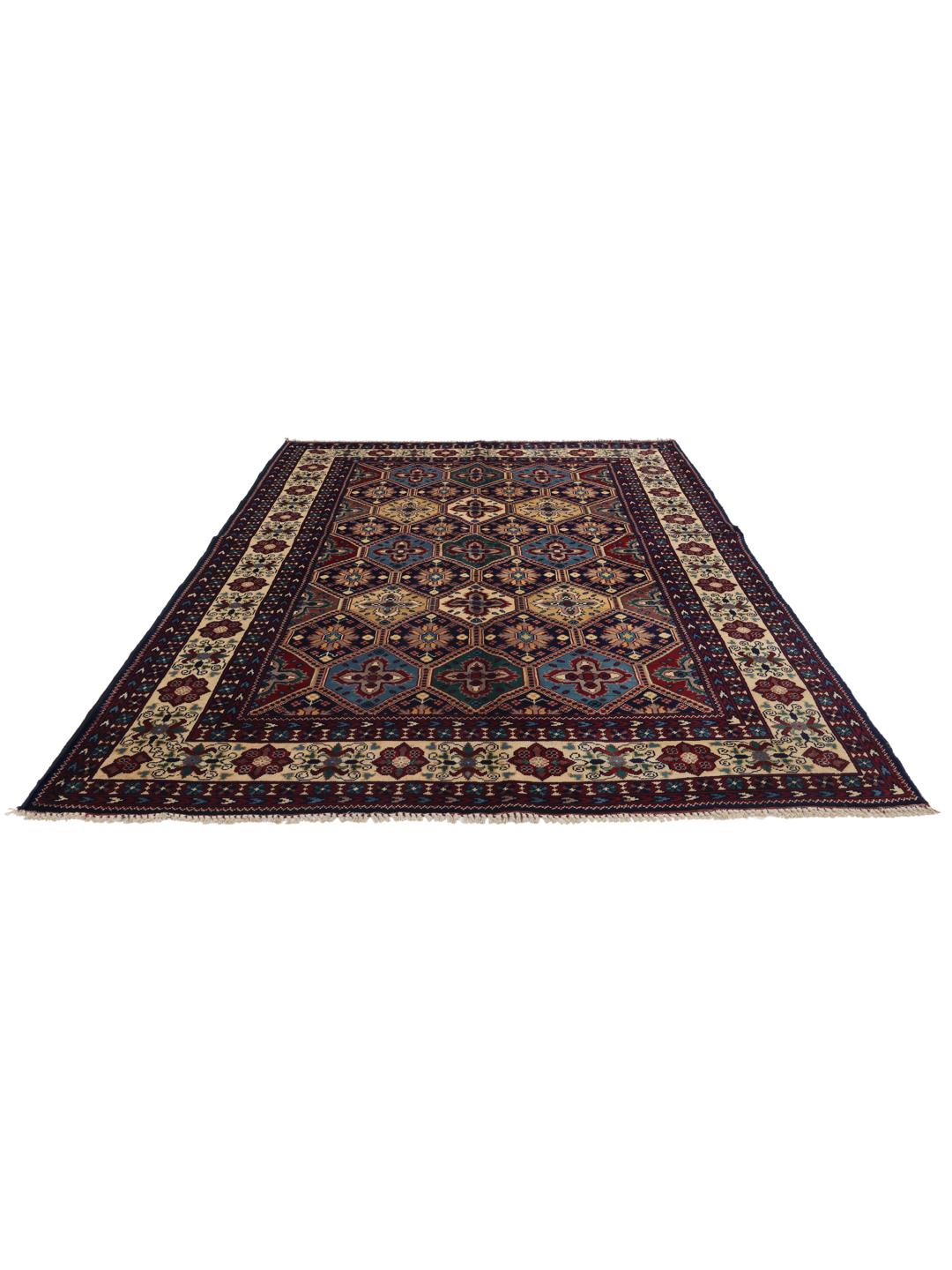
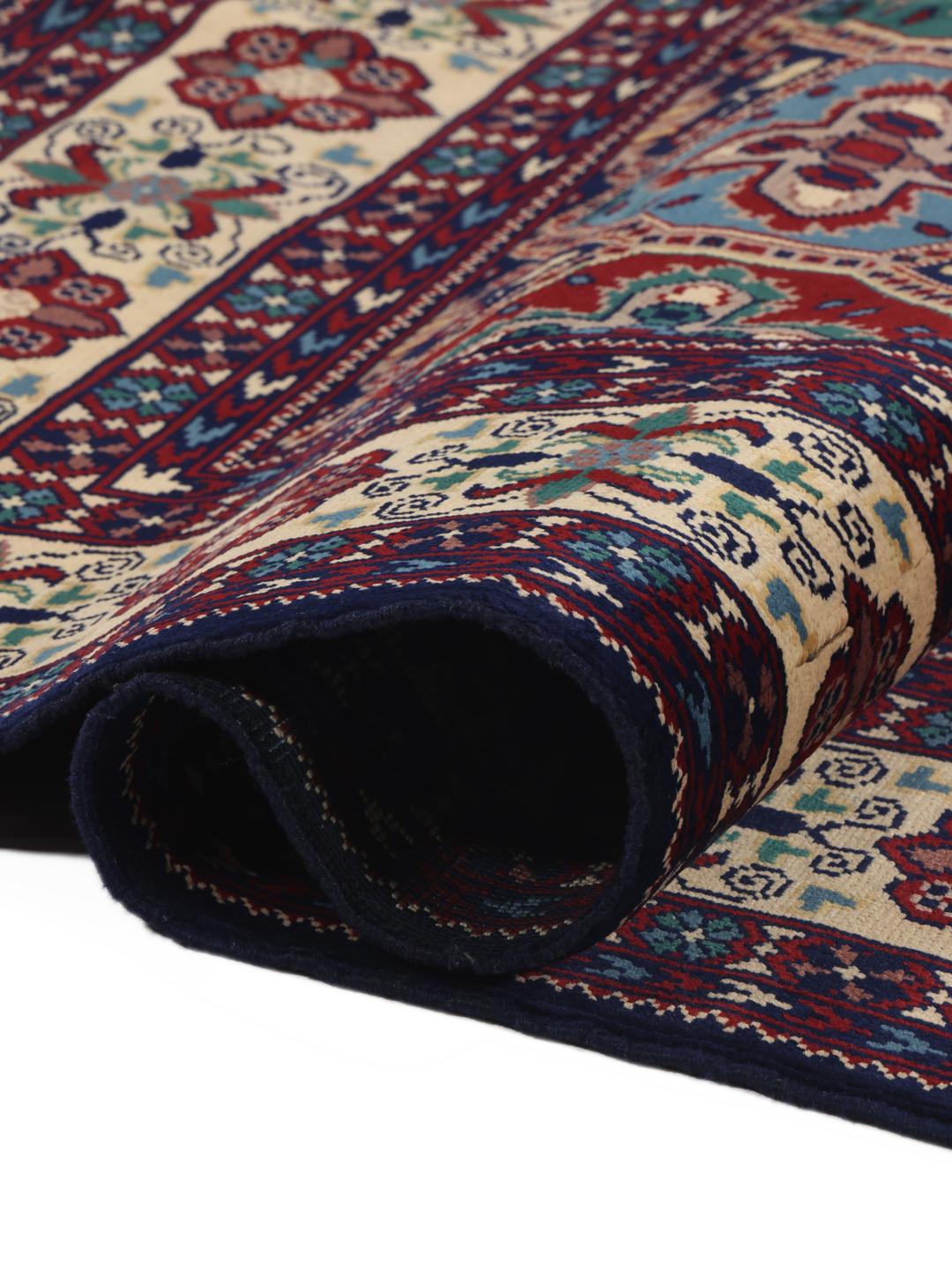
The Kunduz rug tradition finds its roots in northern Afghanistan, a region with a deep and storied history of nomadic and sedentary weaving. These rugs are highly regarded for their robust construction and the use of high-quality wool, which is often sourced from local mountain sheep. The region of Kunduz acts as a cultural crossroads, where various design influences converge to create a distinct, recognisable aesthetic.
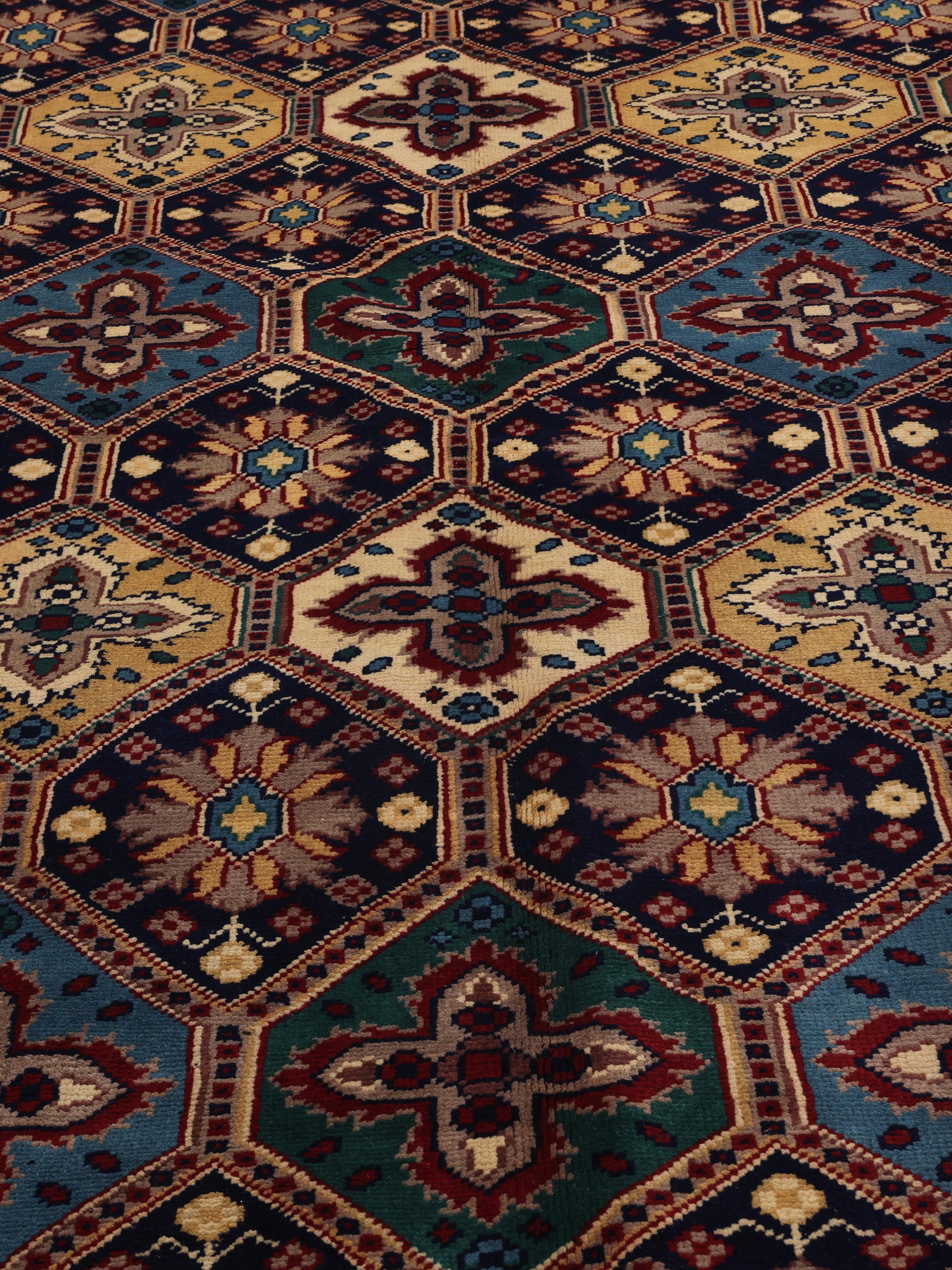
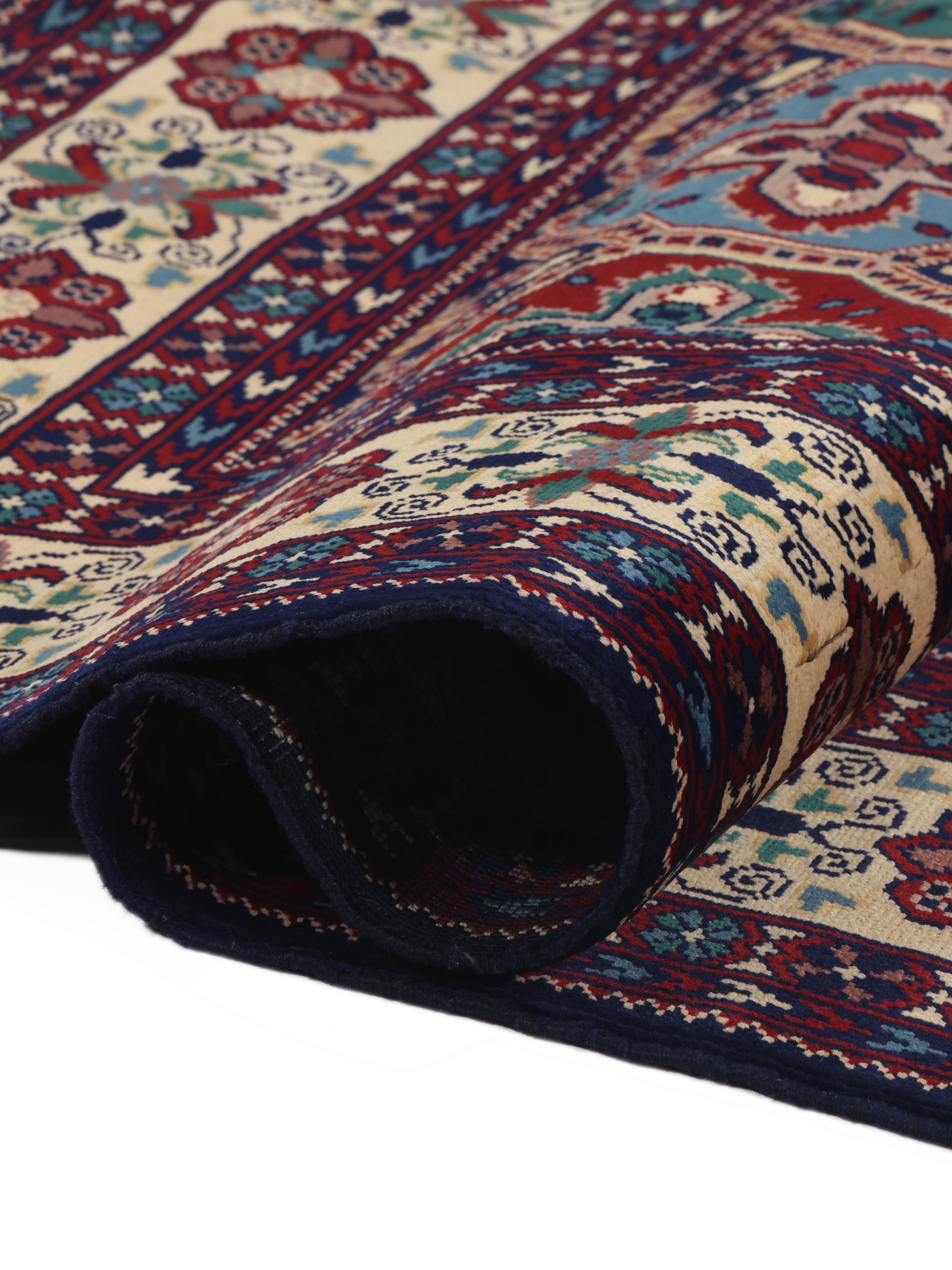
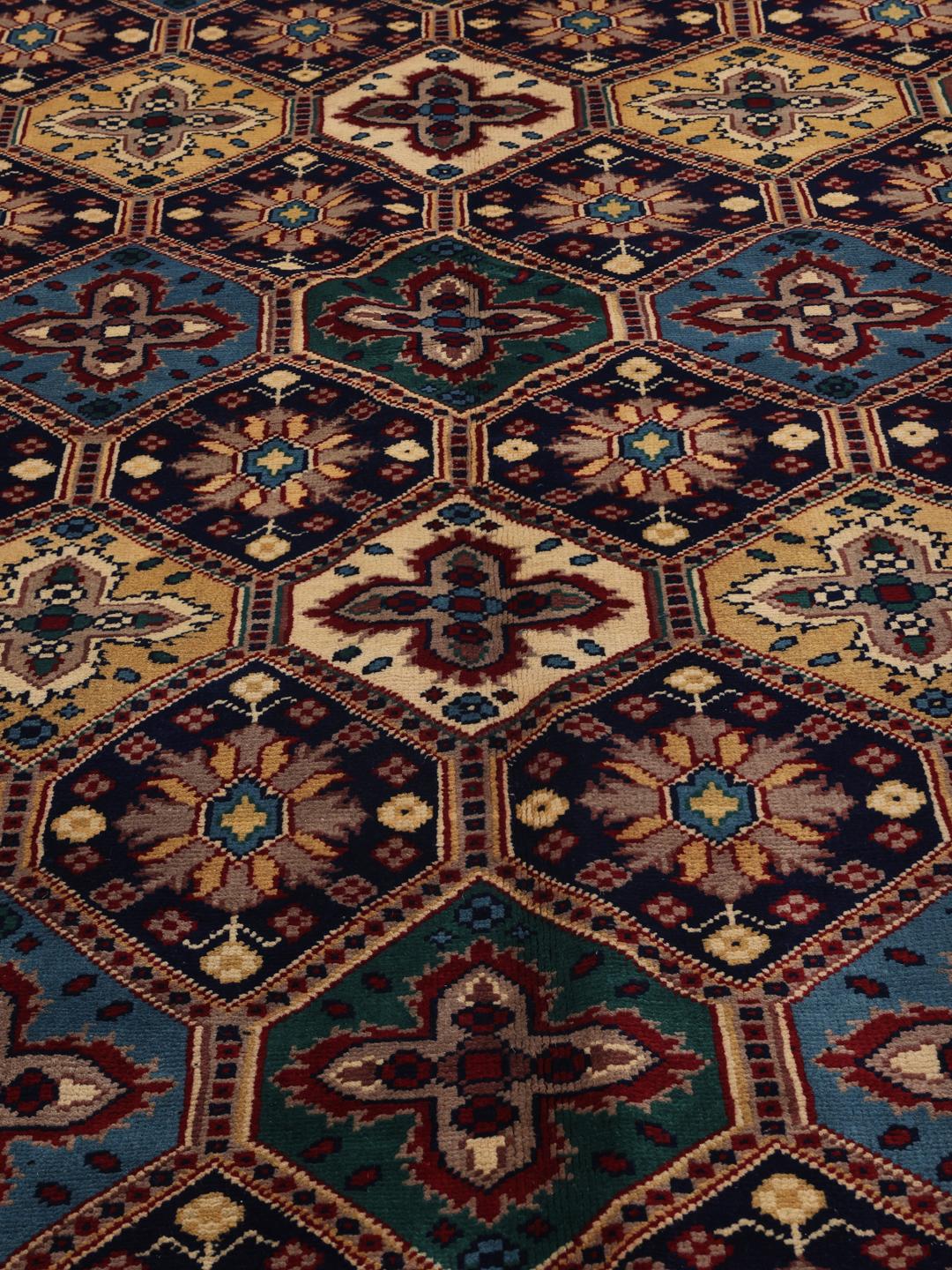
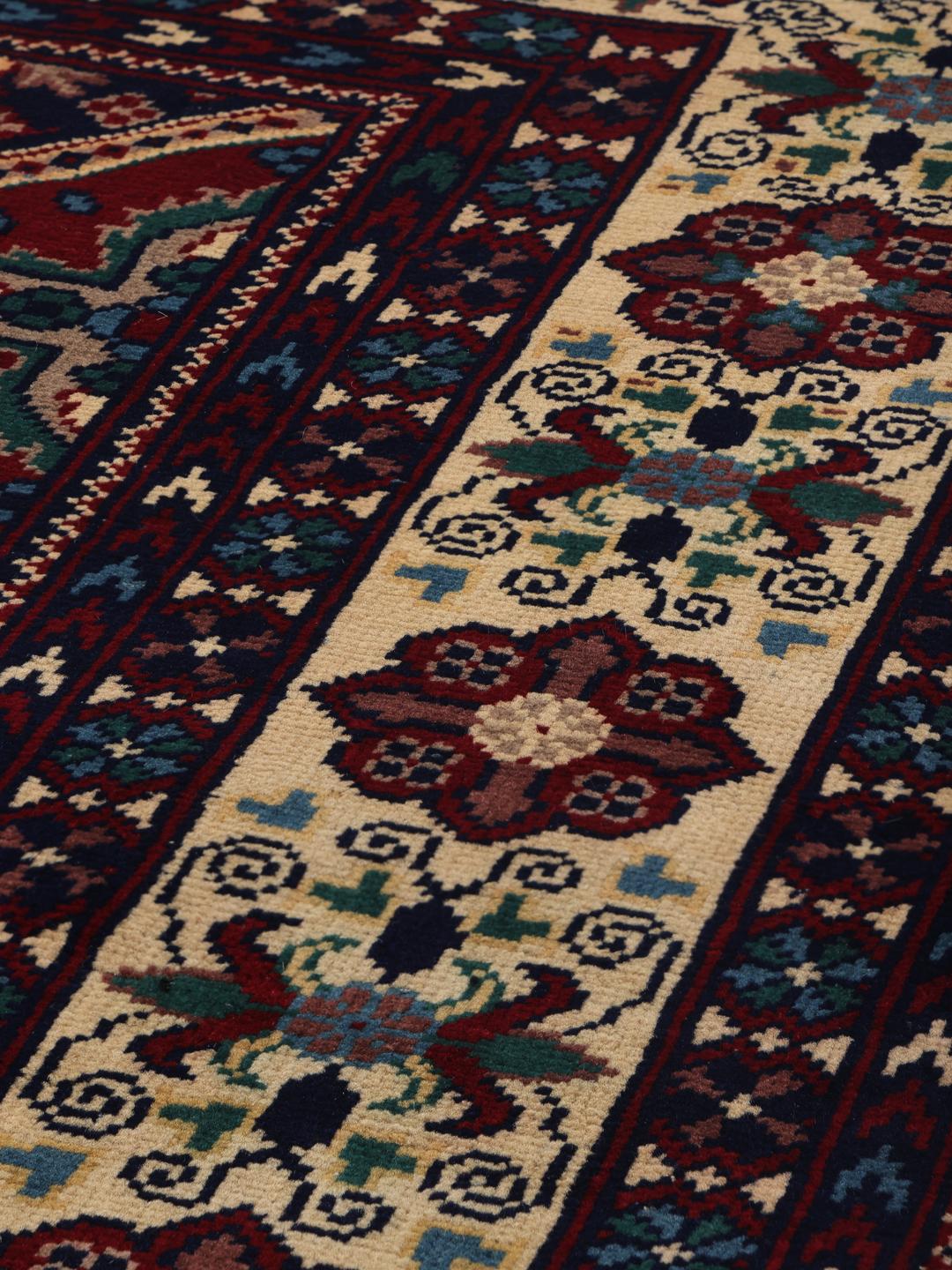
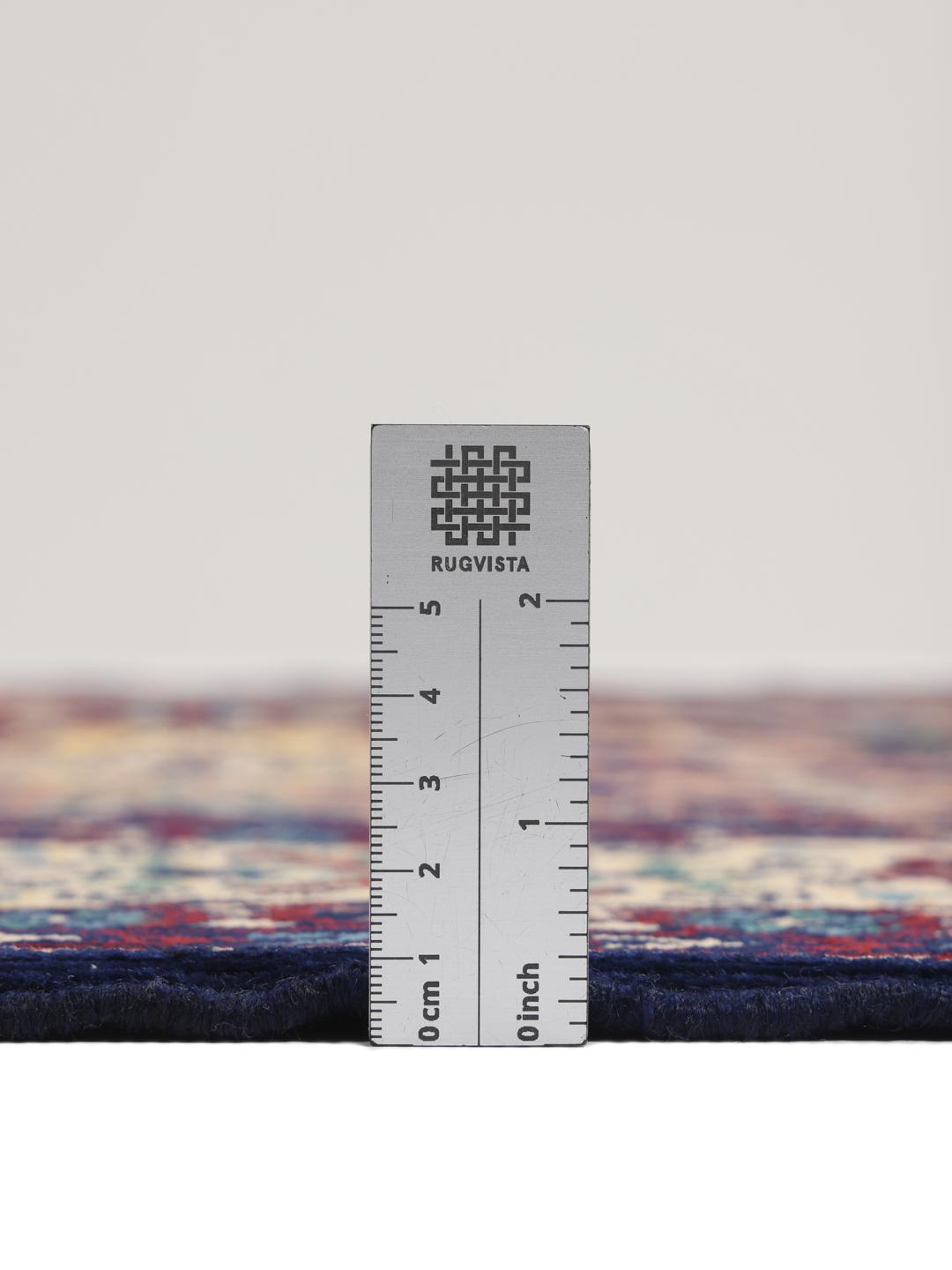
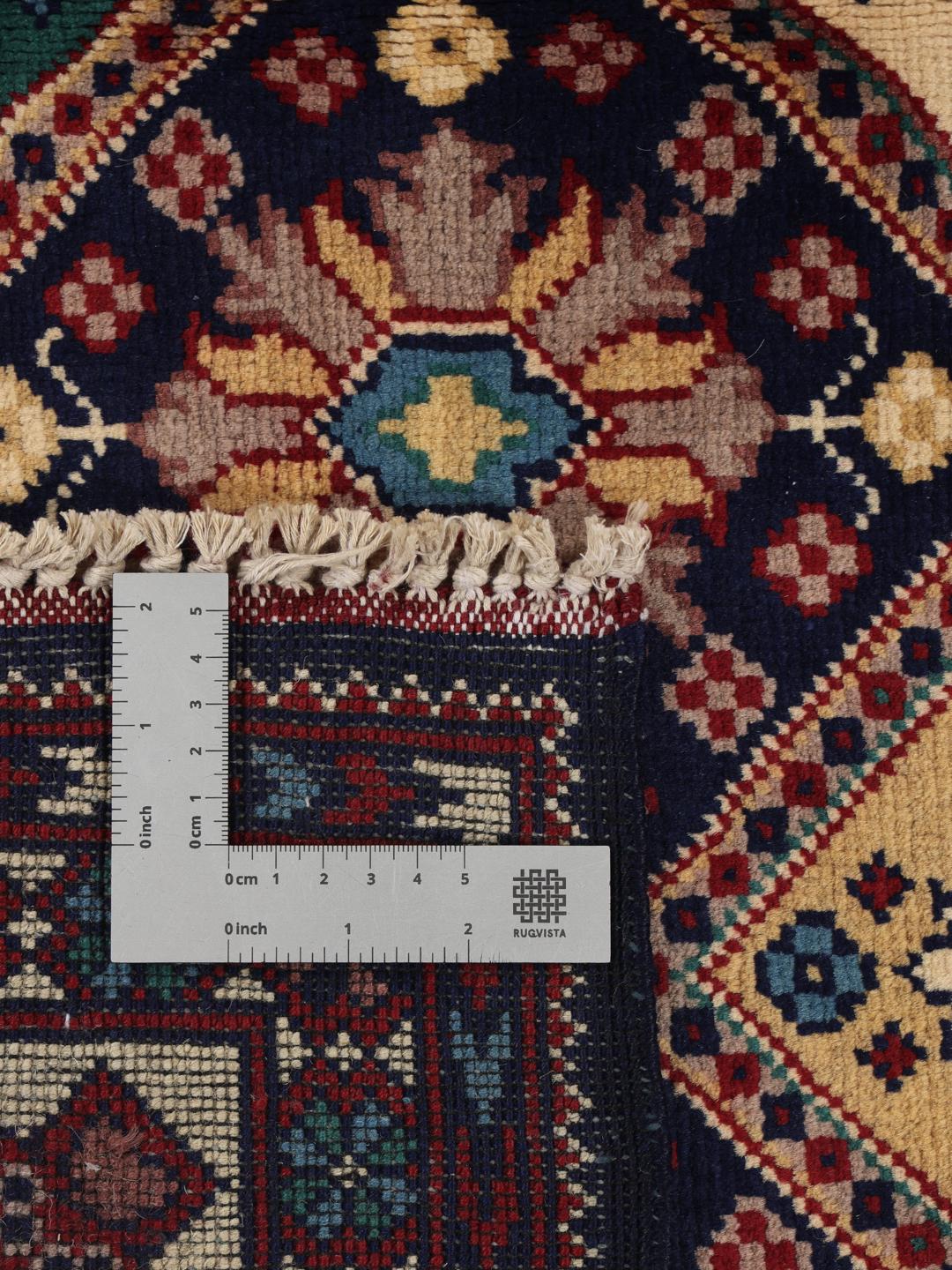
In the world of rug making, technical terms often reflect the specific regional approach to construction. The hand-knotted technique used here involves wrapping individual strands of wool around the warp and weft threads, creating a pile that is deeply connected to the foundation of the rug. This method is the hallmark of quality, ensuring that the rug is not only durable but also maintains its shape and pattern clarity over time.
The design language of a Kunduz rug is characterised by its bold geometric motifs and structured layouts. You will frequently find repeating patterns, such as medallions or angular floral shapes, enclosed within complex, multi-layered borders. These patterns are not merely decorative but are deeply symbolic, reflecting the environment and the cultural narratives of the weavers who have passed these traditions down through generations.
Collectors and enthusiasts value these rugs for their authenticity and the sheer skill required to produce them. Owning a Kunduz rug is an investment in a living tradition, representing a commitment to craftsmanship that resists the convenience of modern manufacturing. It is a piece that carries the weight of history and the personal touch of its creator, offering a level of character that mass-produced items cannot replicate.