Koliai rugs originate from the mountainous regions of the Middle East, crafted by the Kurdish tribes who have lived in these lands for centuries. These rugs are deeply tied to the nomadic and semi-nomadic lifestyles of their weavers, who translate their natural surroundings and ancestral stories into the geometric language of their textiles. The migration and evolution of these traditions have allowed the Koliai style to remain distinct, known for its rugged character and bold, confident design choices.
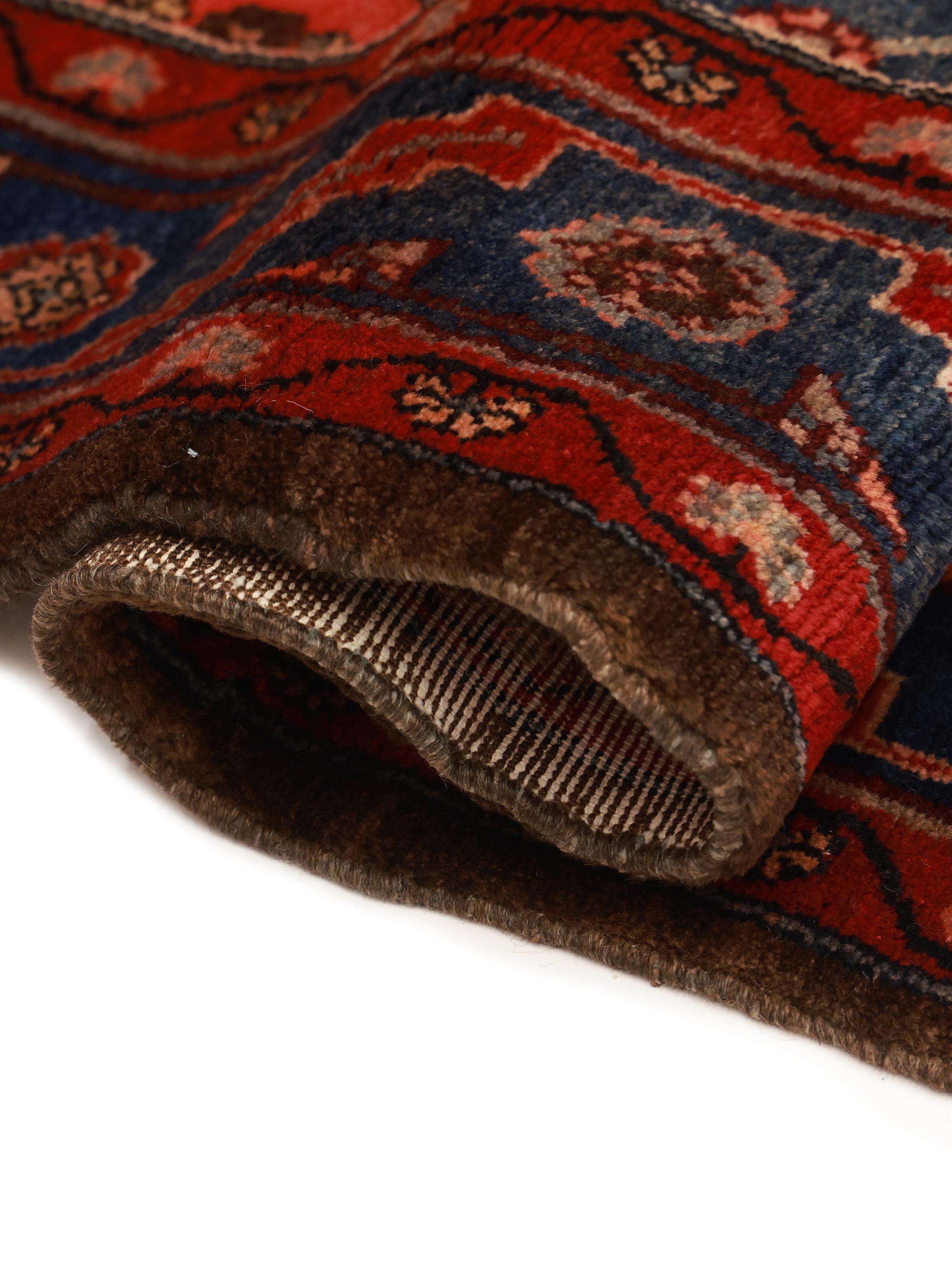
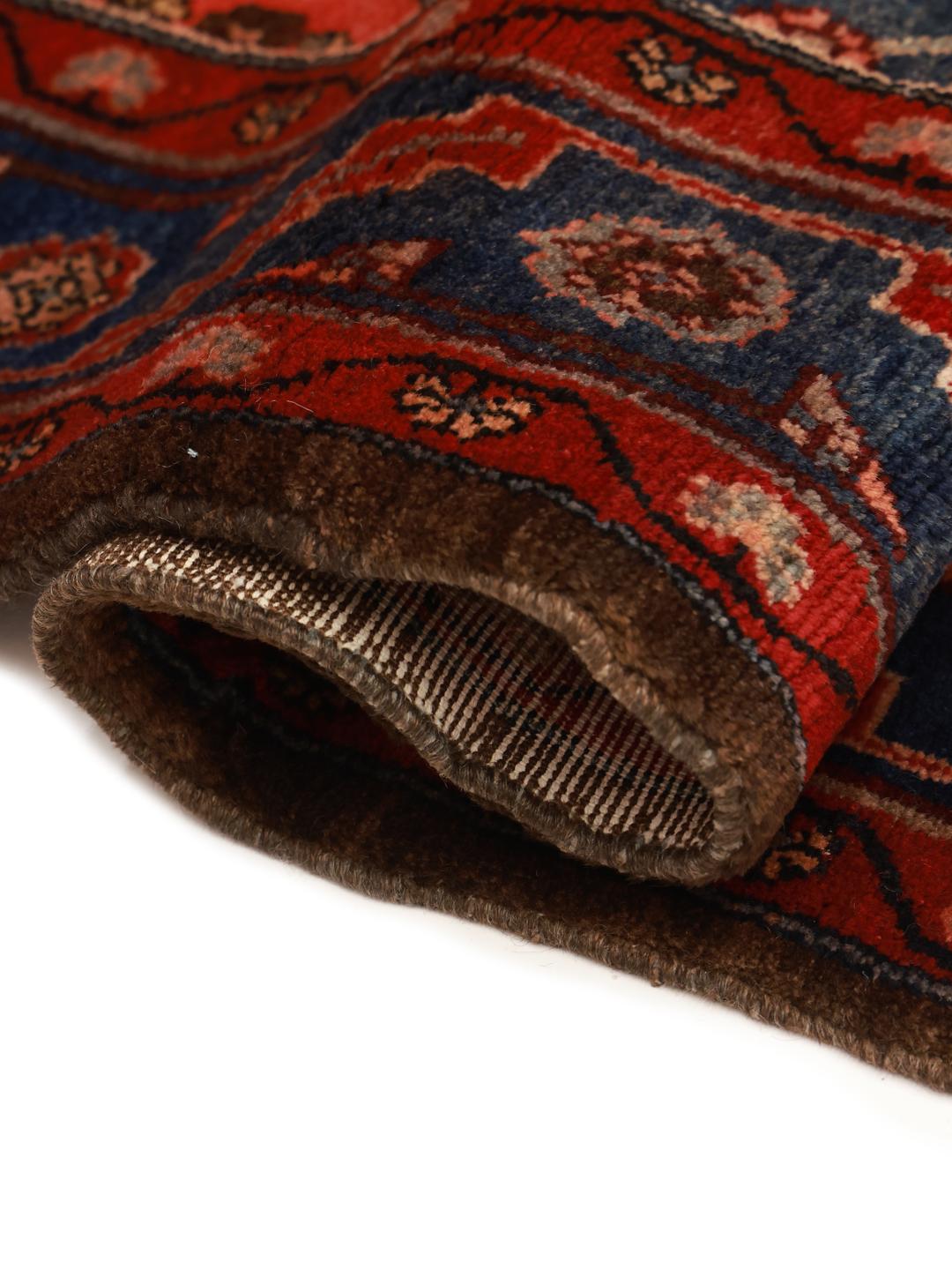
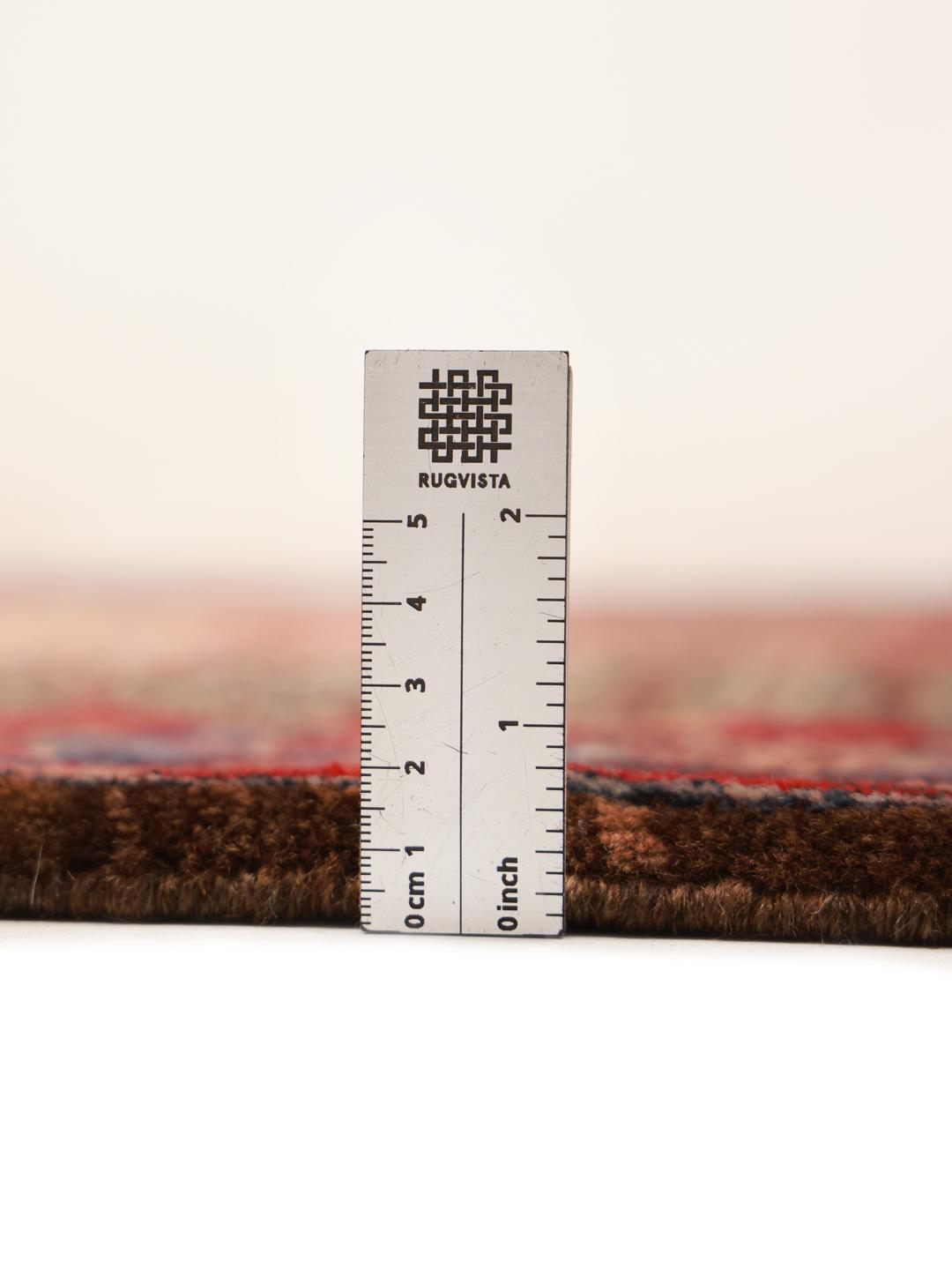
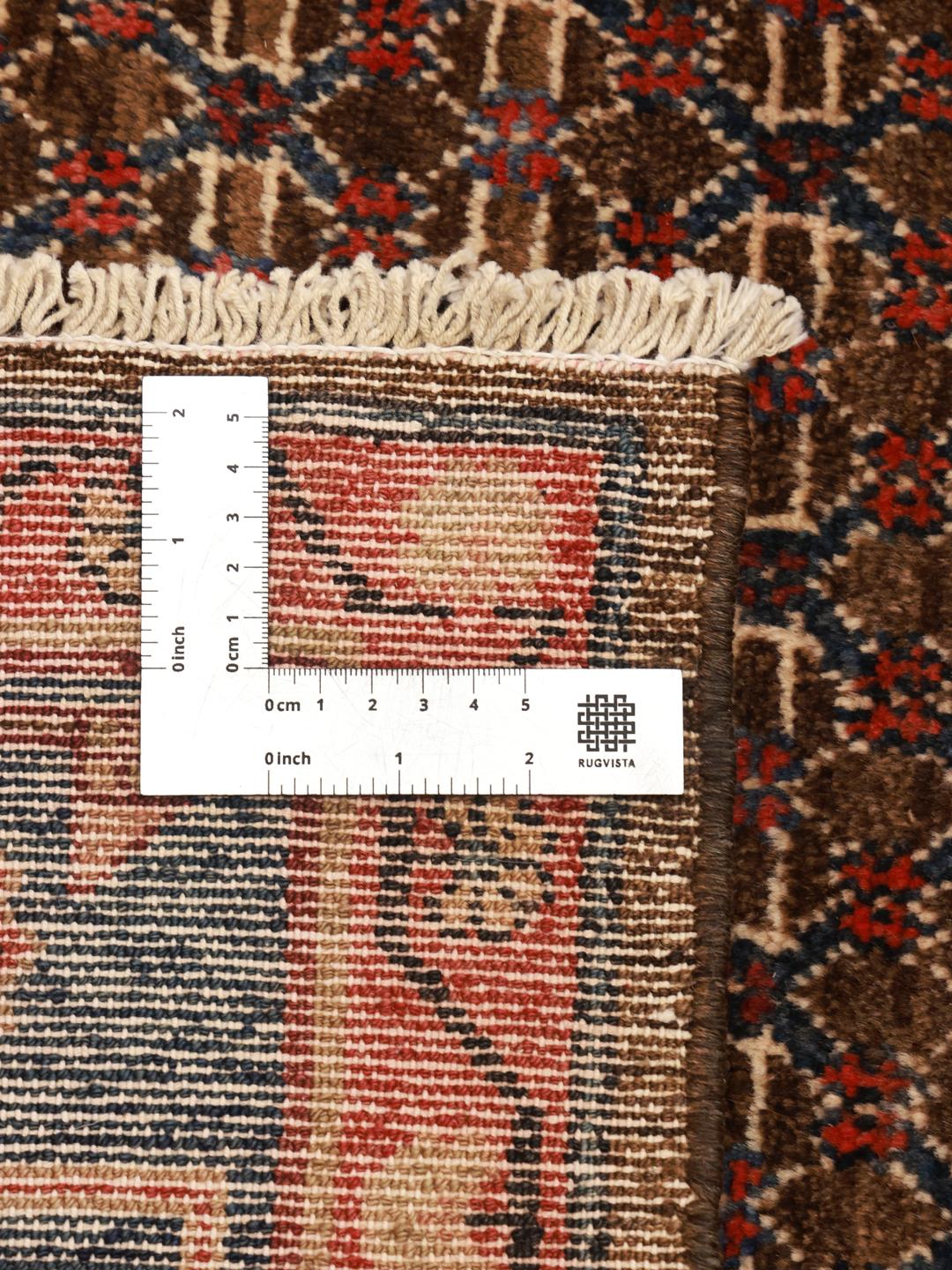
The construction of these rugs relies on a traditional hand-knotting technique that has been passed down through generations. This method is what gives the rug its signature density and pile depth, allowing for the intricate patterns to hold their shape over time. The use of high-quality wool, often sourced locally, results in a pile that is not only soft to the touch but also exceptionally resilient, making it a reliable choice for long-term use in the home.
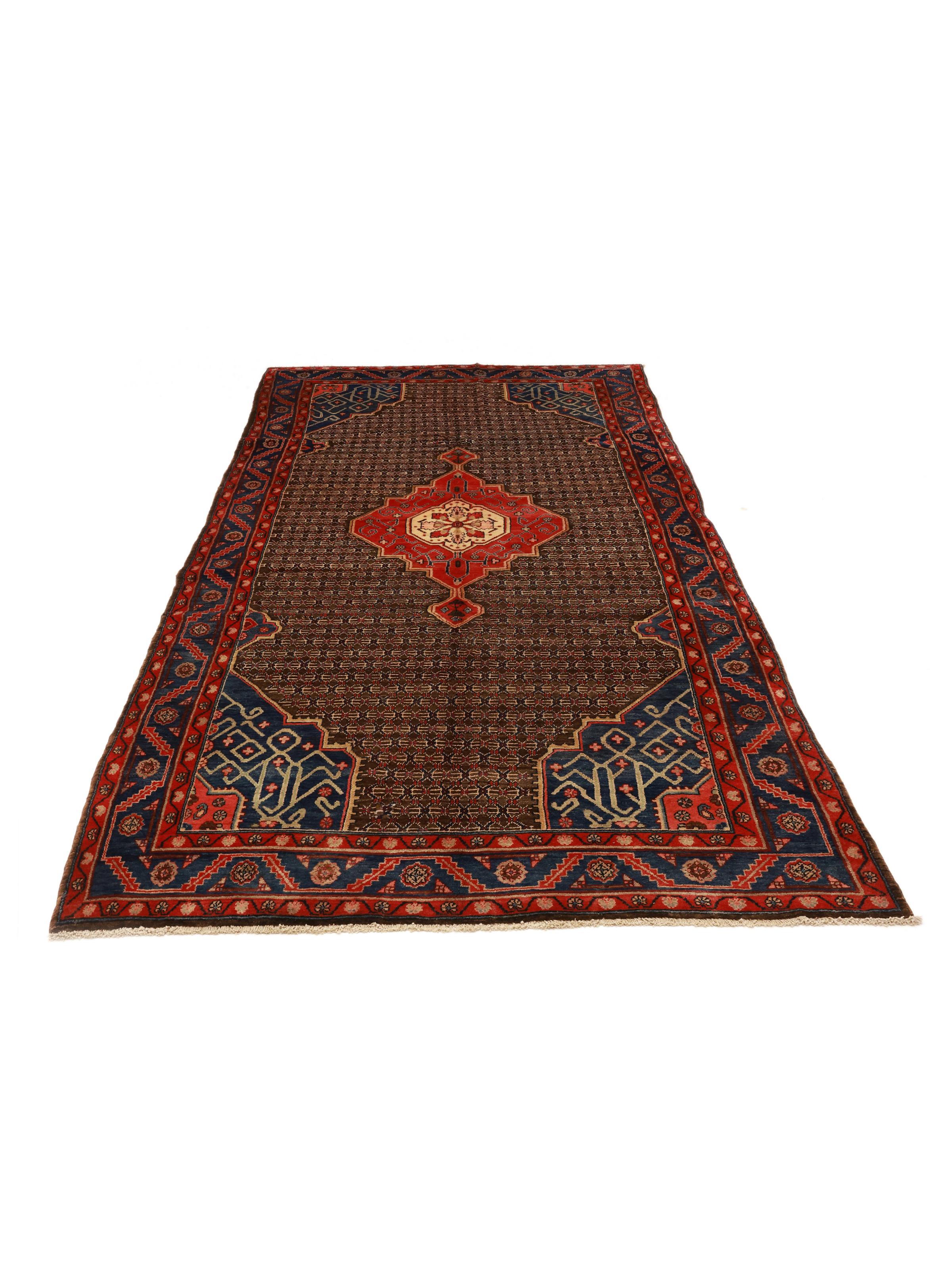
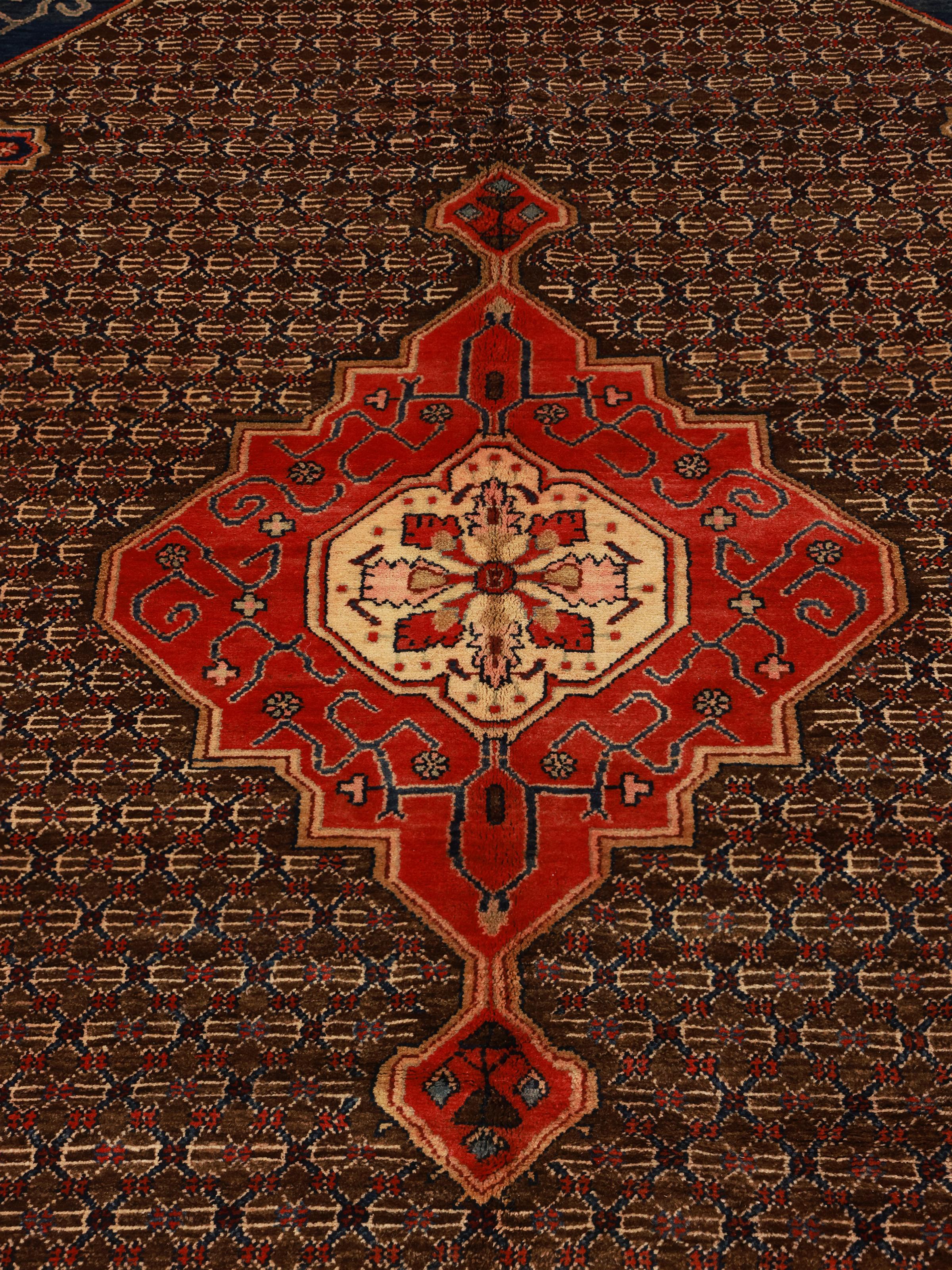
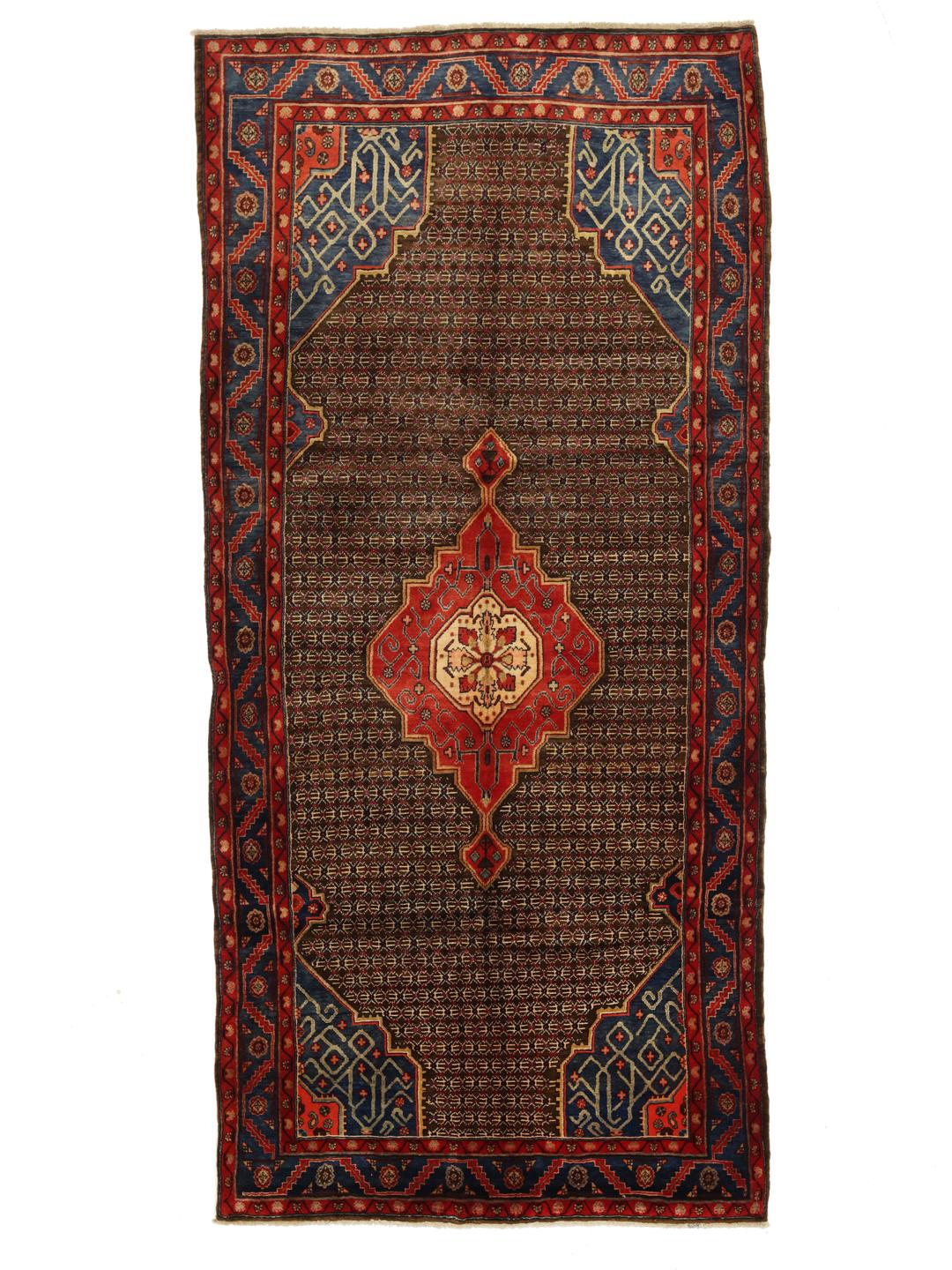
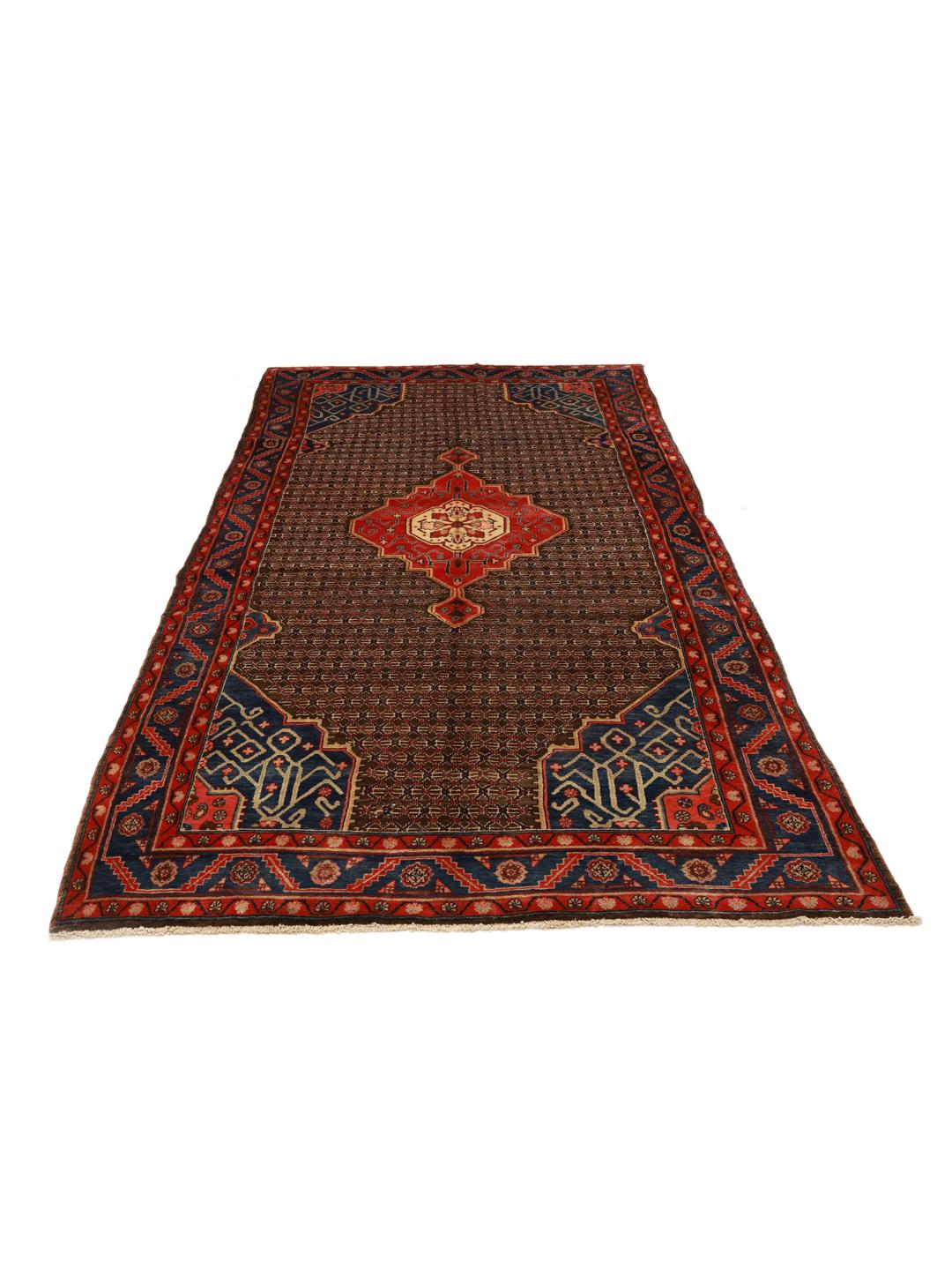
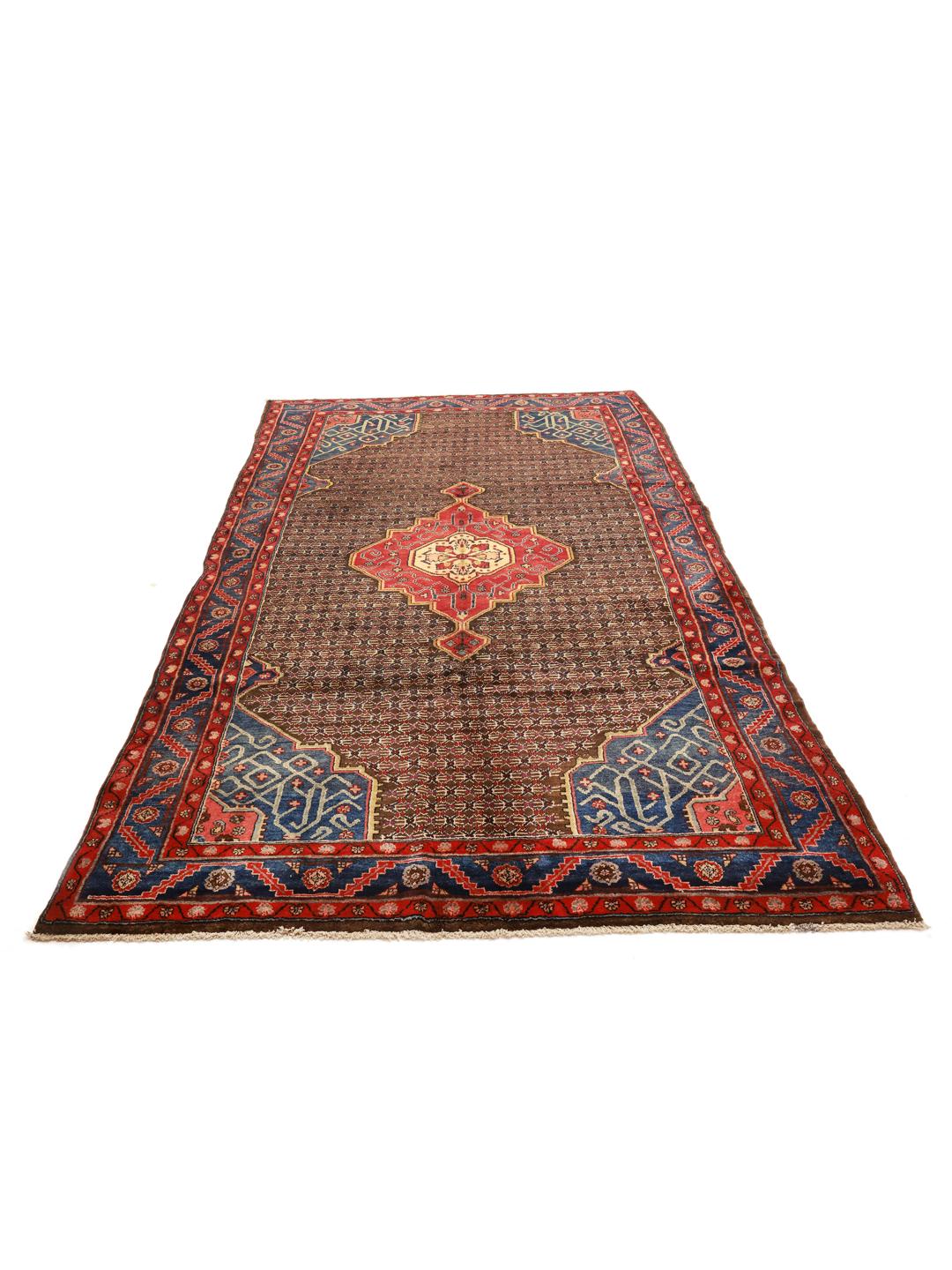
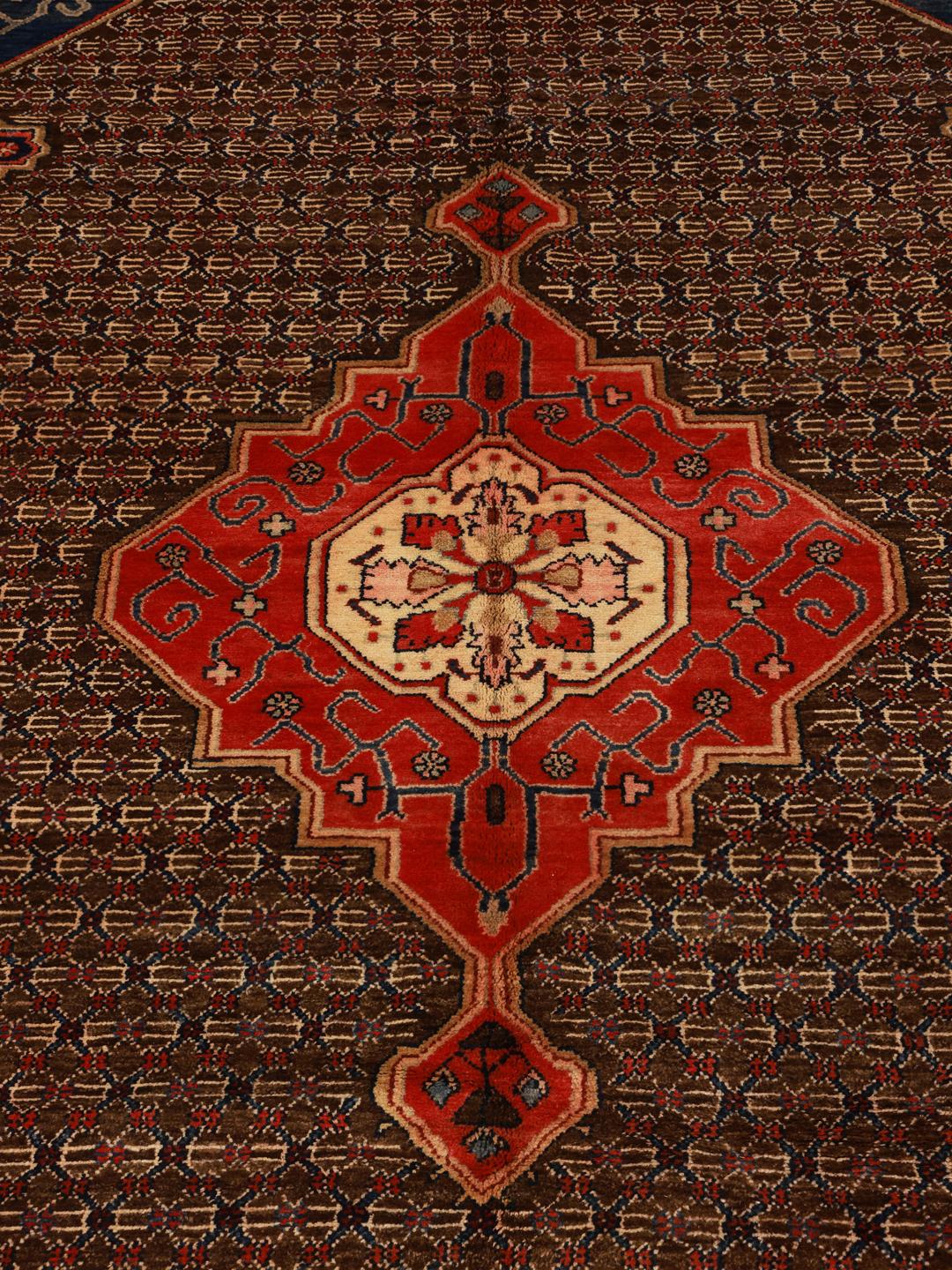
Visually, Koliai rugs are celebrated for their powerful geometric motifs and medallion-centered fields. The design language often features stylized tribal symbols, hooked edges, and dramatic borders that frame the composition. While many rugs follow traditional colour palettes, these pieces often surprise with their use of deep, saturated blues, vibrant reds, and earthy browns, which are achieved through age-old dyeing techniques that give the wool a beautiful, nuanced appearance.
Collecting a Koliai rug is an opportunity to own a piece of cultural heritage that embodies the skill and creative spirit of its makers. These rugs are valued not just for their utility, but for the story they tell of the people and the landscapes from which they emerge. By incorporating one into your home, you are preserving a tradition of artistry that prioritises human connection and enduring quality over the fleeting trends of mass production.