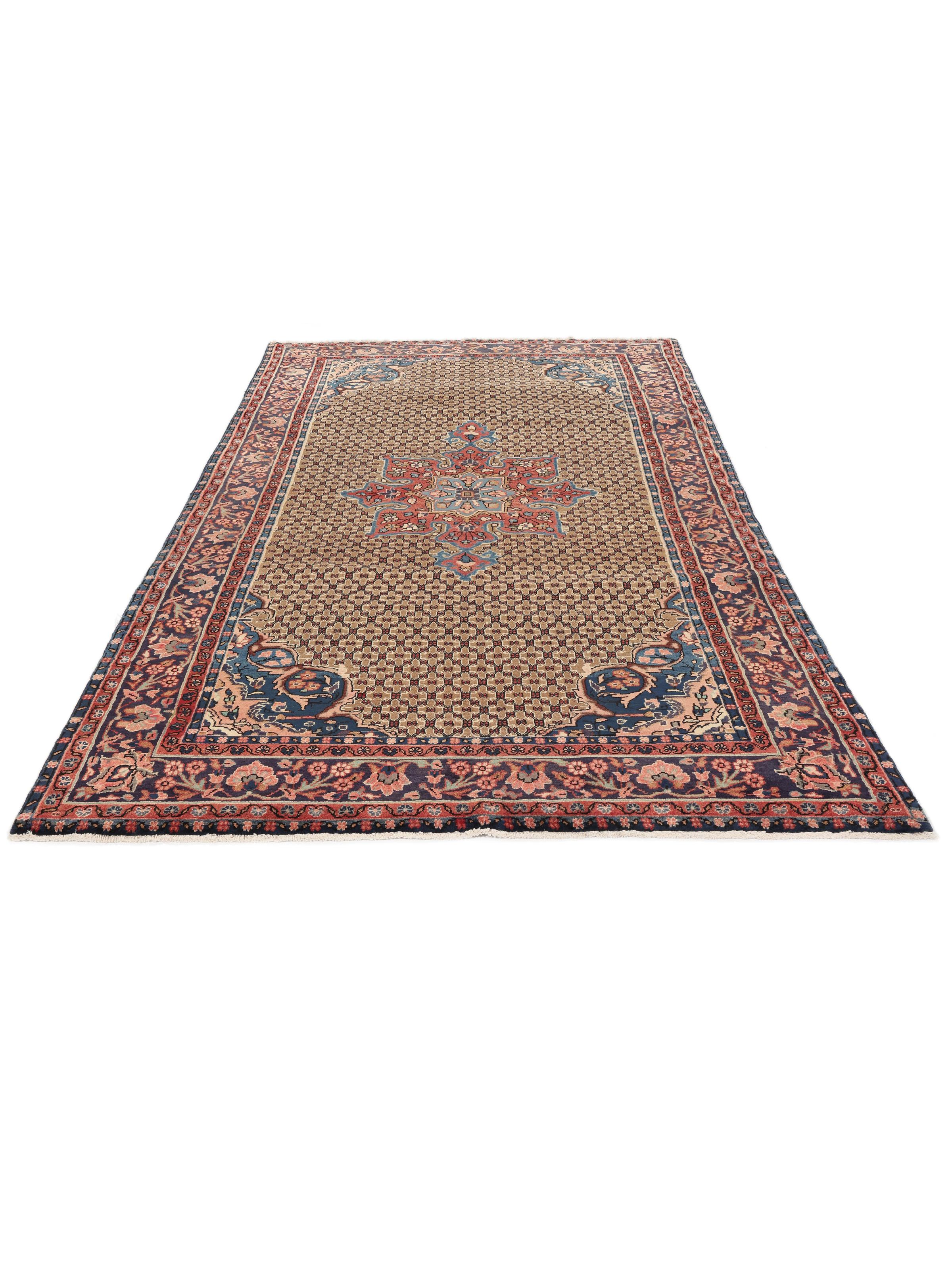
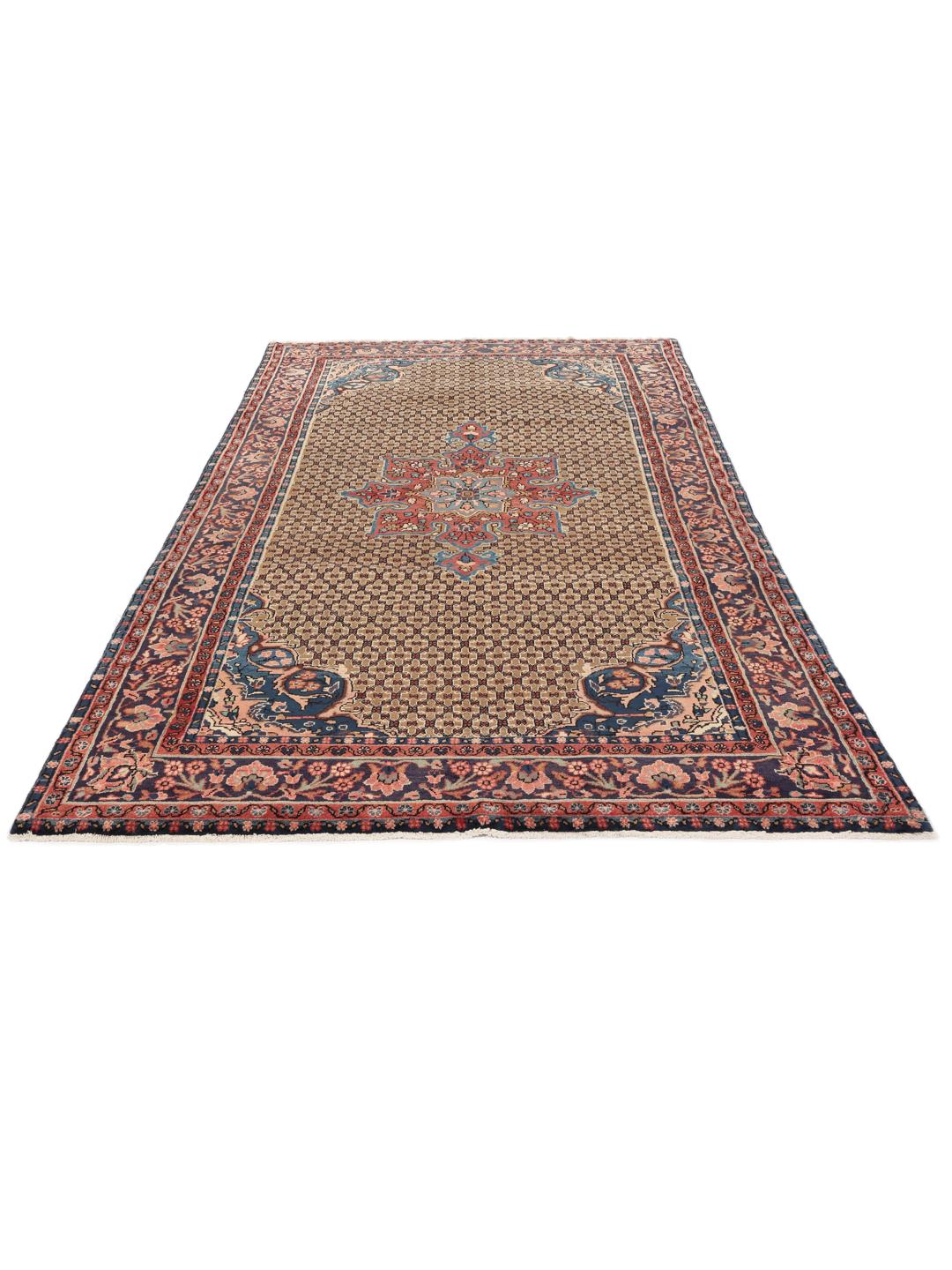
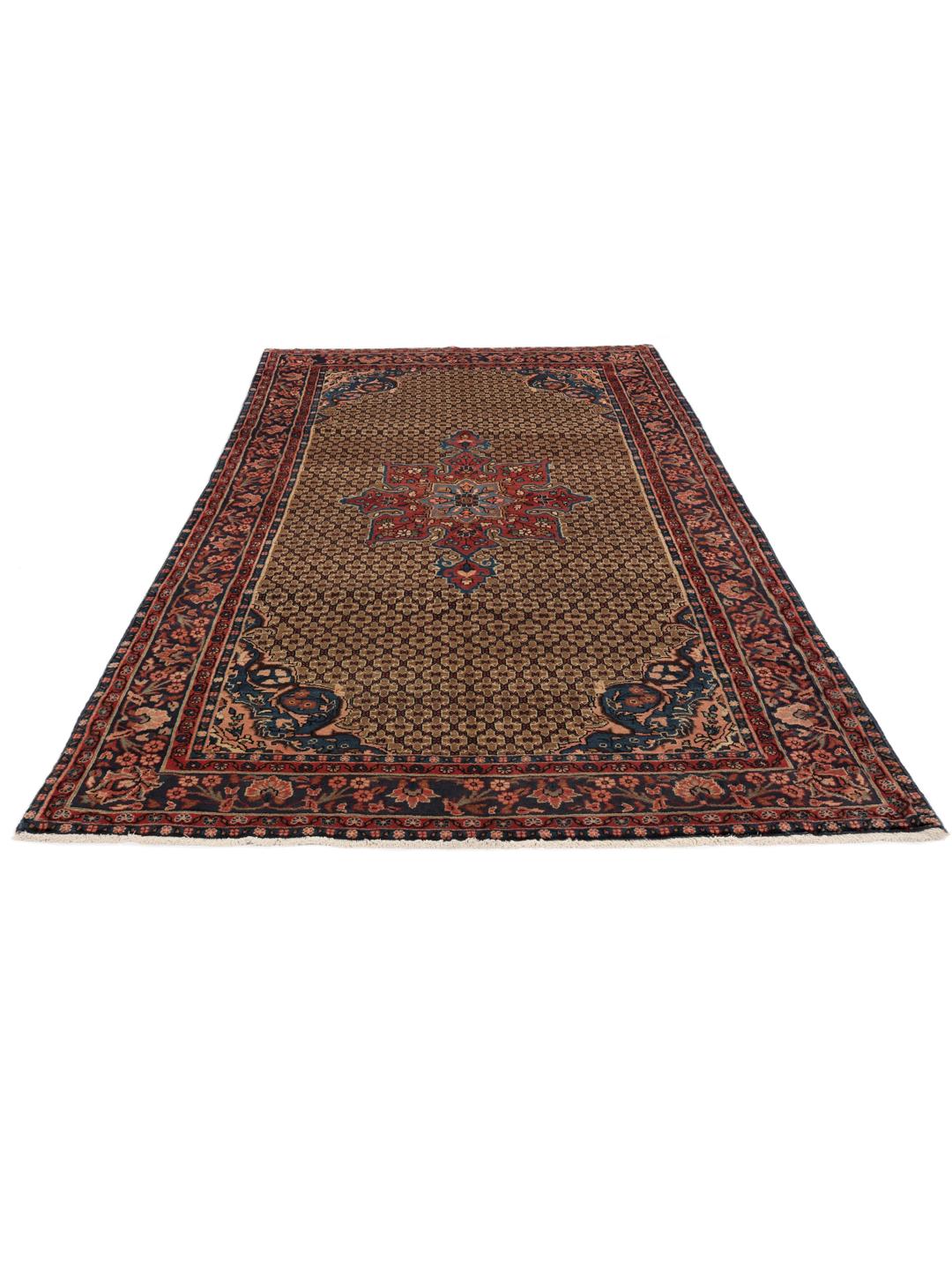
Koliai rugs originate from the mountainous regions of the Middle East, where they are traditionally woven by the Kurdish tribes. These rugs are renowned for their robust construction and vibrant, earthy colour palettes that reflect the rugged landscape of their home. Historically, these pieces were created for practical use within the home, serving as durable floor coverings, blankets, or even saddlebags, which is why they are built to withstand the test of time.
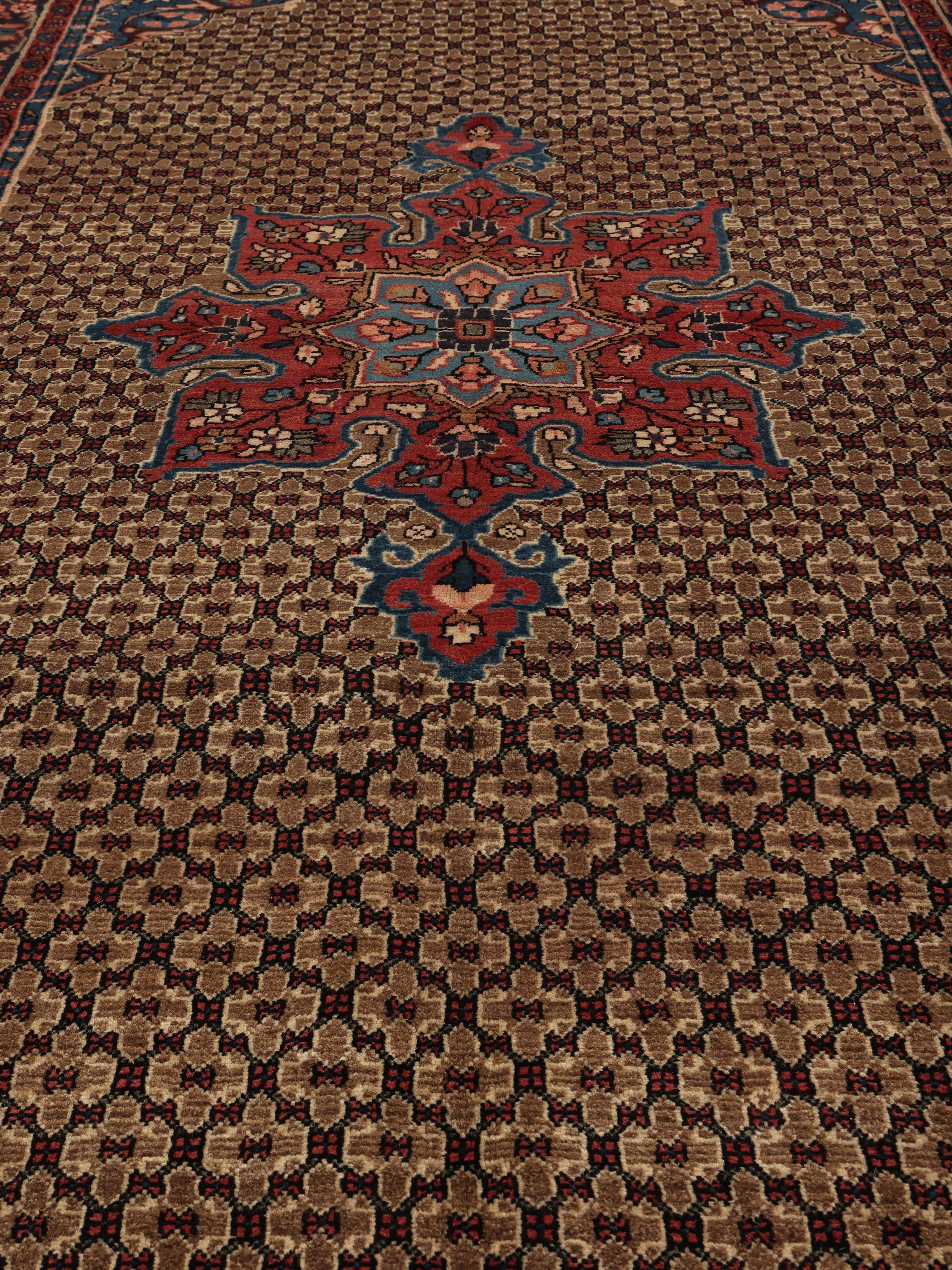
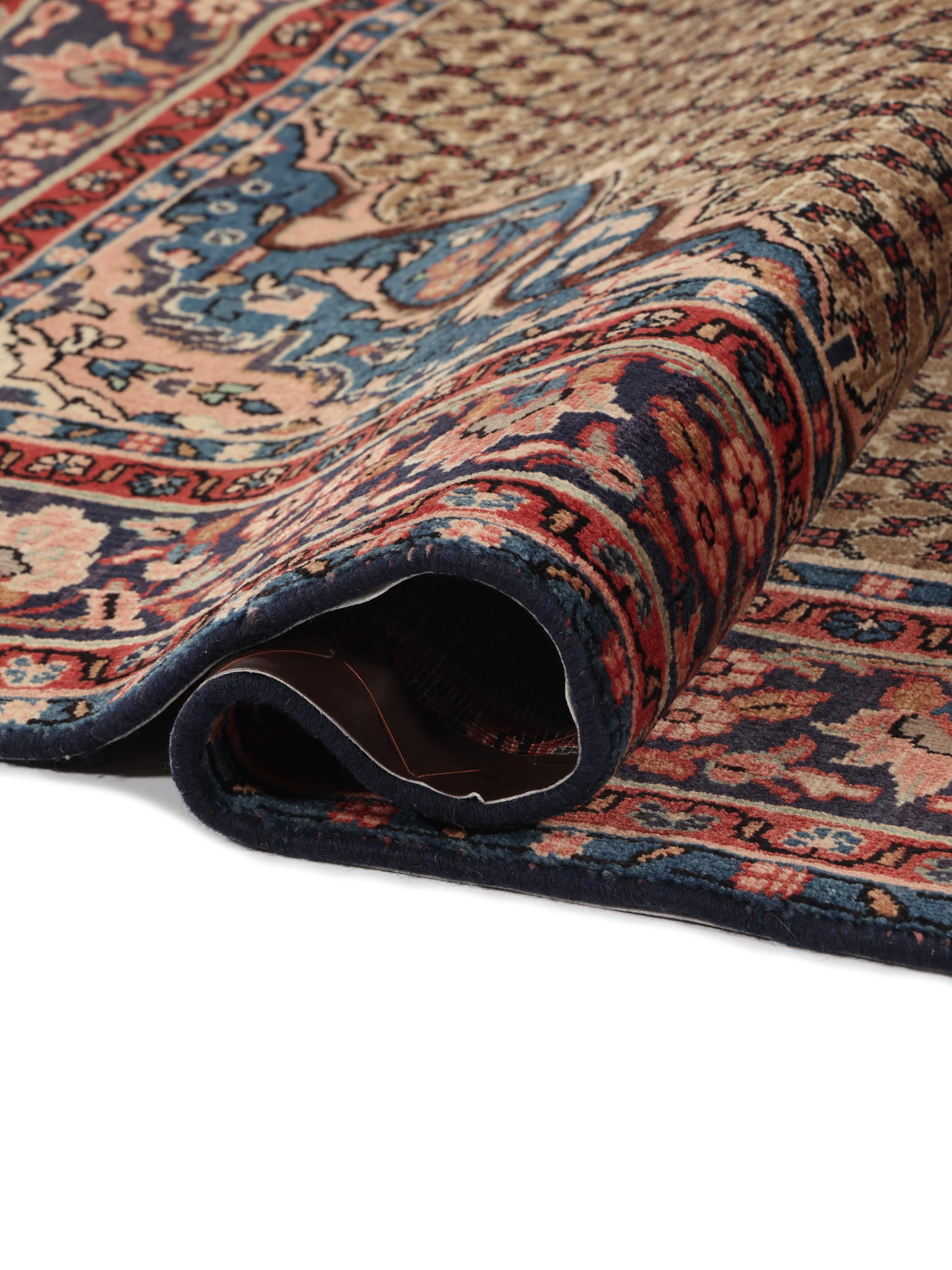
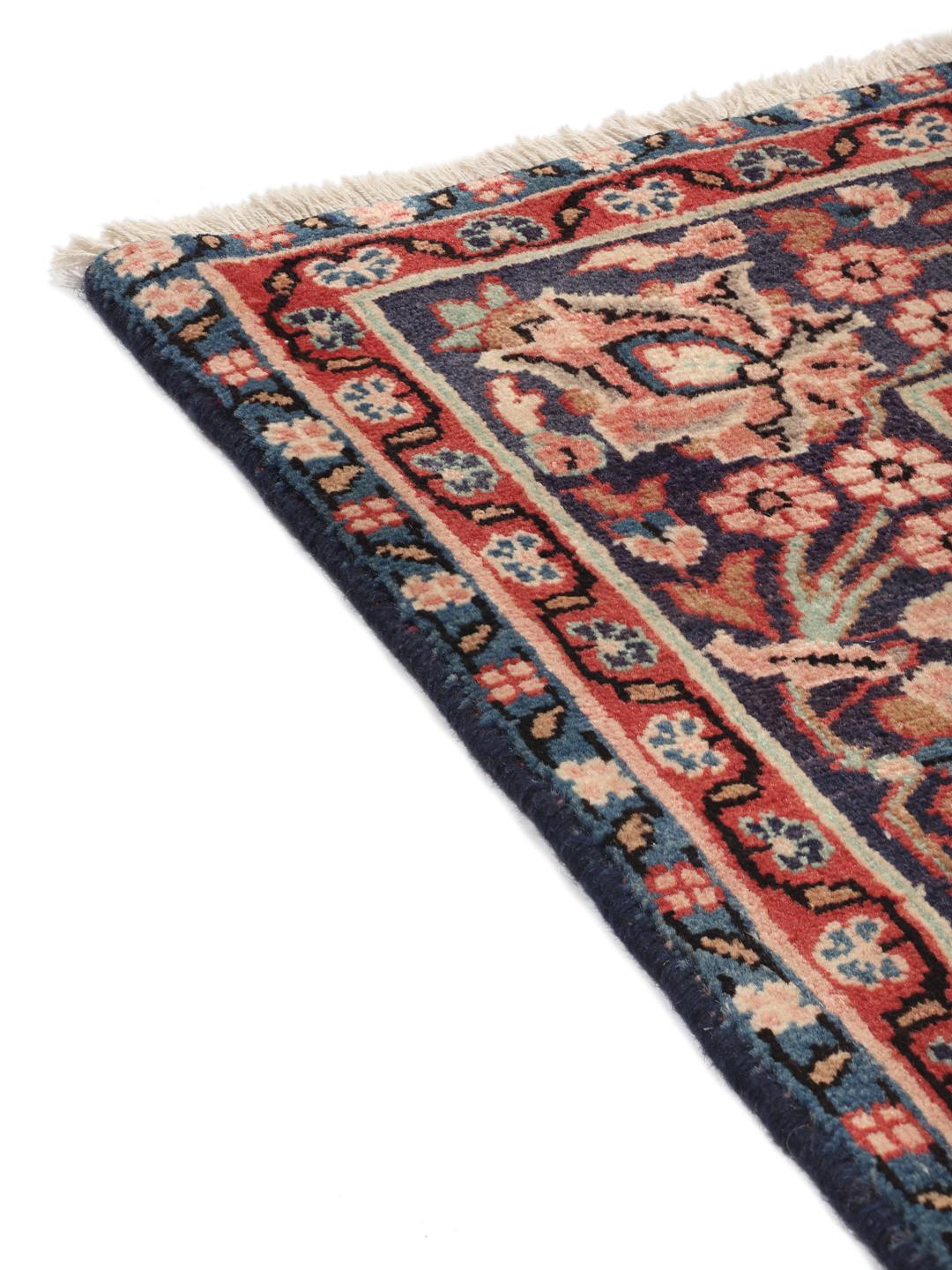
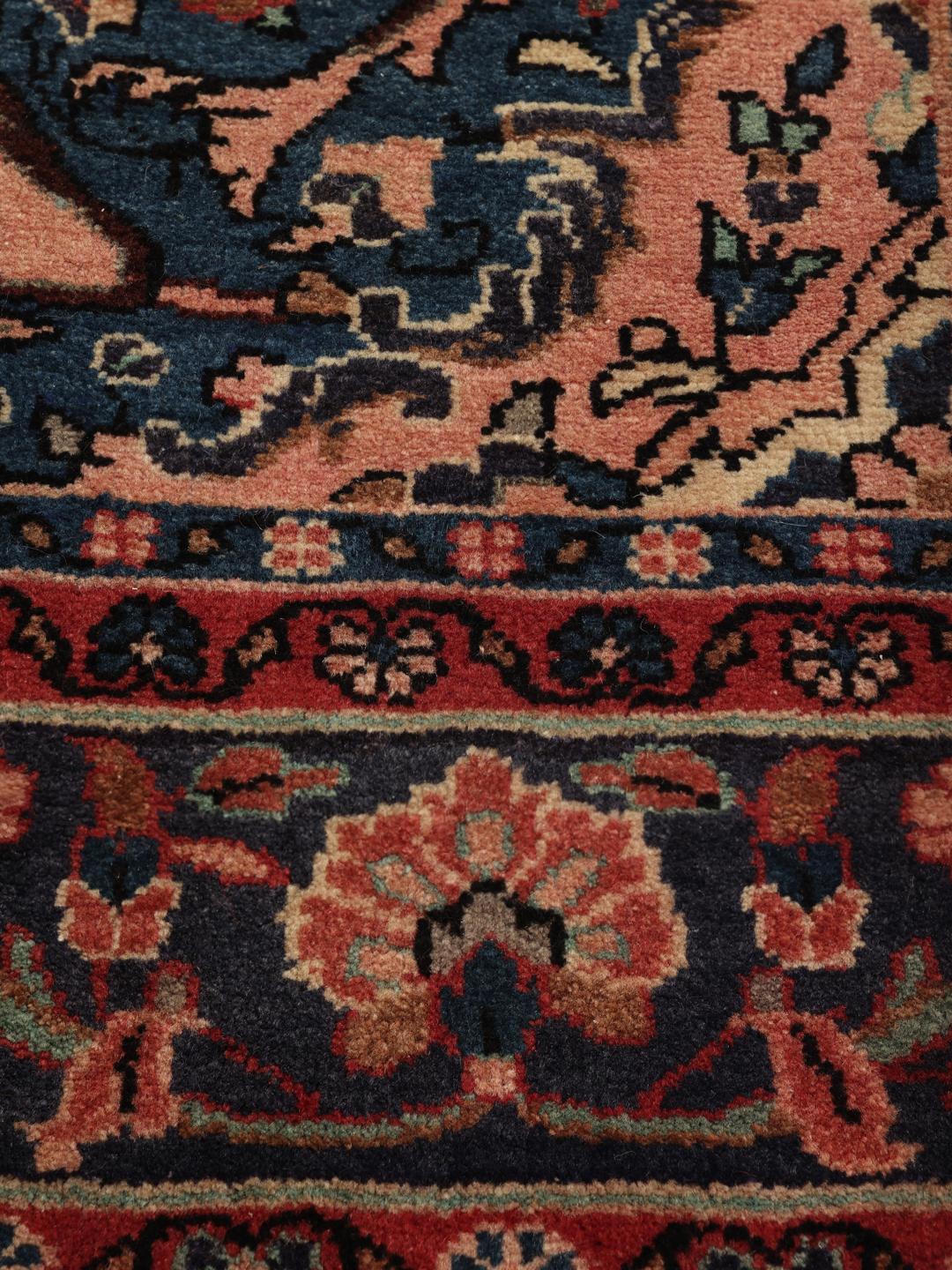
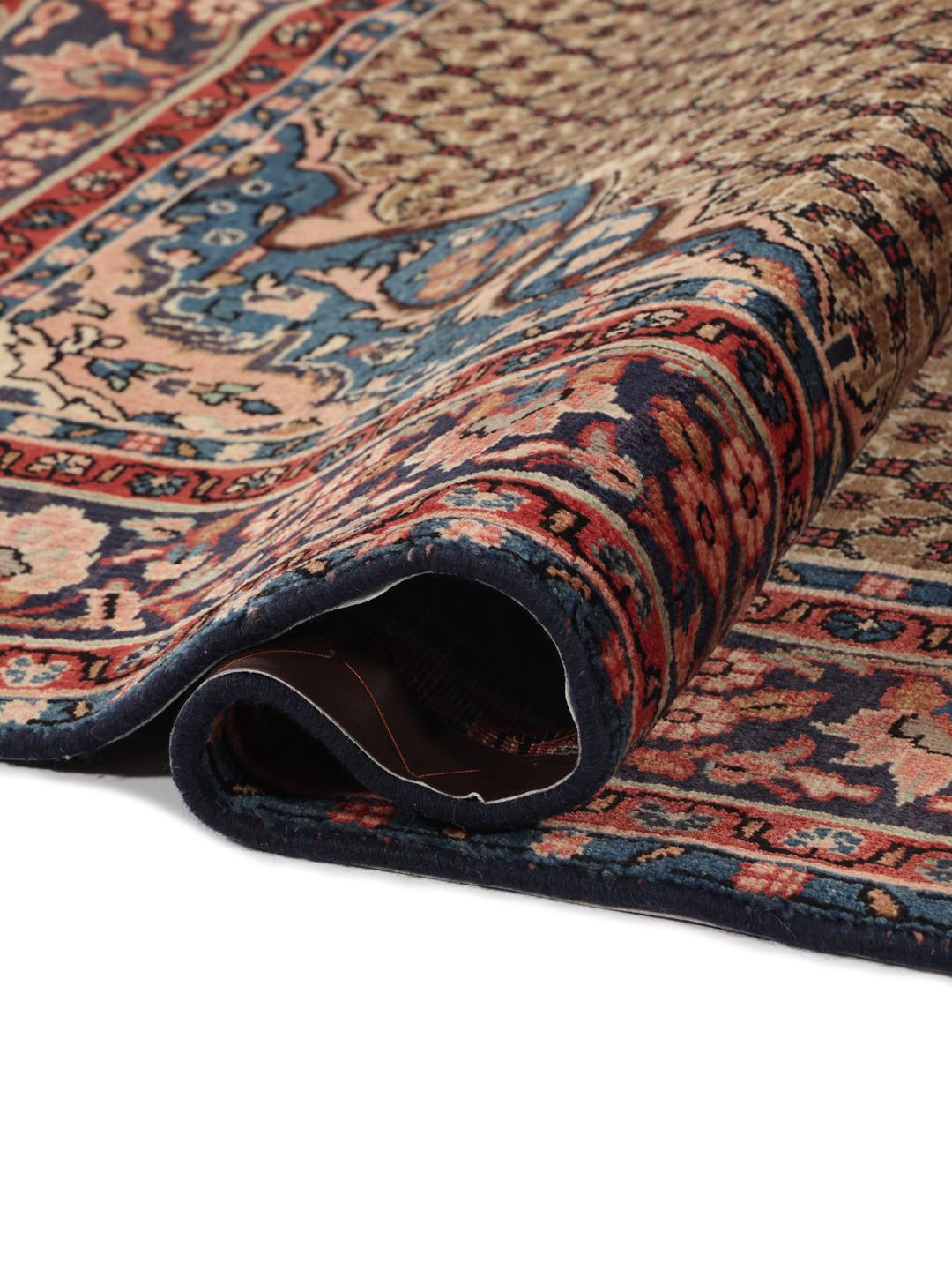
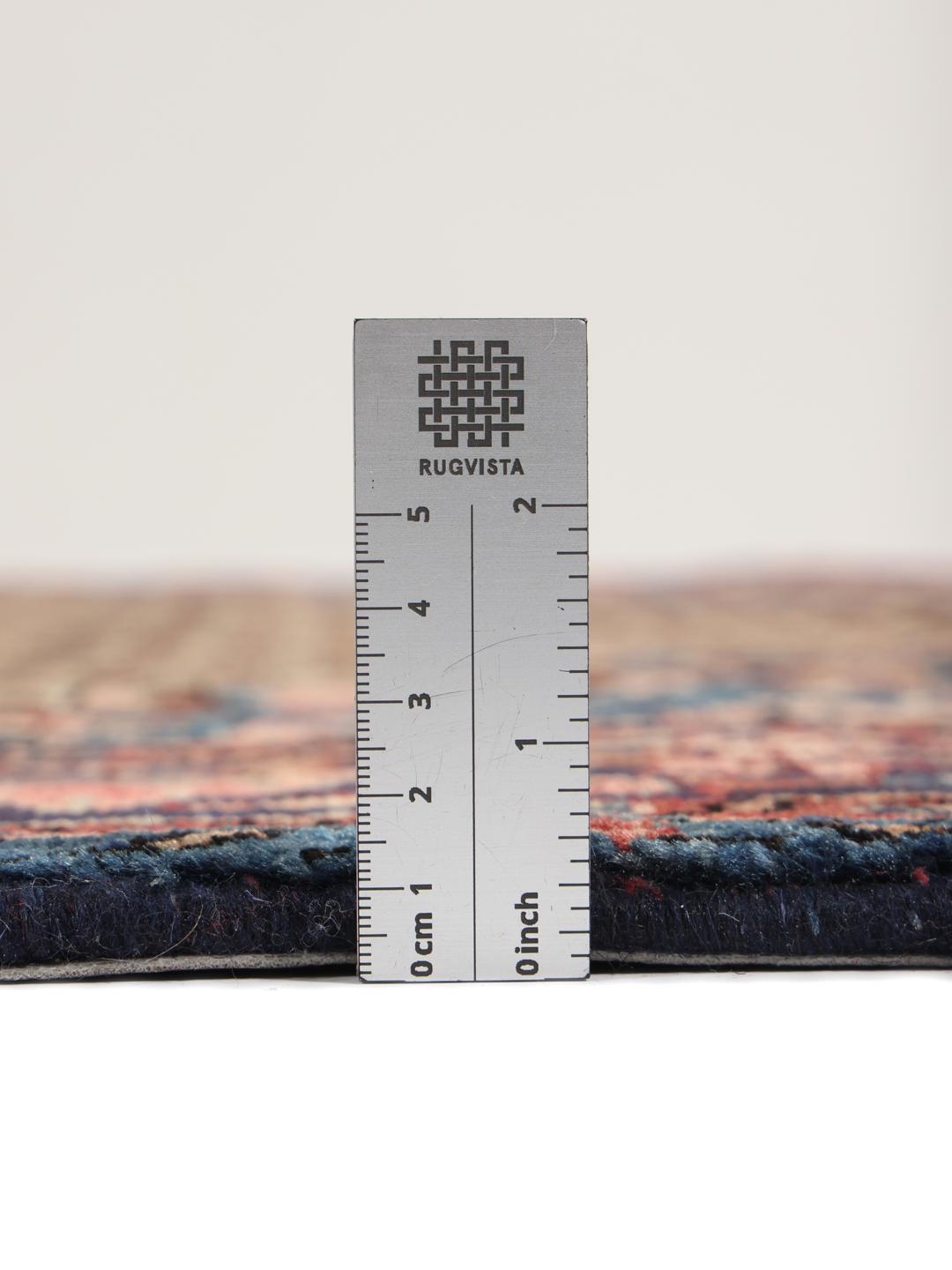
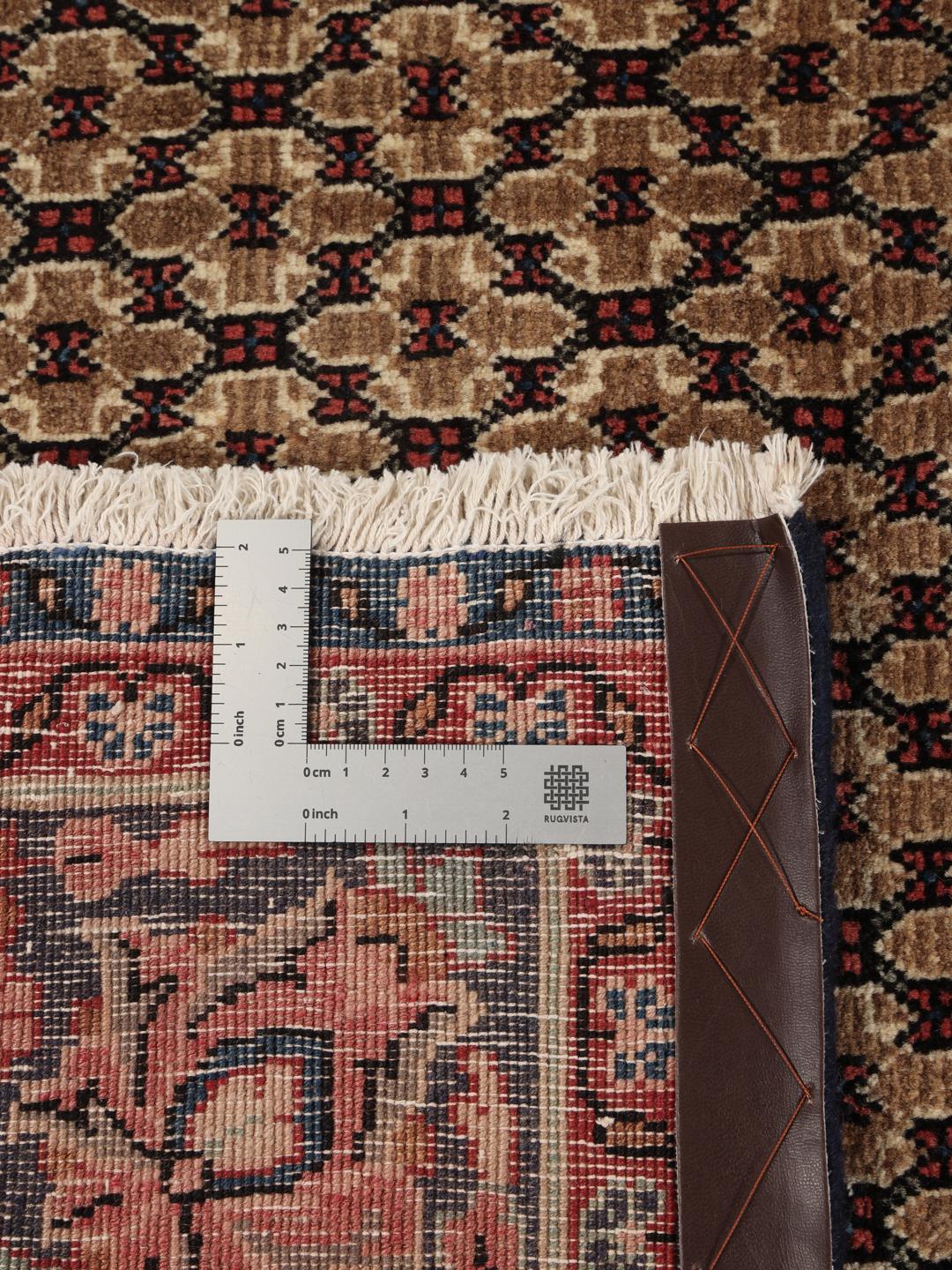
The construction of a Koliai rug is defined by a sturdy foundation and a thick, high-quality wool pile. This combination is intentional, as it provides both insulation against the cold mountain climate and a dense surface that can handle the rigours of nomadic or village life. The use of traditional hand-knotting techniques ensures that the wool is tightly packed, creating a lustrous finish that improves with age and use.
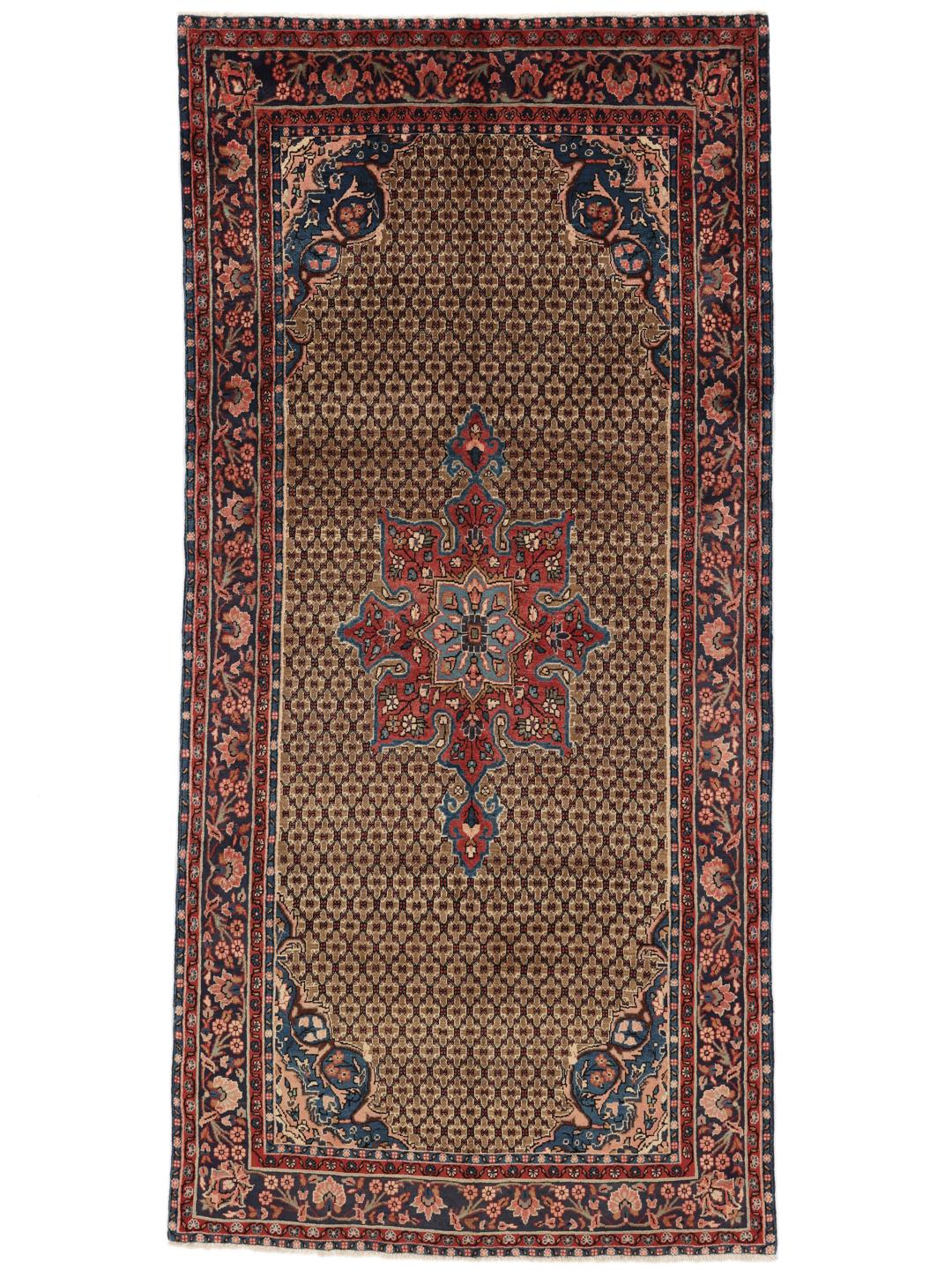
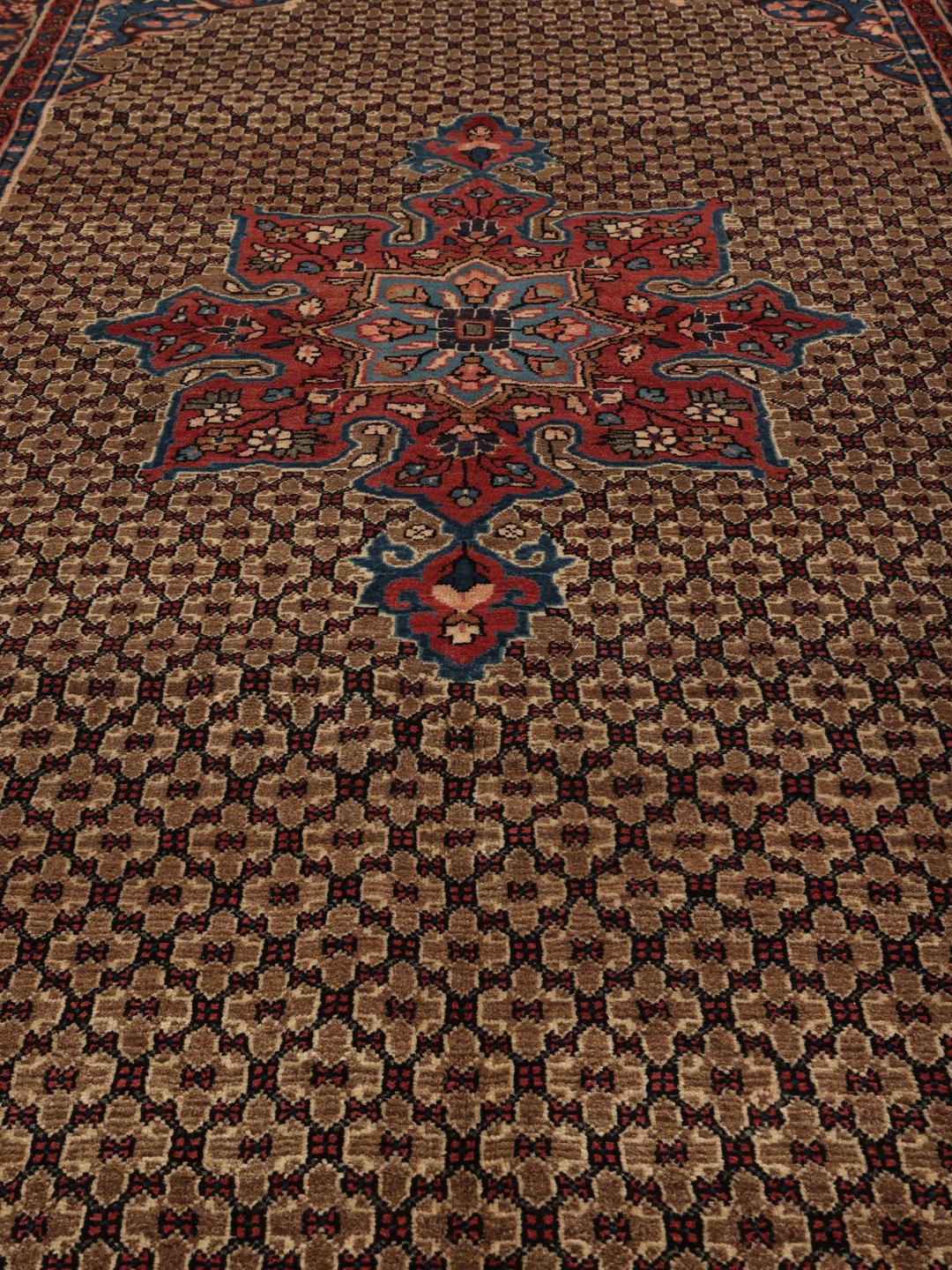
Visually, these rugs are celebrated for their geometric artistry. The field is often dominated by a large, bold central medallion, frequently flanked by smaller motifs that draw inspiration from the natural world and local tribal symbolism. The borders are typically wide and filled with intricate floral or geometric designs, creating a harmonious frame for the central field. It is common to see deep reds, blues, and browns, which are achieved through traditional dyeing methods that have been passed down through generations.
Collecting a Koliai rug is an opportunity to own a piece of cultural history. These rugs are highly valued for their authenticity and the human story behind every knot. They represent a connection to a long-standing tradition of craft where the weaver's personal expression is woven into the very fabric of the rug. Owning one is a testament to an appreciation for heritage, skill, and the enduring beauty of hand-crafted textiles.