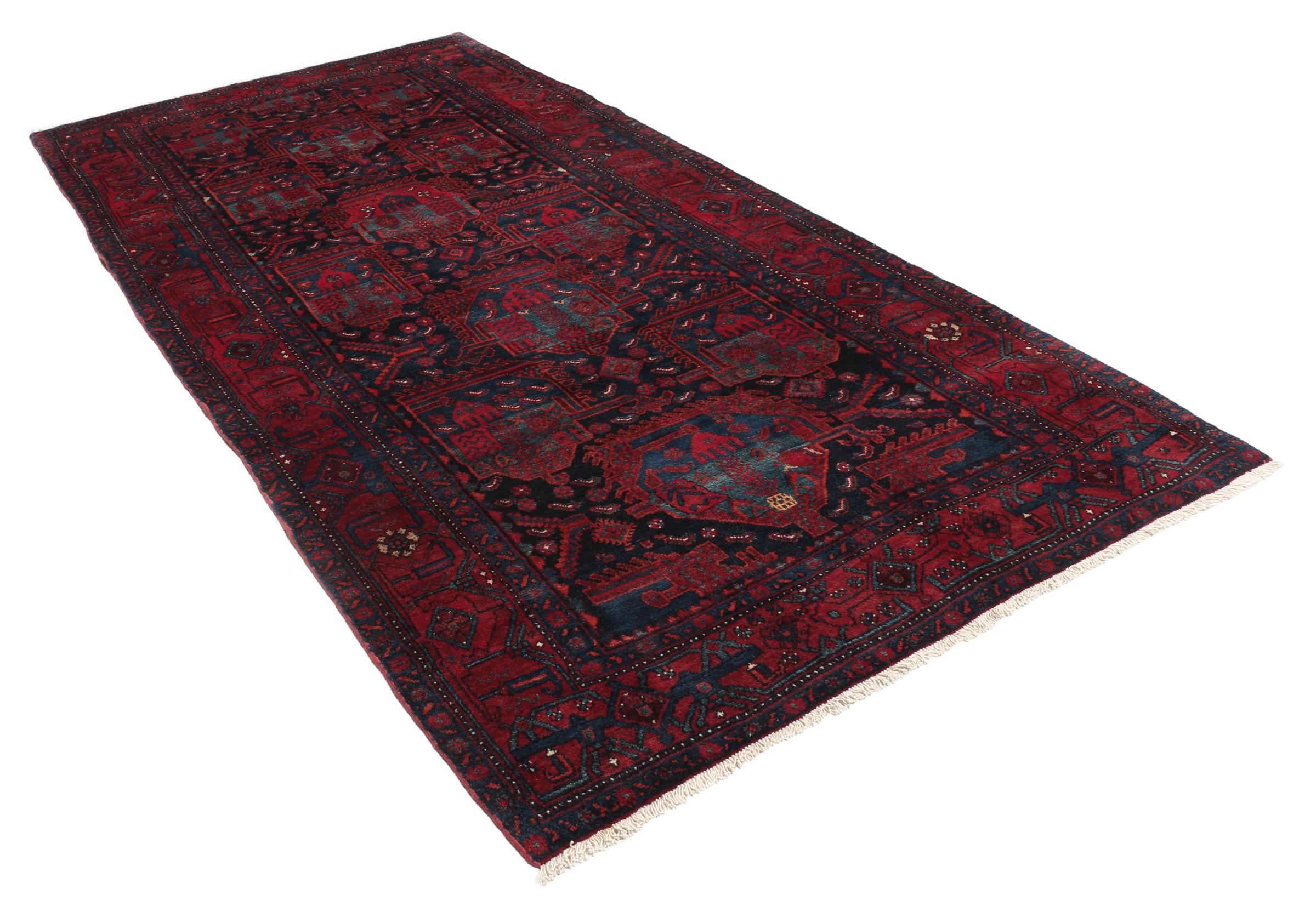
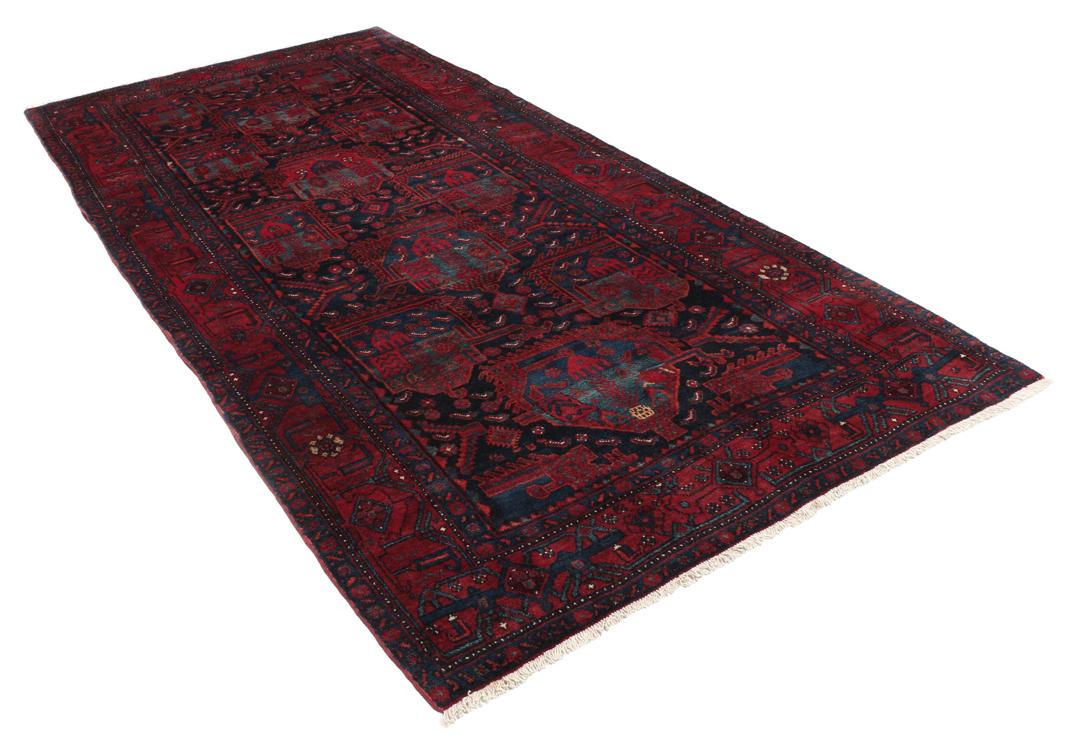
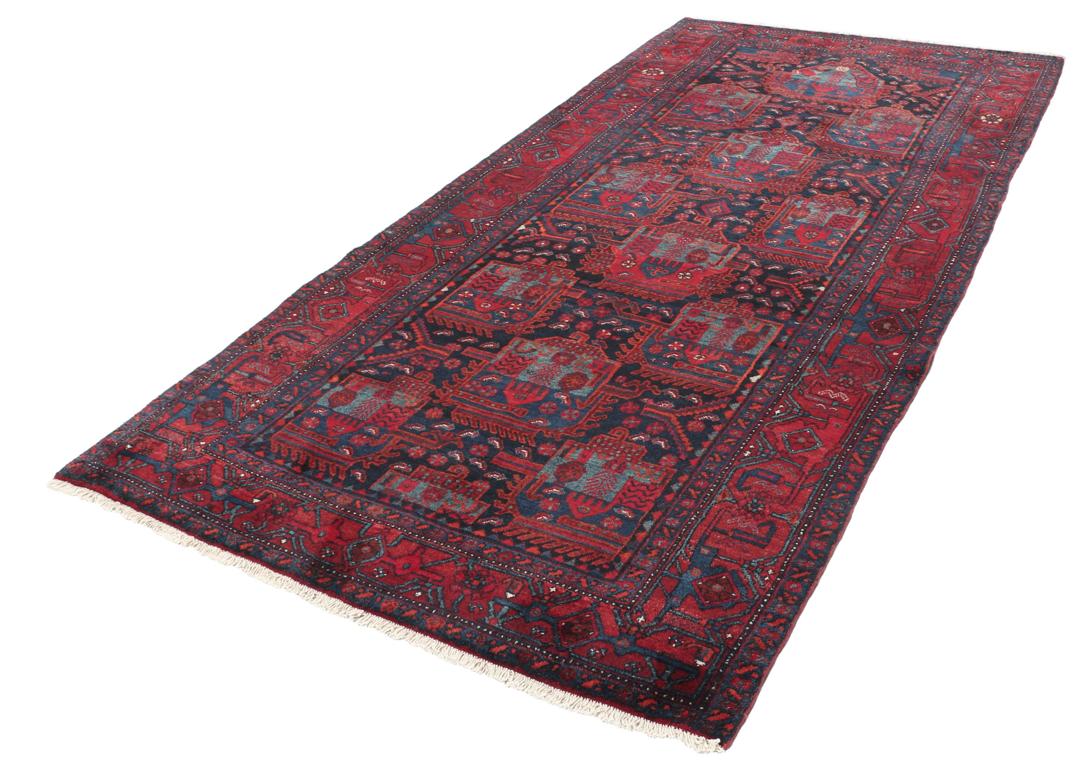
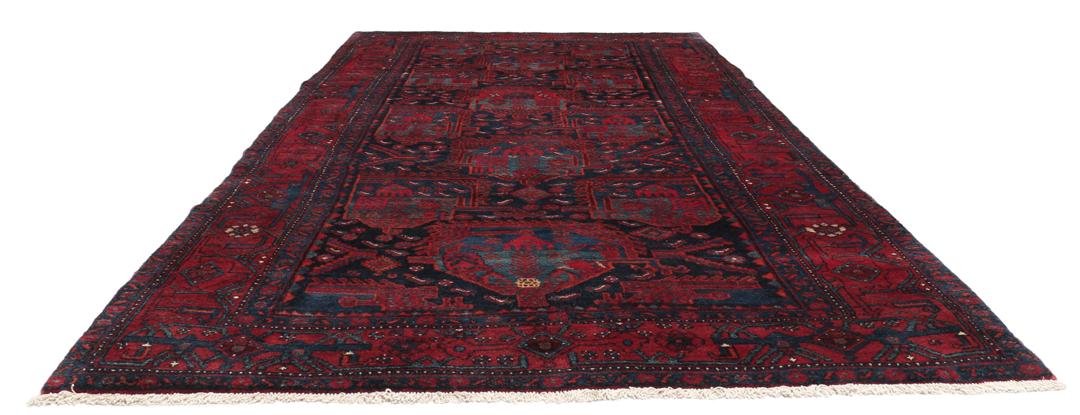
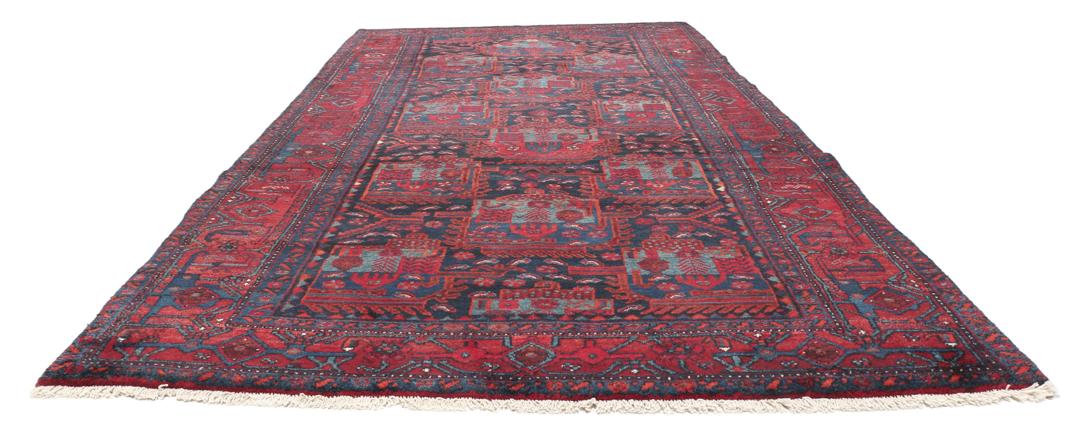
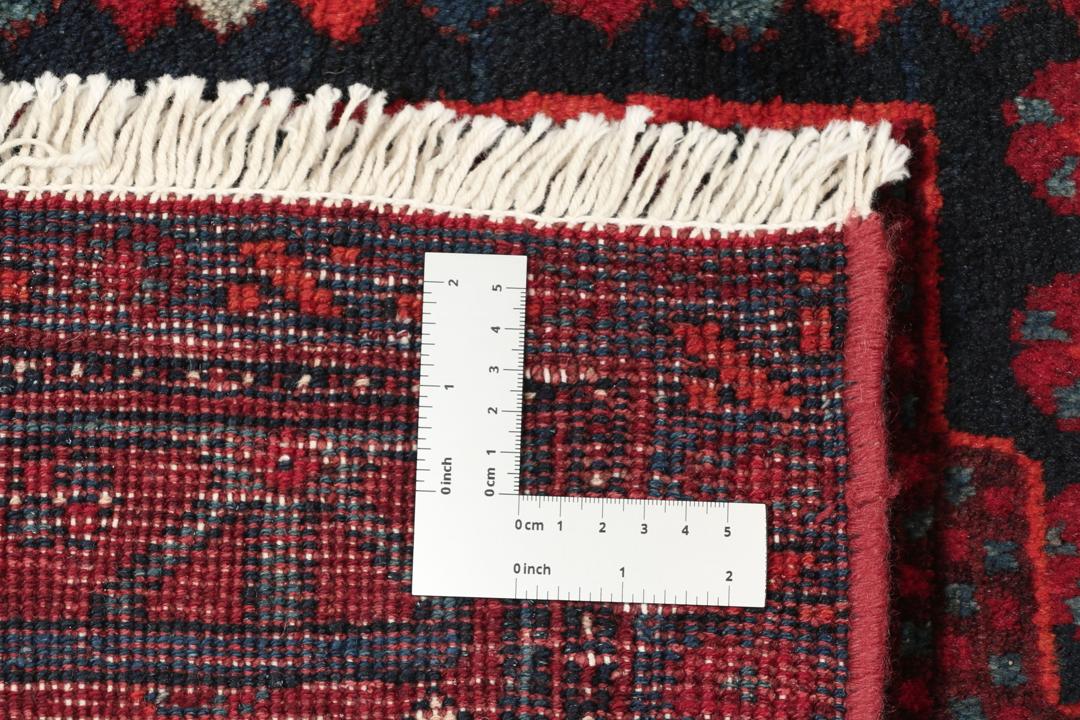
Koliai rugs originate from the mountainous regions of the Middle East, specifically crafted by the Kurdish tribes who have long been known for their resilient and artistic weaving traditions. These rugs are deeply rooted in a nomadic history, where the designs were passed down through generations, serving as both a functional necessity for tent living and a creative expression of identity.
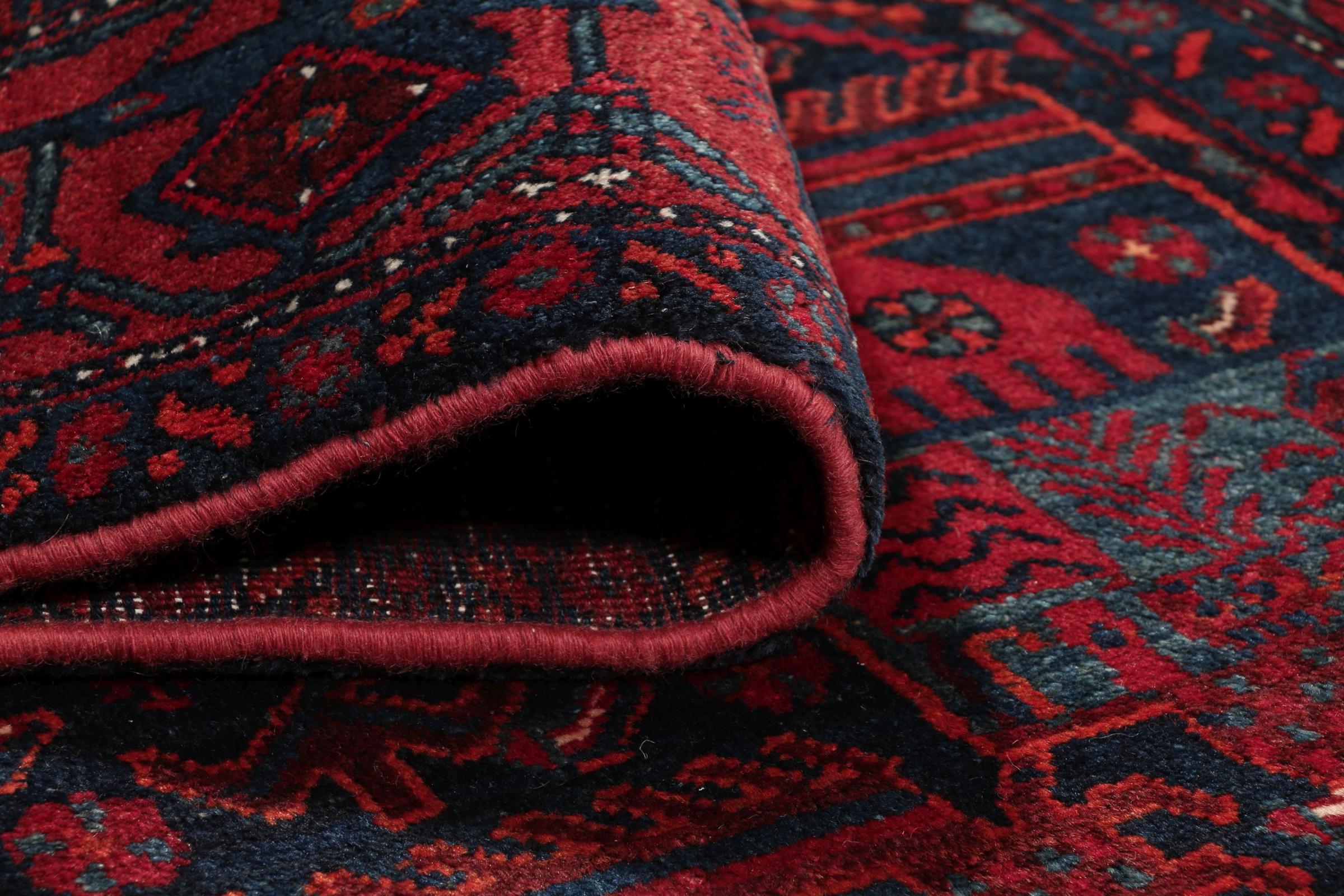
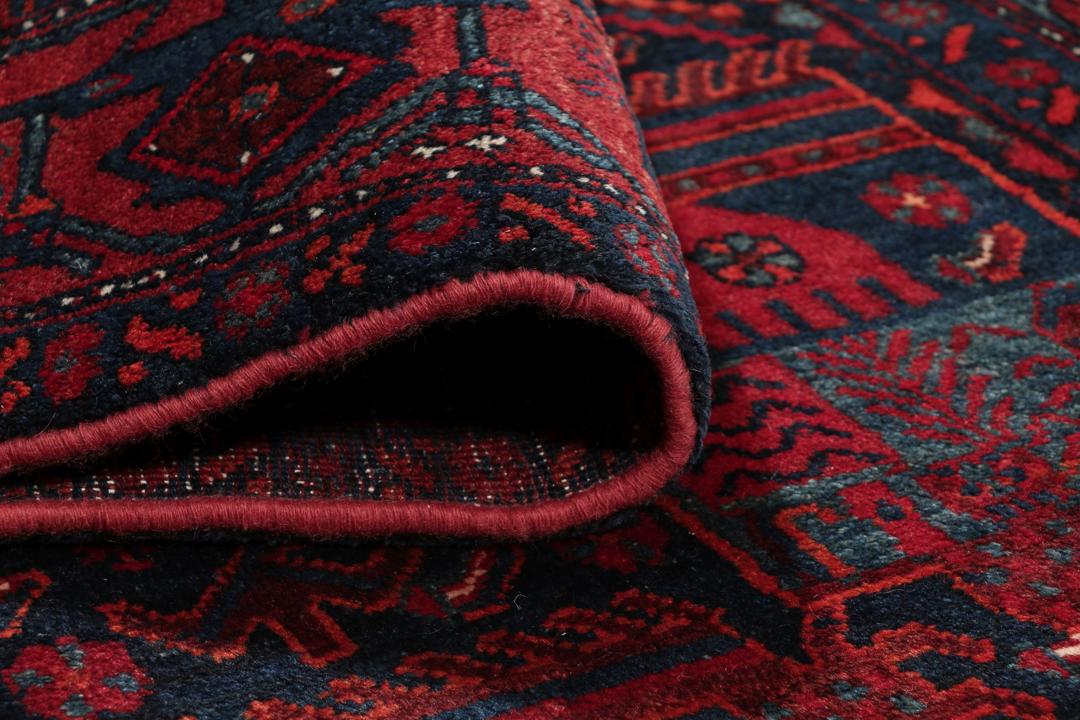
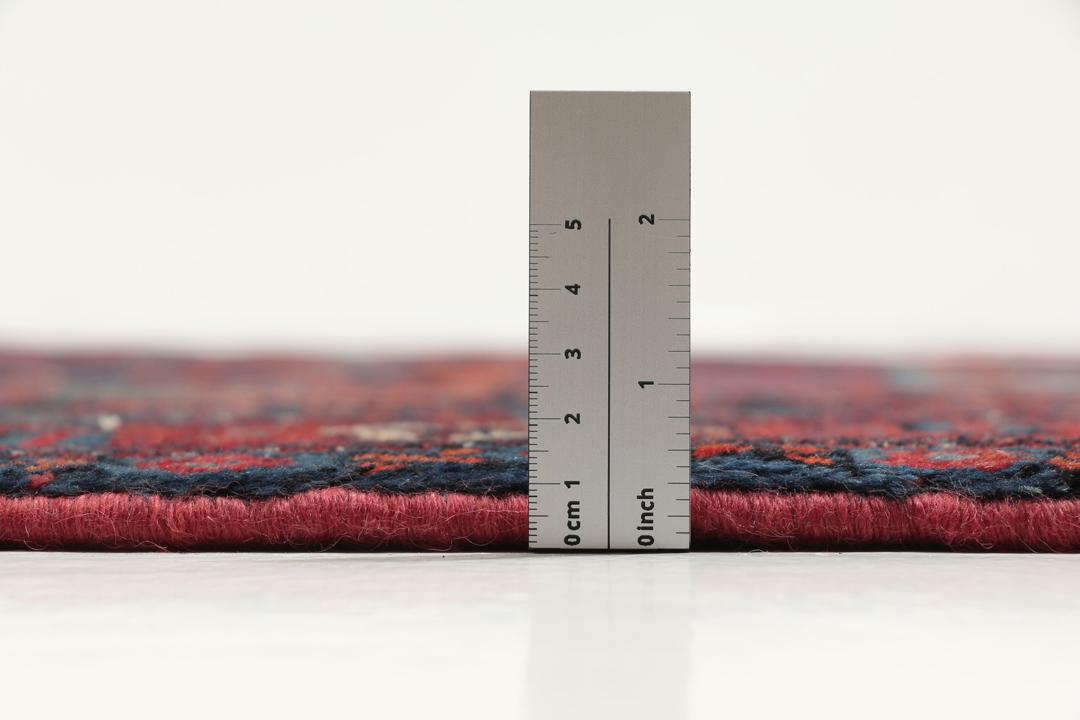
The term Koliai refers to these specific tribal traditions, which are celebrated for their sturdy construction and bold aesthetic. The use of wool, often sourced directly from the tribe's own flocks, is essential to the quality of these pieces. The wool is known for its high lanolin content, which provides a natural sheen and a soft, durable pile that ages gracefully over time, becoming more beautiful as the years pass.
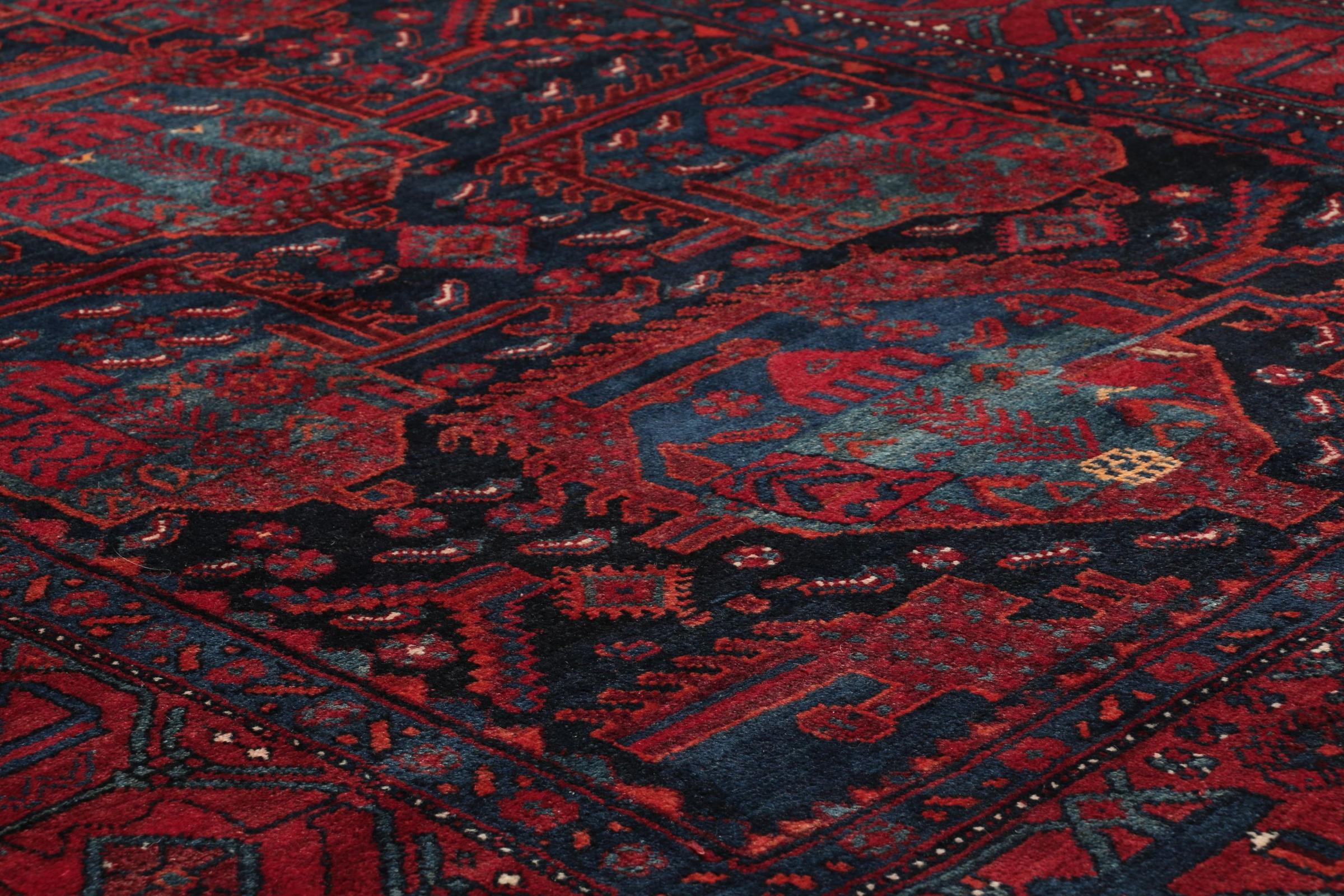
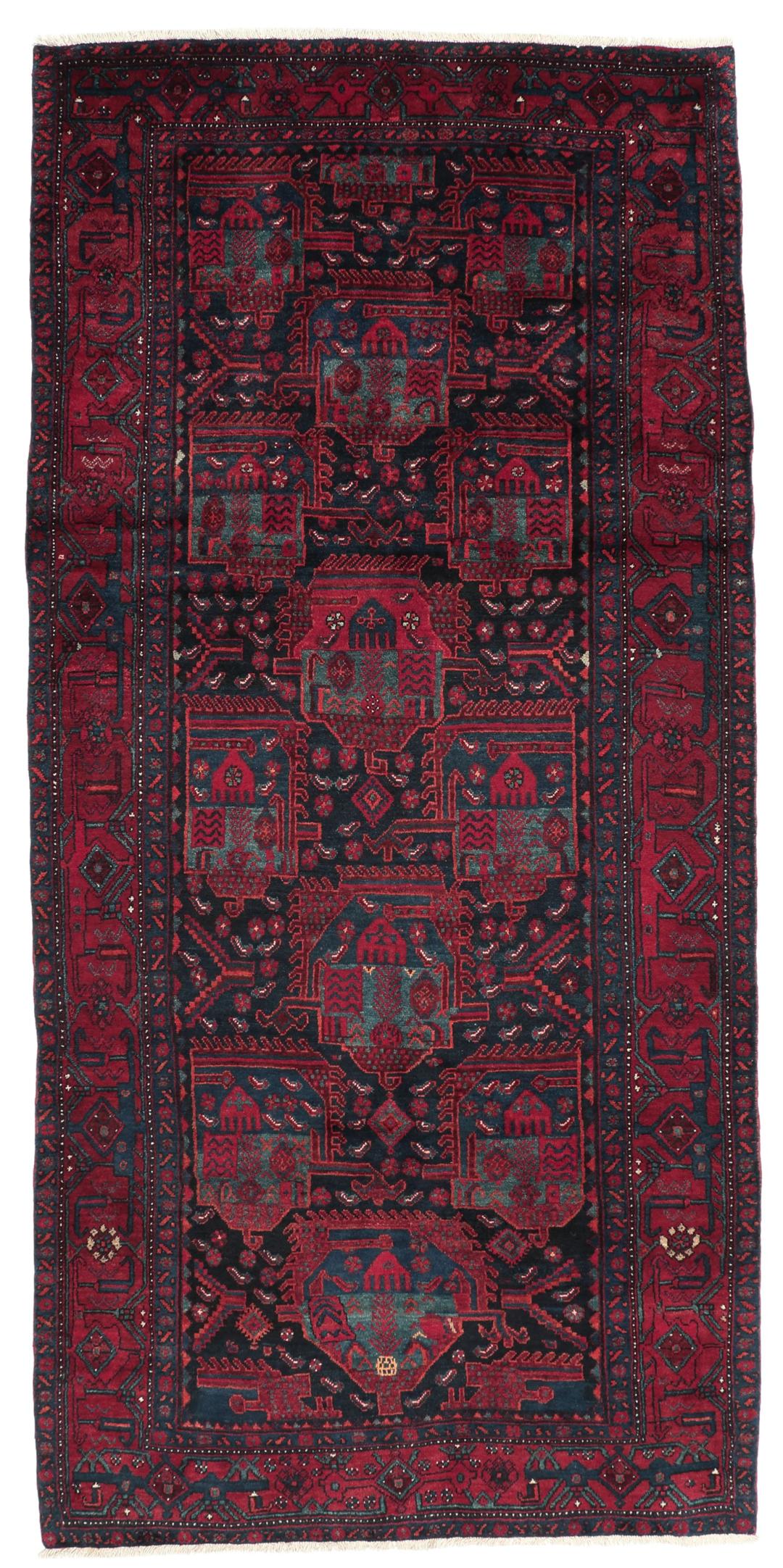
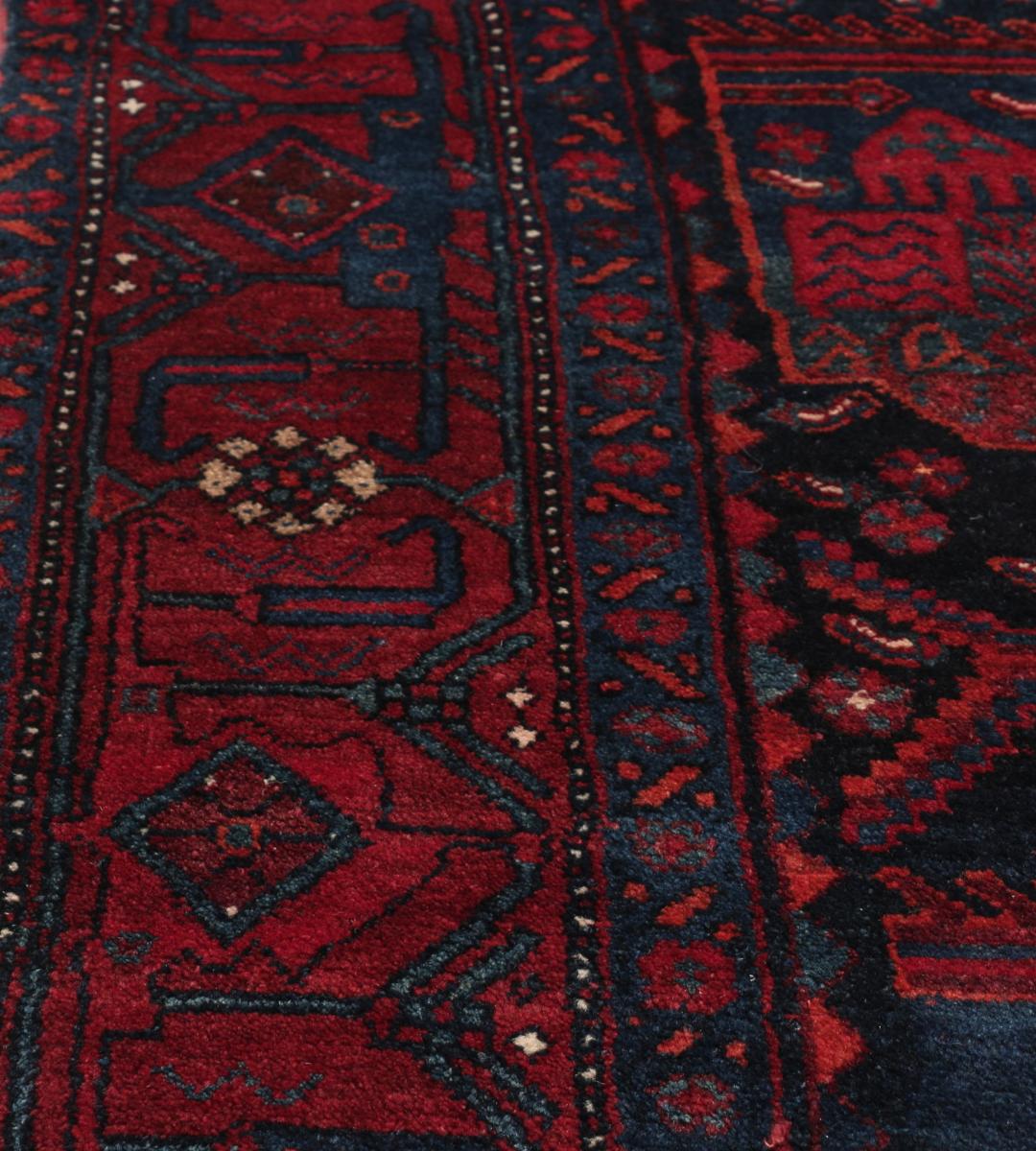
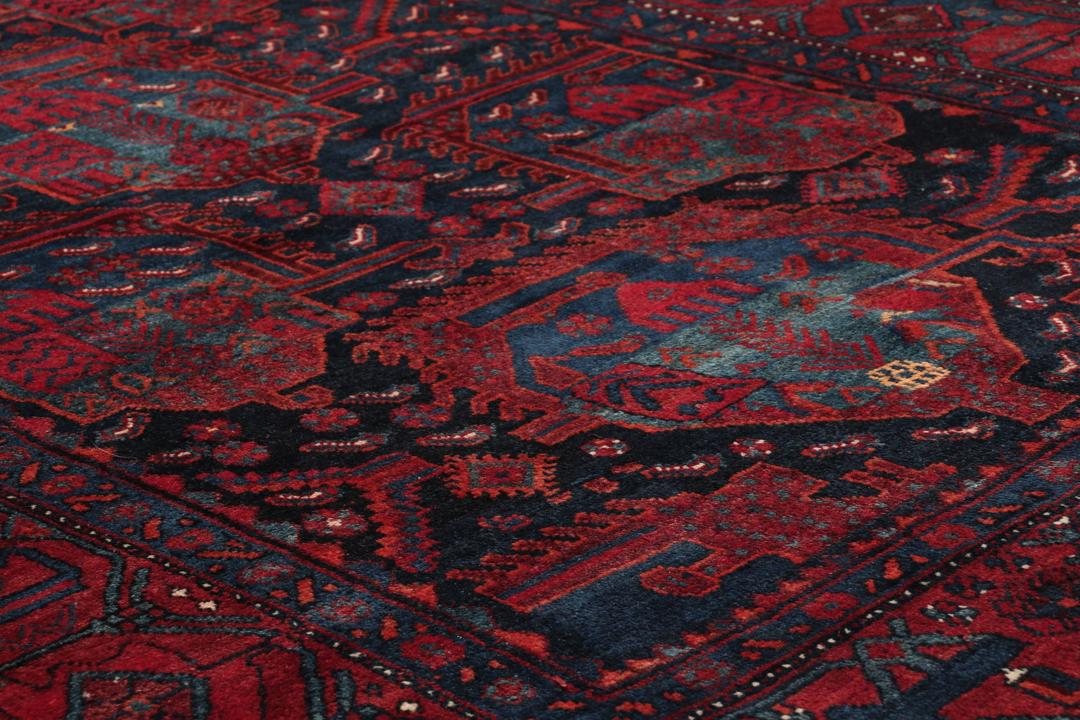
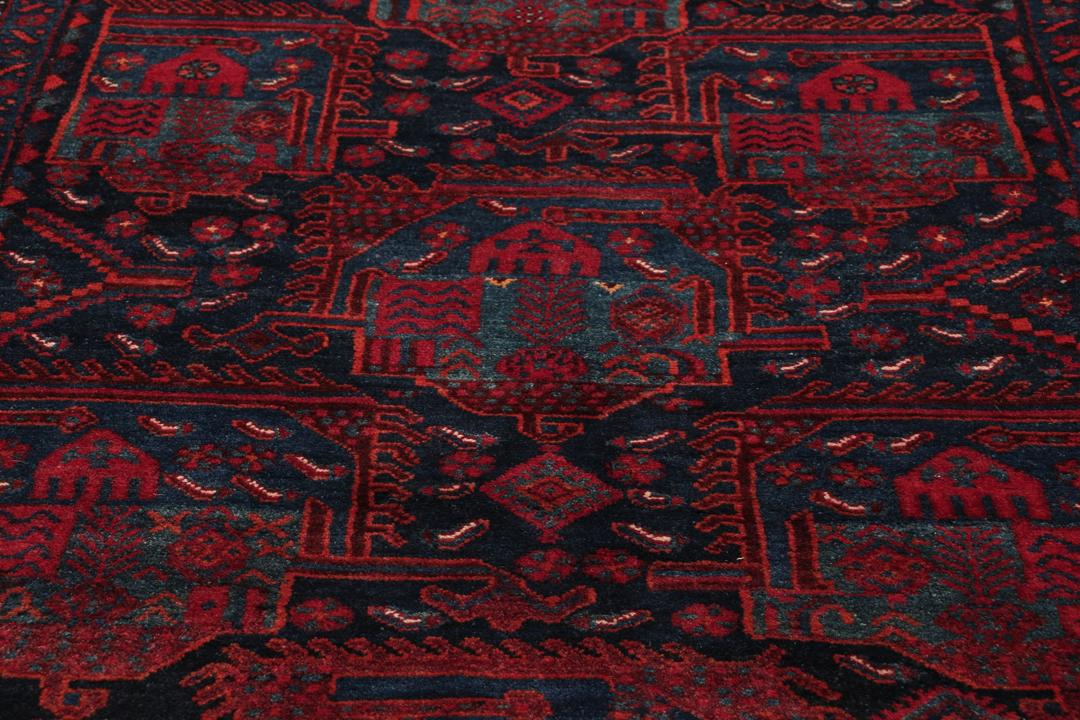
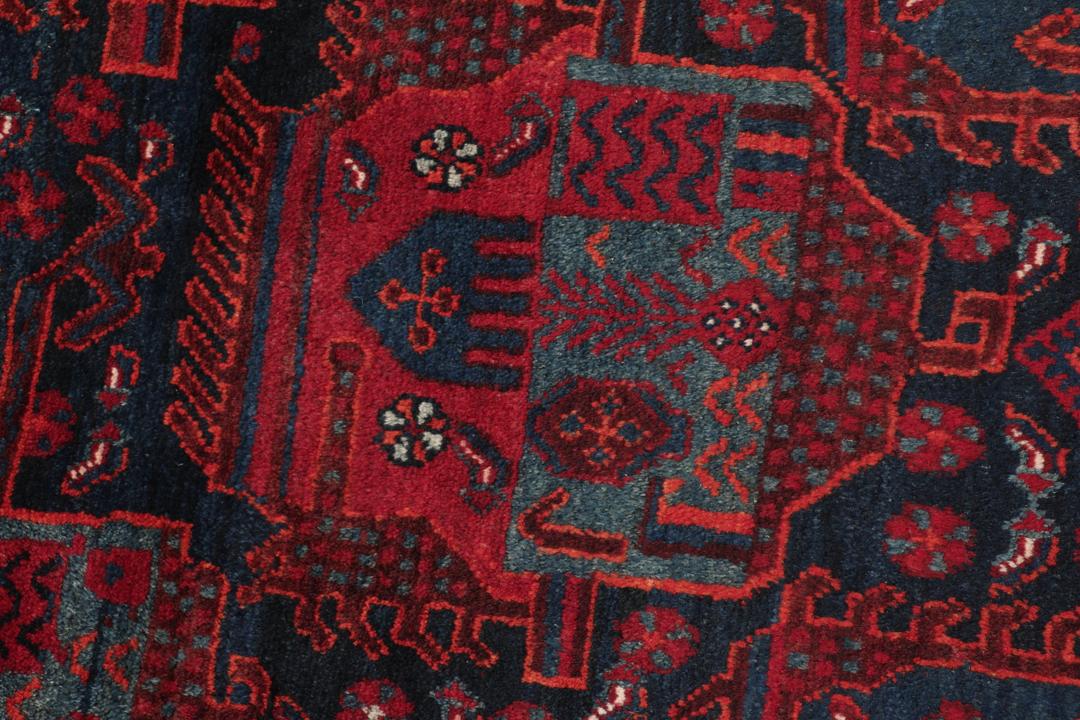
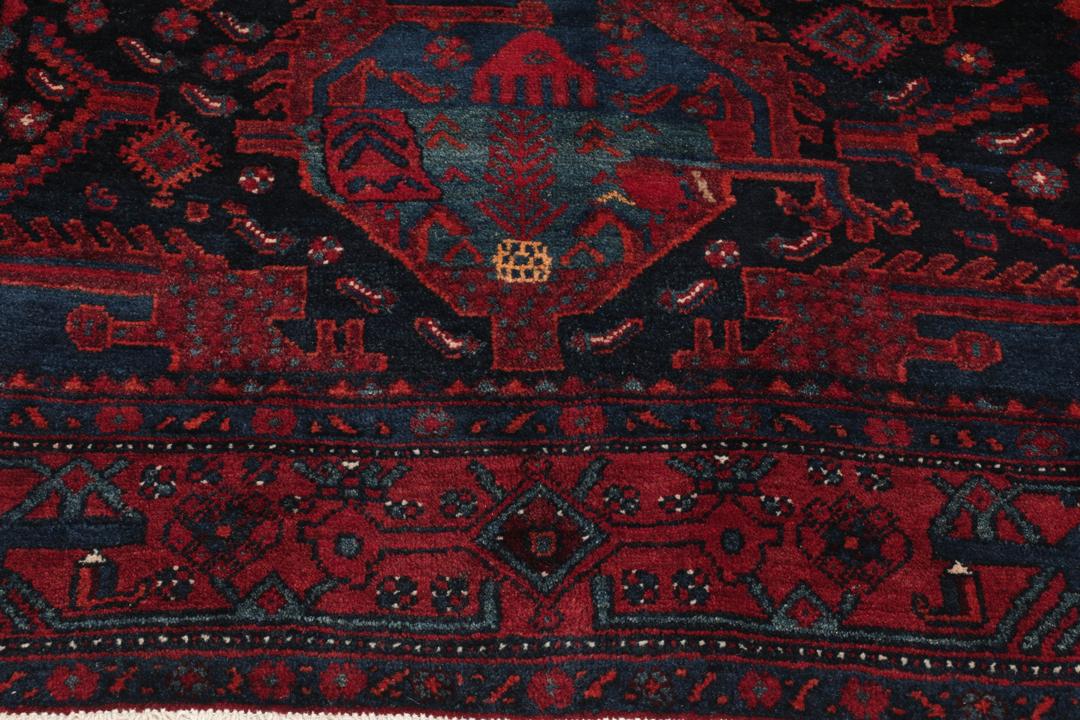
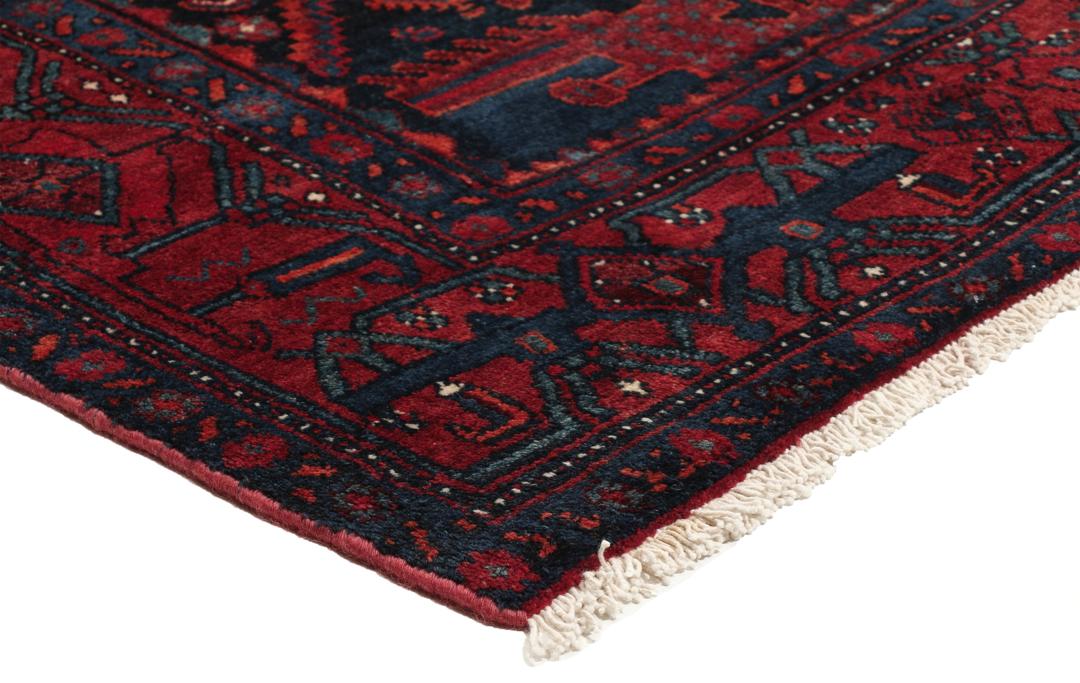
Signature design elements of the Koliai tradition often include large, bold geometric medallions or stylized floral motifs that repeat across the field. These patterns are typically framed by elaborate, wide borders that showcase the weaver's ability to balance complex geometry with a harmonious colour palette. The contrast between the dark, earthy tones and the vibrant, saturated reds is a classic hallmark of these tribal works.
Collecting a Koliai rug is an investment in cultural heritage and human skill. Because these pieces are made by hand without the use of modern machinery, they carry a level of authenticity that mass-produced items cannot replicate. Owning one is a way to preserve a centuries-old craft, ensuring that the stories and artistic techniques of these nomadic communities continue to be valued in modern homes.