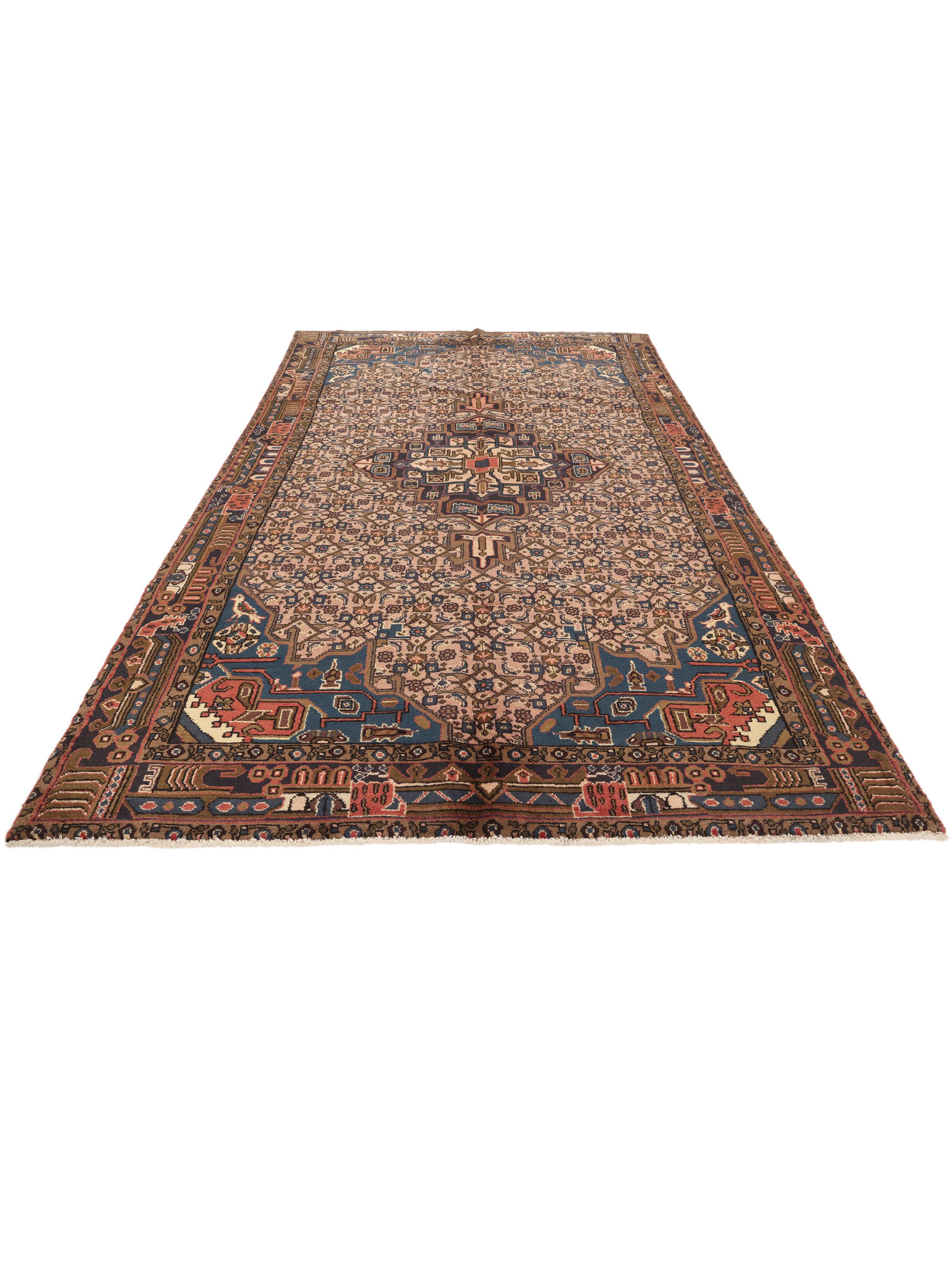
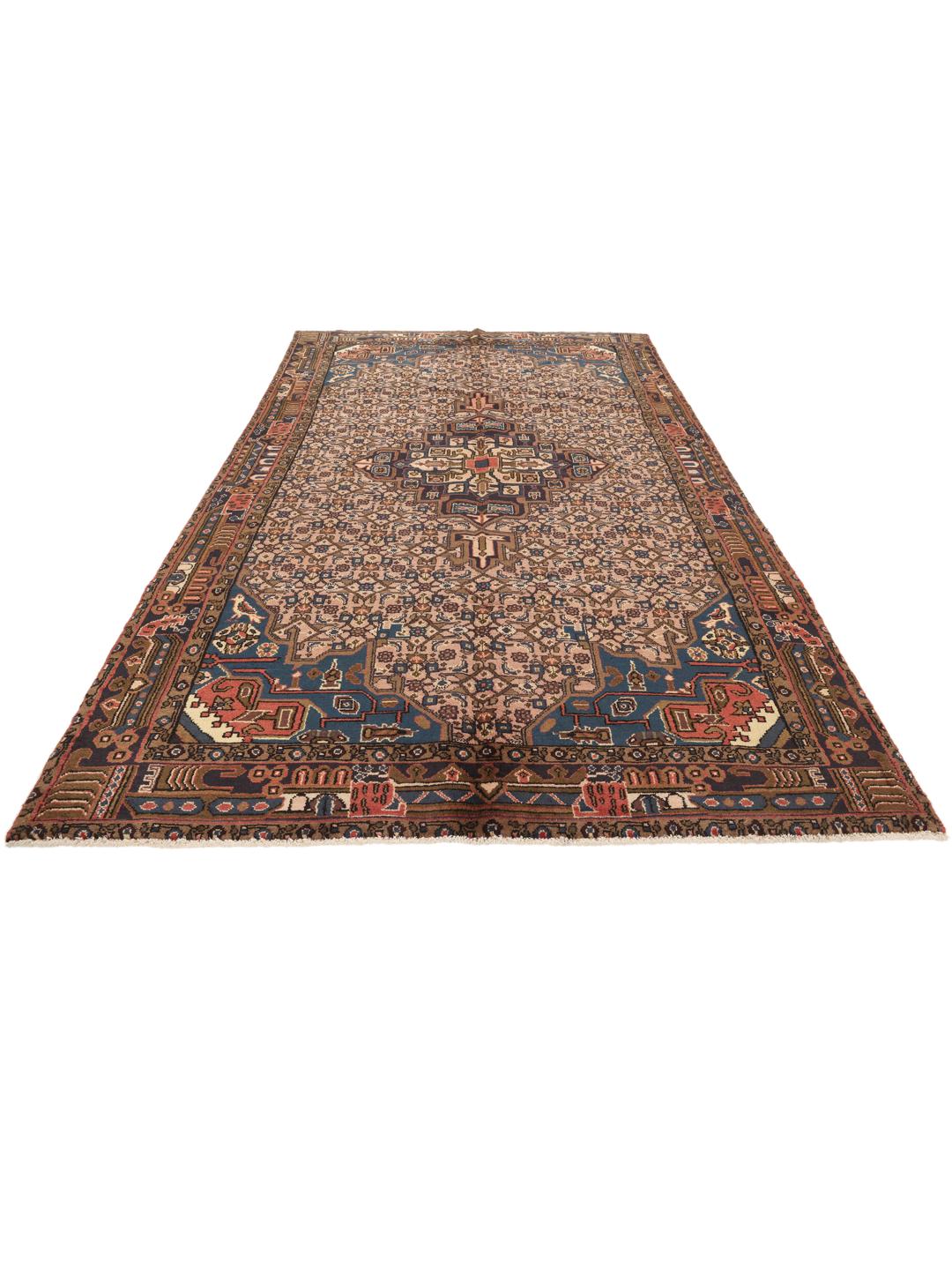
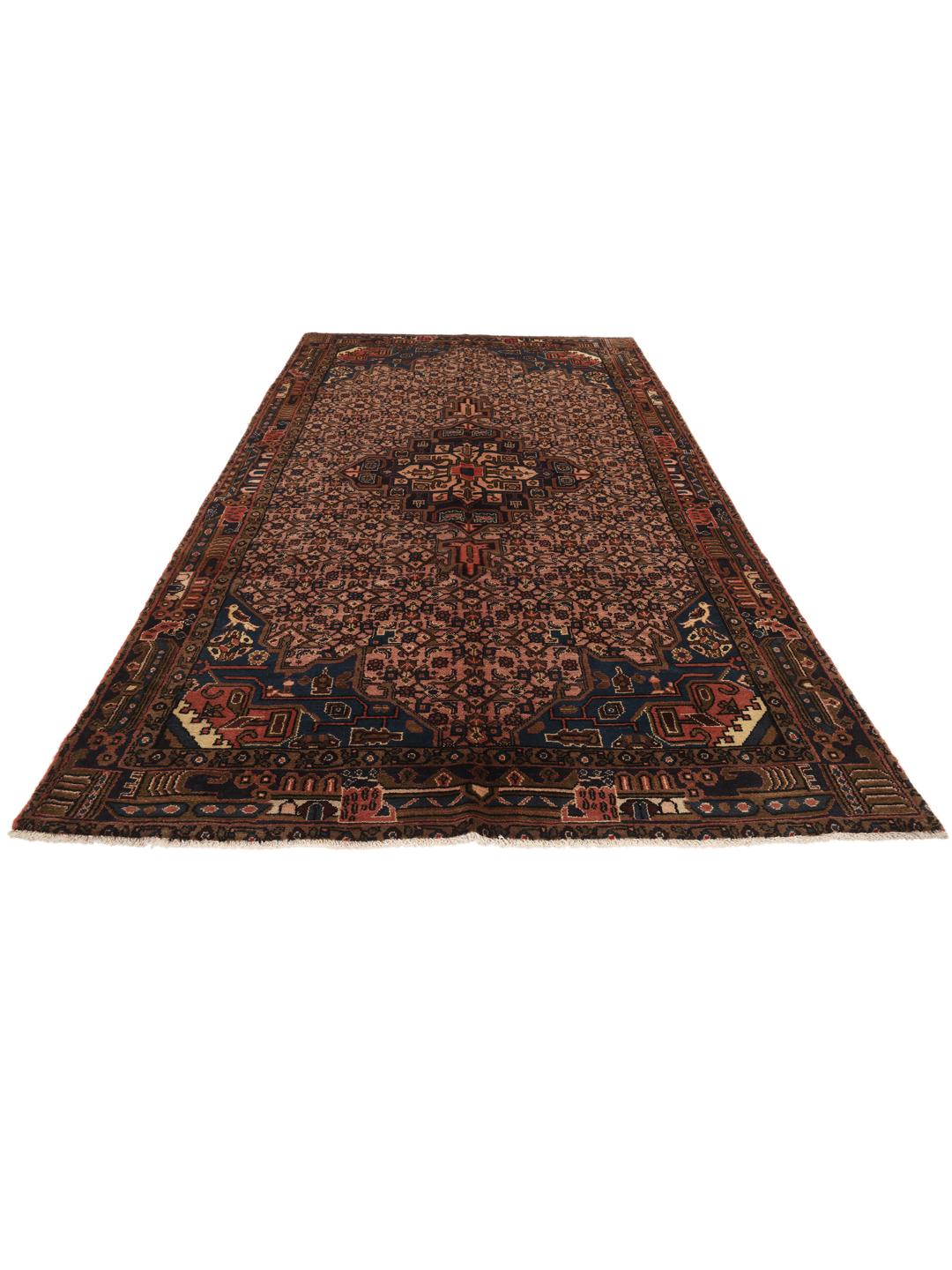
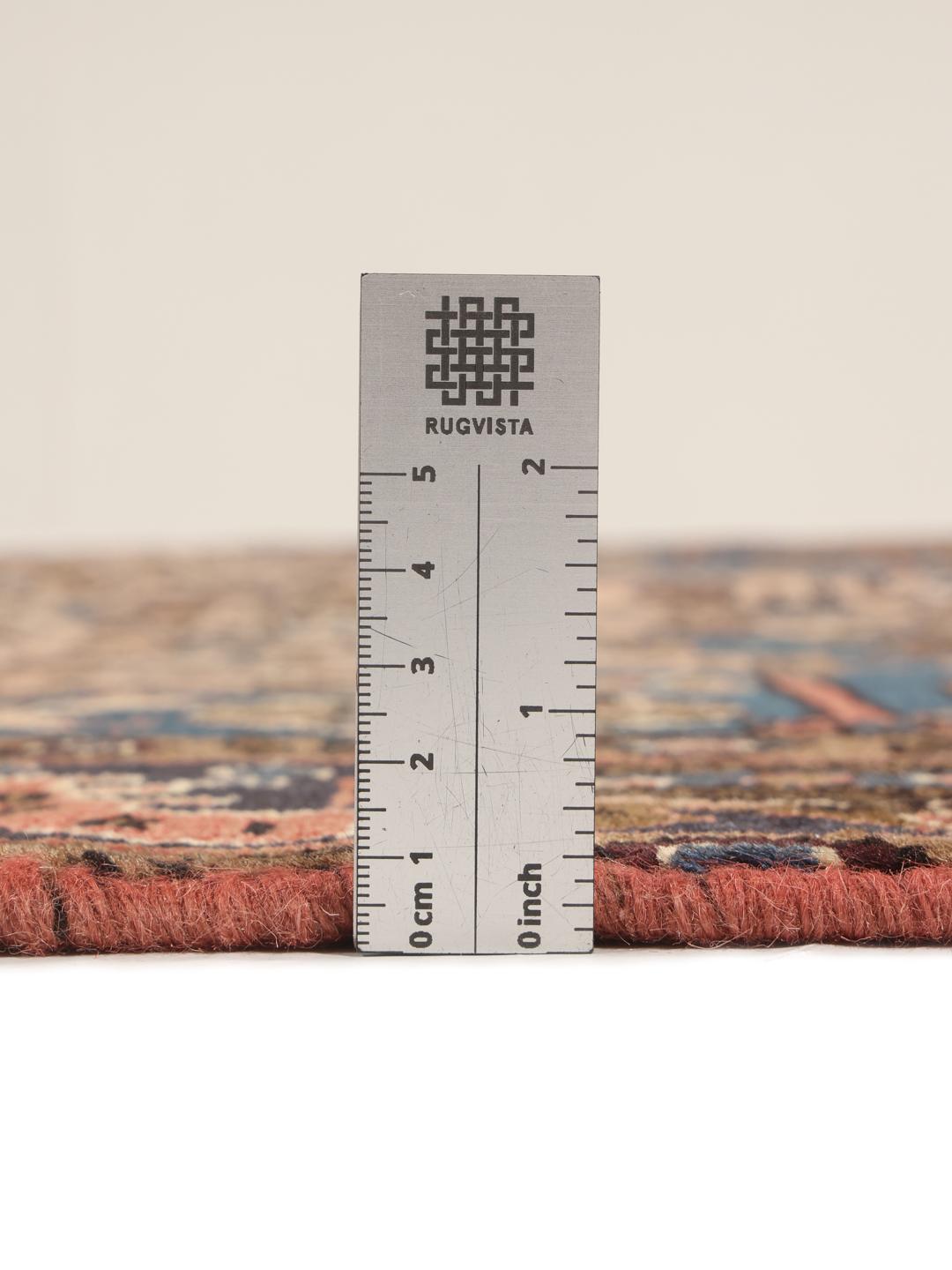
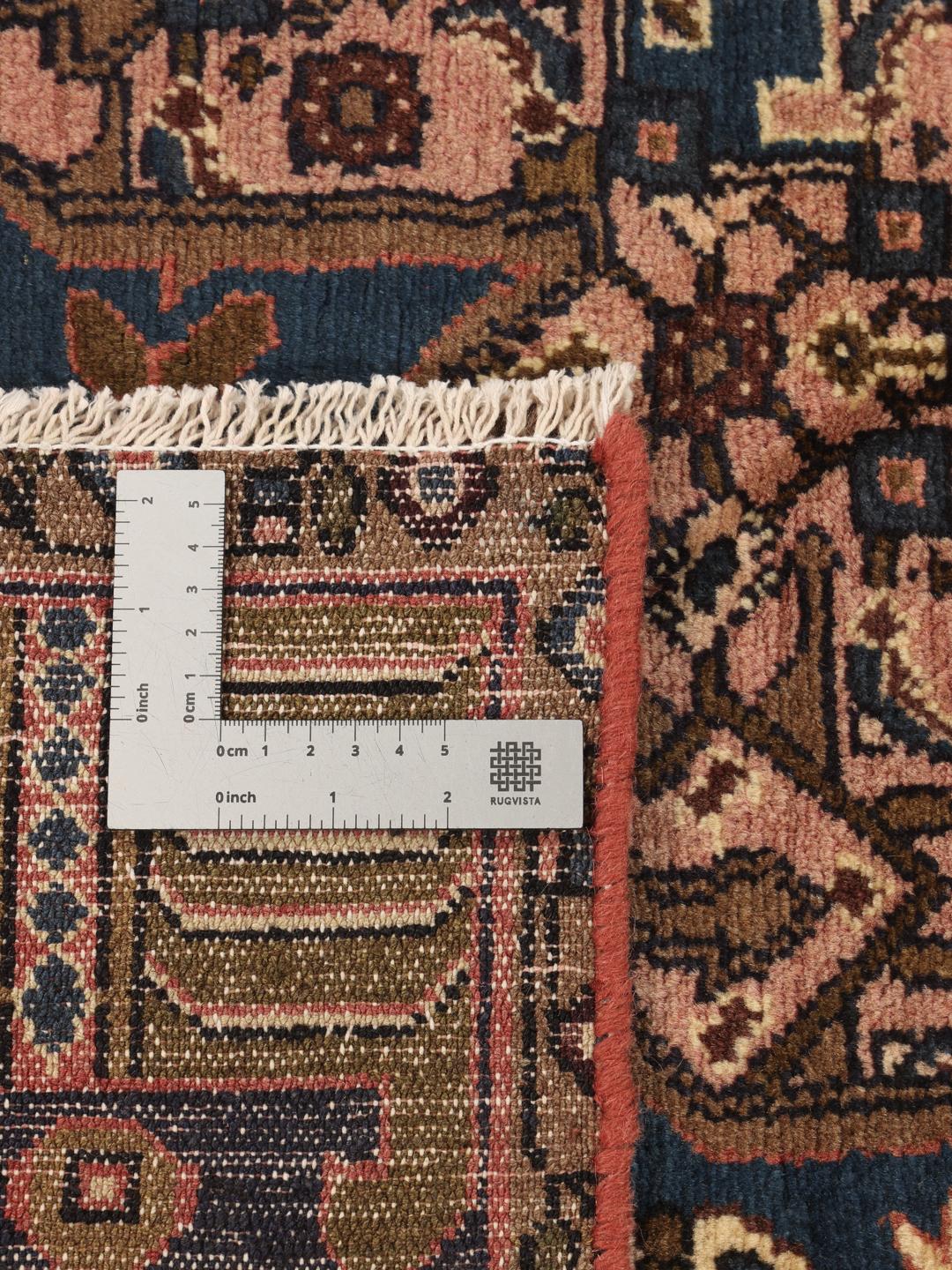
Koliai rugs originate from the mountainous regions of the Middle East, where they are traditionally woven by nomadic and semi-nomadic tribes. These rugs are deeply rooted in a culture of craftsmanship that has been passed down through generations, reflecting the specific environment and artistic heritage of the Kurdish weavers in the Kermanshah province.
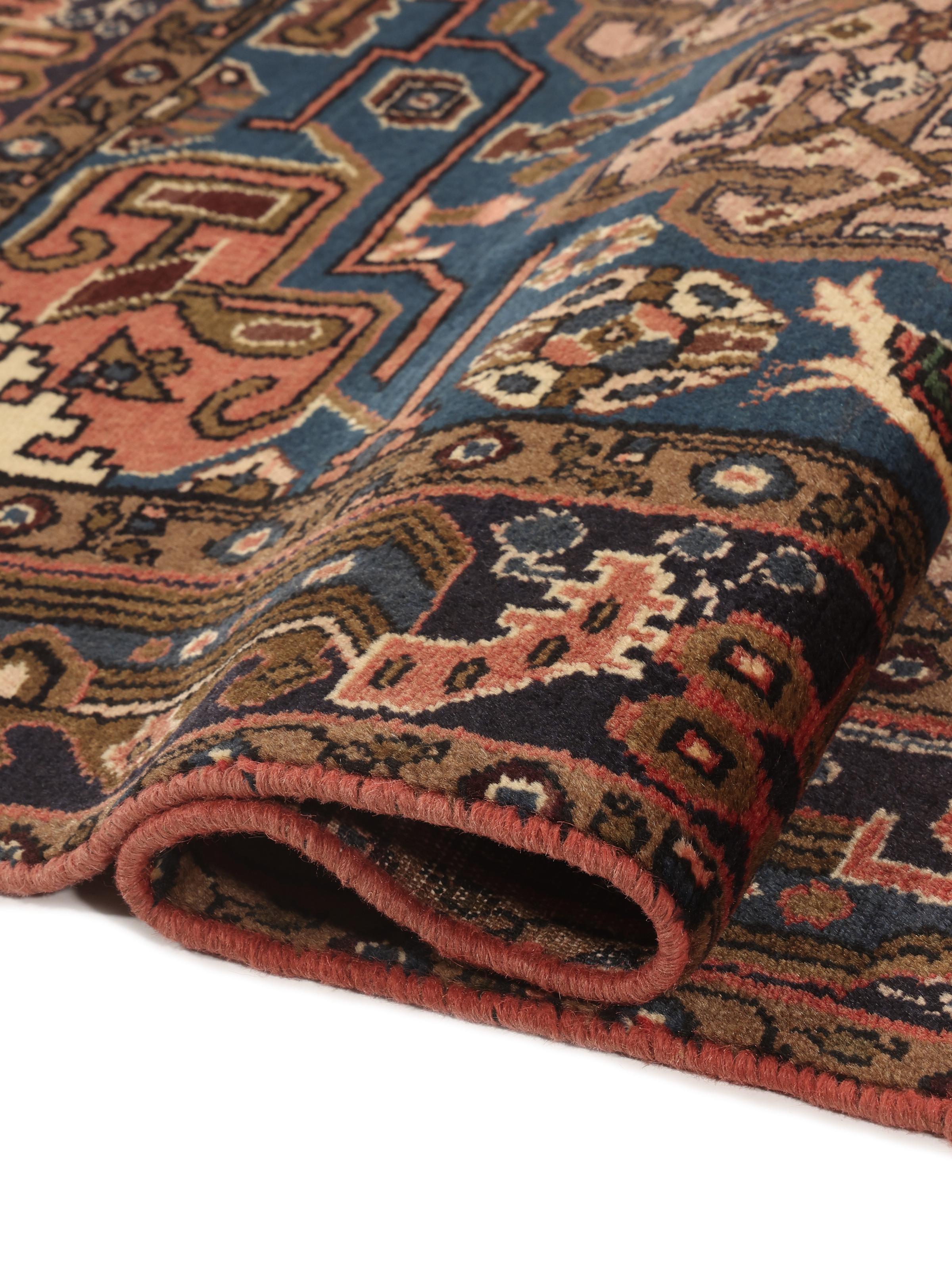
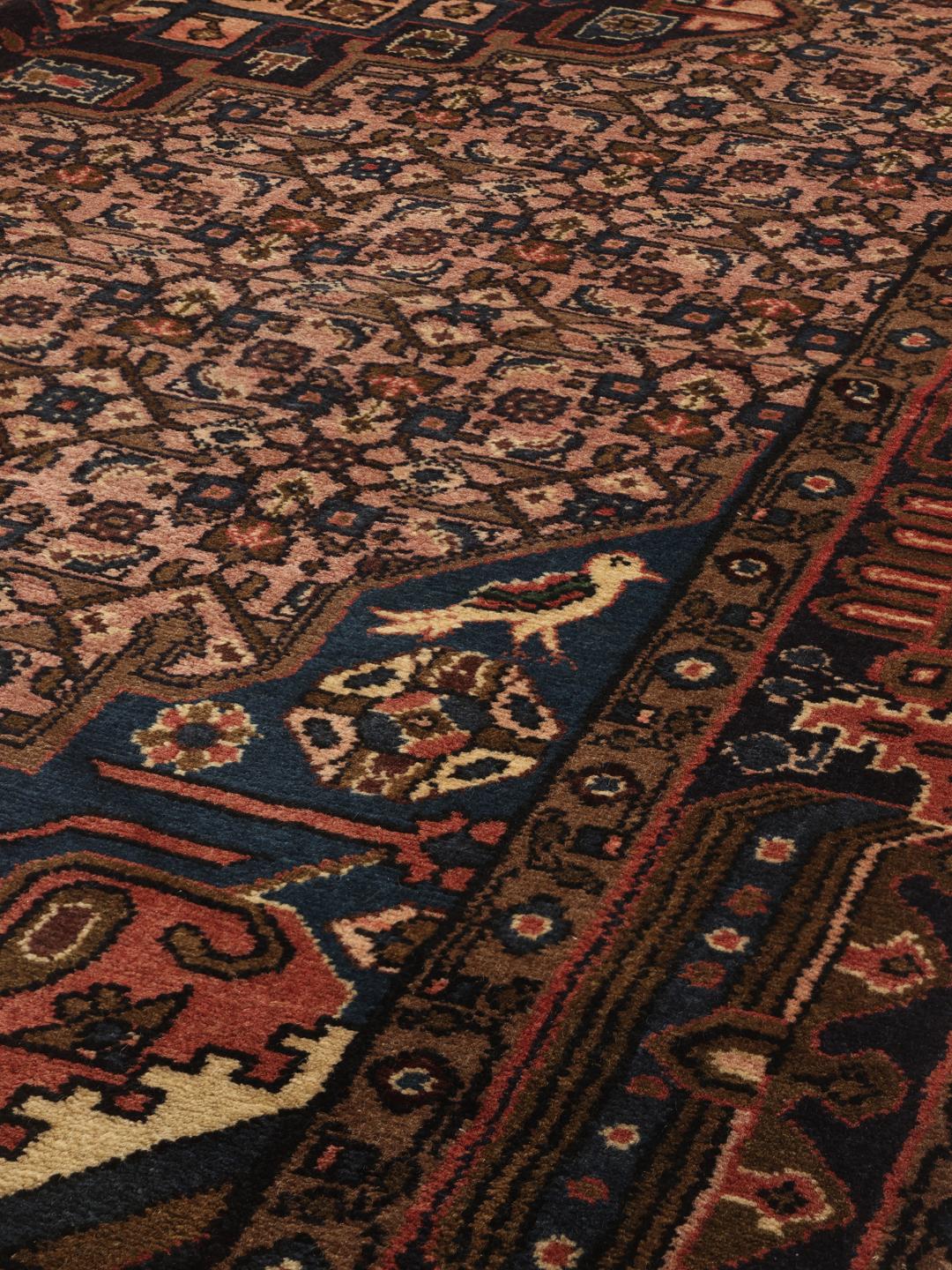
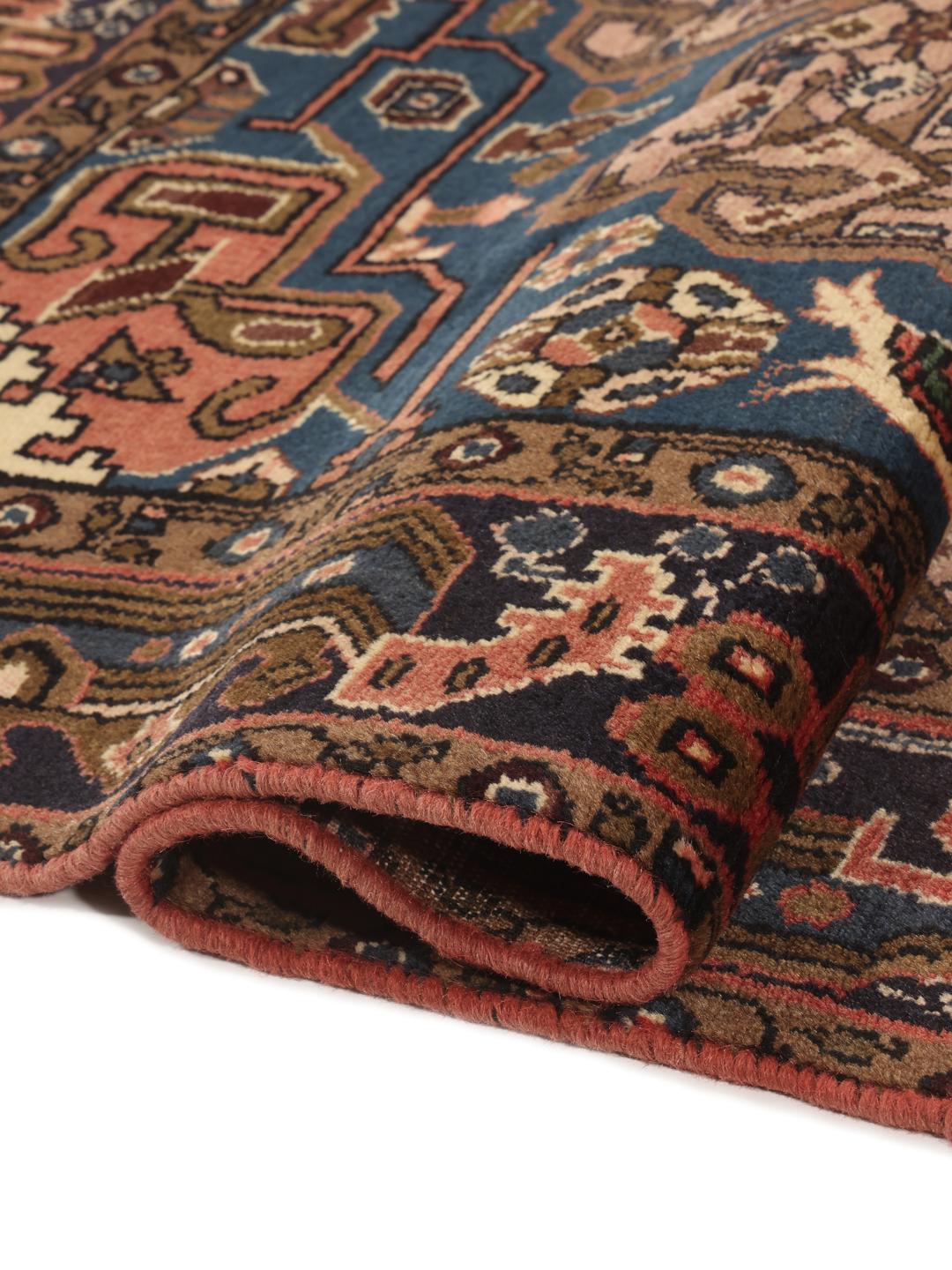
The term Koliai refers to this specific tribal tradition, which is known for its robust construction and use of high-quality Wool. The Wool is often hand-spun and dyed using traditional methods, resulting in deep, saturated tones that age beautifully over time. This process ensures that the rug is not just a floor covering, but a durable textile designed for the rigours of nomadic life.
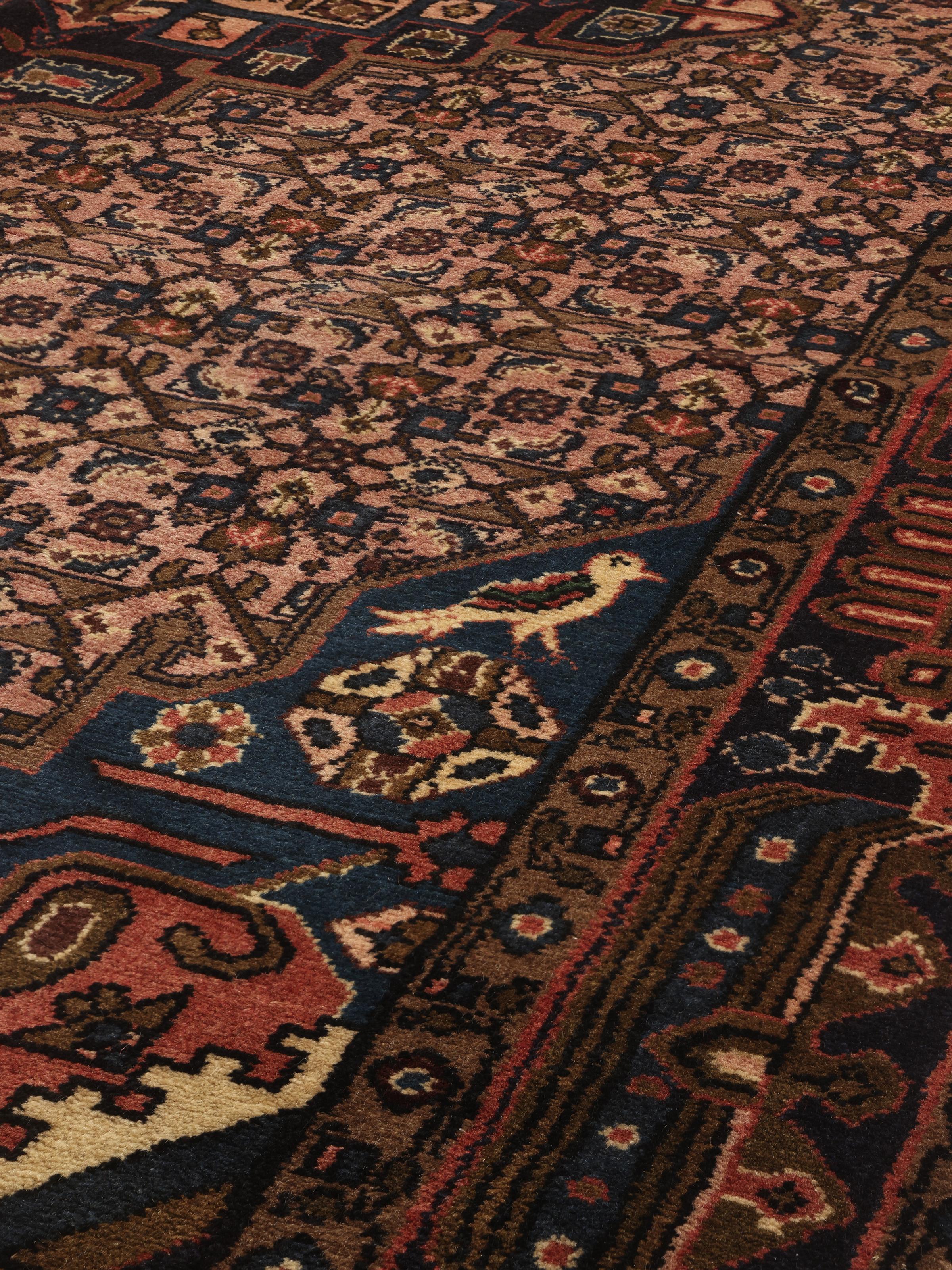
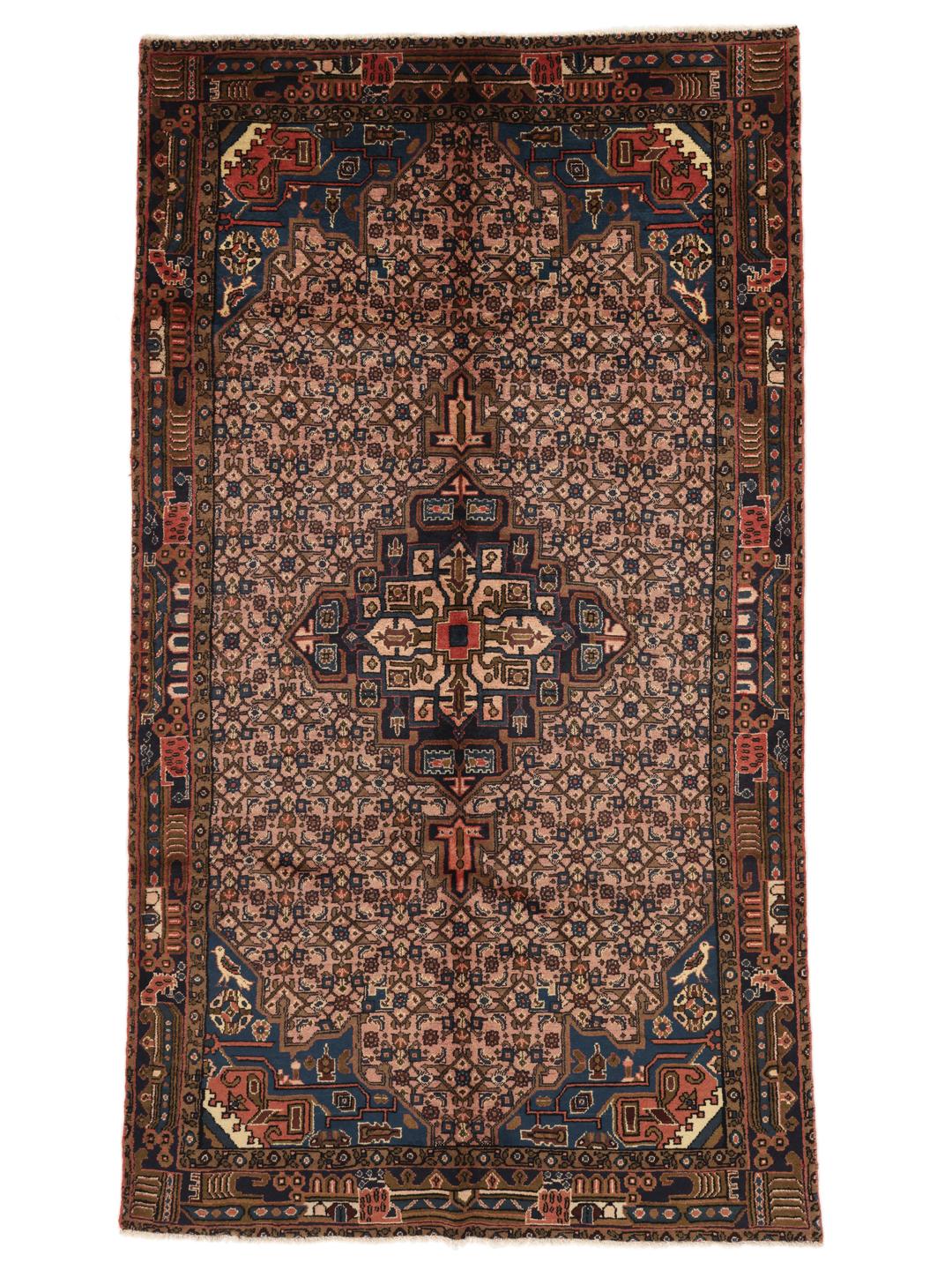
Visually, Koliai rugs are celebrated for their bold geometric patterns and striking central medallions. They often incorporate stylised floral elements and tribal motifs that hold significant cultural meaning for the weavers. The borders are typically wide and complex, framing the field with a harmony of colours that showcases the weaver's ability to balance intricate detail with a strong, cohesive composition.
Owning a Koliai rug is a way of connecting with a rich, living history. These pieces are highly valued by collectors for their authenticity and the human story woven into every thread. By choosing a Koliai, you are preserving a legacy of skill and cultural identity, bringing a piece of heritage into your home that stands apart from mass-produced alternatives.