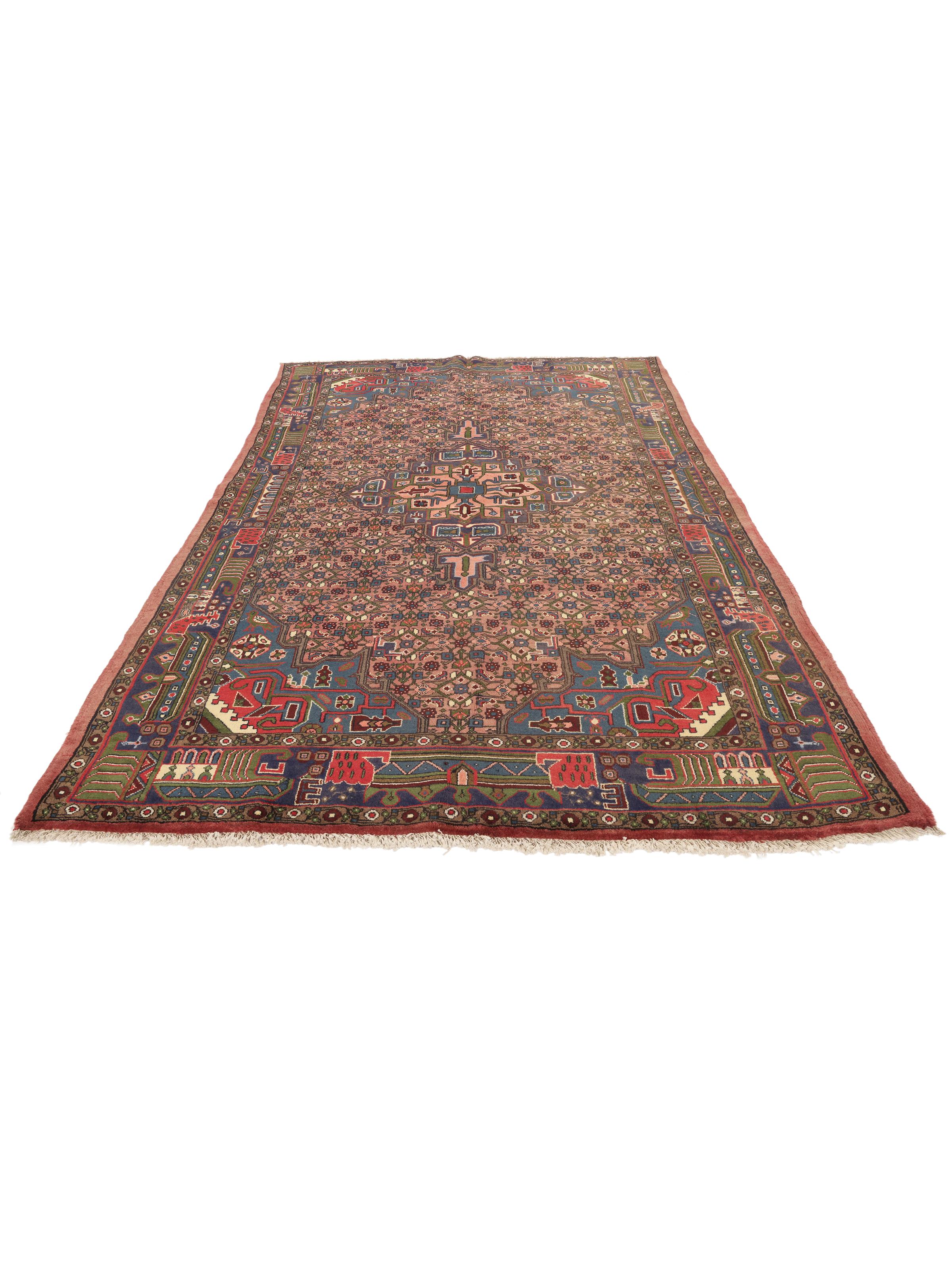
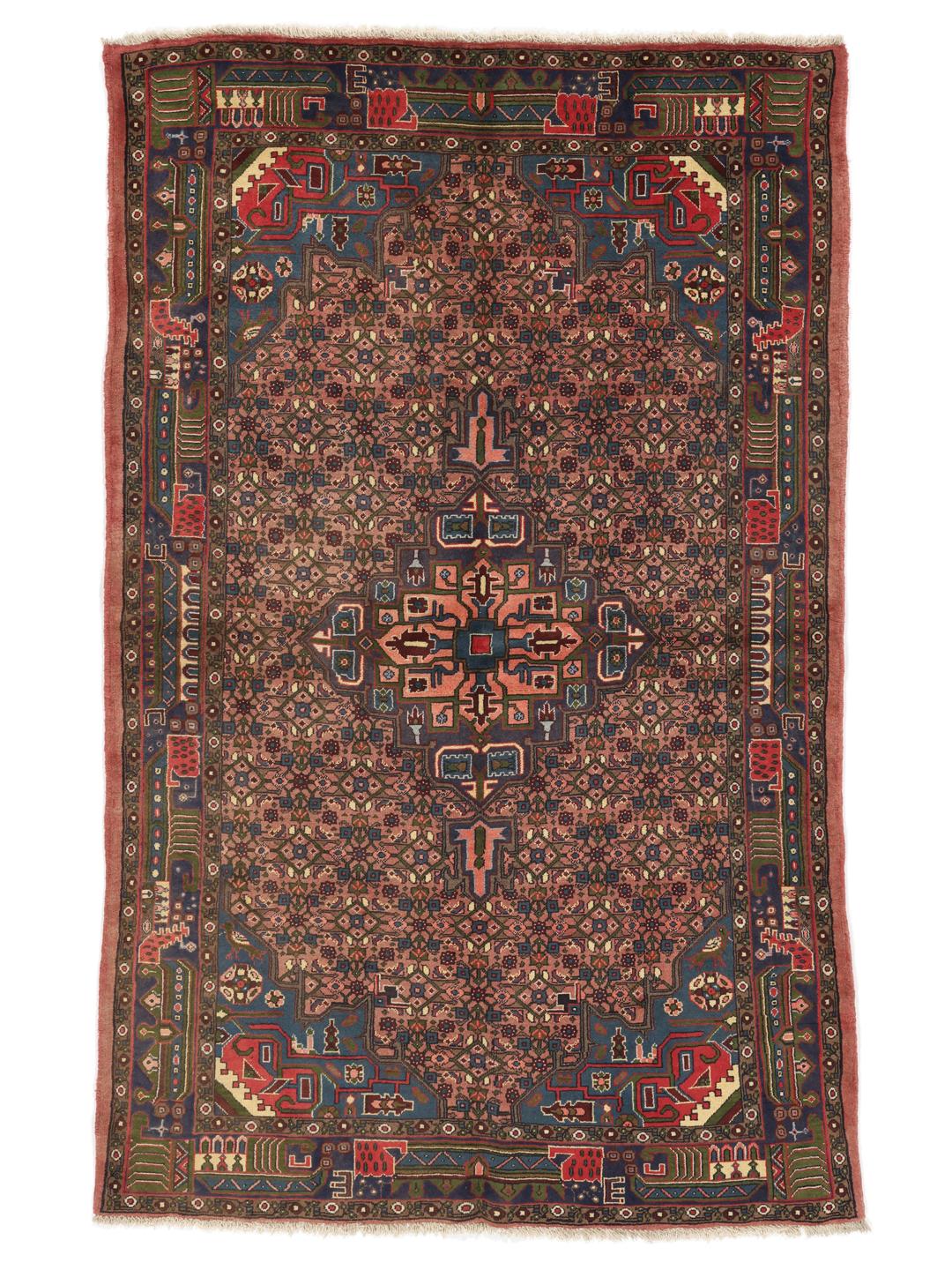
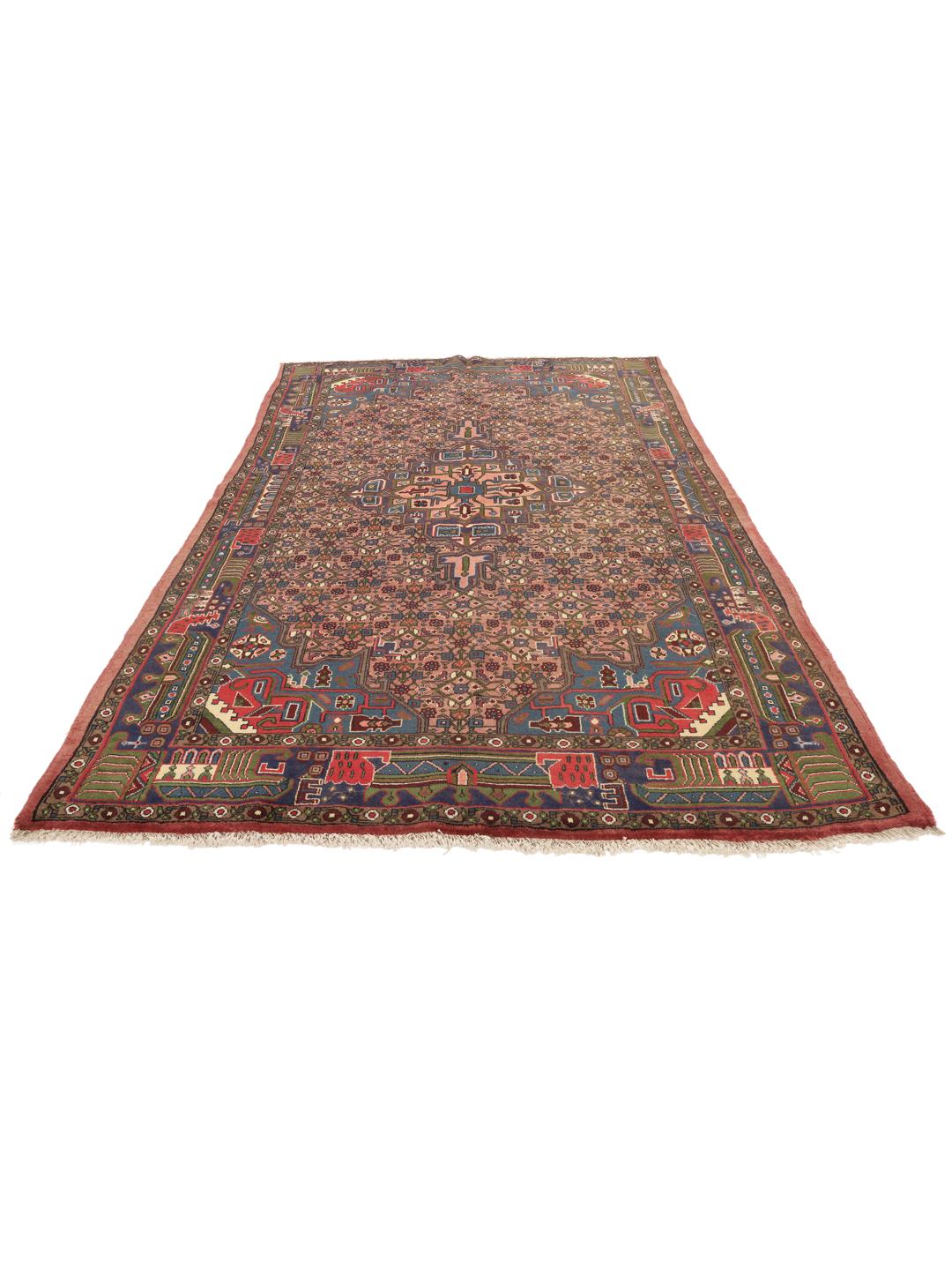
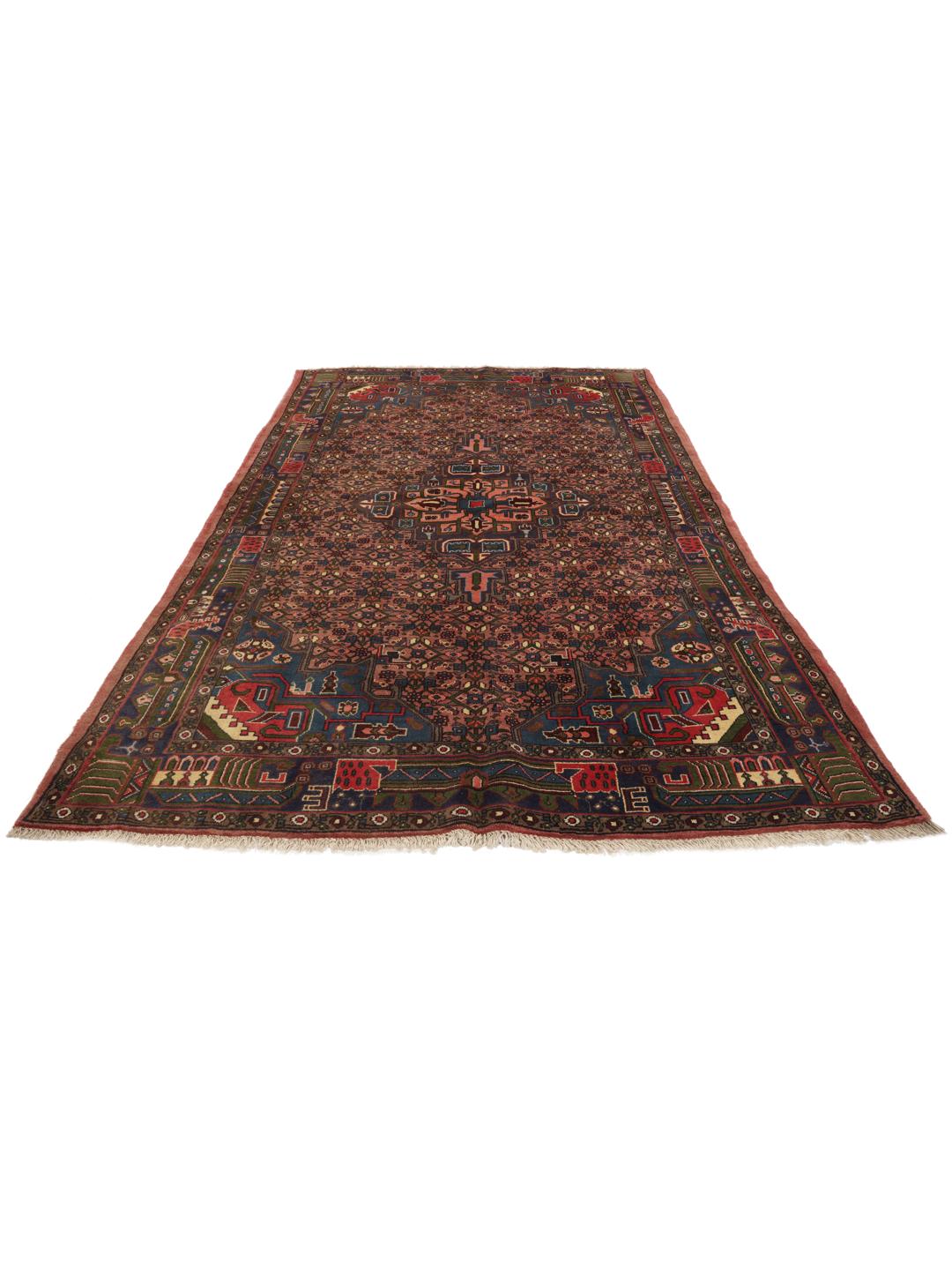
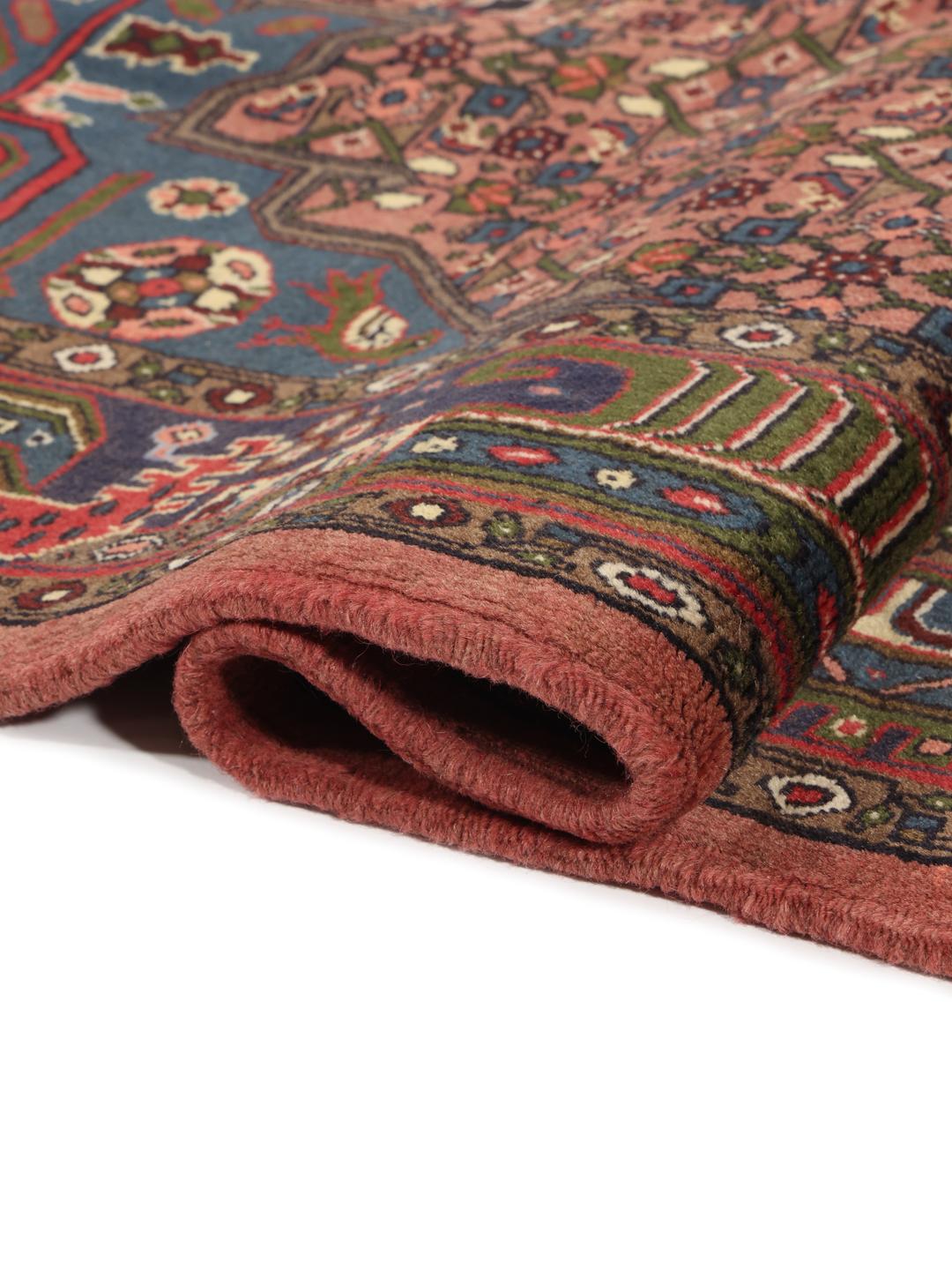
Koliai rugs originate from the Kurdish tribes inhabiting the mountainous regions of the Middle East. These nomadic and semi-nomadic groups have long been celebrated for their ability to translate their natural surroundings and tribal identity into highly durable, expressive floor coverings. The rug-making tradition in this region is deeply intertwined with the daily lives of the people, serving as both utilitarian objects for warmth and canvases for cultural expression.
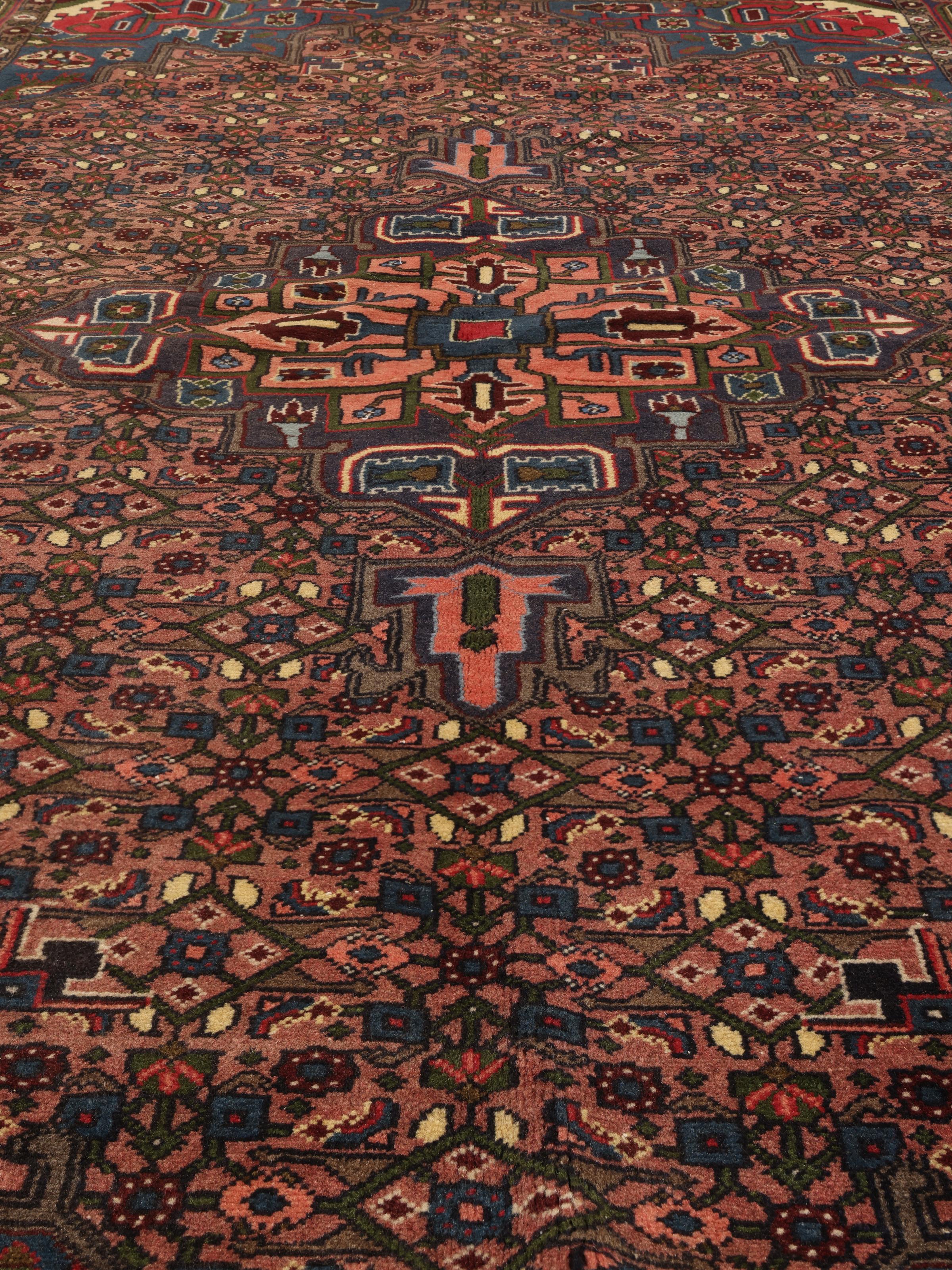
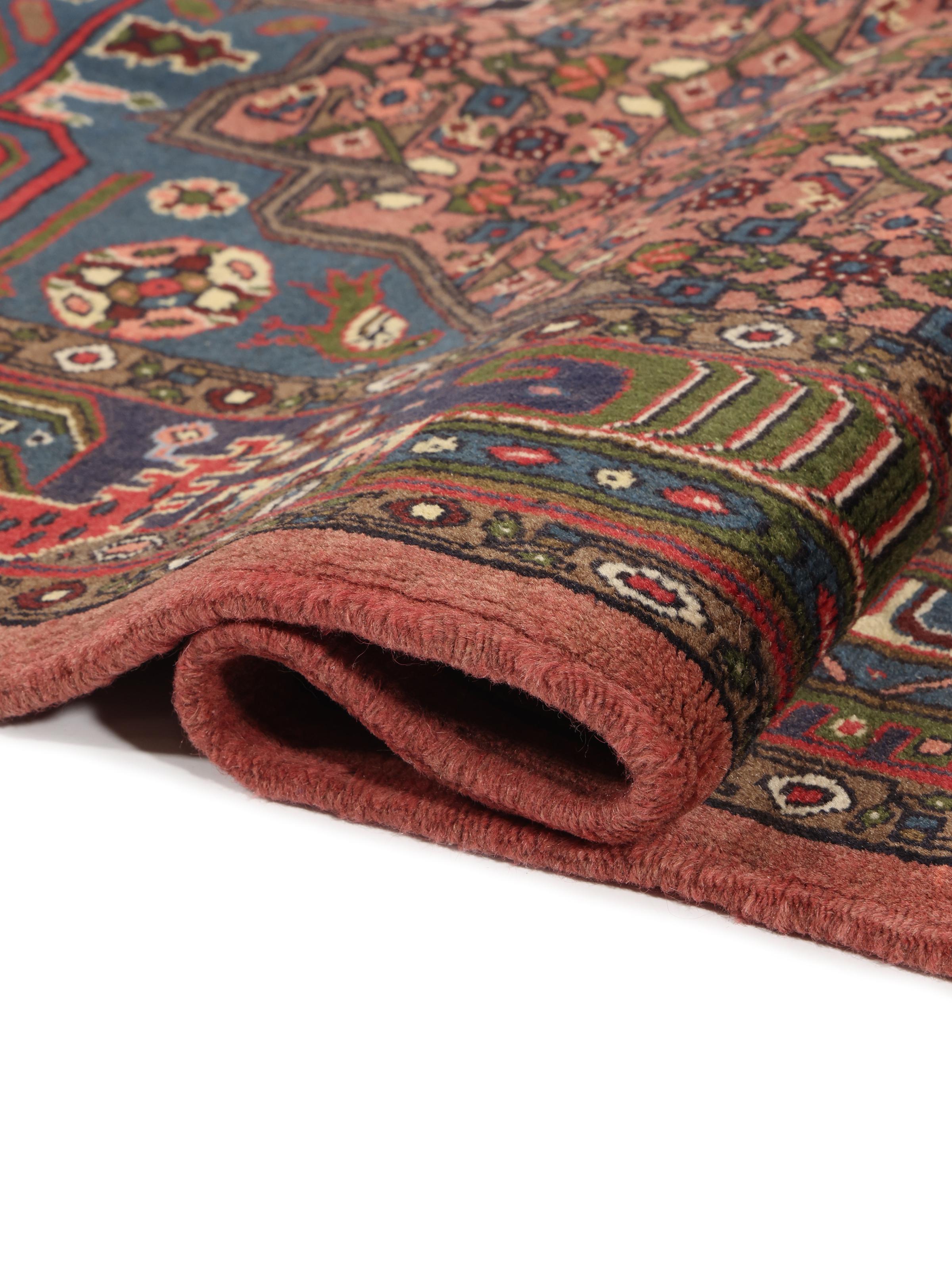
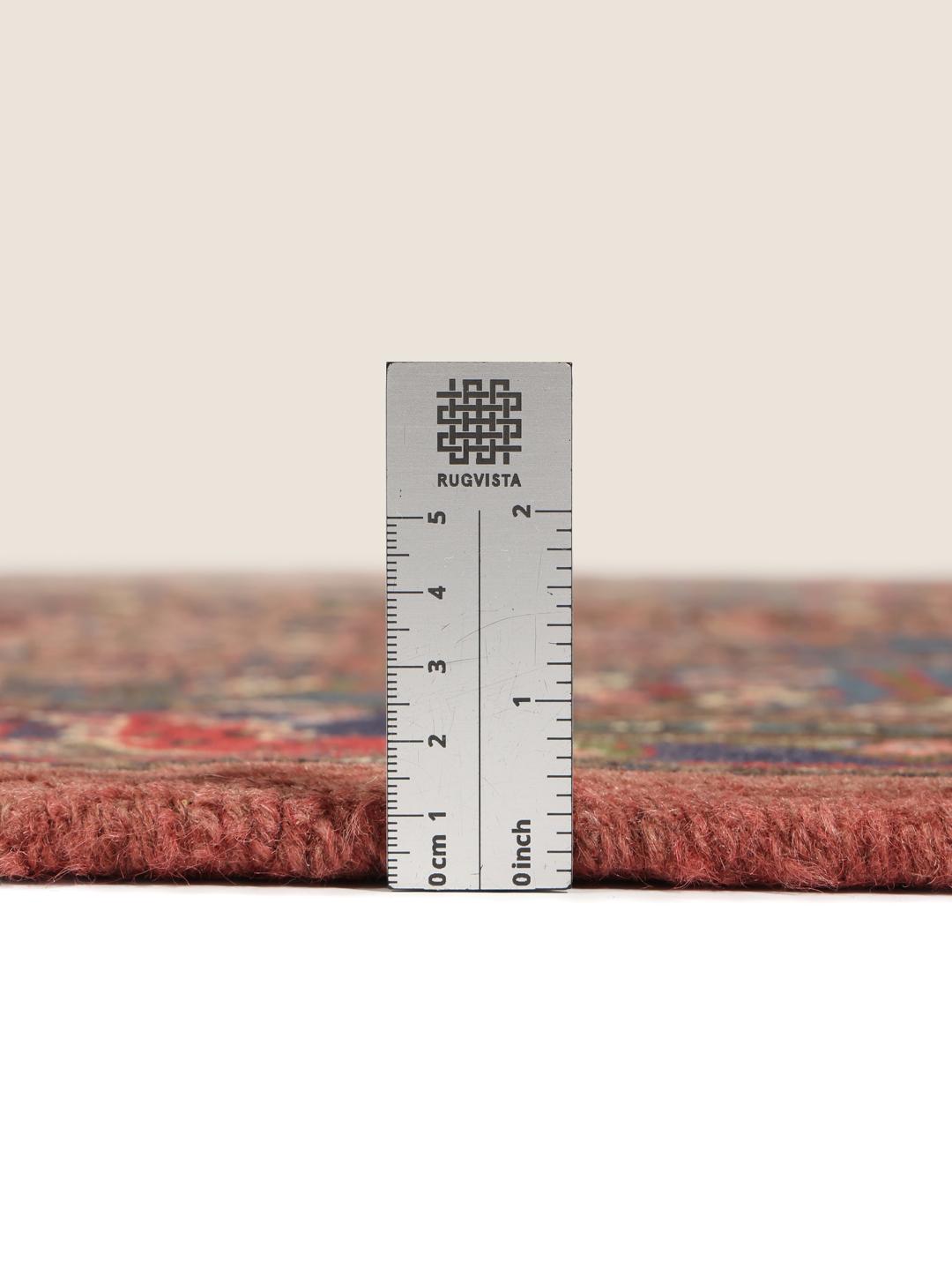
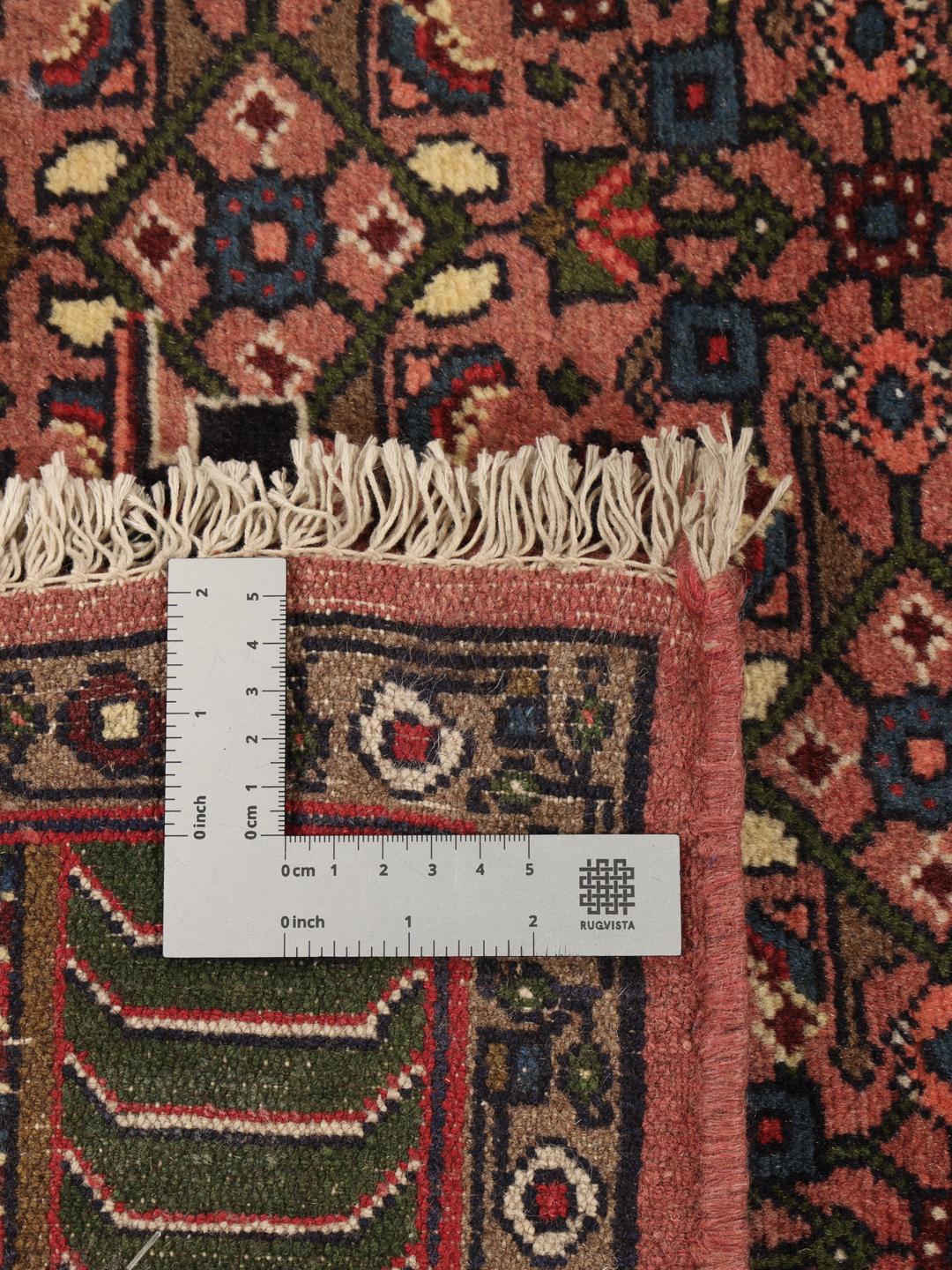
The terminology surrounding these rugs often points to the specific nomadic heritage of the weavers. The construction typically involves a robust foundation that provides the necessary tension for the dense wool pile. This technical approach is not merely for aesthetics, it is a functional necessity for rugs designed to withstand the harsh conditions of mountain life, resulting in a product known for exceptional longevity.
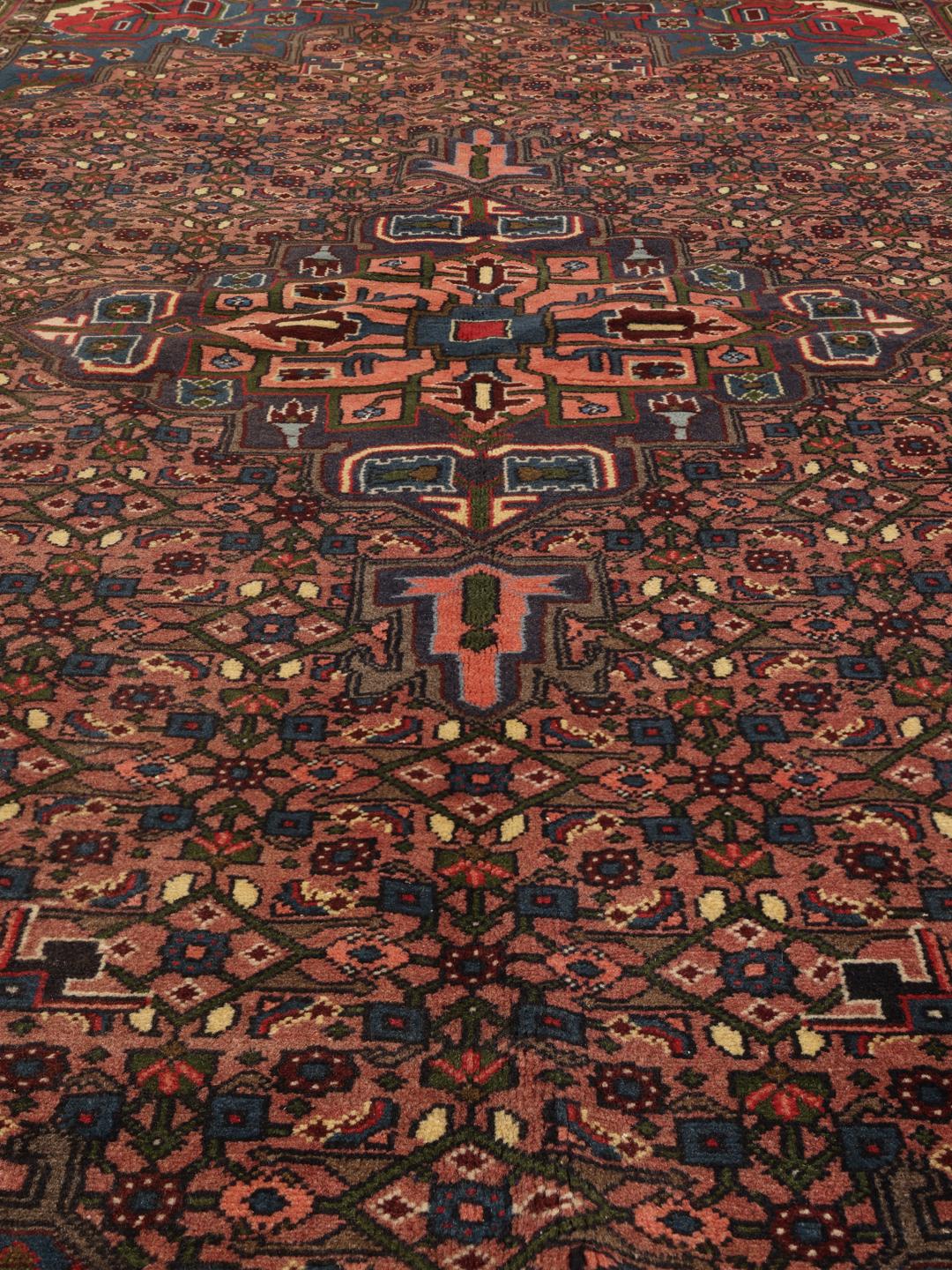
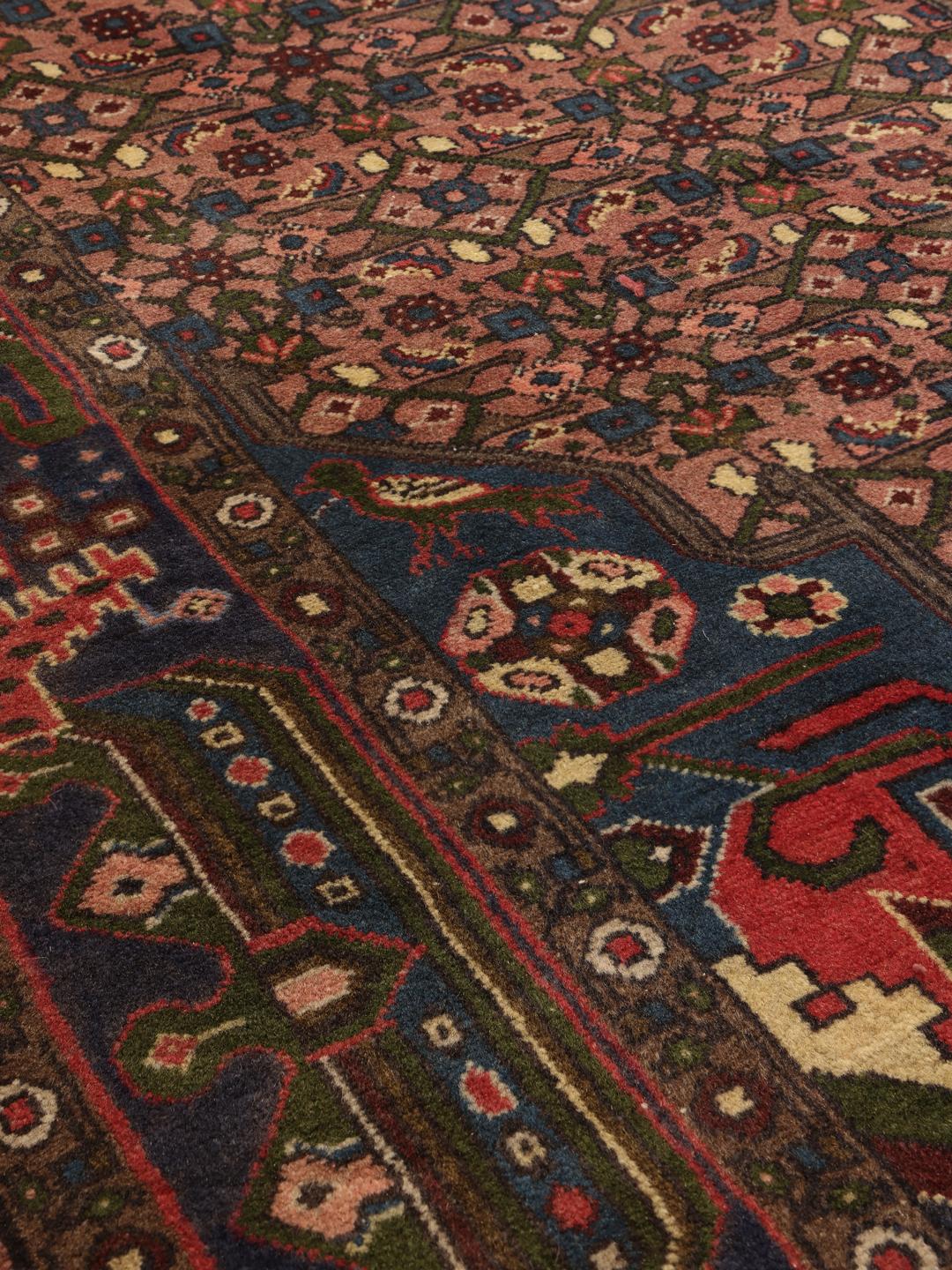
The visual language of a Koliai rug is distinctively geometric and bold. You will often find large, eye-catching medallions at the centre, surrounded by smaller, repeating motifs that reflect the weaver's environment, such as stylised flowers, animals, or tribal symbols. The borders are usually wide and highly decorative, serving to frame the central narrative of the rug with intricate, repetitive patterns that draw the eye.
Collectors value these rugs for their authenticity and the unrefined, spirited nature of their designs. Each rug acts as a historical document, capturing the artistic impulses of a specific group of people at a specific time. Owning a Koliai rug means connecting with a legacy of resilience and creativity, bringing a piece of living history into your home that celebrates the human element in every stitch.