Kilim rugs represent one of the most storied traditions in Middle Eastern textile history. Originating from the nomadic cultures of Turkey, these flat-woven rugs were historically essential for daily life, serving as floor coverings, blankets, and storage bags for travelling tribes.
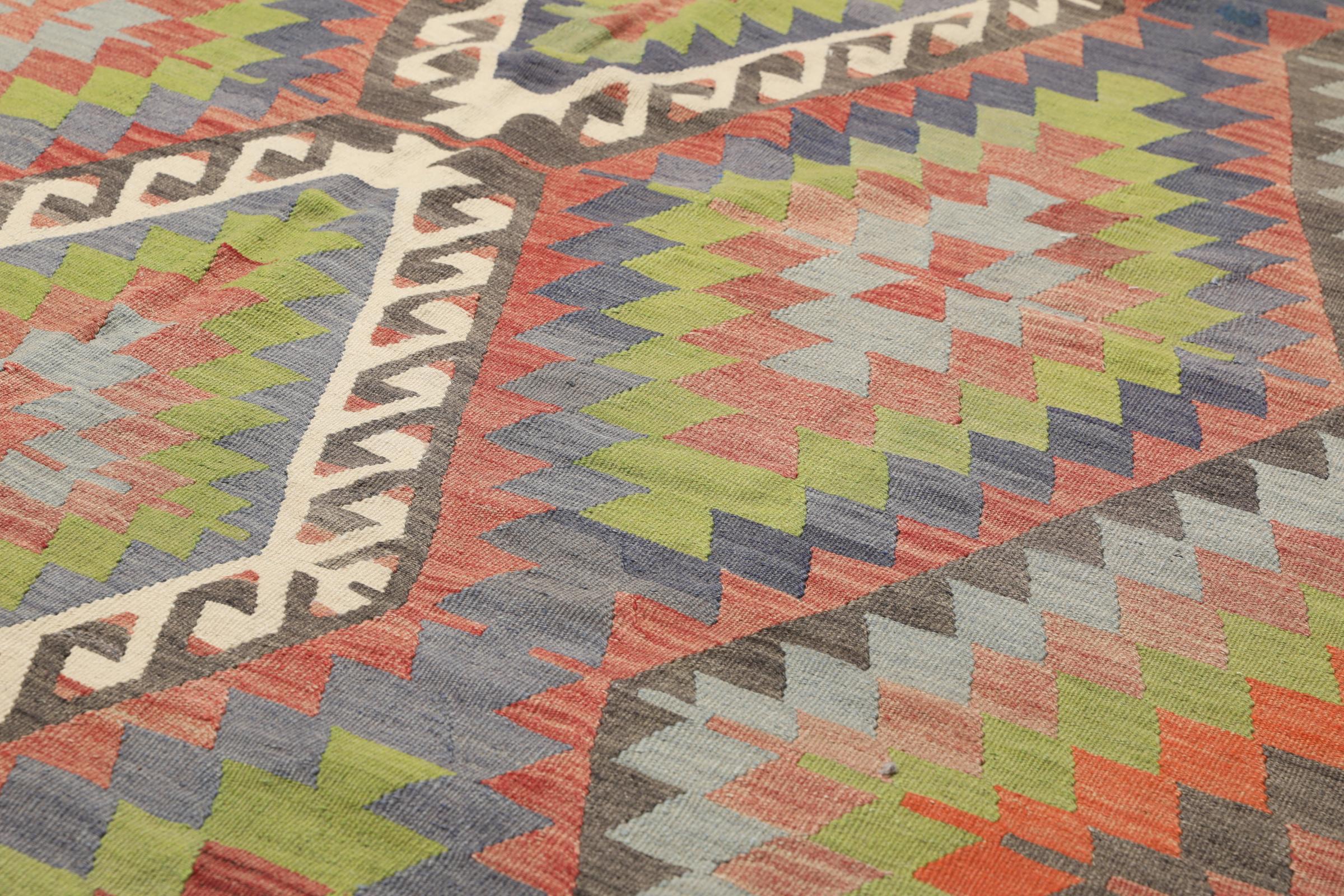
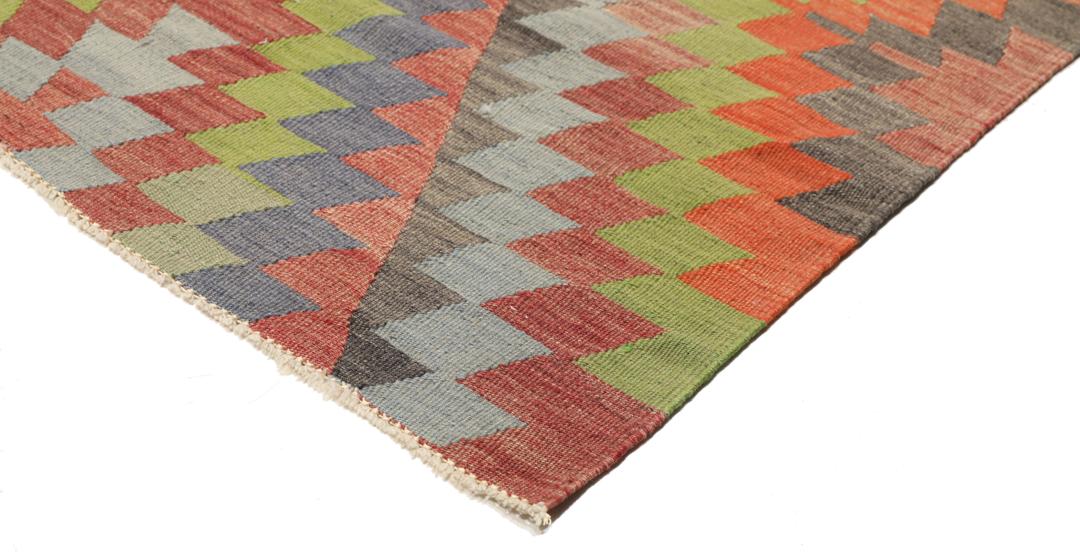
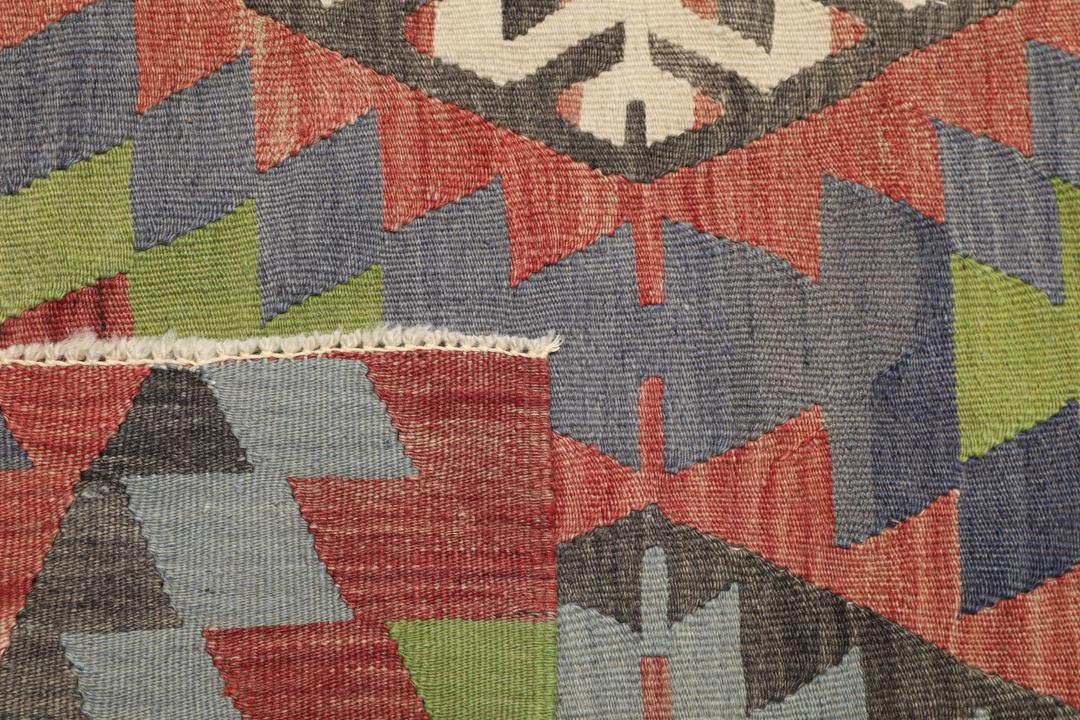
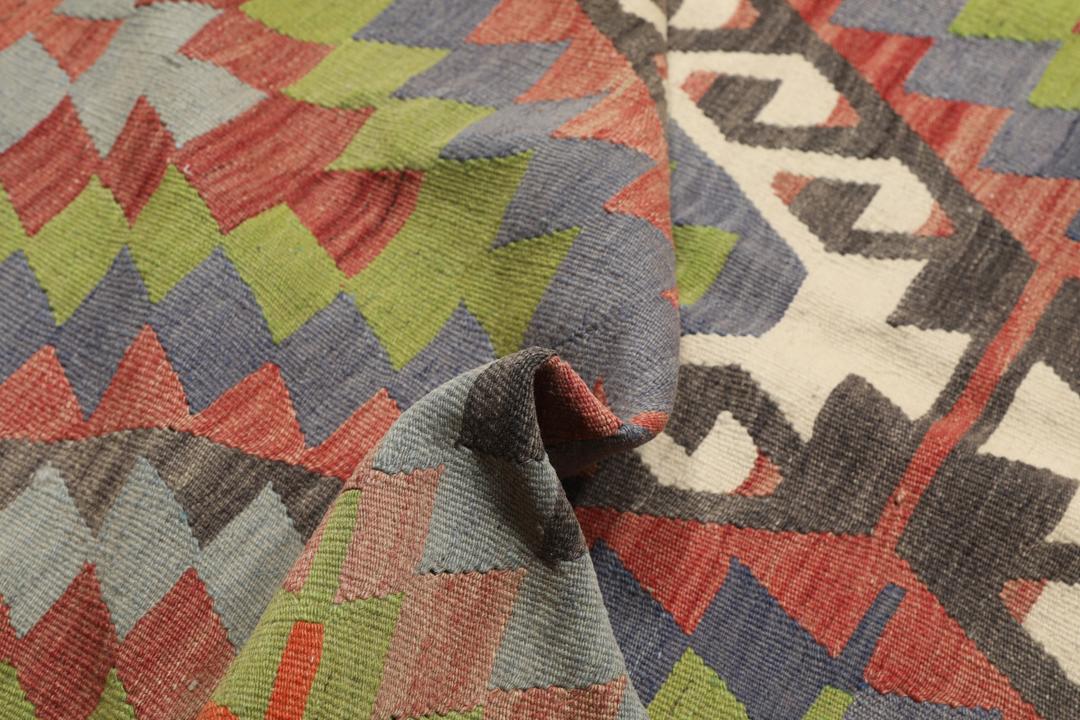
The term Kilim refers specifically to the slit-weave technique, where the weft yarns are passed back and forth through the warp threads. This method creates a thin, durable, and reversible fabric. Because there is no pile to wear down, these rugs are celebrated for their longevity and ability to maintain their vibrant appearance over decades of use.
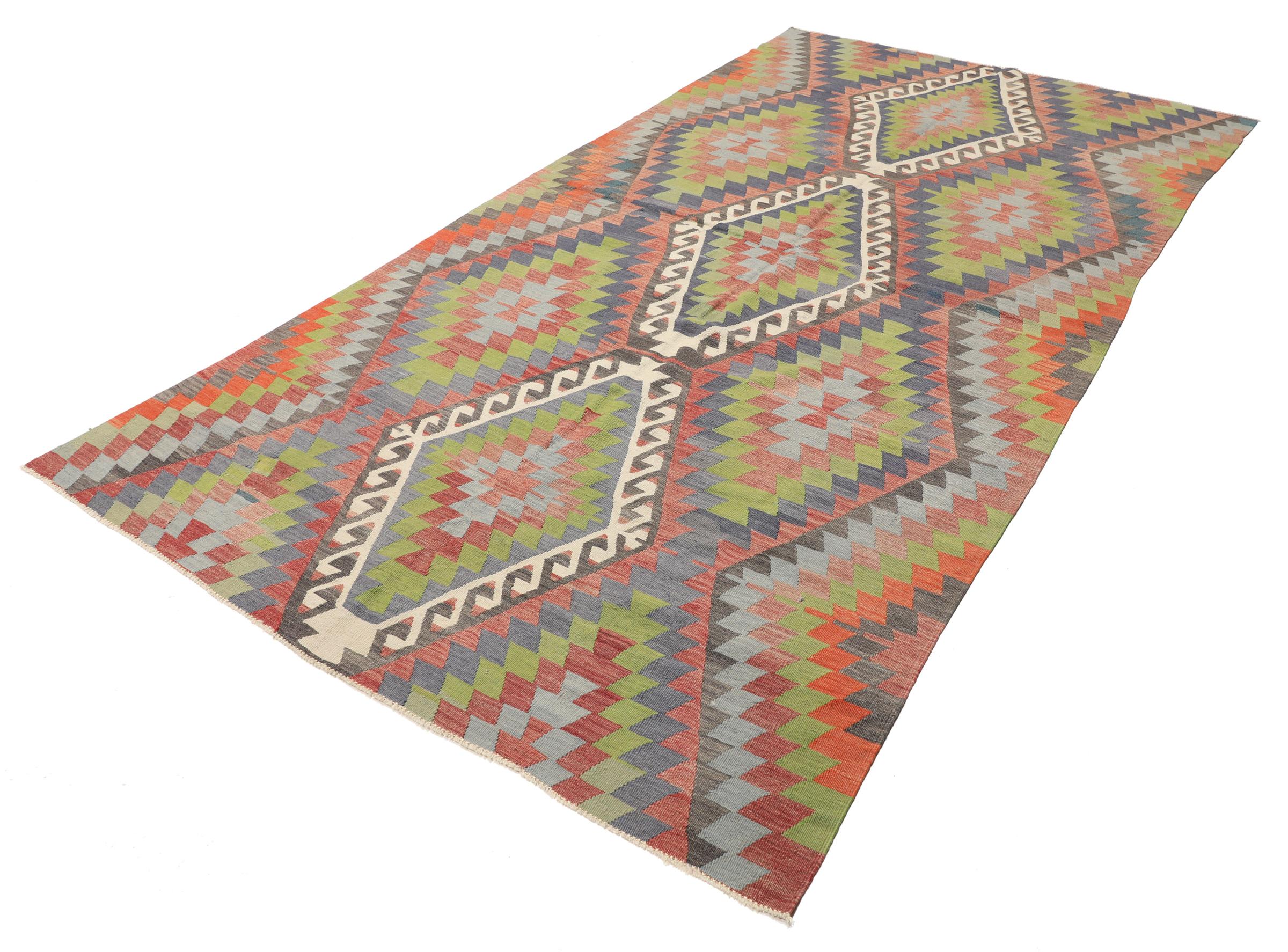
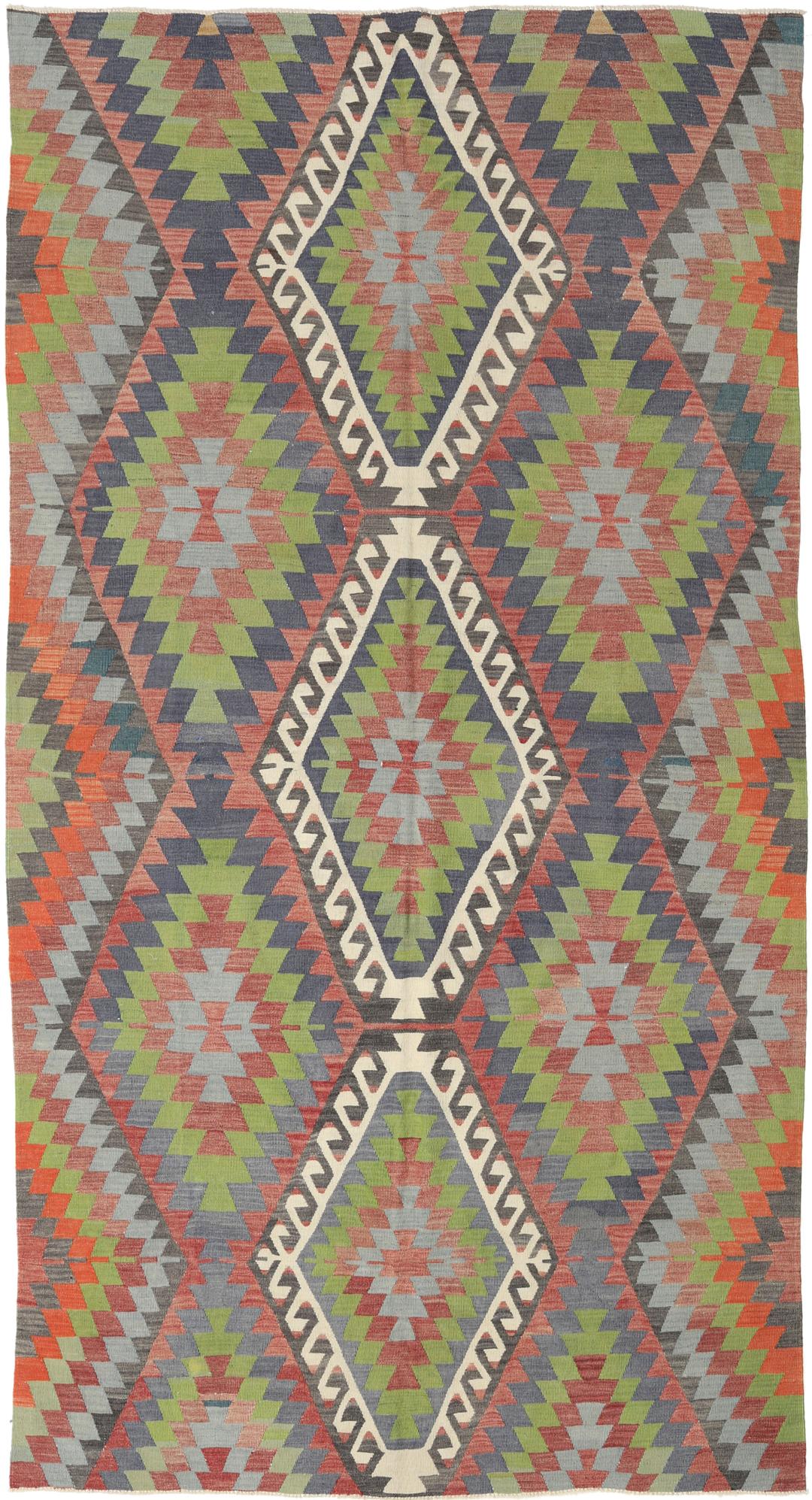
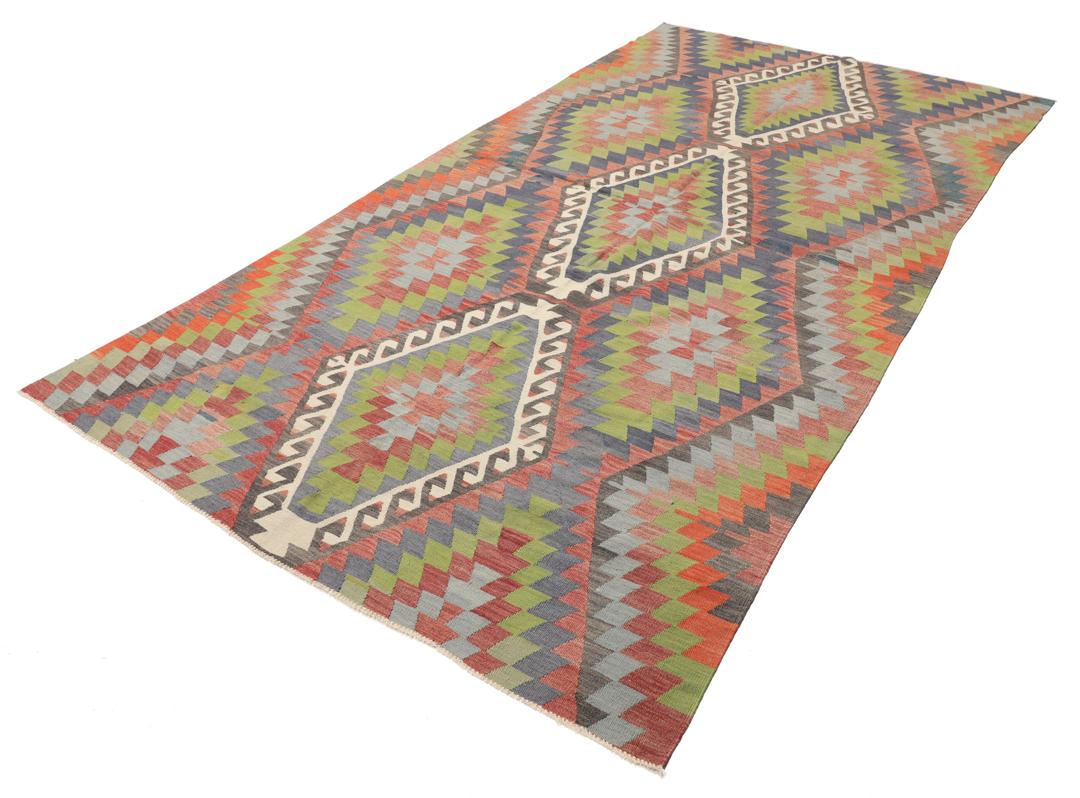
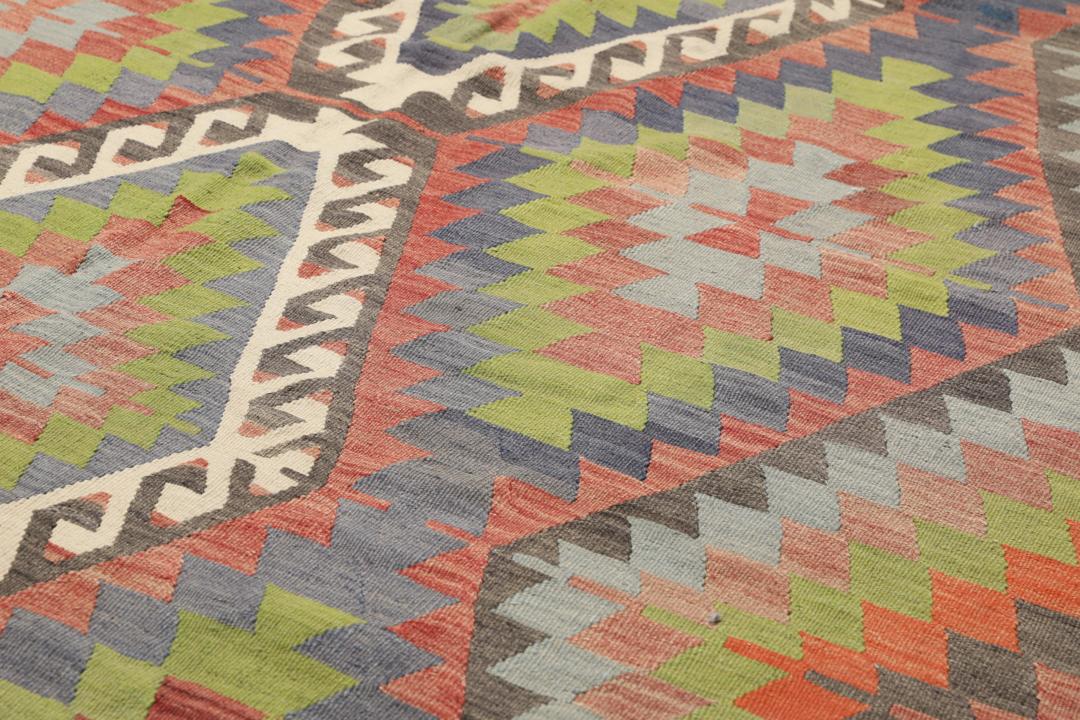
The signature aesthetic of these rugs is defined by bold, geometric motifs such as the large diamonds seen here. These shapes are often deeply symbolic, rooted in ancient tribal iconography that has been passed down through generations of weavers. The use of natural dyes and earthy pigments creates a cohesive look that is both striking and deeply connected to its regional heritage.
Collecting vintage Kilims is a way to preserve a fading art form. Each piece reflects the specific environment and cultural influences of the village where it was made. By bringing one into your home, you are not just acquiring a floor covering but a piece of cultural history that celebrates human creativity and the enduring quality of hand-woven textiles.