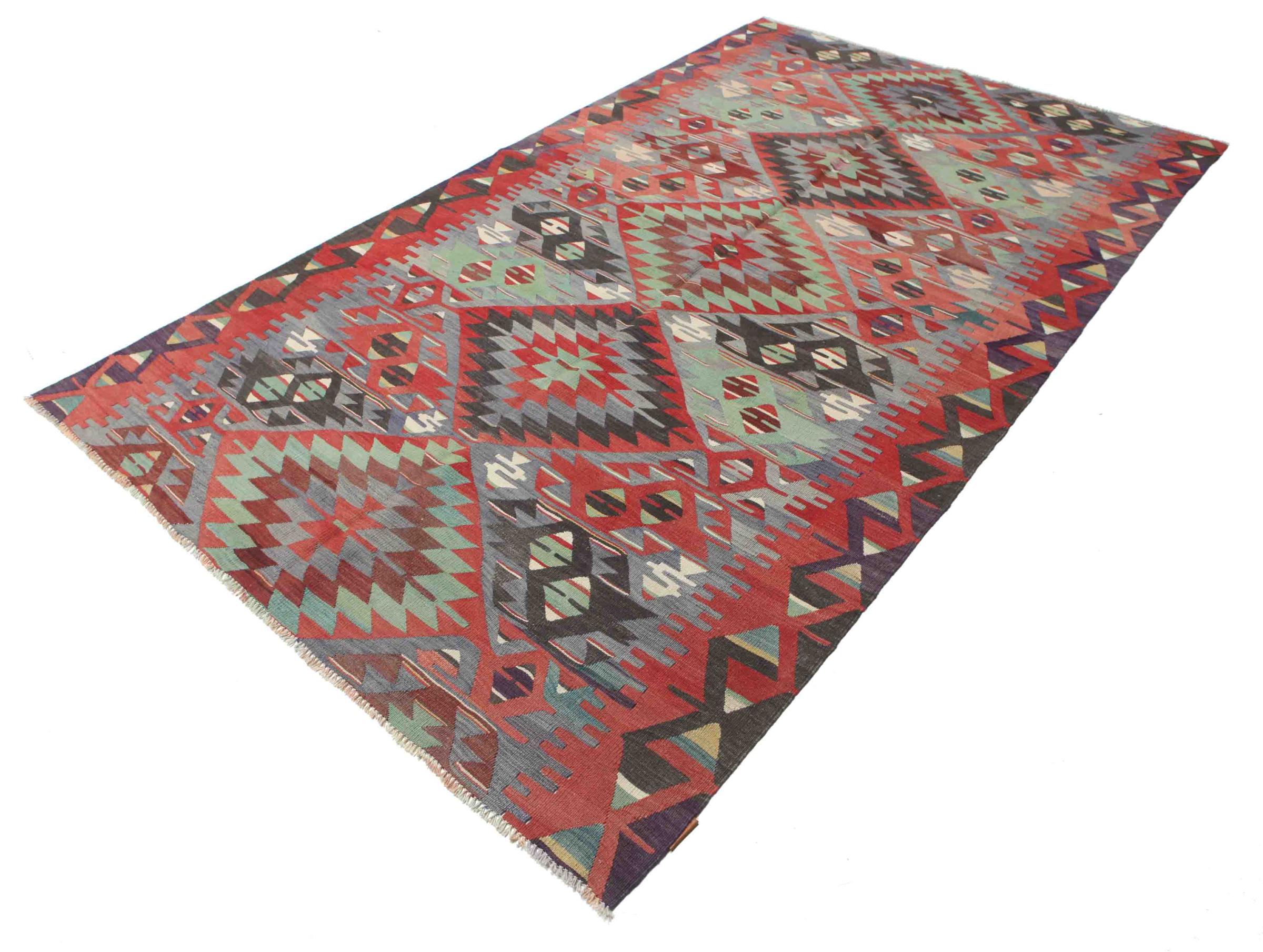
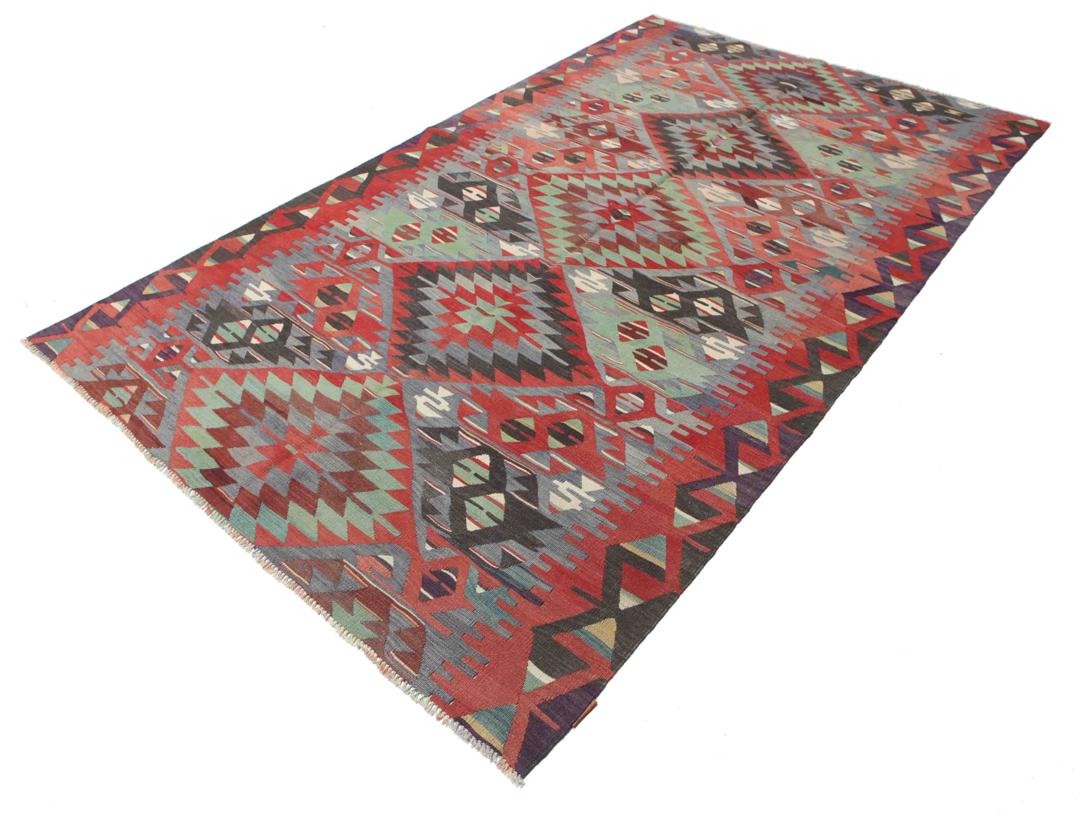
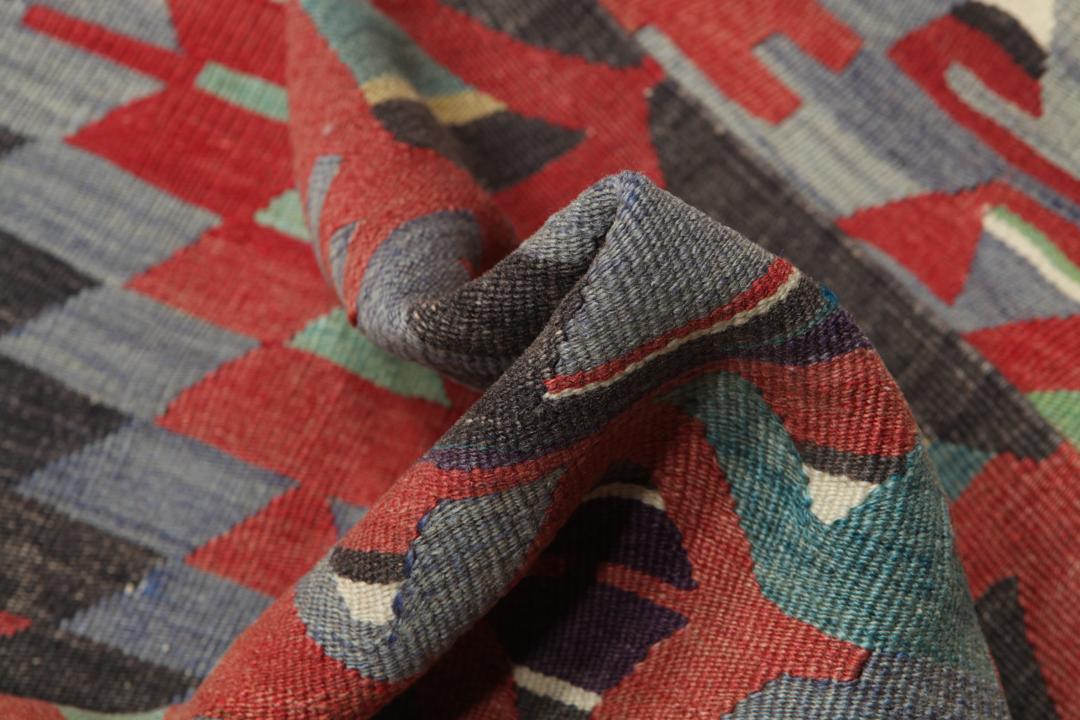
Kelim rugs hail from the vast, diverse regions of the Middle East and Central Asia, with Turkey serving as one of the most significant hubs for this flat-weaving tradition. Historically, these textiles were created by nomadic tribes for use as floor coverings, wall hangings, and storage bags, designed to be easily transported during seasonal migrations.
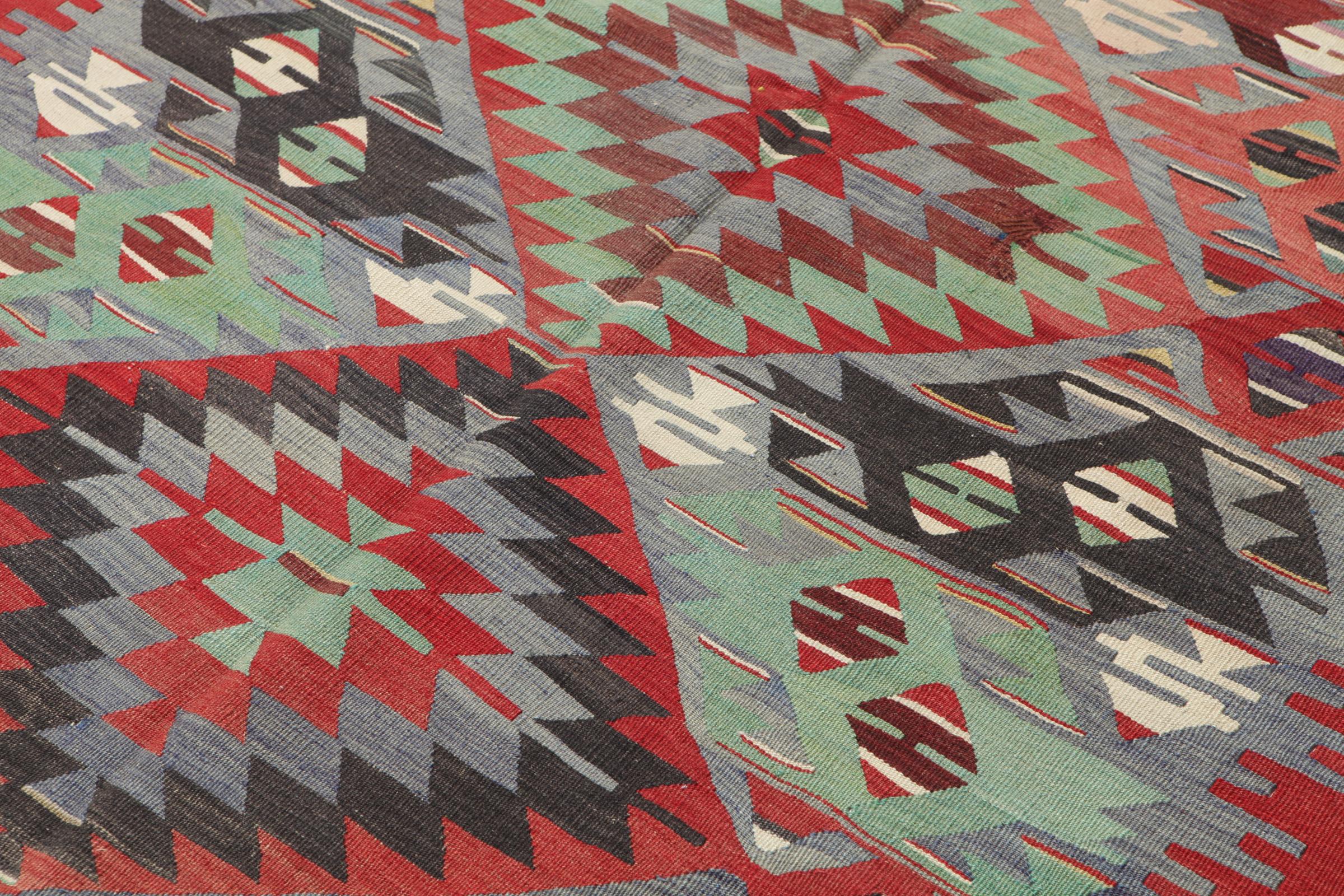
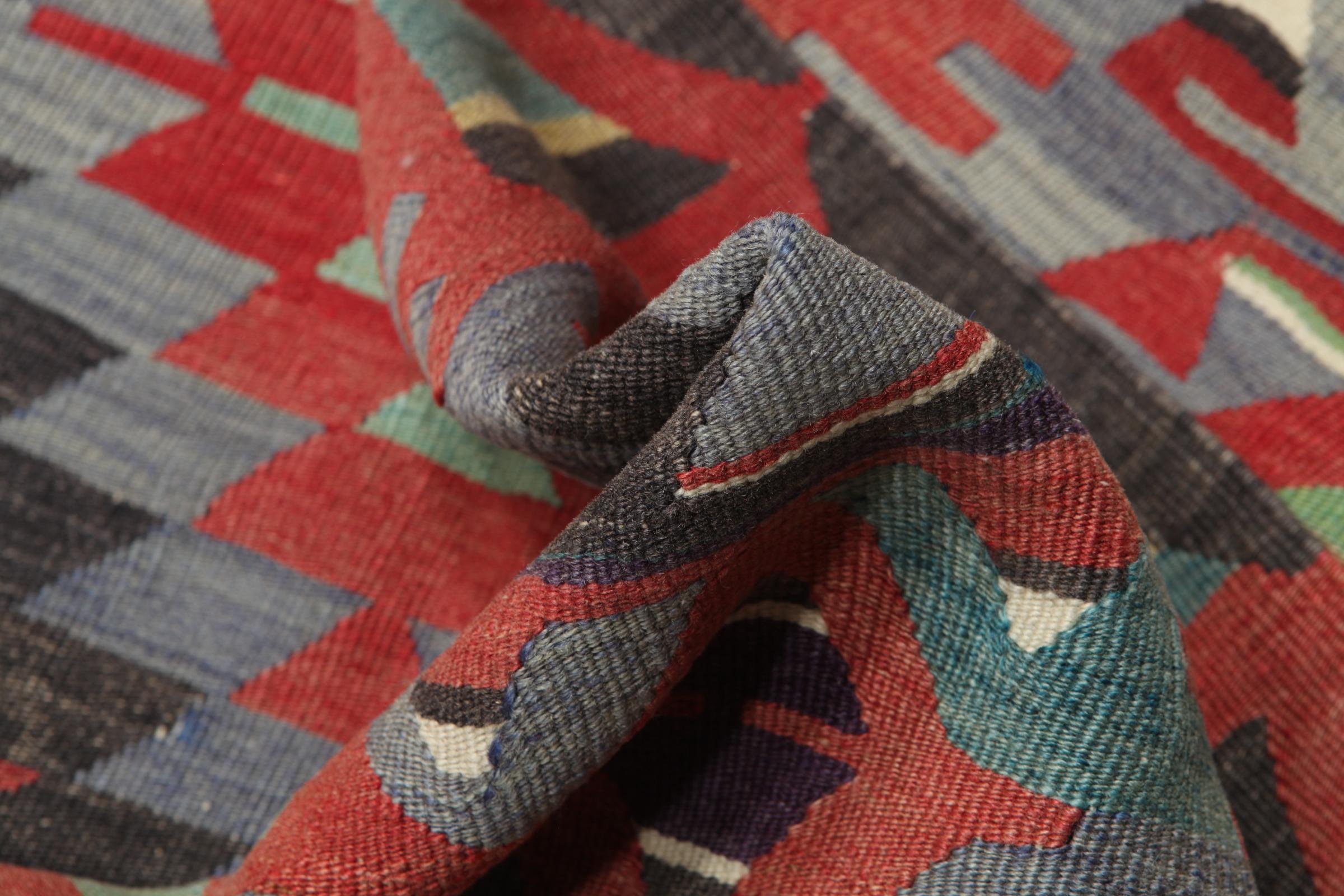
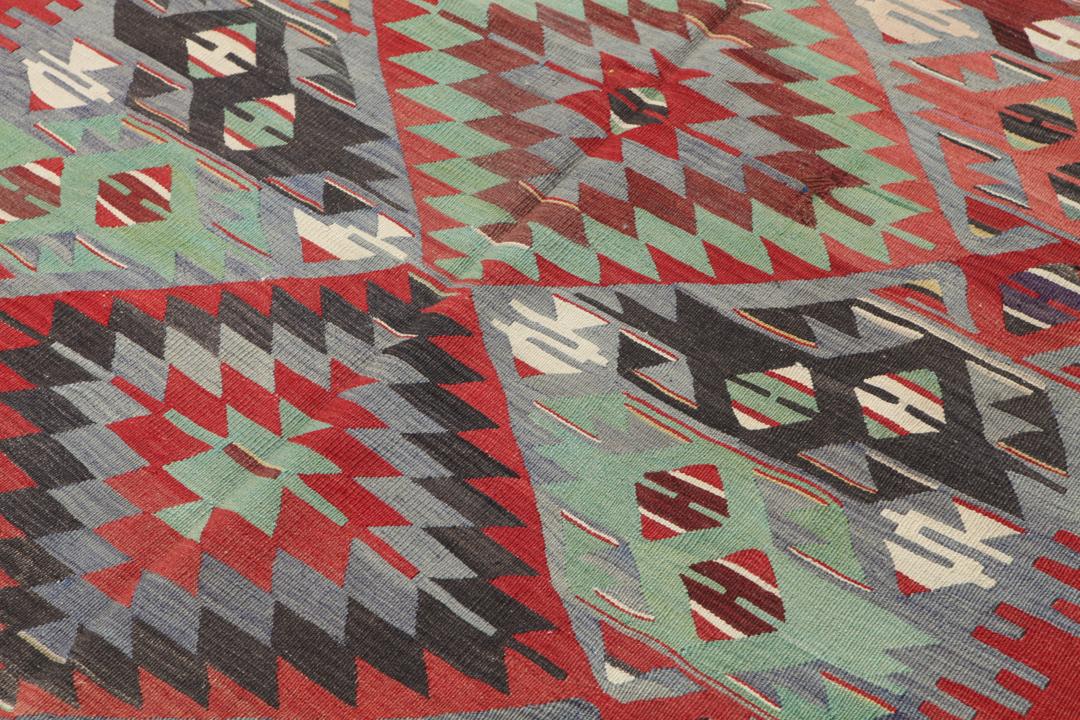
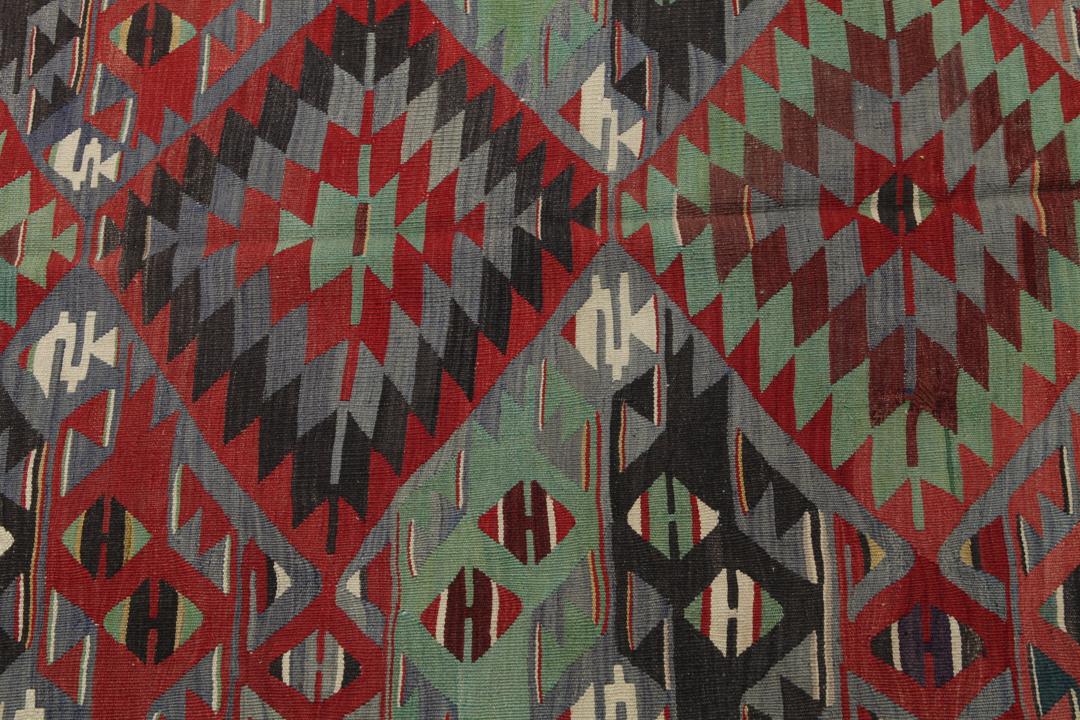
The term Kelim refers to the specific technique of slit-weaving, where the weaver creates the pattern by passing coloured Wool threads back and forth. This method results in a reversible rug with no pile, making it incredibly durable and ideal for the nomadic lifestyle. The lack of pile also means the design remains sharp and clear, allowing for the complex geometric motifs that define the style.
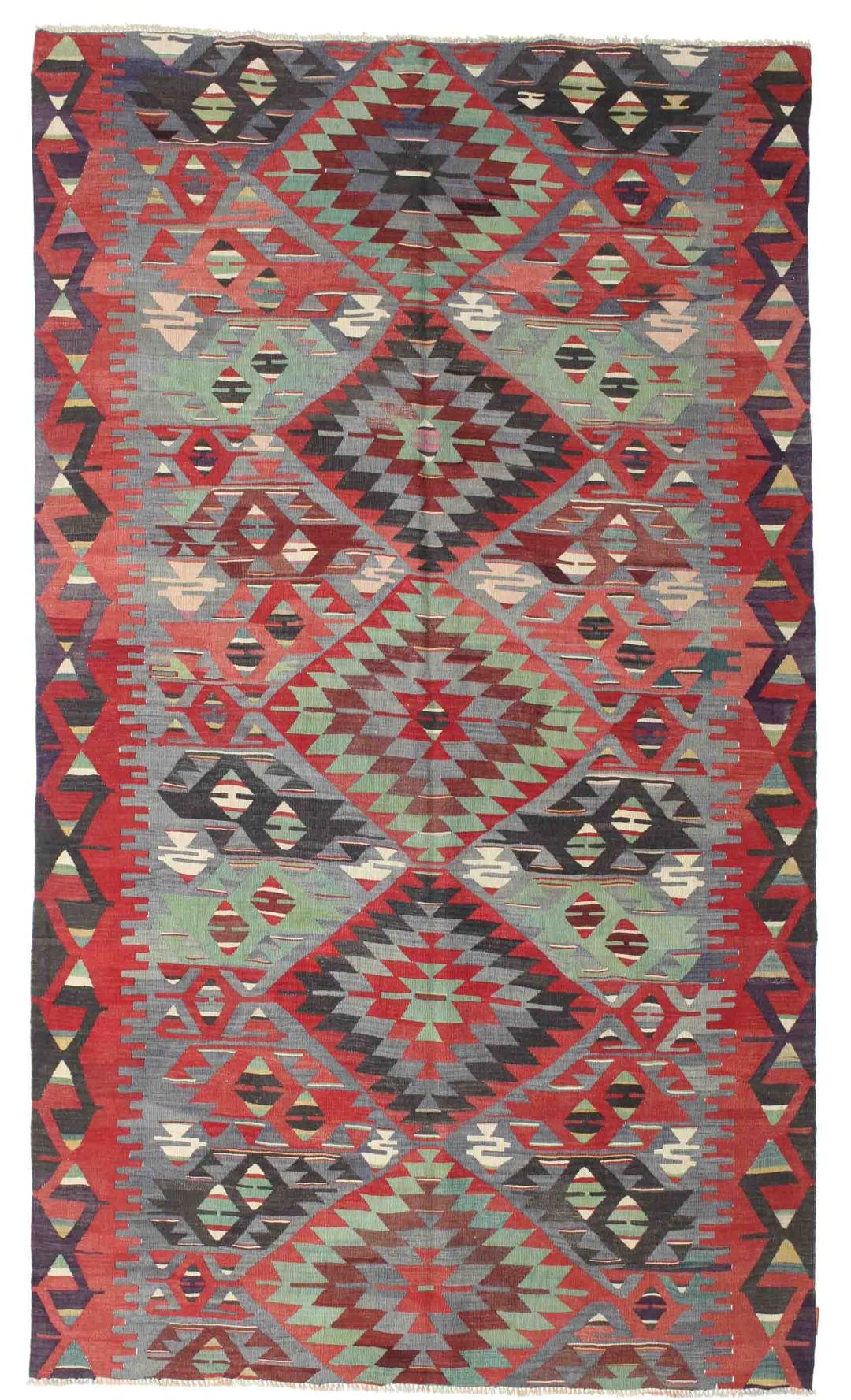
Signature design elements of Turkish Kelims often include bold triangles, diamonds, and stylized floral or tribal motifs that carry symbolic meanings, such as protection or fertility. These patterns are usually organised within a central field and framed by decorative borders, creating a harmonious balance that reflects the weaver's environment and cultural identity.
Today, these rugs are highly sought after by collectors and interior designers for their raw, authentic beauty and historical depth. Owning a vintage Kelim is an investment in human skill and cultural heritage, representing a connection to a slow, thoughtful way of life that values quality and endurance over fleeting trends.