Kilim rugs are a cornerstone of Middle Eastern textile history, with a tradition that spans centuries across Turkey and the broader region. These flat-woven masterpieces were originally created by nomadic tribes, serving practical roles as floor coverings, blankets, and storage sacks. The evolution of the Kilim from a functional nomadic tool to a prized collector's item reflects the deep cultural significance of weaving as a form of storytelling and artistic expression.
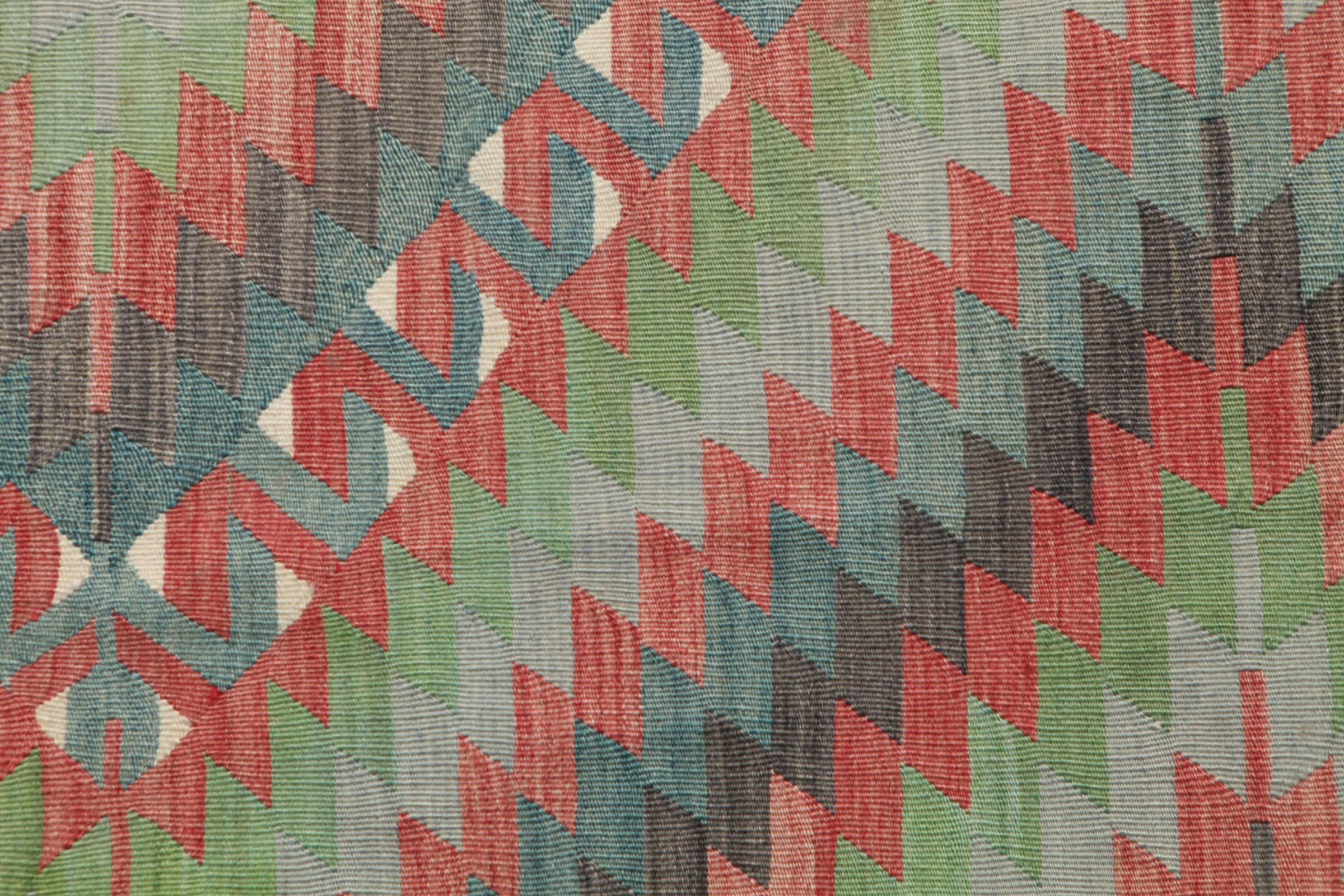
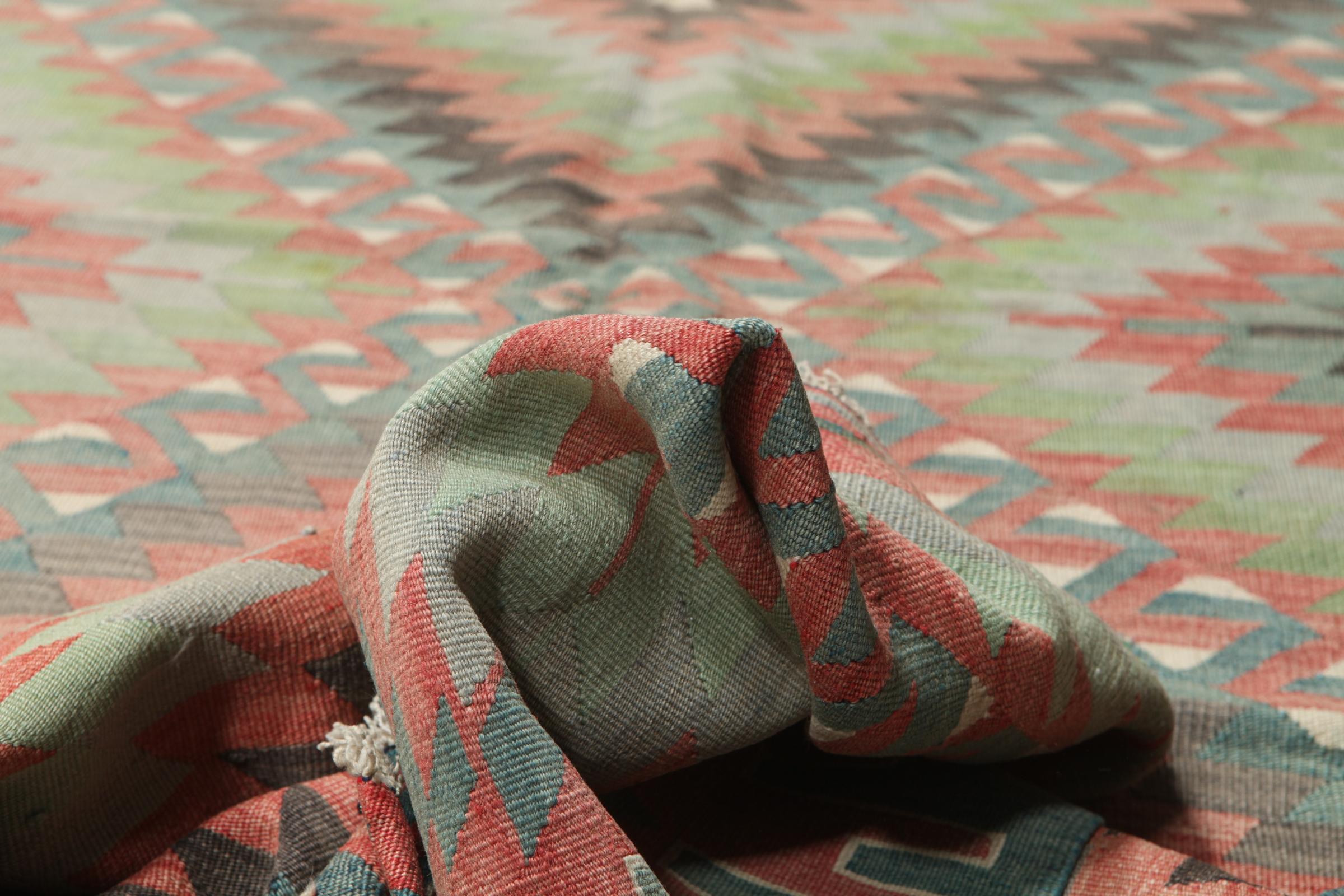
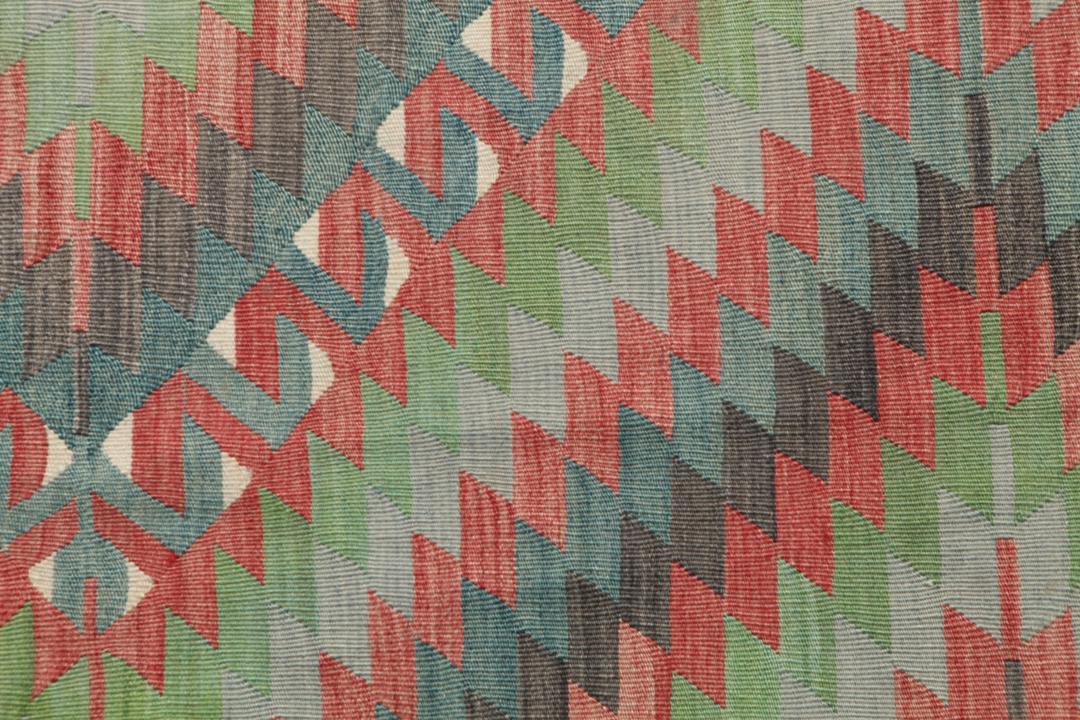
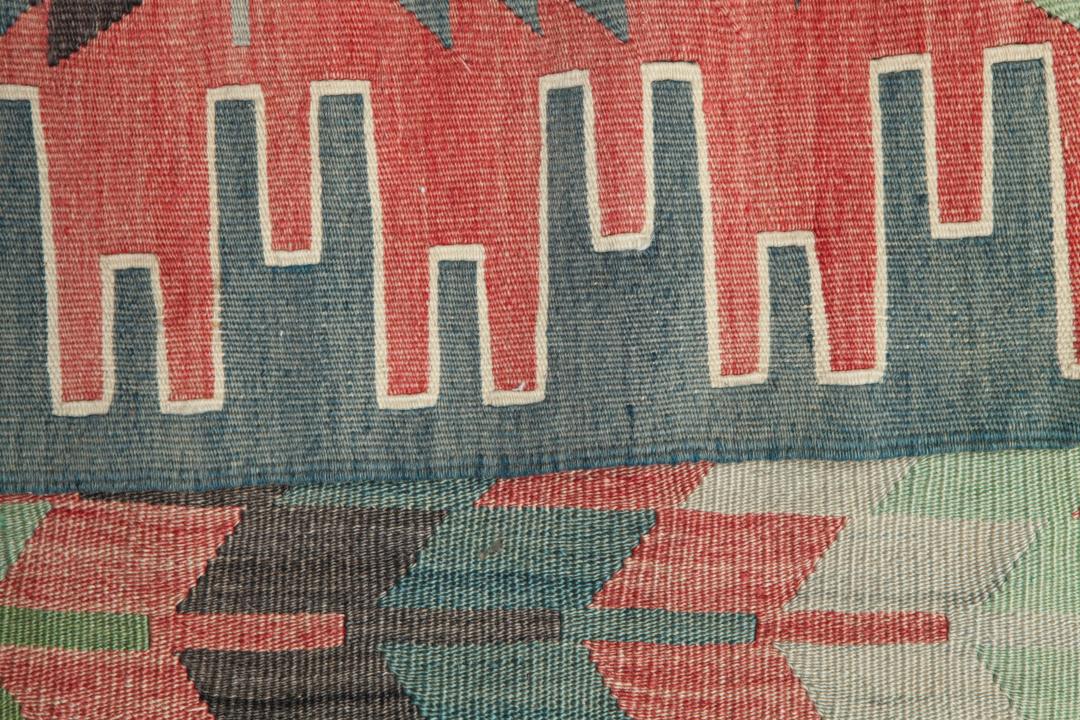
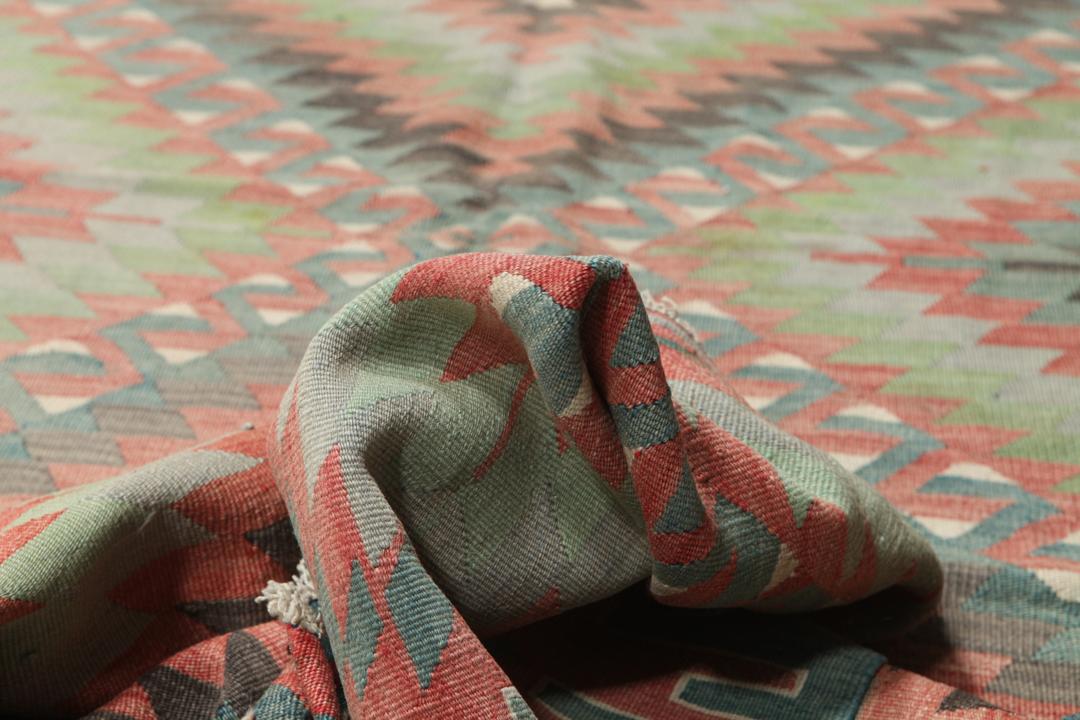
The term 'Kilim' refers specifically to the slit-weave technique used to create these rugs, where the weft threads are pulled tightly to conceal the warp. This method results in a thin, durable, and pattern-rich fabric without a pile. The lack of pile is a deliberate design choice that allows for intricate, sharp-edged geometric motifs, as the weaver is not restricted by the height or direction of a pile, enabling them to create complex, reversible patterns with ease.
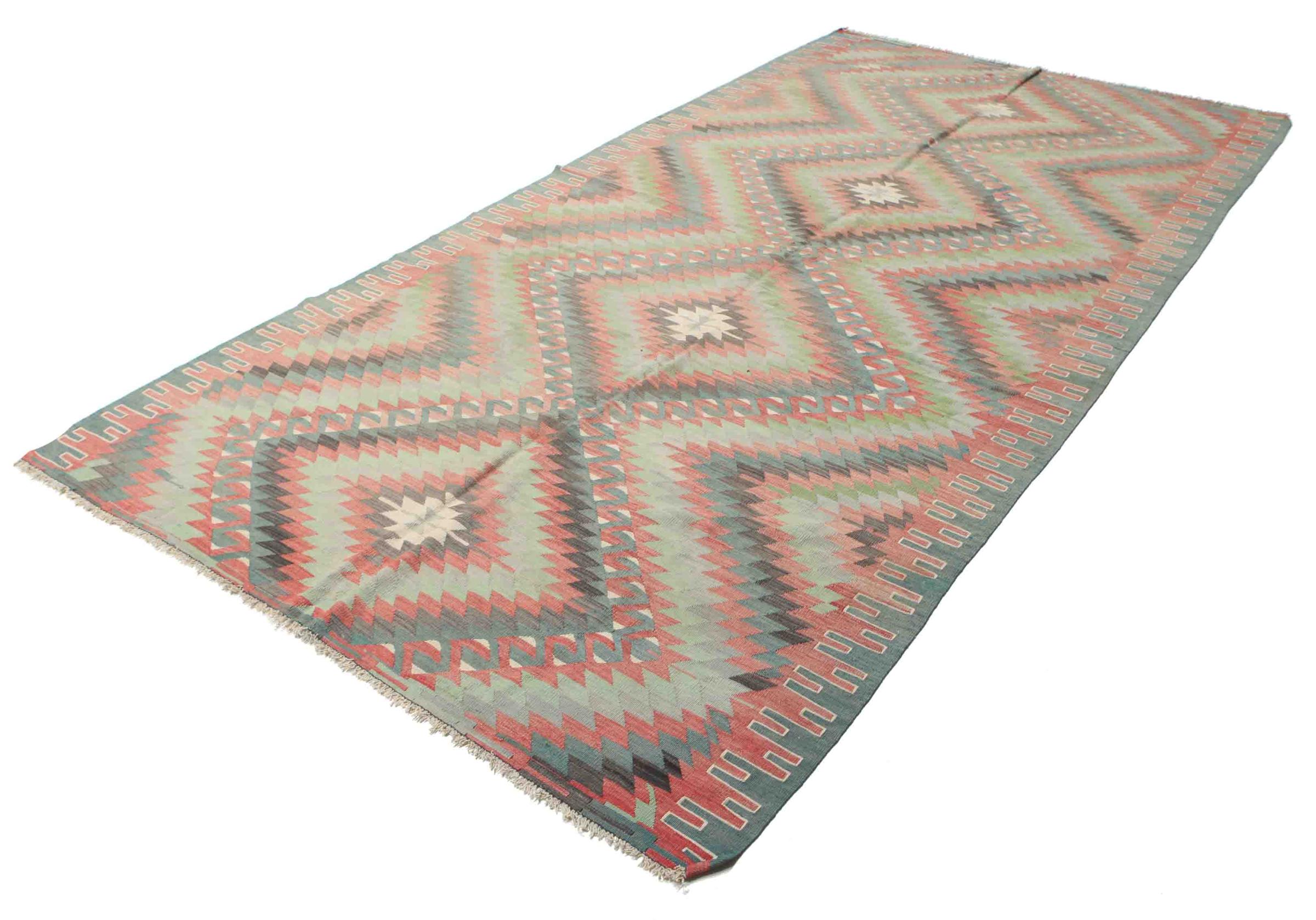
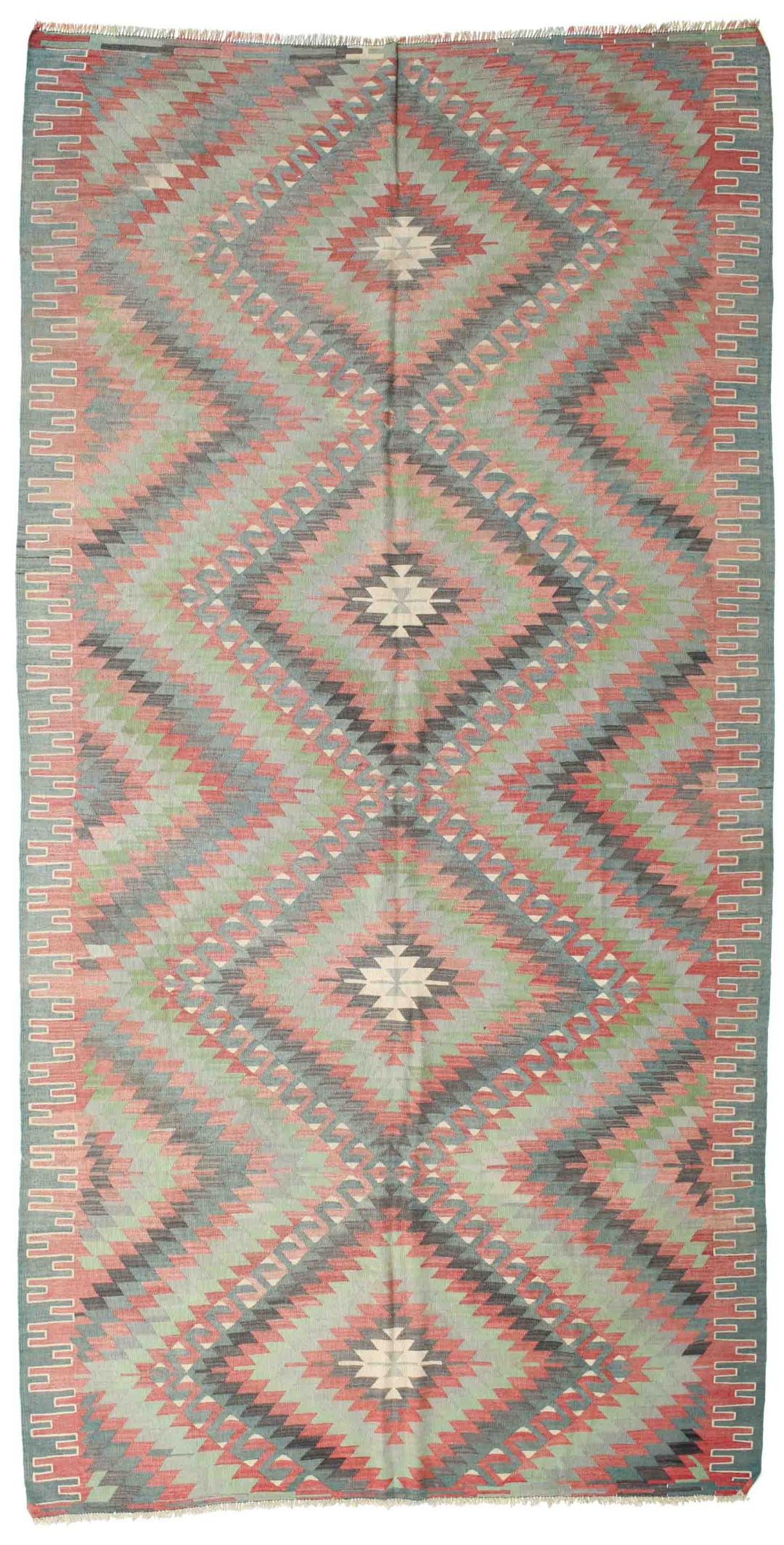
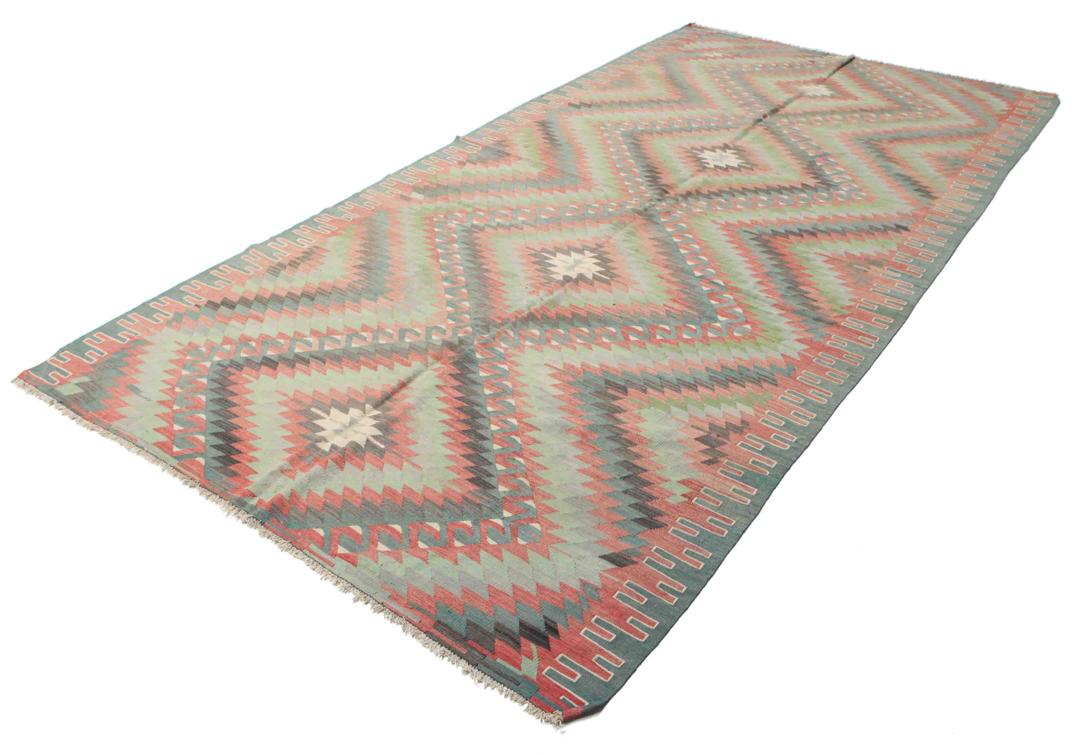
Signature design elements of Turkish Kilims typically include bold geometric medallions, stepped diamonds, and intricate borders, often rendered in a palette derived from natural, plant-based dyes. These patterns are not merely decorative but often carry symbolic meanings related to protection, fertility, and the weaver's personal history. The specific arrangement of these motifs, combined with the subtle variations in colour, makes every vintage Kilim a distinct record of the time and place of its creation.
Collecting vintage Kilims is an act of preserving cultural heritage. These rugs are highly valued for their authenticity and the sheer skill required to master the complex slit-weave process. Owning a piece of this history means connecting your home to a long lineage of artisans. As these pieces age, their colours often mellow into soft, harmonious tones, further enhancing their appeal and confirming their status as enduring works of art.