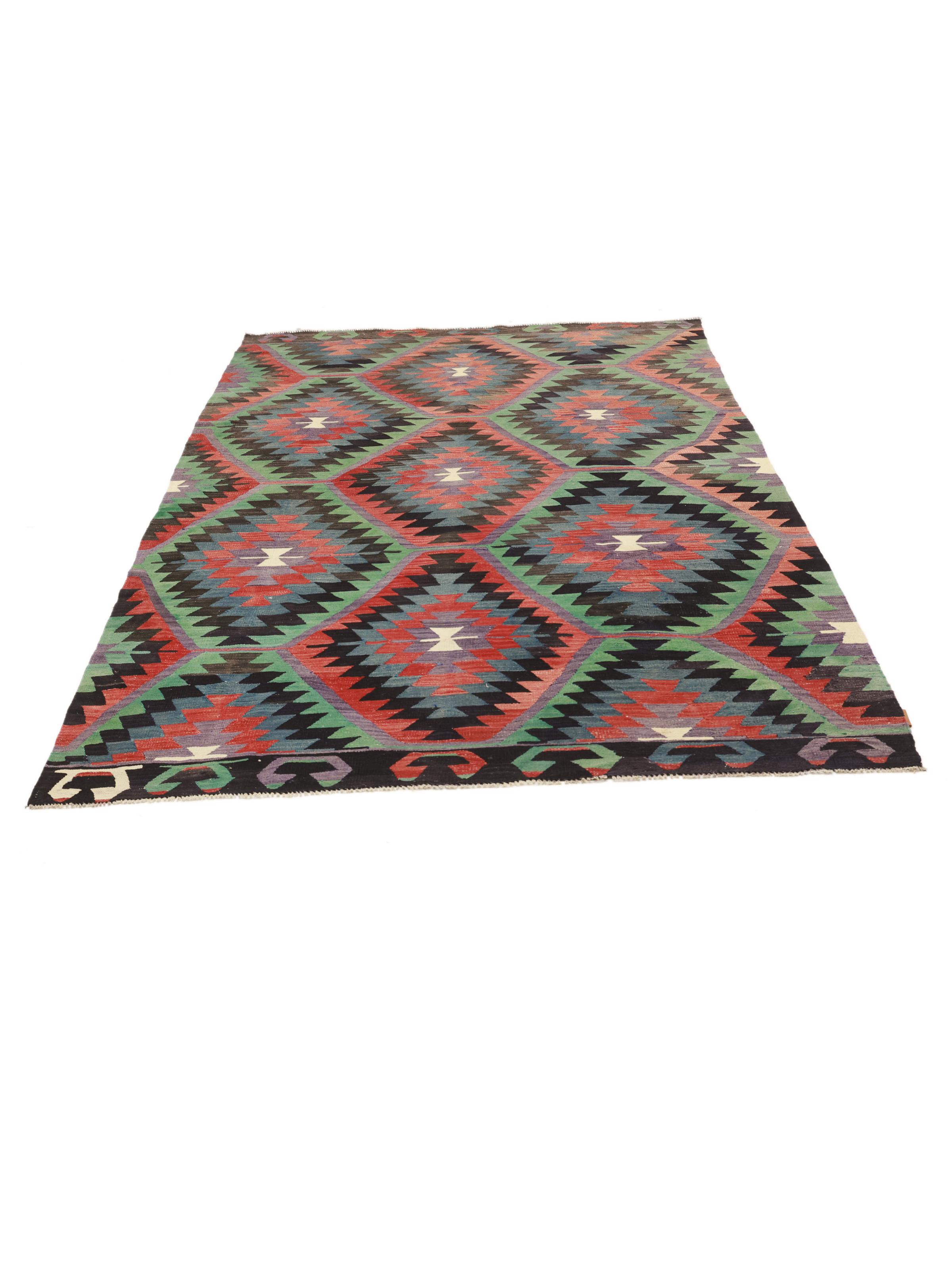
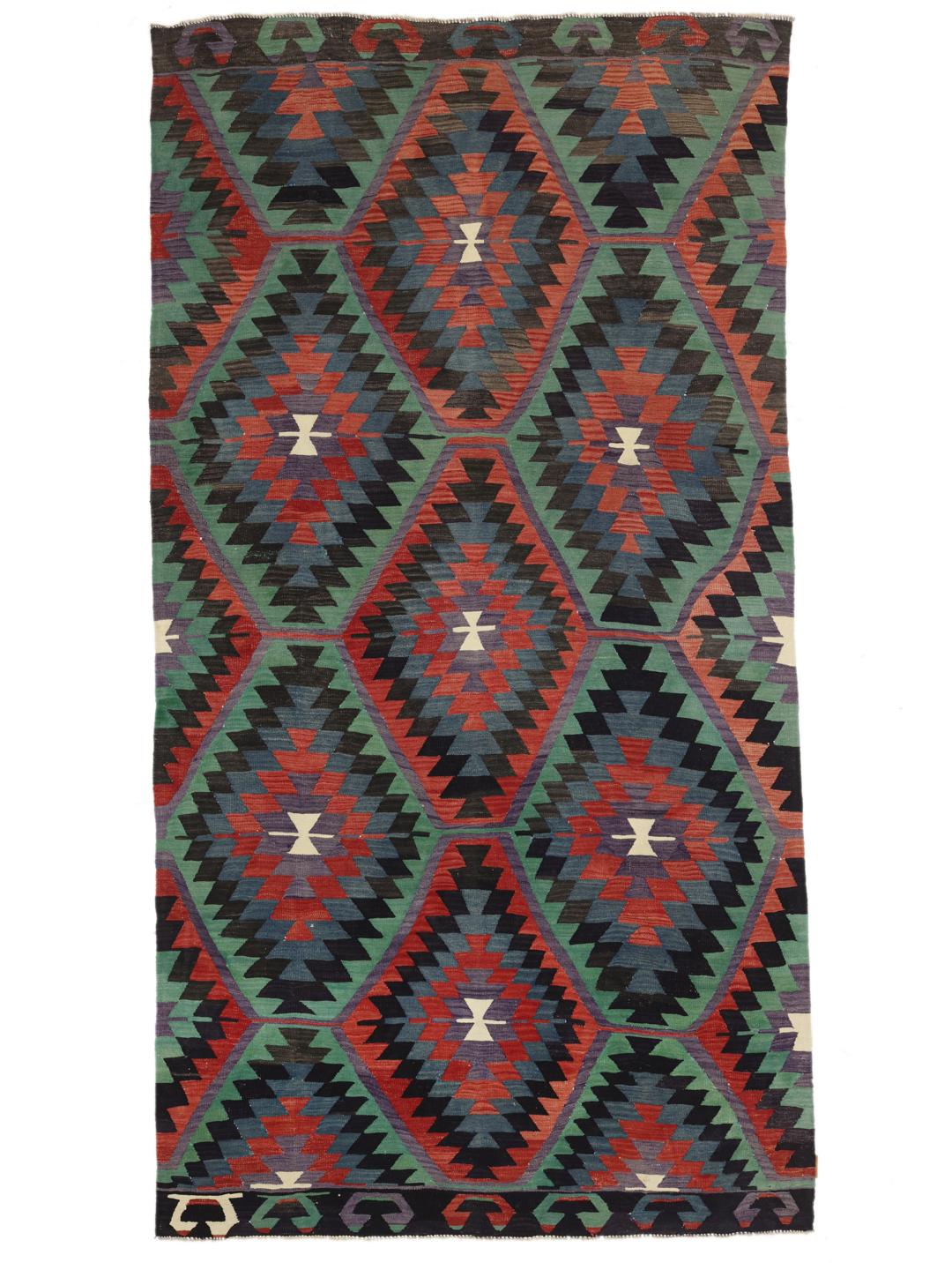
Kilim rugs are a cornerstone of Turkish textile heritage, representing a tradition that dates back centuries across the Anatolian plateau. Historically, these flat-woven pieces were created by nomadic and semi-nomadic tribes for practical use in tents, serving as floor coverings, blankets, or even storage sacks. The craft is deeply embedded in local culture, where motifs were often passed down through families, acting as a visual language that communicated regional identity and personal storytelling.
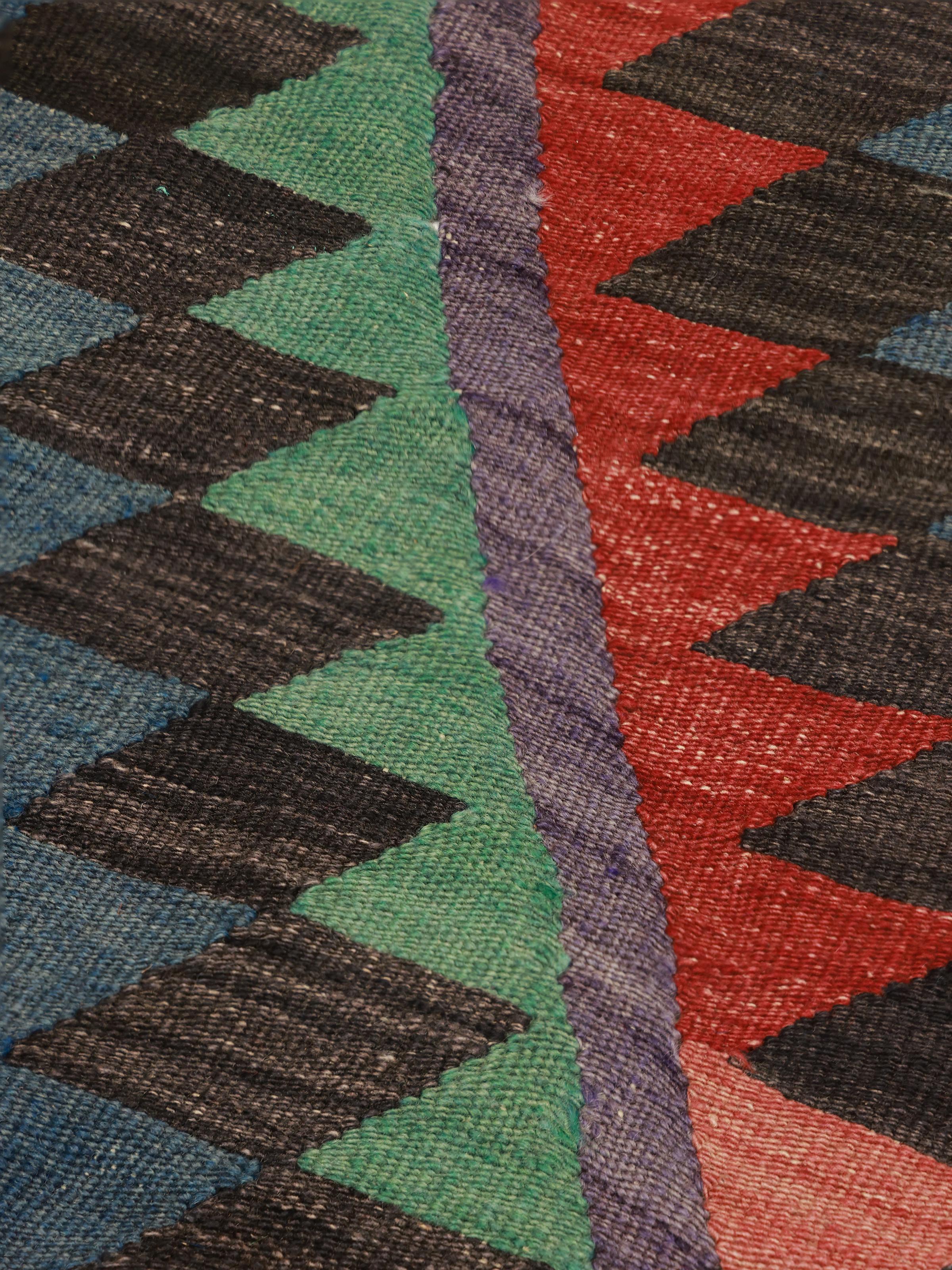
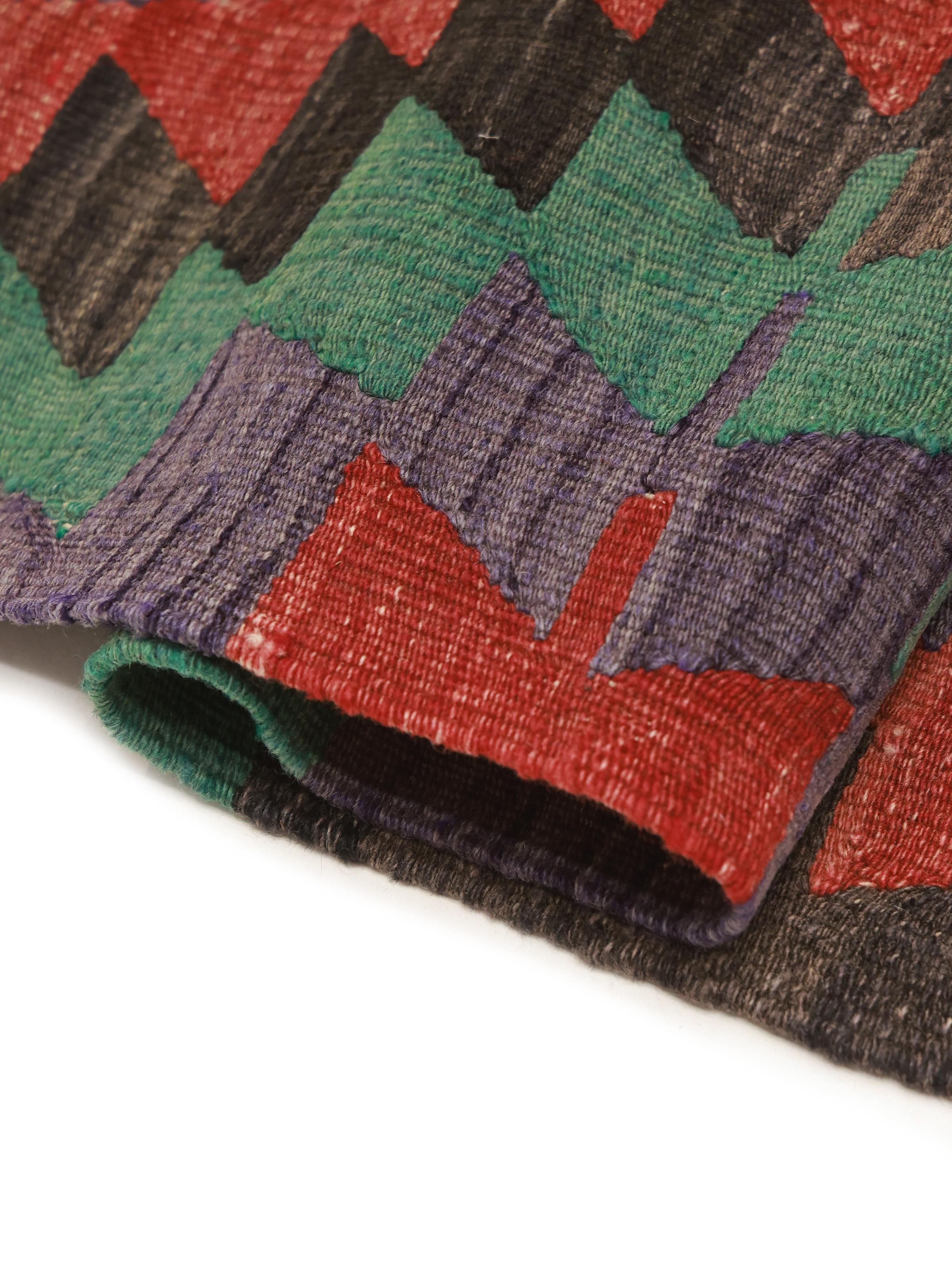
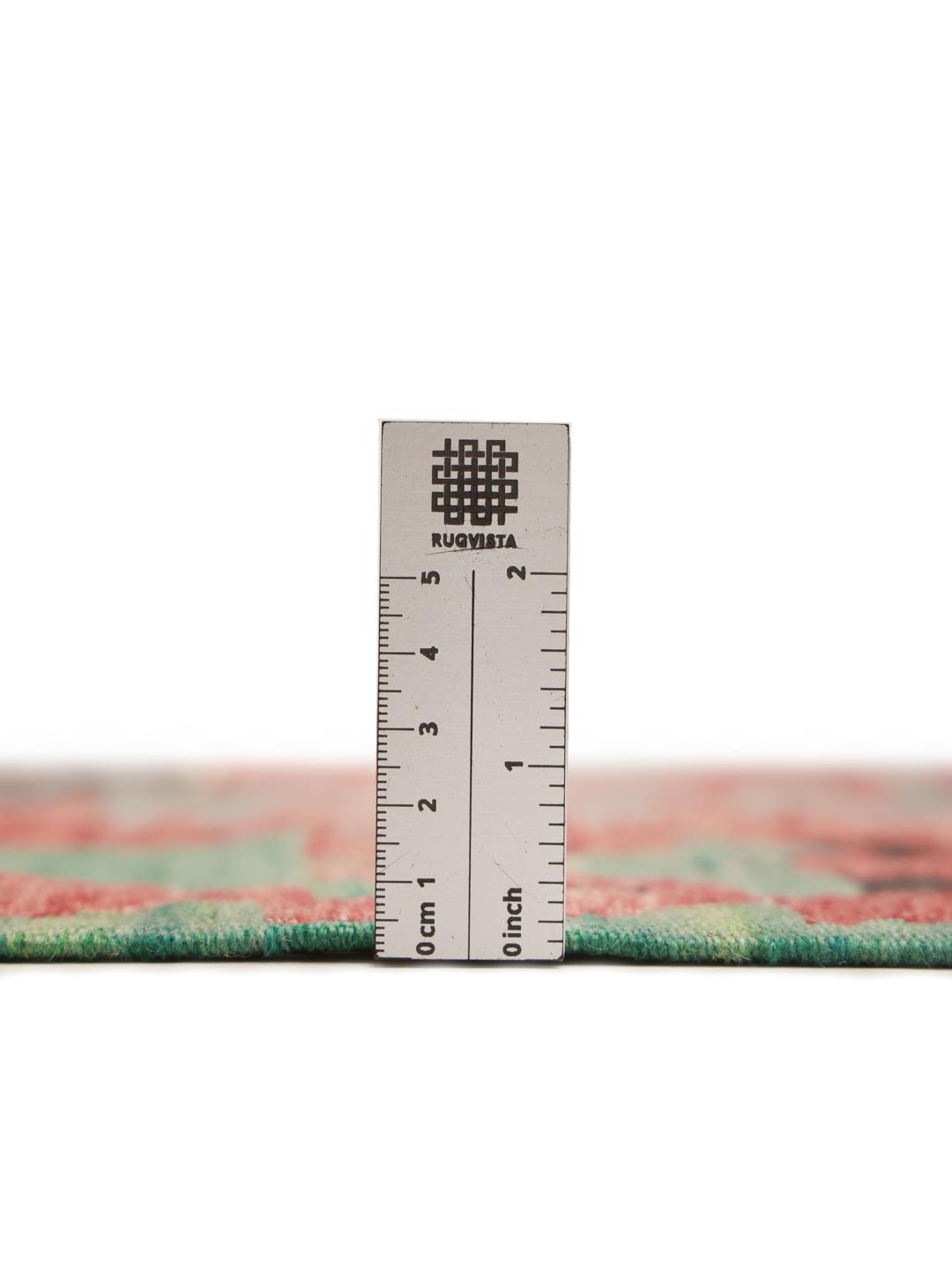
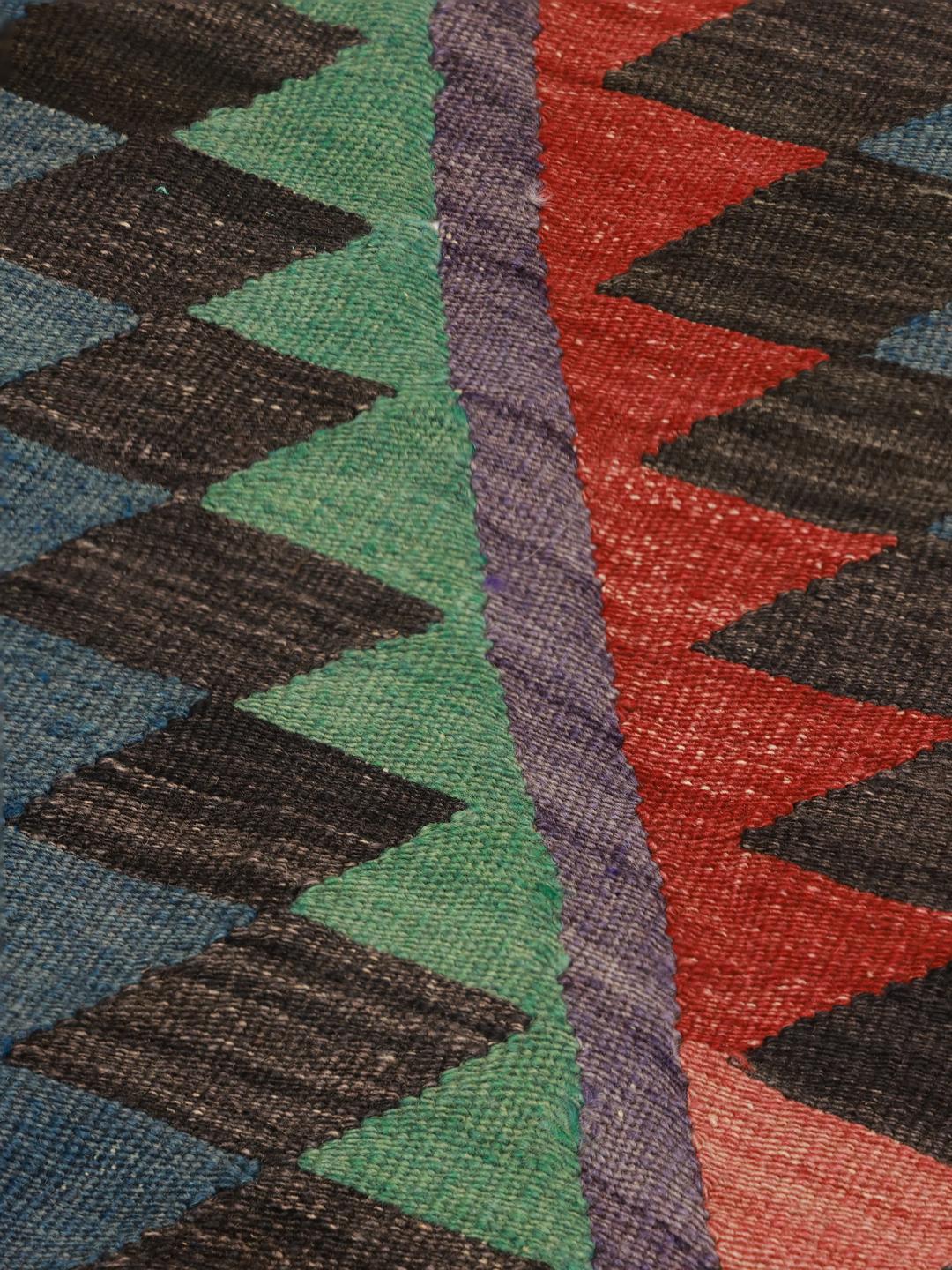
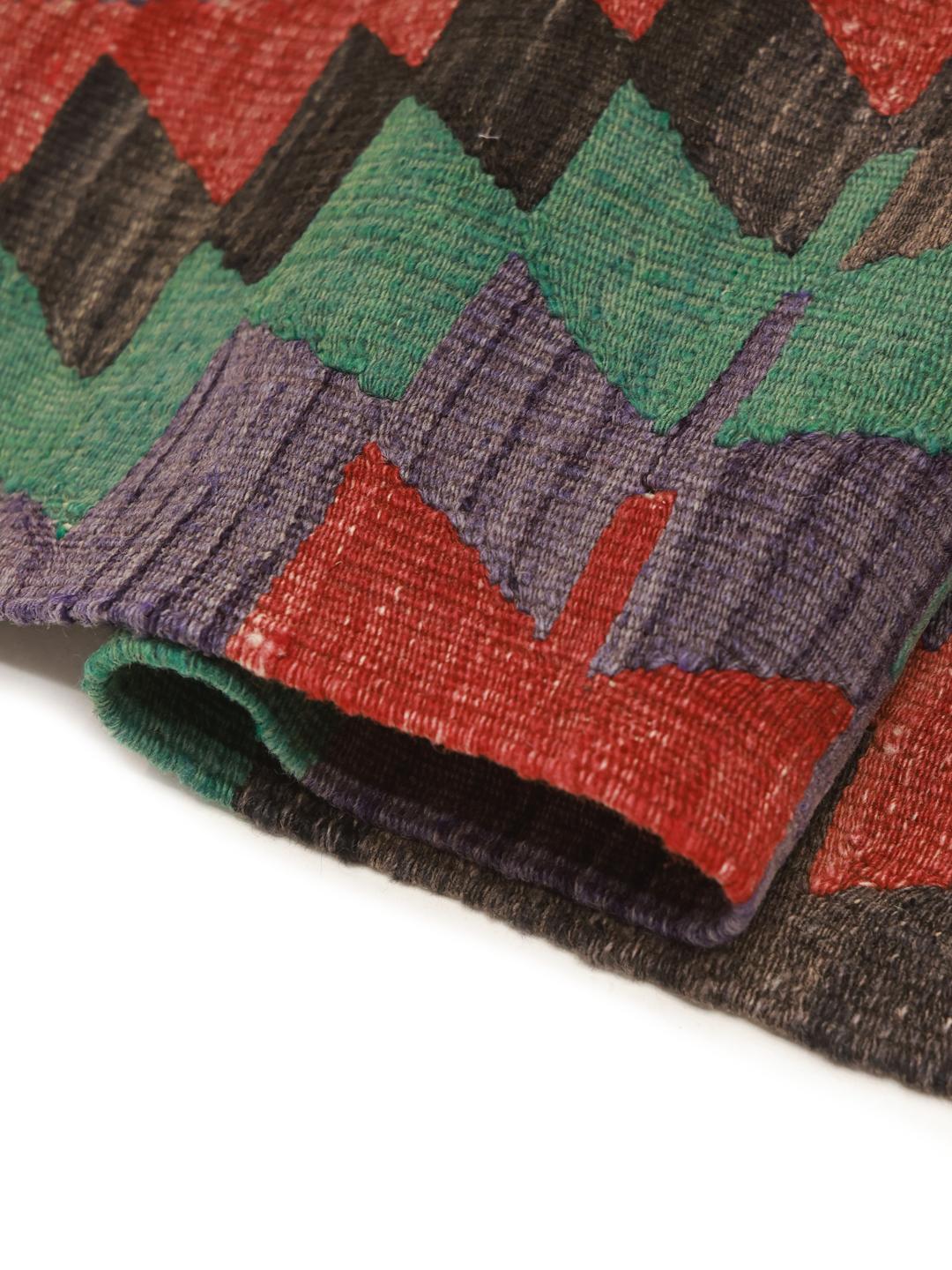
The term 'kilim' specifically refers to the tapestry-weave technique where the weft threads are pulled tightly over the warp threads to conceal them, resulting in a rug without a pile. This method allows for the creation of intricate, sharp-edged patterns that are synonymous with the style. Because the design is formed by the weave itself, the strength of the rug is inextricably linked to the tension of the loom, making a well-crafted kilim exceptionally long-lasting and resistant to wear.
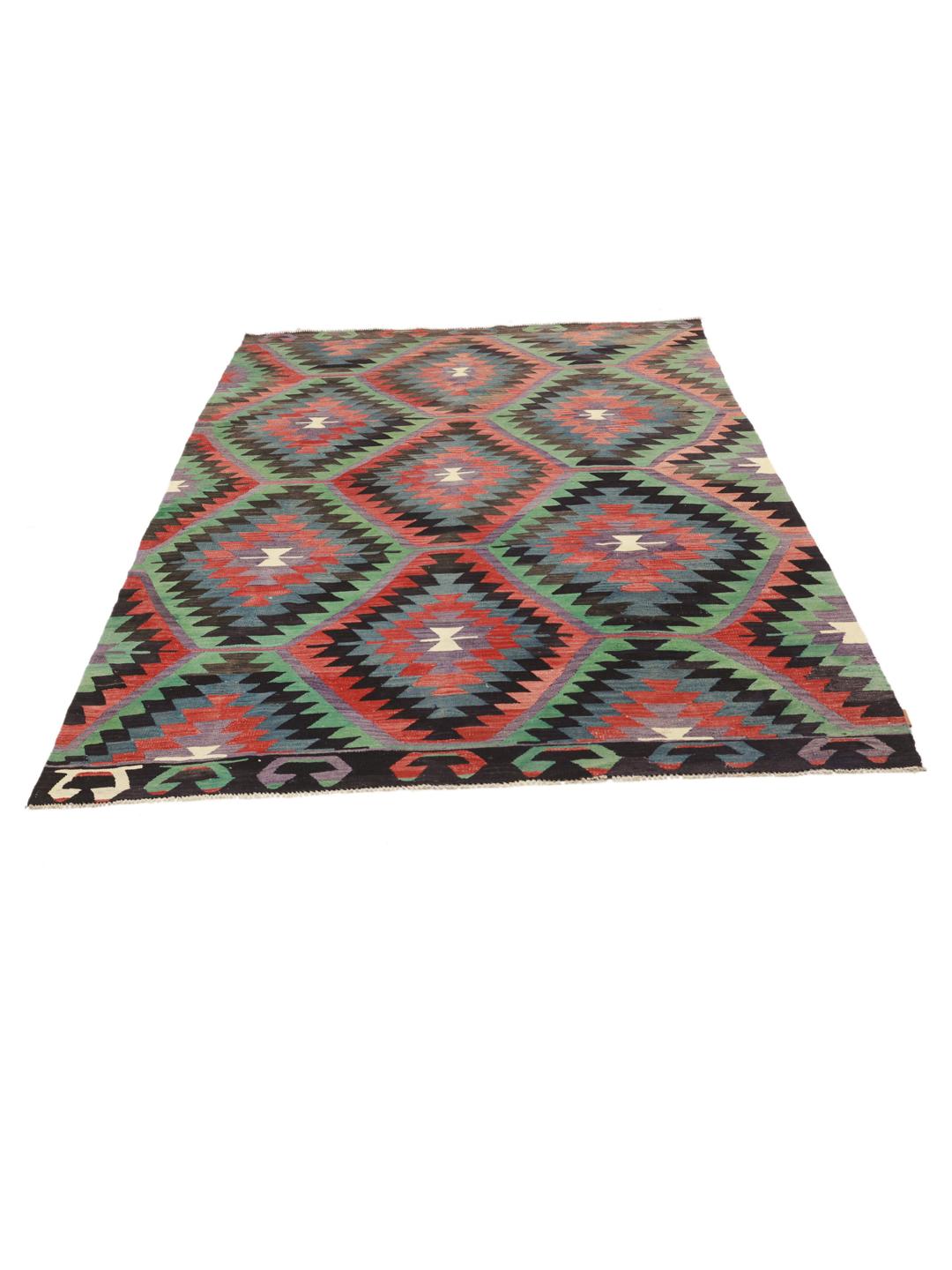
Signature design elements in these rugs often include bold geometric symbols, such as the diamond or 'elibelinde' (hands-on-hips) motif, which are framed by elaborate, symbolic borders. The colour traditions are equally significant, traditionally derived from natural dyes sourced from local plants, roots, and minerals. This vintage example showcases the classic Turkish penchant for layering deep, earthy tones with vibrant accents, creating a visual energy that feels both grounded and dynamic.
Today, vintage kilims are highly prized by collectors for their cultural significance and the skill required to produce them. Owning a piece like this is a way to connect with a history of communal craft, where every rug was a unique expression of the weaver's environment and tradition. These rugs are valued not just for their aesthetic impact, but as durable artefacts that carry the spirit of their origin, offering a sense of heritage that modern mass-produced items cannot replicate.