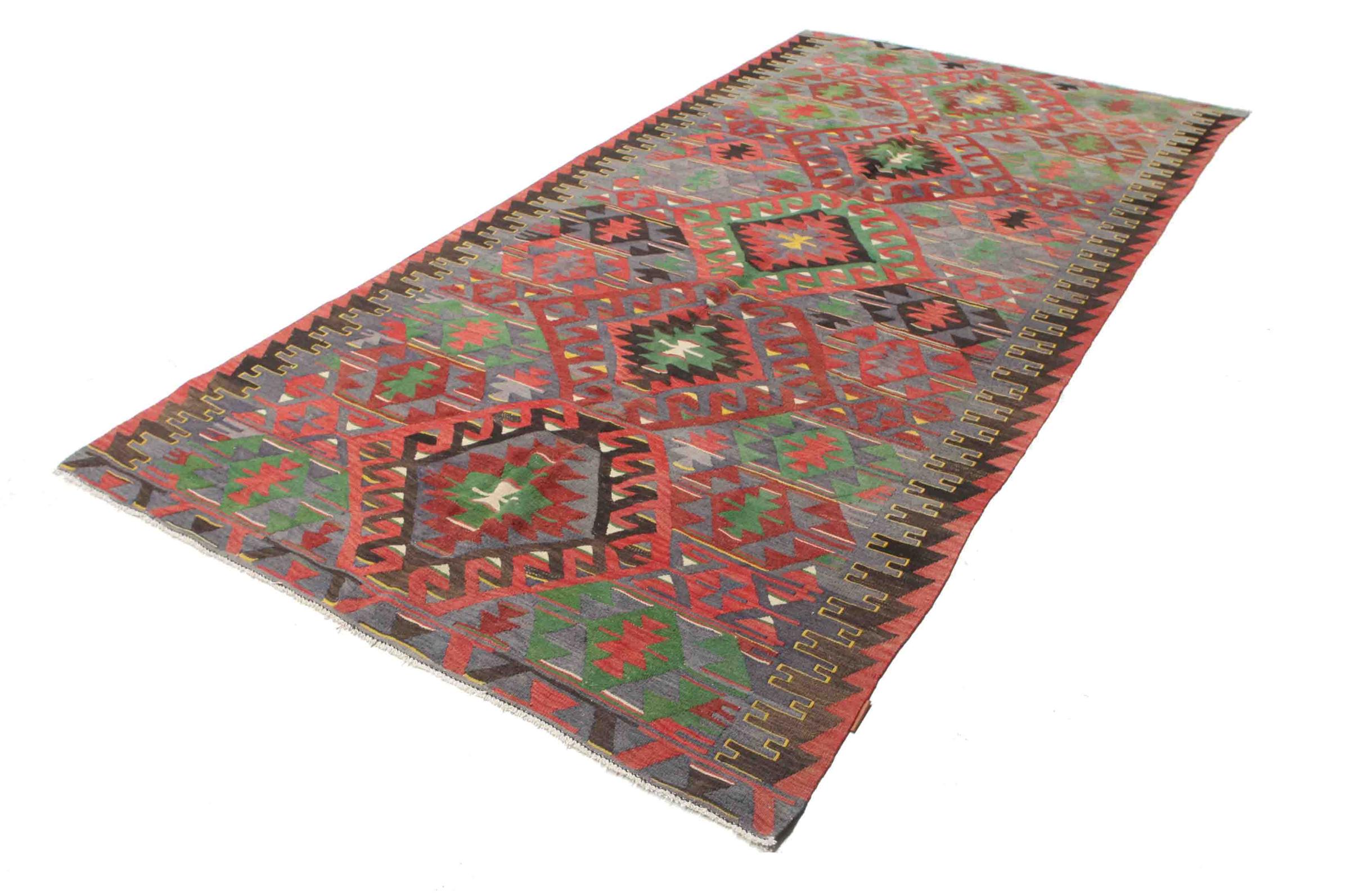
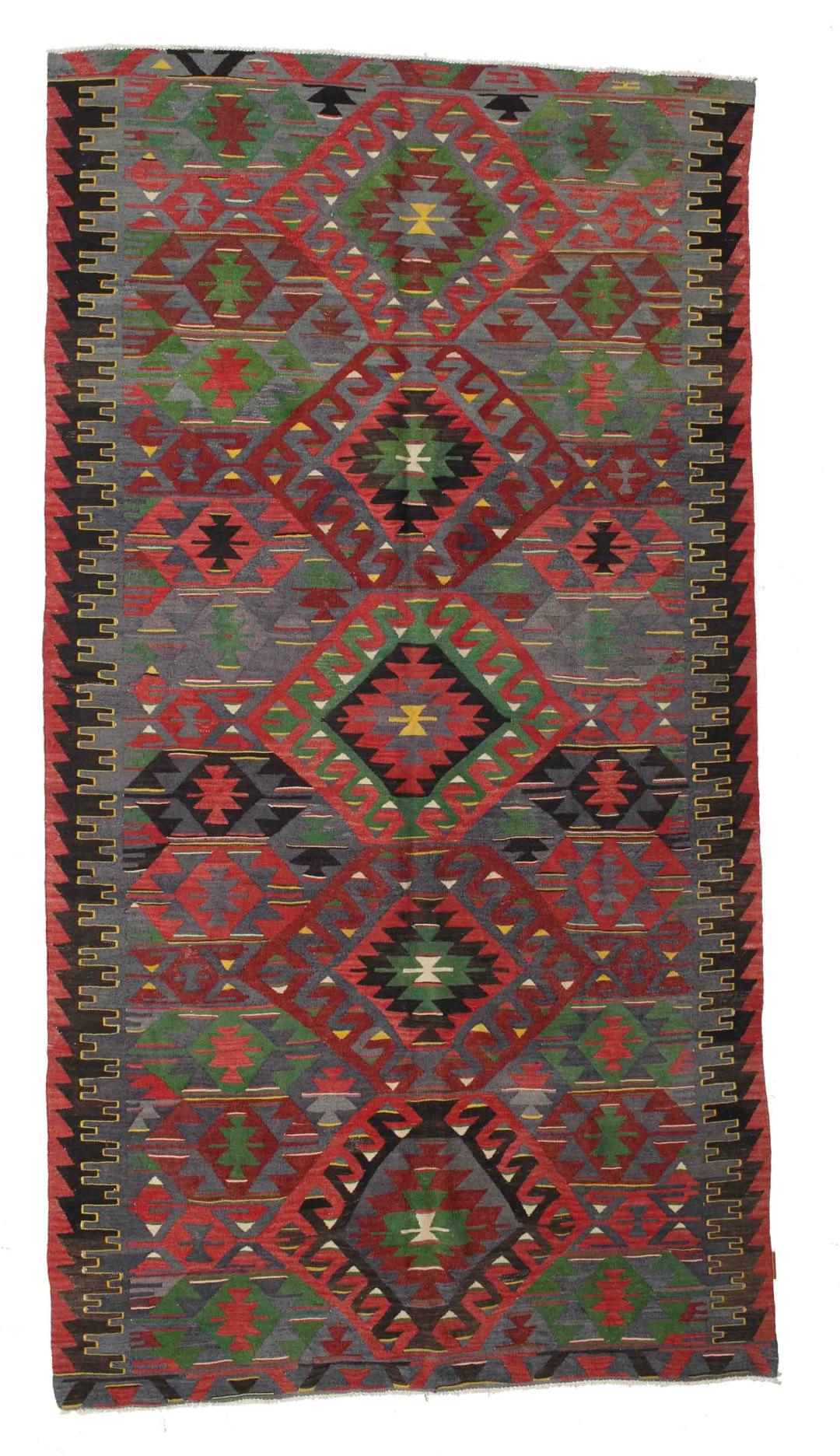
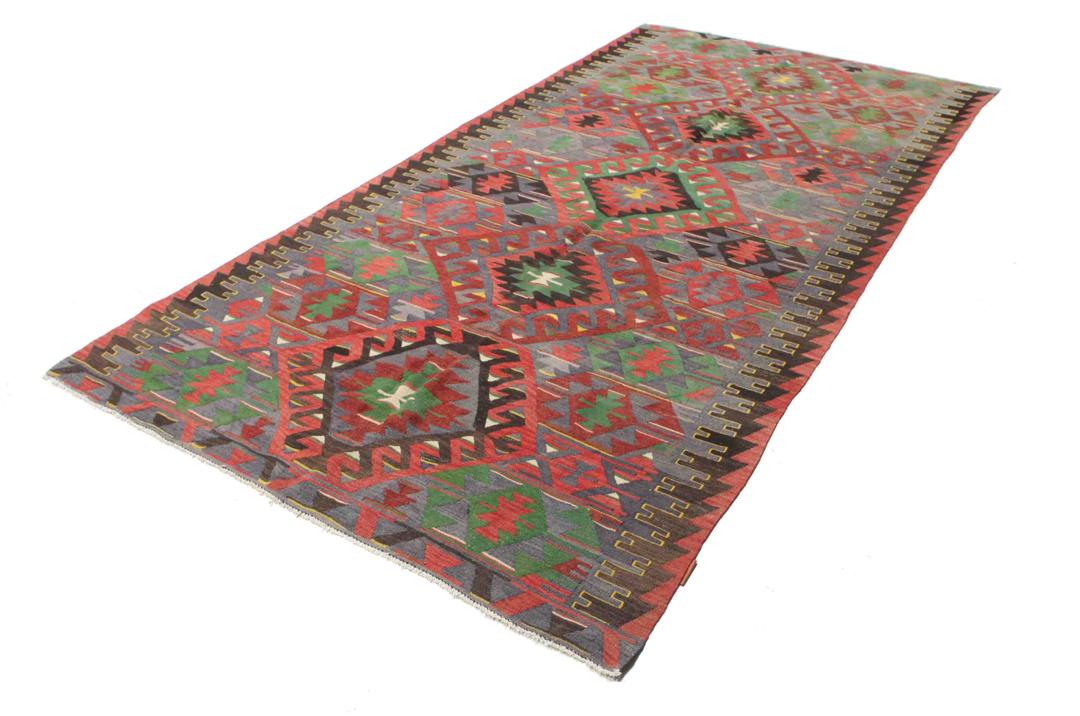
Kilim rugs are a cornerstone of Middle Eastern weaving heritage, with a history that spans centuries across Turkey, the Caucasus, and Central Asia. Originally created by nomadic tribes for practical use as floor coverings, tent dividers, and storage bags, these rugs were designed to be both functional and transportable, reflecting the mobile lifestyles of their creators.
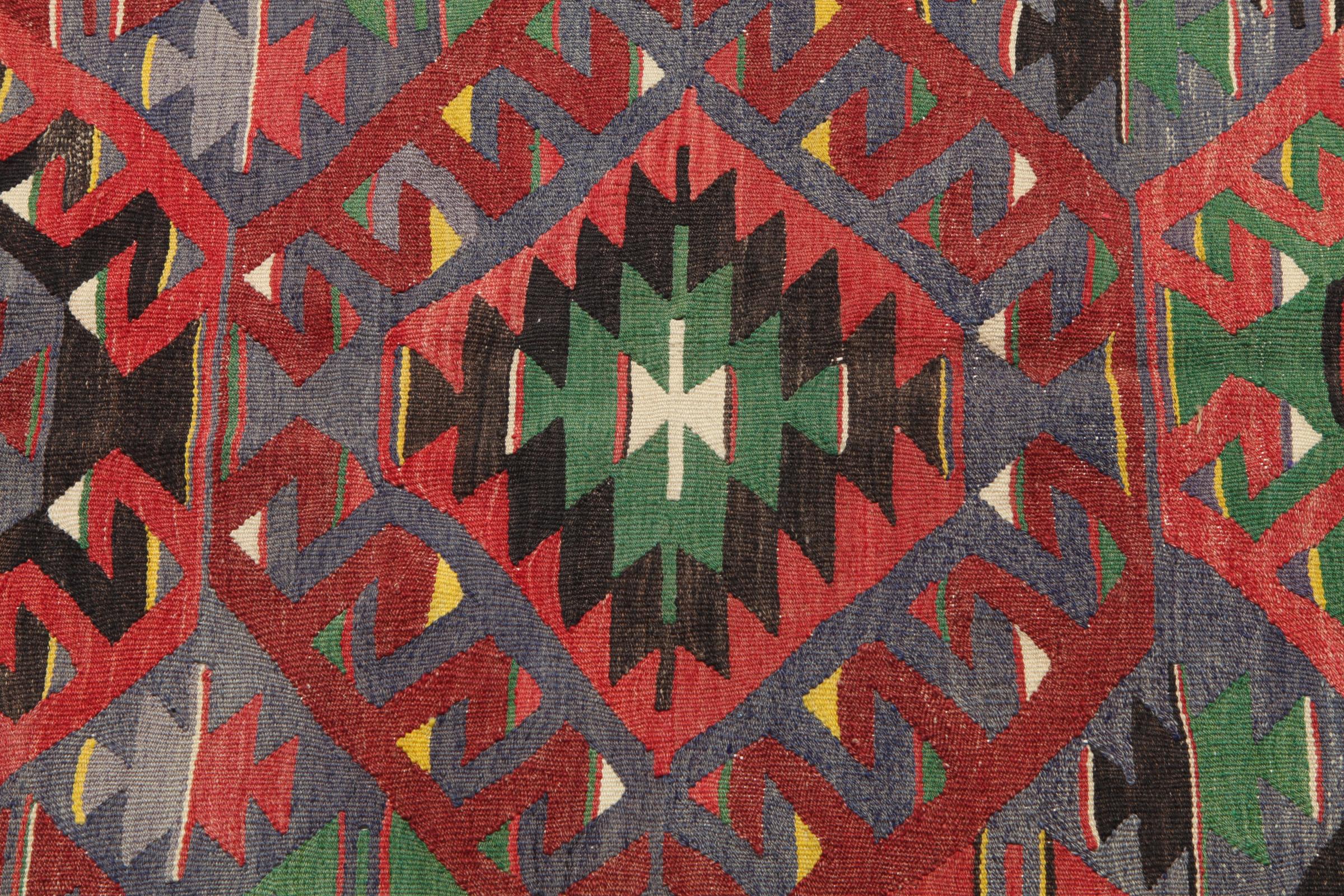
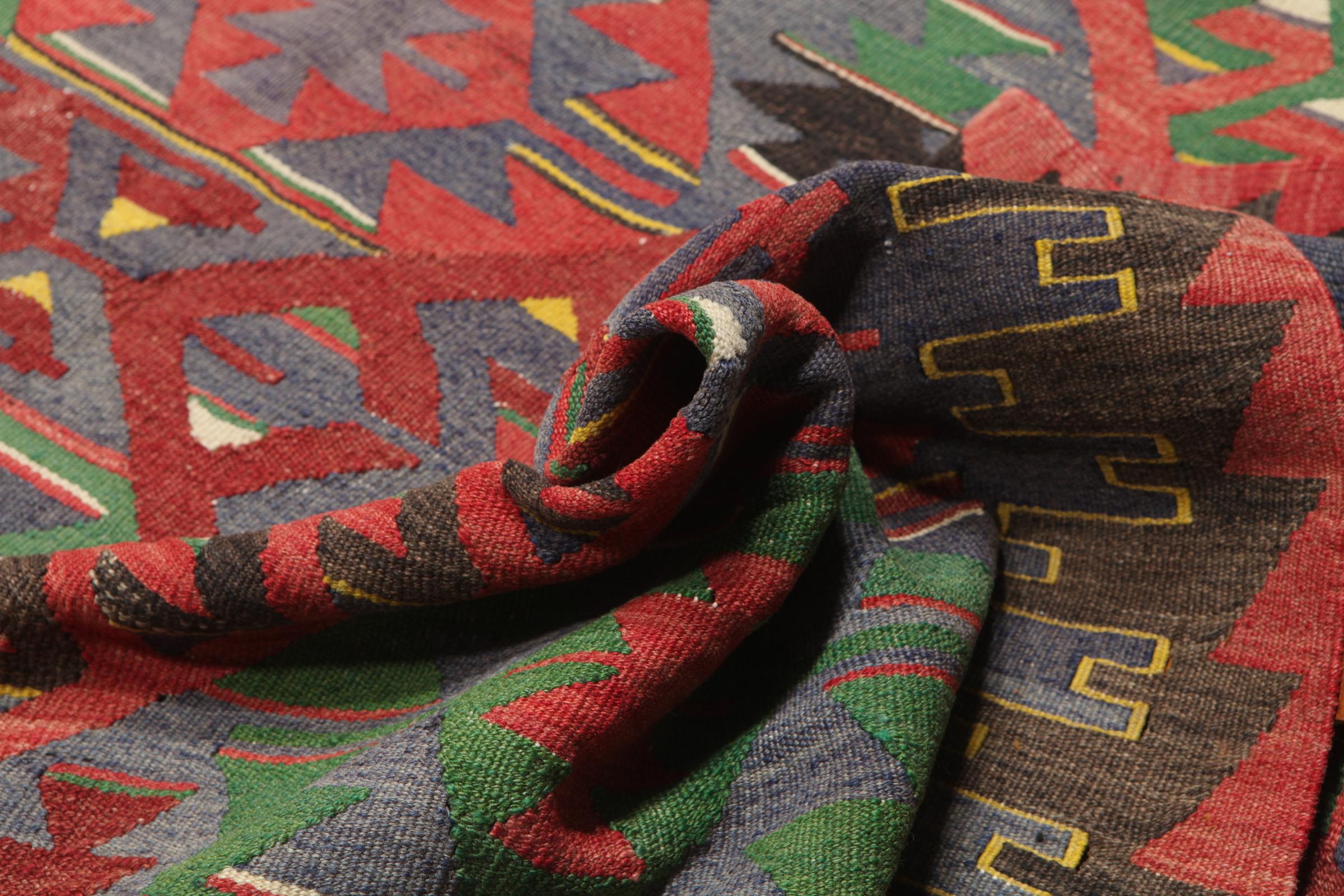
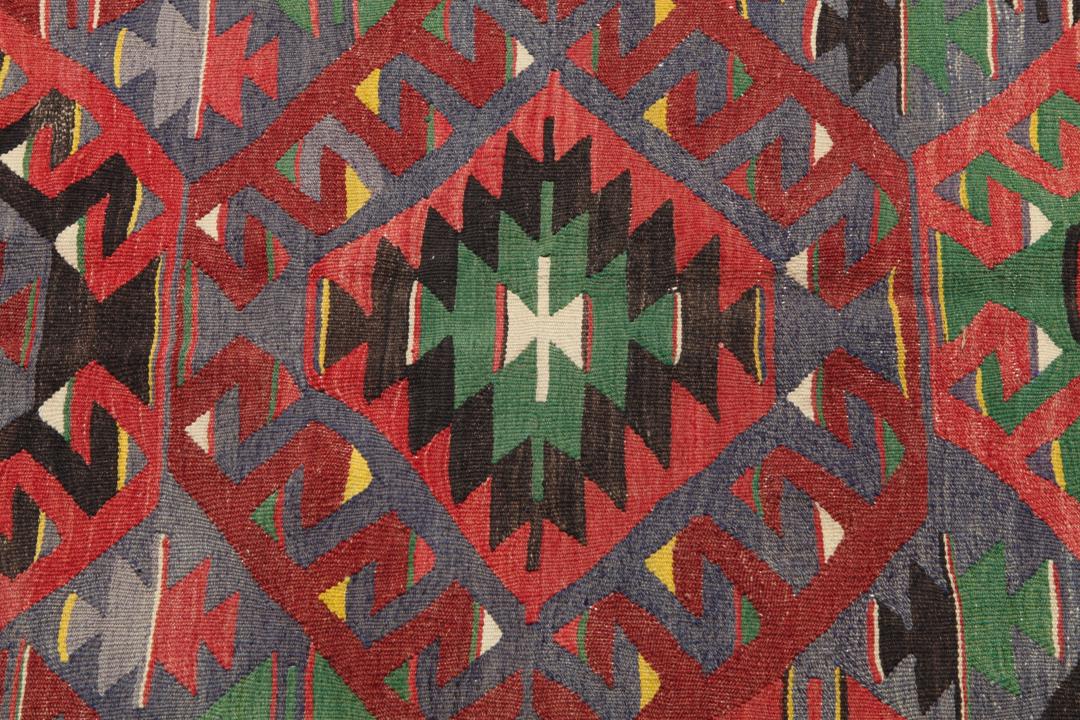
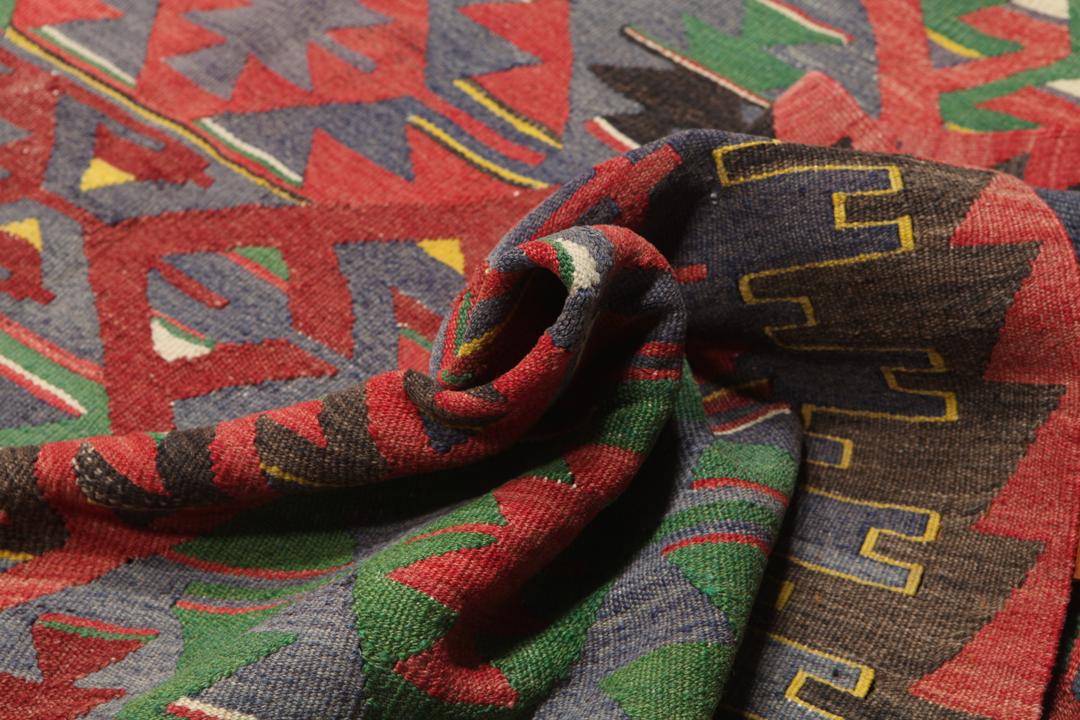
The term 'kilim' specifically refers to the tapestry-weave technique, where the pattern is created by tightly interlacing the coloured weft threads over the warp threads. This technique results in a rug that is identical on both sides and lacks a traditional pile, which is why kilims are revered for their clean, graphic lines and lightweight, durable nature.
Visually, these rugs are defined by their bold geometric motifs, which often serve as a symbolic language. Common patterns include diamonds, triangles, and stylized floral forms, each carrying meanings related to protection, fertility, or the weaver's personal history. The use of vibrant, natural dyes gives these rugs their signature look, with colours that age gracefully and develop a beautiful, muted patina over time.
Today, these rugs are highly sought after by collectors who value the intersection of ancestral skill and artistic expression. Owning a vintage kilim is more than just acquiring a decor item; it is about preserving a piece of cultural history. Each rug represents the individual perspective of the artisan, making it a meaningful connection to a long-standing tradition of craft and creativity.