Kelim Sumakh rugs originate from the rich weaving traditions of Persia where nomadic and village communities developed distinctive flatweaving techniques long before the rise of industrial manufacturing.
The term Sumakh refers to a specialised wrapping method that distinguishes these pieces from standard kilims adding both textural relief and structural weight to the fabric.
Historically weavers utilised local resources and traditional wooden looms passed down through generations.
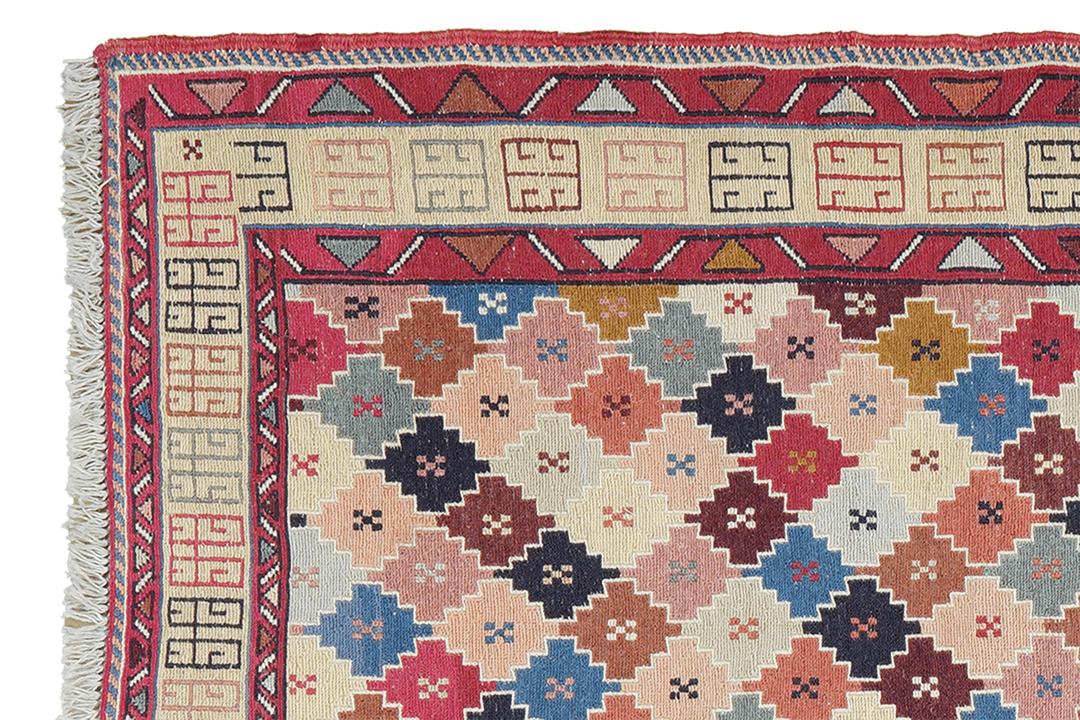
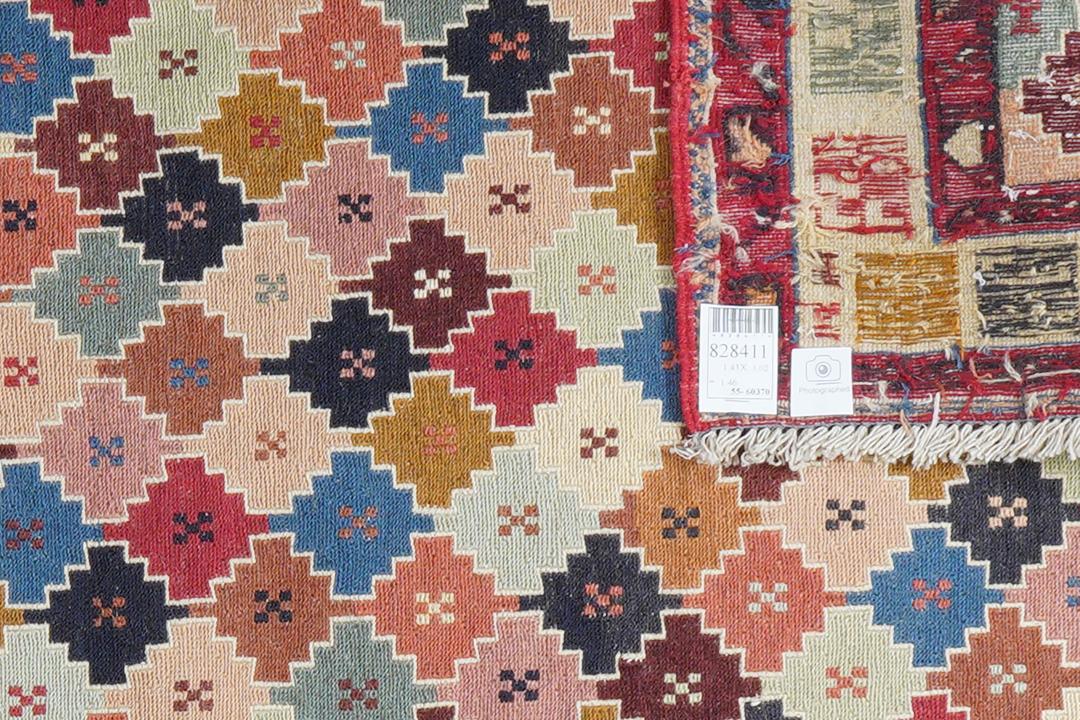
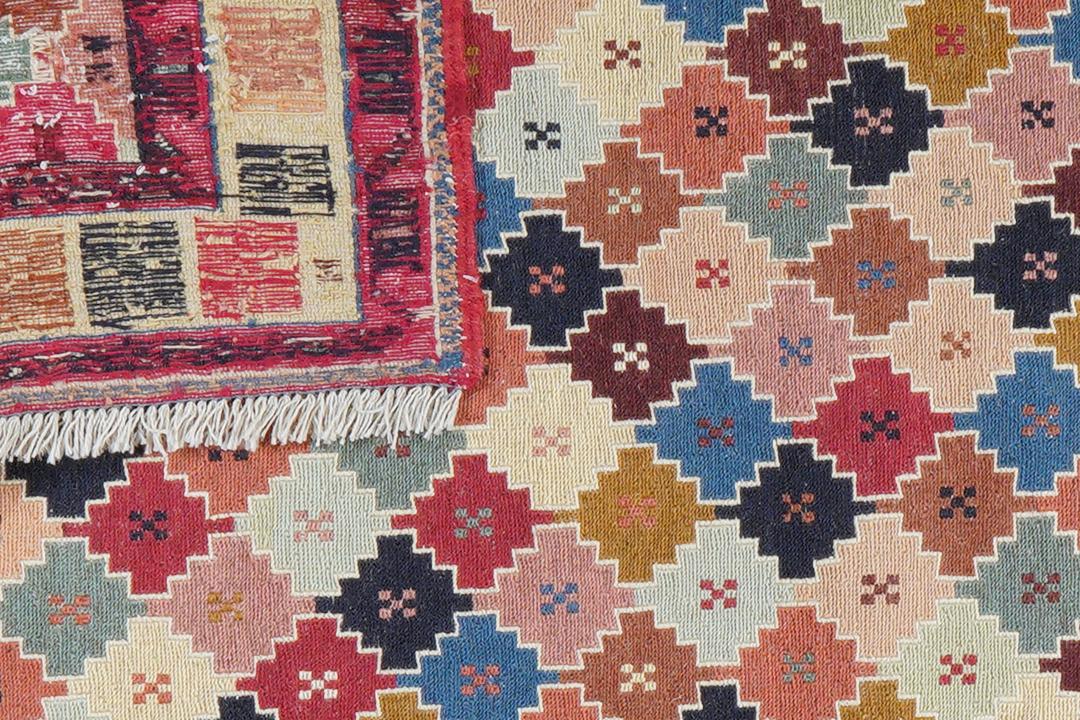
The Sumakh technique involves wrapping supplementary weft threads around the warp threads in a continuous sequence producing a clean face on the front and loose floating threads on the reverse.
This time-honoured construction method yields a sturdier and heavier fabric than a standard flatweave.
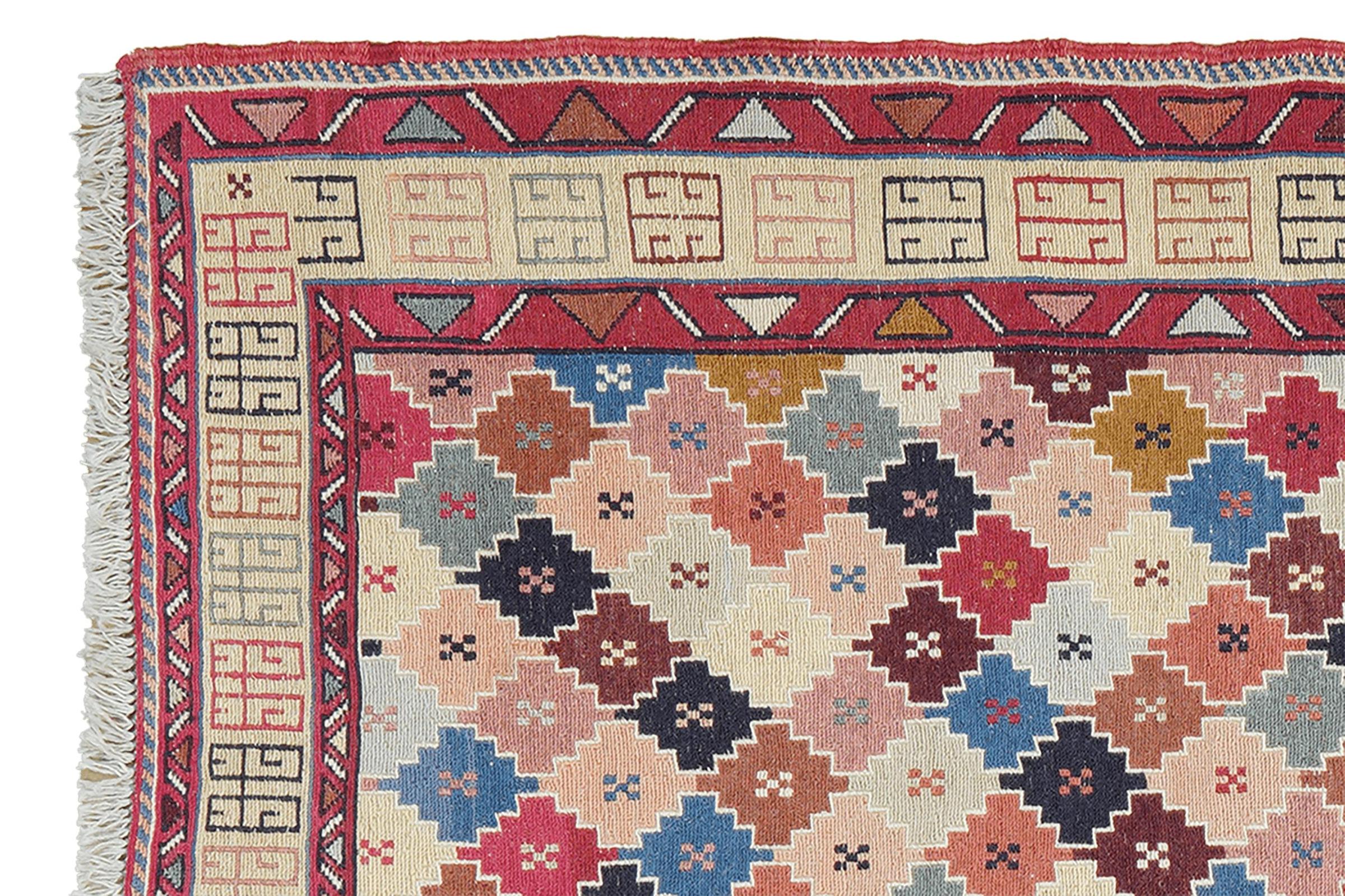
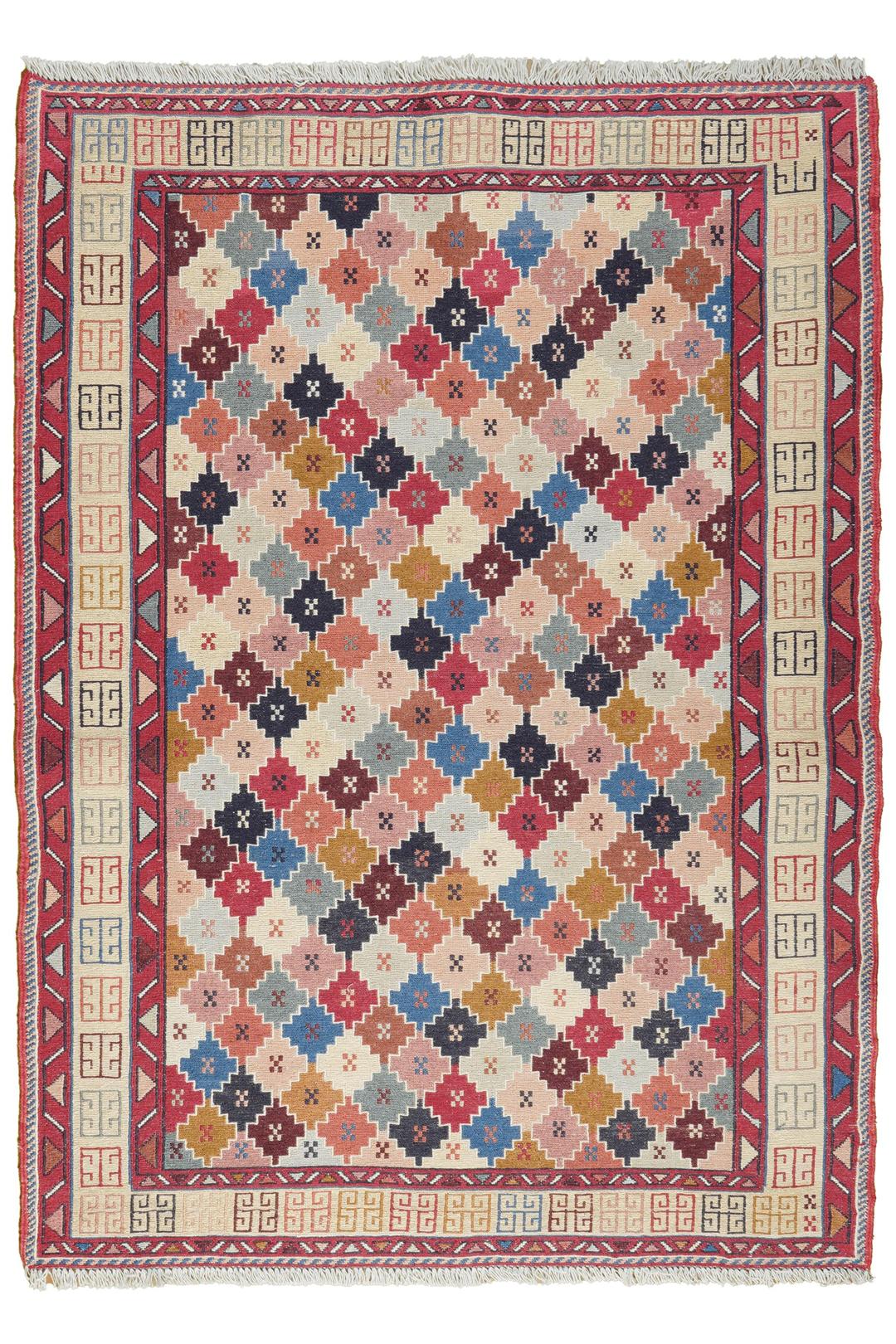
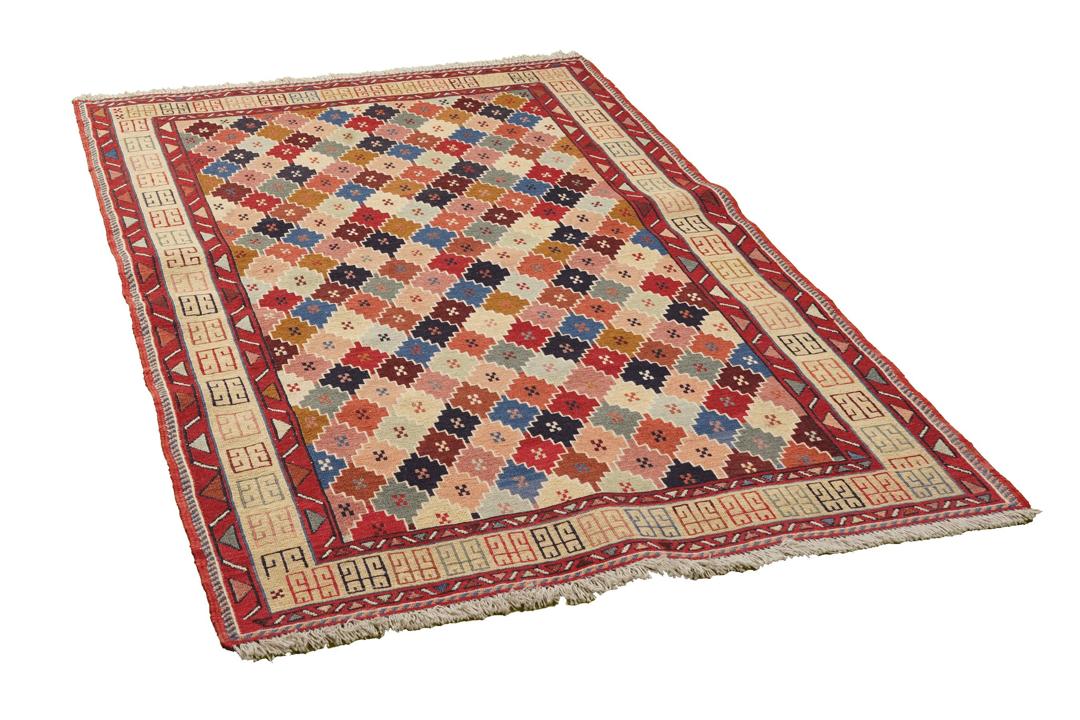
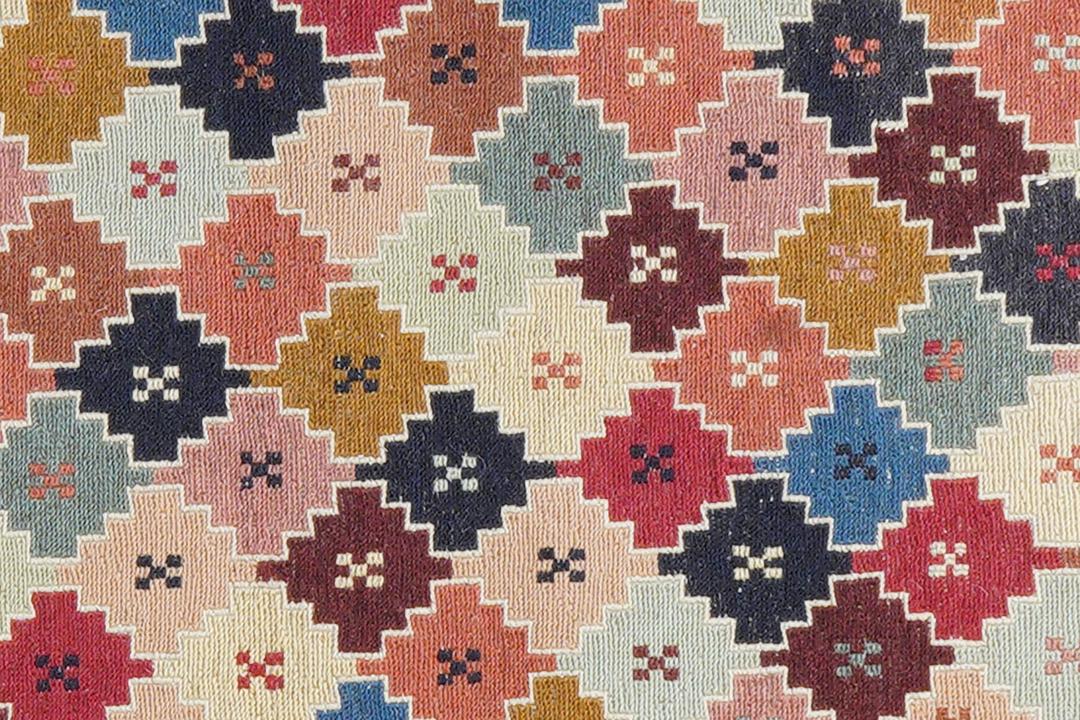
The visual language of Sumakh rugs is traditionally defined by repeating geometric motifs diamond medallions and symbolic border guards that draw from centuries-old regional symbolism.
Each motif is deliberately placed to tell a visual story reflecting the natural surroundings tribal heritage and artistic expressions of the makers.
Collecting these one-of-a-kind pieces means preserving a living craft tradition that cannot be replicated by machines.
Owning a traditional Kelim Sumakh connects your modern living space to a deep history of human skill patience and cultural artistry.