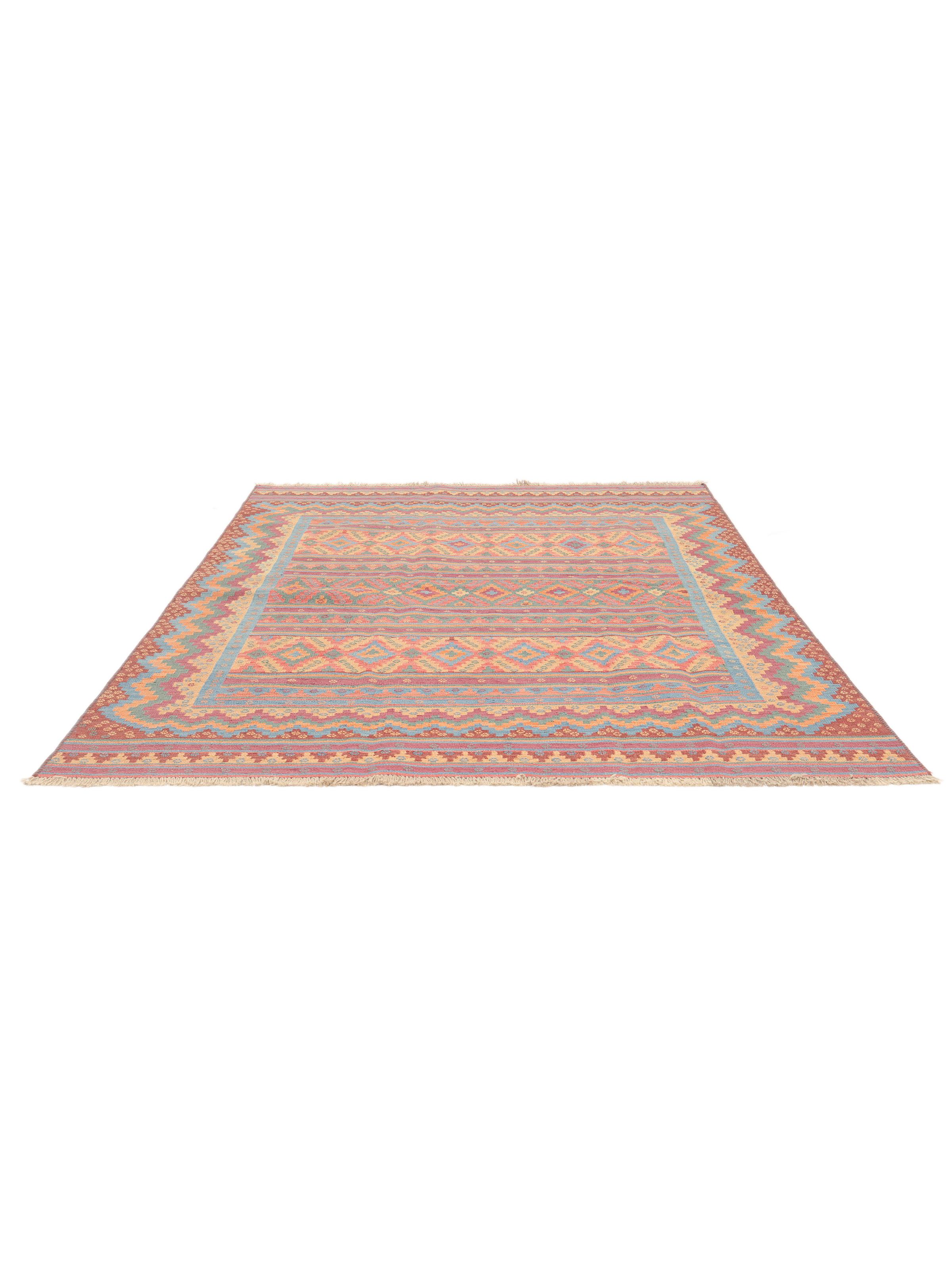
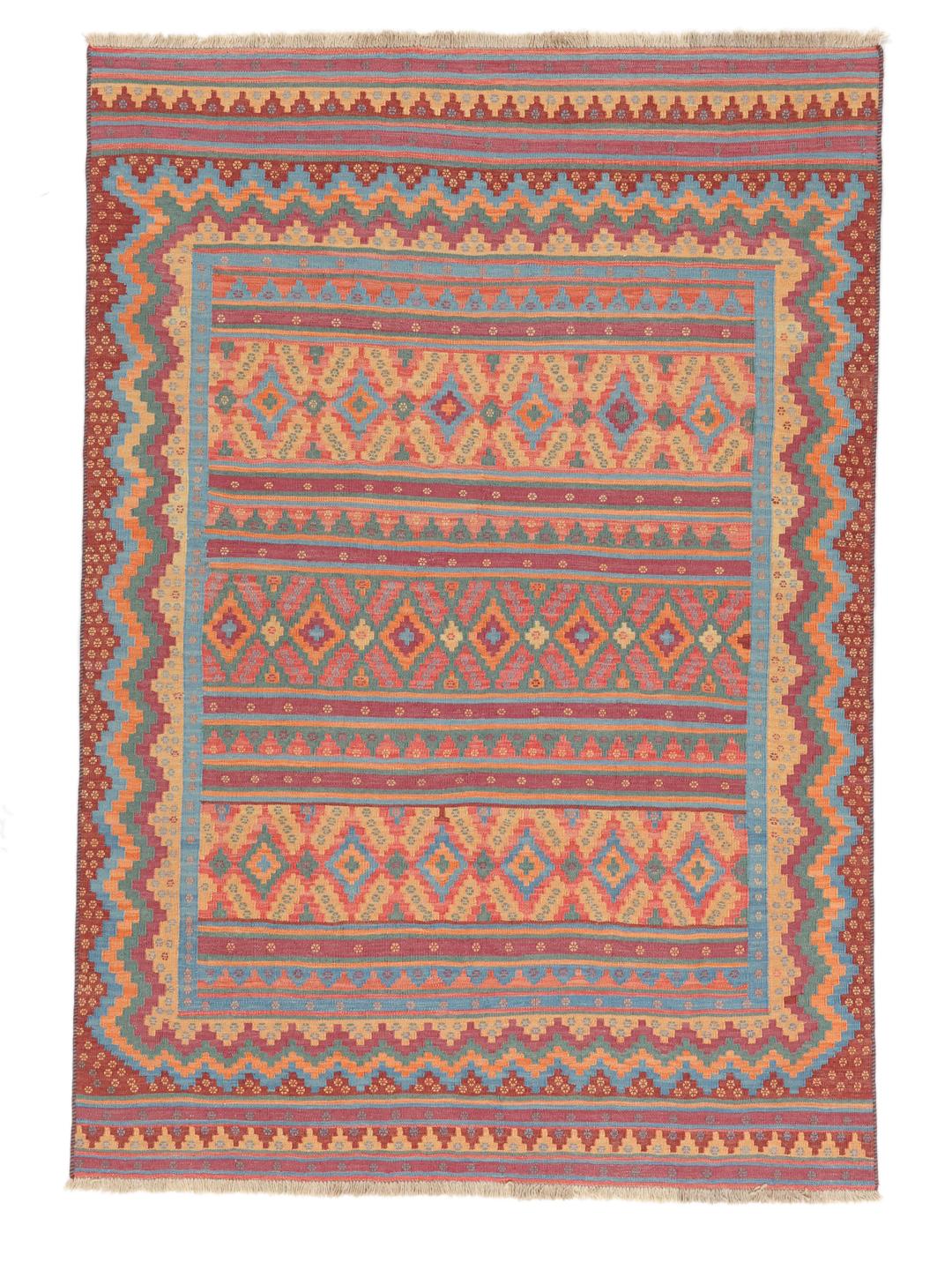
Kilim rugs from the Fars region in the Middle East are celebrated for their distinctive tribal aesthetic and deep cultural roots. These rugs are traditionally created by nomadic and semi-nomadic groups who have refined their weaving techniques over centuries, using local sheep's wool to create functional items for daily life, such as storage bags and floor coverings.
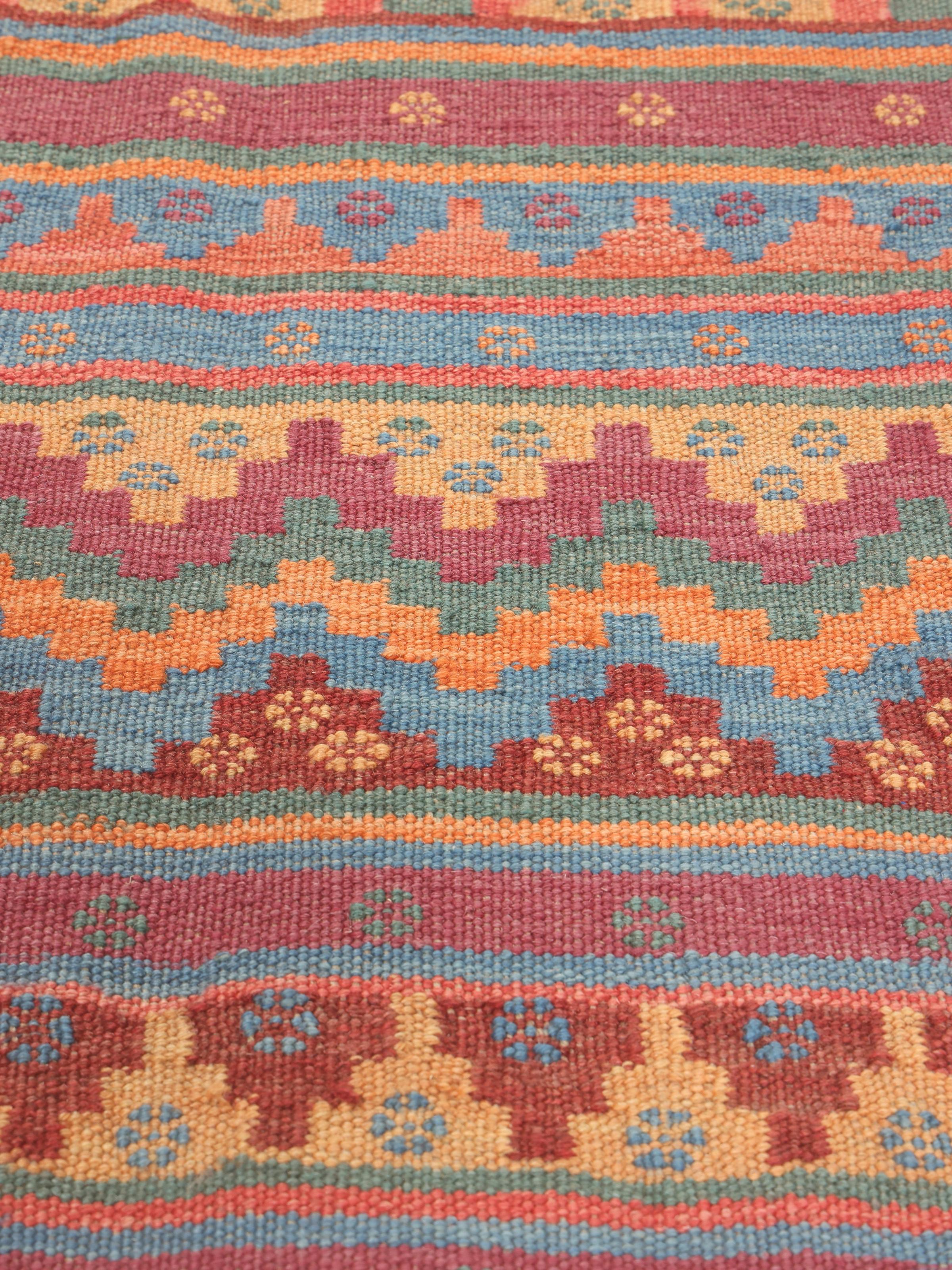
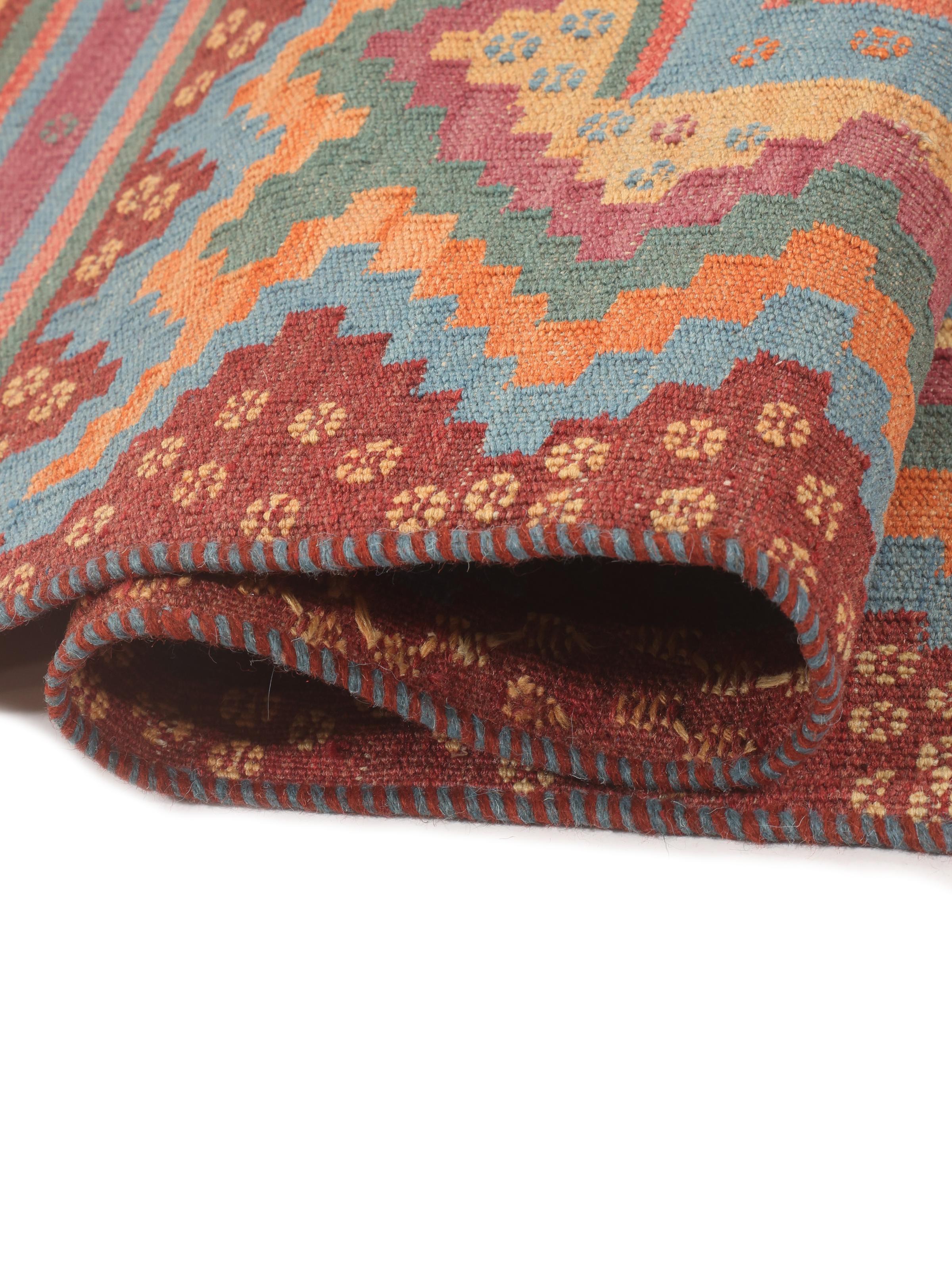
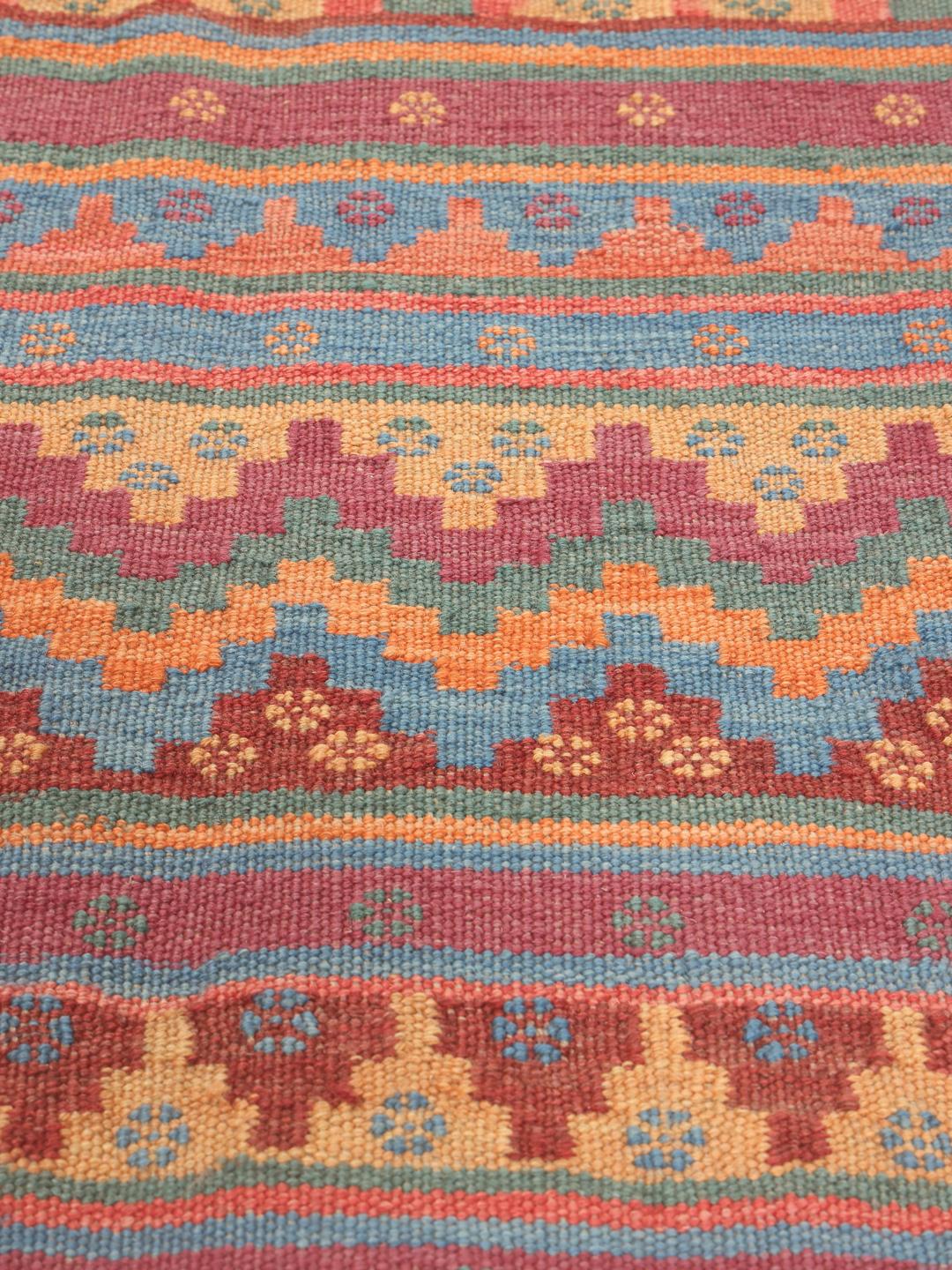
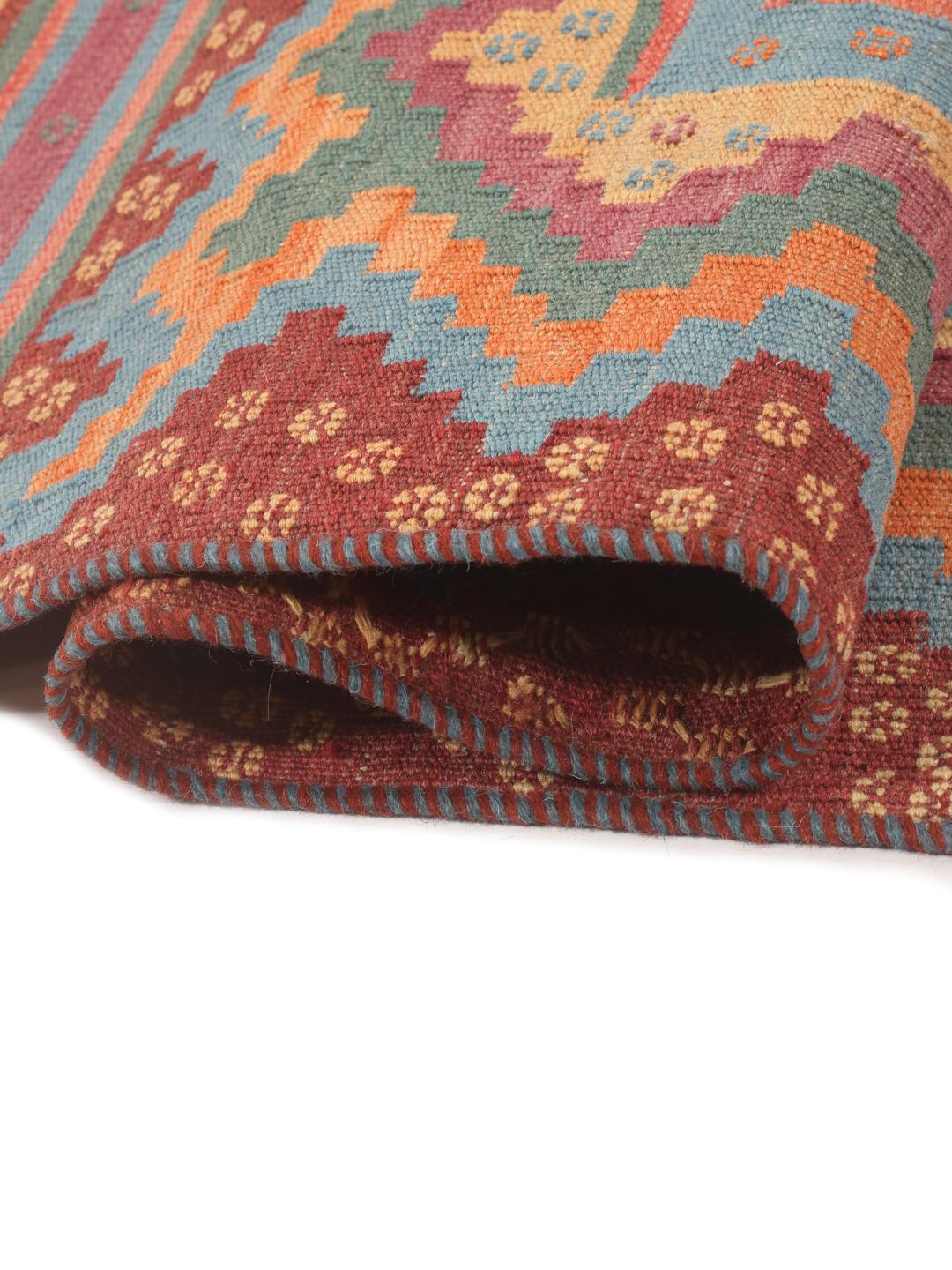
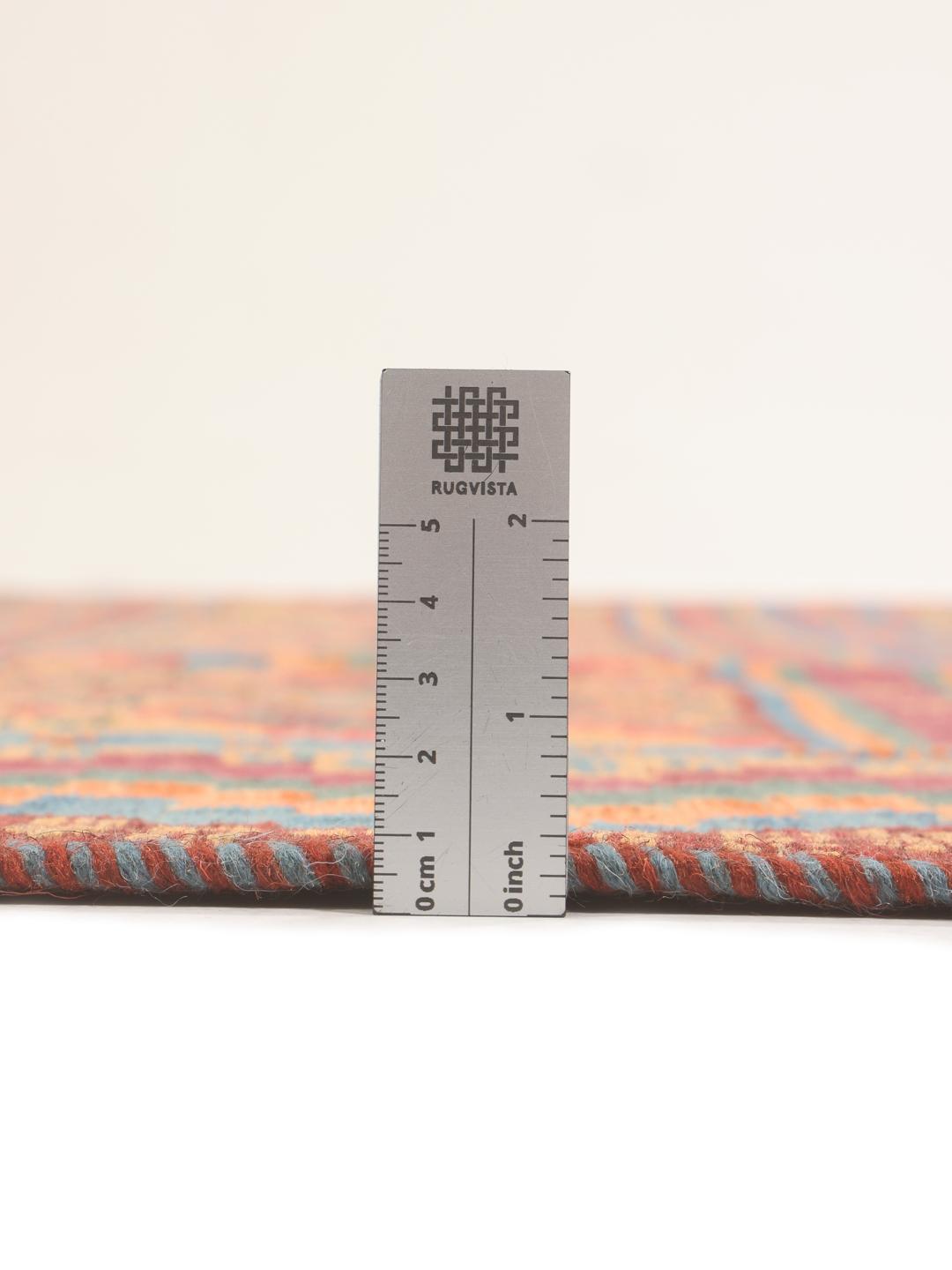
The term Kilim refers to a specific flat-weave technique where the weft and warp are interlaced to produce a smooth, pileless surface. This construction method is not only practical for nomadic lifestyles but also allows for the crisp, geometric designs that define the style. The absence of pile means that the patterns are visible on both sides, making these rugs exceptionally versatile and durable.
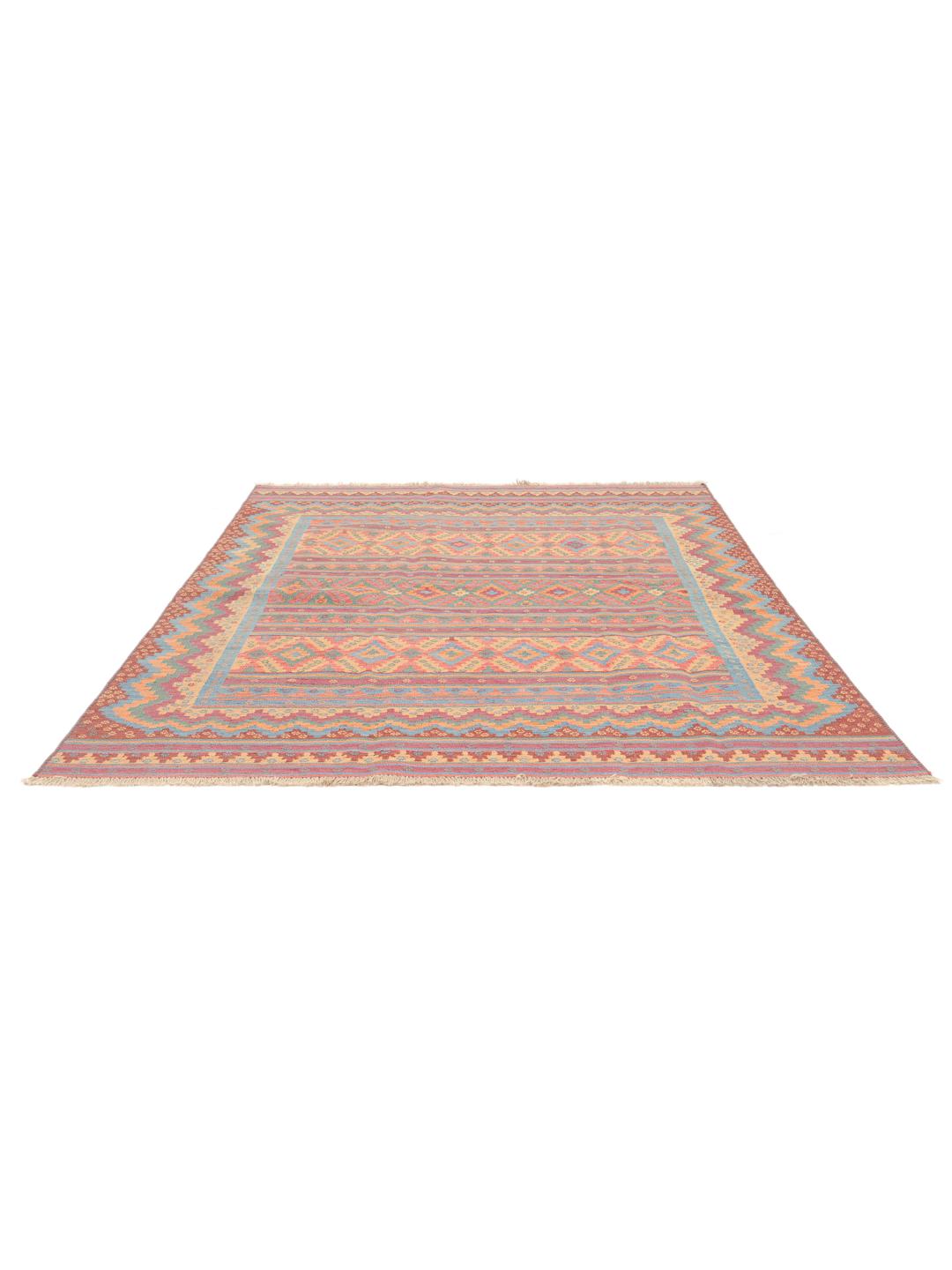
Signature design elements of the Sirdjan style often include repeating geometric motifs, such as diamonds and stylized floral patterns, enclosed by elaborate, ornate borders. These designs are rarely accidental, often carrying symbolic meanings linked to the weaver's environment and tribal heritage. The use of natural dyes historically gave these rugs their signature earthy warmth, a tradition that continues to influence the vibrant palettes seen in today’s pieces.
Collecting a Kilim from this tradition is an opportunity to own a piece of living history. These rugs are valued not just for their aesthetic appeal, but for the skill and cultural narrative embedded in every thread. By bringing a Sirdjan Kilim into your home, you are preserving an ancient craft and celebrating the artistry of weavers who have kept these traditions alive across the Middle East.