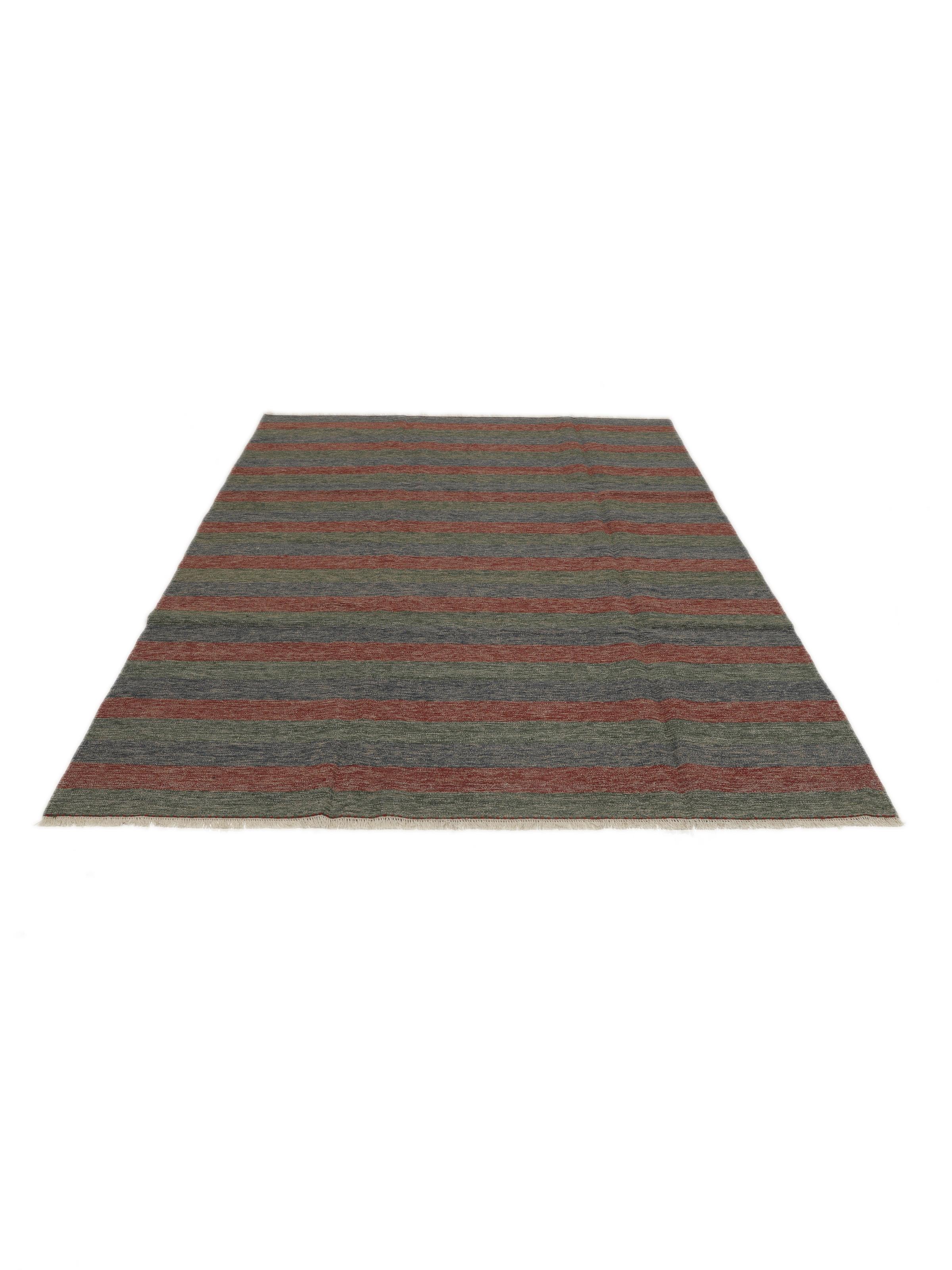
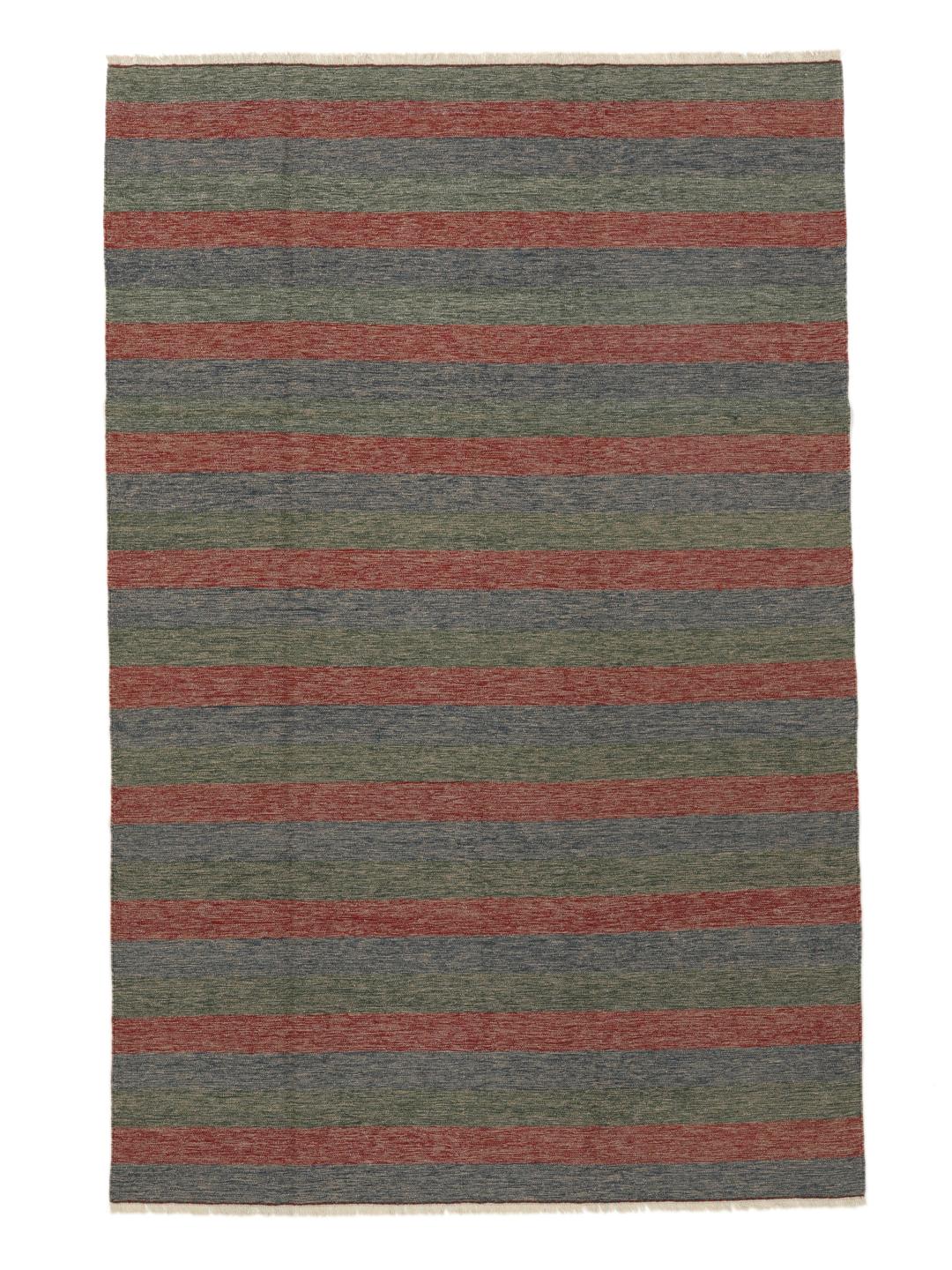
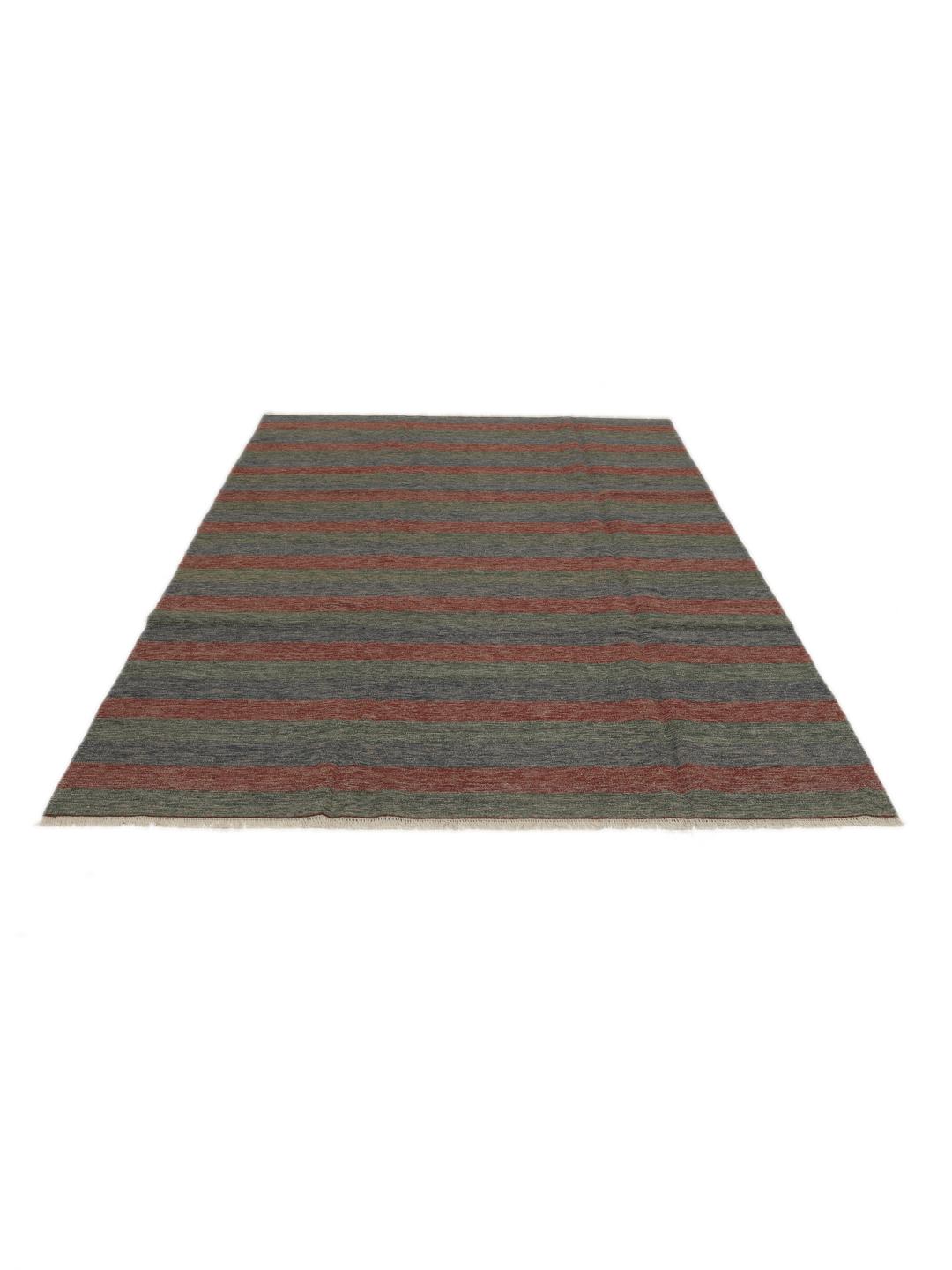
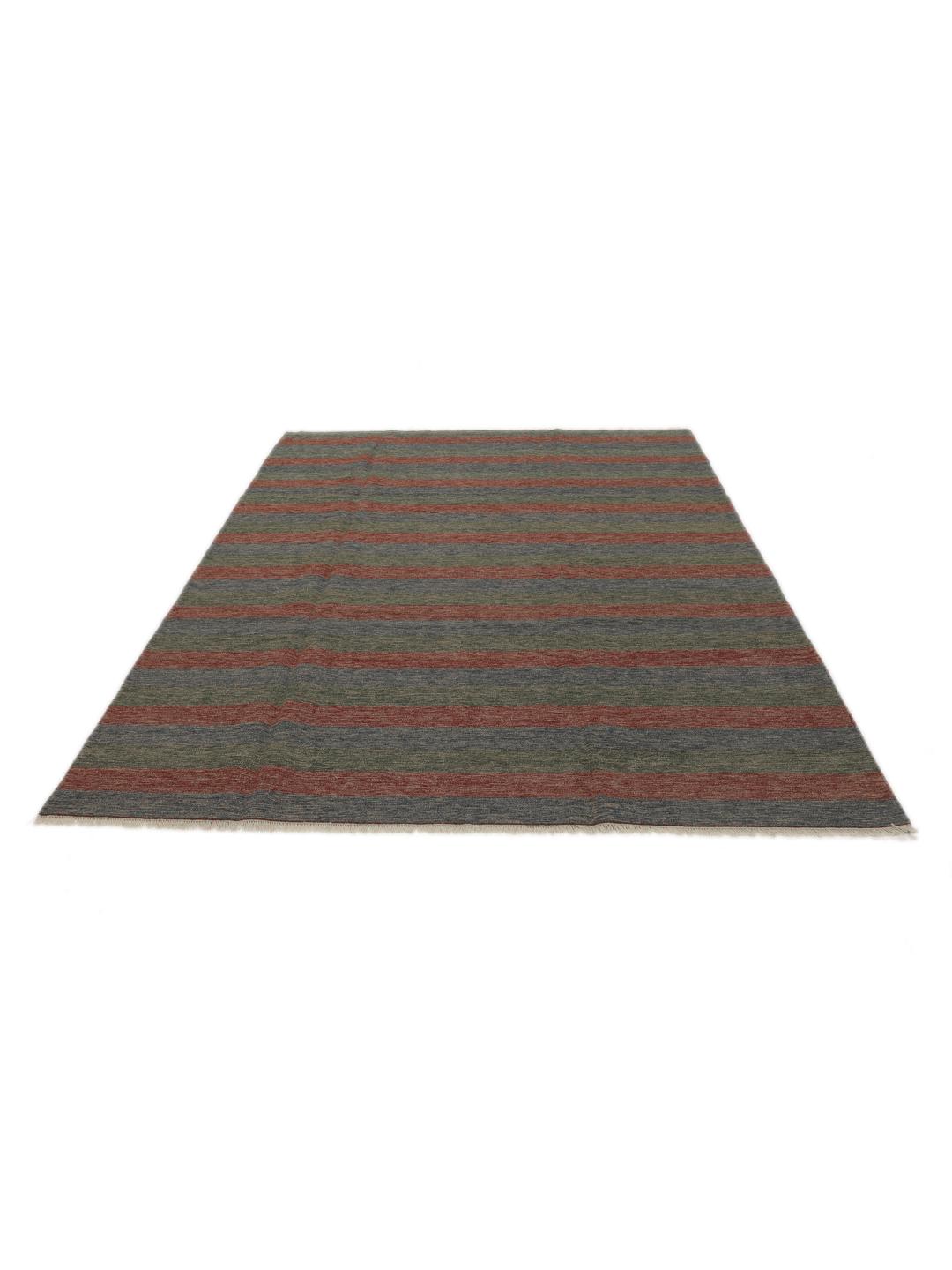
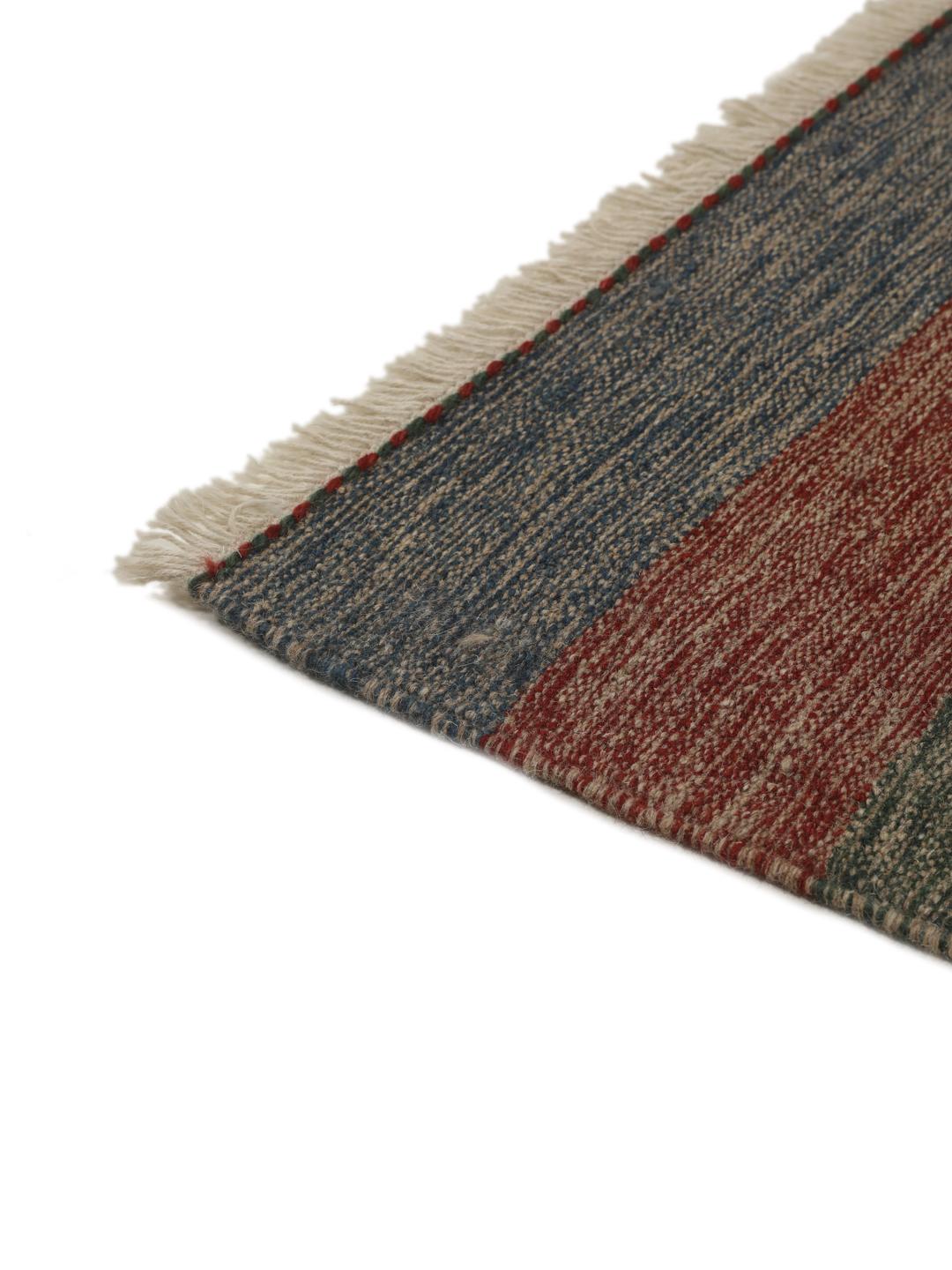
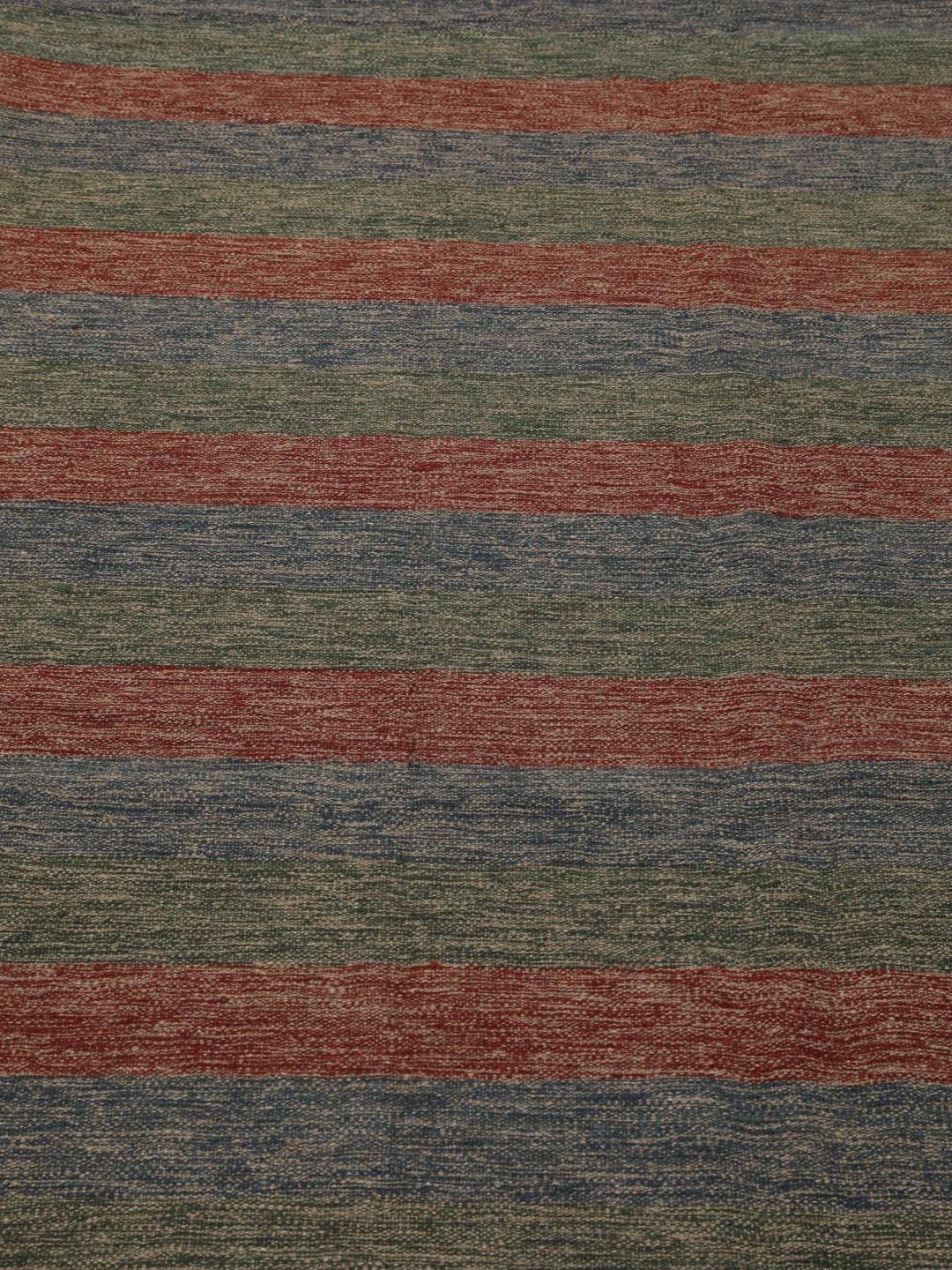
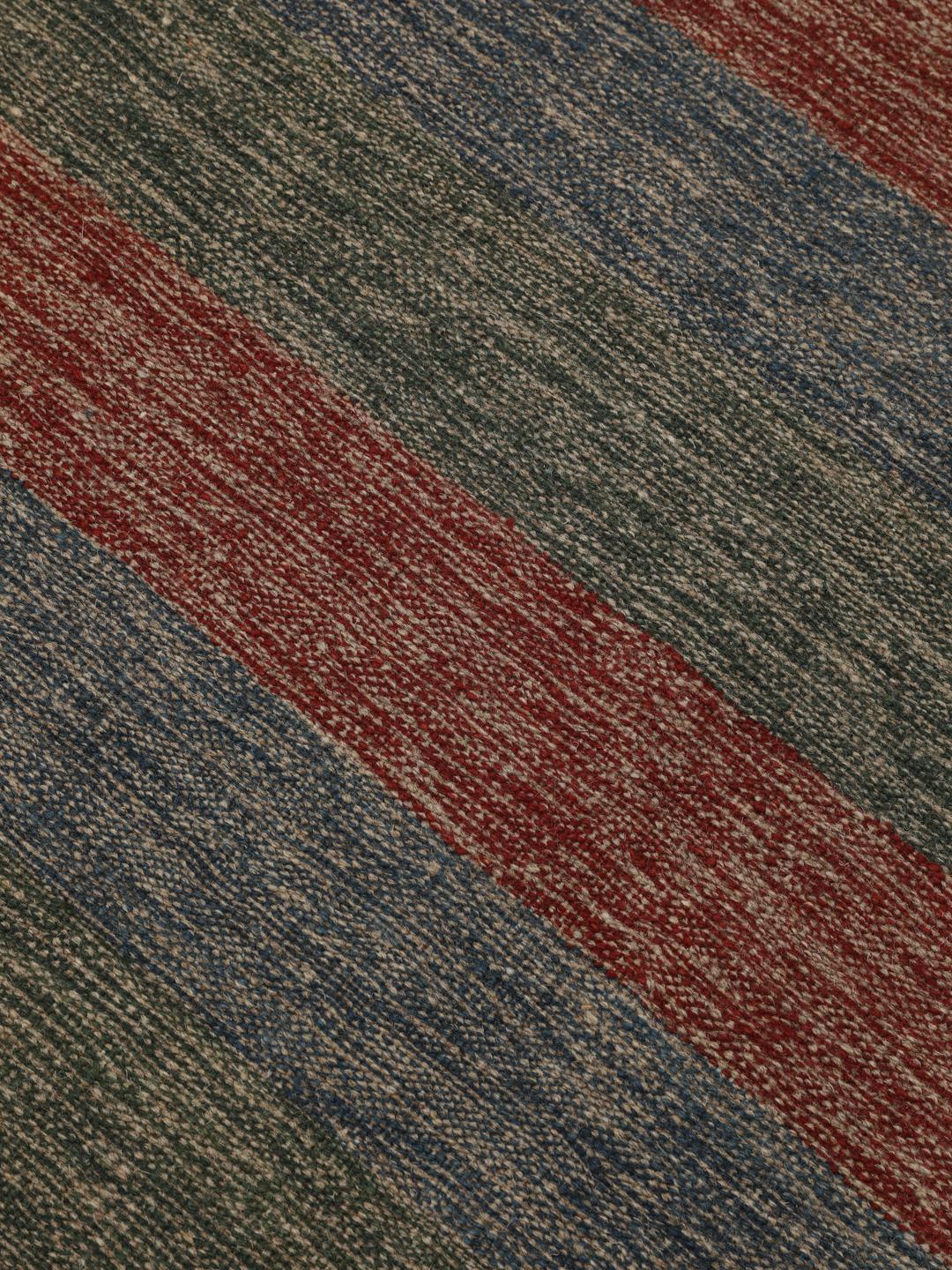
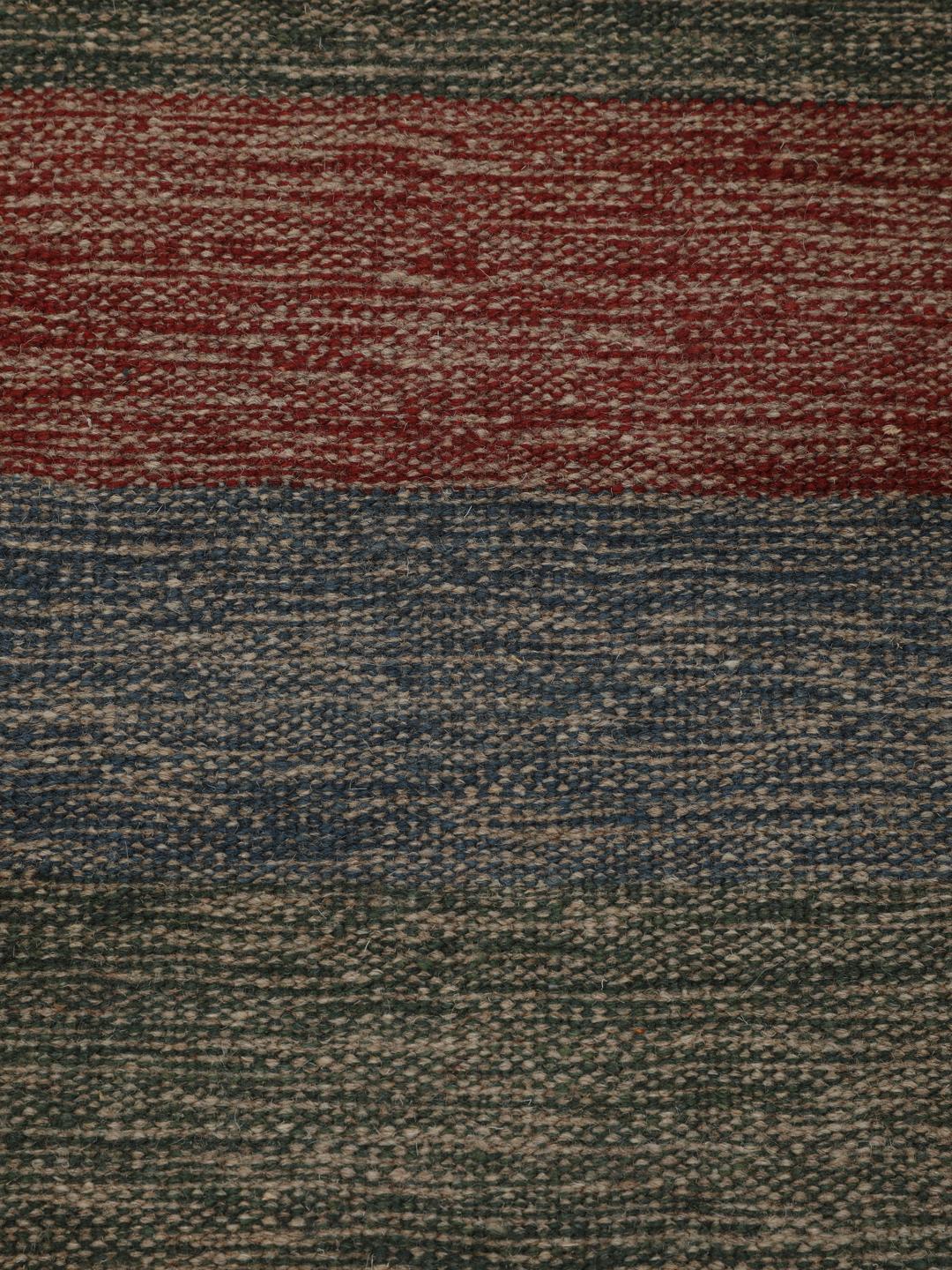
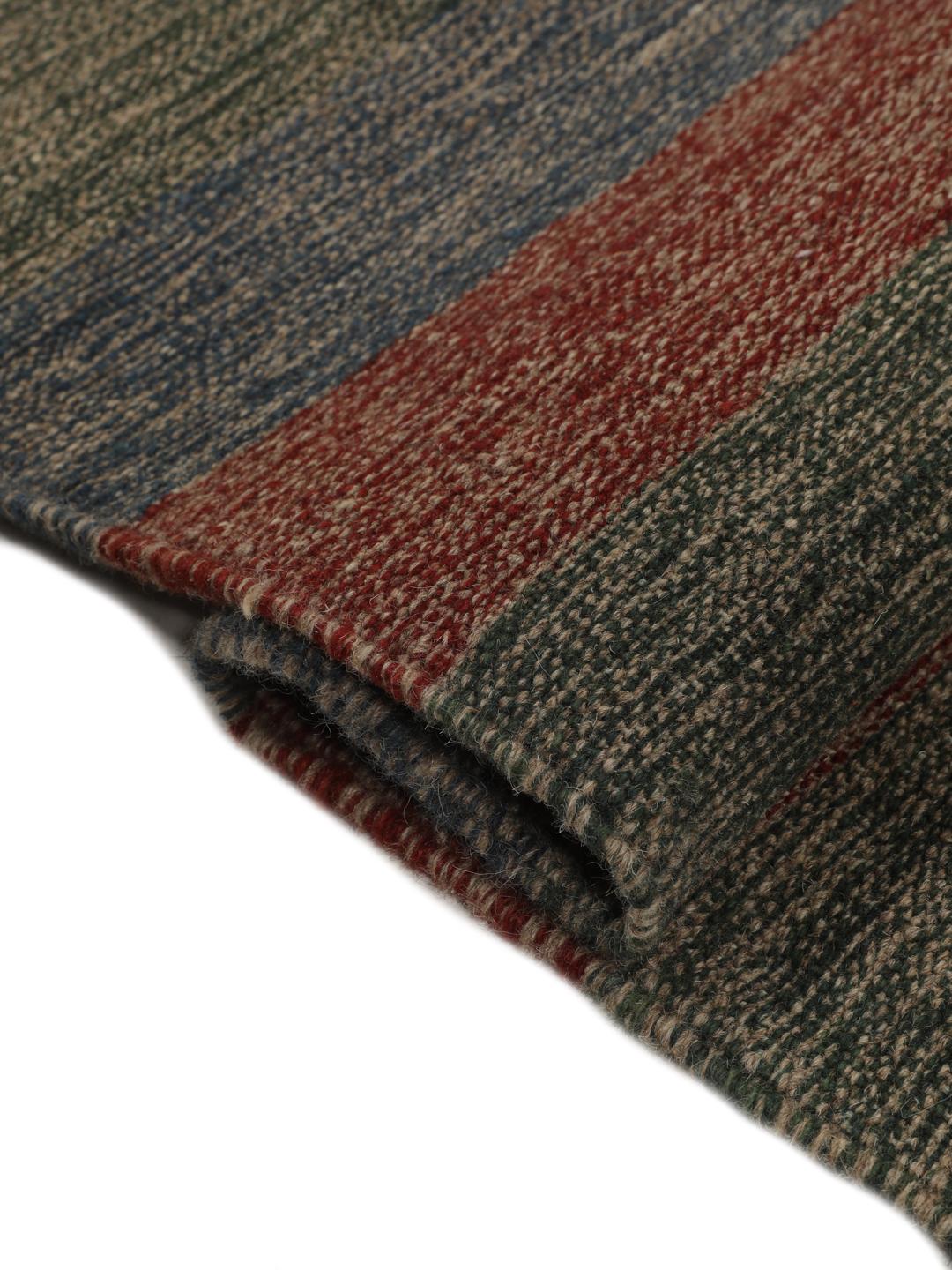
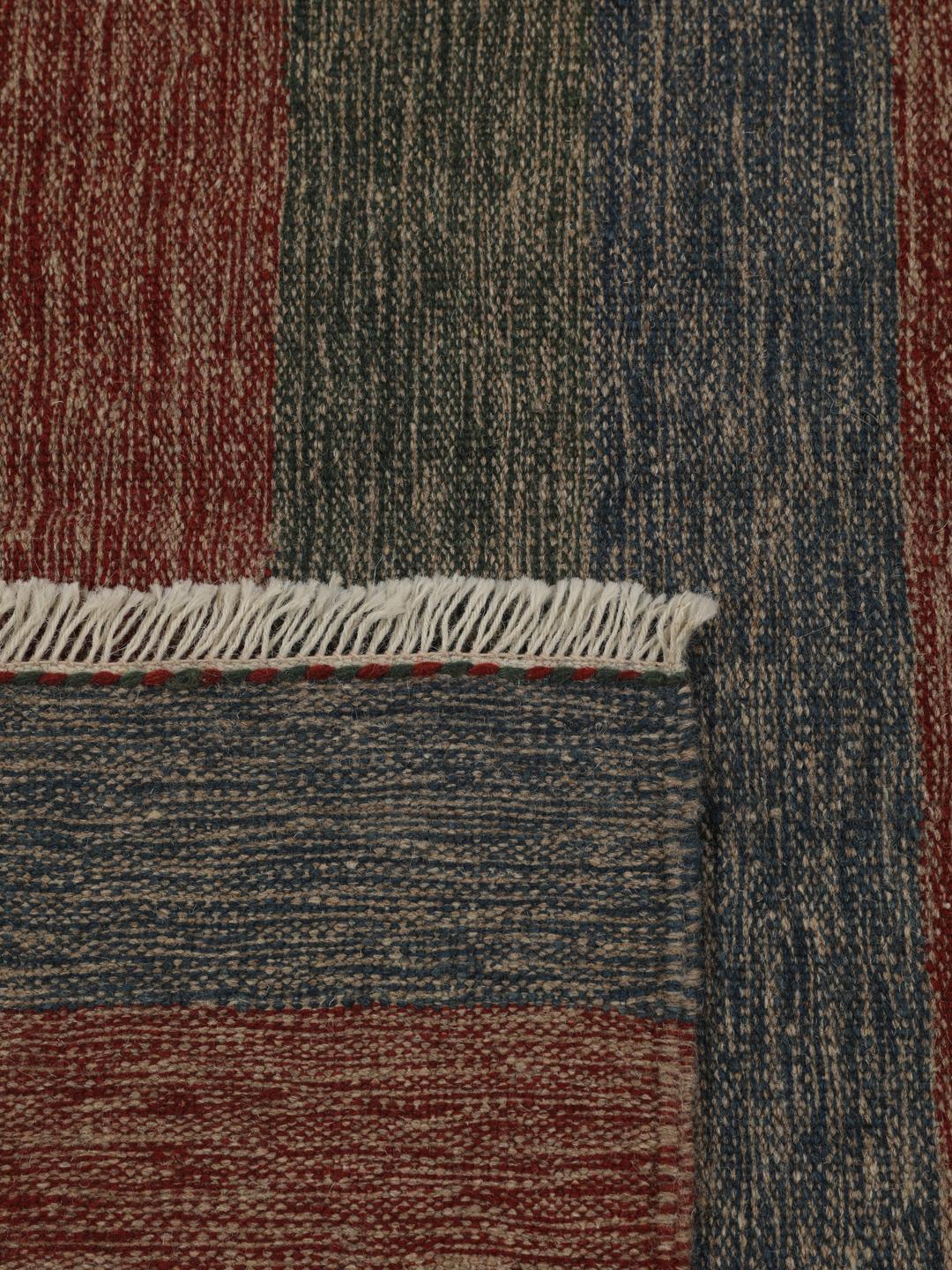
Kilim rugs represent one of the oldest and most respected textile traditions in the Middle East. For centuries, these flat-weave rugs have been essential to nomadic and village life, serving as floor coverings, wall hangings, and even storage bags, prized for their portability and immense durability.
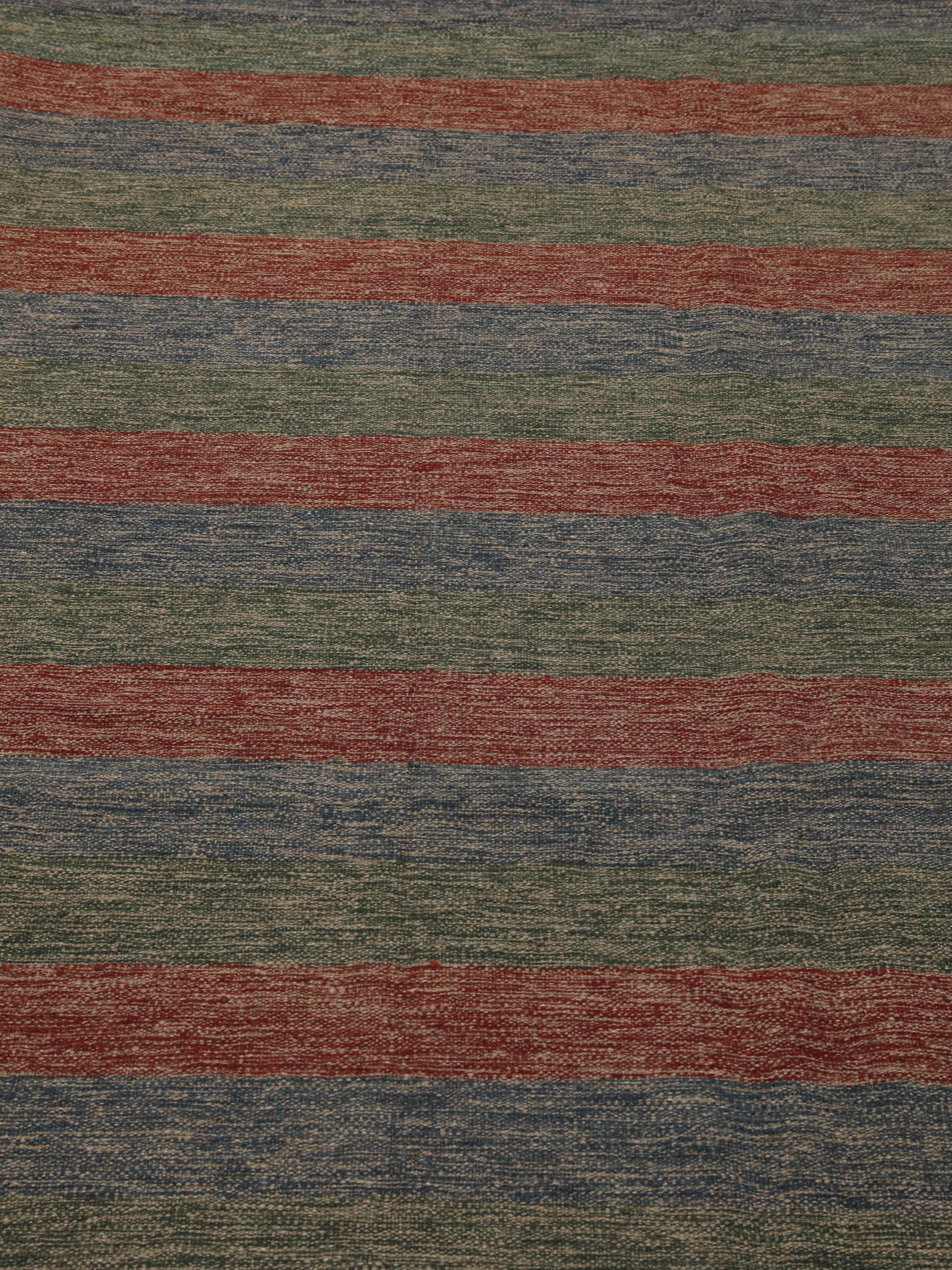
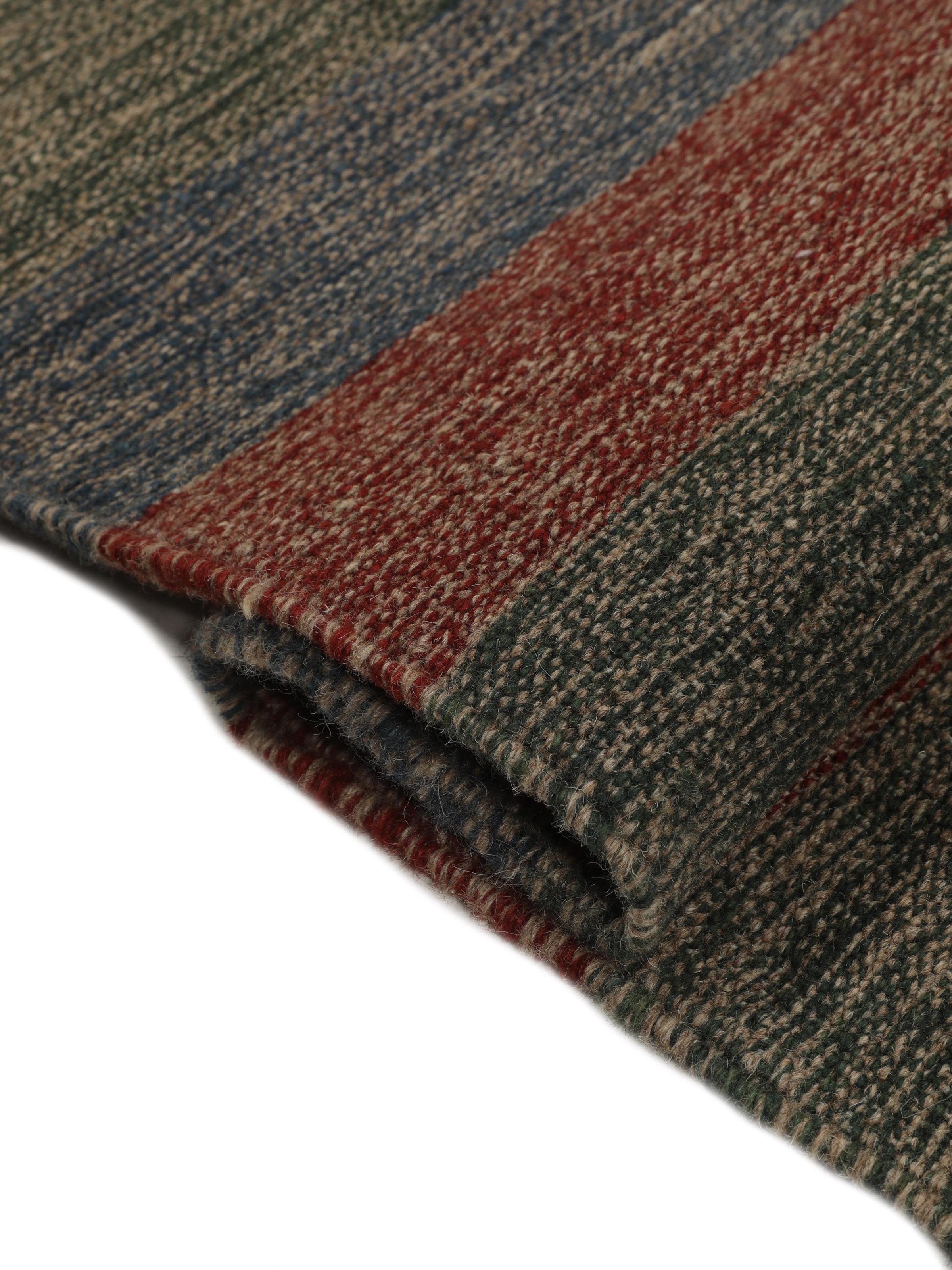
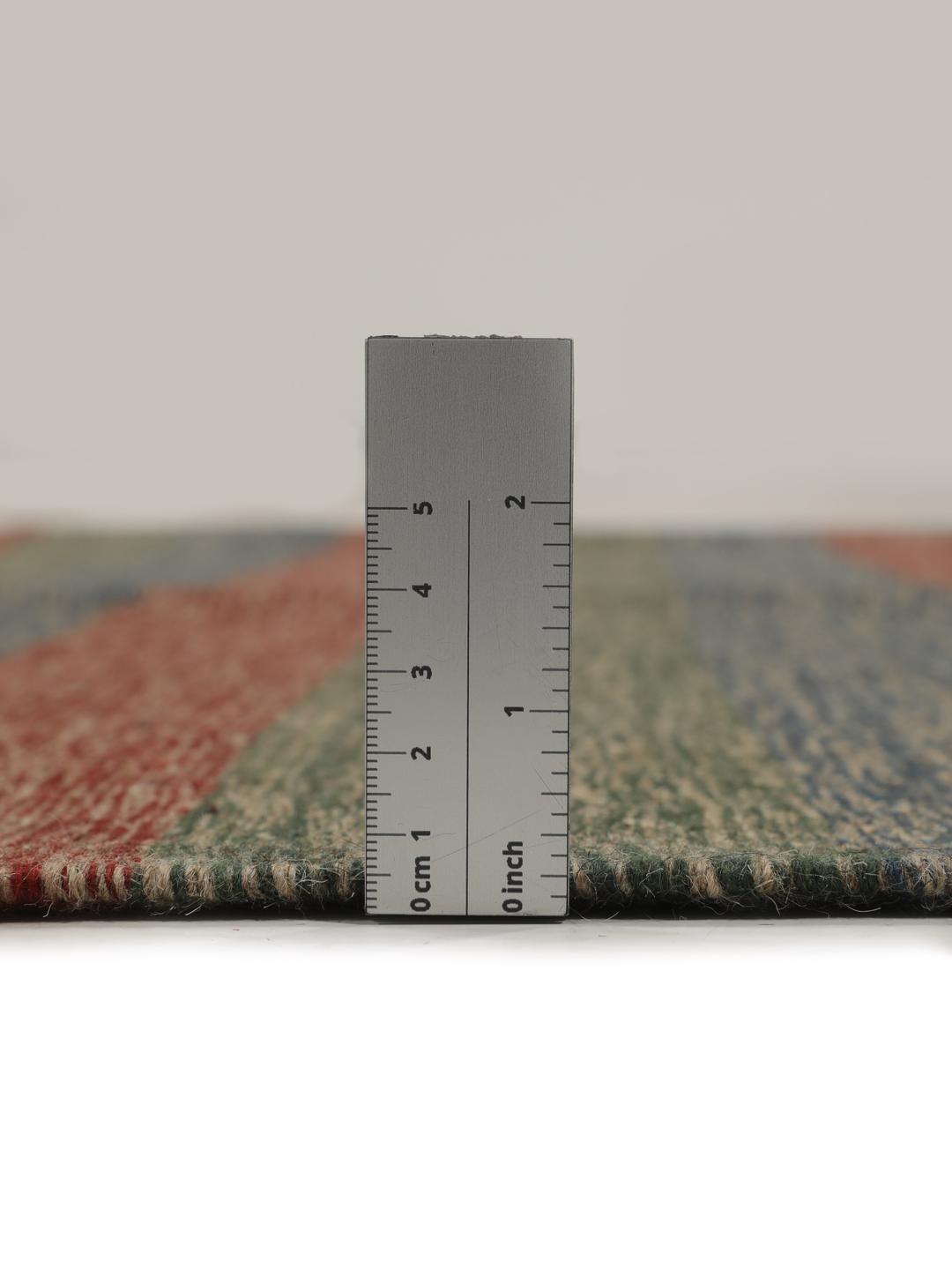
The term 'Kilim' refers to the specific technique of slit-weaving, where the weft threads are pulled tightly to cover the warp threads completely. This method creates a clean, reversible rug without a pile, which is why these pieces are so valued for their versatility and resistance to wear.
Visually, these rugs are often defined by geometric patterns and bold stripes, a tradition born from the limitations and possibilities of the loom. While colours were once derived entirely from natural plant and mineral dyes, the tradition has evolved to include a wide palette, though the preference for harmonious, balanced compositions remains a hallmark of the style.
Owning a Kilim is more than just a decor choice; it is an appreciation of a craft passed down through generations. These rugs are collected for their authenticity and the way they bridge the gap between ancient nomadic utility and modern interior design, offering a grounded, historical presence in any contemporary home.