Kilim rugs are a central pillar of textile history across the Middle East. For centuries, these flat-woven pieces have been essential to nomadic and village life, serving as everything from floor coverings and blankets to storage sacks and wall hangings. They are deeply tied to the cultural identity of the regions where they are made, reflecting the natural landscapes through their choice of dyes and motifs.
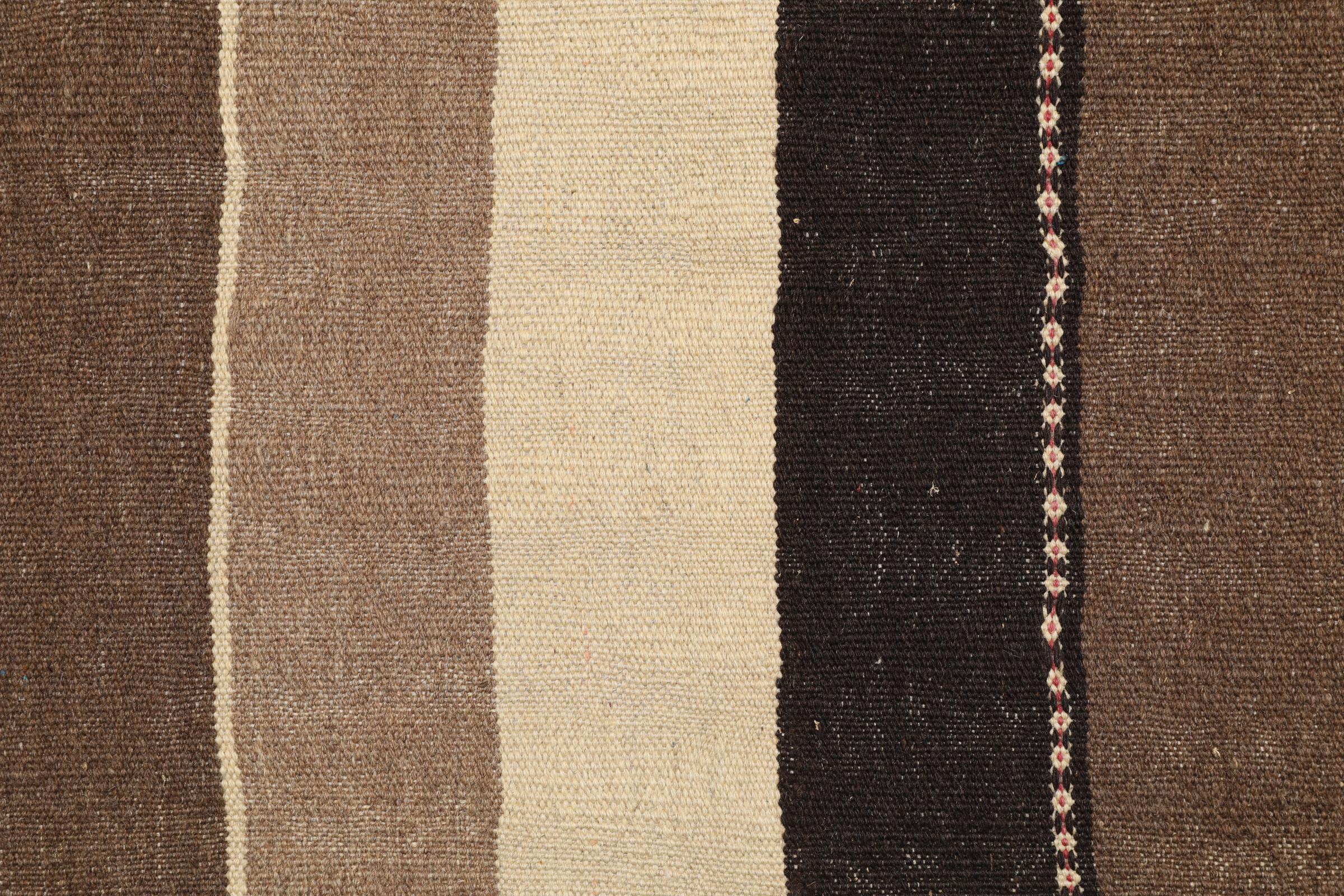
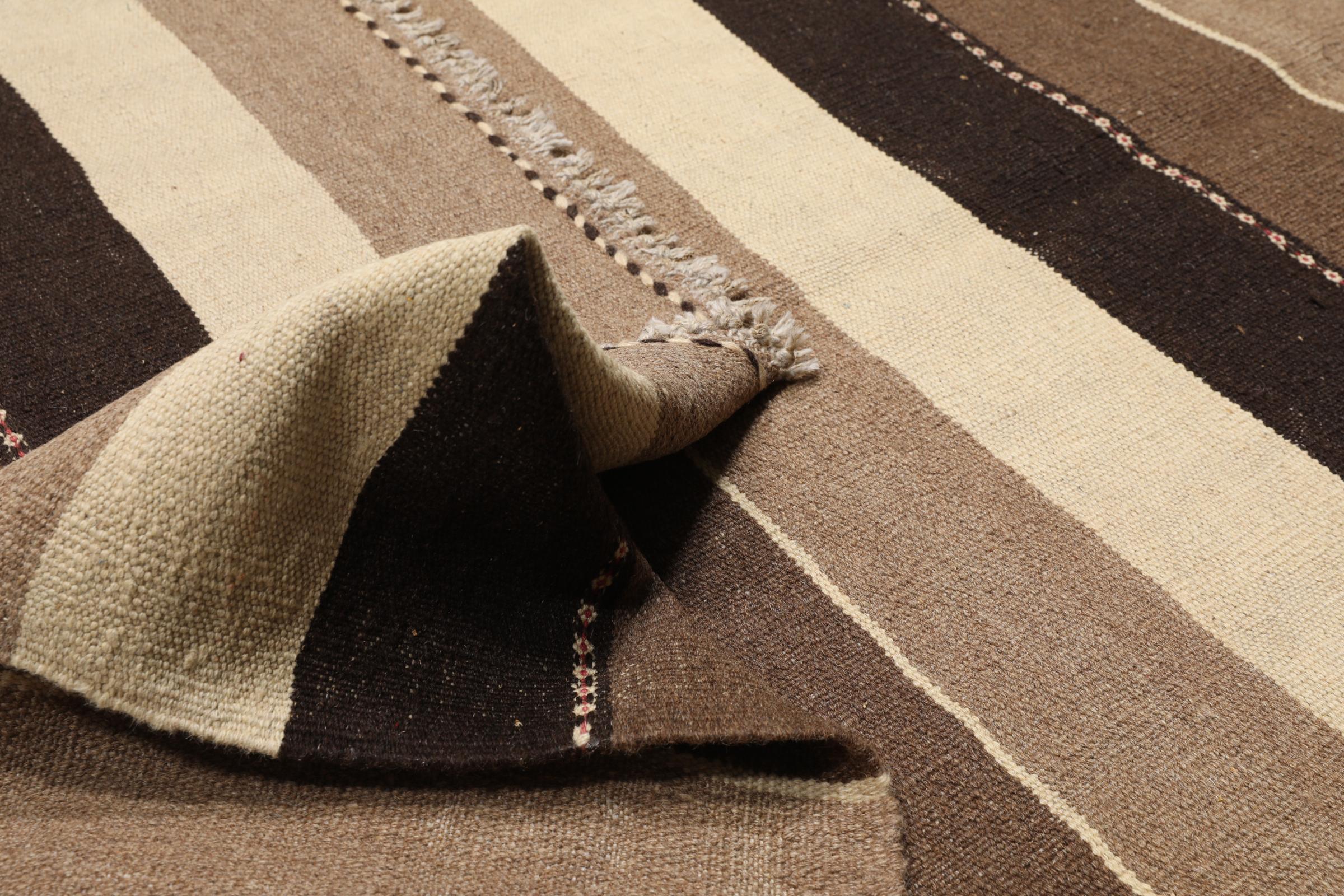
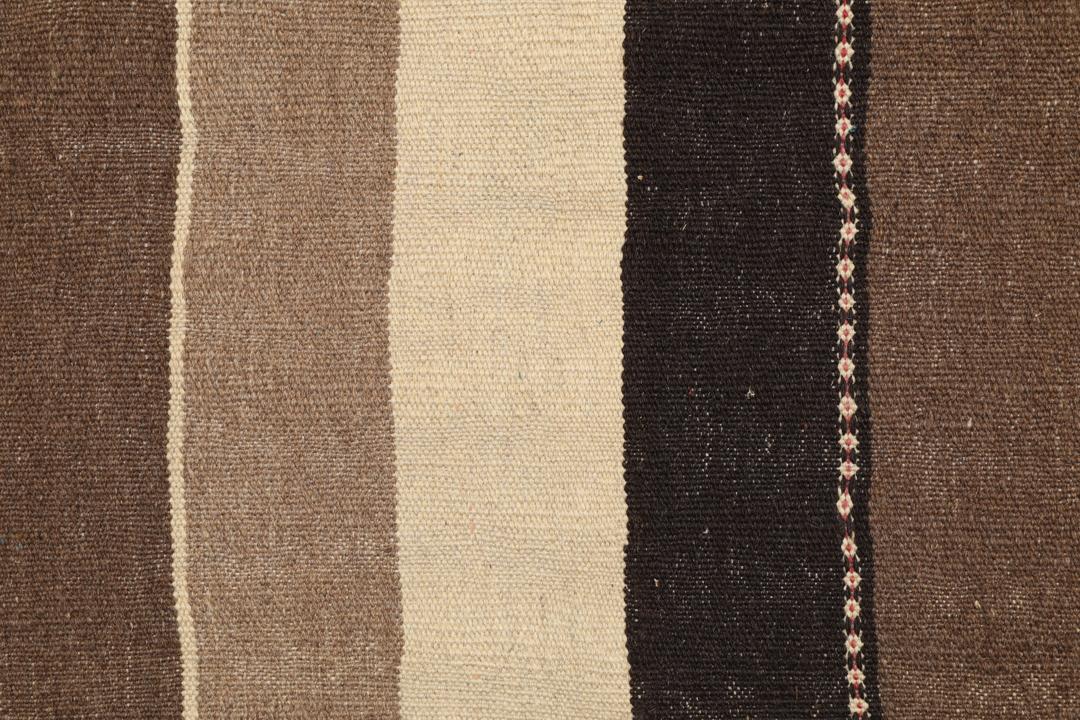
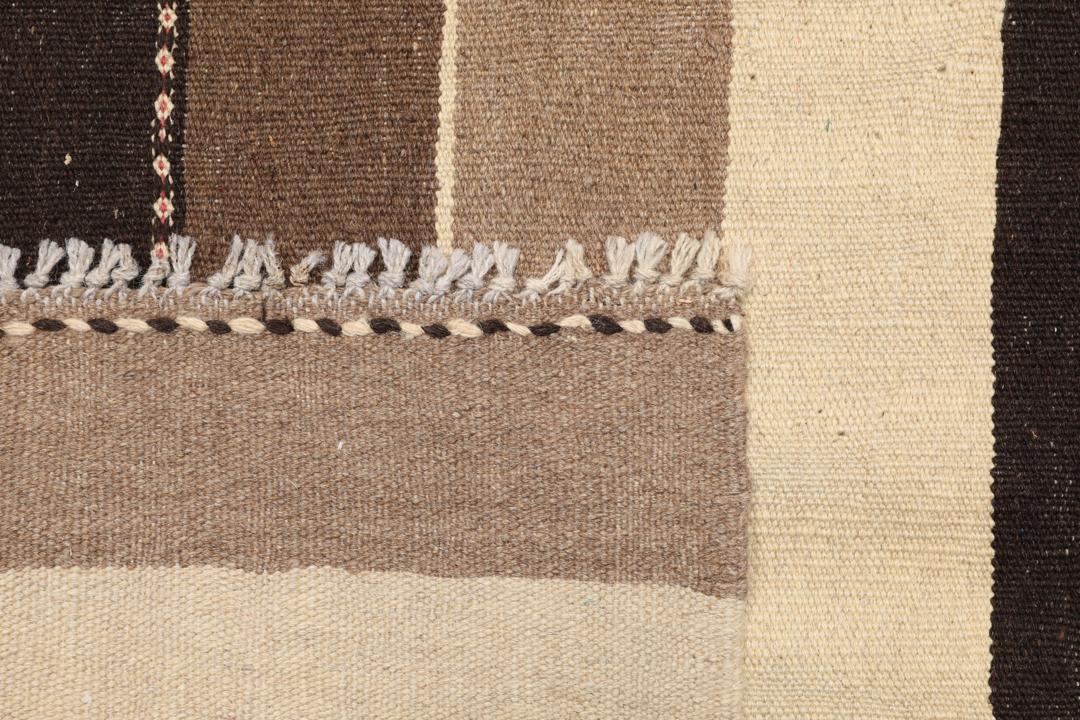
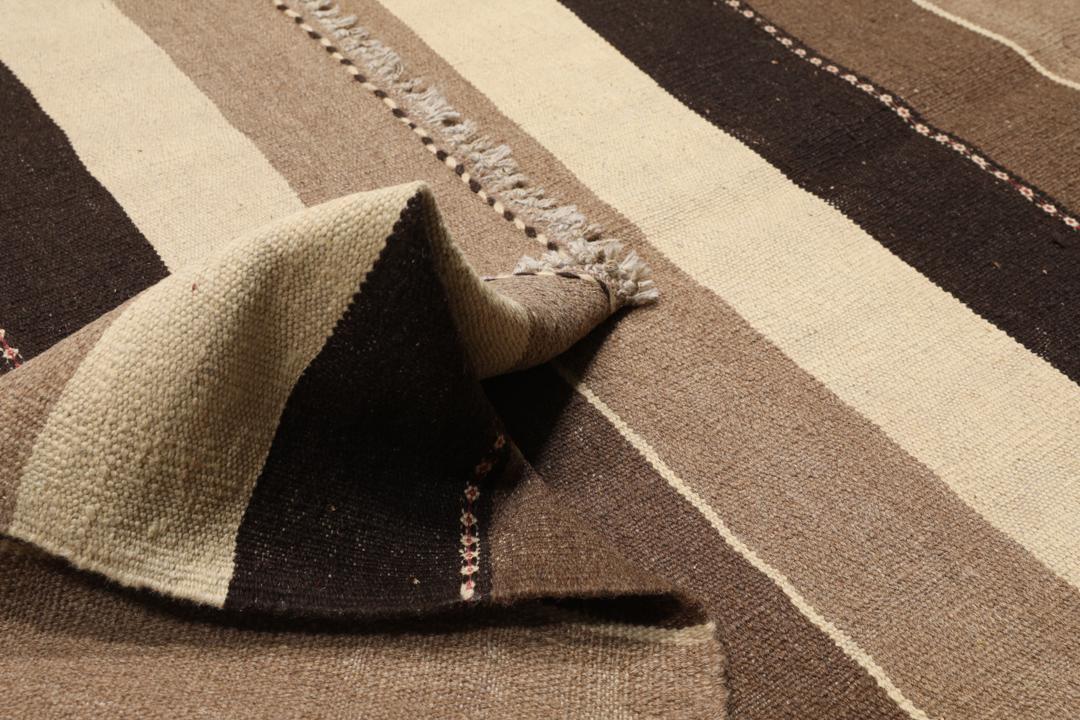
The term Kilim refers specifically to the flat-weaving technique where there is no pile. The weft threads are passed through the warp threads, creating a strong, reversible fabric. This method is highly valued for its simplicity and strength, producing a rug that is both easy to maintain and remarkably resilient against wear and tear.
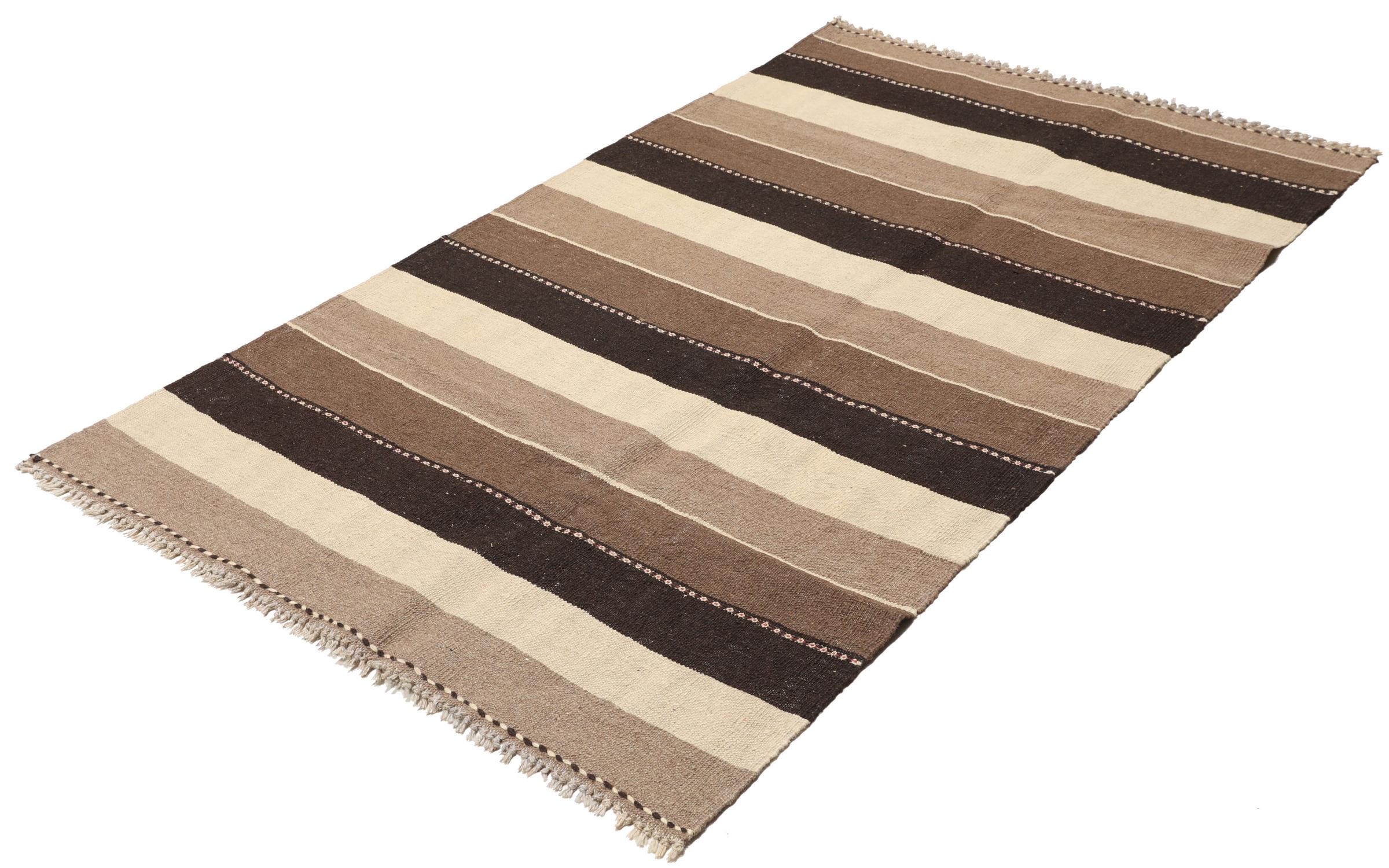
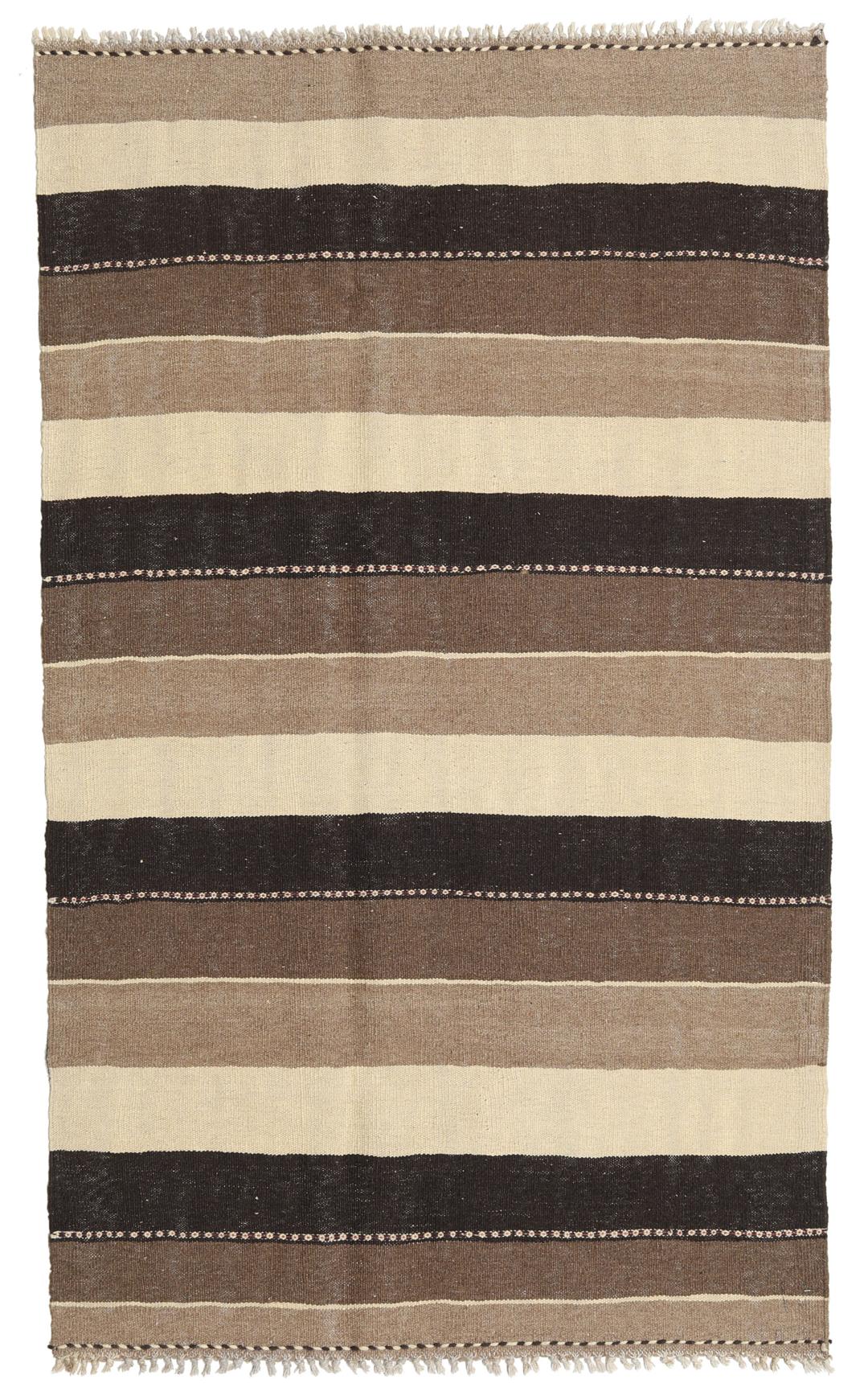
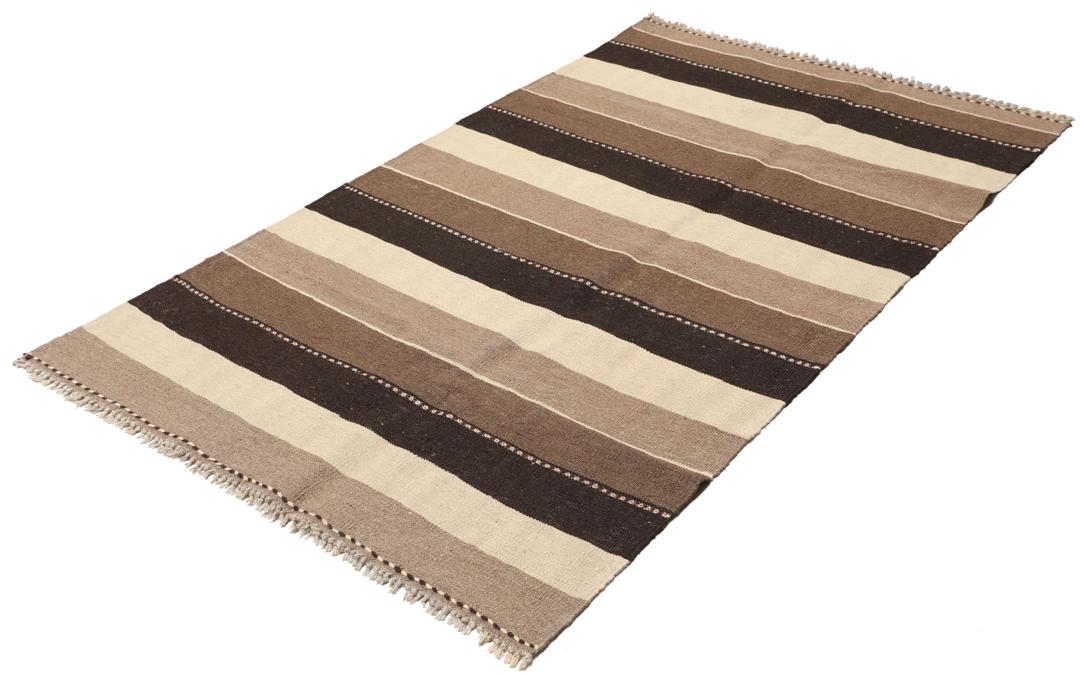
Design-wise, Kilims often feature geometric patterns and bold stripes that tell stories of the weaver's environment and heritage. The horizontal striping seen in this particular piece is a traditional expression of order and balance, using earthy tones that were historically derived from local plants, roots, and minerals found in the surrounding landscape.
Owning a Kilim is an investment in a living tradition. These rugs are highly sought after by collectors not just for their visual appeal, but for the human story embedded in every thread. They represent a connection to ancient craft practices that prioritise longevity, utility, and the honest expression of raw materials.